
Reviewed · FUSHIMI INARI SHRINE TOURS
Kyoto: Essential Tour with Fushimi Inari & Bamboo Grove
Kyoto can feel like a temple mood switch. Fushimi Inari Taisha with its red torii gates and fox statues is the kind of place that makes you slow down. Then you head to Arashiyama Bamboo Grove for calmer walking and easy, scenic photos.
I also like the private guide approach, because you can ask questions and adjust your pace without fighting the crowd. The itinerary stays efficient, with enough time at each stop to feel like you actually did something, not just checked boxes.
One consideration: this tour isn’t suitable for wheelchair users, and you’ll want comfortable footwear for the walking on shrine paths and in the bamboo area.
In This Review
- Key highlights I’d plan around
- Kyoto in 3.5 Hours: Why This Fushimi Inari and Arashiyama Combo Works
- Fushimi Inari Taisha: Torii Gates, Fox Statues, and How to Enjoy It
- The Train Transfer to Arashiyama: Built-In Reset Time
- Arashiyama Bamboo Grove with a Private Guide: Light, Quiet Paths, and Area Context
- How the Flexible Itinerary Actually Helps You Day-of
- Price and Value at $135: What You’re Paying For (and What You’re Not)
- What You’ll Want to Bring (and What to Avoid)
- Who This Tour Suits Best (and Who Should Skip It)
- The Human Touch: Why the Guide Matters Here
- Should You Book This Kyoto Tour?
- FAQ
- How long is the tour?
- Is this a private tour, and what languages are available?
- Where do you pick up and drop off?
- What are the main stops included?
- What should I bring, and what’s not allowed?
- Is the tour wheelchair accessible?
Key highlights I’d plan around
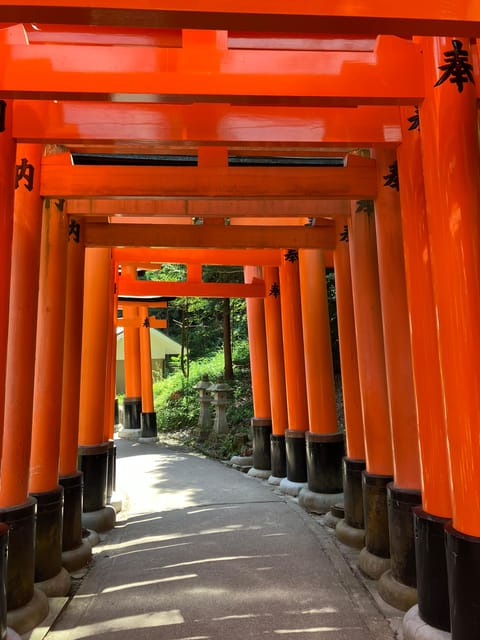
- Fushimi Inari Taisha: torii gate paths plus guide explanations of the fox statues and shrine significance
- Arashiyama Bamboo Grove: a quieter, guided stroll with help for what to photograph and where to look
- Private group with flexible timing: you can tailor the day and start time needs can be discussed in advance
- Hotel pickup and drop-off: fewer logistics headaches in Kyoto (and pickup/drop options include Osaka)
- Short, focused format (210 minutes): two major Kyoto stops without eating a full day
Kyoto in 3.5 Hours: Why This Fushimi Inari and Arashiyama Combo Works
If you’re short on time in Kyoto, this pairing makes sense. You get the dramatic spirituality of Fushimi Inari Taisha first, then you shift gears to the gentler rhythm of Arashiyama Bamboo Grove. The timing is also very practical: each main site gets about an hour, and the transfer between them is built in as train time.
The private guide matters more than you might think. At places as famous as these, the real value is knowing what you’re looking at and how to move through it. A good guide helps you read the shrine details fast, and it prevents you from spending your energy just trying to find your way.
There’s also real comfort in the logistics. You get hotel pickup and drop-off, so you’re not doing station math while your phone battery panics.
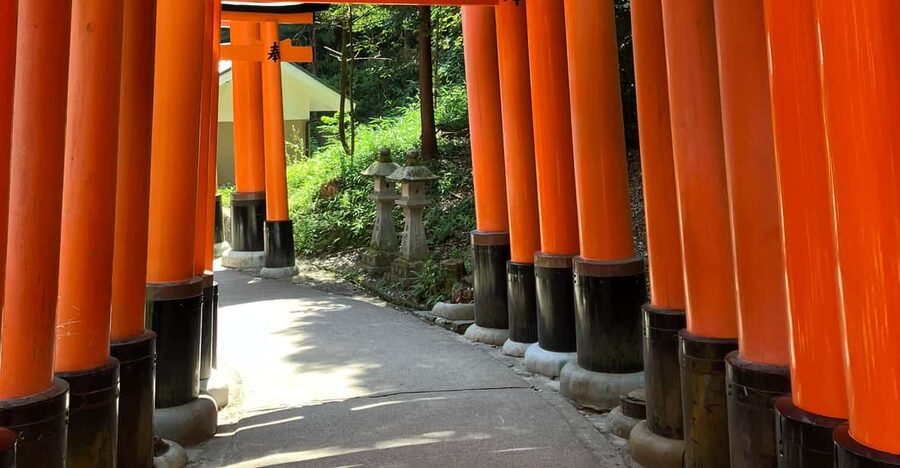
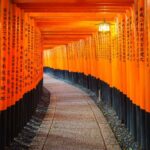
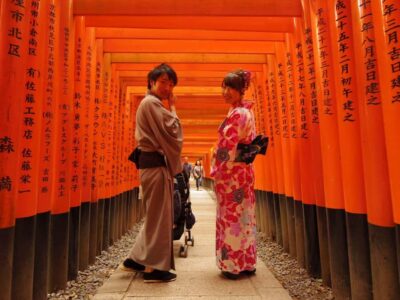
More walks up through the vermilion torii of Fushimi Inari

Fushimi Inari Taisha: Torii Gates, Fox Statues, and How to Enjoy It
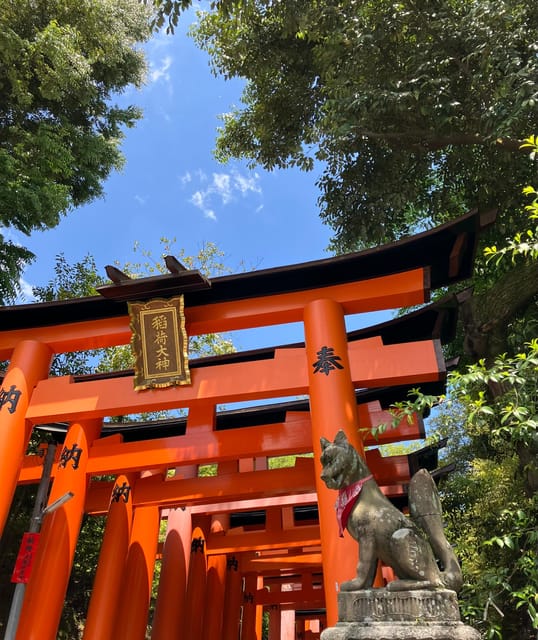
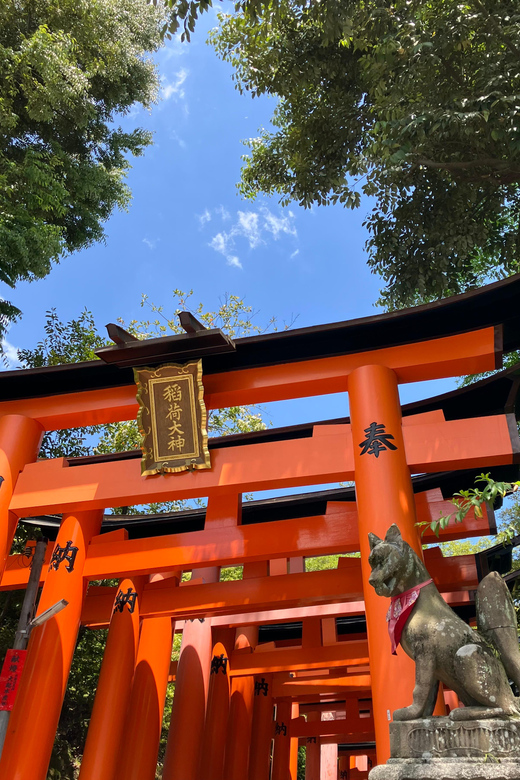
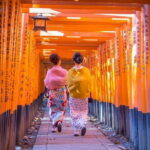
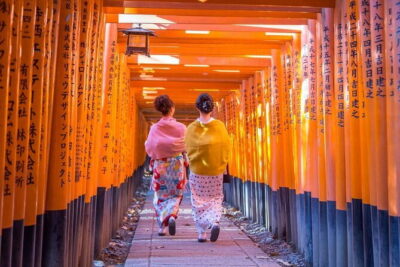
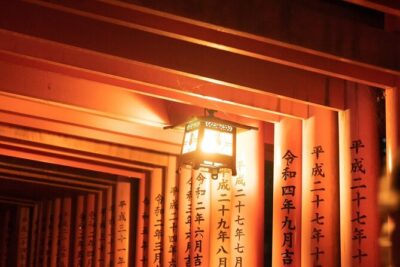
Start at Fushimi Inari Taisha, one of Kyoto’s most important Shinto shrines. The big visual hook is the thousands of red torii gates climbing Mount Inari. They create a tunnel effect as you walk, and the way the path rises makes it feel like the shrine is pulling you upward.
What I like about a guided visit here is the “why,” not just the “what.” Your guide explains the shrine’s connection to the god of rice and business prosperity, and that context changes how you view the space. You’ll also hear about the spiritual importance of the fox statues scattered throughout the complex. That’s useful because those statues aren’t random decoration; they’re part of the shrine’s storytelling.
Expect a walking route through winding paths. Go in with comfortable shoes and a camera ready, because you’ll want to stop for photos along the torii stretches and the viewpoints over Kyoto. If you’re the type who likes details, you’ll appreciate the guide’s pace—fast enough to keep momentum, slow enough to actually notice things.
A small practical tip: bring water. The area can involve plenty of steps on uneven shrine paths, and this tour format doesn’t include meals, so you’ll be glad you packed hydration.
The Train Transfer to Arashiyama: Built-In Reset Time
Between Fushimi Inari and Arashiyama, you have train time—about 30 minutes. I like that this isn’t treated as an afterthought. The day has a rhythm: shrine walking, then a short transit window, then bamboo walking.
Also, note the tour is set up with pickup and drop-off options. Depending on your lodging and where you start, you can have Osaka or Kyoto as a pickup option, with drop-off options also covering Kyoto or Osaka. That means the tour can work even if you’re not staying right in the Kyoto city center.
One more thing to keep in mind: meals aren’t included, and transportation costs are listed as not included. Since there is a train segment in the day plan, confirm what you’re expected to cover for transit when you book. The time is accounted for, but the bill details may still need checking.
Arashiyama Bamboo Grove with a Private Guide: Light, Quiet Paths, and Area Context
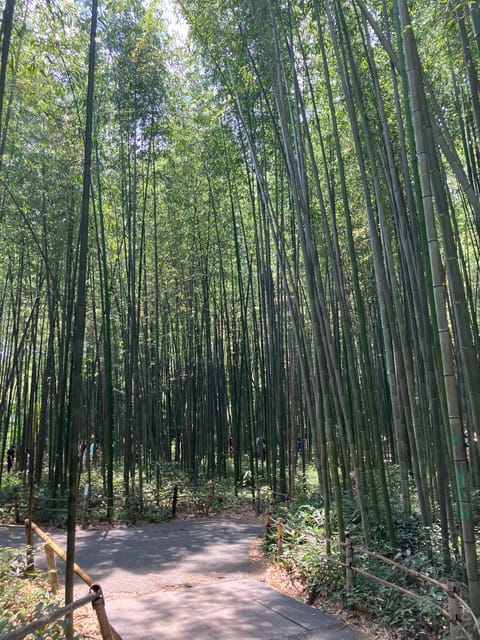
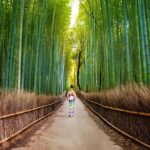
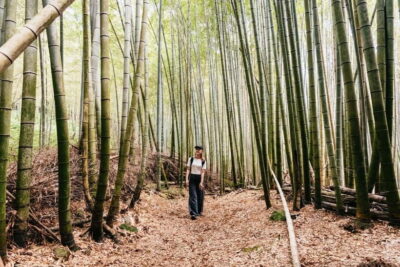
Next comes Arashiyama, and specifically the Bamboo Forest portion. The change in atmosphere is the point. Instead of shrine structures and red gates, you get towering bamboo stalks that make the area feel airy and calm. The guide leads you through peaceful paths, and the bamboo creates a natural photo setting thanks to the filtered light effect you’ll notice once you’re inside.
Your guide also shares context about Arashiyama itself—its significance and why it became a retreat for Kyoto’s aristocracy in ancient times. That’s helpful because Arashiyama isn’t just a photo stop. When you understand its past role as a getaway, the quiet walking experience feels more intentional.
You’ll likely spend time both in the bamboo grove and in the surrounding Arashiyama area. The tour description emphasizes that you’re guided through the paths, so you’re not just wandering. That’s a big deal here because crowds can change the vibe fast, and a guide helps you keep your focus on views and moments that are actually worth stopping for.
If you want good photos, plan to take them at multiple points: from more open spots where the bamboo lines recede, and from closer angles where you capture texture and light. Bring your camera, and don’t forget sunscreen if you’re traveling on a bright day—bamboo shade is real, but daylight can still be strong between breaks.
How the Flexible Itinerary Actually Helps You Day-of
This tour includes flexibility, which is often code for nothing—unless you use it. Here, the day is designed around two strong anchors, and then the guide can adjust details based on your preferences.
That’s useful for two common situations:
- You might prefer slower walking at Fushimi Inari if you want more time for gates and explanations.
- You might want a more relaxed pace in Arashiyama if your energy is lower after the morning shrine time.
You can also ask questions as you go, which is where private guiding pays off. Instead of guessing, you get answers in context—what something means, why it’s arranged a certain way, and what’s worth your attention right now.
There’s also a start-time flexibility element. You can contact the operator with requests or questions, and they’ll do their best to be flexible with the itinerary and start time. Same-day changes can be difficult, so if you have constraints—like a reservation later in Kyoto—send details ahead of time.
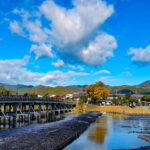
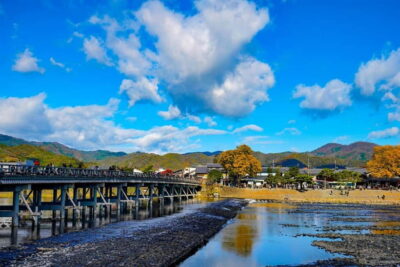
Deeper into Arashiyama, past the bamboo and the Hozu river

Price and Value at $135: What You’re Paying For (and What You’re Not)
At $135 per person for 210 minutes, you’re paying for three main things: (1) a private guide, (2) hotel pickup/drop-off service, and (3) two major Kyoto sights in one tight plan.
Here’s the value breakdown in plain terms:
- Private guide time: That hour at each stop isn’t generic commentary. It’s explanations tied to what you see, especially with torii gate context and the fox statues at Fushimi Inari.
- Less transportation friction: Pickup/drop-off removes the stress of managing transit while you’re tired. You also get options that can include Osaka.
- A time-saving structure: You’re not assembling this plan yourself. The day is timed around train time and focused site blocks.
What you’re not paying for: meals and transportation costs are listed as not included. Since the plan includes train time, confirm whether transit is expected to be covered by you. Also budget for lunch or snacks nearby on your own.
The bottom line: if you want a guided visit to two top-tier Kyoto icons without spending half your trip figuring out logistics, the price can feel reasonable. If you’re comfortable doing everything on your own and you don’t care about explanations, it may be more than you need.
What You’ll Want to Bring (and What to Avoid)
This tour gives you a short list, and it’s a good one. Pack comfortable shoes first—both the shrine paths and bamboo forest walking can require solid footing. Bring a camera, plus sunscreen and water, since the day includes walking and meals aren’t included.
A small rule: no smoking. It’s stated as not allowed, so plan accordingly if you’re a smoker.
Also, if you’re sensitive to sun or heat, consider clothing that you can walk in comfortably for about an hour at a time. The tour is timed tightly, so you may not have long breaks.
Who This Tour Suits Best (and Who Should Skip It)
This is a strong fit if:
- You want two iconic Kyoto sights without a full-day commitment
- You like having an expert guide handle cultural context at Shinto sites
- You prefer a private group format where you can go at your pace
- You’re staying in Kyoto (or even Osaka) and want pickup/drop-off to reduce friction
It’s not a good fit if:
- You use a wheelchair. The tour isn’t suitable for wheelchair users.
- You’re looking for a food-focused experience, because meals are not included.
One more practical note: the guide can be English or Japanese. If you want English explanations, select the English option in your booking process.
The Human Touch: Why the Guide Matters Here
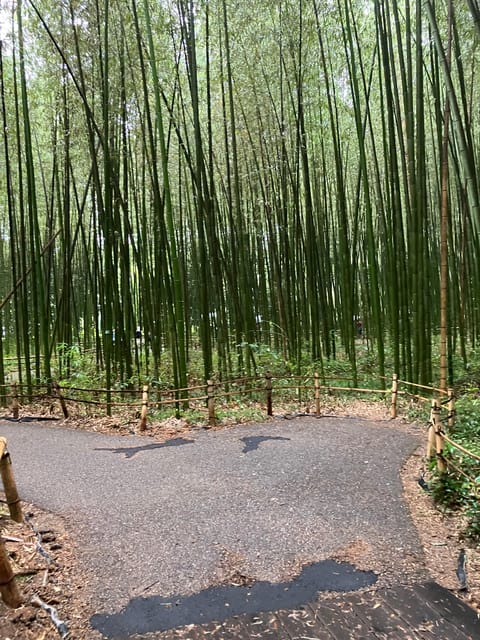
One detail that carries a lot of weight is the guide. Masa is specifically mentioned as friendly and helpful, and the tone you get from that kind of guiding is important at these two locations. At Fushimi Inari, you’ll get more out of the walking when you understand what’s in front of you. At Arashiyama, you’ll enjoy it more when someone helps you slow down and notice the bamboo, rather than just marching through.
A good guide also looks out for your interests, not just the schedule. In practice, that means you’re more likely to get the right amount of time at each spot for your style of travel.
Should You Book This Kyoto Tour?
I think you should book this if your priority is guided, high-impact Kyoto in a short window. The combination of Fushimi Inari Taisha plus Arashiyama Bamboo Grove is a classic for a reason, and having a private guide with hotel pickup/drop-off turns it into a smoother, more meaningful experience. At $135 for 210 minutes, it’s priced like a premium guided service, not a budget shuttle—and it earns that price by handling context and logistics for you.
I’d skip it if you’re traveling with mobility constraints (since it’s not suitable for wheelchair users) or if you want a fully self-guided day with meals and transit handled however you like.
If you’re on the fence, decide based on one question: do you want to understand what you’re seeing at Fushimi Inari and get guided timing in Arashiyama, or do you just want to wander? This tour is for the first option.
FAQ
How long is the tour?
The tour lasts 210 minutes.
Is this a private tour, and what languages are available?
Yes, it’s a private group tour. The live guide is available in English and Japanese.
Where do you pick up and drop off?
Hotel pickup is available in Kyoto, with two pickup location options that include Osaka and Kyoto. Drop-off is available in Kyoto, with two drop-off location options that include Kyoto and Osaka.
What are the main stops included?
You’ll visit Fushimi Inari Taisha and the Arashiyama Bamboo Forest.
What should I bring, and what’s not allowed?
Bring comfortable shoes, a camera, sunscreen, and water. Smoking is not allowed.
Is the tour wheelchair accessible?
No. The tour is not suitable for wheelchair users.
More Tour Reviews in Kyoto





More of Arashiyama and Sagano
Fushimi Inari, a Few More Ways
Just added: more Kyoto tours to browse








Fushimi Inari Shrine Tours, compared.
 ★ 4.8Fushimi Inari, Kinkakuji, Bamboo Grove 1 Day Bus TourFrom $1224,316 reviews
 ★ 5.0Fushimi Inari Hidden Hiking Tour (Private Option Available)From $631,750 reviews
 ★ 4.7Kyoto/Osaka: Nara, Fushimi Inari Taisha, Arashiyama Bus TourFrom $521,275 reviews
 ★ 4.4Osaka/Kyoto: Arashiyama, Nara & Fushimi Inari Shrine w/LunchFrom $61754 reviews
 ★ 4.7Nijo Castle, Kiyomizu & Fushimi Inari Guided TourFrom $54700 reviews
 ★ 5.0Nijo, Kinkaku-ji, Arashiyama, Kiyomizu & Fushimi InariFrom $51699 reviews
 ★ 5.0Kyoto Fushimi-Inari Night Walking TourFrom $43320 reviews
 ★ 4.93-Hour Fushimi Inari Shrine Hidden Hiking TourFrom $72270 reviews
Browse the lists this tour appears in