
Reviewed · FUSHIMI INARI SHRINE TOURS
Kyoto Early Bird English Tour: Fushimi-Inari and Arashiyama
Beat the Kyoto rush with torii and bamboo. This early morning guided walk strings together three top spots—Fushimi Inari Taisha, Arashiyama, and Tenryu-ji—with explanations that help the sights make sense. I especially like how the plan is built around an early start to dodge the worst of the crowds and heat.
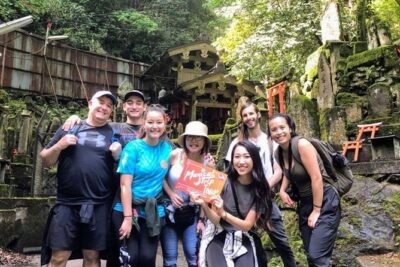
I also like the small-group feel. With a cap of 8 participants, it’s easier to ask questions, and guides you might get—like Vincent, Hiro, Tammy, or Caleb—are described as responsive and great with English.
One heads-up: this is a walking tour. You’ll log around 9,000 steps, it uses public transportation, and it’s not suitable for wheelchair users or people with mobility impairments.
In This Review
- Key things to know before you go
- Why Kyoto’s early morning works so well here
- Meeting at Kyoto Station’s Central Exit 7-Eleven (and not getting lost)
- Fushimi Inari Taisha: torii gates with a story you can remember
- Arashiyama Bamboo Grove: the morning version feels different
- Kimono Forest and Togetsukyo Bridge: quick photo moments done right
- Tenryu-ji Temple and Zen Buddhism: the guide makes it click
- Cost and value: what $94 really covers (and what it doesn’t)
- Walking pace, public transit, and who should say yes
- Smart tips to get the most from this early-bird morning
- Should you book this Kyoto early bird tour?
- FAQ
- How long is the Kyoto early bird tour?
- What places does the tour visit?
- Is admission to Tenryu-ji included?
- Where do I meet the guide?
- Do I need WhatsApp or SMS?
- Are transportation fees included?
- About how much walking is involved?
- How big is the group?
- Is the tour wheelchair accessible?
- What’s the cancellation window?
Key things to know before you go
- Early start = calmer sights: start early for fewer crowds and less heat.
- Small group pace: limited to 8 people, so your guide can actually talk and answer questions.
- A real walking workout: about 9,000 steps over the morning.
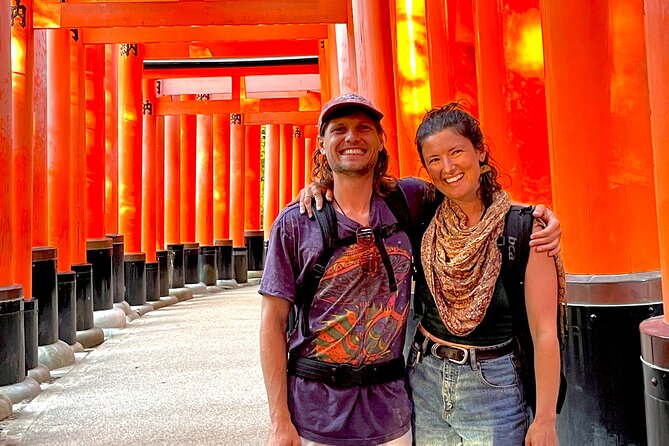
- Fushimi Inari torii gates with story: you’ll get the meaning behind what you’re seeing, not just photos.
- Tenryu-ji Zen Buddhism explanations: the guide helps you understand what to look for inside the temple.
- Public transit between areas: you’ll pay a transit fee (about 630 yen), since it’s not included.
Why Kyoto’s early morning works so well here
Kyoto can feel like a moving crowd by late morning. This tour is designed for the quieter hours, when you can actually slow down and take in what you’re seeing instead of rushing to keep up. You’ll hit three major attractions in a single morning, but the vibe is meant to stay peaceful.
The real value of the early timing is mental, not just physical. When Fushimi Inari and Arashiyama are less packed, you can follow your guide’s pointers and notice details you might miss on a crowded route. If you’re sensitive to heat or you hate shoulder-to-shoulder sightseeing, this early slot is a smart choice.
And yes, the tour is still active. Expect it to feel like a full morning out, not a relaxed stroll with time to wander alone for hours. That’s part of why it works.
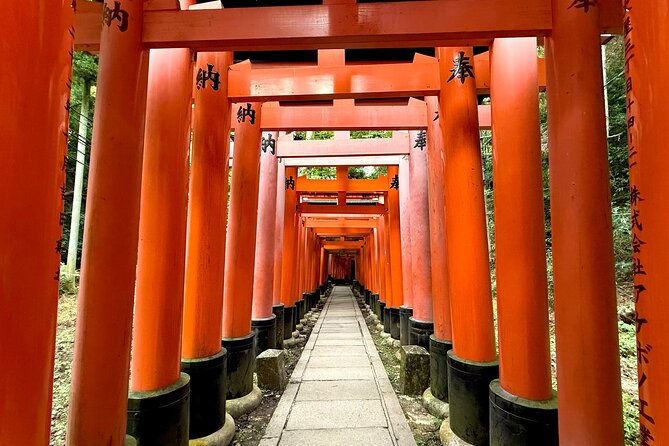
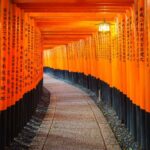
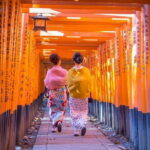
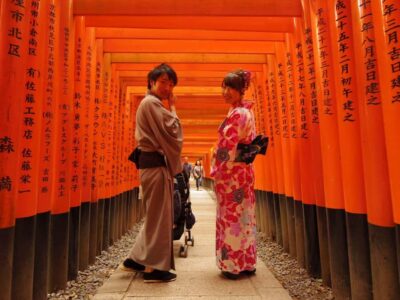
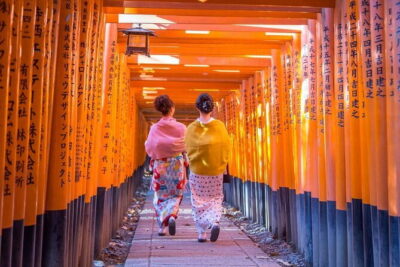
More walks up through the vermilion torii of Fushimi Inari

Meeting at Kyoto Station’s Central Exit 7-Eleven (and not getting lost)
Your meeting point is inside Kyoto Station: the 7-Eleven inside the station near the Central Exit (Central Ticket Gate). The tricky part is that Kyoto Station has multiple 7-Elevens, so you’ll want to find the Central Exit one first.
Plan to arrive a little early. One practical tip: if you do show up late or can’t spot the group, don’t panic—this tour uses WhatsApp or SMS communication with the guide. You’re required to have one of those available, and the guide will contact you that way.
It’s a simple setup, but it’s worth taking seriously. Kyoto Station is huge, and even with a map you can lose minutes. Those minutes matter because you’re racing the clock for a calmer experience later.
Fushimi Inari Taisha: torii gates with a story you can remember
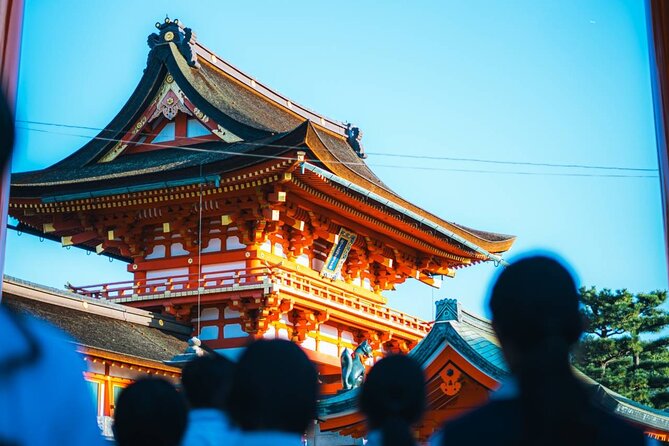
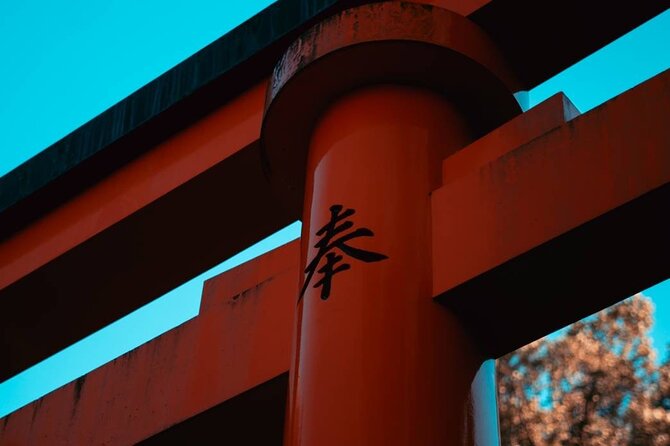
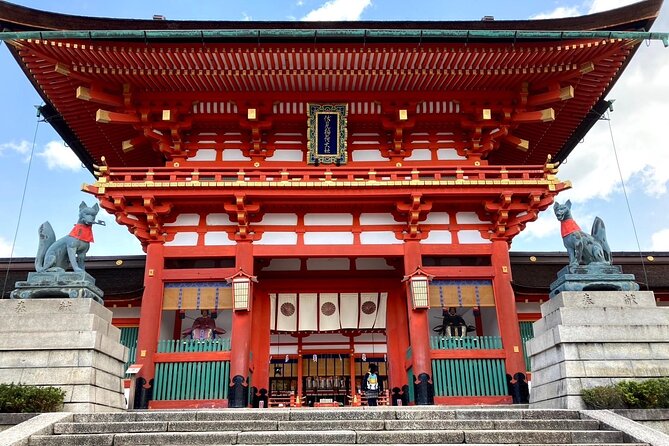
This is one of Kyoto’s most photographed places, but the tour doesn’t treat it like a checklist. You’ll spend about an hour here with a photo stop and a guided walk, and the focus is on what the torii gates mean in context.
What I like about this approach is that it turns the walking into understanding. Instead of getting stuck taking the same types of pictures everyone else takes, your guide gives you a way to see the place as more than scenery. One guide example from past groups: Vincent was praised for bringing the history and meaning of the torii gates to life with clear explanations.
There’s a good rhythm here: you’ll get time to photograph while also moving with purpose. In the morning, that balance is key because you’ll want time for photos, but you also don’t want the tour to turn into waiting in lines.
If you’re the type who likes asking questions, this is a strong time to do it. Your guide can connect what you’re seeing to broader Japanese culture topics, and you’ll get a clearer picture of why this shrine draws so many people.
Arashiyama Bamboo Grove: the morning version feels different
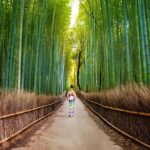
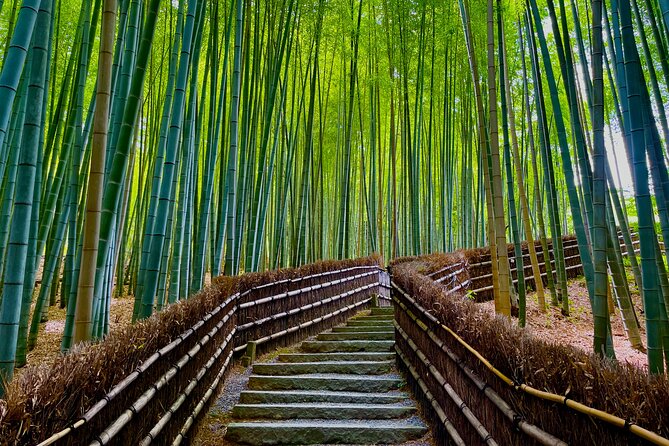
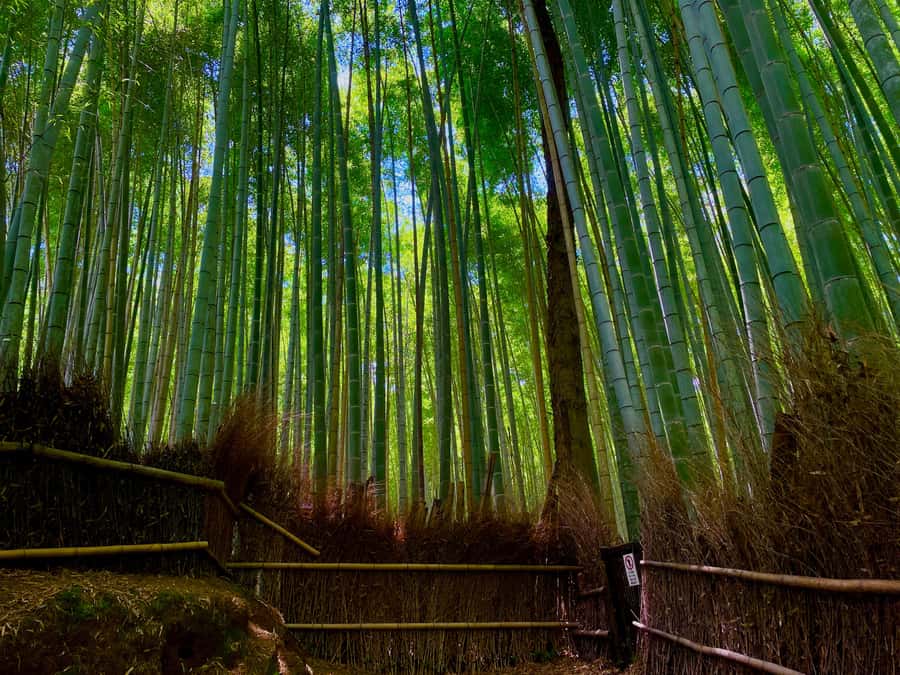
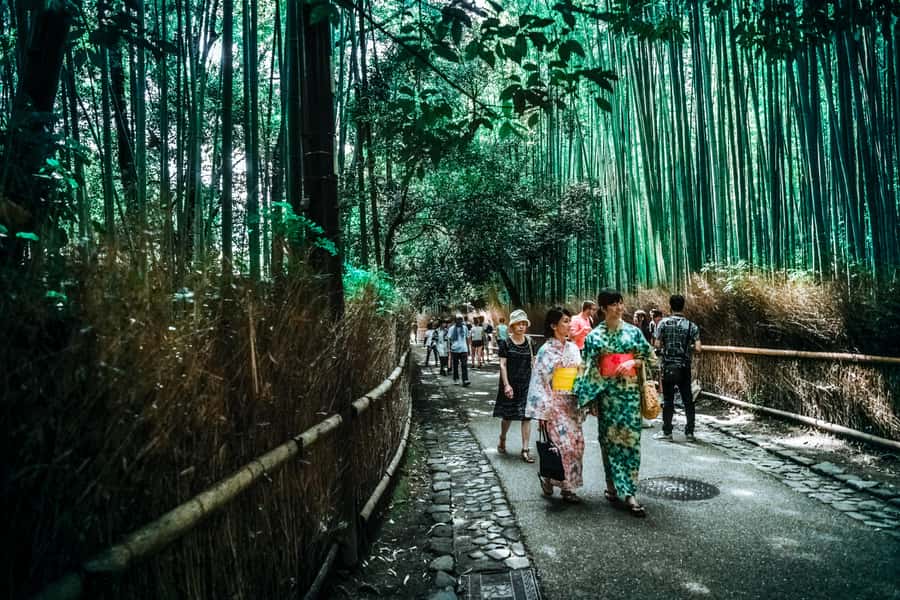
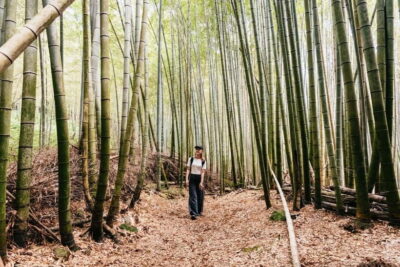
After Fushimi Inari, you’ll head to Arashiyama for another guided hour centered on the Bamboo Grove. This is where the early timing starts paying you back fast. In quieter hours, the grove can feel more like a destination than an obstacle.
The guide’s role matters here too. Groups have described how Hiro and others shared stories along the route, which helps you experience the grove instead of just passing through it for photos. That makes a difference if you’re trying to understand what makes Arashiyama so iconic beyond the visual.
You’ll also get photo time, but it’s not a free-for-all. The guide keeps the pacing moving, which helps you fit the rest of the morning without feeling like you’re sprinting the whole time.
Then there’s a short break: free time for shopping plus a chance to reset before the next temple stop. This is practical. Even early mornings can be tiring once you’re walking steadily and tracking steps.
Kimono Forest and Togetsukyo Bridge: quick photo moments done right
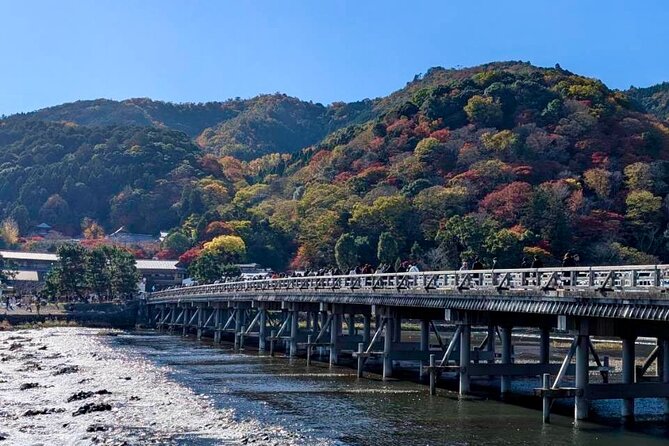
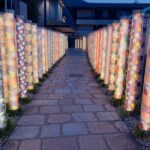
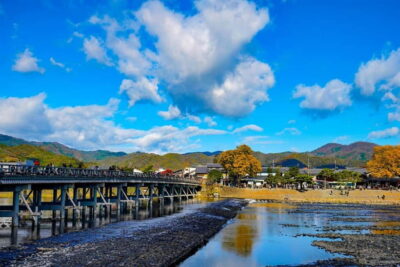
You’ll pass by Kimono Forest for about 5 minutes with guided context, then you’ll do another short stop for Togetsukyo Bridge—also around 5 minutes, with a photo stop and guided passing.
These aren’t long, deep dives. If you’re hoping for a slow, lingering experience, manage expectations. This part of the morning is about getting the key views, photos, and a bit of explanation, not turning it into a separate half-day.
That said, these short stops work well inside a planned route. They keep momentum while still giving you meaning and framing, so your photos don’t feel disconnected from the day.
When time is short, the best strategy is simple: stand where your guide suggests for photos, then take a second look before you move on. You’ll be surprised how much more you notice when you’re not rushing.
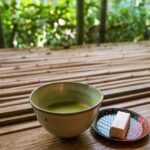
Deeper into Arashiyama, past the bamboo and the Hozu river

Tenryu-ji Temple and Zen Buddhism: the guide makes it click
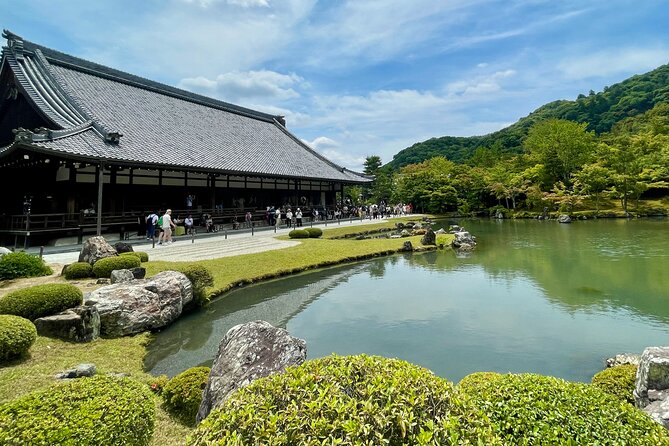
Tenryu-ji is where the tour’s tone shifts from sightseeing to understanding. You’ll spend about an hour here, with a guided photo stop and guided sightseeing focused on Zen Buddhism.
This is the part that many groups highlight most. One person’s experience with Hiro noted a clear, inspiring explanation of Zen Buddhism at Tenryu-ji, and another praised a guide’s ability to connect complex questions about culture and history into something you can actually grasp while you’re standing there.
I like this style because it helps you slow your brain down. Temples can feel like quiet spaces you’re not sure how to interpret. With a guide framing what Zen Buddhism looks like in practice—at least in how you’re meant to observe the space—you get a deeper experience without turning it into a lecture.
You’ll also finish the guided portion around the Tenryu-ji area (the tour ends at 南芳院 near the temple grounds). That’s convenient if you plan to continue exploring on your own afterward.
Cost and value: what $94 really covers (and what it doesn’t)
At $94 per person for roughly 270 minutes, this tour is priced like a guided morning, not like a DIY transport package. The important value points:
- You get an English-speaking guide for the full morning route.
- Tenryu-ji admission is included.
- You avoid the mental load of figuring out timing and sequence across multiple neighborhoods.
What you don’t get: hotel pickup/drop-off, and the transportation fee between locations (about 630 yen). You’ll also need to cover personal expenses.
Is $94 worth it? For most people who care about context and pacing, yes—because you’re buying problem-solving. Instead of spending time figuring out when to go and what to prioritize, you follow a route designed for the early crowd advantage. And because the group is limited to 8, it’s easier for your guide to answer your questions.
If you’re the kind of traveler who enjoys going fully independent and you already know how to self-plan Kyoto mornings, you could do it cheaper. But you’d be trading away explanations and a smoother flow between sights.
Walking pace, public transit, and who should say yes
This tour walks about 9,000 steps. That’s not a casual amount, even if you’re in good shape. Wear comfortable shoes, and plan to feel it in your legs by the end.
You’ll use public transportation between locations. The guide keeps the route efficient, but you should still factor in standing time and stairs. You’ll also need to bring cash, since the tour notes cash as a requirement.
Group size helps here. With a maximum of 8 participants, you’re less likely to get separated or left behind than on big bus tours. Still, this is a walking tour with steady movement.
It is not suitable for people with mobility impairments or wheelchair users, so if that applies to you, you’ll want a different format.
This is a great match for:
- First-time Kyoto visitors who want the highlights without the stress
- People who hate peak crowds and want that early-morning advantage
- Travelers who like asking questions and getting cultural context, not just photos
Smart tips to get the most from this early-bird morning
A few things make a difference fast on a route like this:
1) Choose the earliest start time you can.
The earlier you go, the fewer crowds and heat you’ll deal with. If you’re flexible, aim for the earliest slots available. Some past groups even described the earliest morning as feeling almost private at times.
2) Bring cash and good shoes.
It’s practical advice, but it matters here because you’ll be moving between areas on transit and you’re walking a lot.
3) Have WhatsApp or SMS ready before you start the tour.
You’re required to have it available for easy communication. The guide will reach out through it.
4) Ask questions at the stops, not while you’re walking at full speed.
When the group pauses for a photo or a guided moment, that’s the time. Guides like Vincent and Hiro were praised for answering even complex questions.
5) Use the free time break to reset.
There’s a short break with free time and shopping. If you didn’t eat breakfast, this is a good moment to handle that so the rest of the morning stays comfortable.
Should you book this Kyoto early bird tour?
If you want a guided morning that hits major Kyoto sights in a calmer window, I’d say book it. The early-start strategy is the headline, and the guide-focused approach is what turns famous locations into something you actually understand.
I’d skip it if you’re not up for around 9,000 steps, you need wheelchair accessibility, or you prefer to wander freely without a schedule. Also, if you’re likely to miss meeting points, arrive early and use WhatsApp/SMS so the guide can pull you in.
For $94, you’re paying for time saved, admission handled for Tenryu-ji, and cultural explanations that make the torii gates and Zen temple feel meaningful instead of just photogenic. If that’s your style of travel, this morning format is a strong fit.
FAQ
How long is the Kyoto early bird tour?
The tour lasts about 270 minutes (around 4.5 hours).
What places does the tour visit?
You’ll visit Fushimi Inari Taisha, the Arashiyama Bamboo Grove, and Tenryu-ji Temple. You’ll also have shorter stops or pass-bys at Kimono Forest and Togetsukyo Bridge.
Is admission to Tenryu-ji included?
Yes. Admission to Tenryu-ji Temple is included.
Where do I meet the guide?
Meet in front of the 7-Eleven inside Kyoto Station at the Central Exit (Central Ticket Gate).
Do I need WhatsApp or SMS?
Yes. WhatsApp or SMS is required so the guide can contact you.
Are transportation fees included?
No. You’ll use public transportation between locations, and the transportation fee (about 630 yen) is not included.
About how much walking is involved?
The tour involves about 9,000 steps.
How big is the group?
It’s a small group limited to 8 participants.
Is the tour wheelchair accessible?
No. It is not suitable for wheelchair users or people with mobility impairments.
What’s the cancellation window?
Free cancellation is available up to 24 hours in advance for a full refund.
More Tour Reviews in Kyoto
More of Arashiyama and Sagano
Fushimi Inari, a Few More Ways
Just added: more Kyoto tours to browse





Fushimi Inari Shrine Tours, compared.
 ★ 4.8Fushimi Inari, Kinkakuji, Bamboo Grove 1 Day Bus TourFrom $1224,316 reviews
 ★ 5.0Fushimi Inari Hidden Hiking Tour (Private Option Available)From $631,750 reviews
 ★ 4.7Kyoto/Osaka: Nara, Fushimi Inari Taisha, Arashiyama Bus TourFrom $521,275 reviews
 ★ 4.4Osaka/Kyoto: Arashiyama, Nara & Fushimi Inari Shrine w/LunchFrom $61754 reviews
 ★ 4.7Nijo Castle, Kiyomizu & Fushimi Inari Guided TourFrom $54700 reviews
 ★ 5.0Nijo, Kinkaku-ji, Arashiyama, Kiyomizu & Fushimi InariFrom $51699 reviews
 ★ 5.0Kyoto Fushimi-Inari Night Walking TourFrom $43320 reviews
 ★ 4.93-Hour Fushimi Inari Shrine Hidden Hiking TourFrom $72270 reviews
Browse the lists this tour appears in