
Reviewed · FUSHIMI INARI SHRINE TOURS
Kyoto: Discover Fushimi Inari, Kiyomizudera, and Yasaka Pagoda.
Red torii paths change how you see Kyoto. In this Spanish-language tour, I like how Fushimi Inari and Kiyomizudera are tied to an easy Old Town stroll, so you get both big-ticket icons and smaller, local-feeling corners without feeling rushed.
I love two things most: the 10,000 torii gates at Fushimi Inari (they’re not just a sight, they’re a route), and the way Kiyomizudera’s terrace gives you a real sense of Kyoto spread out below. One thing to consider: this is a walking-focused day with uneven streets, so it’s not suitable for wheelchair users, and baby carriages are not allowed.
In This Review
- Key moments you’ll remember
- Start smart: 9:00 AM at JR Inari Station and subway basics
- Fushimi Inari Taisha: the torii route that feels like a moving shrine
- Kiyomizudera: UNESCO terrace views, Kannon, and the Otowa waterfall area
- Higashiyama old town: Sannenzaka and Ninnenzaka street vibes
- Yasaka Pagoda (Hōkan-ji): a five-story landmark above the houses
- Price and value: what $74 includes (and what you’ll handle yourself)
- Your guide experience: Manuel’s Spanish storytelling and photo help
- Practical tips so your day feels smooth
- Who should book this tour (and who should skip it)
- Should you book this Kyoto tour?
- FAQ
- What time does the tour start and where do I meet?
- Where does the tour end?
- What language is the tour in?
- What is included in the price?
- Is food included?
- Do I need cash for the subway?
- Is the tour suitable for wheelchair users?
- Can I bring a baby carriage?
Key moments you’ll remember
- A Spanish-speaking guide named Manuel who answers questions and shares story-level details about what you’re seeing
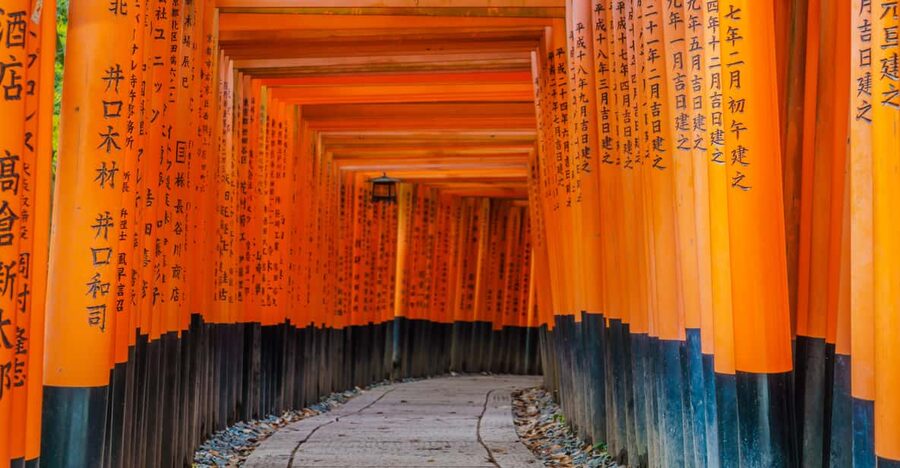
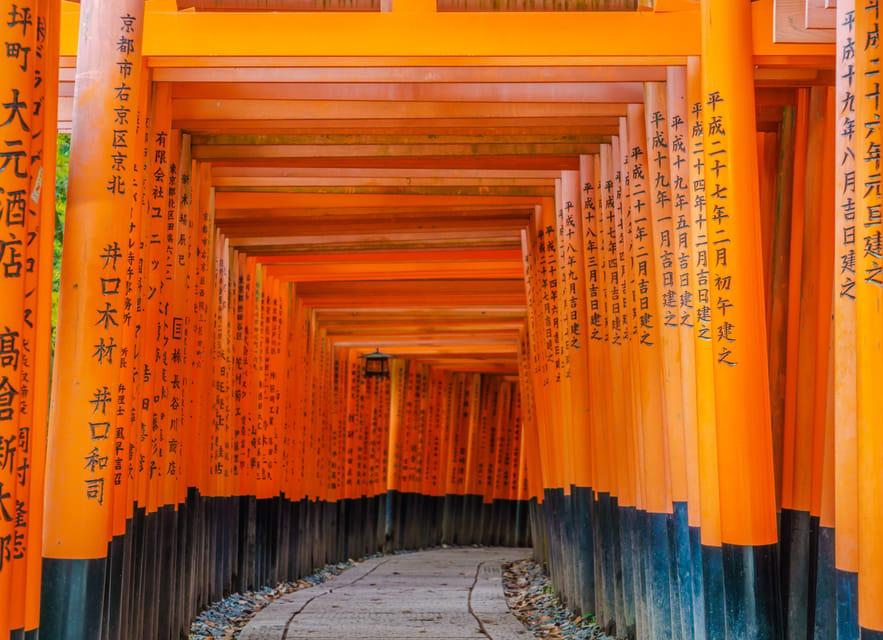
- Fushimi Inari’s torii tunnel route through the mountain, with pauses that help you take it in
- Kiyomizudera’s UNESCO terrace and the Otowa waterfall area, tied to Kannon and the idea of pure water
- Higashiyama’s old-street feel on cobblestones, wooden houses, and the classic lanes of Sannenzaka and Ninnenzaka
- Yasaka Pagoda (Hōkan-ji) as a striking five-story backdrop, even though it’s usually closed to visitors
Start smart: 9:00 AM at JR Inari Station and subway basics
The tour starts at 9:00 a.m. sharp at the exit of JR Inari Station. It ends back at the same meeting point, which makes planning your afternoon easier.
Because you’ll be traveling by subway during the day, bring cash or an IC card such as ICOCA, SUICA, or PASMO. If you’re arriving from elsewhere, factor in a little buffer so you’re not racing through the station right before the start.
What I find practical here: you don’t have to figure out every transfer while you’re sightseeing. The tour includes transportation by the guide during the experience, but your own way to reach the meeting point is not included.
Also: comfortable shoes matter. You’ll be walking in Kyoto’s classic neighborhoods, where the ground can be uneven and the streets turn from smooth to cobblestone at the drop of a hat.
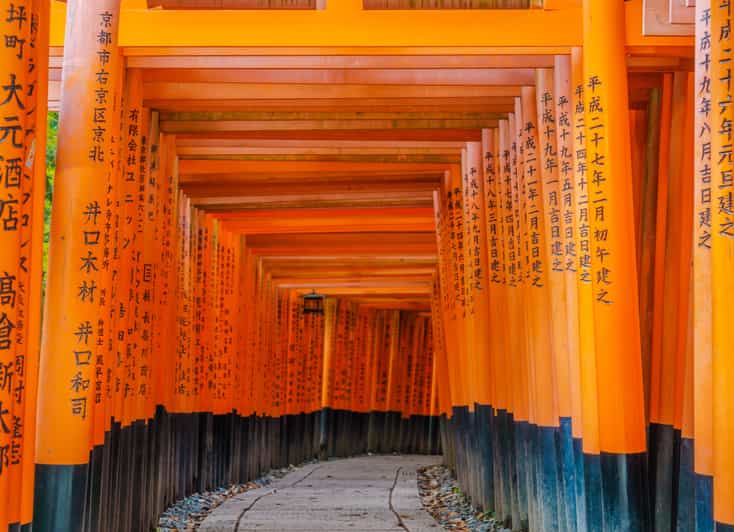
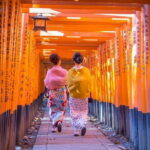
More walks up through the vermilion torii of Fushimi Inari

Fushimi Inari Taisha: the torii route that feels like a moving shrine
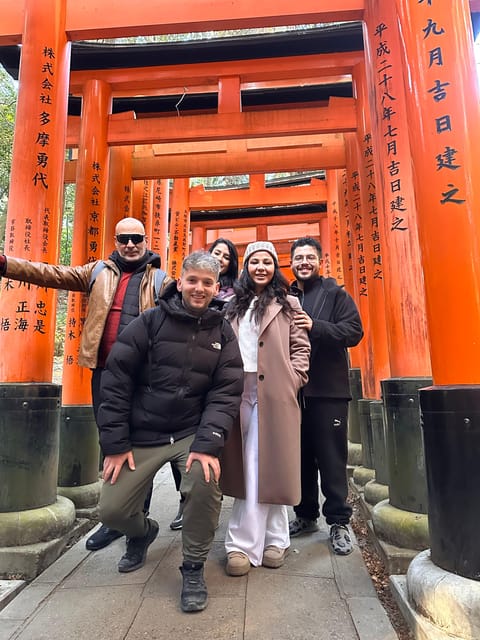
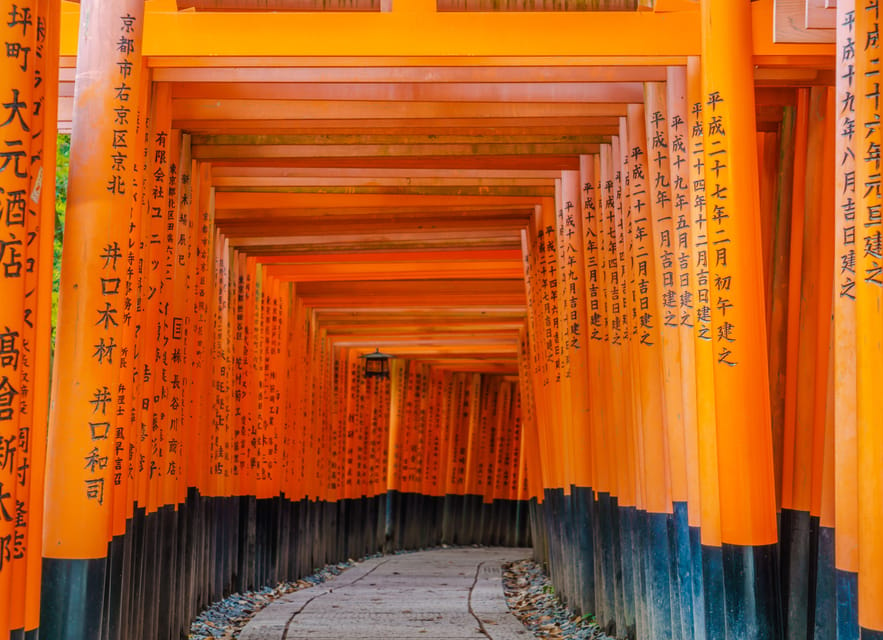
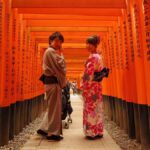
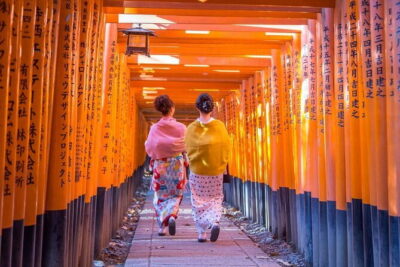
Fushimi Inari Taisha is famous for its thousands of red torii gates, often described as forming a corridor up the mountain. The clever part of this tour is that you don’t just look at the gates—you follow the route, which makes the experience feel more like a pilgrimage than a photo stop.
As you walk, pay attention to the rhythm of the gates and how the path changes as it climbs. You’ll notice people still treat it like a living sacred space: slow steps, quiet moments, and plenty of pauses when the view opens.
If you’re trying to photograph here, plan on moving your feet a bit. The gates create strong lines, but your best framing usually happens when you step aside, look for gaps between torii, and let the crowd flow pass.
One more practical note: bring drinks. Even in mild weather, a torii walk can get your legs working, and you’ll feel better continuing on to the next stops.
Kiyomizudera: UNESCO terrace views, Kannon, and the Otowa waterfall area
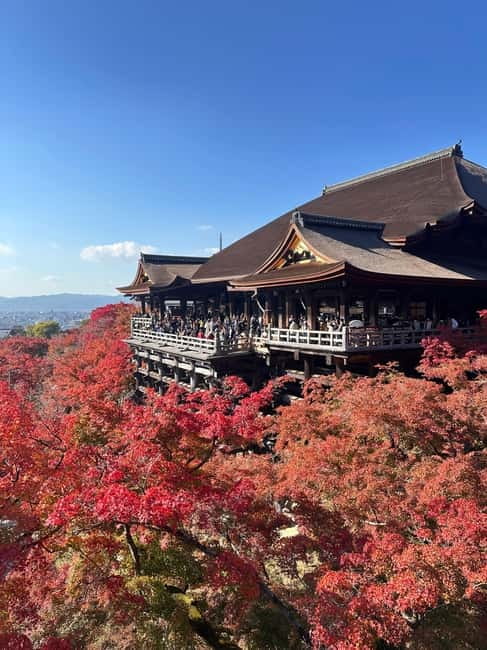
Kiyomizudera is one of Kyoto’s most famous Buddhist temples, and the tour gives you the key context as you arrive. Founded in 778, it’s dedicated to Kannon, the goddess of mercy, and it’s a UNESCO World Heritage Site.
You’ll also hear the meaning behind the name: it’s called the Pure Water Temple, tied to the Otowa waterfall flowing through the grounds. That connection matters because the complex isn’t just a viewpoint—it’s built around a spiritual idea of purification and respect.
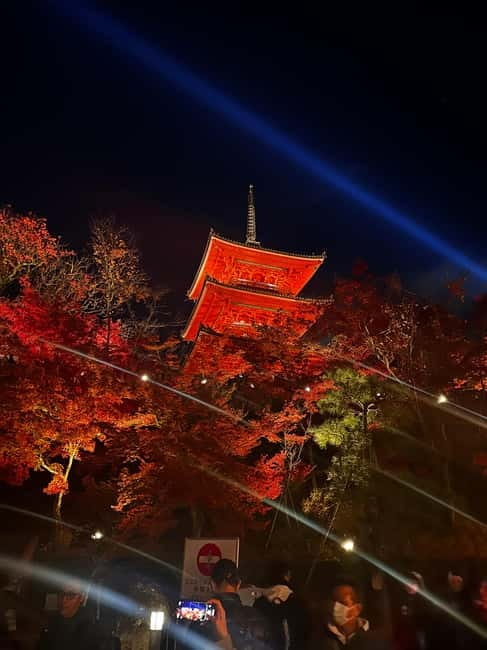
The big visual is the temple’s large wooden terrace supported by pillars. Standing there helps you understand why this place draws so many visitors: your eyes naturally scan the city and the surrounding scenery from above, even if you’re not trying to be a photographer.
One thing to keep in mind: this is a popular temple. You may not get silent solitude at every moment, but the guided pace helps you spend your time where the architecture and views really do the work.
Good value detail: entrance to Kiyomizudera is included, so you’re not juggling tickets right when you arrive.
Higashiyama old town: Sannenzaka and Ninnenzaka street vibes
After the temple stop, the tour shifts into Higashiyama, one of Kyoto’s most traditional and picturesque neighborhoods. This area is known for cobblestone streets, wooden houses, and that old-world Kyoto atmosphere you came for.
The walk is practical and visual. You’ll pass a mix of temples, shrines, craft shops, tea houses, and local restaurants. Even if you don’t stop for shopping, just watching the street pattern helps you understand how Kyoto’s heritage actually shows up at street level.
Two lanes you’ll recognize right away are Sannenzaka and Ninnenzaka. These streets are part of what makes Higashiyama feel like an open-air postcard, but the guide helps you see beyond the obvious: where to slow down for details, where to take photos, and how to keep moving without losing the feel of the neighborhood.
If you’re sensitive to crowds, go with a mindset of flexible pacing. Kyoto’s Old Town can pack in people, but changing angles and stepping into small side views makes the experience feel calmer than it looks at first glance.
And yes, there’s a nice flow between the Kiyomizudera area and the broader Higashiyama zone. The tour route is designed so your walking feels connected, not like a series of disconnected bus stops.
Yasaka Pagoda (Hōkan-ji): a five-story landmark above the houses
The last major sightseeing anchor is Yasaka Pagoda, officially known as Hōkan-ji. It’s an elegant five-story pagoda rising above the streets of Higashiyama, and it’s an iconic Kyoto landmark.
It was originally built in the 6th century, so you’re looking at something that’s old in a way that feels physical, not just historical. The best part is where it sits: the pagoda’s silhouette appears among the traditional houses, so the backdrop looks like Kyoto’s built-in theatre set.
A key detail: the pagoda is usually closed to the public, so you’re experiencing it mostly from the street. That sounds limiting, but it actually works in your favor. You can focus on composition—lines, levels, rooflines—and get photos that feel grounded in real neighborhood life.
If the timing works, this stop is especially good for softer light. At sunset, the pagoda and the streets below can look dramatic without needing any special effort beyond walking a little and finding a spot.
Keep climbing the Higashiyama slopes toward Kiyomizu-dera


Price and value: what $74 includes (and what you’ll handle yourself)
At $74 per person, the value comes from two areas: access and time with a guide who helps you connect the dots.
Here’s what’s included: entrance to Kiyomizudera, plus transportation by tour guide during the tour. That matters because Kiyomizudera is a must-visit, and you’re also saving mental energy by not figuring out every subway transfer while you’re moving through multiple neighborhoods.
What’s not included: your personal food and any souvenirs, and also your transportation to get to the meeting point. In other words, the tour is priced for the guided experience, not as a full-day package where you never touch your wallet.
For me, the key question is whether you want help turning iconic stops into a coherent Kyoto story. If you’re comfortable traveling solo but want a little structure, this kind of tour can be a great compromise: you get the highlights and a guided pace, then you’re free after the tour to explore at your own speed.
Your guide experience: Manuel’s Spanish storytelling and photo help
The standout from the experience is the guide style. You’re not just getting a list of places—you’re getting explanations that make each stop easier to understand and more fun to photograph.
In particular, Manuel (from Seville) brings a warm, professional energy and seems fluent in both questions and pacing. He’s quick to respond, shares context about Japanese history, and adds fun facts and anecdotes that make the sights feel less generic.
Another practical advantage: he helps with photos by steering you to spots that can be less crowded. That’s not just about convenience; it changes your results. Kyoto is all about layers—rooflines, gates, street depth—and it’s much easier to capture those when you’re not fighting the densest areas head-on.
He also tends to leave you with ideas for what to do after the tour. That’s useful because Kyoto doesn’t end when your guided route ends; you’ll want a plan for the rest of your day.
Tour language is Spanish, so if that’s your comfort zone, you’ll likely find the explanations land faster than with a language barrier.
Practical tips so your day feels smooth
A few things will make a noticeable difference, especially if you’re visiting Kyoto for the first time.
Bring comfortable clothes and comfortable shoes. The combination of temple steps, street unevenness, and Old Town walking adds up.
Carry drinks. Even if you’re not out for a long hike, the pace across multiple areas can still make you thirsty.
Use cash or an IC card for the subway, since the tour involves subway travel. Don’t rely on finding the right machine at the last minute.
If you’re running late, the right move is to contact the guide. The tour starts at 9:00 a.m. sharp, and the itinerary depends on everyone arriving on time.
Who should book this tour (and who should skip it)
This is a strong fit if you want a highlight-rich Kyoto introduction: Fushimi Inari, Kiyomizudera, Higashiyama, and Hōkan-ji all in one connected day.
It’s also good if you prefer walking that feels purposeful. The route is built so each stop helps explain the next one, from sacred torii paths to temple architecture and then down to old streets and classic lanes.
I’d be cautious if mobility is an issue. The tour is not suitable for wheelchair users, and it doesn’t allow baby carriages. Also, expect more walking than a light stroll, so pack for comfort.
Should you book this Kyoto tour?
Yes, if you want a well-structured Kyoto day with a guide who speaks Spanish, explains what you’re looking at, and helps with the small practical stuff like photo spots and pacing. It’s also a good value when you factor in that Kiyomizudera entrance is included and you’re saved from thinking about every transit step.
If you’re the kind of traveler who wants total freedom and you already feel confident navigating Kyoto on your own, you might not need a tour. But if you want your first Kyoto day to feel connected, with less guesswork and better results, this one is worth serious consideration.
FAQ
What time does the tour start and where do I meet?
The tour starts at 9:00 a.m. at the exit of JR Inari Station.
Where does the tour end?
The tour ends back at the same meeting point: the exit of JR Inari Station.
What language is the tour in?
The tour is conducted in Spanish.
What is included in the price?
The price includes entrance to Kiyomizudera Temple and transportation by the tour guide during the tour.
Is food included?
No. Food is not included.
Do I need cash for the subway?
Yes. You’ll be traveling by subway, so it’s mandatory to bring cash or use an IC card such as ICOCA, SUICA, or PASMO.
Is the tour suitable for wheelchair users?
No. It is not suitable for wheelchair users.
Can I bring a baby carriage?
No. Baby carriages are not allowed.
More Kyoto Temples and Shrines



More Along the Higashiyama Slopes
Fushimi Inari, a Few More Ways
Just added: more Kyoto tours to browse








Fushimi Inari Shrine Tours, compared.
 ★ 4.8Fushimi Inari, Kinkakuji, Bamboo Grove 1 Day Bus TourFrom $1224,316 reviews
 ★ 5.0Fushimi Inari Hidden Hiking Tour (Private Option Available)From $631,750 reviews
 ★ 4.7Kyoto/Osaka: Nara, Fushimi Inari Taisha, Arashiyama Bus TourFrom $521,275 reviews
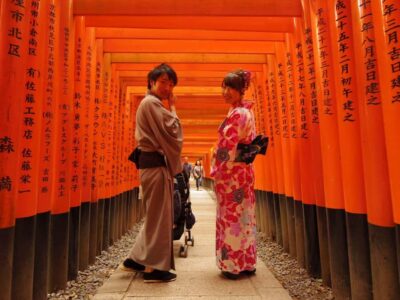 ★ 4.4Osaka/Kyoto: Arashiyama, Nara & Fushimi Inari Shrine w/LunchFrom $61754 reviews
 ★ 4.7Nijo Castle, Kiyomizu & Fushimi Inari Guided TourFrom $54700 reviews
 ★ 5.0Nijo, Kinkaku-ji, Arashiyama, Kiyomizu & Fushimi InariFrom $51699 reviews
 ★ 5.0Kyoto Fushimi-Inari Night Walking TourFrom $43320 reviews
 ★ 4.93-Hour Fushimi Inari Shrine Hidden Hiking TourFrom $72270 reviews
Browse the lists this tour appears in