
Reviewed · KYOTO COOKING CLASSES
Kyoto: Cooking class, learning how to make authentic sushi
Sushi starts with the rice. In this Kyoto cooking class, I like that you learn shari (vinegar rice) step by step, not just form pieces at the end. I also like the cultural touch: you wear a Happi rental coat and get a fun shot at Japanese spirits as part of the experience. One thing to keep in mind is that the class work can feel a bit basic if you’re expecting lots of different sushi styles or advanced technique for the price.
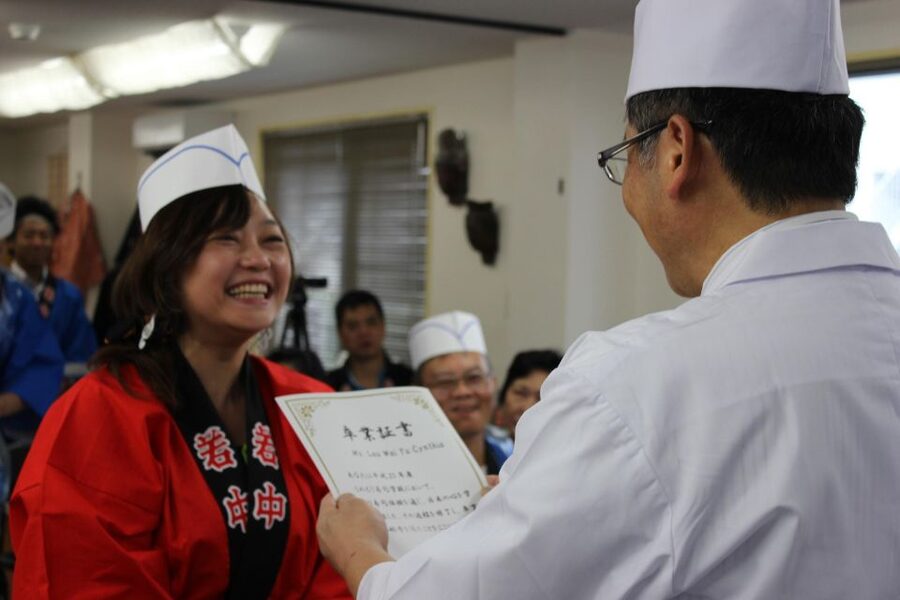
The pacing is built for beginners. Ingredients are cut ahead, so you can focus on the rice seasoning trick, topping choices, and getting your nigiri shape right without a long pre-prep session. The food is exactly what you make, and you’ll finish with a completion certificate and a small graduation moment, which makes the whole thing feel more memorable than a quick demo.
In This Review
- Quick Highlights Before You Go
- Learning Shari: The Vinegar Rice Skill You’ll Actually Use
- What You Make in 90 Minutes: Eight Nigiri and a Simple Roll
- Toppings and Ingredients: Choosing Your Favorites (and Learning What Matters)
- Wearing Happi and Experiencing Japanese Spirits
- The Instructor and Teaching Style: Clear Guidance Without Intimidation
- Price and Value: What $113 Buys You (and Where It Might Feel Tight)
- Getting There and Timing: A Simple Route From Takeda Station
- Who Should Book This Sushi Class in Kyoto?
- Accessibility and Practical Comfort Notes
- Should You Book This Kyoto Sushi Class?
- FAQ
- Is the Kyoto sushi cooking class 90 minutes long?
- How much does it cost?
- What is included in the class?
- Are vegetarian, vegan, or Muslim menus available?
- Is the class gluten-free or allergy-friendly?
- What about drinks and udon?
- Where do I meet for the class?
- Is it held in bad weather?
- Is there an elevator?
Quick Highlights Before You Go
- Vinegar-rice method for shari: the rice seasoning is the whole foundation here
- 8 pieces plus a simple roll: you leave with a meal you made yourself
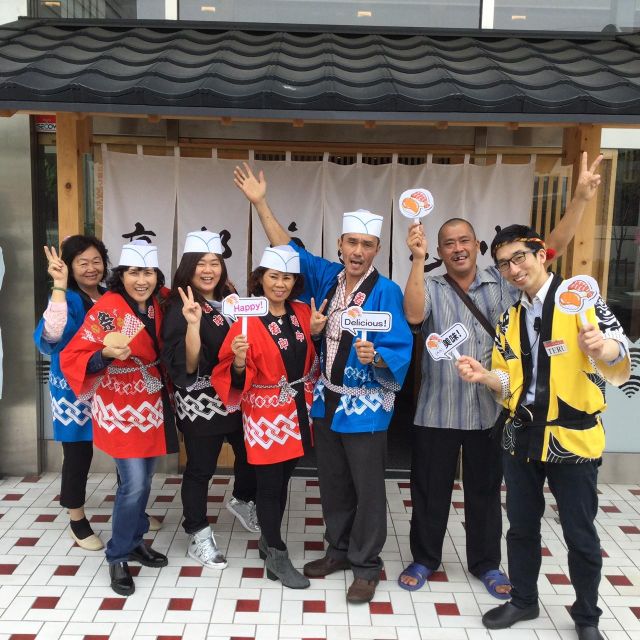
- Rental Happi and Japanese spirits moment: fun culture beyond the cutting board
- Toppings you can choose: including seasonal options and seafood varieties
- English-speaking instructor: clear guidance while you shape sushi
- Completion certificate and souvenir photos: a nice keepsake for the effort
Learning Shari: The Vinegar Rice Skill You’ll Actually Use
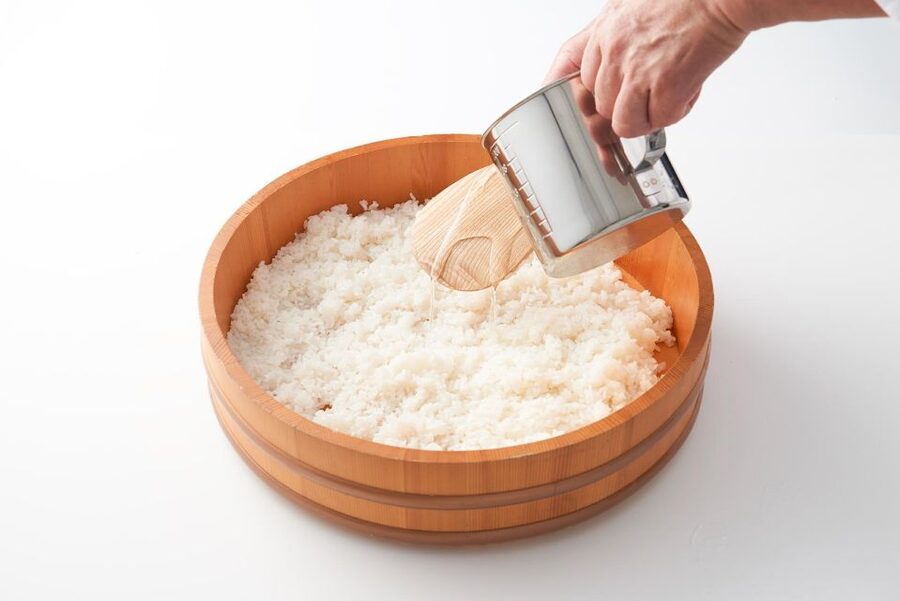
If you want to understand sushi instead of just copy the look, you start with the rice. This class begins with a focused lesson on shari (also called sumeshi), the vinegar-seasoned rice that gives sushi its signature bite and shine. You mix a sushi vinegar blend into freshly cooked rice, and yes, there’s a trick to it. That detail matters because the difference between bland rice and good sushi is often just technique: temperature, mixing pressure, and how evenly the vinegar seasoning disappears.
What I like about this approach is that it teaches a repeatable method. Even if you never make sushi daily at home, this is the kind of skill that helps you when you try different sushi restaurants or when you buy sushi rice and want the right flavor balance. The class doesn’t bury you in theory either. You learn, you do it, then you apply it immediately while shaping nigiri.
Seasonality also plays a role. The class mentions that toppings can vary depending on the season, so the sushi you make may not look identical to photos online. That’s normal in Japan, and it keeps the experience from feeling like a static script.
Roll up your sleeves for another Kyoto cooking class

What You Make in 90 Minutes: Eight Nigiri and a Simple Roll
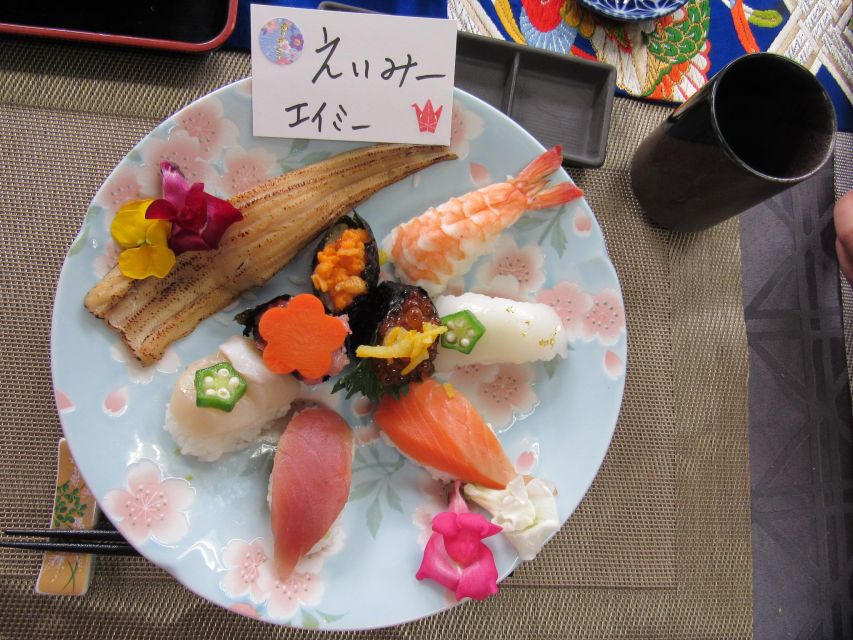
The hands-on portion is practical. You’ll make eight pieces of sushi plus one roll (described as simple). Then you eat the sushi at the end. For many people, this is exactly the right structure: enough variety to feel like you learned something real, without turning the class into a full-day production.
Here’s the honest consideration: if you come in hoping for a wide menu of sushi types, lots of extra practice rounds, or heavy technique drilling, you might feel limited. The basic format is part of why it fits a tight 90-minute duration. And it’s also why it’s crucial to ask questions during the process—especially if you’re curious about fish cutting details.
The good news is that the class is friendly to beginners. Ingredients are prepared in advance and already cut, which removes a major barrier for people who don’t know knife skills. You get guidance on how to build the nigiri and how to place toppings cleanly on the rice so the final pieces look presentable and eat well.
Toppings and Ingredients: Choosing Your Favorites (and Learning What Matters)
One of the smartest parts of this class is the way toppings work. You’re offered various toppings like green onion and ginger, and you can choose favorites. That means your final plate reflects your taste, not only the instructor’s pre-selected plan.
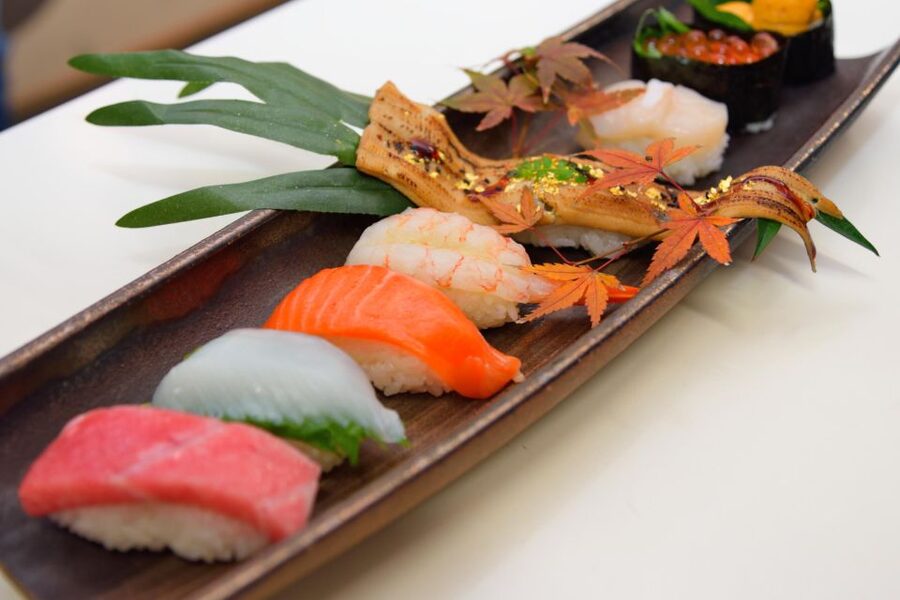
You also get a chance to work with sushi staples and a few higher-end seasonal selections. The class description calls out special ingredients you might encounter, including extra fatty tuna and a sweet, almost creamy fresh red shrimp. Those kinds of ingredients make the point quickly: sushi quality shows up in texture and fat content as much as in seasoning. If you’ve mostly had sushi that tastes good but feels similar, this is your chance to notice the differences in mouthfeel.
You should also know that the class can adapt for dietary needs. The experience explicitly states it can offer menus friendly to vegetarians, vegans, and Muslims, plus options for allergies and non-raw preferences and gluten-free choices. That’s a big value point because many cooking classes assume everyone eats everything.
One more practical detail: drinks aren’t included. If you like something specific with your meal, plan to buy it separately or bring it if the venue allows. The class mentions optional warm udon too, but it’s not part of the standard offering.
Wearing Happi and Experiencing Japanese Spirits
This is where the class feels more like a cultural event than a food workshop. You get rental cloth and can choose from various styles. The highlight is wearing a traditional Happi outfit, which immediately changes the vibe. You’re not standing in a kitchen in street clothes; you’re in the role of a participant in a Japanese craft moment.
The class also includes an experience about Japanese spirits. It’s not laid out as a long lecture, but it’s clearly part of the overall ceremony-style flow: there’s a “you are learning this craft” feeling to it. I like this kind of framing because sushi is cultural as well as culinary. You’re learning food technique, but you’re also stepping into how artisans think about the process.
If you enjoy dressing up for travel experiences in a way that doesn’t feel cheesy, this is the kind of touch that helps the 90 minutes stick in your memory.
The Instructor and Teaching Style: Clear Guidance Without Intimidation
The instructor is listed as English and Japanese, which helps you move through the steps without guessing. You get a lecture on how to make sushi, and then the structure supports action: shari first, then shaping and topping.
What you should expect is reassurance. This class is designed for beginners, and it notes that ingredients are already cut so you’re not overwhelmed at the start. If you’re the kind of person who learns by doing, this will work well because you get immediate practice. If you’re shy about asking questions, the course’s tone suggests you can and should speak up.
There’s also an invitation built in: if you want to learn fish cuts, you can ask. That’s a small line in the info, but it’s important. With a time-limited class, the best way to get extra value is to use those moments to steer the lesson slightly toward your interests.
Other Kyoto tours and experiences to compare



Price and Value: What $113 Buys You (and Where It Might Feel Tight)
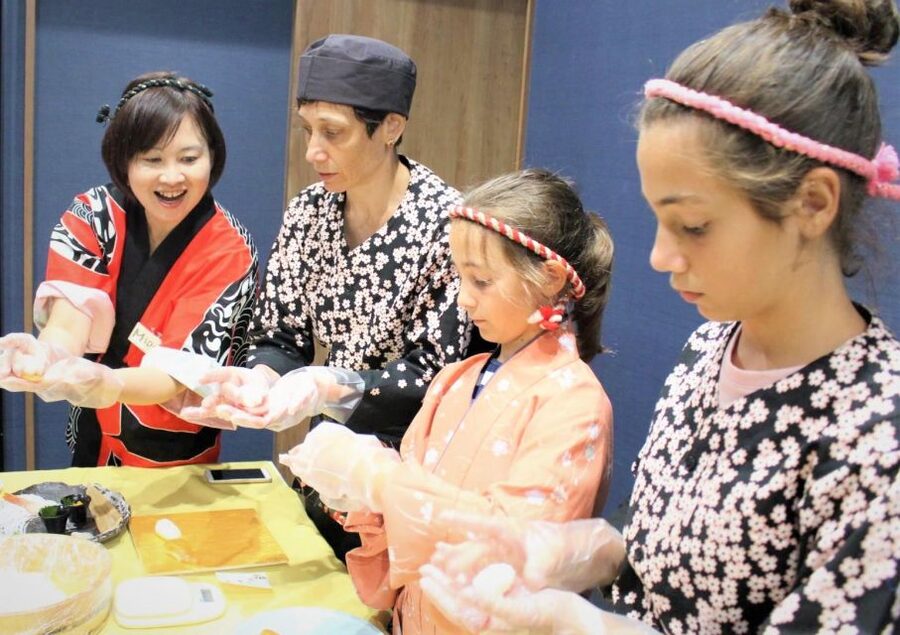
At $113 per person for 90 minutes, you’re paying for more than the food. You’re paying for guided instruction, prepared ingredients that lower the learning curve, cultural add-ons (Happi rental and Japanese spirits experience), and the full wrap-up package: certificate, graduation ceremony, and souvenir photography.
Is it a bargain? For many people, it feels reasonable because the class includes what you eat and the vibe of a formal experience. You’re not just receiving a snack; you’re leaving with a meal crafted by your own hands plus a keepsake.
Where value can wobble is if you compare it to longer classes or more specialized workshops. The format centers on eight pieces and a simple roll, and that’s why one person’s feedback points to limited variety and basic content for the price. If you want a more intensive sushi course—more rounds, more sushi styles, deeper knife work—you may find this doesn’t go far enough.
My practical take: this is a strong choice if you want a friendly beginner experience that teaches the core skill of vinegar rice and gets you eating real sushi you made yourself. If you want advanced technique, plan to treat it as an introduction, not a masterclass.
Getting There and Timing: A Simple Route From Takeda Station
The meeting point is close to public transportation, but you’ll want to follow it carefully the first time.
You get off at the west entrance of Takeda station on the Kintetsu line or the Subway line. Then you take a city bus and get off at the bus stop in front of Puls Plaza. From there, you walk down the street and turn right at the first corner. If you turn left at the first corner after that, you can see the place on your right.
The class is held no matter the weather, so plan for rain or shine. Also, the building is near transit, which helps you avoid the stress of long last-mile travel.
Who Should Book This Sushi Class in Kyoto?
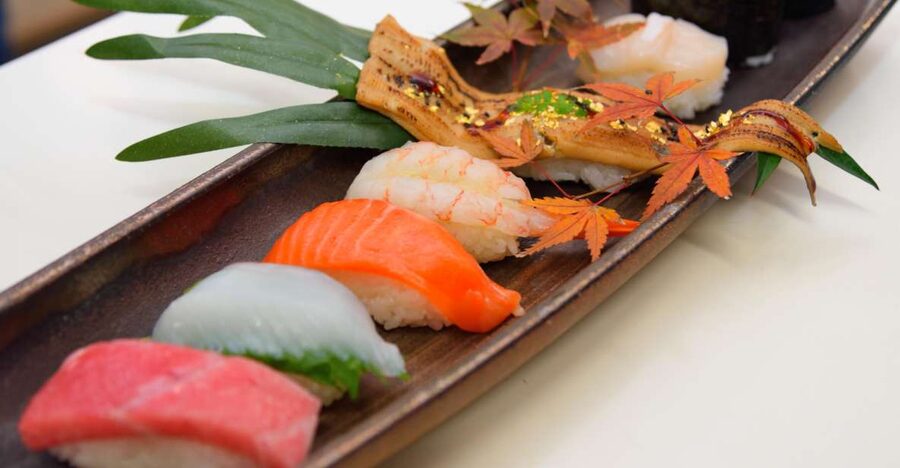
This Kyoto experience fits best if you fall into one of these categories:
- You’re a beginner and want a clear sushi foundation, especially shari technique
- You want a cultural photo moment without making the whole trip about sightseeing backdrops
- You have dietary needs and appreciate that vegetarian, vegan, Muslim-friendly, gluten-free, and allergy options are available
- You want a short, focused activity that ends with a full bite-sized meal you made yourself
It’s less ideal if you’re already comfortable making multiple sushi types at home and you’re looking for more advanced cutting, larger variety, or long practice time.
As for kids: it’s not suitable for children under 3. If you’re traveling with older kids, you’ll want to check comfort with a class that includes a restaurant-style eating moment and a stairs situation in the building.
Accessibility and Practical Comfort Notes
Wheelchair accessibility is listed, but there’s an important detail: there’s no elevator, and stairs are involved. Staff can help elderly or disabled guests go up the stairs. So if mobility is a concern, it’s worth arriving early and being ready to ask for help when you need it.
Smoking indoors is not allowed and pets are not allowed (assistance dogs are allowed). That’s the kind of rule set that matters in a small workshop space where everyone is close together.
Also, the class doesn’t provide special infant meals, and there isn’t a mention of kid-specific menu substitutes beyond the standard dietary options.
Should You Book This Kyoto Sushi Class?
I’d book it if you want a friendly, beginner-appropriate way to learn what sushi is really built on. The biggest payoff is the shari vinegar rice lesson, because that’s the skill you can carry beyond the class. I’d also book it for the package: Happi rental, Japanese spirits moment, certificate, graduation ceremony, and souvenir photography.
Skip it or at least temper expectations if you’re chasing advanced fish-cutting practice or a wide variety of sushi styles. The class focuses on a set amount of sushi work in 90 minutes, and a limited number of pieces can feel light if you compare it to longer or more technique-heavy workshops.
FAQ
Is the Kyoto sushi cooking class 90 minutes long?
Yes. The course duration is listed as 90 minutes, with starting times depending on availability.
How much does it cost?
The price is $113 per person.
What is included in the class?
You get a lecture about making sushi, an experience about Japanese spirits, 8 pieces of sushi, rental cloth (including the option to choose a Happi), toppings you can choose, a certificate of completion and graduation ceremony, souvenir photography, and an English-speaking instructor.
Are vegetarian, vegan, or Muslim menus available?
Yes. The class offers menu options friendly to vegetarians, vegans, and Muslims.
Is the class gluten-free or allergy-friendly?
Allergies and gluten-free options are available, along with other options and non-raw options.
What about drinks and udon?
Drinks are not included. Warm udon is listed as an optional menu, not included in the standard offering.
Where do I meet for the class?
Meet at the west entrance of Takeda station. Take a city bus to the stop in front of Puls Plaza, walk down the street, turn right at the first corner, then look for the venue on your right.
Is it held in bad weather?
Yes. The tour will run no matter what the weather is.
Is there an elevator?
No elevator is available. Staff can help elderly or disabled guests go up the stairs.
More Cooking Classes in Kyoto
More Tour Reviews in Kyoto






More Kyoto Cooking Classes

Just added: more Kyoto tours to browse








Kyoto Cooking Classes, compared.
 ★ 5.0Ramen Cooking Class at Ramen Factory in KyotoFrom $1311,937 reviews
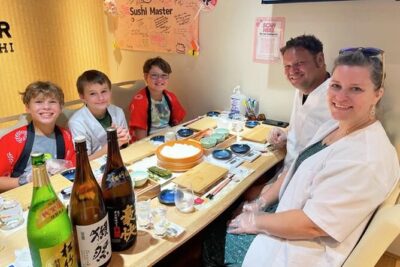 ★ 5.0Sushi Making in Kyoto! Same-day bookings welcome!From $53713 reviews
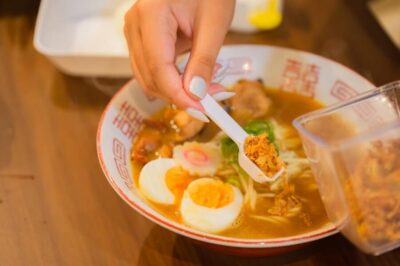 ★ 4.9Ramen Cooking Class at a Ramen Factory with SouvenirFrom $127532 reviews
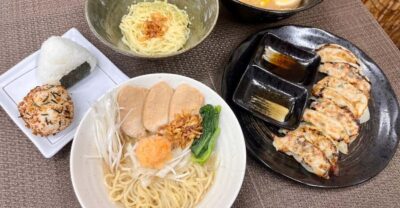 ★ 5.0Ramen, Gyoza, and Onigiri Cooking ClassFrom $90445 reviews
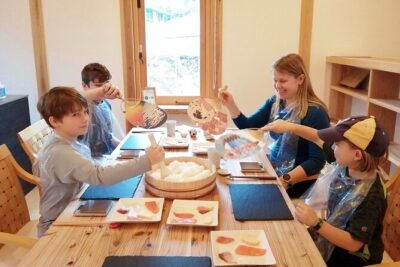 ★ 5.0The Original Small-Group Sushi Making Class in KyotoFrom $69436 reviews
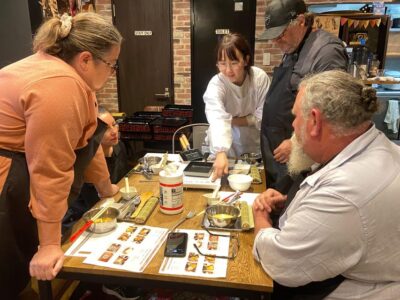 ★ 5.0Japanese Washoku Bento Small Group Cooking ClassFrom $58380 reviews
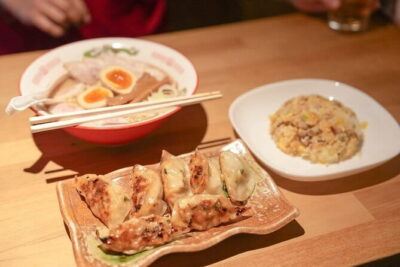 ★ 5.0Kyoto Ramen and Gyoza Cooking Class with Professional ChefsFrom $86282 reviews
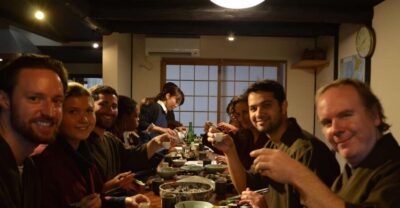 ★ 4.9Afternoon Japanese Izakaya Cooking ClassFrom $67241 reviews
Browse the lists this tour appears in