
Reviewed · WORKSHOPS
Kyoto: Beginner Knife Sharpening & Handle Fitting Workshop
Sharpening in Kyoto is hands-on, not theory. You’ll get knife sharpening and handle fitting with close coaching, and you end up with a real Japanese knife you can use at home. I especially like the calm, step-by-step corrections during practice, and I love that the workshop is built around skills you’ll still use long after the class ends.
One thing to consider: the handle fitting uses fire, so there can be smoke and a smoky smell on clothing. If you’re picky about laundry or you only brought nice outfits, plan to wear something you don’t mind after the workshop.
In This Review
- Kyoto Knife Workshop at HIRAI: Key Takeaways
- Why This Kyoto Workshop Feels Practical, Not Just Crafty
- The 2-Hour Flow: From Knife Choice to a Finished Knife to Take Home
- Picking Santoku, Deba, or Yanagi: How Your Choice Shapes the Session
- Sharpening on a Whetstone: What Beginners Actually Need to Learn
- The Handle Fitting Stage: Magnolia, Fire, and One Simple Clothing Warning
- Optional Upgrades and Engraving: Personalize Your Knife Without Overcomplicating It
- Who Leads the Class and Why the Teaching Style Matters
- Price and Value: Why $161 Can Make Sense for a Knife You’ll Use
- Practical Prep: How to Show Up and Have It Go Smoothly
- Suitability: Who This Workshop Is Best For
- Should You Book This Kyoto Knife Workshop
- FAQ
- What is the duration of the Kyoto knife sharpening and handle fitting workshop?
- Where do I meet for the workshop?
- What knives can I choose for the workshop?
- Can I take the knife home after the workshop?
- Is English available during the class?
- Is engraving included, and can I request it in advance?
- What handle is included in the standard workshop?
- Are other handle types available?
- Do I need to bring my own whetstone?
- (Optional) If you want the next step
Kyoto Knife Workshop at HIRAI: Key Takeaways
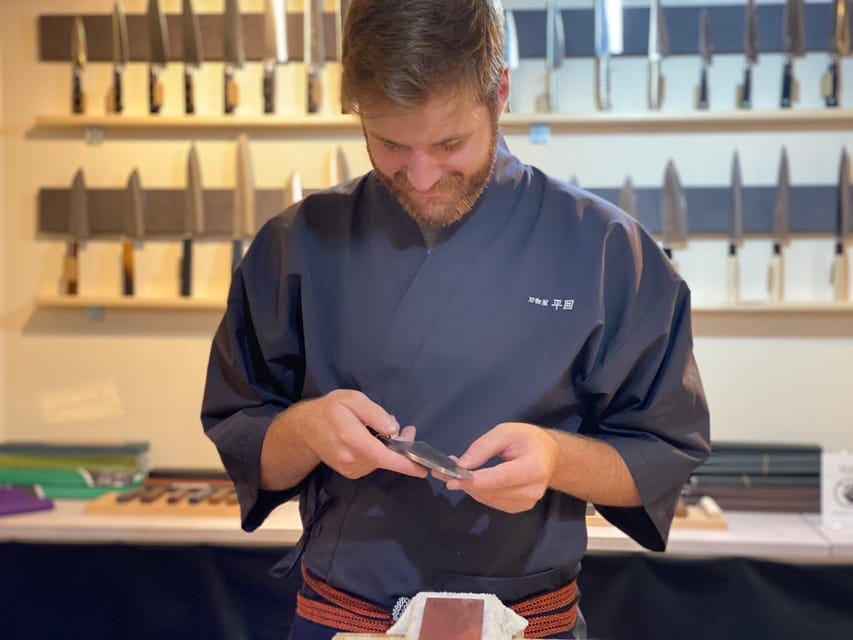
- Choose your knife type up front: Santoku, Deba, or Yanagi, before you start sharpening
- Small group instruction capped at 3 participants, so you get real feedback, not “watch and hope”
- Magnolia handle included, with optional other handle types available for an additional fee
- Engraving is possible if you request it in advance (up to 4 characters)
- Whetstones are provided, so you can practice without buying gear
- Take your finished knife home packaged after the workshop
Why This Kyoto Workshop Feels Practical, Not Just Crafty
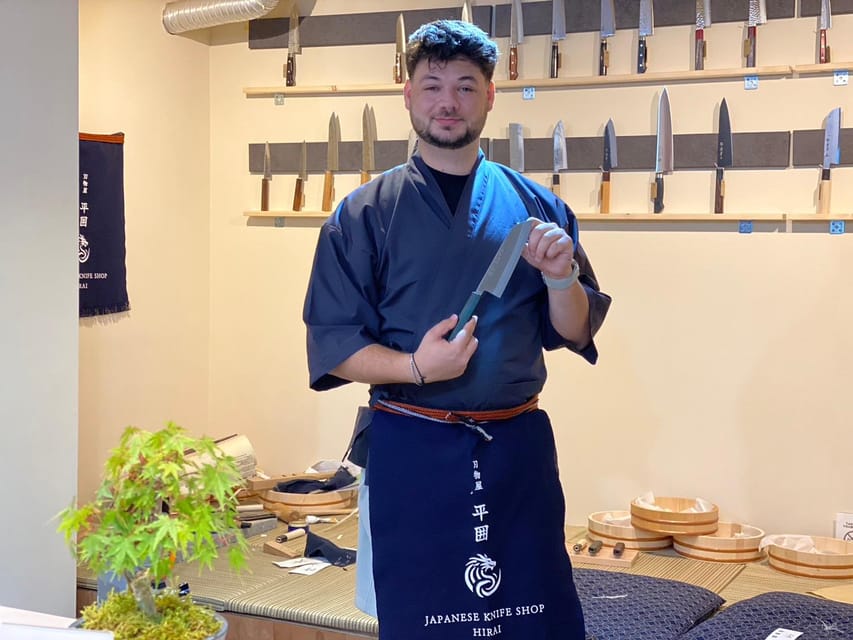
This isn’t a “look at the process” demo. You sharpen your own knife and then fit your own handle, which means you leave with both a souvenir and a maintenance skill. For everyday cooks, that is a bigger win than another object you’ll admire once.
I also like the way the workshop keeps the tone practical. You learn the steps you need for ongoing care, and the staff gives corrections so you can repeat the technique later. Add the small group size, and you get a pace that feels manageable even if you’re nervous about sharp tools.
Other Kyoto tours and experiences to compare


The 2-Hour Flow: From Knife Choice to a Finished Knife to Take Home
The workshop runs about 2 hours, and it’s structured so you don’t feel rushed between stages. After you arrive at the shop (it’s a direct-to-shop experience; look for the white storefront curtain), you’ll pick the knife you want to work on. Then you move into sharpening first, followed by handle fitting.
You’ll also get a short explanation of Japanese knives’ background before you start hands-on work. That context matters because it helps you understand why the sharpening and finishing steps are done the way they are, not just that they’re done that way.
When you’re finished, they package your knife so you can take it home. This is one of the main reasons the price feels reasonable to me: you’re not just paying for instruction, you’re leaving with a usable tool.
Picking Santoku, Deba, or Yanagi: How Your Choice Shapes the Session
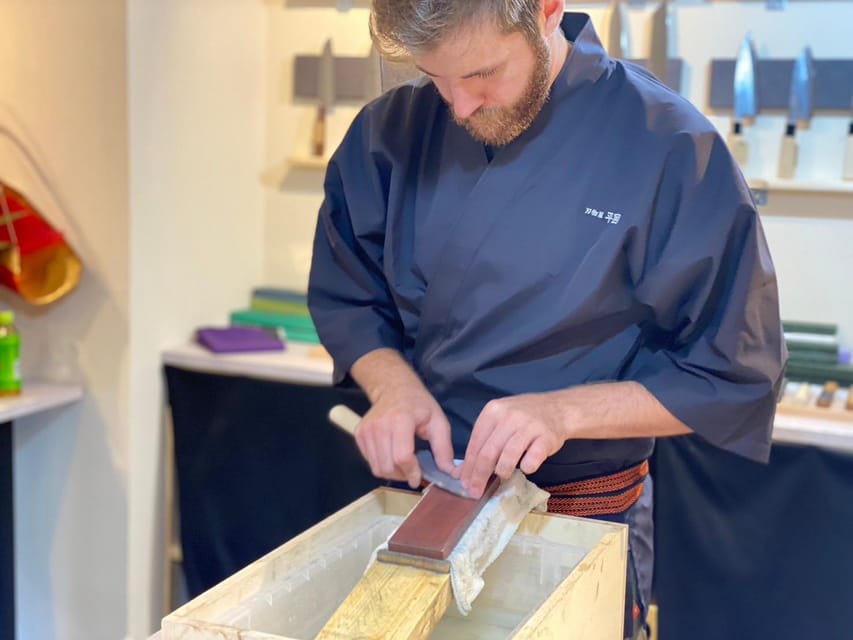
You’ll choose one knife for the workshop from Santoku, Deba, or Yanagi. The point of this isn’t just variety. Your choice changes how the edge feels and how you’ll handle sharpening during the practice phase.
In a beginner-focused class, that matters because you learn with a knife that matches what you’re interested in owning. If you’ve been curious about Japanese knife styles, picking from these three helps you avoid the common mistake of buying something later that doesn’t match your preferences.
I’d treat your choice like a preference test. If you already own knives and you care about how they feel in your hand, pay attention to the blade profile you choose and plan your posture around how it sits while you practice.
Sharpening on a Whetstone: What Beginners Actually Need to Learn
Sharpening sounds intimidating until someone slows it down and checks your work. The workshop’s sharpening portion is built for beginners, with clear instruction and hands-on corrections when you practice. If you’ve tried YouTube-style learning and your results never feel consistent, this approach is designed to close that gap.
You use whetstones provided by the shop, so you can focus on technique rather than shopping for equipment first. Expect the process to include guided steps, then time for you to do the work yourself, while the instructor and English support keep an eye on what you’re doing.
I also like that the class doesn’t treat sharpening as a mysterious art. It’s presented as a repeatable process. By the time you finish, you should feel confident enough to maintain your knife at home, rather than relying on a store every time the edge dulls.
The Handle Fitting Stage: Magnolia, Fire, and One Simple Clothing Warning
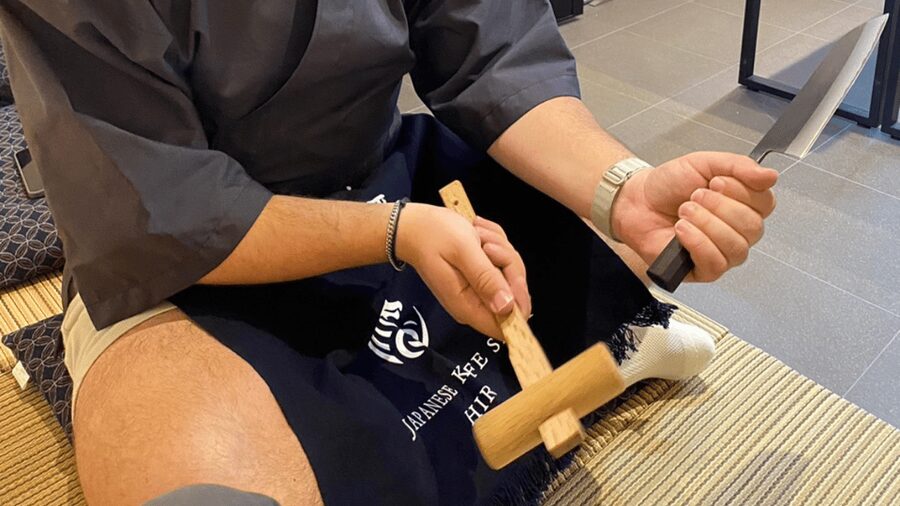
After sharpening, you switch to handle fitting. The standard included handle is a magnolia tree handle, and you attach it during the workshop.
Here’s the practical heads-up: handle fitting uses fire, and smoke can come out. That means you should wear clothes you don’t mind getting smoky. If you’re sensitive to smells, bring a change outfit plan, because the workshop environment can leave lingering odor on fabric.
You’ll have guidance through the attachment steps, and you can ask questions while you work. If you’re the type who worries about doing something “wrong” and ruining a blade, this is where the hands-on coaching helps most.






Optional Upgrades and Engraving: Personalize Your Knife Without Overcomplicating It
Two personalization options are built in: additional handle types and engraving.
If you want a handle type other than the included magnolia, you can choose upgrades for an additional fee. The workshop notes that the additional price varies depending on the handle you pick, so you’ll want to decide what matters to you—look, feel, or both—before you commit.
Engraving is also available. If you want it, you need to request it in advance and specify the characters you want, up to 4 letters. That’s a small detail with a big payoff: you end up with something that feels like yours, not an off-the-shelf souvenir.
A nice touch is that the class structure still prioritizes the core skill work. Even with optional upgrades, you’re not pushed toward a sales pitch. The experience is about leaving with a knife you understand.
Who Leads the Class and Why the Teaching Style Matters
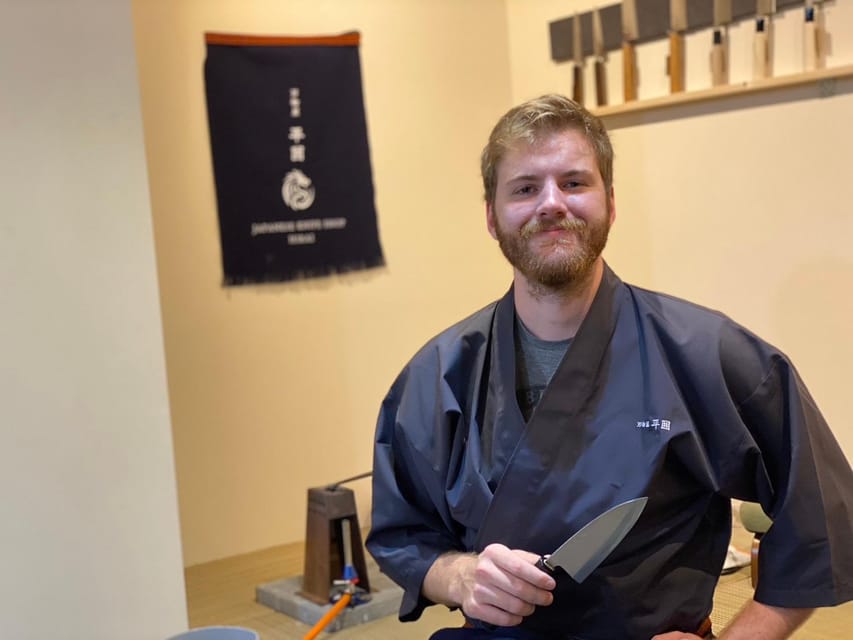
This is a small shop workshop experience, and it shows in the teaching style. English support is available, and you’ll get both instruction and feedback during the hands-on parts.
In the sessions I’ve seen referenced, instructors such as Julio and staff like Tatsu are commonly mentioned for being patient and attentive with beginners. That matters because sharpening and handle fitting are physical tasks. You learn faster when someone corrects your angle, your pace, or your handling before you build in bad habits.
Also, the group size—limited to 3 participants—changes the vibe. You can actually ask questions and get answers that apply to what you’re doing, not generic advice for the whole room.
Price and Value: Why $161 Can Make Sense for a Knife You’ll Use
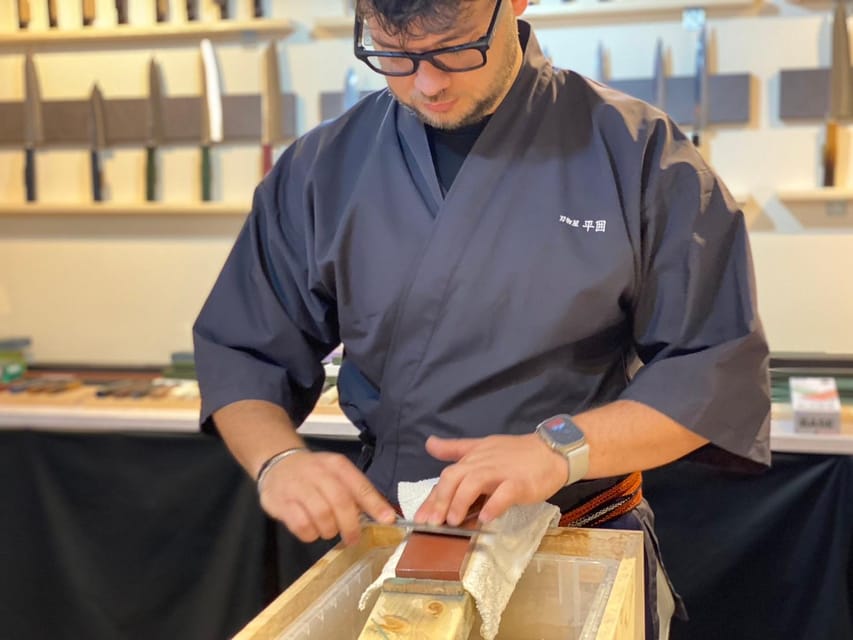
At $161 per person for a 2-hour workshop, it can feel like a splurge if you’re just chasing a fun activity. But the value math is different because the price is tied to what you take home: you sharpen a knife and leave with a finished, usable knife after handle fitting.
The workshop includes the knife you sharpen, the magnolia handle you attach, and the uniform and apron used during the session. It also includes the experience fee, and engraving fee is listed as included—assuming you request engraving in advance.
What’s not included is important too: you won’t be buying additional knives in the shop as part of the class, and you can’t swap to other handle types without an extra fee. The whetstones are provided, so you’re not expected to purchase sharpening gear right away.
If you’re already considering buying a Japanese knife in Kyoto, this is worth weighing. The workshop cost can look like a roundabout path until you factor in the training you gain. You’re paying for instruction plus a knife, not instruction alone.
Practical Prep: How to Show Up and Have It Go Smoothly
Timing is simple. Plan to arrive at the shop at least 5 minutes early so you can start smoothly.
For clothes, treat the handle fitting stage seriously. The fire and smoke step is real, so wear something you can tolerate smelling smoky afterward. If you’re planning photos for social media, you might even want to wear a darker top that hides minor smoke residue better.
You also have clear rules about the environment: no smoking, no alcohol or drugs, and no pets or baby strollers. Keep your voice down—making noise isn’t part of the deal.
Finally, decide early whether you want engraving. If you do, tell the shop in advance and be ready with the exact characters you want (up to 4 letters). That helps you avoid last-minute stress.
Suitability: Who This Workshop Is Best For
This class is aimed at people who want a beginner-friendly skill and a knife to take home. It’s not set up for very young learners—children under 15 aren’t suitable—and there’s also a limit of sorts for age and mobility: wheelchair users are not suitable, and people over 80 aren’t listed as suitable.
If you’re comfortable using tools and paying attention during a concentrated session, you’ll likely enjoy this. If you’re squeamish about smoke, or you hate the idea of wearing clothing that may smell smoky afterward, you’ll want to plan your outfit carefully.
Should You Book This Kyoto Knife Workshop
Book it if you want a hands-on Kyoto experience with a practical outcome. You’ll learn wet-stone sharpening basics, get coached through corrections, fit your own handle, and take home a knife you can actually use. The small group format makes it feel personal, and the lack of sales pressure makes it easier to trust the experience.
Skip or reconsider if smoke from a fire step is a dealbreaker for you, or if you’re not comfortable handling a sharp tool under instruction. Also, if you’re only looking for a quick souvenir and don’t care about learning maintenance, you might prefer a shorter, less skill-focused activity.
If you do book, think like this: you’re buying instruction you’ll use and a knife you’ll keep. That combo is where the workshop earns its place in a Kyoto itinerary.
FAQ
What is the duration of the Kyoto knife sharpening and handle fitting workshop?
The workshop lasts about 2 hours.
Where do I meet for the workshop?
Come directly to the shop. Look for the building with a white storefront curtain.
What knives can I choose for the workshop?
You can choose one knife from Santoku, Deba, or Yanagi.
Can I take the knife home after the workshop?
Yes. After the workshop, they package your knife so you can take it home.
Is English available during the class?
Yes. Instruction is available in English, and the instructor can also use Japanese.
Is engraving included, and can I request it in advance?
Engraving service is available, and you should let the shop know in advance if you want it. You can request up to 4 letters, and the engraving fee is listed as included.
What handle is included in the standard workshop?
The included handle is a magnolia tree handle fitted during the workshop.
Are other handle types available?
Yes, you can choose other handle types if you pay an additional fee, which varies depending on the handle you choose.
Do I need to bring my own whetstone?
No. You use whetstones provided by the shop.
(Optional) If you want the next step
If you tell me your cooking style (daily home cooking vs. occasional meals) and whether you’re planning to buy a knife anyway, I can help you decide if this is the best use of your Kyoto time.
More Workshops in Kyoto

More Tour Reviews in Kyoto
Just added: more Kyoto tours to browse








Workshops, compared.
 ★ 4.345-Minute Tea Ceremony Lesson ExperienceFrom $222,378 reviews
 ★ 5.0Ramen Cooking Class at Ramen Factory in KyotoFrom $1311,937 reviews
 ★ 5.0Chopsticks Making Workshop in Gion with Engraving OptionFrom $15958 reviews
 ★ 4.9Samurai Sword Class by Experts in Traditional ArtsFrom $64657 reviews
 ★ 4.9Ramen Cooking Class at a Ramen Factory with SouvenirFrom $127532 reviews
 ★ 5.0Ninja 1-hour Hands-on Lesson by Japanese master in Kyoto -EntryFrom $80489 reviews
 ★ 5.0Ramen, Gyoza, and Onigiri Cooking ClassFrom $90445 reviews
 ★ 5.0The Original Small-Group Sushi Making Class in KyotoFrom $69436 reviews
Browse the lists this tour appears in