
Reviewed · KYOTO BIKE & E-BIKE TOURS
Kyoto: Authentic Biking Half Day Experience
Pedal Kyoto like a local in four hours. This half-day bike route links classic temples and neighborhoods with an easygoing Mamachari bicycle ride.
I especially like how the tour gets you oriented fast, starting in busy Gion and then rolling into calmer temple grounds. I also like the small group pace and the way the English-speaking guides (including Miya and Kats) keep things organized and photo-friendly. One catch: you’re on a standard, non-electric bike for 4 hours, so if you’re sensitive to distance or heat, plan to move carefully and bring water and snacks since meals aren’t included.
In This Review
- Key highlights you’ll care about
- Why this Kyoto bike tour feels like local life
- Starting at Gojo Station: where your Kyoto morning gets real
- Practical note about the ride tempo
- Gion first: setting the tone before the temples
- Nanzenji Zen Temple: your first big spiritual stop
- Philosopher’s Path by bike: the canal-side rhythm
- When Philosopher’s Path might feel like a lot
- Ginkakuji area (Silver Pavilion): calm gardens without overdoing it
- A helpful expectation
- Shimogamo Shrine: where the forested feeling takes over
- Kyoto Imperial Palace grounds: a big open finish
- The bike details that affect comfort (and confidence)
- Guide quality: Miya and Kats made the ride feel easy
- What’s included in the $79 value (and what isn’t)
- The value equation for most people
- A simple smart move
- What to bring so the day stays comfortable
- Who should book this Kyoto half-day bike ride
- Who should skip it
- Should you book this Kyoto biking experience?
- FAQ
- Where do I meet the tour?
- What bicycle do I ride?
- How long is the tour?
- Which places are included in the route?
- What’s included in the price?
- What should I bring?
- Can I cancel or pay later?
Key highlights you’ll care about
- Mamachari bike comfort: a practical B-type bicycle with 3 gear shifts for an everyday-feeling ride
- A hit list of Kyoto sights: Gion, Nanzenji, Philosopher’s Path, Ginkakuji (Silver Pavilion), Shimogamo Shrine, Kyoto Imperial Palace
- Mostly flat, gentle slopes: built for relaxed riding rather than athletic training
- English guide plus helmet: you get local context and safety basics without needing to figure things out on your own
- Limited to 9 people: easier conversation, easier navigation, and less waiting around
Why this Kyoto bike tour feels like local life
Kyoto is one of Japan’s best cities for bicycle travel, and this route uses that advantage well. You’re not just “passing by” sights—you’re moving through them at human speed. That makes it easier to notice details like the transition from lively streets into quiet temple lanes, or how the air changes when you reach the shade of shrine grounds.
The tour’s bicycles matter, too. A Mamachari is designed for practicality, not speed—so you can focus on the streets and scenery instead of fighting the bike. With 3 gear shifts, you have enough options to handle Kyoto’s gentle ups and downs without turning the ride into a workout.
And since this is a half day (4 hours), it’s a smart choice for your first days in Kyoto. You cover major areas without committing to a full-day plan, and you’ll get a mental map you can reuse when you go exploring on your own.
More of Kyoto at handlebar pace
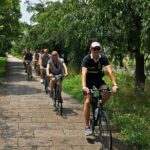
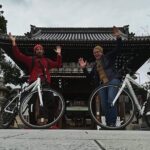
Starting at Gojo Station: where your Kyoto morning gets real
You meet at Subway Gojo Station, exit 2. It’s an easy, public, central meeting point, which matters because Kyoto transit can be confusing the first time. Look for a TripGuru shirt or a TripGuru sign held by your guide.
From there, the ride begins quickly. You’ll head toward Gion for about 20 minutes of biking, which is exactly long enough to wake up your legs and get used to the bike layout. It’s also a good transition: you’re not dropped into the most chaotic area instantly, but you do start close to the energy of downtown Kyoto.
Practical note about the ride tempo
This tour is set up for a comfortable rhythm. The guides manage the pacing so you don’t feel rushed through key photo stops, and the group size stays small enough for smooth regrouping at corners and traffic lights.
Gion first: setting the tone before the temples
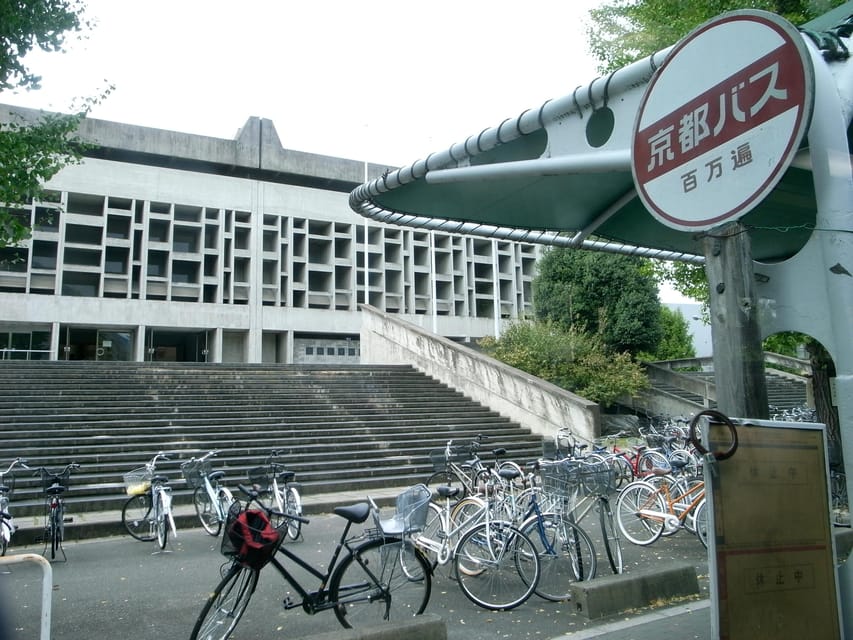
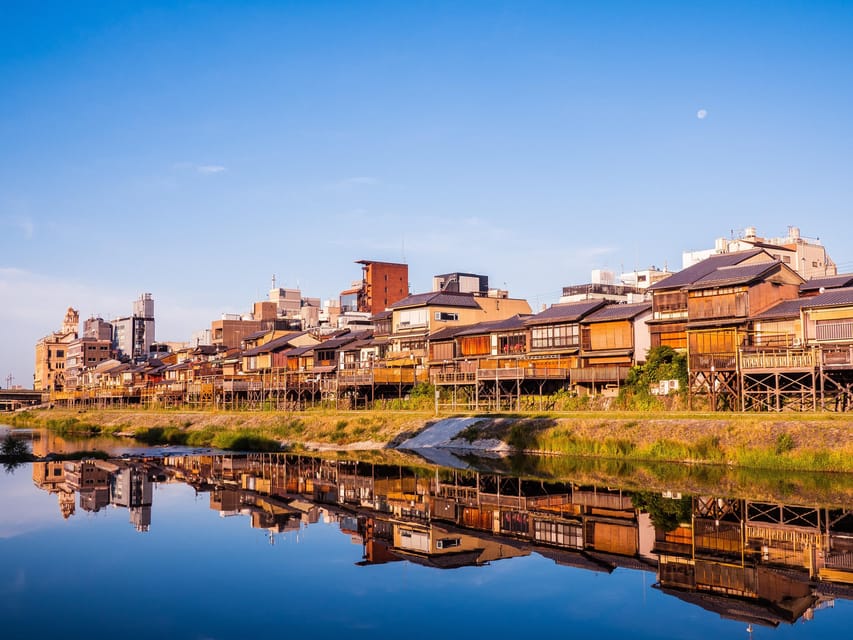
Gion is the most famous neighborhood on this route for a reason. Even if you’ve seen Kyoto photos for years, being on a bike changes the experience: you feel the street rhythm, you pass through lanes at walking-slow speed, and you can spot the mood changes block by block.
In a bike tour plan like this, starting in Gion does two things:
- It gives you a recognizable Kyoto landmark zone early
- It helps you learn how the route threads through real streets, not just tourist paths
If you’re traveling with kids, this first segment can be a confidence booster. You’re not immediately faced with long temple stairways or long wandering routes—you’re learning the bike and the group rhythm first.
Nanzenji Zen Temple: your first big spiritual stop
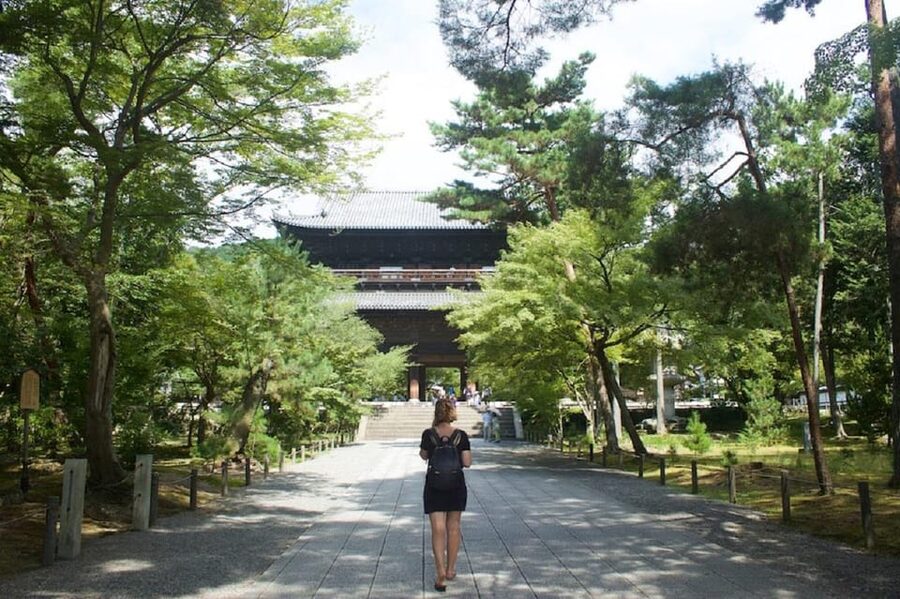
Nanzenji comes next, with about 45 minutes of biking time to reach the area plus time at the temple. Nanzenji is a major temple complex, and it tends to feel spacious compared to more compact inner-city shrines. That can be a welcome change after the tighter feel of Gion.
Here’s what’s useful about this stop in a half-day format:
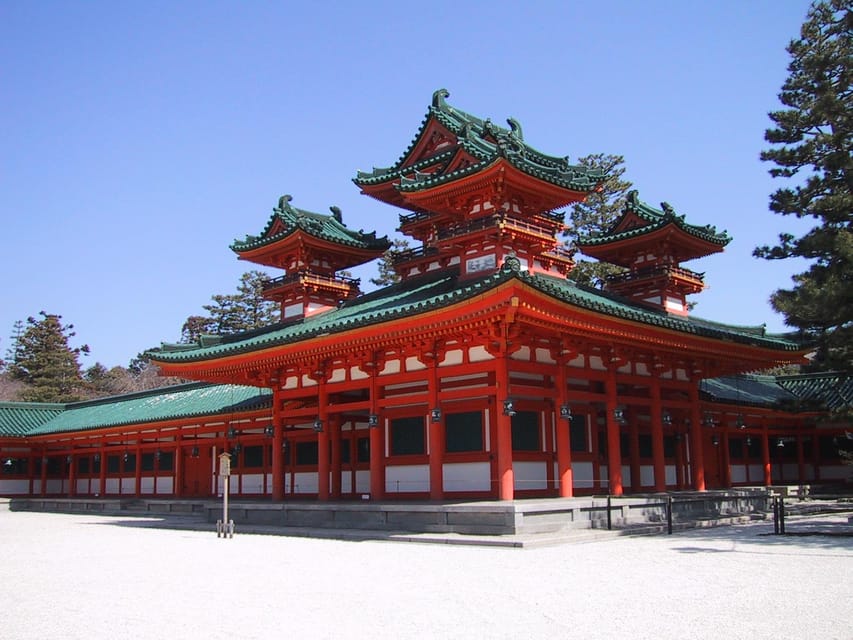
- You get a true sense of Kyoto’s temple architecture and atmosphere
- The guide’s storytelling helps you understand what you’re looking at, instead of just snapping photos
- You have included access to Nanzenji’s entrance fee, so you won’t need to hunt for tickets right when you arrive
One detail I appreciate: your guide doesn’t just point and move on. The pace is designed so you can actually look around on foot once you’re inside the temple area, then return to biking when it makes sense.
Other Kyoto tours and experiences to compare
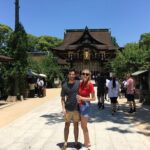
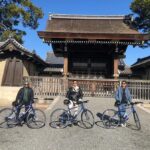
Philosopher’s Path by bike: the canal-side rhythm
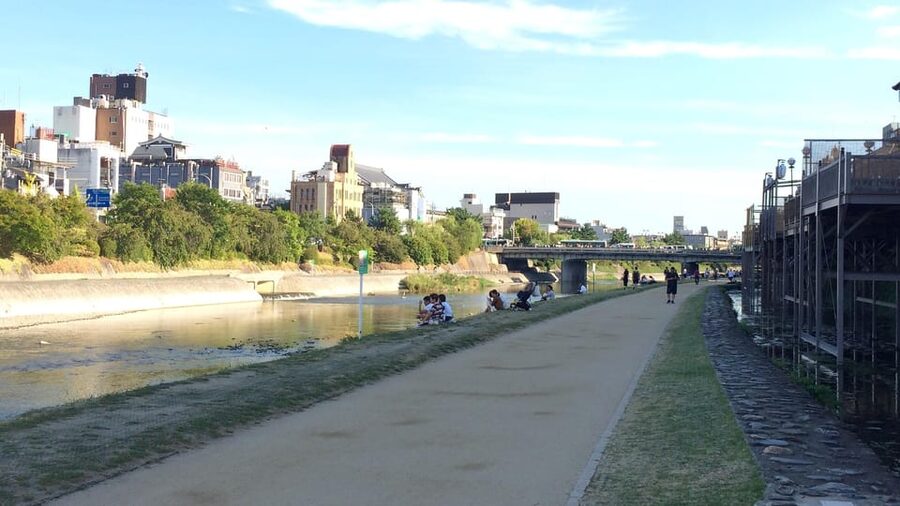
After Nanzenji, you ride along the Philosopher’s Path area, with two bike segments that total about an hour of travel in and around the route. This is the part of the tour that many people remember because the path works at “slow viewing” speed.
What makes Philosopher’s Path special for a bike tour is simple: you’re not stuck in one long walking queue. You can pause when you want photos, then glide forward when you’re ready. You also see the canal and walking corridor from the roadway perspective, which often gives you angles that are harder to catch when you’re doing only foot travel.
When Philosopher’s Path might feel like a lot
This segment can be visually tempting. You’ll likely want to stop often. If you tend to take your time, go easy on the number of “one more photo” moments in a row—otherwise you’ll feel behind. The tour structure helps, but it’s still a 4-hour plan, so staying aware of time keeps the day relaxing.
Ginkakuji area (Silver Pavilion): calm gardens without overdoing it
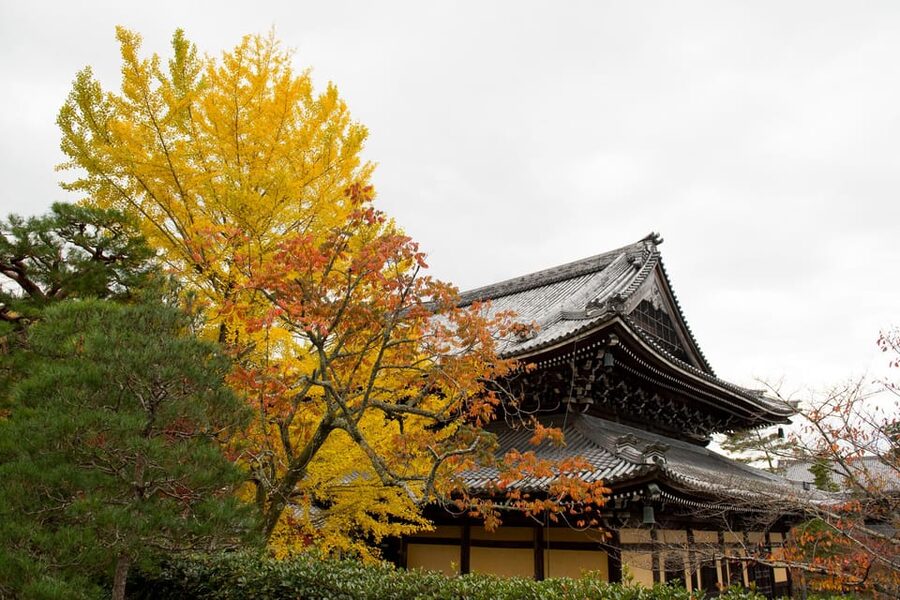
Next you head toward the Ginkakujicho area, with a bike segment that gives you quick access to the temple district. Ginkakuji (the Silver Pavilion) is known for its peaceful garden setting, and the point of including it here isn’t to turn this into a museum day. It’s more about letting you experience Kyoto’s quieter, contemplative side while you still have energy.
Because the itinerary is designed for movement between key points, you’re getting a balanced mix:
- neighborhood energy (Gion)
- temple atmosphere (Nanzenji)
- canal beauty and strolling vibes (Philosopher’s Path)
- garden calm (Ginkakuji area)
A helpful expectation
Temple grounds often include areas that require slow walking and good footwear. Even with biking between stops, you’ll still be on your feet during guided viewing time. Comfortable shoes matter here more than people expect.
Shimogamo Shrine: where the forested feeling takes over
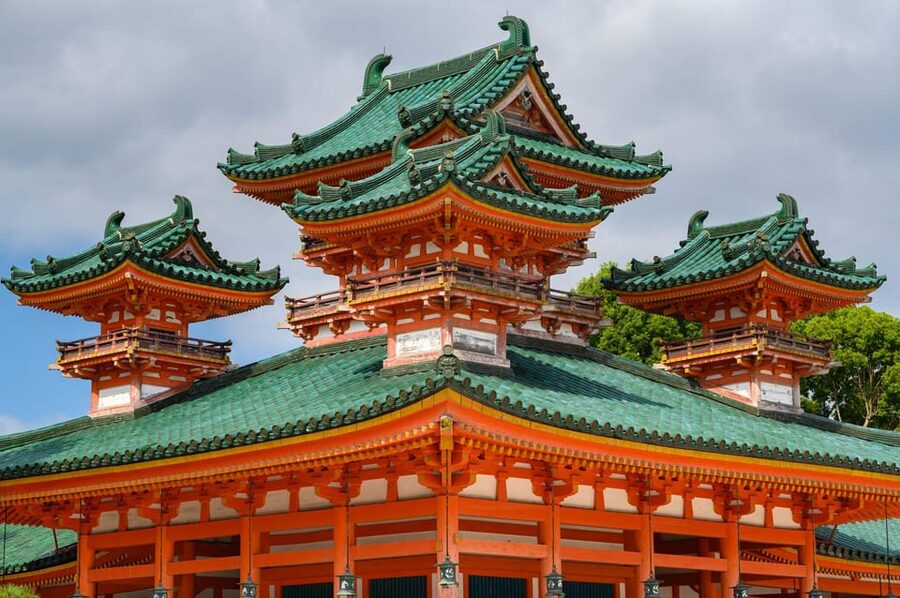
Shimogamo-jinja Shrine is your next guided visit, paired with about 30 minutes of biking time to reach it. This stop stands out because you shift into a different mood—one that often feels cooler and quieter thanks to the wooded grounds.
A guided stop is especially valuable at shrines like Shimogamo because the details—layout, ritual space, and what to notice—can be hard to decode on your own. Your guide helps you connect the visual elements to cultural meaning, so you’re not only scanning for the “main building” photo.
This part of the ride also offers a mental reset. You’ve already covered big-name sights; now you’re getting a more serene atmosphere that makes Kyoto feel less like a checklist and more like a lived-in spiritual city.
Kyoto Imperial Palace grounds: a big open finish
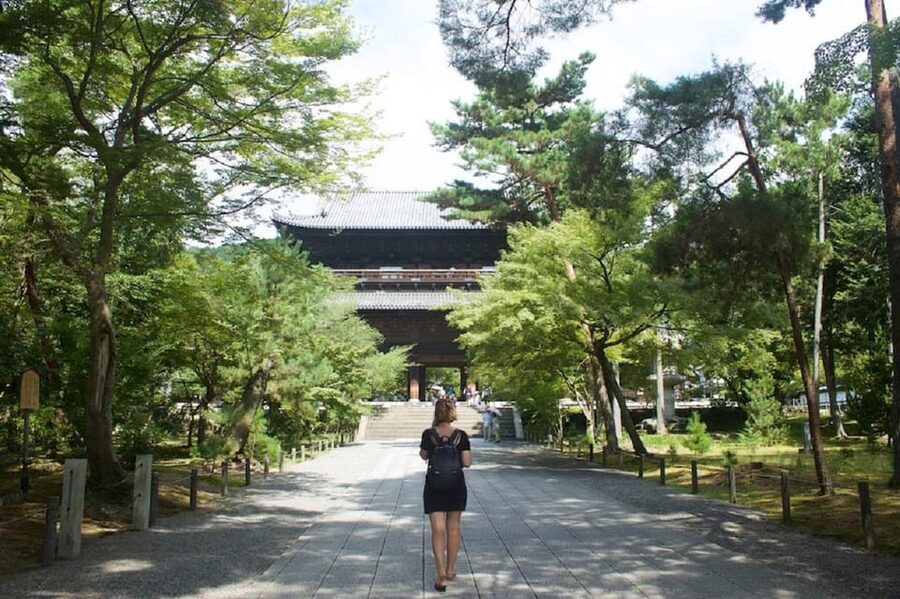
The tour ends with Kyoto Imperial Palace. You’ll bike about 30 minutes to reach it, and then you finish with time to relax in the expansive palace grounds.
This is a smart final stop for a half-day cycle tour. After temples and paths, the palace grounds give your body and brain a breather. It’s also a good capstone: you see a different side of Kyoto’s story beyond religious sites—Kyoto as a seat of governance and imperial residence.
You’re also finishing near a return route that brings you back to Gojo Station, which keeps the day from stretching into something that feels harder than it should.
The bike details that affect comfort (and confidence)
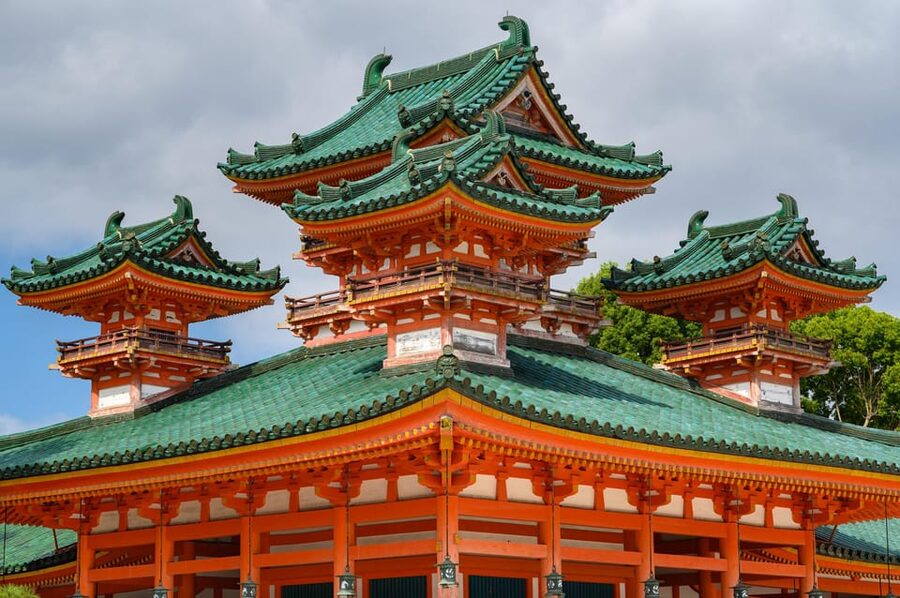
You’ll rent a standard, non-electric B-type bicycle with 3 gear shifts, plus a helmet. That setup is very common for Kyoto cycling, and it’s the reason the tour works for so many first-timers.
Here’s what to consider before you commit:
- If you can ride a bike confidently, the ride will feel relaxed.
- If you’re nervous about traffic or balancing, start with the idea that your guide will manage the group and regrouping.
- If you need an electric assist, this tour lists non-electric bikes—so bring your best riding skills and ask questions ahead of time if you’re unsure.
The tour is not suitable for people who can’t ride a bike, and it’s also not recommended for pregnant women, people with mobility impairments, people with heart problems, and those with respiratory issues. If any of those apply, this isn’t the right way to experience these sights.
Guide quality: Miya and Kats made the ride feel easy
One of the best parts of this tour is the people factor. Guides like Miya and Kats have been praised for organization, pacing, and giving clear cultural context. That matters because Kyoto landmarks can look similar on a first pass, and good guidance turns a series of stops into a connected story.
You’ll also get help with practical photo moments. One key advantage: you aren’t stuck with the awkward helmet-on selfie routine. The guide can take photos so you actually get pictures with the right background, without you sprinting back and forth.
What’s included in the $79 value (and what isn’t)
At $79 per person for 4 hours, this is best viewed as a “time-saving + guidance” deal. You’re paying for:
- an English-speaking tour guide
- bicycle rental (non-electric Mamachari B-type, 3 gear shifts)
- a helmet
- the Nanzenji Temple entrance fee
- insurance
Not included: hotel pickup/drop-off and meals or drinks, plus personal expenses.
The value equation for most people
If you want to cover major Kyoto areas in one go and you don’t want to plan route logistics, $79 can feel fair. The inclusion of a guide plus bike rental is a big part of why. If you were to do this yourself, you’d likely spend time figuring out bicycle logistics, finding reliable routes, and paying separately for any entrance fees.
A simple smart move
Because meals aren’t included, plan to eat before you go or carry a small snack. One reason is basic stamina: you’ll be on a bike for several hours, and you’ll also be walking in temple and shrine areas. On warm days, that matters more.
What to bring so the day stays comfortable
Bring:
- comfortable shoes
- a camera
- cash
The cash tip matters because not everything is necessarily prepaid beyond what’s listed. Also, having cash helps when small purchases pop up unexpectedly.
If you run warm easily, dress lightly and be honest with your own energy level. This is meant to be relaxing cycling, but 4 hours still adds up.
Who should book this Kyoto half-day bike ride
This tour fits best if you want:
- a first-time Kyoto orientation route
- a mix of neighborhoods and temples in one morning/afternoon window
- a small-group ride with an English guide
- a comfortable Mamachari bike experience (not a strenuous ride)
It’s also a solid option for families with older kids who can ride bikes confidently. One family included two children aged 13 and 11 who enjoyed the day, which tells you the format can work well when kids aren’t “new riders.”
Who should skip it
You should skip this specific activity if:
- you can’t ride a bike
- you have mobility impairments that affect your ability to mount, stop, or balance on uneven surfaces
- you’re pregnant
- you have heart or respiratory concerns
- you’re expecting a low-effort day with minimal walking and minimal time in crowds (this route is designed to cover a lot)
Should you book this Kyoto biking experience?
If you want a practical introduction to Kyoto with real context at each stop, I’d book it. The combination of Gion + Nanzenji + Philosopher’s Path + Ginkakuji area + Shimogamo + Kyoto Imperial Palace in a 4-hour window is exactly the kind of structure that makes travel smoother.
Book it especially if you value:
- a small-group vibe (up to 9 people)
- an English guide who can explain what you’re seeing
- a comfortable Mamachari bike for mostly easy riding
Skip it if you’re worried about biking for 4 hours on a standard non-electric bicycle, or if walking inside temples and shrine grounds would be a problem for you.
If you’re ready to cover major Kyoto highlights without spending your whole day planning, this ride is a strong bet.
FAQ
Where do I meet the tour?
Meet at Subway Gojo Station, exit 2. Look for a guide wearing a TripGuru shirt or holding a TripGuru sign.
What bicycle do I ride?
You’ll ride a standard non-electric B-type Mamachari bicycle with 3 gear shifts, along with a helmet.
How long is the tour?
The tour lasts 4 hours.
Which places are included in the route?
The route includes Gion, Nanzenji Temple, Philosopher’s Path, the Ginkakuji area (Silver Pavilion), Shimogamo-jinja Shrine, and Kyoto Imperial Palace.
What’s included in the price?
Included are an English-speaking tour guide, bicycle rental, helmet, the Nanzenji Temple entrance fee, and insurance.
What should I bring?
Bring comfortable shoes, a camera, and cash.
Can I cancel or pay later?
Yes. You can cancel up to 24 hours in advance for a full refund, and you can reserve now & pay later.
More Cycling Tours in Kyoto
More Tour Reviews in Kyoto






More of Kyoto by Bike
Just added: more Kyoto tours to browse








Kyoto Bike & E-Bike Tours, compared.
 ★ 5.0Hidden Kyoto E-Biking tourFrom $1161,843 reviews
 ★ 5.0Bike Tour Exploring North Kyoto plus LunchFrom $1061,087 reviews
 ★ 5.0Arashiyama Bamboo Forest & Hidden Gems Bike Tour (Early Bird)From $106613 reviews
 ★ 5.05 Top Highlights of Kyoto Full Day Bike Tour (E-bike option)From $172511 reviews
 ★ 5.0Full Day Biking Tour Exploring the Best of KyotoFrom $119498 reviews
 ★ 4.8Memory Kyoto E-Bike TourFrom $91297 reviews
 ★ 5.0E-Bike Tours of the highlights of Kyoto!!!From $109291 reviews
 ★ 5.0Afternoon Kyoto Bike Tour: Bamboo Forest, Monkeys & Hidden SpotsFrom $106283 reviews
Browse the lists this tour appears in