
Reviewed · PRIVATE
Kyoto: 1.5 hours Private Japanese Sound Bath Experience
A room of quiet becomes pure sound. In Kyoto, a 1.5-hour private session uses Japan’s Singing Ring instruments for a slow, harmonic reset, led by Junichiro at a traditional space near Kyoto Station. I like the intimate setup (maximum 2 people) and the fact you don’t just lie there—you also get a hands-on playing experience right after. One thing to weigh: the venue can change, so you’ll want to check the organizer’s email close to your start time.
In This Review
- Key things that make this Kyoto sound bath special
- Japanese Singing Ring: why it feels different from typical sound baths
- Where to go in Kyoto Station area: Little Granmy, room 203
- The 60-minute sound bath: what you do and what you might feel
- The hands-on workshop: learning the instruments after the session
- Why the private max-2 format is worth it in Kyoto
- Pricing and value: $91 for a 1.5-hour private reset
- How to time it in your Kyoto day (and what to do nearby)
- Booking tips that keep the experience smooth
- Should you book this Kyoto Singing Ring sound bath?
- FAQ
- How long is the Kyoto sound bath experience?
- Where is the meeting point?
- Is this experience private?
- What instruments are used?
- What languages are available?
- Do I get to play the instruments?
- Are meals included?
- How do you choose the start time?
- What is the cancellation policy?
Key things that make this Kyoto sound bath special
- Singing Ring harmonics: Built with traditional craft, this instrument is known for producing lots of measurable harmonics.
- 60-minute sound bath + workshop: You get both the listening and the learning.
- Small, private group: Maximum 2 people keeps the session calm and personal.
- English-friendly guidance: The instructor communicates in English (and Japanese too).
- A traditional room setting: The experience happens in a Japanese-style room, and it may include a garden view with a waterfall.
Japanese Singing Ring: why it feels different from typical sound baths
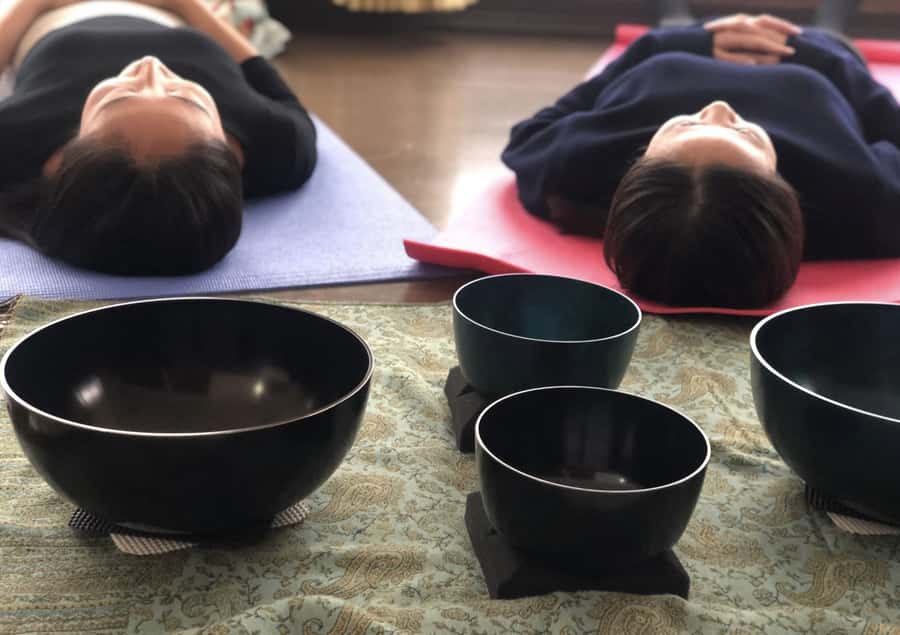
If you’ve done a sound bath elsewhere, you already know the basic idea: you lie back, the bowls or instruments make tones, and your body catches the vibrations. This Kyoto experience leans hard into a specific Japanese instrument called Singing Ring.
The key detail is what Singing Ring is made to do. It’s an acoustic instrument made using Japanese traditional craft techniques, and it’s described as one of the few in the world that emits as many harmonics as can be measured on equipment. In plain terms: you’re not only hearing a note—you’re hearing many tones riding on top of it.
That matters because harmonics change how sound sits in your body. Several people describe feeling synchronized with the frequencies, including the low, physical vibrations when instruments are placed against the body (for example, around the abdomen or just below the ribs). Even if you’ve never cared about physics, this is one reason it can feel grounding rather than just relaxing.
Another practical benefit: Singing Ring isn’t presented as a gimmick. The session is framed as a journey into Japanese sound depth and structure. You’ll be guided through what’s happening while you listen, which makes it easier to let your mind stop analyzing and start noticing.
Other Kyoto tours and experiences to compare


Where to go in Kyoto Station area: Little Granmy, room 203
The meeting point is close to Kyoto Station, so you don’t need a long transit plan. You’ll go to Little Granmy Kyoto in Shimogyo Ward, and the key detail is the specific room: room 203 on the second floor.
Plan for a simple arrival:
- Walk from Kyoto Station (it’s about a 5-minute walk).
- Find the building, then go up to the second floor.
- Look for room 203.
A small but helpful heads-up: the venue can be subject to change. After you confirm, you’ll get an email with the time and venue details, so check that message before you go. That’s worth it even if you’re already near Kyoto Station.
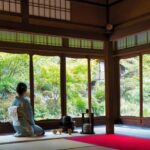
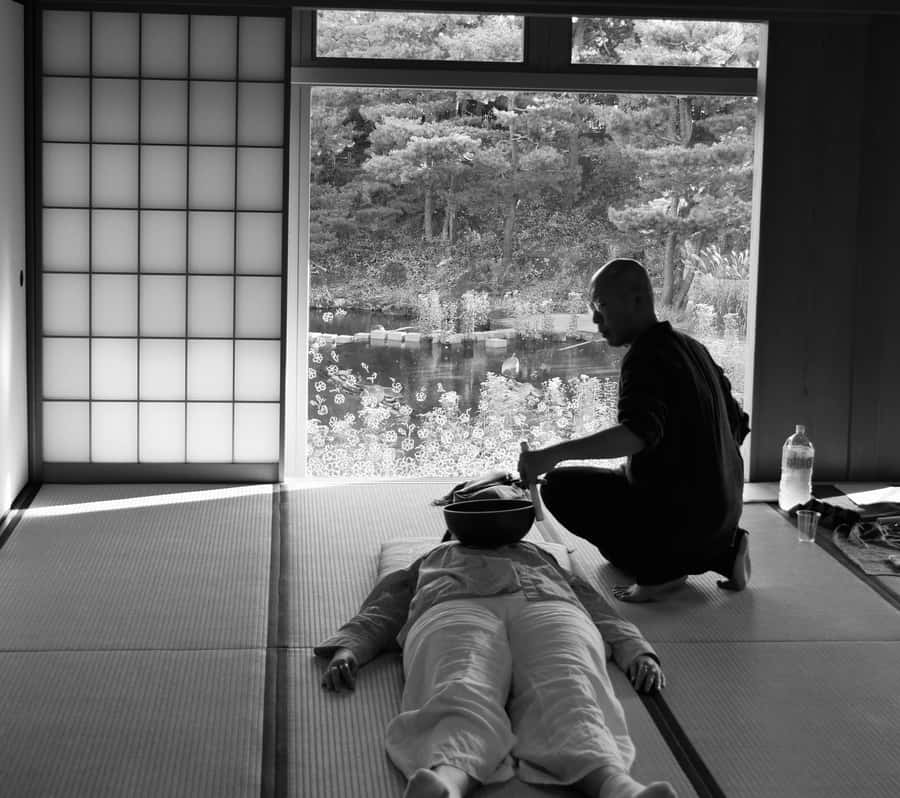
Inside, the setting is Japanese-style, with the instruments placed on the floor. One person also mentions the room overlooking a garden with a small waterfall. Even if you can’t guarantee the exact view, the vibe is clearly meant to be quiet and reflective, not a studio-like sound booth.
The 60-minute sound bath: what you do and what you might feel
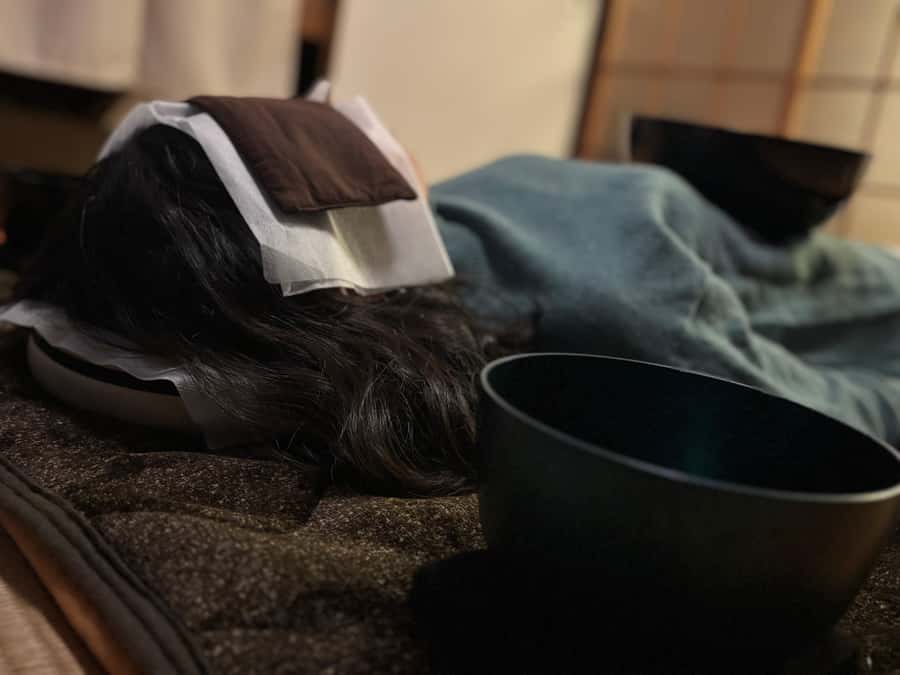
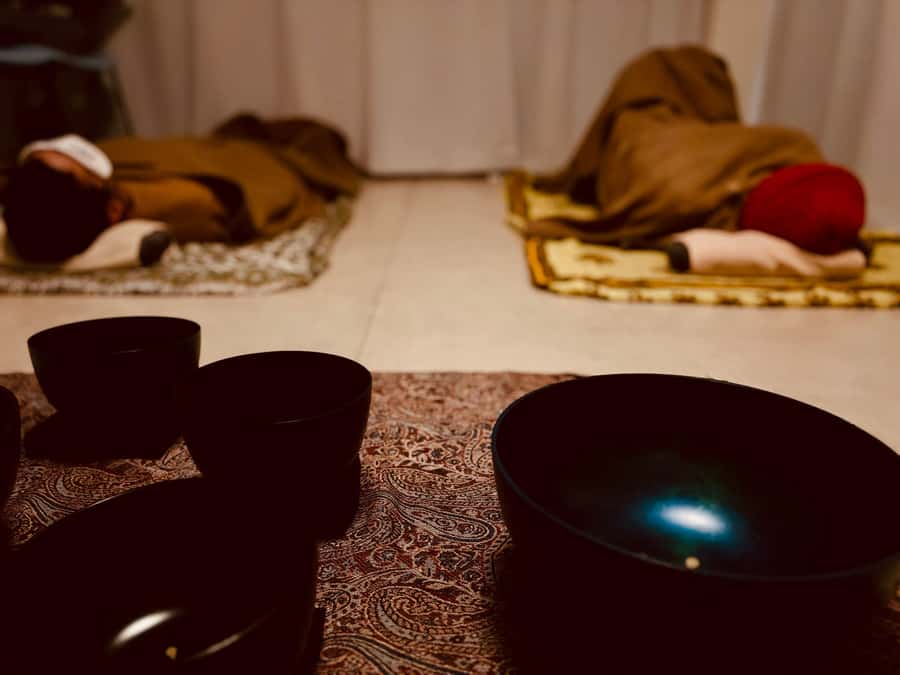
The sound bath portion runs about 60 minutes. You’ll be lying down for the main session while Junichiro guides the experience.
What you can expect moment to moment:
- Instructions at the start so you know how to settle in.
- Sound created through Singing Ring, with tones and intervals designed to guide your attention.
- Calm, delicate sounds that are meant to reflect a more solemn Japanese spirit of listening.
Because this is a max-2 setting, the tone stays personal. There’s less distraction than in larger group sessions, and it’s easier to feel like your body is the focus.
A few practical notes from what people describe:
- You might feel yourself drifting toward sleep while still being aware of the sound. One person even mentioned snoring, which tells you how relaxed the body can get.
- Vibrations can feel more noticeable when instruments are placed against parts of the body, especially around the torso area.
If you’re doing this as a first sound bath, I’d think of it as less like entertainment and more like a gentle reset. The goal isn’t to “understand” every tone. The guide gives context, but you don’t need to be an expert to benefit.
Also, don’t stress about timing during the session. The session time is set flexibly, and once you’re there, you can just follow instructions.
The hands-on workshop: learning the instruments after the session
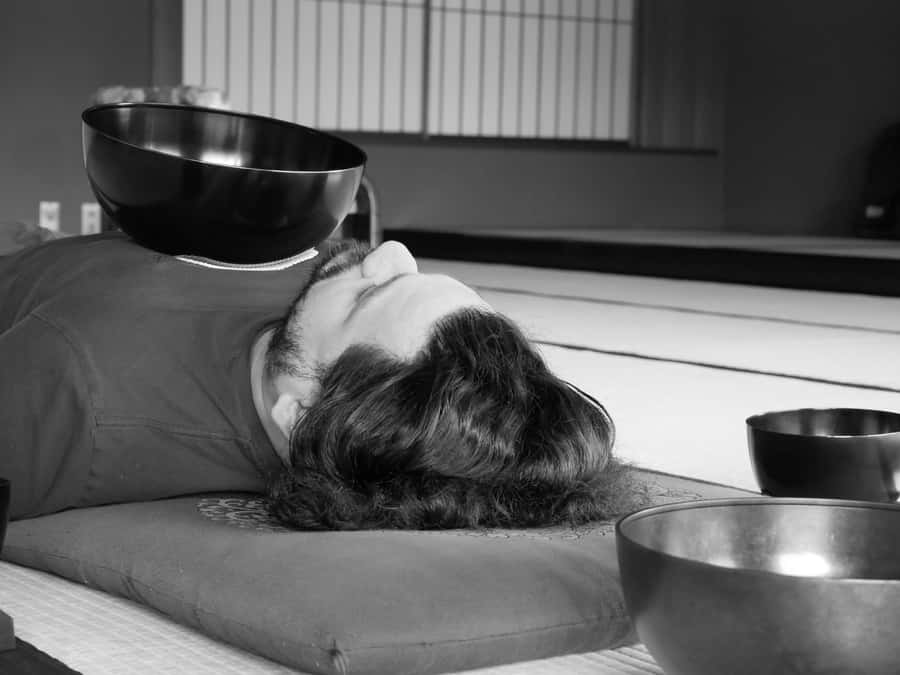
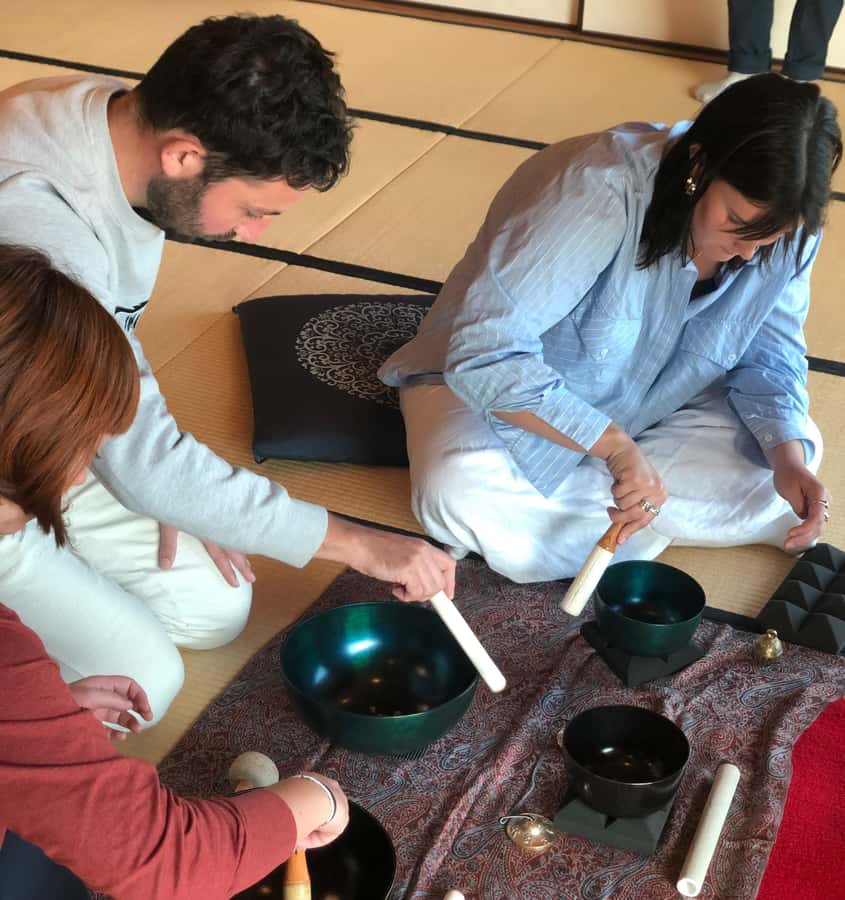
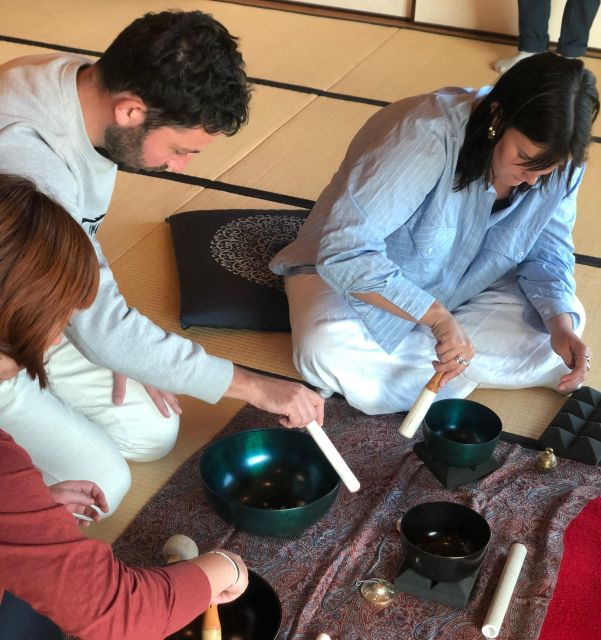
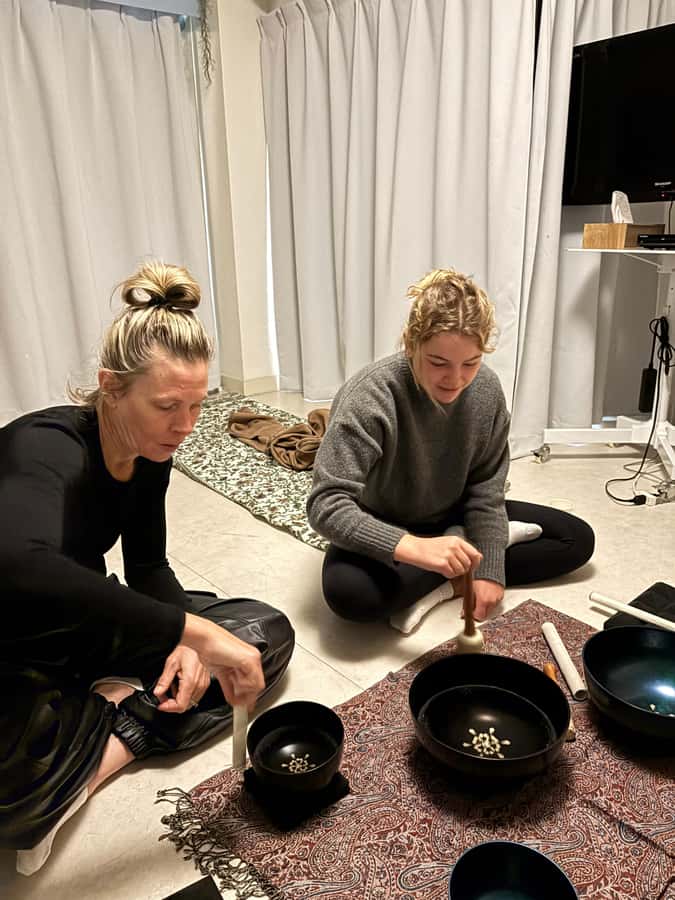
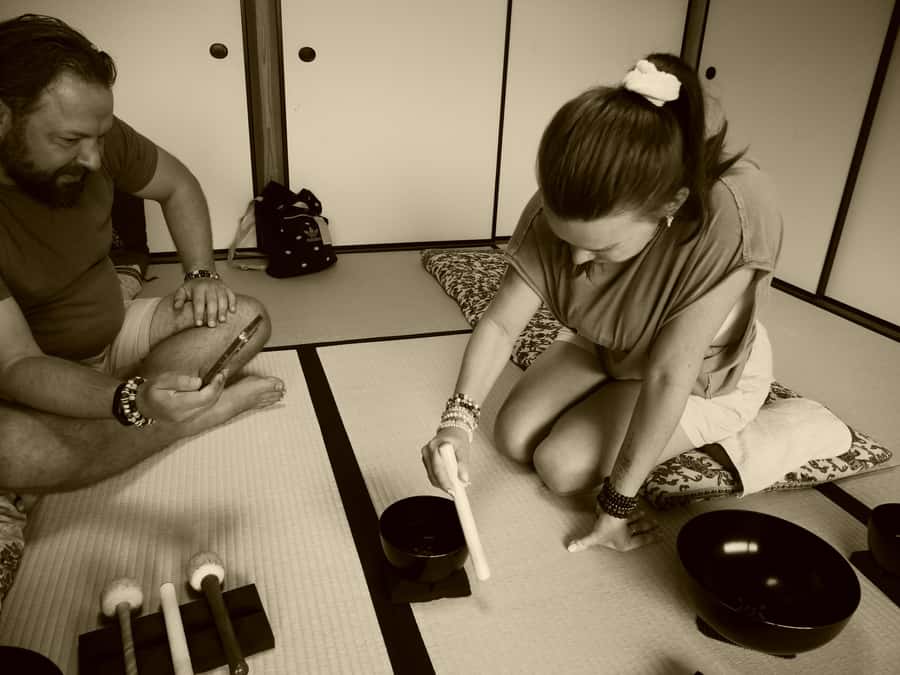
The experience doesn’t end when the sound fades. After the sound bath, you get a workshop-style chance to learn how the instruments work and even play them yourself.
This is where the value clicks for a lot of people, because you move from listening-only to active understanding. You’ll get time devoted to learning about the art of the Singing Ring sound bowls and the tools used to create the tones.
What you might get to try:
- Playing with different bowl sizes (people mention two different sized metal bowls).
- Using tools to produce sound and changes in vibration.
- A visually memorable water demonstration. One participant describes seeing water vibrations and sound waves off the water particles, plus learning how water can form shapes through sound. They also said they tried making shapes and sounds themselves.
Even if you’re not chasing a hobby, this portion helps you connect what you heard during the bath with what you can create with your own hands. It’s a neat way to turn a relaxing hour into something you’ll remember when you’re back home.
Why the private max-2 format is worth it in Kyoto
Kyoto can feel busy fast. This experience is designed to counter that with stillness and attention.
Here’s what the max-2 format changes for you:
- You get a quieter, more personal pace.
- Guidance can be more direct, especially if you’re a first-timer.
- You’re less likely to feel rushed or squeezed into a group flow.
It’s also a small comfort for language. The guide supports English and Japanese, and with only two participants, instructions tend to land clearly. One person even mentioned that Junichiro used English cards to explain the information.
Who this suits best:
- You want something calming that doesn’t require advance planning.
- You like mindful experiences but still want a skill-building component at the end.
- You’re in Kyoto for culture and craftsmanship, and you want a sound element that’s distinctly Japanese.
Who might want to reconsider:
- If you’re looking for a social, energetic group activity, this is intentionally quiet and focused.
Pricing and value: $91 for a 1.5-hour private reset
At $91 per person, you should judge this by what you get for the time and the intimacy—not just by the fact that it’s “a sound bath.”
You’re paying for:
- A private experience with a maximum group size of 2.
- About 60 minutes of guided sound bath time.
- An additional hands-on instrument workshop afterward.
- A guide who explains both the sound and the method (including instrument background and how the vibrations are created).
For many people, that combination is the difference between a one-and-done relaxation session and a more meaningful memory. You leave not only feeling better, but also knowing what you experienced and how it’s produced.
One practical note: there are no meals included. So if you’re pairing this with your Kyoto day, plan to eat before or after.
How to time it in your Kyoto day (and what to do nearby)
The total experience is 1.5 hours. Start times are flexible, and once you reserve, you’ll coordinate with the organizer based on everyone’s schedule.
Hours for business are listed as 10:00 am to 9:00 pm, so you can often fit it around your Kyoto itinerary. If you’re doing temple hopping in the morning and want a softer landing afterward, the afternoon can work well. If you’re already tired from crowds, later in the day can be a good reset.
Because the meeting point is near Kyoto Station, you’re also well-positioned to return to the rest of your plans. A couple people noted nearby garden options and a railway museum located near the venue, so if your energy is still there after the session, you’ve got choices.
My practical advice: after a sound bath, you’ll likely feel calm rather than wired. Keep the next activity simple—easy walking, a short museum visit, or just time to recharge.
Booking tips that keep the experience smooth
A few things to keep in mind so you don’t lose time:
- Expect coordination for the start time. The organizer sets session time flexibly after you reserve.
- Watch for venue confirmation. Since the venue can be subject to change, check the email after reservation.
- Know the language mix. The session is available in English and Japanese, which is useful if you want clear explanations.
- Plan for the room setup. You’ll be in a Japanese-style room and lying down during the sound bath, so comfortable clothing is a good idea.
If you want a calm Kyoto moment that feels crafted rather than generic, this is exactly the kind of experience that rewards showing up with a relaxed attitude.
Should you book this Kyoto Singing Ring sound bath?
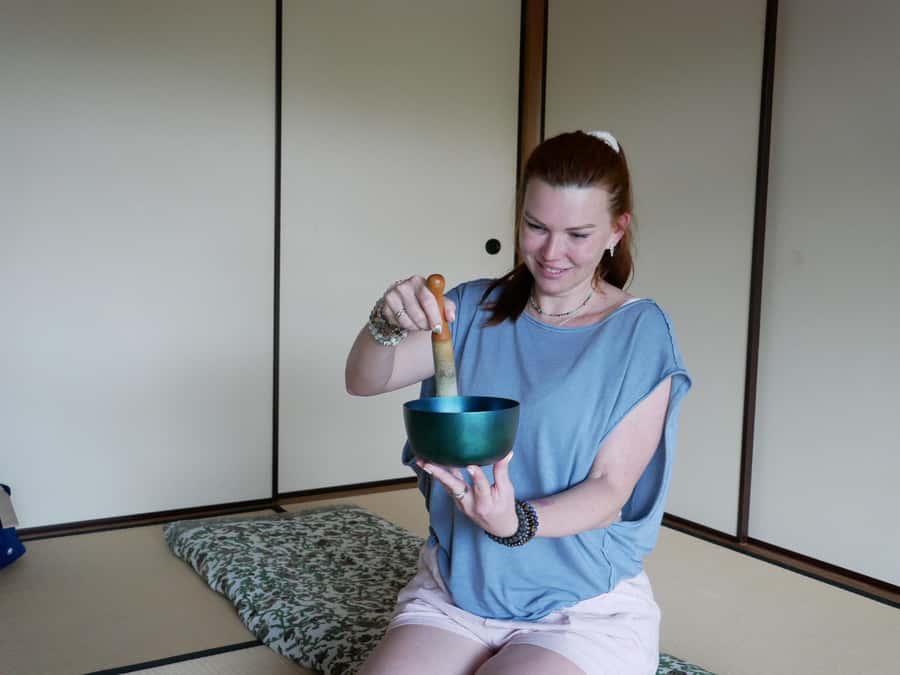
Book it if you want a calm reset that’s more than generic relaxation. The combination of Japan’s Singing Ring instrument, the guided 60-minute sound bath, and the hands-on workshop after makes it a strong value—especially in a city where it’s easy to spend your days rushing.
Skip it (or choose a different option) if you want a lively group vibe or if you’re only interested in listening, not learning how the sound is made. And if you’re strict about timing, be ready to confirm your start time and check the venue email.
If you’re craving a break from the Kyoto pace and you like the idea of learning something small but specific about Japanese sound, this private session near Kyoto Station is a very smart choice.
FAQ
How long is the Kyoto sound bath experience?
The total duration is about 1.5 hours, with the sound bath session itself lasting around 60 minutes. After the session, there is also a workshop time for hands-on instrument playing.
Where is the meeting point?
You meet at Little Granmy 京都 in Kyoto, Shimogyo Ward, Koinarichō, 85-10-203. It’s about a 5-minute walk from Kyoto Station, and the room is room 203 on the second floor. The venue can be subject to change, so check the email you receive after booking.
Is this experience private?
Yes. The maximum number of people for this activity is 2 people (infants may allow additional people if you add them to your reservation).
What instruments are used?
The sound bath uses Japanese musical instruments called Singing Ring. The experience explains that Singing Ring emits many harmonics and is made with traditional craft techniques.
What languages are available?
The experience is available in English and Japanese.
Do I get to play the instruments?
Yes. After the sound bath, there’s a hands-on instrument playing experience as a workshop.
Are meals included?
No meals are available.
How do you choose the start time?
The session time is flexible. After you reserve, the organizer coordinates with you to determine the start time based on schedules.
What is the cancellation policy?
You can cancel up to 24 hours in advance for a full refund.
More Private in Kyoto


More Tour Reviews in Kyoto
Just added: more Kyoto tours to browse



Private, compared.
 ★ 5.0Fushimi Inari Hidden Hiking Tour (Private Option Available)From $631,750 reviews
 ★ 5.0Private Kyoto Tour with a Local, Highlights & Hidden Gems, PersonalisedFrom $1021,543 reviews
 ★ 5.0Kyoto 6hr Private Tour with Government-Licensed GuideFrom $1551,369 reviews
 ★ 5.010 Must-see Spots in Kyoto One Day Private Tour (up to 7 people)From $1791,108 reviews
 ★ 5.0Kyoto 4hr Private Tour with Government-Licensed GuideFrom $109629 reviews
 ★ 4.8Private Tour with Local Licensed GuideFrom $106463 reviews
 ★ 5.0Private Kyoto Tour with Licensed Guide & Vehicle (Max 15 persons)From $634417 reviews
 ★ 4.8Private Customized Walking Tour with a Local InsiderFrom $64383 reviews