
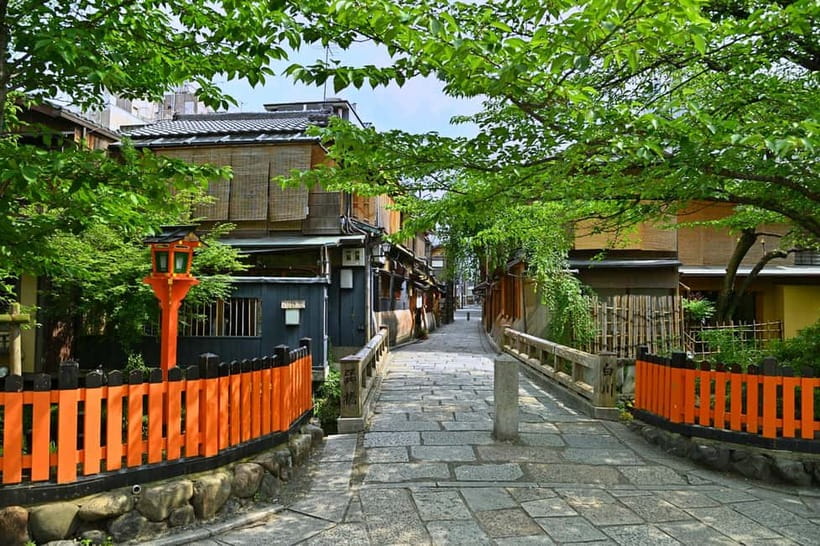
Reviewed · GION & GEISHA DISTRICT TOURS
Kioto: Gion Tour, recorrido a pie (Español/Castellano)
Kyoto’s Gion feels like another world. In just two hours, you get a guided path through the district’s preserved streets, with time to ask real questions instead of just snapping photos.
What I like most is the way the guide turns everyday sights into stories. You’ll walk between the hanamachi areas—Pontocho, Gion-Kobu, and Gion-Higashi—and learn what people do, how Maiko and Geiko life works, and why the district name matters. You also get a personal, small-group vibe, with a guide who stays flexible and keeps the pace comfortable for questions.
One thing to keep in mind: this is not a guaranteed Maiko/Geiko spotting hunt. If that’s your one goal, manage expectations and focus on the history and the streets you’re seeing.
In This Review
- Key highlights worth your attention
- Gion is more than postcards and rumors
- Price and what you’re really paying for ($35, 2 hours)
- Finding your guide: the Disney Kyoto Shijo-Kawaramachi meet-up
- The 2-mile walk: what the route feels like
- Walking the hanamachi: stop-by-stop Gion culture
- Pontocho alley: where atmosphere does the talking
- Pontocho kaburenjō + Kamo River viewpoints
- Yagi-san and Kita-san statues: small details with big stories
- Sanjo Ohashi bridge: a natural pause with a history lens
- Yamato-dori and the shift toward Gion-Kobu
- Tatsumi Jinja and Tatsumi Hashi: a calmer, reflective stretch
- Gion-Higashi: the district name you’ll recognize
- Yasaka Shrine (formerly Gion Shrine): where the district name begins
- What you’ll learn (and how the guide keeps it practical)
- Important heads-up: what’s not included
- Seasonal tweaks: cherry blossom routing in late March to early April
- Optional extra: the free Gion Gallery add-on
- Who this tour is for (and who should pass)
- Should you book this Gion tour?
- FAQ
- What language is the tour in?
- How long is the walking tour?
- What’s the group size limit?
- Which parts of Gion does the route cover?
- Is Hanamikoji-dori included in the itinerary?
- Can I guarantee seeing a Maiko or Geiko?
- Where do I meet the guide?
Key highlights worth your attention
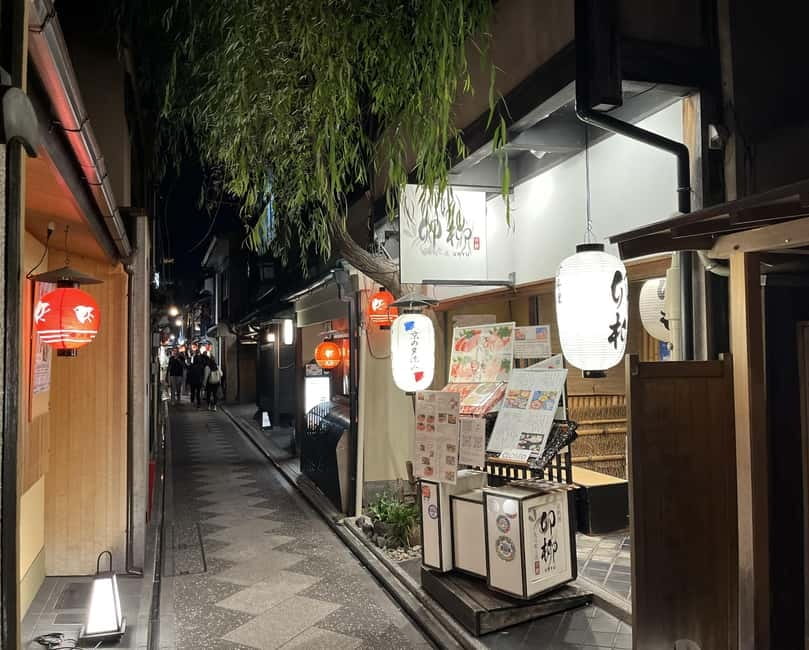
- Three hanamachi in one walk: Pontocho, Gion-Kobu, and Gion-Higashi (selected areas of the five in Kyoto).
- Q&A is the main event: bring questions about culture, daily life, and what you notice on the street.
- Named stops with local context: bridges and shrine grounds that help explain how Gion formed and evolved.
- Small group size (up to 6): more conversation, less standing around.
- Geiko/Maiko sightings not promised: you’ll learn the lifestyle, even if faces don’t appear in plain sight.
- Optional Gion Gallery add-on: some departure times can include a free visit if you have extra time.
Gion is more than postcards and rumors
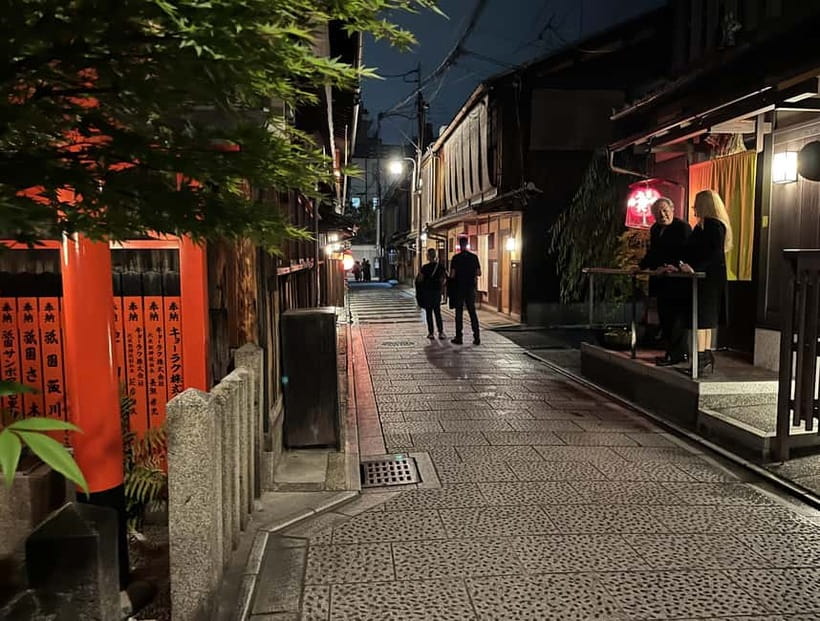
Gion has a reputation for glamour, but the real value of this walk is that it helps you see the district as a working part of Kyoto—not just a photo set. The guide frames Gion as one of Kyoto’s historic hanamachi, where traditions have long shaped schedules, etiquette, and community life.
I also like that the tour doesn’t treat Gion like a museum display. You’re walking through historic lanes and preserved neighborhoods while the guide connects the dots: how Kyoto’s older layers sit next to modern city life, and how visitors often miss the details that locals pay attention to.
And here’s the practical point: if you’re only wandering on your own, you can easily pass interesting corners without realizing they matter. With a guide, those corners start making sense fast—especially when you can ask about whatever catches your eye.
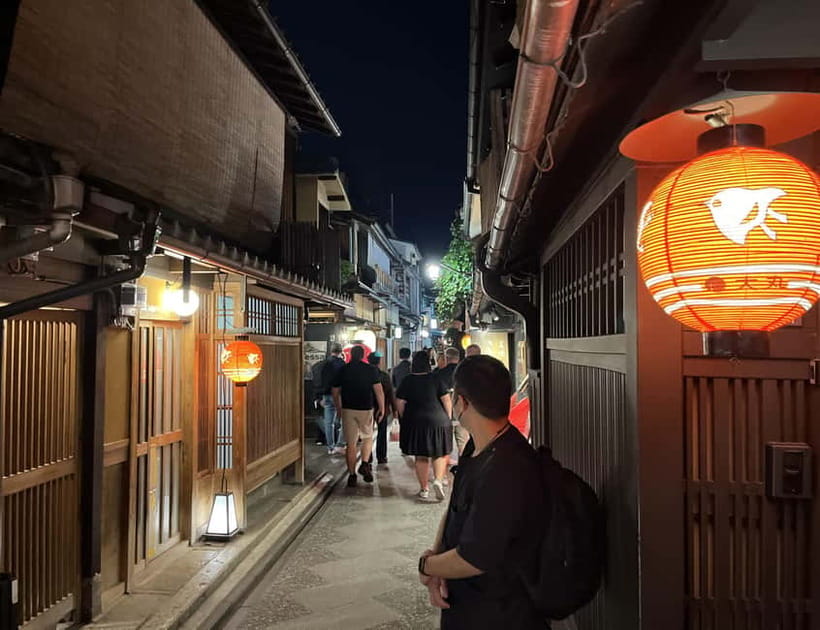
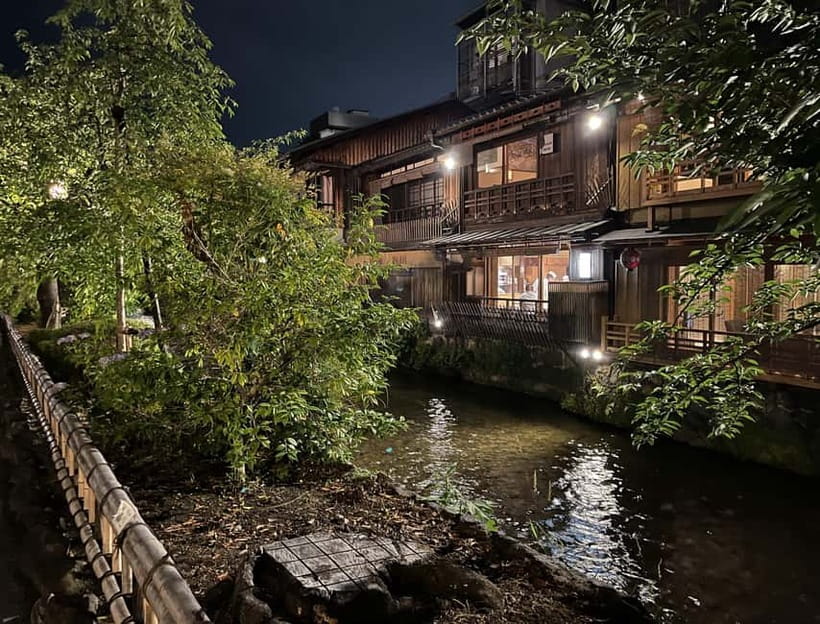
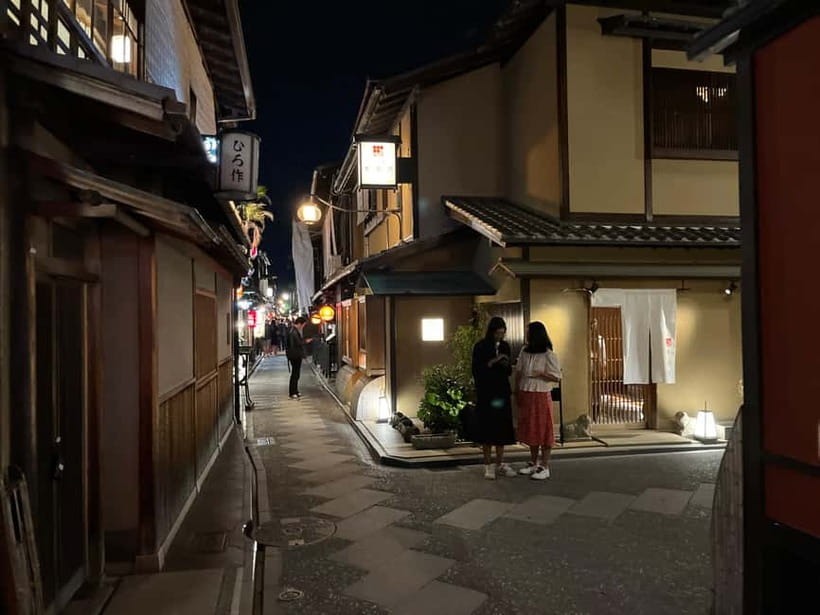
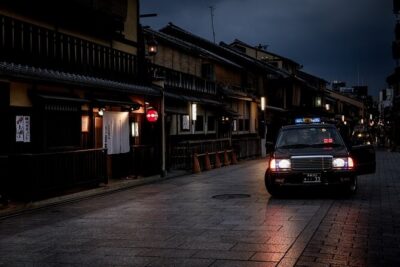
More evenings along the lantern-lit lanes of Gion


Price and what you’re really paying for ($35, 2 hours)
At $35 per person for 2 hours, you’re paying for something you can’t easily DIY: a focused route that hits multiple hanamachi areas while the guide explains what each place is and why it connects to the bigger story of Gion.
This price also makes sense because it’s not a large-bus experience. The group is limited to 6 participants, which usually means less waiting and more dialogue. You’re not just receiving facts; you’re able to ask follow-up questions and get tailored answers.
If you’re the type who likes structure—short route, clear stops, a guide who keeps the pace moving—this is a good value. If you’re happy reading signs and doing a long, self-directed wander, you might spend less on your own. But you’ll likely miss some of the “why” behind what you see.
Finding your guide: the Disney Kyoto Shijo-Kawaramachi meet-up
Meeting point is simple, and it’s designed to reduce confusion in a busy area. The guide sits directly in front of the store Disney – Kyoto Shijo-Kawaramachi. Look for the person holding an iPad with the image that says Kioto Gion Recorrido Guiado ESPAÑOL/CASTELLANO.
This matters because Kyoto’s streets can be a maze when you’re arriving on your own. A clear, single meeting spot helps you start smoothly instead of spending your first 10 minutes walking circles.
The 2-mile walk: what the route feels like

You’ll cover about 3.3 km (2 miles) on foot. That’s a reasonable distance for two hours if you’re not stopping constantly to photograph every inch of pavement (which, fair, you’ll probably do).
Bring comfortable shoes first. Gion lanes can be uneven, and you’ll want your feet to feel steady. Also pack the usual Kyoto weather kit:
- Umbrella (rain happens)
- Sun hat and sunscreen (sun can be strong)
- Water
The tour stays outdoors most of the time. So you’ll feel the weather, and you’ll be happiest if you dress like you’re out for an easy walk—not an all-day hike.
Walking the hanamachi: stop-by-stop Gion culture
This is where the tour earns its keep. Each stop isn’t just a name—it’s a way to understand Gion’s geography and tradition.


Pontocho alley: where atmosphere does the talking
The first area is Pontocho, known for its narrow lanes and classic streetscape. As you walk, the guide helps you interpret what you’re seeing instead of treating it as background.
Pontocho is a good starter because it quickly puts you in the rhythm of the district. You’ll learn how the area fits into the wider hanamachi system, and you’ll get a sense of why certain streets drew people in the first place.
Pontocho kaburenjō + Kamo River viewpoints
The route includes a stop tied to Kaburenjō and the Kamo-gawa area (Kamo River). You’ll also hear explanations linked to local landmarks like that. The guide uses these points to show how geography and neighborhood layout shaped daily routines.
If you’ve ever wondered why Kyoto’s river-side views feel so intentional, this is the kind of answer you’ll get here.
Yagi-san and Kita-san statues: small details with big stories
Next you’ll pass Yagi-san & Kita-san statues. It’s the kind of thing that looks random if you’re on your own. With a guide, it turns into a cultural clue—something the district holds onto for a reason.
Sanjo Ohashi bridge: a natural pause with a history lens
You’ll reach Sanjo Ohashi (bridge). Bridges are ideal “reset points” during a walking tour. They give your legs a break and offer a wider view so the guide can connect the dots across areas.
This is also where you’ll likely understand how Gion relates to central Kyoto movement, not just its own lanes.
Yamato-dori and the shift toward Gion-Kobu
You continue toward Yamato-dori, then into Gion Kobu (Gion-Shinbashi dori) and Gion Kobu (Gion Shiragawa).
This is an important part of the tour because “Gion” isn’t one uniform zone. The guide helps you experience it as a set of distinct neighborhoods. You’ll learn about:
- the hanamachi concept
- how Maiko and Geiko life style works
- the routines and practices tied to the community
Even if you’ve read about geisha culture before, having a guide interpret what you see in front of you makes it feel less abstract.
Tatsumi Jinja and Tatsumi Hashi: a calmer, reflective stretch
Then the tour includes Tatsumi Jinja and Tatsumi Hashi (bridge). Shrines and bridges slow the pace naturally. Here, you’re more likely to notice the details that signage alone can’t explain: how a religious site shapes the neighborhood mood and how crossings connect streets and stories.
Gion-Higashi: the district name you’ll recognize
You’ll finish in Gion Higashi. At this point, the tour has given you enough context that you start seeing patterns—how lanes, open spaces, and landmarks create a map of tradition.
The guide helps you understand the district not just visually, but conceptually: what visitors miss, what locals care about, and why the area is still part of Kyoto’s identity today.
Yasaka Shrine (formerly Gion Shrine): where the district name begins
If there’s time, you’ll visit Yasaka Shrine, connected to the formerly named Gion Shrine—the place linked to where the district name originates. The guide can also explain the Gion Festival, one of Japan’s three most famous festivals, with origins traced back more than 1100 years.
This stop is a strong payoff. It connects the “Gion” word you’ve heard everywhere to a specific place and tradition you can stand in.
What you’ll learn (and how the guide keeps it practical)
The tour is in Spanish, and the guide uses the language of street life, not lecture hall jargon. You’ll learn history about:
- Japan
- Kyoto
- the Gion district itself
But the better part is the focus on day-to-day meaning. The guide shares perspective on daily life in Japan from personal experience, and you’re encouraged to ask lots of questions—anything you see or anything you’re curious about.
In that sense, this isn’t only a “here are the sights” walk. It’s closer to: I point at things, you ask questions, and we figure out what they mean together.
This is also why small group size matters. With up to 6 people, you’re less likely to lose your chance to ask.
Important heads-up: what’s not included

A couple of details help you plan your expectations:
- Hanamikoji-dori is not included in the itinerary. If you were hoping to stroll that specific famous street, you’ll want to plan extra time before or after.
- A Maiko/Geiko sighting cannot be guaranteed. The tour is built around understanding the lifestyle and seeing the neighborhood’s structure, not waiting for a performer to appear.
Think of this like a history and culture walk first. If you spot someone special, it’ll be a bonus.
Seasonal tweaks: cherry blossom routing in late March to early April
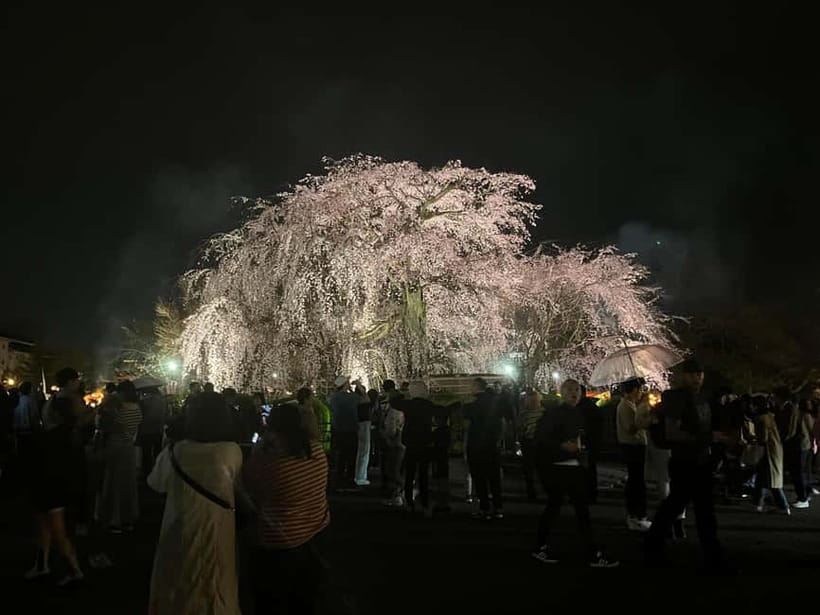
During cherry blossoms season (late March to early April), the route may shift slightly to showcase blooms around Gion. The tour keeps the core idea intact but swaps in views that are more seasonally dramatic.
If you’re traveling in that window, pack patience. Popular photography moments can slow the group down. The good news: the walking structure still holds, and you won’t feel like you’re wandering aimlessly.
Optional extra: the free Gion Gallery add-on

For some departures—9:45 and 12:30—you can include a free visit to the Gion Gallery if you want to extend your time.
This is useful if you’d like a bit more context after the street walk. It turns the experience from “stories in the alleys” into “stories plus images,” without paying for a separate guided add-on.
Who this tour is for (and who should pass)
This tour fits best if you:
- want Spanish guidance and lots of Q&A
- enjoy walking and learning how neighborhoods work
- like cultural context more than a checklist of big monuments
- want a small-group experience instead of a crowd
You might pass if:
- you only want the single most famous street views in Gion (since Hanamikoji-dori isn’t included)
- you’re expecting a guaranteed performer sighting
- you’re strongly photo-focused on night scenes only (this itinerary is structured for an educational walking loop)
For most people visiting Kyoto for the first time, this is a smart way to understand Gion in a short window without turning it into a stressful “race to see everything.”
Should you book this Gion tour?
I’d book it if your goal is to understand Gion, not just walk through it. $35 for two hours is a fair trade when you consider what you get: three hanamachi areas, a small Spanish group, and a guide who pushes past surface descriptions so you can ask questions as you go.
Book it especially if you like conversations. Guides like José and Juan (both mentioned in the experience) have a style that’s friendly, question-friendly, and detail-focused. That mix makes the walk feel personal rather than scripted.
If you’re coming with one big concern—like Maiko/Geiko sightings—then adjust your mindset. Treat those as possible extras, not the main goal. You’ll still leave with a clearer sense of what Gion is, why it matters, and how to look at the neighborhood with smarter eyes.
FAQ
What language is the tour in?
The live guide speaks Spanish.
How long is the walking tour?
The duration is 2 hours.
What’s the group size limit?
The tour is a small group with a limit of up to 6 participants.
Which parts of Gion does the route cover?
In two hours, the tour visits three of the five hanamachi: Pontocho, Gion-Kobu, and Gion-Higashi.
Is Hanamikoji-dori included in the itinerary?
No, Hanamikoji-dori is not included, so plan that separately if it matters to you.
Can I guarantee seeing a Maiko or Geiko?
No. A Maiko-san and/or Geiko-san sighting cannot be guaranteed.
Where do I meet the guide?
Meet the guide in front of Disney – Kyoto Shijo-Kawaramachi, and look for the person holding an iPad that shows Kioto Gion Recorrido Guiado ESPAÑOL/CASTELLANO.
More Tours in Kyoto
More Tour Reviews in Kyoto
Still in Gion? Keep Going


Just added: more Kyoto tours to browse








Gion & Geisha District Tours, compared.
 ★ 4.7Kyoto Geisha Walking Tour: Gion District & Hidden GemsFrom $253,273 reviews
 ★ 4.9Gion Magical Night Walking Tour with Geisha TriviaFrom $242,393 reviews
 ★ 4.7Gion Geisha District Walking Tour – Stories of GeishaFrom $202,187 reviews
 ★ 4.9Best of Kyoto: Gion, Geisha, Pagodas & CobblestonesFrom $242,058 reviews
 ★ 4.5Night Walk in Gion: Kyoto’s Geisha DistrictFrom $212,003 reviews
 ★ 5.0Kyoto Night Foodie Tour in Gion (9+ dishes + 6 Sake tastings)From $1631,762 reviews
 ★ 5.0Kyoto Gion Geisha District Walking Tour – The Stories of GeishaFrom $251,441 reviews
 ★ 5.0Kyoto Gion: 2-Hour Geisha Culture & History Walking TourFrom $231,186 reviews
Browse the lists this tour appears in