
Reviewed · NISHIKI MARKET FOOD TOURS
Kimono Tea Ceremony Experience at Kyoto Oritzuruya, Nishiki
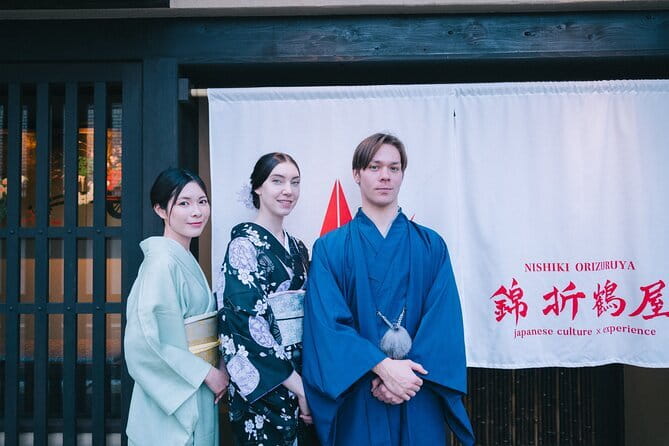
Kimono first. Tea second. Confidence rises fast. This Kyoto experience at Nishiki Orizuruya is a small-group way to learn tea ritual without worrying about getting it wrong, plus you get to choose and wear a kimono.
I’m especially drawn to the maximum 10 guests setup and the chance to pick from 200+ kimono designs with help from staff. A possible drawback: the tea ceremony can feel more like a guided performance than full participatory ritual, depending on what you expect to do.
In This Review
- Key things to know before you go
- Kimono Tea Ceremony at Kyoto Oritzuruya: what you’re really buying
- Meeting at Nishiki Orizuruya near the action in Kyoto
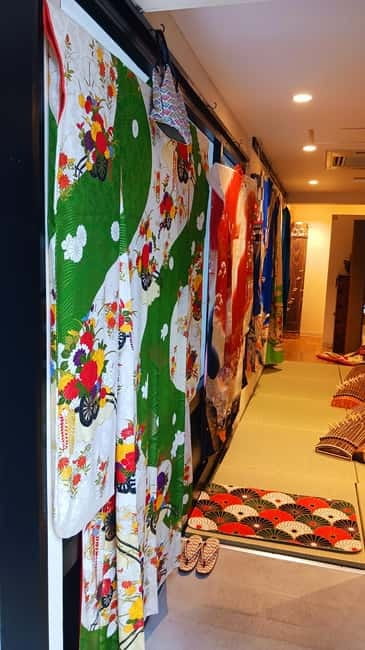
- Choosing from 200+ kimono and getting dressed like a pro
- What to wear (so you’re comfy in the kimono)
- The tea room experience: matcha basics and mindful pacing
- The “why” behind the ritual (not just the motions)
- Wagashi and matcha: what you’ll taste
- Optional calligraphy: a souvenir you’ll actually keep
- Photos, roaming, and staying respectful
- Price and logistics: how to get the most out of 1 hour 30 minutes
- What’s included
- What’s not included
- The smartphone ticket reality
- Who should book this, and who might want to think twice
- Quick decision rule
- Should you book the Kyoto kimono tea ceremony at Nishiki Orizuruya?
- FAQ
- How long is the kimono tea ceremony experience?
- Where does the experience start and end?
- How many people are in the group?
- What is included in the ticket price?
- Is transportation included?
- Can I choose the kimono design?
- Do I learn how to make matcha?
- Is calligraphy included?
- Do I need my smartphone for check-in?
- Is there free cancellation?
Key things to know before you go
- Max 10 people keeps dressing, questions, and pacing calmer than big tours
- Kimono choice first: you select from 200+ designs with staff guiding fit and accessories
- You make your matcha using the bamboo whisk, then taste it with sweets
- Optional calligraphy turns your experience into a take-home skill and souvenir
- You can keep the kimono on for walking around the area after the ceremony (until the shop’s closing time)
Kimono Tea Ceremony at Kyoto Oritzuruya: what you’re really buying
This isn’t just a tea show. You’re paying for a full makeover plus a hands-on food-and-ritual lesson in Kyoto.
At a price of $50.87 per person, the value comes from what’s bundled: the kimono, hair styling (simple style), tea utensils, a licensed guide, and the included wagashi and matcha. If you’ve looked at kimono rentals in Kyoto, you’ll notice how quickly costs rise once you add dressing help and a guided experience. Here, you’re getting the outfit and the explanation at the same time.
The group size matters too. With up to 10 people, you’re not squeezed into a cattle-car schedule. You get time to choose, get dressed, and ask questions while things are happening (and before you’re sitting on the tea-room floor).
Sit for another bowl of matcha in a Kyoto tea house
Meeting at Nishiki Orizuruya near the action in Kyoto
You’ll meet at Nishiki Orizuruya, 452 Jūmonjichō, Nakagyo Ward, Kyoto. The ending point is the same location, so you’re not left figuring out your next step while still wearing your kimono.
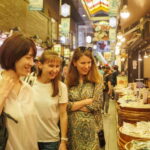
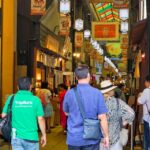
This meeting area is also a big reason to like the experience. It’s close to the Nishiki Market neighborhood, which means you can pair your tea lesson with real Kyoto strolling. One of the perks people love: after the ceremony, you can often continue wearing the kimono around the area until about 18:00, when the shop closes. That turns your ticket into a longer mini-adventure than a one-room experience.
Practical tip: plan to arrive a few minutes early. The early minutes are when the check-in flow and dressing process stay smooth.
Choosing from 200+ kimono and getting dressed like a pro
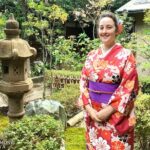
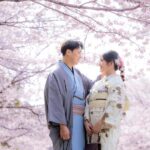
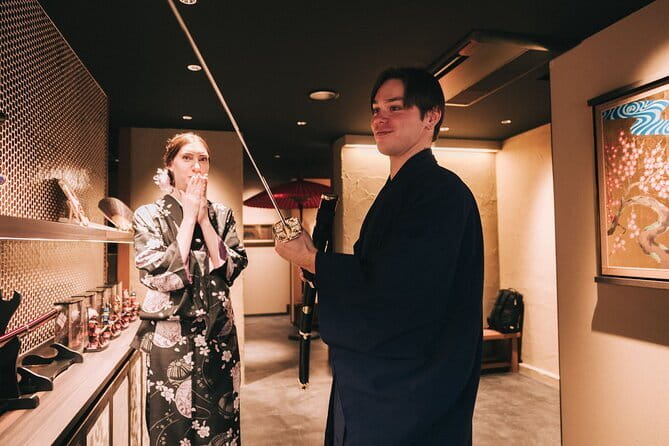
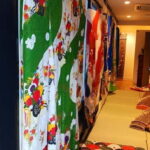
The “real start” of the experience is the kimono selection. You choose your favorite from over 200 designs, and staff help you get dressed step by step. Even if you’ve never worn a kimono before, the process is guided and supportive, not intimidating.
I especially like that this part isn’t just clothing. It’s a lesson in how details work together. You pick the pattern, then add the right components so the outfit looks proper and feels secure. Women also get complimentary hair styling (simple style), which helps the look read correctly in photos and in person.
From the experience descriptions and feedback, the dressing team typically works in a very organized way. People talk about being “pampered” by a small crew of staff who handle the clothing and accessories efficiently while still sharing helpful context.
Also worth noting: reviewers mention they accommodated different body types, and that an older guest with mobility concerns was provided a small table and chair rather than forcing everyone onto floor seating. That’s not a guarantee for every situation, but it’s a good sign of flexibility.
What to wear (so you’re comfy in the kimono)
You can’t pack light into a kimono world, but you can pack smart for comfort:
- Wear shoes you can easily remove and re-wear.
- Expect to spend time standing while you get dressed and finished.
- If you have any mobility limits, let staff know early. It’s easier to help before you settle in.
The tea room experience: matcha basics and mindful pacing
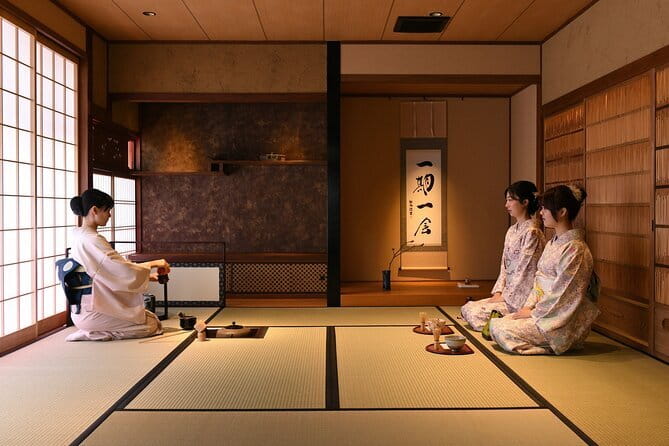
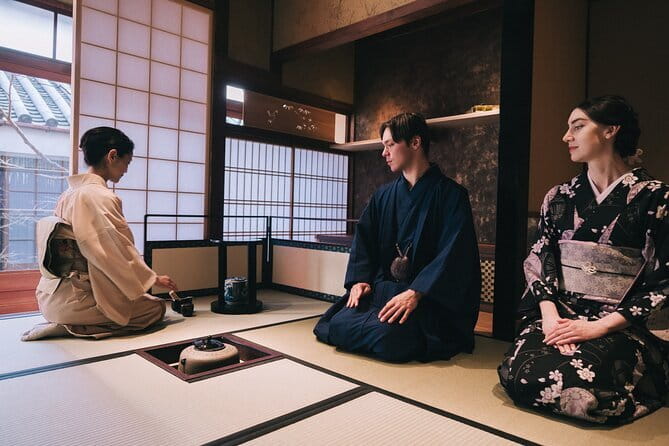
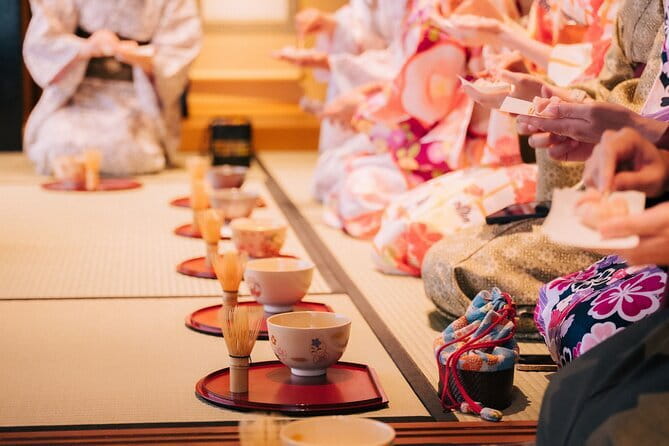
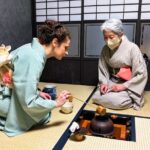
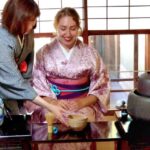
Once you’re dressed, you go into a serene tea room and follow the instructor’s guidance through the tea ritual.
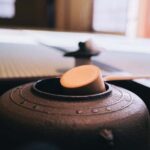
A key part of this experience is learning how to prepare matcha with a traditional tool: the chasen, the bamboo whisk. You don’t just watch from the sidelines. You learn the steps and then you get to make your own bowl of matcha.
Here’s the balance to keep in mind: some people love how calm and structured the ceremony feels, while others felt the tea ceremony was more of a demonstration than a fully participatory role. In your case, plan on participating in the core hands-on part (mixing/whisking and serving) while the overall flow stays led by the instructor.
Wander Kyoto in kimono a little longer
The “why” behind the ritual (not just the motions)
The ceremony isn’t only about the drink. It’s about pacing and attention. One of the strengths people highlight is the guidance around the “purification process” and the time taken before the tea is served. Even when you’re doing tourist-friendly basics, you learn that the motions have a reason.
If you go in expecting a meditative, step-by-step lesson rather than a dramatic performance, you’re likely to enjoy it more.
Wagashi and matcha: what you’ll taste
The included food is wagashi and matcha. The matcha you make gets paired with Japanese sweets made for the tea experience, including mention of sweets from a century-old confectionery.
If you’re a matcha fan, great. If you’re not, this is still a gentle introduction. The wagashi helps balance the flavor, and you get to taste the result of what you just whisked, which makes the drink feel more personal.
The vibe is usually quiet. People describe it as relaxing and calming, not rushed in the middle of the ceremony. The schedule might feel a bit more “waiting between steps” than you’d expect, especially while dressing, but once you’re in the tea room the pace tends to settle down.
Optional calligraphy: a souvenir you’ll actually keep
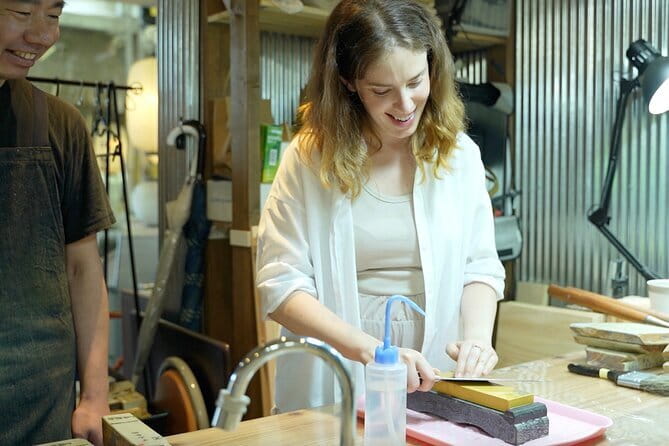
You can add calligraphy if you want another layer of Japanese culture beyond kimono and matcha. The structure is straightforward: you learn basics and create your own calligraphy piece to take home.
Calligraphy is one of the add-ons that people consistently recommend because it’s practical. Photos fade in your camera roll. A piece of calligraphy sits on a desk, a shelf, or a wall and brings you back to the day you made it.
If you’re the type who likes learning a skill in one session, calligraphy fits well here. It also adds variety if you’re worried the experience will be only about looking dressed up.
Photos, roaming, and staying respectful
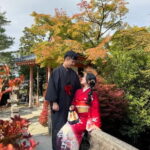
Yes, you’ll take photos. The kimono look is half the fun, and staff often help with finishing touches so photos come out well.
But the best way to use the photo time is to treat it like a bridge. You’ll get pictures during and after dressing, and the ceremony gives you a quiet counterpoint. That mix is part of the appeal: you get Kyoto’s visual drama without turning the whole thing into just selfies.
Also, since you can often walk around after the ceremony in your kimono, you’ll want to keep the experience grounded. Don’t sprint through streets like you’re in a costume party. Slow down, follow any posted guidance from staff, and remember that other people in the area didn’t come to watch you pose.
Price and logistics: how to get the most out of 1 hour 30 minutes
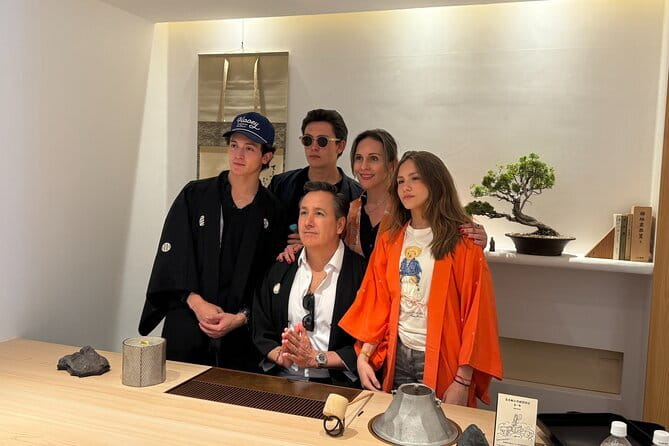
The experience runs about 1 hour 30 minutes (approx.), but your day impact is longer because of dressing time and the option to keep the kimono on afterward.
What’s included
- Kimono costume
- Hair styling (simple style) for women
- Matcha utensils and all tea-related materials
- Wagashi and matcha
- All fees and taxes
- Licensed guide
What’s not included
- Transportation
- Hotel pickup/drop-off
So you’ll want to plan your own route to Nishiki Orizuruya using public transit. It’s near public transportation, which helps a lot in Kyoto where walking and transit connections are both common.
The smartphone ticket reality
One practical detail that matters: you’ll receive a voucher after purchase, and you’re expected to open a website link on your smartphone and present the screen. Screenshots or printed tickets won’t be accepted, and the device needs internet access. This is one of those “small” details that can ruin a morning if you don’t prep.
Bring your charger if you can. Also make sure your browser isn’t stuck in offline mode.
Who should book this, and who might want to think twice
This experience is a strong match if you want:
- A kimono dressing experience with expert help
- A hands-on matcha lesson using a bamboo whisk
- A low-stress way to understand tea ritual in a calm setting
- A cultural activity you can combine with Nishiki Market area exploring
It’s less perfect if your main goal is a deeply spiritual, fully participatory tea ceremony with long explanations from start to finish. The ceremony can feel structured and led by the instructor, and some people expected more role-playing participation than they received.
Quick decision rule
- If you want to look the part and learn the basics well, book it.
- If you want every minute to feel like active ceremony participation, you may feel shorted.
Should you book the Kyoto kimono tea ceremony at Nishiki Orizuruya?
Yes, I think it’s worth booking for most people. Here’s why: you’re not just buying tea. You’re buying the kimono, the dressing support, the matcha-making skill, and the included sweets, all in a small-group format. That’s good value for Kyoto.
I’d especially recommend it if calligraphy is on your wishlist. It’s the kind of souvenir that adds meaning to the day, not just another photo on your phone.
If you do book, go in with the right mindset: treat the dressing like a mini experience, treat the tea room like a guided lesson, and use the post-ceremony roaming time to slow down and enjoy Kyoto. That’s when this becomes more than a ticket.
FAQ
How long is the kimono tea ceremony experience?
It’s about 1 hour 30 minutes (approx.).
Where does the experience start and end?
It starts and ends at Nishiki Orizuruya, 452 Jūmonjichō, Nakagyo Ward, Kyoto, 604-8121.
How many people are in the group?
The experience has a maximum of 10 travelers.
What is included in the ticket price?
You get kimono, utensils, snacks (wagashi & matcha), hairstyling (simple style), a licensed guide, and all fees and taxes.
Is transportation included?
No. Transportation and hotel pickup/drop-off are not included.
Can I choose the kimono design?
Yes. You select your kimono from 200+ designs, and staff assist you with dressing.
Do I learn how to make matcha?
Yes. You’ll be taught how to prepare matcha using a traditional bamboo whisk (chasen) and you’ll make your own bowl to taste.
Is calligraphy included?
Calligraphy is optional. The base experience focuses on kimono dressing and the tea ceremony, while calligraphy is an add-on option.
Do I need my smartphone for check-in?
Yes. You must open a website link from your smartphone and present the screen to staff. Screenshots or printed tickets are not acceptable.
Is there free cancellation?
Yes. You can cancel for a full refund up to 24 hours before the experience starts.
More Bites Along Nishiki
More Kimono Days in Kyoto
One More Bowl of Matcha

Just added: more Kyoto tours to browse



Nishiki Market Food Tours, compared.
 ★ 5.0Nishiki Market Brunch Walking Tour (7 Tastings + Brunch)From $681,355 reviews
 ★ 5.0Kimono Tea Ceremony at Kyoto Maikoya, NISHIKIFrom $65911 reviews
 ★ 5.0Kyoto Nishiki Market Food and Culture Walking TourFrom $80412 reviews
 ★ 4.8Nishiki Market Tea Ceremony with Koto PerformanceFrom $56294 reviews
 ★ 4.7Local Food Tasting Tour at the Nishiki MarketFrom $78135 reviews
 ★ 4.7Nishiki Market and Depachika Food Tour with a LocalFrom $4276 reviews
 ★ 4.5Nishiki Market Tour with a Local Foodie & TastingsFrom $6767 reviews
 ★ 5.0Nishiki Market Lunch TourFrom $7247 reviews
Browse the lists this tour appears in