
Reviewed · KYOTO COOKING CLASSES
Japanese Cuisine Cooking Class in Kyoto
Clay-pot rice in Kyoto, no guesswork. This Japanese cuisine cooking class happens in a traditional machiya near Toji Temple, with a hands-on lesson and a sit-down meal right after. Iku teaches you how to make Kyoto flavors you can actually repeat at home, not just admire from a distance.
What I liked most is the small-group feel and the way the class stays personal. You get real back-and-forth time—questions are welcome—and the menu leans mostly vegan, with fish and eggs possible depending on the dish and your preferences.
One thing to consider: the class can include fish and eggs, even though many ingredients are vegan, so if you’re very strict (or have allergies), you’ll want to message ahead and be specific.
In This Review
- Key points worth your attention
- A Kyoto Machiya Kitchen by Toji Temple (with a real home-style vibe)
- What you learn: clay-pot rice and miso that anchors the whole meal
- The meal format: one soup and five sides (Kyoto obanzai style)
- Vegan-leaning menu, and how to handle fish, eggs, and allergies
- How the class runs: a small group, English and Japanese help, and room to ask
- Price and value: $71.67 for a full meal you can recreate
- Who this Kyoto Japanese cooking class suits best
- Should you book this Japanese cuisine cooking class in Kyoto?
- FAQ
- Where does the class meet in Kyoto?
- What time does the cooking class start?
- How long is the experience?
- What dishes are included in the meal?
- Is the class vegetarian or vegan?
- What’s included in the price?
Key points worth your attention
- Machiya setting near Toji Temple: a traditional home-style room, about a 5-minute walk from Kyoto Station area
- Clay-pot rice + miso basics: learn two staples that set the tone for a Kyoto meal
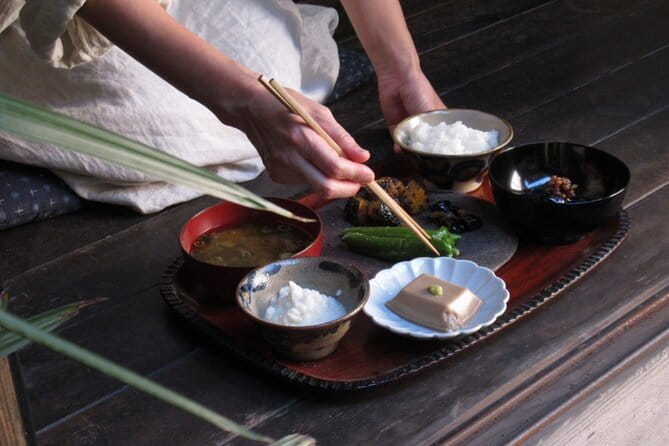
- One soup and five side dishes: you leave with a full plate of practical recipes, not a snack-sized demo
- Mostly vegan, with options: fish and eggs may be used, and the host asks about dietary needs in advance
- English and Japanese instruction: easier communication without losing cultural context
- Cook, plate, and eat together: the class ends with a meal you made yourself, plus matcha tea
A Kyoto Machiya Kitchen by Toji Temple (with a real home-style vibe)
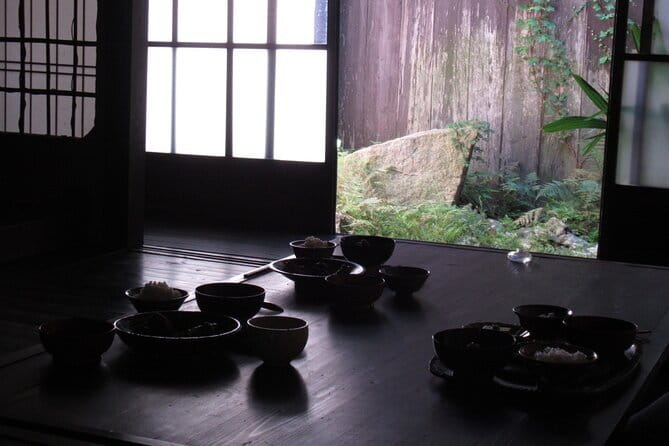
Kyoto cooking classes often promise authentic food. This one delivers the feeling along with the food. You’ll be in a traditional Kyoto machiya exhibition room near Toji Temple—close enough that it’s an easy add-on day-plan, not a long logistics project. The meeting point is at 411-2 Kujōchō, Minami Ward, and the start time is 11:30 am.
The atmosphere matters more than people think. In a machiya-style space, the lesson feels like you’re learning within a household rhythm: kitchen work, tasting, and conversation, not just watching someone perform. That’s a big reason this class works for people who want culture with their dinner, not culture as a slideshow.
You’ll also notice the class is built around overseas visitors. That shows in the pace, the instruction style, and the fact that you’ll get help asking questions in both English and Japanese. If you’ve ever taken a class where the language barrier made you feel like a spectator, this is set up to avoid that.
Roll up your sleeves for another Kyoto cooking class

What you learn: clay-pot rice and miso that anchors the whole meal
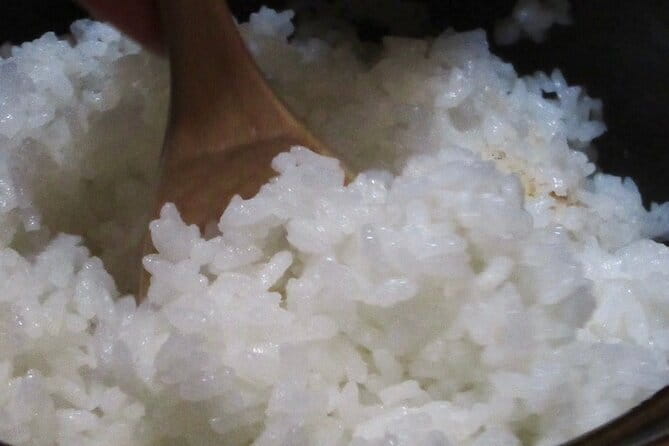
The heart of the lesson is learning fundamentals that show up across Japanese home cooking. You’ll start with two key topics: how to cook rice in a clay pot and how to make miso, including its fermented-food mindset.
Clay-pot rice is one of those techniques that sounds fancy until you realize why it matters. The class format helps you understand the logic behind it: heat control, timing, and the “done right” texture you’re aiming for. Once you know what you’re watching for, you can reproduce it at home with less guesswork. Even if you don’t own the same clay pot, the method gives you a clear target.
Then there’s miso. Fermentation can feel mysterious from afar. Here, it’s taught in a way that connects ingredients to flavor without turning into chemistry homework. The big takeaway is that miso isn’t just a condiment—it’s a flavor base. That becomes obvious as you move through the rest of the dishes, because miso shows up in how the soup and sides taste together.
I also like that the lesson includes questions. If you care about why Japanese cuisine behaves the way it does—umami, balance, seasonal logic—this is one of the better ways to learn it because you’re working with ingredients, not just reading about them.
The meal format: one soup and five sides (Kyoto obanzai style)
This isn’t a class where you leave after a couple bites. You make and eat a full meal: one soup and five side dishes, plus matcha tea after.
The structure is simple and very practical. First, the teacher demonstrates. Then you help cook components—rice, soup, and several side dishes—with support from others in the group. Finally, you plate everything and eat it as a completed meal.
That “build the plate” method is why the recipes stick. You’re not just learning how to make one dish. You’re learning how dishes work together: how a soup balances saltiness, how sides add texture, and how flavors stay light enough for Kyoto-style home cooking.
A detail worth noting: the class describes ingredients that are unique to Kyoto. You’ll be introduced to how those ingredients shape flavor choices, even when the menu stays approachable. That’s the part that can make a dinner at home taste less like imitation and more like a real Japanese meal.
Also, the food direction is tied to the host’s background. Iku is described as both a chef and a nutritionist who previously ran a French restaurant serving home-style meals on Yakushima, a World Heritage site. Even if you don’t care about the biography, the effect is clear: the class aims for home-style comfort, but with thoughtful ingredient choices and an eye toward healthier Japanese cuisine.
Vegan-leaning menu, and how to handle fish, eggs, and allergies
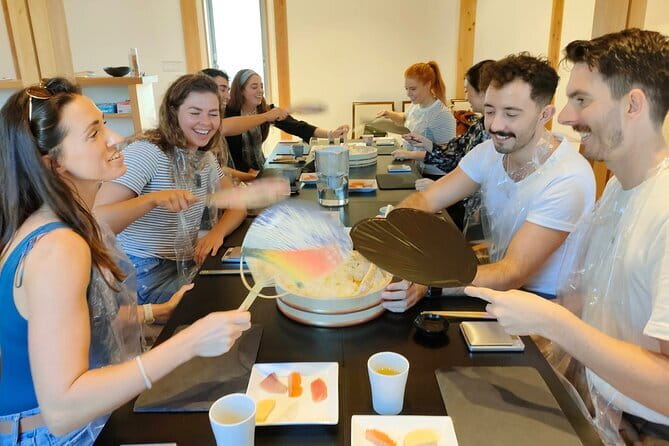
The menu is mostly vegan, and fish and eggs may also be used. In other words, this is not a guaranteed vegan class by default—but it’s flexible in the way many good Kyoto experiences are.
The best move is to message ahead if you want something specific. The class notes say you should tell them about allergies in advance. It also says that if you’d like a completely vegan diet, you should send a message.
In practice, I like classes that ask questions before you arrive. It means you’re less likely to end up with a plate that feels like an afterthought. And if your diet is complicated, you want a teacher who’s used to adapting.
One more point: even when the dishes are vegan-leaning, Japanese flavors still rely on depth. You may notice how the food uses fermented and savory elements (like miso) to keep things satisfying without heavy meat-based components. That can be a useful learning angle for anyone trying to eat lighter while still feeling full.
How the class runs: a small group, English and Japanese help, and room to ask
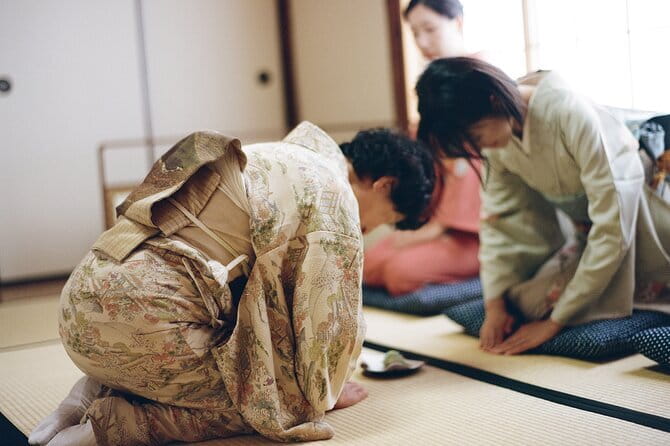
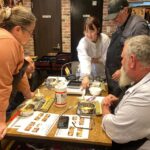
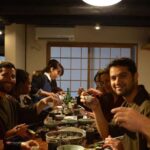
This is described as a small-group cooking class. The class is also a private tour/activity, meaning only your group participates. In the reviews, people specifically liked the intimacy—one person called out having just three participants, which is exactly the kind of group size where you get real hands-on time instead of waiting your turn.
The lesson runs about 3 hours. You’ll likely experience a rhythm like this:
- start with demonstration (so you see the technique end-to-end),
- then hands-on work where you contribute to rice, soup, and sides,
- then plating and eating together,
- and finishing with matcha tea.
Because you’ll be speaking in both English and Japanese, you’re not stuck guessing with cooking terms. You can ask why something is added, what you’re looking for during cooking, or how to handle utensils properly. That makes a big difference when you’re trying to recreate the recipes later.
Also, the class includes tools and the basics you need: cooking utensils, recipes, and writing implements. I strongly recommend bringing a notebook you actually like. If you write down quick cues like timing, texture, or how the miso/soup tastes as it develops, those notes become your home “cheat sheet.”
Other Kyoto tours and experiences to compare


Price and value: $71.67 for a full meal you can recreate
At $71.67 per person, the price lands in the “worth it if you’ll use it” category. Here’s why.
You’re paying for more than entertainment. You’re paying for:
- a chef-led lesson in a traditional Kyoto kitchen setting,
- a full meal’s worth of cooking (one soup and five sides),
- recipes plus writing materials,
- utensils provided,
- and the chance to take home techniques, not just flavors.
Many cooking experiences charge similarly but give you only a taste or a quick demo. This one has you cooking, plating, and eating. That’s important value math: you’re turning the time into both skills and a meal.
It’s also a good value if you’re the type who gets tired of spending your day hopping between stops. A focused 3-hour class can feel like a “Kyoto day” in miniature. You’ll get food culture, cooking technique, and a sit-down meal in one block.
The other value win is dietary flexibility. The class uses many vegan ingredients, and it asks you to communicate your needs for fish/eggs or allergies. That reduces the chance you’ll spend money and then feel stuck.
Who this Kyoto Japanese cooking class suits best
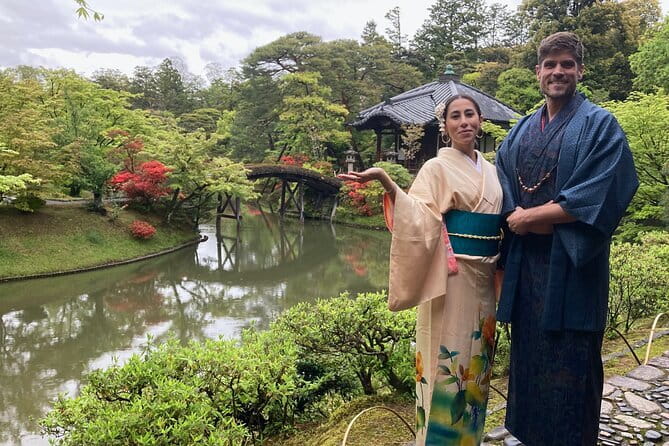
This class is a strong fit if you:
- want Kyoto food culture in a hands-on way (not just a restaurant meal),
- like recipes you can repeat at home (clay-pot rice and miso are great anchors),
- care about health-minded Japanese cuisine and ingredient logic,
- prefer small-group interaction where you can ask questions,
- and want a balanced meal with soup and multiple sides.
It’s also ideal for people traveling with family or friends who want a shared activity. Reviews point to the appeal of an intimate setting, which usually helps everyone feel included, not like they’re standing back while someone else cooks.
Should you book this Japanese cuisine cooking class in Kyoto?
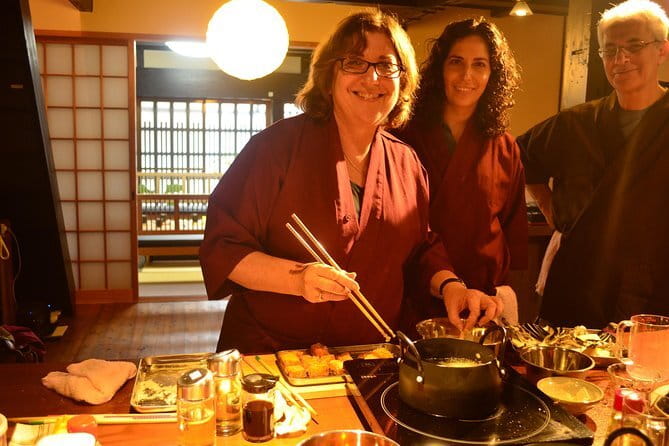
If you want a class that mixes tradition, hands-on cooking, and a realistic chance to recreate the meal later, I’d book it. The machiya setting near Toji Temple gives you the Kyoto atmosphere. The menu structure—one soup plus five side dishes—means you leave with more than a single recipe idea. And the emphasis on clay-pot rice and miso gives you core technique, not just “season and hope.”
Skip it (or message very carefully first) if you require a strict vegan-only menu with zero fish or eggs, because those ingredients may be used depending on the dishes. Also, if you hate structured group activities, remember this is hands-on with shared steps—friendly, but still a classroom format.
Overall, for the price, the combination of technique + meal + traditional setting is solid. It’s one of those Kyoto experiences where you come for the food, and you end up with skills you’ll actually use.
FAQ
Where does the class meet in Kyoto?
The meeting point is 411-2 Kujōchō, Minami Ward, Kyoto, 601-8473, Japan.
What time does the cooking class start?
The start time is 11:30 am.
How long is the experience?
The cooking class lasts about 3 hours.
What dishes are included in the meal?
You’ll cook and then eat one soup and five side dishes, followed by matcha tea.
Is the class vegetarian or vegan?
Many ingredients used in class are vegan, but fish and eggs may also be used. If you want a completely vegan diet, you should send a message, and you should tell them about allergies in advance.
What’s included in the price?
All fees and taxes are included, along with cooking utensils, recipes, and writing implements. Private transportation is not included.
If you want, tell me your dietary needs (vegan, vegetarian, allergies) and roughly what day of the week you’re in Kyoto, and I’ll help you decide if Tuesday at 11:30 am is the best fit for your schedule.
More Cooking Classes in Kyoto
More Tour Reviews in Kyoto



More Kyoto Cooking Classes

Just added: more Kyoto tours to browse








Kyoto Cooking Classes, compared.
 ★ 5.0Ramen Cooking Class at Ramen Factory in KyotoFrom $1311,937 reviews
 ★ 5.0Sushi Making in Kyoto! Same-day bookings welcome!From $53713 reviews
 ★ 4.9Ramen Cooking Class at a Ramen Factory with SouvenirFrom $127532 reviews
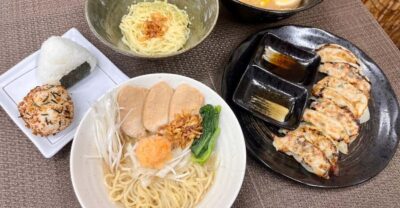 ★ 5.0Ramen, Gyoza, and Onigiri Cooking ClassFrom $90445 reviews
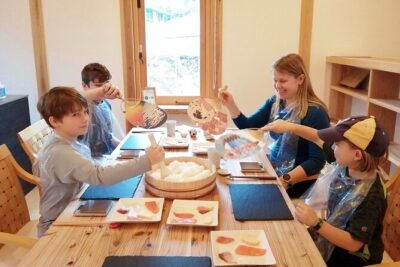 ★ 5.0The Original Small-Group Sushi Making Class in KyotoFrom $69436 reviews
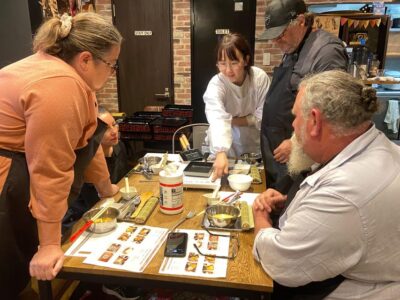 ★ 5.0Japanese Washoku Bento Small Group Cooking ClassFrom $58380 reviews
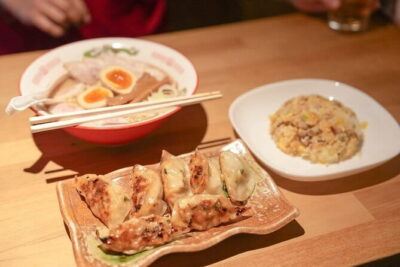 ★ 5.0Kyoto Ramen and Gyoza Cooking Class with Professional ChefsFrom $86282 reviews
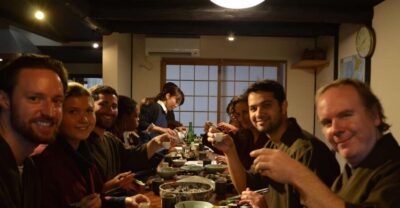 ★ 4.9Afternoon Japanese Izakaya Cooking ClassFrom $67241 reviews
Browse the lists this tour appears in