

Reviewed · WORKSHOPS
Itajime Shibori Scarf Class
A scarf dye class in Kyoto sounds artsy, but this one’s also calmly structured. You’ll learn shibori, Kyoto’s textile tradition, and leave with a real, wearable souvenir.
I especially like the small-group vibe (max 10) and how hands-on the steps are. One thing to plan for: the classroom is on the 2nd floor and signage from the street can be a little unclear, so give yourself extra time to find it.
Key Points to Know Before You Go
- Hands-on itajime shibori scarf-making with clear, step-by-step instruction
- Japanese fabrics to choose from, so your scarf looks like you picked it on purpose
- A museum visit tied to the process, with exhibits you can see while your scarf dries
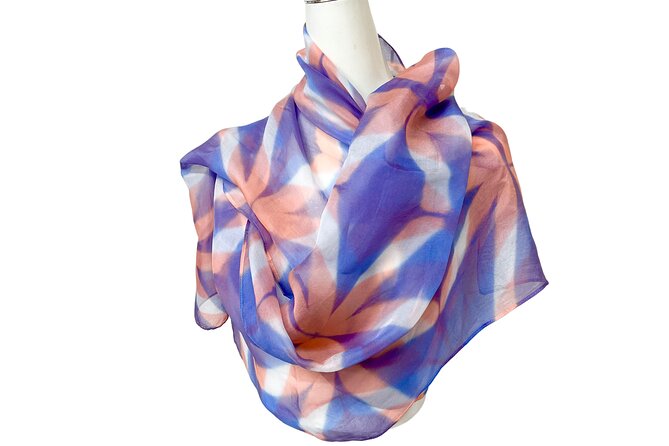
- Grand reveal and finishing touches at the end, plus scarves packed up to take home
- Family-friendly timing for ages 6+ and a group size that supports personal attention
In This Review
- Kyoto Shibori Museum: Where the Craft Makes Sense Fast
- The 30 to 60 Minute Scarf Class: What You’ll Actually Do
- Picking Fabrics and Your Pattern Choices (So It Doesn’t Feel Random)
- Museum Time on the Second Floor: Learning While You Wait
- The Take-Home Moment: A Scarf You’ll Actually Want to Wear
- Who This Shibori Class Fits Best in Kyoto
- Value for $43.60: Why the Price Feels Fair
- Getting There and Planning Your Timing
- Cancellation and Changes: Simple and Traveler-Friendly
- Should You Book This Itajime Shibori Scarf Class?
- FAQ
- How long is the itajime shibori scarf class?
- Where does the class take place?
- Is the museum visit included?
- What’s included with the experience?
- Do I get to choose materials?
- What is the group size?
- What age is required?
- Is it near public transportation?
- How do tickets work?
- What is the cancellation policy?
Kyoto Shibori Museum: Where the Craft Makes Sense Fast
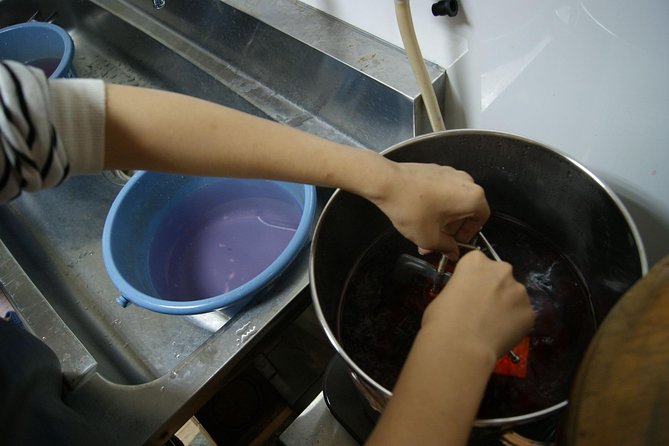
If you like Kyoto for more than temples and trolleys, this is a strong shift of pace. The experience centers on the Kyoto Shibori Museum, where shibori is explained as an old Japanese dyeing method and shown through displays that help you understand what you’re doing.
The setup works well if you’re not sure you’re artsy. You’re guided through the process with traditional tools and fabrics, and you’re not just watching something happen. You’re building the patterns that create the finished scarf, then seeing how the art world around shibori developed over time.
One practical plus: it’s near public transportation. So after you arrive, the workshop and museum time feel like part of a smooth afternoon plan rather than a complicated side quest.
The 30 to 60 Minute Scarf Class: What You’ll Actually Do
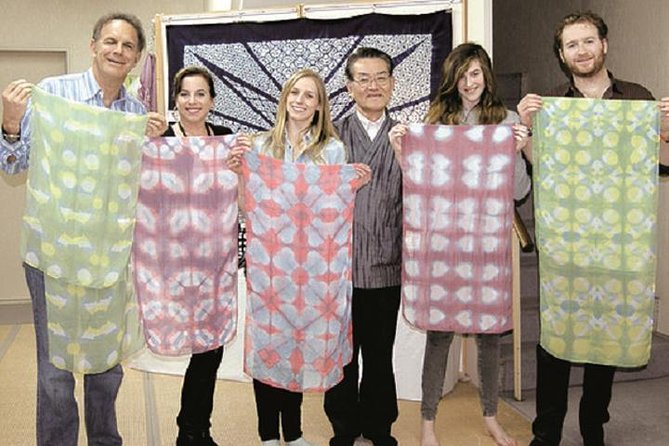
This is a short workshop by design—about 30 minutes to 1 hour—so you get a full experience without it eating your entire day. After you settle in, you’ll work directly with the teacher and follow instructions that keep the process manageable.
Here’s what that usually feels like in practice:
- You start by selecting the scarf materials and making choices tied to the final look.
- You then follow the craft steps using the museum’s traditional approach.
- You finish with time to let the dyeing process do its job.
- At the end, there’s a clear reveal moment when your pattern shows up in its final form.
The class also has a cultural layer, which matters. You’re not only making something pretty; you’re learning what makes shibori unique as a craft practice in Japan, and why it connects to kimono textiles and handwork traditions. That added context makes the scarf feel less like a souvenir you bought and more like a small piece of Japanese craft knowledge you carried home.
Other Kyoto tours and experiences to compare


Picking Fabrics and Your Pattern Choices (So It Doesn’t Feel Random)
One of the best parts for first-timers is that you get to choose from Japanese fabrics. That turns the activity from generic scarf-dyeing into something more personal.
In a short class like this, it’s easy for people to worry they’ll make something they don’t like. The fabric choice helps you avoid that. You’re building your own starting point, and the teacher’s guidance helps you get to a result you can feel proud wearing.
Also, because the experience ties the scarf to shibori culture, your choices make more sense. When you understand the idea behind the craft, you’re less likely to see the final pattern as luck and more as a technique you learned.
Museum Time on the Second Floor: Learning While You Wait
Dye work takes time. Instead of leaving you in a holding pattern, the museum uses that waiting period well.
The museum displays include shibori examples and show the dyeing process and finished craftsmanship. Several people mention a second-floor setup that includes exhibits and even a film about how shibori works. That’s a smart pairing: you’re actively creating one scarf while you’re also watching and reading about the bigger world of shibori.
So you get two kinds of satisfaction:
- You’re hands-on for the making.
- You’re also actively learning during the waiting, which can make the class feel longer in the best way.
The museum space also helps keep the mood relaxed. People describe the atmosphere as serene and the staff as welcoming, which matters when you’re learning a craft that involves patience and careful steps.
The Take-Home Moment: A Scarf You’ll Actually Want to Wear

The final product is a dyed scarf you can take home. That’s the heart of the value here. Instead of getting a paper certificate and leaving with photos, you leave with something you can use.
Expect some “wrap-up” care. People describe finishing touches and scarves being dried and packaged before they go home. That reduces the stress of what to do with wet fabric later, and it keeps your souvenir from becoming a logistical problem.
There’s also a fun sense of closure at the end. Several participants mention a grand reveal moment once the scarf is done, which turns the wait into part of the show rather than wasted time.
If you’re traveling with kids, this take-home payoff can really land. Families in the group have been happy with the end result, and there are mentions of certificates for younger participants once the scarf is completed. That kind of small recognition can make a craft class feel special.
Who This Shibori Class Fits Best in Kyoto
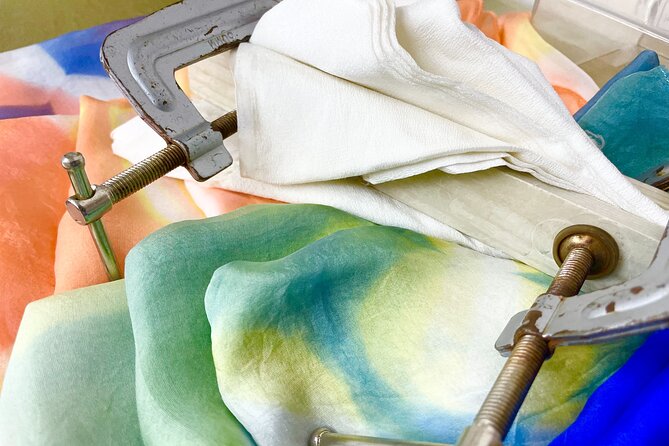
This is a workshop where “I’m not creative” is not a deal breaker. The craft is hands-on, the instructions are clear, and the group is small enough to help you keep up.
It’s a great fit if:
- You want an activity that feels cultural but not overly serious.
- You like making something with your hands and then learning what you made.
- You’re traveling with teens or kids age 6+ and want an experience that keeps them engaged.
It also works well for solo travelers. When you’re in a small group and the teacher can focus on the process, it’s easier to ask questions and get unstuck without feeling rushed.
One caution: because it’s a timed workshop, show up ready to start. If you’re the type to run late and hope for the best, this is one class where you’ll want to be on time so you don’t cut into the hands-on steps.




Value for $43.60: Why the Price Feels Fair
At $43.60 per person, this isn’t a bargain workshop, but it also isn’t priced like a luxury class. What makes the price feel reasonable is the mix of things you get:
- A real hands-on craft you take home (the scarf)
- Guided instruction with a teacher during your making steps
- A museum component included with the class (you’re not only dyeing)
- A small maximum group size, which supports individual attention
In other words, you’re paying for more than entertainment. You’re paying for a structured learning experience plus an art object you can keep. For many people, that’s the difference between a class you remember and a class you forget.
If you’re comparing options in Kyoto, look for the classes where you’re actually producing something you’ll use later. This one checks that box.
Getting There and Planning Your Timing
The experience is at Kyoto Shibori Museum and is described as near public transportation. That makes it easier to build into a day that already includes other Kyoto stops.
If you’re using a map app, plan for an extra minute or two to confirm you’re at the right floor. People specifically note that it’s on the 2nd floor and not always obvious from the street. Once you’re inside, things move smoothly.
As for parking, there’s two car parking spaces and bicycle parking available. So if you’re traveling that way, you’re not stuck with nowhere to go.
Timing tip: since the class includes museum time while your scarf is drying, you’ll likely feel best if you schedule this as an afternoon activity with a bit of breathing room before your next plan.
Cancellation and Changes: Simple and Traveler-Friendly
If plans shift, the policy is straightforward: free cancellation up to 24 hours in advance for a full refund. If you cancel closer than that, you won’t get a refund, and changes within 24 hours aren’t accepted.
It’s the kind of policy that’s easy to understand, which is exactly what you want when Kyoto days can change based on weather or crowds.
Should You Book This Itajime Shibori Scarf Class?
Book it if you want a Kyoto experience that’s creative, calm, and actually produces something you’ll keep. This works especially well as a break from temple-heavy days, because it mixes craft making with museum context in one tight window.
Don’t book it if you hate anything hands-on or if you’re very short on time and can’t afford a 30–60 minute scheduled activity. Also, if you’re counting on a clearly marked street entrance and instant wayfinding, give yourself buffer time because the classroom is upstairs.
Overall, I’d put this near the top of the list for anyone who wants a meaningful craft lesson without needing a full day commitment.
FAQ
How long is the itajime shibori scarf class?
It runs about 30 minutes to 1 hour.
Where does the class take place?
At Kyoto Shibori Museum in Kyoto, Japan.
Is the museum visit included?
Yes. The museum ticket is included, and the stop is listed as about 1 hour at the Kyoto Shibori Museum.
What’s included with the experience?
You’ll take part in the scarf-making class, learn from a teacher, and take your finished scarf home.
Do I get to choose materials?
Yes. You can choose from Japanese fabrics.
What is the group size?
The class has a maximum of 10 travelers.
What age is required?
The minimum age is 6. Adult pricing applies to all ages.
Is it near public transportation?
Yes, it’s described as near public transportation.
How do tickets work?
You receive a mobile ticket.
What is the cancellation policy?
You can cancel for a full refund up to 24 hours before the experience. Less than 24 hours before the start time is not refundable.
More Workshops in Kyoto


More Tour Reviews in Kyoto
Just added: more Kyoto tours to browse







Workshops, compared.
 ★ 4.345-Minute Tea Ceremony Lesson ExperienceFrom $222,378 reviews
 ★ 5.0Ramen Cooking Class at Ramen Factory in KyotoFrom $1311,937 reviews
 ★ 5.0Chopsticks Making Workshop in Gion with Engraving OptionFrom $15958 reviews
 ★ 4.9Samurai Sword Class by Experts in Traditional ArtsFrom $64657 reviews
 ★ 4.9Ramen Cooking Class at a Ramen Factory with SouvenirFrom $127532 reviews
 ★ 5.0Ninja 1-hour Hands-on Lesson by Japanese master in Kyoto -EntryFrom $80489 reviews
 ★ 5.0Ramen, Gyoza, and Onigiri Cooking ClassFrom $90445 reviews
 ★ 5.0The Original Small-Group Sushi Making Class in KyotoFrom $69436 reviews
Browse the lists this tour appears in