
Reviewed · FUSHIMI INARI SHRINE TOURS
Inside of Fushimi Inari – exploring and lunch with locals
Fushimi Inari is prettier when you go slower. This 4-hour small-group tour brings you inside Fushimi Inari Taisha’s torii-gate world with a guide who explains what you’re seeing, then takes you along bamboo-and-cedar paths toward lesser-visited holy spots and the summit shrine. I love the mix of big shrine moments with quieter trails, and I really like the included lunch at a traditional soba restaurant. One heads-up: you’re going up and down stairs and hills, so comfortable shoes matter.
You get a smooth flow that feels like Kyoto, not a checklist. The tour starts at the Great Torii Gate area, then builds in small, meaningful pauses—tea and a boiled egg in a mountain hut, a viewpoint panorama over Kyoto, and photo stops where the red gates and forest feel calmer. The small group size (up to 10) helps, and I’d call that a big part of the value here. If you’re extremely crowd-averse or short on walking tolerance, this isn’t a sit-and-photo experience.
Here’s the practical reality: for $67 per person, you’re paying for more than entry. You’re paying for an English-speaking guide, off-main-route timing, and food that’s already handled (lunch soba plus tea-and-egg snack). With that structure, it can feel like a smart use of a half-day in Kyoto rather than a stressful self-guided slog.
In This Review
- Key things I’d focus on
- Entering Fushimi Inari: not just the famous red gates
- Starting at the Great Torii Gate (大鳥居) and keeping the route sane
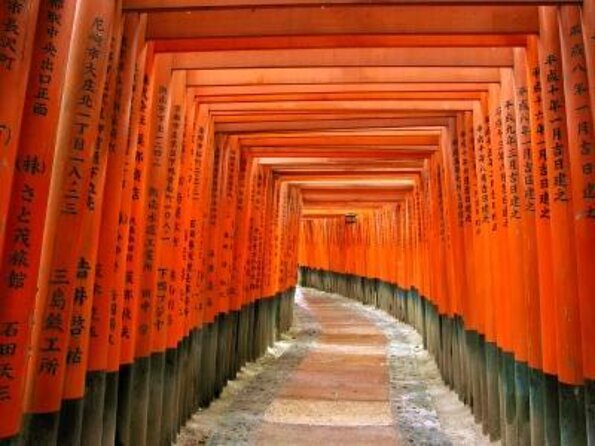
- Main shrine time: torii gates, meaning, and what to look for
- Bamboo and cedar forest paths: holy stops and a factory visit
- Climbing toward the summit: the 233m route and the best payoff
- Photo-shooting on the way down: viewpoints without the chaos tax
- Tea break in the mountain hut, then soba lunch that feels earned
- What you need to pack and how hard this hike really is
- Price check: why $67 feels fair (and when it might not)
- The vibe: small group, local feel, and guides who connect the dots
- Who should book this Fushimi Inari inside tour
- Should you book this Fushimi Inari inside-and-lunch tour?
- FAQ
- FAQ
- How long is the tour?
- Where do we meet, and where do we end?
- Is there an English-speaking guide?
- How big is the group?
- What’s included for food and drinks?
- Are vegan options available?
- Is the tour mostly walking, or is there climbing?
- What if I need to cancel last-minute?
Key things I’d focus on
- Less-crowded routes so you can breathe and still see the good stuff
- Summit approach on the forest route with a viewpoint over Kyoto
- Included soba lunch plus Inari sushi, handled at a traditional restaurant
- Tea and boiled egg in a mountain hut break to keep energy steady
- Factory + torii craftsmanship angle for a behind-the-scenes cultural feel
- Small group (max 10) with English live guidance
Entering Fushimi Inari: not just the famous red gates
Most people arrive at Fushimi Inari Taisha and immediately get pulled into the famous tunnel of red torii gates. That’s beautiful, but it can also turn into shoulder-to-shoulder walking. What I like about this tour is that you don’t stay trapped in the busiest flow for the whole experience.
You start right where the shrine’s story visually begins, at the Great Torii Gate area (大鳥居). Then the guide shapes the visit so it feels like you’re moving through layers: shrine space, forest paths, side holy spots, and finally the climb toward the summit shrine. It’s still Fushimi Inari, just with better pacing and fewer crowd bottlenecks.
The best part for me is the sense of time and attention. A guide helps you notice small details—what the torii gates represent, why certain worship areas matter, and how the shrine fits into broader Shintō practice. That means you’re not just walking from photo to photo; you’re building a mental map while you move.
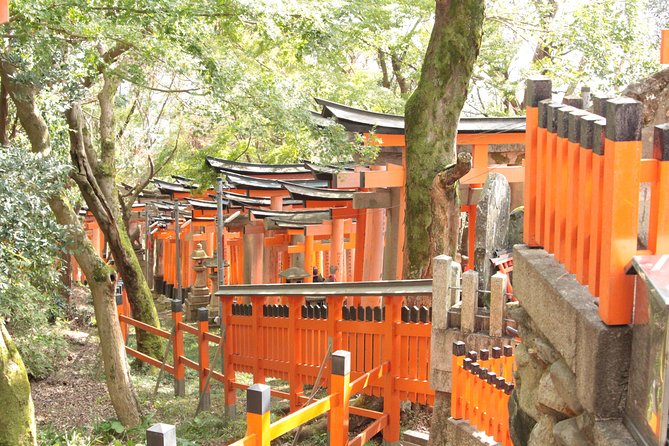
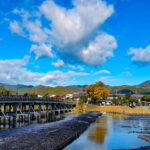
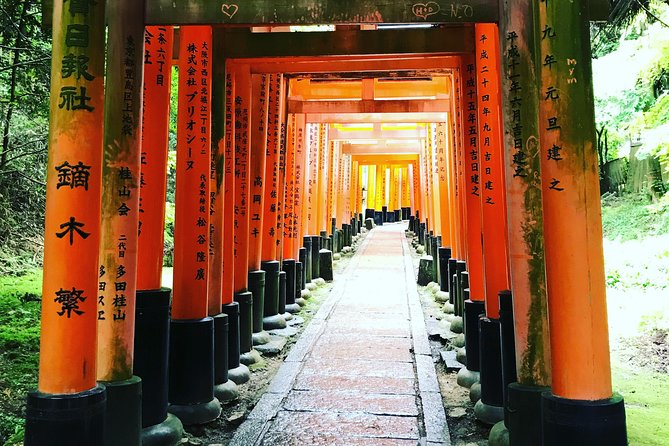
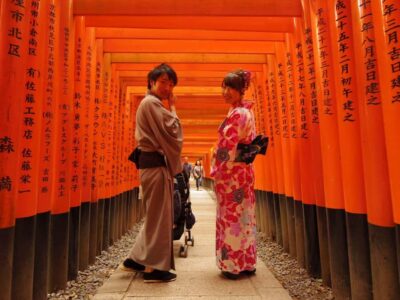
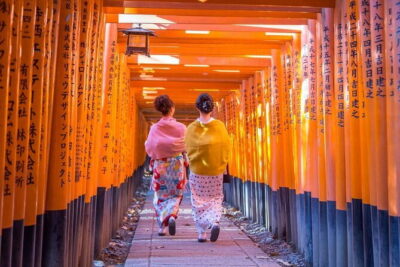
More walks up through the vermilion torii of Fushimi Inari

Starting at the Great Torii Gate (大鳥居) and keeping the route sane
Meeting point is at the Great Torii Gate stone pillar at the first gate, across from the JR Inari Station exit. The finish is the same spot, so you’re not left hunting for a pickup later. You’ll also walk about 10 minutes from Fushimi-Inari Station on the Keihan line to get to the starting area.
This matters because Fushimi Inari is in a compact zone with multiple entrances and confusing foot traffic. A timed guided start helps you avoid losing your first 30 minutes just figuring out where to line up and where to go next.
The tour runs about 4 hours total, but the schedule can shift based on your walking speed. That’s a good sign here—this is a hike with stairs. Instead of forcing everyone to move fast, the better groups help you keep momentum without turning it into a sprint.
Group size is limited to 10 participants, and that’s not marketing fluff. It makes it easier to pause, take photos, and hear your guide without constantly playing jump-rope around other people.
Main shrine time: torii gates, meaning, and what to look for
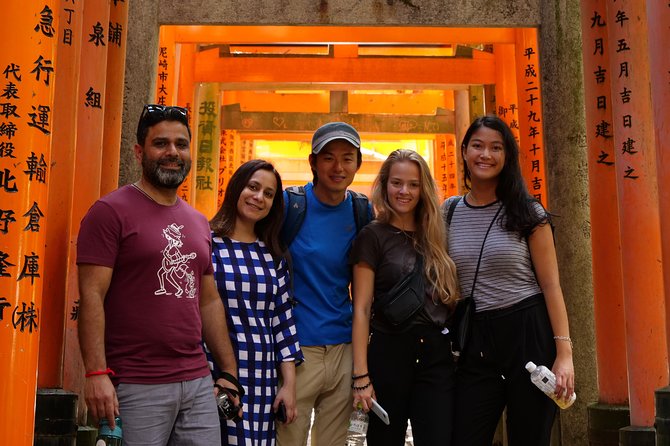
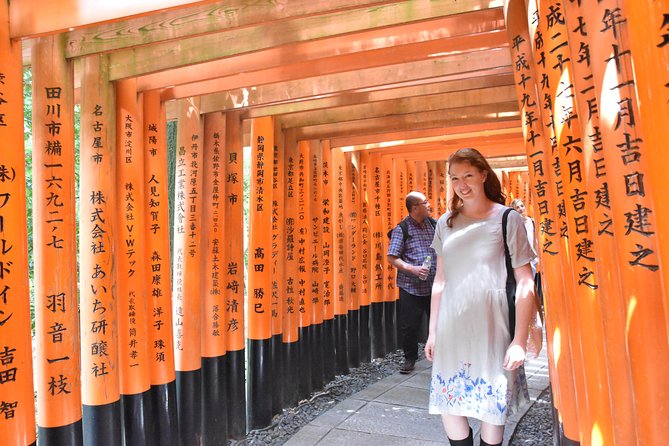
Right away, you’ll see the main shrine area and thousands of red torii gates. The guide explains the history and cultural background behind what you’re seeing—so the gates stop being only a dramatic visual and become a concept you can understand.
A big reason this matters is that Fushimi Inari can feel repetitive if you only focus on color and perspective. Once you know what to look for, you start noticing patterns: the way the gates frame paths, where worship happens, and why certain spaces feel more official or more intimate.
Also, guides on this tour tend to steer you toward a natural rhythm: look, listen, walk, pause. That rhythm helps you stay present even when you’re surrounded by people.
Bamboo and cedar forest paths: holy stops and a factory visit
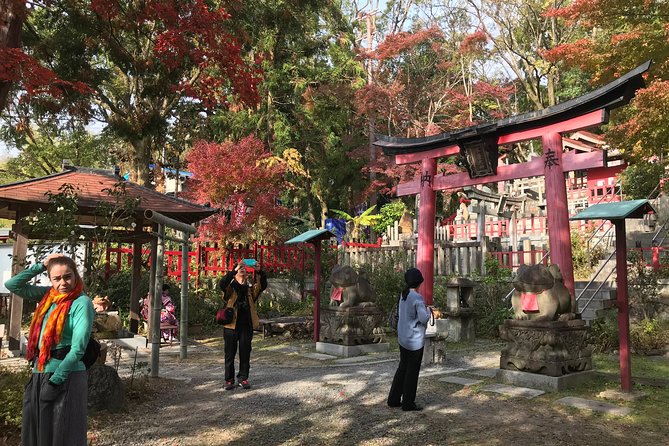
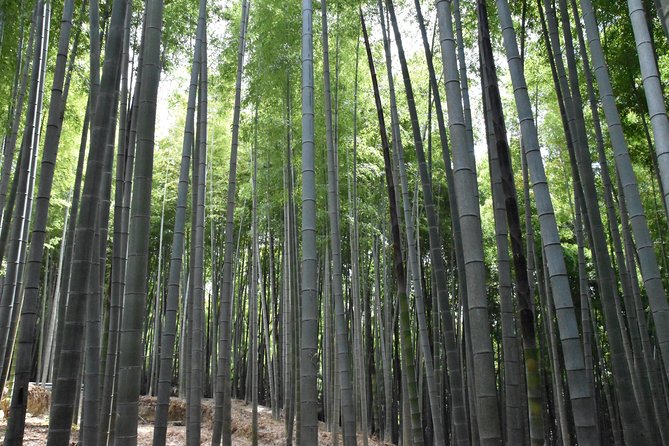
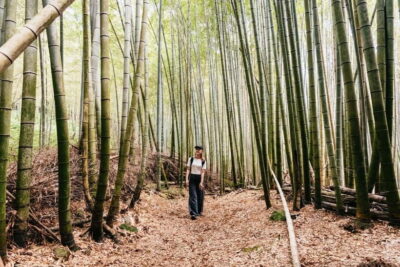
After the main shrine area, the tour shifts into a calmer mode. You’ll walk through a peaceful forest path with bamboo and cedar trees, moving from one authentic holy spot to another. The tour includes stops such as worship stones and a waterfall you can view along the way.
This is where the experience feels more local. The forest section doesn’t just feel pretty—it’s a transition from spectacle into spirituality. It also makes the hike more interesting because it breaks up the torii gate repetition.
You’ll also visit a factory as part of the experience. One guest specifically called out the added bonus of watching a master carve torii columns. Even if you don’t see the exact same moment every day, the key idea is consistent: the tour adds a production-side perspective, so you understand the shrine world connects to real craft work.
If you care about the “how” behind Japanese tradition—not only the “what”—this section is one of the smartest value adds.
Climbing toward the summit: the 233m route and the best payoff
The tour includes going up a forest route to the summit shrine. You’ll spend around 20 minutes on this climb, and the summit shrine is 233 meters high. Your guide will show you around once you reach the top, so you’re not just arriving at a view point and turning around.
This part is the physical core of the tour, and it’s also the emotional payoff. You’re moving away from the crowded gate tunnels and heading into a more quiet, open feeling. The climb is short, but it’s enough to make the summit meaningful.
On the way down, the tour keeps the pacing flexible. You’ll get photo opportunities along calmer spots, which helps if your goal is to capture the torii and forest feel without battling a constant crowd.
Other Kyoto tours and experiences to compare




Photo-shooting on the way down: viewpoints without the chaos tax
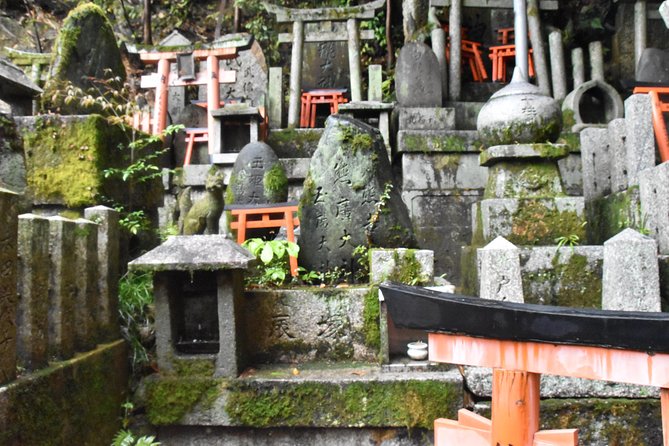
A common complaint about top Kyoto sights is that your best photo time is also the most crowded. This tour directly addresses that by including a photo-shooting part and emphasizing less-crowded angles on the descent.
The way this is handled can make a difference. If you only explore on your own, you often backtrack through the same bottlenecks. Here, the guide helps you plan movement so you see photogenic areas without spending the whole hike stuck in high-density lanes.
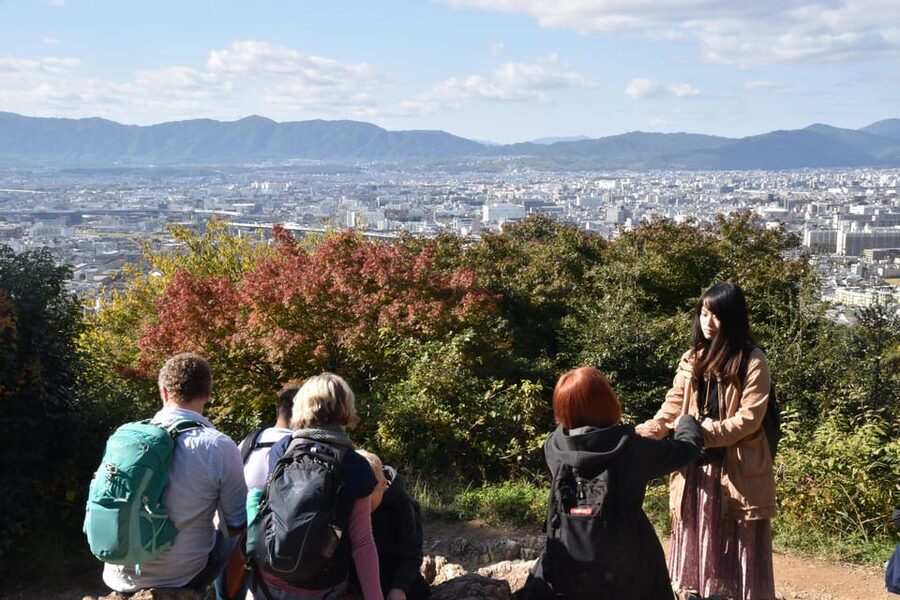
You also get a scenic viewpoint of Kyoto city. Guests mention this as a major highlight because it gives you a sense of where Fushimi Inari sits within the bigger Kyoto map—temple hillside above the city grid.
If you’re traveling with a phone camera, this section still works. You’ll have built-in stops, not just “walk faster and hope for light.”
Tea break in the mountain hut, then soba lunch that feels earned
Between shrine walking and climbing, you’ll get a snack and drink break: tea and a boiled egg at a scenic mountain hut. Vegan options are available, and you’ll want to flag that in advance when you book.
This snack matters more than it sounds. When you’re doing stairs and forest paths, your energy can drop fast, especially if you start the day hungry. The tea-and-egg break keeps things steady so the afternoon doesn’t turn into fatigue with a travel grin you’re trying to hold together.
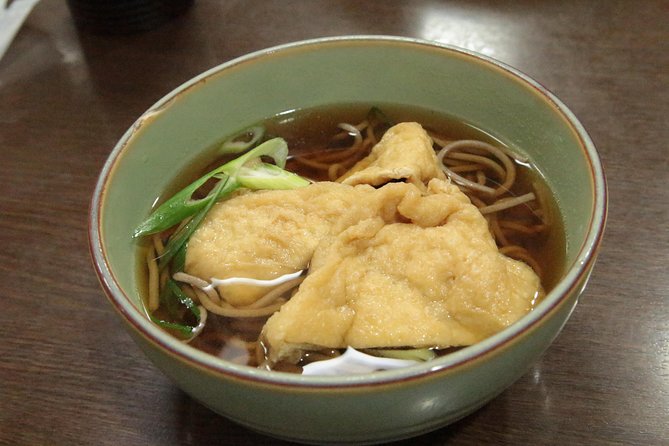
Then comes lunch: at a traditional soba restaurant, with Japanese noodle soba and fried sweet sushi (Inari sushi) included. One of the nice touches is that this isn’t just a quick stop. Lunch is scheduled for about 30 minutes, giving you enough time to eat without feeling rushed.
One detail worth knowing: drinks at the lunch restaurant are not included. So if you like water, tea, or something else with your meal, plan to pay separately.
A few guests also mentioned included treats like fortunes and even ice cream as part of the experience breaks. The important takeaway for you is that the included food and snack rhythm is intentionally placed, not tacked on after the fact.
What you need to pack and how hard this hike really is
This tour is easy-to-moderate walking with stairs. Comfortable clothes and shoes are a must, especially because you’ll go up and down stairs through shrine paths and forest sections.
You’re also advised to bring a hands-free backpack for hiking. That’s practical in a place like this: the moment you need both hands for a railing, a photo, or stepping over uneven stone, you’ll be glad your bag isn’t swinging around.
If you have mobility limits, you should treat this as a hike through uneven terrain and stairs. The good news is that the tour pace is designed to be flexible—guides let you go at your own pace—and you get breaks like the tea-and-egg stop.
Price check: why $67 feels fair (and when it might not)
Let’s talk value. At $67 per person for about 4 hours, you’re not just paying for access to Fushimi Inari. You’re paying for:
- English live guiding through the shrine and forest route
- a plan that reduces crowd stress by using quieter paths
- included tea and boiled egg snack
- included lunch (soba and Inari sushi)
- extra cultural stops, including the torii-related factory angle
If you were to self-guide, you might save money—but you’d also lose the interpretation and the smarter routing that helps you reach scenic spots without spending time stuck in the densest areas.
When might it not be worth it? If you already know Fushimi Inari well and you’re perfectly fine doing the hike solo at your own pace—then you may feel the guide portion is less essential. Also, if your priority is pure low-effort sightseeing, the stairs and climb may make it feel harder than you want.
But for most people, this price lands in a sweet spot: you get direction, food, and a better shot at seeing both the shrine icons and the quieter moments.
The vibe: small group, local feel, and guides who connect the dots
This is a small-group tour limited to 10, and that has a noticeable effect on the mood. It’s much easier to ask questions, hear explanations clearly, and take photos without feeling like you’re blocking a human river.
The guides behind the experience in recent bookings include names like Ko and Go, Kenji, Yuya, and Taishi. Several guests praised how the guides shared background on Fushint Inari and even Shintō more broadly, plus gave practical route advice and local suggestions for after the tour. That kind of context is exactly what helps a historic site feel alive rather than frozen behind signs.
One theme in the feedback is interaction and local connection. Guests described visits that feel like you’re meeting the community side of the shrine—not only observing from the outside. That aligns with the included offerings staff moment and the factory stop, both of which add a more “real-world” layer to the shrine experience.
Who should book this Fushimi Inari inside tour
Book this if you want:
- more than the main torii tunnel and crowd flow
- a guided explanation of what you’re seeing
- a planned hike that still includes breaks and included food
- a chance to reach viewpoint moments without turning it into a photo battle
You might skip it if:
- you dislike stairs and hillside walking
- you want zero exertion and only flat sightseeing
- you already have a private guide or you’re comfortable building this route on your own with no need for interpretive context
Should you book this Fushimi Inari inside-and-lunch tour?
My take: it’s a strong choice for a first or early Kyoto visit when you want Fushimi Inari to feel meaningful, not just crowded. The big win is the combination of less-crowded routing, a summit climb, and included food that keeps the day from turning into random meal searches.
If you go in with the right expectations—comfortable shoes, realistic stair time, and a hike mindset—you’ll come away with photos you actually like, plus a better understanding of what those torii gates and worship spots represent. And if you’re traveling with dietary needs, remember vegan options exist, but you’ll need to tell the team in advance.
FAQ
FAQ
How long is the tour?
The tour duration is about 4 hours.
Where do we meet, and where do we end?
You meet at the Great Torii Gate stone pillar at the first gate across from the JR Inari Station exit, and you finish at the same place.
Is there an English-speaking guide?
Yes. The tour includes a live English guide.
How big is the group?
It’s a small group limited to 10 participants.
What’s included for food and drinks?
Lunch includes Japanese noodle soba and fried sweet sushi (Inari sushi). Tea and a boiled egg are included as a snack break. Drinks at the lunch restaurant are not included.
Are vegan options available?
Yes. Vegan options are available, but you need to tell the tour in advance.
Is the tour mostly walking, or is there climbing?
You’ll do hiking through the shrine paths, including a climb to the summit route (about 20 minutes) and stairs on the way up and down.
What if I need to cancel last-minute?
The experience offers free cancellation up to 24 hours in advance for a full refund.
More Lunch Experiences in Kyoto
More Tour Reviews in Kyoto





Fushimi Inari, a Few More Ways
Just added: more Kyoto tours to browse








Fushimi Inari Shrine Tours, compared.
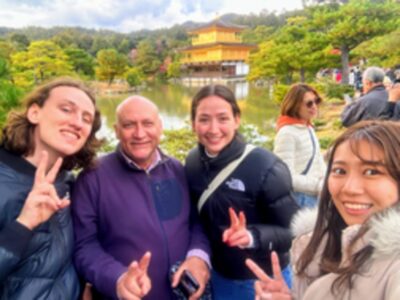 ★ 4.8Fushimi Inari, Kinkakuji, Bamboo Grove 1 Day Bus TourFrom $1224,316 reviews
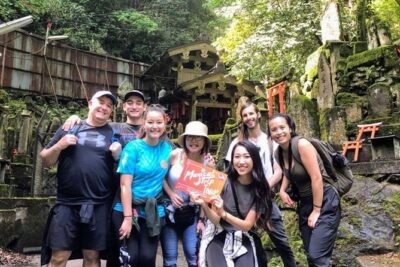 ★ 5.0Fushimi Inari Hidden Hiking Tour (Private Option Available)From $631,750 reviews
 ★ 4.7Kyoto/Osaka: Nara, Fushimi Inari Taisha, Arashiyama Bus TourFrom $521,275 reviews
 ★ 4.4Osaka/Kyoto: Arashiyama, Nara & Fushimi Inari Shrine w/LunchFrom $61754 reviews
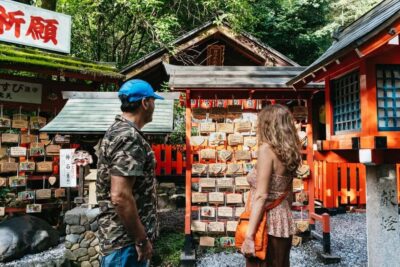 ★ 4.7Nijo Castle, Kiyomizu & Fushimi Inari Guided TourFrom $54700 reviews
 ★ 5.0Nijo, Kinkaku-ji, Arashiyama, Kiyomizu & Fushimi InariFrom $51699 reviews
 ★ 5.0Kyoto Fushimi-Inari Night Walking TourFrom $43320 reviews
 ★ 4.93-Hour Fushimi Inari Shrine Hidden Hiking TourFrom $72270 reviews
Browse the lists this tour appears in