
Reviewed · FUSHIMI INARI SHRINE TOURS
Inside of Fushimi Inari – exploring and lunch with locals
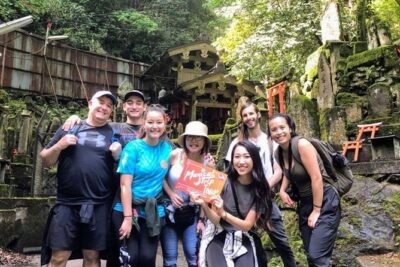
Fushimi Inari gets busy fast. This half-day tour trades the usual crowd shuffle for quieter forest trails and a guide who explains why the red torii matter, plus a proper soba lunch along the way. I like the tight group size (and the way guides such as Go, Satsuki, or Ko seem to match the pace). One catch: the route has stairs and a few steeper bits, so it can feel more challenging than you think.
What really makes this tour practical is the food timing. You’ll get a soba noodle lunch and later a Japanese tea and boiled egg break, which is exactly what you want when you’re hiking up and down temple slopes.
In This Review
- Key things to know before you go
- Why this Fushimi Inari route feels different
- Starting at Great ToriiJapan and getting your bearings
- Main shrine and thousands of red gates, with the story behind them
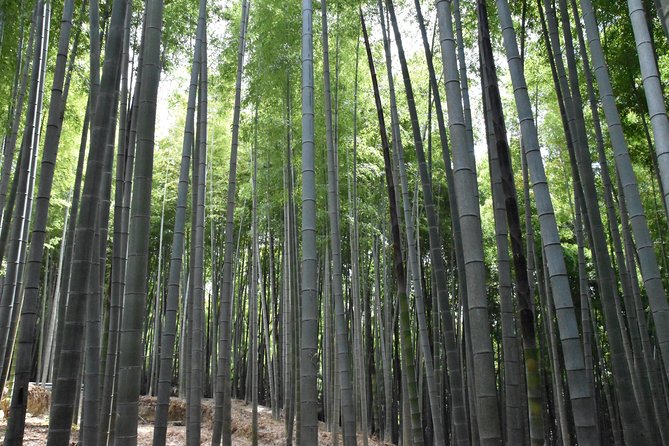
- Bamboo and cedar paths: the calmer side of the mountain
- Climbing the forest route to the summit shrine (233m)
- Tea, boiled egg, and soba lunch: fueling the climb
- What the group size really changes
- Price and value: what you’re paying for
- Weather and comfort: the realistic considerations
- Who should book this inside-the-mountain hike
- Should you book Inside of Fushimi Inari?
- FAQ
- How long is the Fushimi Inari hiking tour?
- Where do we meet for the tour?
- How many people are in the group?
- What food is included?
- Is the tour okay for vegetarians or dietary restrictions?
- Is there an admission ticket included?
- What fitness level do I need?
- What happens if the weather is bad?
Key things to know before you go
- Small group size helps you get away from the worst of the crowds
- A summit shrine visit (233m) adds a clear payoff beyond the usual torii-gate view
- Bamboo + cedar trails include stops like a waterfall, worship stones, and a gate factory
- Soba lunch plus tea and a boiled egg keeps your energy steady for the hike
- Moderate fitness required (stairs and uneven temple paths are part of the deal)
Why this Fushimi Inari route feels different
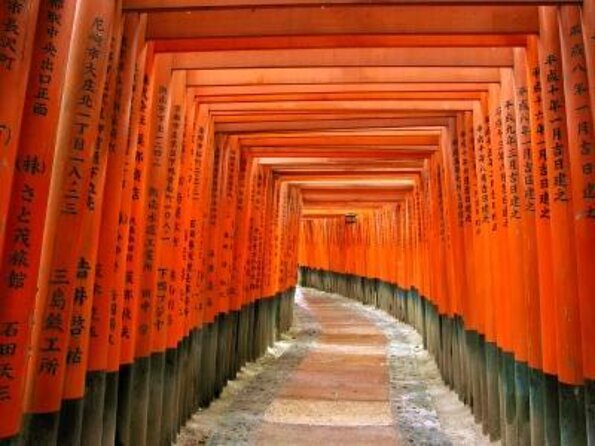
Fushimi Inari Taisha is one of those Kyoto sights that looks straightforward—until you’re standing among thousands of red gates. The classic route is popular for a reason, but it can also turn into a line-walk where you spend more time stepping sideways than actually noticing the place.
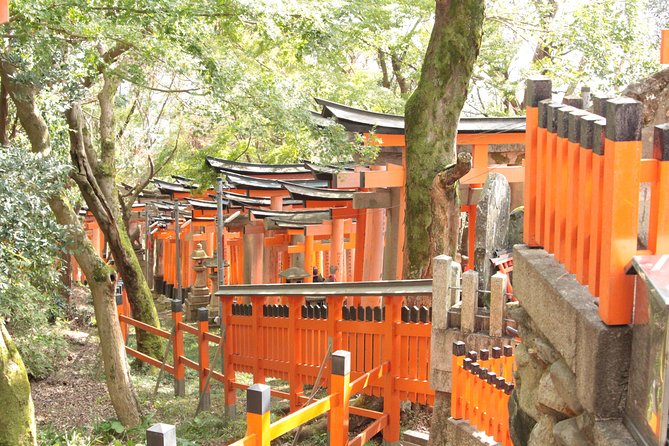
This tour’s big idea is simple: you still see the main shrine and the famous red gates, but you also take an alternative route through the hills. That means more time with trees, small shrines, and side sights that most people miss when they only follow the busiest loop. It’s one of the best ways to feel like you’re experiencing the mountain, not just touring it.
You’ll also get the context that makes the gates feel less like a photo backdrop. Your guide shares the shrine’s history and cultural background as you walk, so you can connect what you’re seeing with why it’s there.
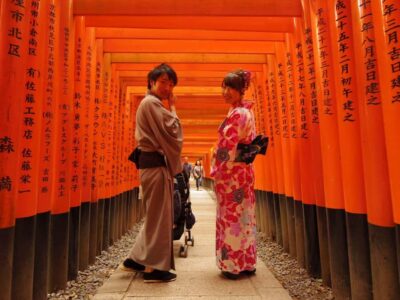
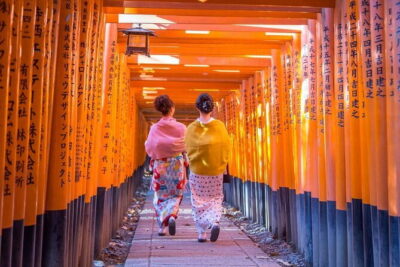
More walks up through the vermilion torii of Fushimi Inari

Starting at Great ToriiJapan and getting your bearings
You meet at Great ToriiJapan in Fushimi (Fushimi Ward, 深草薮之内町68番地). It’s a straightforward meetup for Kyoto, and the tour notes it’s near public transportation.
Arrive a bit early. Not for drama—just because the area around Fushimi Inari can be confusing at first, and you’ll want an easy start before the walking begins. One practical tip: your guide may be easy to spot by a remarkable red cap (so don’t be shy about checking that detail before you assume you missed them).
Timing matters here. You’re going to spend about half the day on foot (the hike portion is around 3.5 hours), and the group moves together. If you’re the type who likes to take a long coffee pause before you start hiking, plan a little extra buffer.
Main shrine and thousands of red gates, with the story behind them
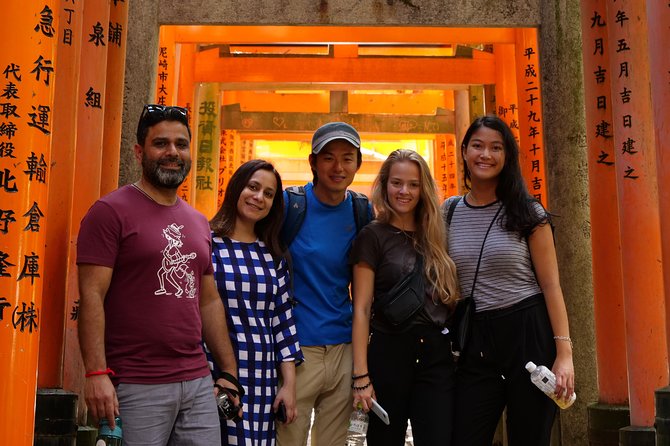
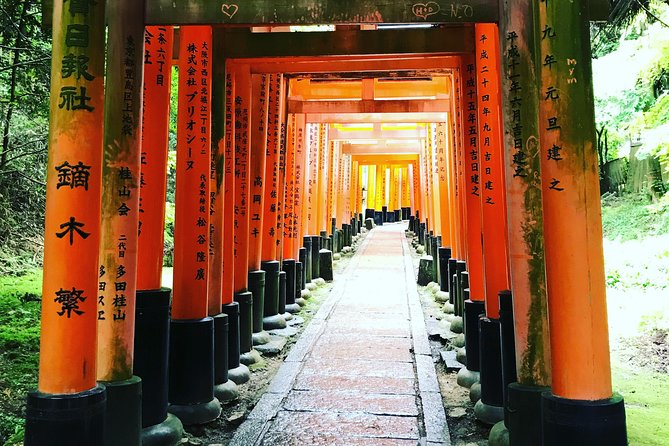
The tour begins with a focused look at Fushimi Inari-taisha itself. You’ll do sightseeing of the main shrine and the famous thousands of red torii gates, with explanations to help you make sense of what you’re looking at.
This is the part where the tour earns its keep. Without guidance, the gates are beautiful but mostly visual. With a guide, you learn how the shrine works, how people use it, and why these gates are such a big deal culturally. It’s not just trivia—it changes how you move. Instead of only chasing the next photo angle, you start paying attention to placement, patterns, and the small cues along the path.
One thing to expect: even on a smarter route, Fushimi Inari is still Fushimi Inari. You’ll see plenty of visitors. The difference is that you don’t have to spend the whole time stuck in the main flow.
Bamboo and cedar paths: the calmer side of the mountain
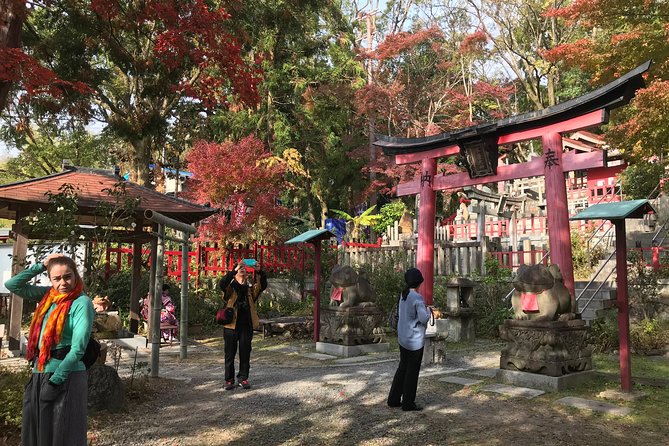
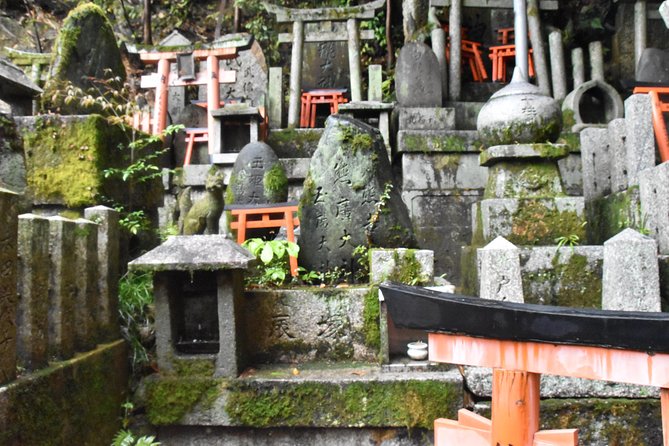
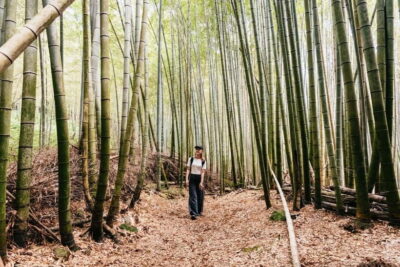
After the main gate area, the walking shifts into easier scenic terrain—peaceful forest paths through bamboo and cedar trees. This is where the atmosphere changes. It’s quieter, cooler (in a nice way), and you can actually hear your own steps.
This section also includes authentic small stops that add variety to the hike:
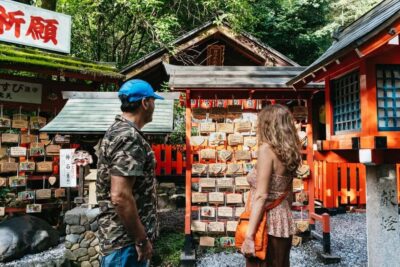
- worship stones
- a waterfall
- and a gate factory
That gate factory part matters more than it sounds. Fushimi Inari is literally built on gates—so seeing how gates connect to the place gives you a more complete picture than just viewing them. You’re not only looking at a shrine; you’re seeing how the idea of gates lives in the area.
The pace here is a big deal. In the good-case scenario, you’re walking comfortably while still having time to look up, not just straight ahead. A few guides are known for adjusting their pacing to fit the group, which helps if your travel style is more slow-and-observe than power-walk.
Climbing the forest route to the summit shrine (233m)
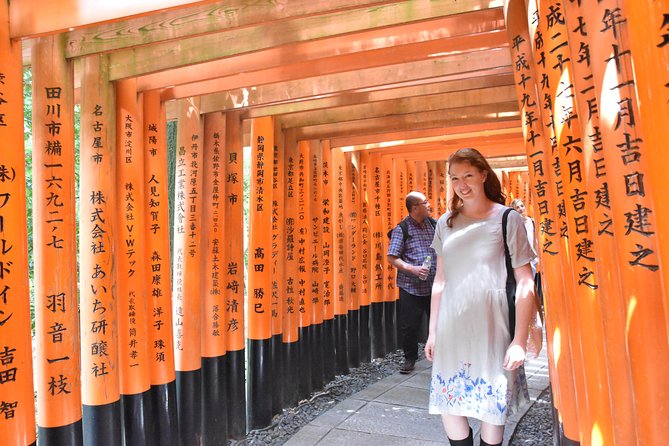
Next comes the part most people feel in their legs: climbing the forest route toward the summit shrine. The climb is described as about 20 minutes, and the summit sits at 233 meters.
This isn’t a huge mountain hike, but it’s not flat either. You’ll be on temple steps and uneven paths, so good footwear helps a lot. If you’re coming from a day of lots of walking around Kyoto already, this will feel like a workout—just a short one.
The payoff is that summit shrine visit. Your guide will show you around the summit area, and if you want, you can pray at the shrine. Even if you’re not into formal temple rituals, stopping up here changes the scale of what you see. You get a different view of the mountain and the gates, and you feel the place as a whole.
If you struggle with steep stairs, take that seriously. This tour is doable for many people with moderate fitness, but it’s not the right choice if your knees hate steps.
Other Kyoto tours and experiences to compare




Tea, boiled egg, and soba lunch: fueling the climb
A hike like this works best when you don’t under-eat. This tour includes lunch with soba noodle, plus a Japanese tea and boiled egg break.
Why that timing is good: soba is filling without being heavy in the way some richer meals can be when you’re about to keep walking. The tea break is also practical because it’s a reset button. You get a pause, you hydrate, and you stop rushing your pace to make up for low energy.
Also, food options are handled thoughtfully. The tour states vegetarian and halal-friendly meals are available, and gluten-free food can be arranged. If you have a strong dietary requirement, you’ll want to confirm your needs during booking so the meal matches what you can eat.
In a city like Kyoto, where lunch can easily become a long line situation, having lunch folded into the plan is a real value.
What the group size really changes
The tour is small-group by design. One part of the details describes a group limited to only 12 participants, while another states a maximum of 6 travelers. Either way, you’re not joining a huge bus-like crowd.
For you, that smaller size usually means:
- more frequent chances to ask questions
- less waiting around
- a better chance of moving at a comfortable pace
That pacing point shows up strongly in the feedback styles connected to guides like Go, Satsuki, and Ko: they’re known for friendliness and for adjusting the walking pace to fit the group. In practice, that’s the difference between a hike that feels like an assignment and one that feels like a guided walk with momentum.
Price and value: what you’re paying for
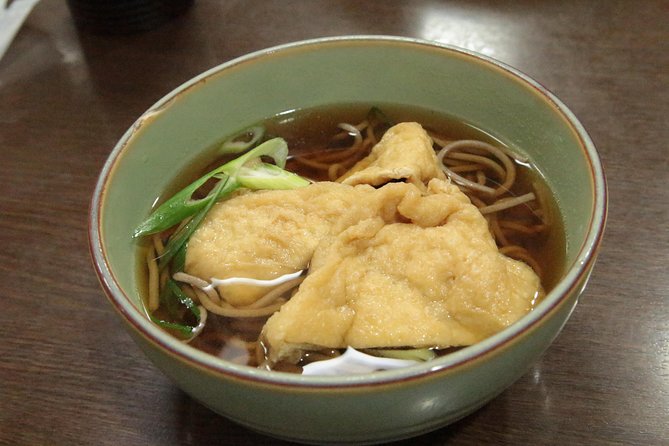
At $72.26 per person for about four hours, this tour isn’t the cheapest option in Kyoto. But it’s also not trying to be. You’re paying for three things that matter on a steep, complex site:
1) A guided route that reduces frustration
Fushimi Inari is iconic, but it’s also confusing and crowded. A guided alternative path helps you see more than the main highlights without spending your whole day stuck in the busiest areas.
2) Time saved from planning
You don’t have to figure out the best order of sights, where to pause, or how to balance the gates with forest sections and the summit. The tour handles the flow.
3) Food included
Soba lunch plus tea and a boiled egg break are real additions. If you’d otherwise spend part of your afternoon finding a meal and dealing with lines or short opening hours, the included food makes the price feel more fair.
If your priority is only the postcard gates and you don’t care about the rest, you might find cheaper self-guided options. But if you want the mountain experience with context and fewer headaches, the value is easier to justify.
Weather and comfort: the realistic considerations
This experience requires good weather. If it’s canceled due to poor conditions, you’ll be offered a different date or a full refund.
Also, bring realistic expectations for the terrain. This is temple-hiking. Expect stairs, steep sections, and uneven ground. Pack for comfort:
- supportive shoes
- a light layer (forests can feel cooler)
- water (even with tea included)
And plan your day so you’re not already at “leg death” level from hours of Kyoto walking. This tour is short, but it still uses your thighs.
Who should book this inside-the-mountain hike
This tour fits you best if you:
- want to see Fushimi Inari without only following the most crowded path
- like guided storytelling and cultural context while you walk
- want a ready-made lunch plan (soba, plus tea and boiled egg)
- are comfortable with moderate hiking and temple stairs
It may be a poor fit if you:
- need fully flat walking or have trouble with steep steps
- prefer to roam without a schedule at all
- have a very tight time window and don’t want to commit to a half-day on foot
Should you book Inside of Fushimi Inari?
Book it if you want more than photos of red torii. This is a strong choice for first-time visitors who still want an authentic feel—forest paths, side stops, and a summit moment—without turning your day into constant navigation.
Skip it if stairs are a deal-breaker for you. Also, if you only care about the main gates and want zero hiking, a simple self-guided approach might be more your style.
If you do book, aim to go with the flow, wear good shoes, and use the guide’s context while you’re there. You’ll get a better experience out of the same famous place.
FAQ
How long is the Fushimi Inari hiking tour?
The tour runs about 4 hours (approximately), including time for sightseeing, hiking, and lunch.
Where do we meet for the tour?
The meeting point is Great ToriiJapan, 612-0881 Kyoto, Fushimi Ward, 深草薮之内町68番地. The tour ends back at the meeting point.
How many people are in the group?
It’s described as a small-group experience. The details mention a maximum of 12 participants, and also state a maximum of 6 travelers, so it’s worth checking your booking details to see the exact cap for your departure.
What food is included?
The tour includes a soba noodle lunch, plus a Japanese tea and boiled egg break.
Is the tour okay for vegetarians or dietary restrictions?
Yes. Vegetarian meals are available, and the tour notes it is halal-friendly. Gluten-free food is also available.
Is there an admission ticket included?
Yes. An admission ticket is included for the 3-hour segment at Fushimi Inari.
What fitness level do I need?
You should have a moderate physical fitness level. The route includes walking, and there is a climb to the summit area.
What happens if the weather is bad?
This experience requires good weather. If it’s canceled due to poor weather, you’ll be offered a different date or a full refund.
More Lunch Experiences in Kyoto
More Tour Reviews in Kyoto





Fushimi Inari, a Few More Ways
Just added: more Kyoto tours to browse








Fushimi Inari Shrine Tours, compared.
 ★ 4.8Fushimi Inari, Kinkakuji, Bamboo Grove 1 Day Bus TourFrom $1224,316 reviews
 ★ 5.0Fushimi Inari Hidden Hiking Tour (Private Option Available)From $631,750 reviews
 ★ 4.7Kyoto/Osaka: Nara, Fushimi Inari Taisha, Arashiyama Bus TourFrom $521,275 reviews
 ★ 4.4Osaka/Kyoto: Arashiyama, Nara & Fushimi Inari Shrine w/LunchFrom $61754 reviews
 ★ 4.7Nijo Castle, Kiyomizu & Fushimi Inari Guided TourFrom $54700 reviews
 ★ 5.0Nijo, Kinkaku-ji, Arashiyama, Kiyomizu & Fushimi InariFrom $51699 reviews
 ★ 5.0Kyoto Fushimi-Inari Night Walking TourFrom $43320 reviews
 ★ 4.93-Hour Fushimi Inari Shrine Hidden Hiking TourFrom $72270 reviews
Browse the lists this tour appears in