
Reviewed · KYOTO COOKING CLASSES
Gyoza Cooking Class in Kyoto: Traditional Japanese Dumplings
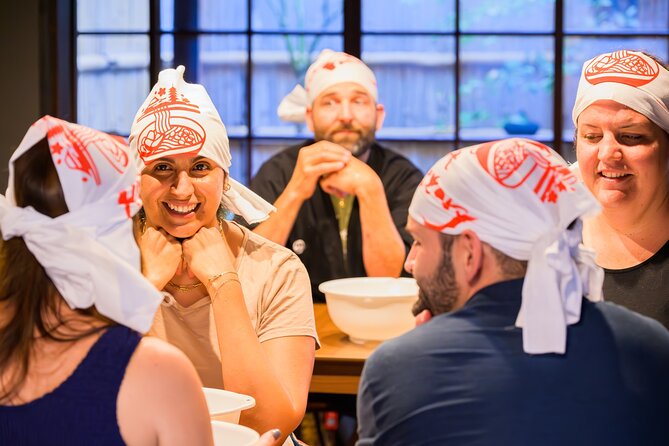
Kyoto gyoza tastes better when you make it. In this 90-minute cooking class, you’ll learn the hands-on steps for gyoza, from picking fillings to wrapping and pan-cooking, then finish with a photo moment featuring a Samurai.
Two things I really like: the instruction is patient and clear, with guides such as Hama leading the way, and you’re not left guessing at any stage. You also get to choose from different meat and vegetable fillings, which makes it easy to steer the flavor toward your preferences before you ever touch the pan.
One consideration: at $127 per person, this is a splurge compared with grabbing gyoza as street food, so I’d book it only if you’ll actually enjoy learning a technique (and not just eating). It’s also not suitable for wheelchair users.
In This Review
- Key highlights worth your attention
- Finding the kitchen near Karasuma Oike (and why it matters)
- What happens in your 90 minutes of gyoza cooking
- Selecting ingredients and fillings that match your taste
- Wrapping gyoza: the technique you’ll actually use at home
- Cooking your gyoza in the pan (crunch without chaos)
- Eating what you made (plus the Samurai photo moment)
- The included tools, instructor help, and one free drink
- The take-home recipe: how to make your next batch taste like yours
- Price and value: is $127 per person worth it?
- Who this class suits best
- Should you book this Kyoto gyoza cooking class?
- FAQ
- FAQ
- How long is the gyoza cooking class?
- What is included in the price?
- Do I get a recipe to take home?
- What language support is available?
- Can I choose different fillings?
- Where is the meeting point in Kyoto?
- Is the experience wheelchair accessible?
- Are dietary restrictions accommodated?
Key highlights worth your attention
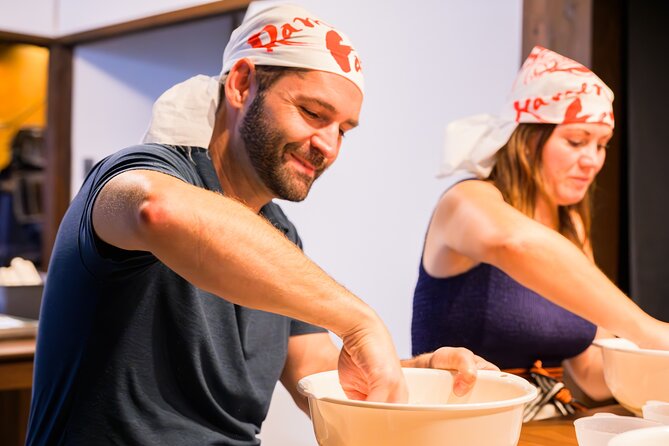
- Hands-on wrapping practice: you’ll form your own dumplings, not just watch.
- Choose your fillings: meat and vegetable options let you tailor what goes inside.
- Pan-frying technique with a perfect crunch goal: you cook the gyoza in the class and learn how to get the texture right.
- Samurai photo moment: a fun cultural photo break that fits naturally into the experience.
- Take-home gyoza recipe: you get the full method to recreate it later.
- Small, friendly atmosphere: the vibe feels relaxed enough for mixed ages, including kids in at least one group.
Finding the kitchen near Karasuma Oike (and why it matters)
Most Kyoto food experiences go wrong on one simple thing: getting there. This class is easy to reach because it’s about a 5-minute walk from Exit 2 of Karasuma Oike Station on the Kyoto City Subway lines. It’s also listed as roughly 362 meters from the station, so you can plan without stress even if you’re coming straight from sightseeing.
That matters because a cooking class doesn’t pause for travel delays. You’ll likely want to arrive a bit early, get settled, and start with a calm headspace. If you’re the type who likes to race through Kyoto landmarks, this is the rare activity where slowing down for 90 minutes is the whole point.
Roll up your sleeves for another Kyoto cooking class

What happens in your 90 minutes of gyoza cooking
This isn’t a long, showy dinner. It’s a compact, skills-focused workshop built around you making the dumplings yourself—then eating what you cook while it’s fresh from the pan. The flow is simple: choose, prepare, wrap, cook, and enjoy, with an instructor standing by the entire time.
Even if you’re a total beginner, you shouldn’t feel lost. The structure is designed so you can follow along step-by-step, including guidance on wrapping technique and cooking method. And if you’re already comfortable in the kitchen, you’ll likely appreciate the chance to refine the details—especially the wrapping and the texture you’re aiming for.
Selecting ingredients and fillings that match your taste
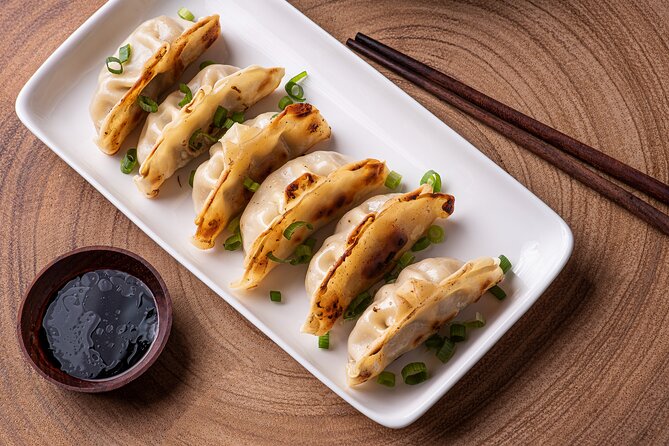
One of the biggest perks here is control. You get to choose from a variety of meat and vegetable fillings, so you’re not locked into one flavor profile. That means you can pick something familiar if you’re new to Japanese dumplings, or go more adventurous if you want to try a combination you wouldn’t build at home.
I like that this choice happens before the wrapping starts, because it affects the whole dumpling experience. The filling type changes how you handle portioning, and it also influences the final taste once pan-cooked. If you’re traveling with kids or picky eaters, filling selection is often the difference between everyone enjoying the class and everyone quietly waiting for the end.
The class also gives you a chance to customize flavors. The goal isn’t just to follow a recipe blindly—it’s to understand the idea behind the filling so you can make a version you’ll actually want to cook again later.
Wrapping gyoza: the technique you’ll actually use at home
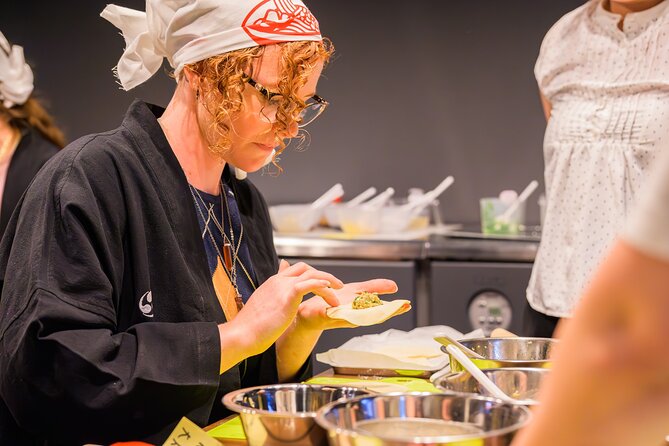
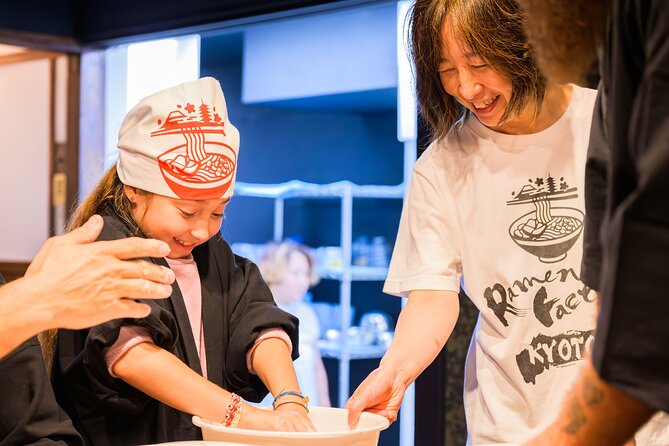
Wrapping is the heart of gyoza, and it’s also where most cooking classes either shine or fall apart. Here, you’ll learn authentic wrapping techniques with guidance from the instructors, including how to shape the dumpling properly so it cooks well. This is where you trade guesses for repeatable steps.
In practice, what you’re aiming for is a dumpling that holds together while it cooks, with that characteristic pleated look and a seal that stays put. When it’s done right, you get the best texture contrast: a crisp exterior and a filling that stays juicy.
This is also where the relaxed vibe helps. If you’re nervous, you’ll appreciate patient, clear coaching rather than a rushed demo. In more than one account from past participants, the teaching approach is described as friendly and supportive—even when people aren’t experienced in the kitchen.
Cooking your gyoza in the pan (crunch without chaos)
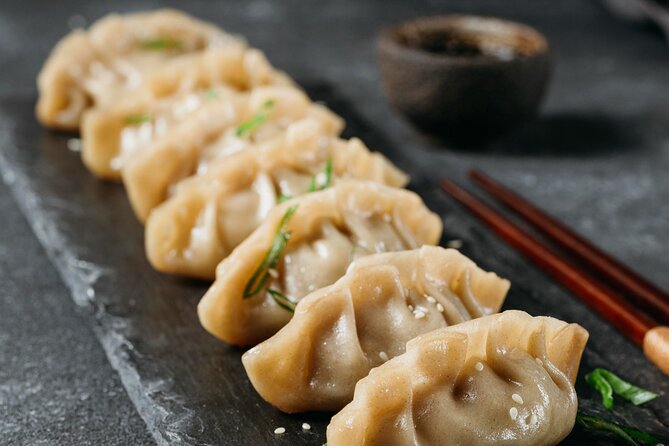
After shaping comes the part that makes gyoza so satisfying: pan-cooking. You’ll cook the dumplings in the class, with the instruction focused on getting them to the right stage. The big lesson is learning the method that produces that crispy outside, not just toasting dough until it’s dry.
When gyoza is at its best, the bottom gets crisp while the inside stays tender. That texture balance doesn’t happen by accident. It takes timing, heat control, and a method you can repeat.
I think this is one of the most practical travel souvenirs you can bring home. A photo of Kyoto is nice. But a technique—one you can use again and again—turns your trip into something you keep doing after you return.
Other Kyoto tours and experiences to compare

Eating what you made (plus the Samurai photo moment)
There’s a built-in reward here: the dumplings you make are included, so you’re not waiting around for food later. You’ll enjoy what comes out of the pan while the flavor is fresh and the texture is still at its peak.
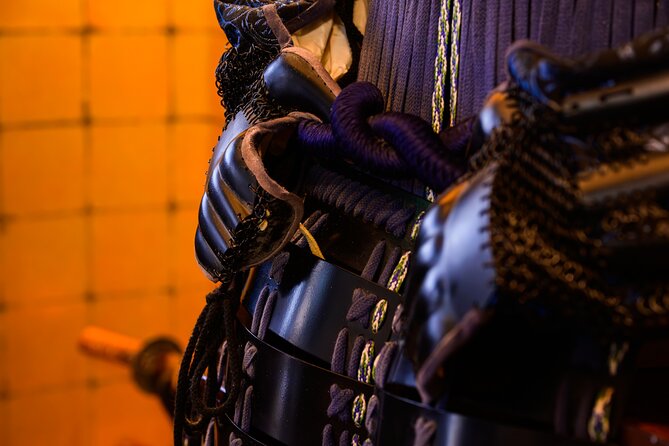
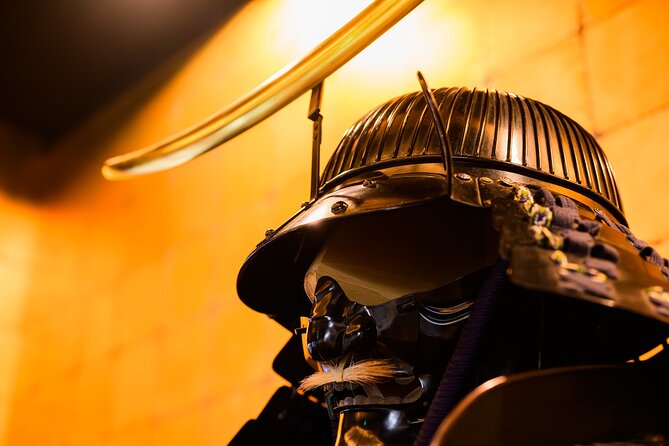
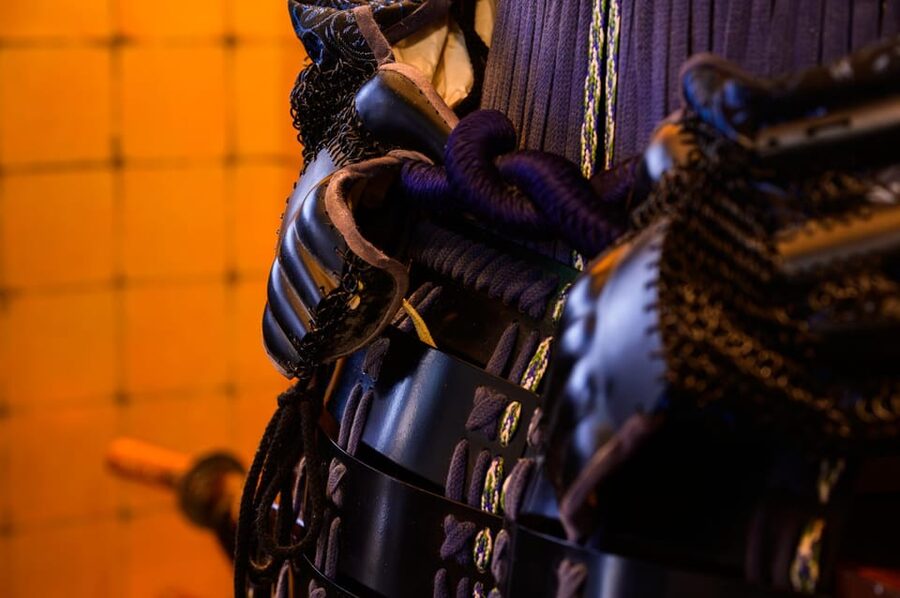
And then there’s the playful extra: a photo moment with a Samurai. It doesn’t dominate the experience, but it adds a memorable visual element that fits well with Kyoto’s atmosphere. It’s the kind of small cultural touch that makes the evening feel special without turning the class into a theme park.
If you’re traveling with family or mixing ages, this kind of moment can help keep everyone engaged while you focus on the cooking steps. One group account even noted that kids had a great time alongside adults—exactly the kind of balance you want from a short activity.
The included tools, instructor help, and one free drink
The class provides cooking tools, so you won’t show up wondering what you’re supposed to bring. There’s also an English-speaking instructor, and the experience runs with English and Japanese support.
You also get one free drink. It’s a small inclusion, but it helps make the workshop feel like a complete evening event rather than a dry lesson.
What I appreciate most is the combination of tools plus coaching. You’re not just being told how to wrap. You’re doing it, with real-time help. That’s what turns a “fun class” into a skill you can replicate later.
The take-home recipe: how to make your next batch taste like yours
You’ll receive the full recipe to cook Japanese gyoza at home. This is huge value because a lot of cooking classes stop at the finished plate. Here, the point is that you can reproduce what you learned—at least in style and method—once you’re back in your own kitchen.
I’d treat the recipe as your starting point, not a rigid rule. Use it to practice the wrapping and cooking sequence, then adjust filling choices to match what you actually like. If you made a vegetable-focused dumpling in class, you’ll likely want to repeat that option at home rather than defaulting to whatever was available.
Also, because you customized fillings during the workshop, you’ll have a better sense of what you personally enjoyed. That makes your “second try” at home more confident than starting from scratch.
Price and value: is $127 per person worth it?
At $127 per person for a 90-minute session, this costs more than eating gyoza at a casual spot. So the value comes down to what you want from the experience.
Here’s what you’re paying for, in concrete terms:
- An English-speaking instructor (plus Japanese support)
- Tools provided for the class
- Your dumplings included (the gyoza you make)
- One free drink
- A full take-home recipe
- Extra cultural fun with a Samurai photo moment
If you’re the kind of traveler who loves learning one or two techniques you can use later, this price starts to make sense quickly. You’re not just buying dinner—you’re buying a method and the confidence to recreate it.
If you mainly want to eat and move on, then it may feel pricey. In that case, consider doing gyoza as a meal and reserving a cooking class only when you’re excited about learning.
Who this class suits best
This is a great fit if you want:
- A hands-on Kyoto food activity that doesn’t require advanced cooking skills
- A chance to choose between meat and vegetable dumplings
- A short, satisfying evening experience (90 minutes)
- A take-home recipe so your trip keeps paying you back
It may be less suitable if:
- You’re using a wheelchair (the activity isn’t suitable for wheelchair users)
- You hate getting your hands messy or don’t enjoy step-by-step instruction
- You’re strictly budget-focused and don’t care about technique
Should you book this Kyoto gyoza cooking class?
If you want a practical Kyoto experience—one that teaches you how to make something you can repeat at home—I’d book it. The combination of wrapping skills, pan-cooking practice, ingredient choices, and the take-home recipe is what makes it feel like more than a one-time meal.
I’d pass only if you’re chasing the cheapest way to eat gyoza, or if you don’t enjoy hands-on cooking. Otherwise, this is the kind of class that turns Kyoto memories into real-life dinners.
FAQ
FAQ
How long is the gyoza cooking class?
The class lasts 90 minutes.
What is included in the price?
You get an English-speaking instructor, cooking tools, one free drink, and the gyoza you make during the class.
Do I get a recipe to take home?
Yes. You receive the full recipe so you can cook Japanese gyoza at home.
What language support is available?
The instructor speaks English and Japanese.
Can I choose different fillings?
Yes. You can choose from a variety of meat and vegetable fillings.
Where is the meeting point in Kyoto?
Meet about a 5-minute walk from Exit 2 of Karasuma Oike Station on the Kyoto City Subway Karasuma Line and Tozai Line (about 362 meters away).
Is the experience wheelchair accessible?
No, it is not suitable for wheelchair users.
Are dietary restrictions accommodated?
You’re asked to inform the organizers in advance if you have any allergies or dietary restrictions.
More Cooking Classes in Kyoto
More Tour Reviews in Kyoto



More Kyoto Cooking Classes
Just added: more Kyoto tours to browse








Kyoto Cooking Classes, compared.
 ★ 5.0Ramen Cooking Class at Ramen Factory in KyotoFrom $1311,937 reviews
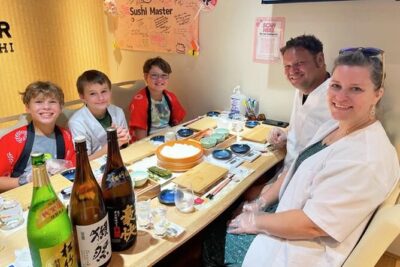 ★ 5.0Sushi Making in Kyoto! Same-day bookings welcome!From $53713 reviews
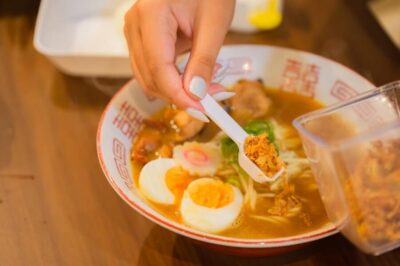 ★ 4.9Ramen Cooking Class at a Ramen Factory with SouvenirFrom $127532 reviews
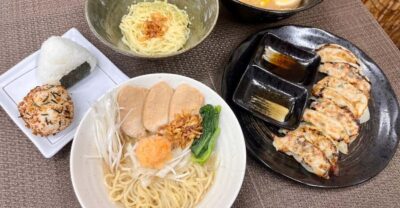 ★ 5.0Ramen, Gyoza, and Onigiri Cooking ClassFrom $90445 reviews
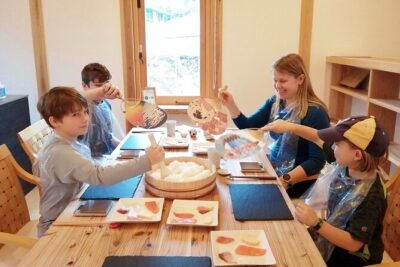 ★ 5.0The Original Small-Group Sushi Making Class in KyotoFrom $69436 reviews
 ★ 5.0Japanese Washoku Bento Small Group Cooking ClassFrom $58380 reviews
 ★ 5.0Kyoto Ramen and Gyoza Cooking Class with Professional ChefsFrom $86282 reviews
 ★ 4.9Afternoon Japanese Izakaya Cooking ClassFrom $67241 reviews
Browse the lists this tour appears in