
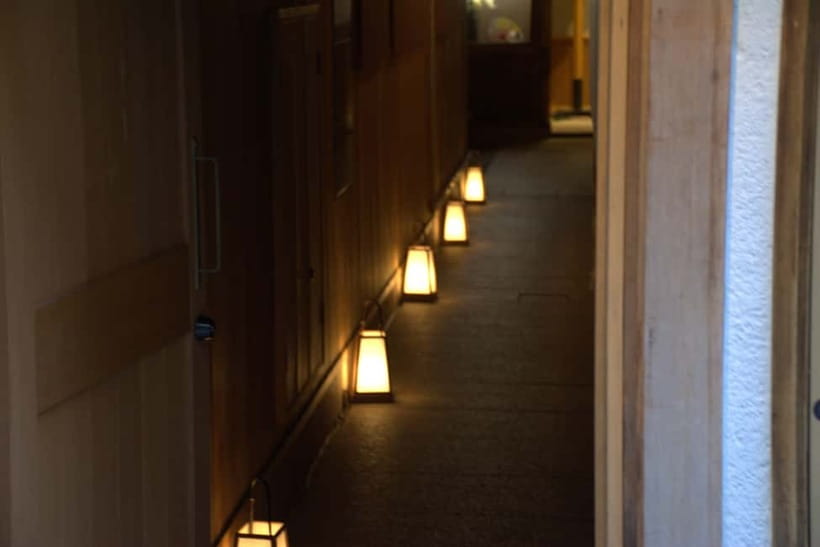
Reviewed · GION & GEISHA DISTRICT TOURS
Gion Night Walk:Discover Geisha Culture in Kyoto
Gion changes after dark. A guided Gion night walk turns Kyoto’s famous lanes into something you can actually read, with straight talk about geisha culture, Gion’s past, and what’s going on now. I love the way the guide explains the role of geisha with context you usually won’t find in typical travel blurbs, and I also like that the tour builds in an included photo shoot so you come away with more than just blurry street selfies.
The one possible drawback is simple: seeing geisha is never guaranteed, even when the timing is chosen for better odds. And if you’re planning your evening around scheduled performances, the exact overlap between your walk and those start times can make the difference between a satisfying night and a slightly annoying one.
In This Review
- Key Points That Make This Gion Night Walk Worth Your Time
- Gion at Night: Why a Guided Walk Helps You “Get It”
- Meeting Point at Keihan Railway Exit 5 (and Why That Matters)
- The Streets and Historic Houses You’ll See Along the Way
- Geisha Culture Lessons: More Than the Headlines
- Timing for Sightings: How to Think About “Maybe You’ll See One”
- Photo Shoot Included: Use It Like a Tool, Not a Souvenir
- What the Local Guide Adds (and How That Shows Up on the Walk)
- Price and Value: Is $27 a Good Deal?
- Who This Gion Night Walk Is Best For
- Who Should Think Twice (Practical Considerations)
- Should You Book ENSHI KYOTO’s Gion Night Walk?
- FAQ
- Where does the tour start?
- Where does the tour end?
- How much does it cost?
- What’s included?
- What language is the tour in?
- What should I bring?
- What’s not allowed during the tour?
- Who is the tour not suitable for?
- Can I get a refund if my plans change?
Key Points That Make This Gion Night Walk Worth Your Time
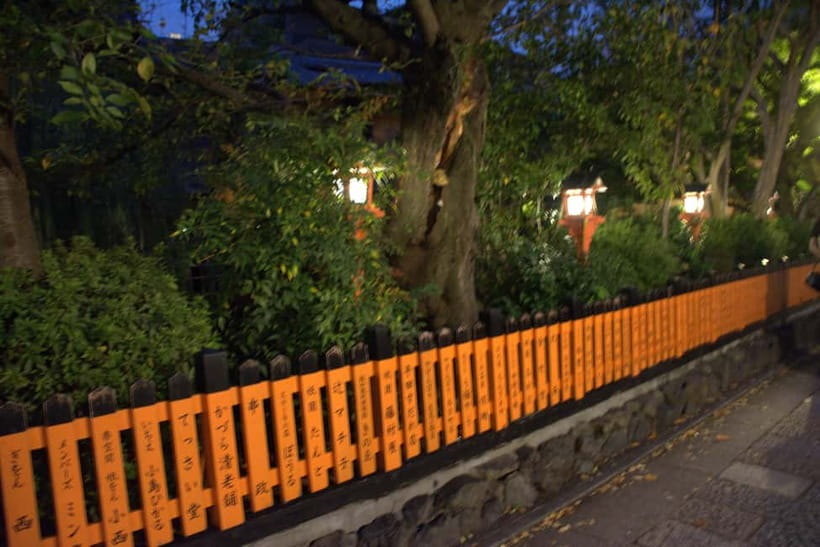
- Gion focused storytelling from a local guide, not a script read at you
- Geisha history plus the current situation of real geisha—practical and up to date
- Night timing designed for sightings, with guidance on what to do when you spot them
- Historic streets and Japanese houses you view up close on foot
- Photo shoot included, so your night photos feel intentional, not accidental
- Questions welcome and answered in plain English
Gion at Night: Why a Guided Walk Helps You “Get It”
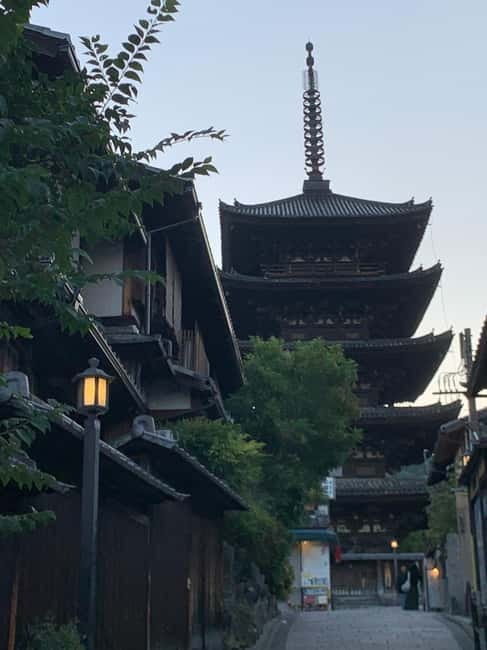
Kyoto’s Gion is famous for a reason, but at night it can also feel like you’re watching a movie set through a foggy window. This tour helps you connect the scenery to the human story—how geisha fit into Gion, how the district developed, and what you should understand before you start taking photos or calling out.
I especially like that the tour doesn’t treat geisha as costume props. You’re given real background—history of Gion and geisha—then you’re updated on the current situation of actual geisha. That combination matters. It turns your walk from sightseeing into understanding.
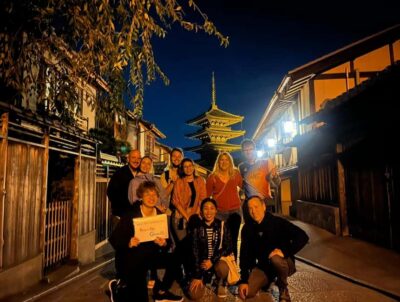
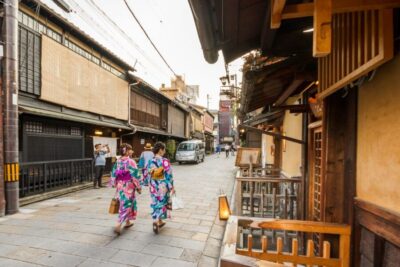
More evenings along the lantern-lit lanes of Gion


Meeting Point at Keihan Railway Exit 5 (and Why That Matters)
You’ll start at a man’s stone statue at the Keihan Railway, exit number 5. The end point is back at the meeting spot, which keeps logistics simple after dark—no mystery transfers, no “now find the train yourself” stress.
Practical tip: night walks in Kyoto move at a human pace. Wear shoes you can keep on for a couple of hours without thinking about your feet. This tour requests comfortable shoes and comfortable clothes, and you’ll be glad you listened.
The Streets and Historic Houses You’ll See Along the Way
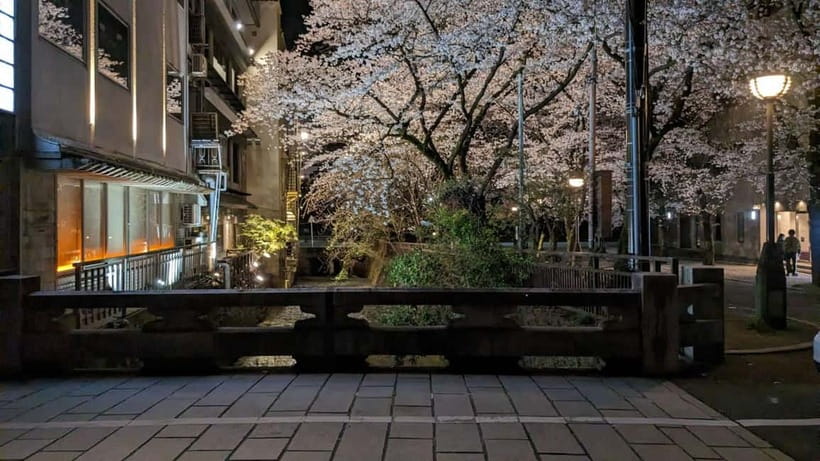
This is a strolling tour through Gion and the geisha district, timed for the period when geisha are most likely to be seen. You’ll walk past historic Japanese houses and streets, and the guide will point out what you’re looking at—so those old facades and narrow lanes stop being generic “old Kyoto” and start making sense as part of the district’s identity.
One important consideration: the tour is described as viewing streets and houses, not touring inside private homes. That’s common sense in this kind of neighborhood, and it’s also where expectations can go sideways. If you’re hoping for an inside visit, make sure you’re aligned with the idea of exterior street viewing.
Geisha Culture Lessons: More Than the Headlines
The heart of this tour is the guide’s explanation of geisha culture—what geisha are, why Gion is closely linked to them, and how the district has changed over time. You also get small facts and details that the tour promises are not found in the usual online summaries, which is exactly what you want from a guide-led experience.
What I found most useful is the way the tour connects story to behavior. It’s not just history; you’re also told precautions to take at that time of night. Since the tour is timed for higher odds of sightings, you’re essentially being prepared to observe respectfully in a real-life environment—not just learn facts in a classroom.
Also, you’ll learn about the current situation of actual geisha, not just the myth version. That’s the difference between feeling entertained and feeling informed.
Timing for Sightings: How to Think About “Maybe You’ll See One”
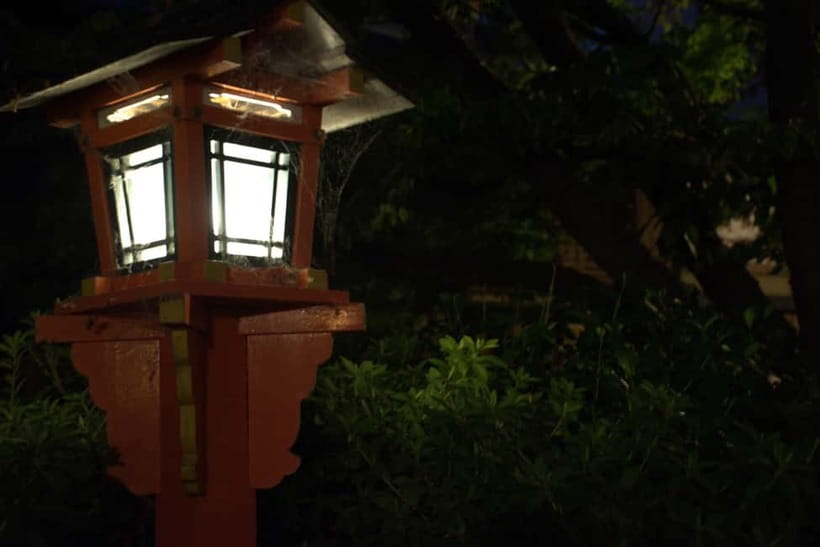
The tour is scheduled for a period when geisha are more likely to be seen, and that’s a key reason it’s worth doing rather than wandering on your own. But here’s the honest part: sightings depend on circumstances you can’t control.
So if your plan is built around one magical moment—like you’ll only feel the trip was a success if you see geisha—this may not match your style. The better approach is to treat geisha spotting as a bonus. You’re still coming for Gion’s night atmosphere, the history, and the guide’s explanation, and those land even if you don’t see anyone.
If you’re combining this with evening performances, watch the timing carefully. One guest noted that the advertised show times (6:00 and 7:00 p.m.) didn’t line up with what they expected during their tour window. If you care about seeing a performance as well as street sightings, check start times and map your evening so you don’t end up hoping the schedule works out by luck.
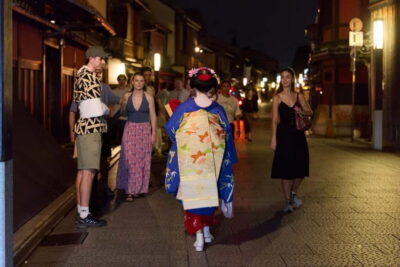
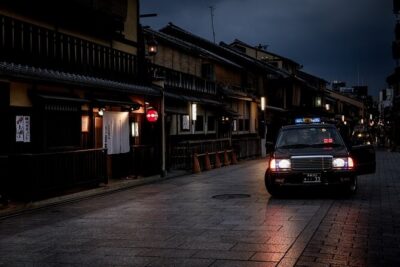
See how Kyoto shifts after dark






Photo Shoot Included: Use It Like a Tool, Not a Souvenir
This tour includes a photo shoot, which is more valuable than it sounds. In Gion at night, the light is dramatic but tricky: you need steady positioning, and you need someone to give direction so you don’t spend your best moments fumbling with your phone.
I like that the shoot is included because it removes decision fatigue. You’re not trying to figure out where the best angles are while also reading the guide’s points. You can focus on the walk, then let the photo moment happen as part of the experience.
Quick advice: keep your camera/phone charged and ready before you meet. Night photography drains batteries fast, and you don’t want to discover low power right when the guide starts the photo segment.
What the Local Guide Adds (and How That Shows Up on the Walk)
The best part of this type of tour is the human interaction. The guide isn’t just moving you from point to point; they answer questions and keep things friendly and inclusive. That matters in a place like Gion, where people often ask the same core things: what’s appropriate, what’s true, and what’s just tourist noise.
You’ll also get little-known facts—those offbeat details that don’t show up in generic Kyoto guides. Even if you’ve read about geisha before, a good guide helps you connect dots: Gion’s development, how the district functions, and what you’re seeing during your night stroll.
Price and Value: Is $27 a Good Deal?
At $27 per person, this tour sits in the “easy-to-justify” range for a guided, topic-specific evening. You’re paying for two things that are hard to replicate on your own: expert context and timing. Since the walk is designed for geisha-sighting probability, the guide is adding value by choosing when to go and by coaching you on what to do during that period.
You’re also getting an included photo shoot, which effectively boosts the value. If you’ve ever tried to hire a random photo help or squeeze photos between train stops, you know how quickly costs add up.
Is it a premium “once-in-a-lifetime” price? No. But it’s also not priced like a private driver and a custom itinerary. For most visitors, $27 is reasonable value for a focused evening with clear storytelling and practical guidance.
Who This Gion Night Walk Is Best For
This tour is a strong fit if you:
- Want a guided introduction to geisha and the history of Gion
- Enjoy walking in historic Kyoto and learning as you go
- Appreciate respectful, explained sightseeing rather than just photo chasing
- Are comfortable with a nighttime environment and can handle low walking effort
It’s also best for visitors who speak English, since that’s the listed language for the tour.
Who Should Think Twice (Practical Considerations)
This one has a few “know before you go” factors based on the tour’s own notes:
- It’s not suitable for wheelchair users.
- It’s not suitable for people with altitude sickness (even though Kyoto isn’t high altitude, the tour still states this limitation).
- You’ll want to avoid drones and alcohol/drugs, since they’re not allowed.
And remember the main expectation reality: geisha sightings are possible, but not promised. You can still have a great night if you go in for the culture lesson and the atmosphere, with sightings as the bonus prize.
Should You Book ENSHI KYOTO’s Gion Night Walk?
Yes, I’d book it if your goal is to understand Gion and geisha culture in a respectful, story-driven way. The guide-led focus on the current situation of actual geisha, plus the night timing and included photo shoot, gives you more than a generic “walk around Kyoto” plan.
I’d hesitate if you’re the type who needs a guaranteed geisha sighting or an inside house visit. Based on what you’re told to expect—viewing streets and houses—this is best approached as an education-first walk where a sighting can happen.
If you want, tell me your travel dates and what else you’ve planned for the evening (performances, dinner area, or specific show times). I can help you think through how to schedule this walk so you’re set up for the best odds and least disappointment.
FAQ
Where does the tour start?
The tour starts at the man’s stone statue at Keihan Railway, exit number 5.
Where does the tour end?
The activity ends back at the meeting point.
How much does it cost?
It’s priced at $27 per person.
What’s included?
The tour includes a photo shoot.
What language is the tour in?
The tour is available in English.
What should I bring?
Bring comfortable shoes and comfortable clothes.
What’s not allowed during the tour?
Drones are not allowed, and alcohol and drugs are not allowed.
Who is the tour not suitable for?
It is not suitable for wheelchair users, and it is also not suitable for people with altitude sickness.
Can I get a refund if my plans change?
You can cancel up to 24 hours in advance for a full refund.
More Tour Reviews in Kyoto


More of Kyoto After Dark
Still in Gion? Keep Going

Just added: more Kyoto tours to browse








Gion & Geisha District Tours, compared.
 ★ 4.7Kyoto Geisha Walking Tour: Gion District & Hidden GemsFrom $253,273 reviews
 ★ 4.9Gion Magical Night Walking Tour with Geisha TriviaFrom $242,393 reviews
 ★ 4.7Gion Geisha District Walking Tour – Stories of GeishaFrom $202,187 reviews
 ★ 4.9Best of Kyoto: Gion, Geisha, Pagodas & CobblestonesFrom $242,058 reviews
 ★ 4.5Night Walk in Gion: Kyoto’s Geisha DistrictFrom $212,003 reviews
 ★ 5.0Kyoto Night Foodie Tour in Gion (9+ dishes + 6 Sake tastings)From $1631,762 reviews
 ★ 5.0Kyoto Gion Geisha District Walking Tour – The Stories of GeishaFrom $251,441 reviews
 ★ 5.0Kyoto Gion: 2-Hour Geisha Culture & History Walking TourFrom $231,186 reviews
Browse the lists this tour appears in