
Reviewed · GION & GEISHA DISTRICT TOURS
Gion at Night: Secrets and Legends of the Geishas
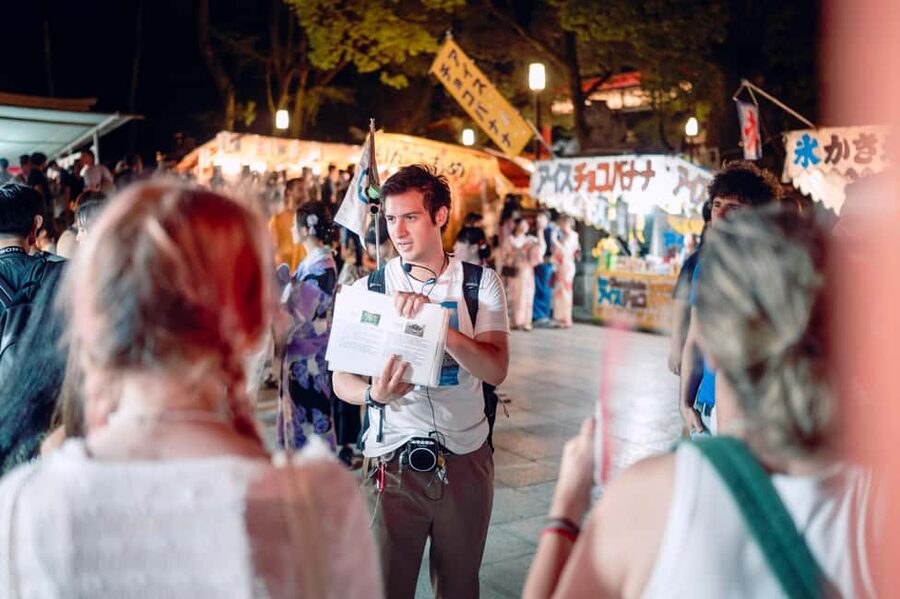
Kyoto’s lantern-lit streets feel like a film set. This is a 150-minute night tour through Gion’s best-known corners with a Spanish-speaking guide telling the stories behind geisha culture and local traditions. I like that it keeps things intimate with a max group size of 15, so you’re not just herded along with everyone else. One thing to consider: even at night, Gion can still feel busy, and I saw a note about crowds being higher than expected.
You’ll start at Minamiza Theater, then walk across Tatsumi Bridge and down Hanamikoji Street, with stops built around the neighborhood’s real rhythms. I also like that the guide is clearly focused on “what makes Gion tick” rather than only chasing photos. A possible drawback from the feedback: one person felt there was confusion around what kind of paid vs. tip-at-the-end tour they booked, so it’s smart to double-check the exact pricing model you’re selecting.
In This Review
- Key points at a glance
- First, the vibe: Gion at night is quieter, but it’s not empty
- Price and what you really get for $21
- Where you start: Minamiza Theater and the easy meeting point
- Stop by stop: what each landmark teaches you at night
- Minami-za Theater: the opening context for Gion
- Tatsumi Bridge: one of the easiest “wow” moments
- Hanamikoji Street: where the legends meet the daily street life
- Gion: the neighborhood walk where stories do the heavy lifting
- Yasaka area at night: a peaceful change of pace
- Gion Corner: traditional performances, with tickets not included
- What the guide adds: stories you can use, not just facts you forget
- Group size and pacing: why 150 minutes feels right
- Photo reality: you’ll get iconic angles, but be polite and patient
- Food, tickets, and transport: plan like it’s a walk, not a package
- Who this tour suits best
- Should you book Gion at Night: Secrets and Legends of the Geishas?
- FAQ
- How long is the Gion at Night tour?
- Where does the tour start, and how do I find the guide?
- What language is the tour guide?
- How many people are in each group?
- Is transportation included?
- Are tickets for shows included?
Key points at a glance
- Small group (max 15) keeps the pace friendly and questions actually get answered
- Spanish guide with stories about geisha traditions and Gion’s legends
- Classic nighttime landmarks: Minamiza/Minami-za, Tatsumi Bridge, Hanamikoji, and Gion Corner
- Built-in “less crowded” route aims to step away from the densest foot traffic
- No show tickets included, so you control whether you add that on separately
- Meet with a panda-logo blue flag at the Minamiza Theater for an easy start
First, the vibe: Gion at night is quieter, but it’s not empty
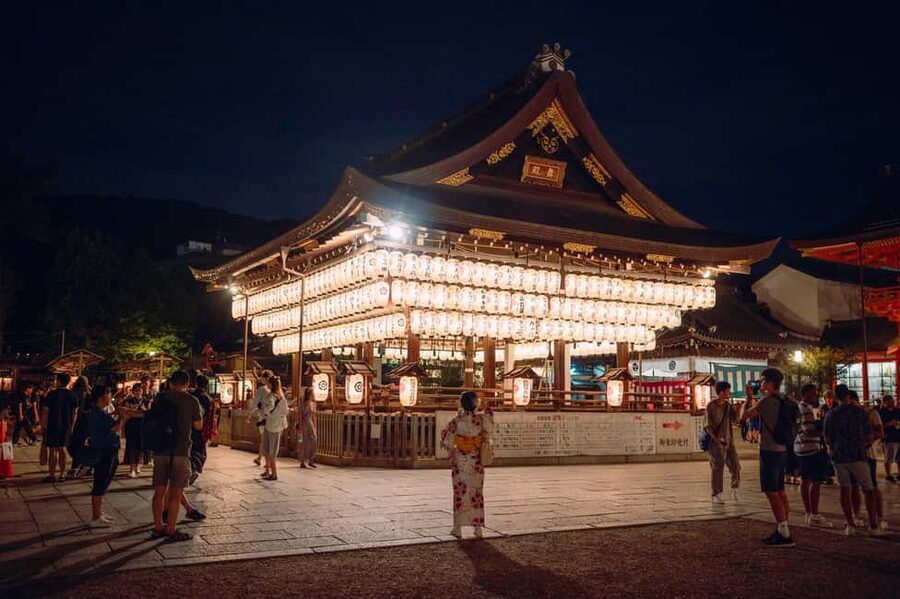
Night tours in Kyoto are popular for a reason. After dinner, the lighting changes, the streets feel narrower, and people slow down just a bit. That’s the mood this walk targets: a chill evening route that still shows you the headline sights, but tries to avoid the heaviest crowds.
The biggest “value” here is not some secret gadget. It’s the combination of time (150 minutes) and a guide who explains what you’re seeing. One Spanish-speaking guide name came up in the feedback: Sime, described as clear and excellent at managing the group. That matters, because in Gion you’re constantly making micro-decisions—where to stand, when to cross, and how to not block other pedestrians while you look around.
That said, Gion at night can still be busy. One note called it more crowded than expected. So I’d set your expectations like this: you’re likely to get a smoother experience than a daytime stampede, but you should still expect people.
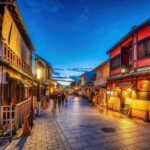
More evenings along the lantern-lit lanes of Gion


Price and what you really get for $21
At $21 per person for 150 minutes, this is positioned as a solid “guided walking” experience. You’re not paying for a luxury add-on or transportation. Instead, you’re paying for:
- a Spanish-speaking guide
- local handling and taxes included
- a structured route through key Gion landmarks
The included part that affects your decision most is the guide. When the guide is strong, you start to notice details that you’d otherwise miss—small tradition cues, the significance of specific spots, and the stories behind the neighborhood. And when the group is small (max 15), you get more real conversation and less waiting around.
One caution from the feedback: at least one person reported feeling misled about the cost structure, saying they thought it was a free tour but were charged upfront by their group. I can’t verify what happened on that specific booking, but I can say this: before you go, re-check the price details in your confirmation and make sure you understand whether anything is expected at the end beyond the advertised total. That one step can save a lot of stress.
Where you start: Minamiza Theater and the easy meeting point
Your tour begins at Minamiza Theater (Minami-za). The guide will be waiting for you with a blue flag with a panda logo, so it should be straightforward to spot them, even if you’re jet-lagged.
You’ve got a practical location anchor too: 35.0034444, 135.7724632. If you’re navigating Kyoto at night, a clear meeting point reduces that awful feeling of wandering in the dark looking for a name on a screen.
One more reality check: this meeting spot isn’t wheelchair accessible, though it is accessible for baby strollers. And since the area is close to public transport, you’re generally not locked into needing a taxi right away.
Stop by stop: what each landmark teaches you at night
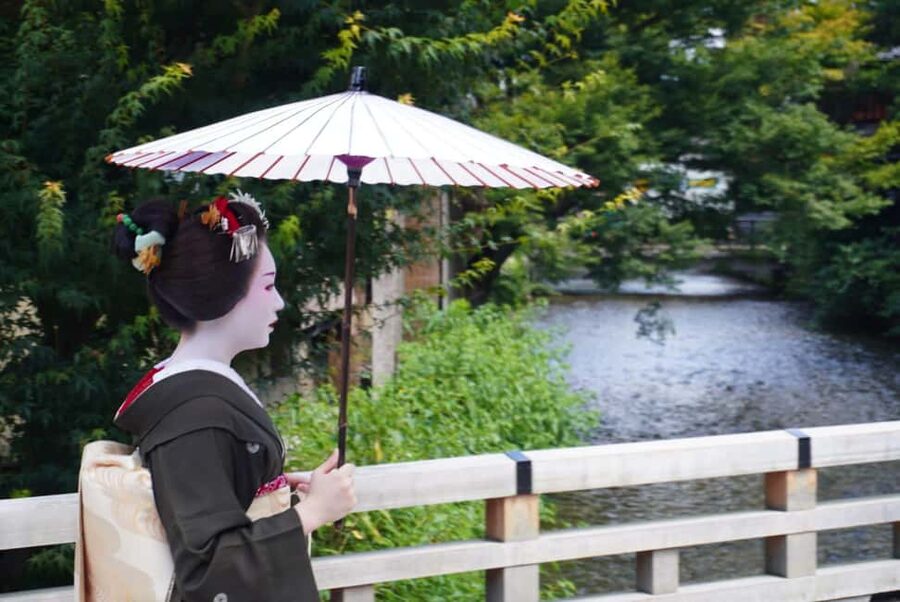
Minami-za Theater: the opening context for Gion
You’ll start with a guided visit around Kyōto Minami-za, with about 10 minutes here. This first stop is important because it sets the frame for the rest of the walk.
Why it matters: if you only see Gion as a photo location, you miss the cultural layer. Starting at a theater puts you in the right mindset—Gion isn’t just streets and lanterns. It has a performance culture, and the guide can connect that to the broader traditions you’ll hear about later.
Other Kyoto tours and experiences to compare




Tatsumi Bridge: one of the easiest “wow” moments
Next comes Tatsumi Bridge (also around 10 minutes guided). This is one of those places where the scene does half the work for you: bridges in Kyoto often look dramatic at night, and this one is also known for being photographed.
What makes it useful on a guided walk is timing and interpretation. Instead of you just snapping pictures, the guide’s stories help you understand why spots like this are part of how people imagine Gion. It also gives everyone a moment to gather as a group before heading into the narrower streets.
Hanamikoji Street: where the legends meet the daily street life
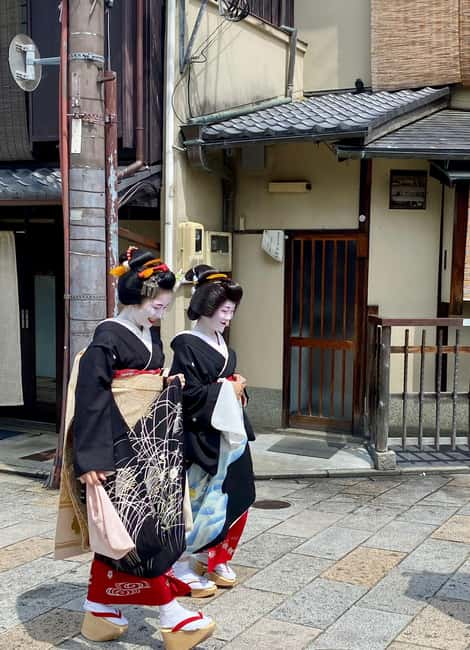
Then you’ll walk down Hanamikoji Street for about 10 minutes. This is the classic Gion street: tea houses, traditional architecture, and the alley-style feel that makes it look like you stepped into the past.
In a good tour, this is not just a stroll—it’s a lesson in how legends attach to real places. When your guide explains local traditions and geisha-related customs as you walk, you’ll start noticing small cues you might otherwise overlook.
Also, this is where crowds tend to concentrate in any Gion outing, which connects back to the “crowded” feedback I saw. Keep your expectations realistic: you’ll likely have to share space and take turns.
Gion: the neighborhood walk where stories do the heavy lifting
After Hanamikoji, you spend time on Gion itself (another 10 minutes guided). This is the flexible middle stretch where the tour can feel most personal—because you’re no longer only at iconic backdrops. You’re moving through the neighborhood’s actual vibe.
This is where a strong guide earns their pay. One reviewer highlighted that Sime was excellent at leading and keeping things clear. That kind of guide presence helps you stay oriented without rushing, and it makes the history feel like something you can follow instead of a lecture you can’t keep up with.
Yasaka area at night: a peaceful change of pace
The overall tour description specifically calls out the magic of heading to Yasaka Shrine, lit up and peaceful at night. You’ll see this as part of the “night calm” arc—often the feeling in Kyoto is that the closer you get to shrine areas, the more the energy shifts from street activity to quiet.
Even if you’re mostly here for geisha culture, this stop adds balance. It gives your eyes a break and helps you experience how the neighborhood changes tone after the most famous streets.
(There’s one small mismatch to note: the itinerary ends at Gion Corner. In practice, that usually means Yasaka Shrine and Gion Corner are both part of the evening route, with your final stop being the theater/show venue area.)
Gion Corner: traditional performances, with tickets not included
Your tour’s finish is Gion Corner. It’s described as a place where traditional shows are held. This is a key point for planning: the tour does not include tickets to shows or any private tea-house experiences.
So what do you do with Gion Corner? Think of it as two possible moments:
- You can use it as a strong final “cultural anchor,” with context from your guide as you arrive.
- If you want a show, you’ll need to purchase tickets separately (since they’re not included).
Either way, it’s a good way to end. You’ve spent the evening learning the stories behind Gion; finishing at a venue built for traditional performances helps everything click.
What the guide adds: stories you can use, not just facts you forget
The headline promise is stories and local traditions. The practical result is that you’ll come away with a better mental map of what you saw.
The tour includes explanations about geishas and local customs, and the feel is meant to be fun and relaxed rather than stiff. The Spanish language also matters for value: your guide speaks Spanish fluently, so you’re not relying on a few English sentences while everyone nods.
One small extra detail from the tour info: some content is shown in its original language. That’s normal in Japan—signs, show elements, or venue details might be in Japanese. If you don’t read Japanese, don’t worry. Your guide should help you understand what you’re looking at and what it means.
Group size and pacing: why 150 minutes feels right
A 150-minute walking tour gives you time to see multiple zones without turning it into a marathon. You also don’t have huge “dead time” between stops since the itinerary uses short, guided segments (often around 10 minutes each).
With a max of 15 people, you should get enough attention to ask questions and keep your place in the route. That’s also why this can work better than some big group tours: you spend less time waiting for everyone to catch up.
Photo reality: you’ll get iconic angles, but be polite and patient
This tour includes multiple widely photographed spots: Tatsumi Bridge and the classic Hanamikoji lanes. You should expect great evening lighting and scenery that reads well in photos.
But remember the “crowded than expected” warning. If you’re planning to shoot photos, keep your expectations aligned with reality: you may have to stand aside to let people pass, and you’ll likely wait for moments when the street clears for a clean shot.
Food, tickets, and transport: plan like it’s a walk, not a package
A few practical limits matter here:
- No food or drinks are included
- No show tickets (or private tea house tickets) are included
- Transportation to and from the meeting point is not included
So I’d do this before you meet: have something to eat nearby, and come with your “walking legs” sorted. Since the tour doesn’t include drinks, I’d plan to get water on your own if you need it.
If you’re the type who wants to end the evening with a performance, keep a little extra budget ready for Gion Corner tickets since they’re not part of the package.
Who this tour suits best
This one fits best if you:
- want a night experience in Gion rather than daytime sightseeing
- like the idea of a Spanish-guided cultural walk
- care about context and stories more than only ticking off landmarks
- prefer smaller groups (max 15) and a smoother pace
It may not be ideal if you:
- hate crowds in general, because Gion can still be busy even at night
- get uncomfortable with uncertainty around pricing formats (double-check your booking details if you’re worried about the “tip vs. fixed price” question raised in feedback)
Should you book Gion at Night: Secrets and Legends of the Geishas?
I’d book it if your goal is to experience Gion as a living neighborhood with guided storytelling, not just a set of postcards. The itinerary hits the right landmarks—Minami-za, Tatsumi Bridge, Hanamikoji, and the evening finish at Gion Corner—and the Spanish-speaking guide is the engine that makes it meaningful.
Before you commit, do two quick sanity checks:
1) Confirm exactly what you’re paying for up front in your booking details, so you don’t end up with a cost-surprise at the end.
2) If you’re crowd-sensitive, remember the feedback about being more crowded than expected and choose your expectations accordingly.
If that sounds fine, this is a good value way to see Kyoto’s geisha-era atmosphere at night—with a guide who can help you understand what you’re looking at as you walk.
FAQ
How long is the Gion at Night tour?
The tour lasts 150 minutes.
Where does the tour start, and how do I find the guide?
The meeting point is Minamiza Theater. The guide will be waiting with a blue flag that has a panda logo. The coordinates given are 35.0034444, 135.7724632.
What language is the tour guide?
The tour guide speaks Spanish fluently.
How many people are in each group?
The tour has a maximum of 15 travelers.
Is transportation included?
No. Transportation to and from the meeting point is not included.
Are tickets for shows included?
No. Tickets to shows or private tea houses are not included, including at Gion Corner.
More Evening Experiences in Kyoto
More Tour Reviews in Kyoto




Still in Gion? Keep Going

Just added: more Kyoto tours to browse








Gion & Geisha District Tours, compared.
 ★ 4.7Kyoto Geisha Walking Tour: Gion District & Hidden GemsFrom $253,273 reviews
 ★ 4.9Gion Magical Night Walking Tour with Geisha TriviaFrom $242,393 reviews
 ★ 4.7Gion Geisha District Walking Tour – Stories of GeishaFrom $202,187 reviews
 ★ 4.9Best of Kyoto: Gion, Geisha, Pagodas & CobblestonesFrom $242,058 reviews
 ★ 4.5Night Walk in Gion: Kyoto’s Geisha DistrictFrom $212,003 reviews
 ★ 5.0Kyoto Night Foodie Tour in Gion (9+ dishes + 6 Sake tastings)From $1631,762 reviews
 ★ 5.0Kyoto Gion Geisha District Walking Tour – The Stories of GeishaFrom $251,441 reviews
 ★ 5.0Kyoto Gion: 2-Hour Geisha Culture & History Walking TourFrom $231,186 reviews
Browse the lists this tour appears in