
Reviewed · KYOTO BUS & SIGHTSEEING TOURS
Full Day Hiroshima and Miyajima Bus Tour
Hiroshima hits hard, Miyajima feels like a reset. This full-day bus tour pairs Peace Memorial Museum time with the iconic “floating” Great Torii photo stop, plus convenient transport so you don’t have to stitch together transit. What I like most is the focused pace—about 90 minutes at the museum—and the way the free time on Miyajima lets you choose your own meal. One possible drawback: it’s a long day with no lunch included, and some stretches of walking can be tough if you’re not steady on your feet.
The tour runs on an air-conditioned bus with an English-speaking guide, and you’ll get included entry for the big sites plus ferry tickets to Miyajima. If you choose the Kyoto or Osaka plan, you also get round-trip Shinkansen tickets with boarding help at the station—but the staff won’t ride the train with you. That means you get convenience at the start, then you manage your train legs like a pro.
In This Review
- Key Points I’d Plan Around
- A Full-Day Bus Run That Actually Makes Sense (Approx. 12 Hours)
- Price and What $111.05 Buys (Value, Not Just Cost)
- Kyoto or Osaka Options: Shinkansen Tickets, But No Train Buddy
- Getting Your Bearings in Hiroshima (Castle by Bus Window)
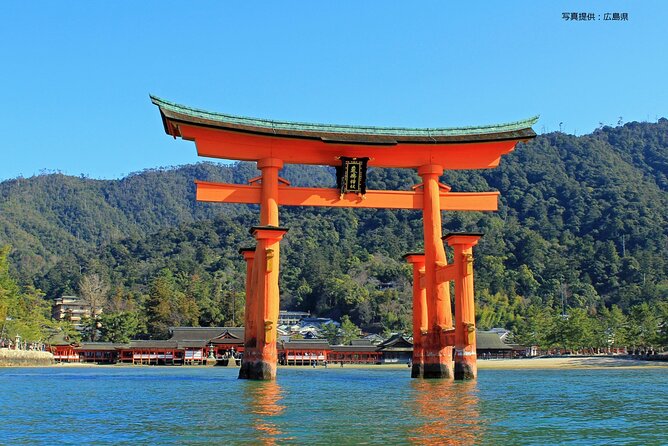
- Ferry to Miyajima: When the Torii Turns Into Your Best Photo
- Itsukushima Jinja in 60 Minutes: Enough Time to Feel It
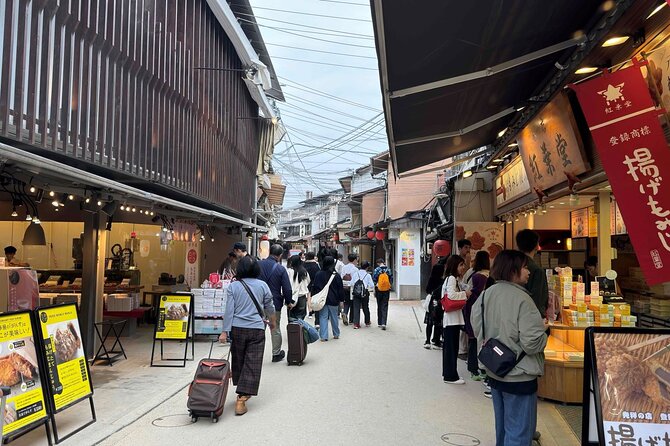
- Omotesandō Shopping Street: Meal Freedom for 90 Minutes
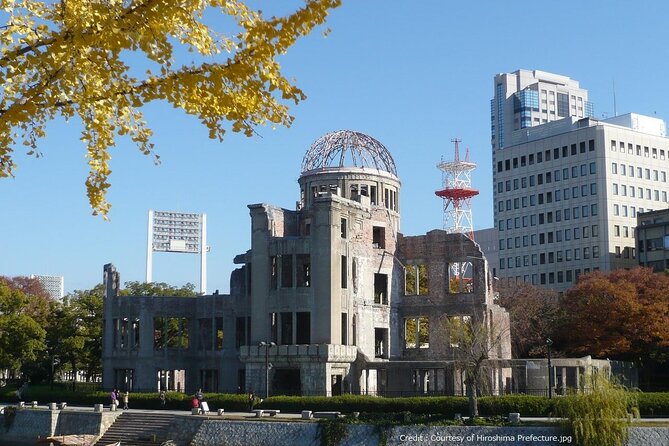
- Atomic Bomb Dome and Peace Memorial Park: Plan for Heavy Feelings
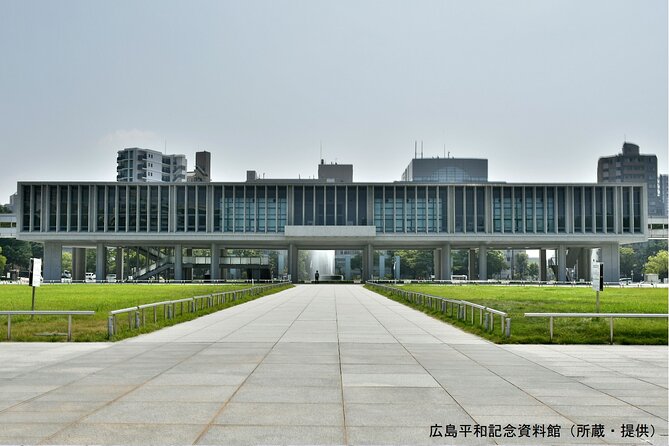
- The Peace Memorial Museum: 90 Minutes That Actually Covers the Story
- The Pace Check: Where Time Goes During the Day
- Who Should Book This Tour (and Who Might Feel It’s Too Much)
- Should You Book This Hiroshima and Miyajima Bus Tour?
- FAQ
- What’s the duration of the Full Day Hiroshima and Miyajima bus tour?
- Is lunch included?
- Do I need to buy ferry tickets to get to Miyajima?
- How much time do I get at the Peace Memorial Museum?
- Are entrance fees included for Itsukushima Jinja and the museum?
- Is there an English-speaking guide?
- If I book from Kyoto or Osaka, does it include Shinkansen tickets?
- What if the weather is bad?
Key Points I’d Plan Around
- About 90 minutes at the Peace Memorial Museum makes this feel purposeful, not rushed.
- Ferry tickets are included so the Miyajima crossing is painless and time-friendly.
- Omotesandō free time (90 minutes) lets you eat on your own schedule near the action.
- Shrine entry is included for Itsukushima Jinja, so you’re not hunting tickets at the gate.
- No lunch is included, so bring a snack plan or plan to buy food on Miyajima.
A Full-Day Bus Run That Actually Makes Sense (Approx. 12 Hours)
This is the kind of day trip that fits people who want the main hits—Hiroshima’s memorial sites and Miyajima’s famous shrine—without spending your whole trip solving train connections. You’ll be moving a lot, but the plan is built around set stops and guided timing, which helps more than you’d think when you’re crossing busy cities.
You should expect a long day that starts early and ends around 18:00. If you’re the type who likes slow mornings and lots of flexibility, this might feel like a sprint. If you want structure and you’re okay with downtime between major stops, it’s a solid format.
Loop the big Kyoto sights in one run



Price and What $111.05 Buys (Value, Not Just Cost)
At $111.05 per person, the value comes from the mix of transport and paid access. You’re not only paying for a guide and bus—key admissions are included: the Peace Memorial Museum and Itsukushima Jinja, plus ferry tickets to and from Miyajima.
The day also includes a ferry route timed for sightseeing, not just transit. When you add up entrance fees and the cost/effort of getting to Miyajima, the price starts to look less like a premium and more like a “save your brain” package.
Two things to factor in: no lunch and the reality of a long day. If you’d rather have a catered lunch or you want lots of spare time, you may feel the trade-off.
Kyoto or Osaka Options: Shinkansen Tickets, But No Train Buddy
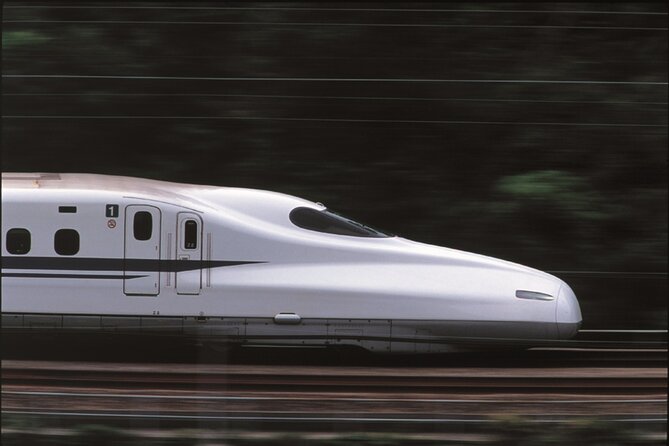
If you’re booking the Kyoto or Osaka versions, the package includes round-trip Shinkansen tickets, and staff will help you at Kyoto Station or Shin-Osaka Station with boarding guidance. But they won’t accompany you on the train.
That setup is great for confidence on the platform—especially if you’re new to Japan’s rail flow—while still keeping the day simple. The practical takeaway: know which train you’re taking and be at the meeting point in time. Once you’re on the Shinkansen, this becomes your moment to handle your own seat and transfers.
Also note the early departures: Kyoto is listed around 8:03 AM, and Shin-Osaka around 8:18 AM. Planning-wise, that means you’ll want to be ready the night before—especially if you’re staying in Kyoto near the station.
Getting Your Bearings in Hiroshima (Castle by Bus Window)
Once the group meets at Hiroshima Station (North Exit area on the second floor), the day starts with a quick city-view stop at Hiroshima Castle. You won’t be doing a big walk here; you’re mainly enjoying the scenery from the bus.
This short moment is more about orientation than deep sightseeing. It’s useful if this is your first time in the area, because it helps you connect the city layout before heading toward the memorial sites later.
If you’re hoping for an in-depth castle visit, adjust expectations. This isn’t that kind of stop, and the time is better spent later at the places with admissions and meaning.
Ferry to Miyajima: When the Torii Turns Into Your Best Photo
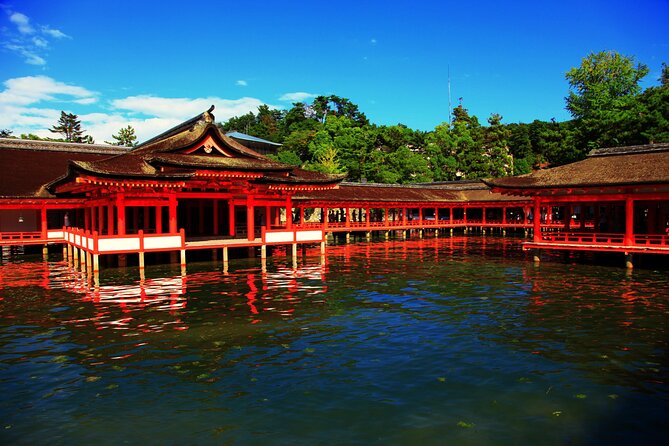
The tour includes a ferry ride from the Miyajimaguchi ferry terminal to Miyajima, with your ticket already handled. This is one of the day’s easiest wins: you get a scenic transition to a place that feels like another world once you’re off the water.
The highlight is the photo opportunity around the iconic Great Torii described as the famous floating gate. Even if you’re not a serious photographer, you’ll have enough moment to grab a few angles and get oriented. The tour’s timing is built to make this feel like sightseeing, not a rushed commute.
Practical tip: dress for outdoor time during the ferry and around the waterfront. Even in an air-conditioned day plan, you’ll be outside at least a little, and you’ll feel it.
Go further: Hiroshima and the floating Miyajima torii
Itsukushima Jinja in 60 Minutes: Enough Time to Feel It
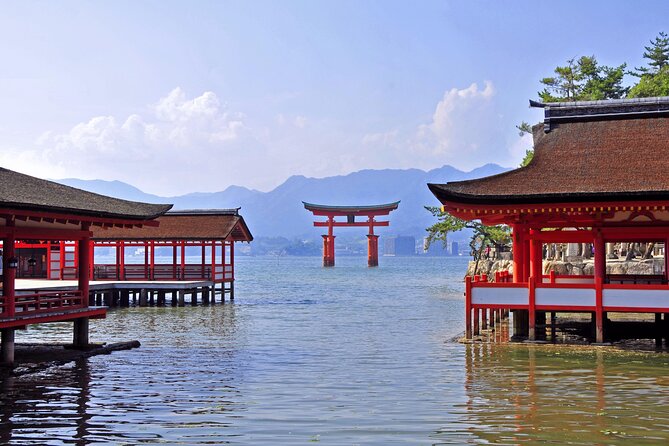
At Itsukushima Jinja, the tour includes admission and gives you about 60 minutes. That’s short, but it’s a reasonable window for a first visit, especially when the group schedule moves you along.
This is the place where you see the site in motion: pathways, shrine views, and the water-adjacent setting that makes the Great Torii so recognizable. The goal here isn’t to do a checklist so much as to take in the atmosphere and get a feel for why this area is so celebrated.
Your best strategy in the time limit is to decide early what matters most to you. If photos are the priority, use the first part of the hour for your main shots. If you prefer quieter viewing, slow down after you’ve gotten the iconic angle.
Omotesandō Shopping Street: Meal Freedom for 90 Minutes
Then comes the best kind of free time: 90 minutes on Miyajima Omotesandō Shopping Street. There’s no set menu waiting for you. Instead, you can buy your own meal from local eateries.
I like this arrangement because it solves the biggest problem on day tours: food stress. You can pick something filling, snack your way through, or just grab a simple meal that matches what you’re hungry for at that moment. Since lunch isn’t included in the tour, this stop matters.
Just don’t treat it like endless wandering time. Ninety minutes moves quickly once you start eating and walking. If you want time for photos after your meal, head toward the ferry return path earlier rather than later.
Atomic Bomb Dome and Peace Memorial Park: Plan for Heavy Feelings
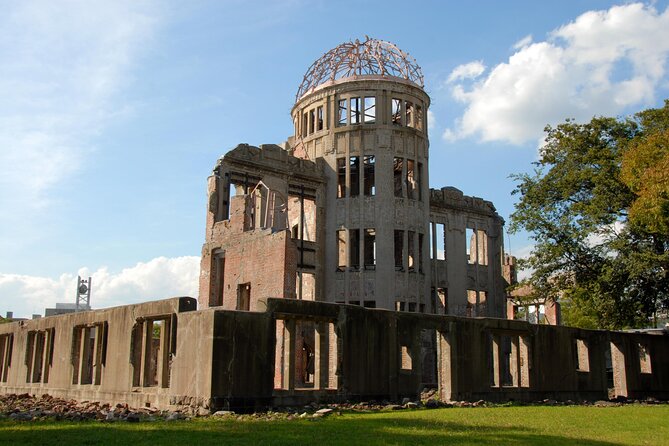
After Miyajima, the day turns serious in a way you can’t really speed through. You’ll visit the Atomic Bomb Dome and Hiroshima Peace Memorial Park for about 60 minutes.
The tone here is different from the shrine and shopping street. It’s quieter, more reflective, and the setting is emotionally intense. I found that the value of having a guided schedule is simple: it helps you arrive ready to pay attention instead of trying to guess what to do when you’re standing in front of something so significant.
Wear shoes you can stand in and plan for slow moments. You’ll want a bit of space in your head, not constant rushing.
The Peace Memorial Museum: 90 Minutes That Actually Covers the Story
Next is the Peace Memorial Museum with about 90 minutes on-site, and the museum admission is included. This is the heart of the “why” part of the trip, and the time allocation makes a difference.
Ninety minutes is enough to do more than skim. You can read key sections, connect the context, and still have time to reflect before you move on. That balance matters, because memorial sites aren’t where you want to burn through content like a line at a theme park.
This is also where an English-speaking guide can help most. A good guide doesn’t just recite facts—they point out what to notice so the museum makes sense as you go.
The Pace Check: Where Time Goes During the Day
Here’s how the schedule “feels,” realistically:
- A lot of transit time between cities and viewpoints, since you’re using a bus for Hiroshima-area movement.
- A meaningful chunk at the memorial sites (Atomic Bomb Dome/Peace Park, then the museum).
- A shrine-and-photo segment on Miyajima that’s intentionally short but iconic.
- A flexible meal stop that helps you handle lunch since none is included.
So yes, it’s packed. But the packing is deliberate: it prioritizes the museum and shrine moments that most visitors came for.
If you’re thinking of this tour as a photography day plus a history day, you’ll be glad the schedule doesn’t force you to spend the museum time on something like lunch logistics.
Who Should Book This Tour (and Who Might Feel It’s Too Much)
This tour is a good fit if you want:
- A guided, structured day with major Hiroshima and Miyajima sights covered
- Convenient transport that reduces decision fatigue
- Enough time to take in the Peace Memorial Museum without cutting it to ten minutes
It’s also listed as “most travelers” can participate, but it’s not recommended for those who have difficulty walking for long periods of time. Even with buses and fixed stops, you’ll still be on your feet at the shrine and at the memorial areas.
If you’re sensitive to emotional content or you’re prone to getting overwhelmed, you might want to approach the memorial portion with a plan—like slowing down your pace and using breaks when you can.
Should You Book This Hiroshima and Miyajima Bus Tour?
If your priority is a one-day hit list—Peace Memorial Museum + Atomic Bomb Dome area + Itsukushima Jinja + Great Torii photos—this tour is a strong choice. The biggest strengths are the included admissions and ferry, the time at the museum, and the practical free meal window on Miyajima.
I’d book it if you:
- Want an English-speaking guide and a clear schedule
- Prefer having key logistics handled (ferry tickets, admissions, bus)
- Can handle a long day and some walking
I’d think twice if you:
- Need lunch included in the package (you’ll be buying it yourself)
- Struggle with longer walking segments
- Hate rigid timing for the places that take your attention, like memorial sites
FAQ
What’s the duration of the Full Day Hiroshima and Miyajima bus tour?
The tour runs for about 12 hours.
Is lunch included?
No. Lunch is not included, and you’ll have free time on Miyajima where you can purchase your own meal.
Do I need to buy ferry tickets to get to Miyajima?
No. Ferry tickets to and from Miyajima are included.
How much time do I get at the Peace Memorial Museum?
You’ll have about 90 minutes at the museum.
Are entrance fees included for Itsukushima Jinja and the museum?
Yes. Entrance fees for Itsukushima shrine and the Hiroshima Peace Memorial Museum are included.
Is there an English-speaking guide?
Yes. The tour is conducted by an English-speaking guide only.
If I book from Kyoto or Osaka, does it include Shinkansen tickets?
Yes for the Kyoto or Osaka options: round-trip Shinkansen tickets are included, and staff will help with boarding at the station, but they won’t accompany you on the train.
What if the weather is bad?
The experience requires good weather. If it’s canceled due to poor weather, you’ll be offered a different date or a full refund.
More Tour Reviews in Kyoto




More Hiroshima and Miyajima Trips
More Kyoto Sightseeing Loops
Just added: more Kyoto tours to browse








Kyoto Bus & Sightseeing Tours, compared.
 ★ 5.0PERFECT KYOTO 1-Day Bus TourFrom $12913,518 reviews
 ★ 4.8Fushimi Inari, Kinkakuji, Bamboo Grove 1 Day Bus TourFrom $1224,316 reviews
 ★ 4.9Best of Kyoto: Gion, Geisha, Pagodas & CobblestonesFrom $242,058 reviews
 ★ 3.9Hop-on Hop-off Sightseeing Bus TicketFrom $272,034 reviews
 ★ 5.0Private Kyoto Tour with a Local, Highlights & Hidden Gems, PersonalisedFrom $1021,543 reviews
 ★ 4.7Kyoto/Osaka: Nara, Fushimi Inari Taisha, Arashiyama Bus TourFrom $521,275 reviews
 ★ 5.010 Must-see Spots in Kyoto One Day Private Tour (up to 7 people)From $1791,108 reviews
 ★ 4.5One-Day Tour of Kyoto’s Highlights from Osaka/KyotoFrom $661,092 reviews
Browse the lists this tour appears in