
Reviewed · WORKSHOPS
Fish Cutting workshop in Kyoto Japan
Cut fish like a local in Kyoto’s market.
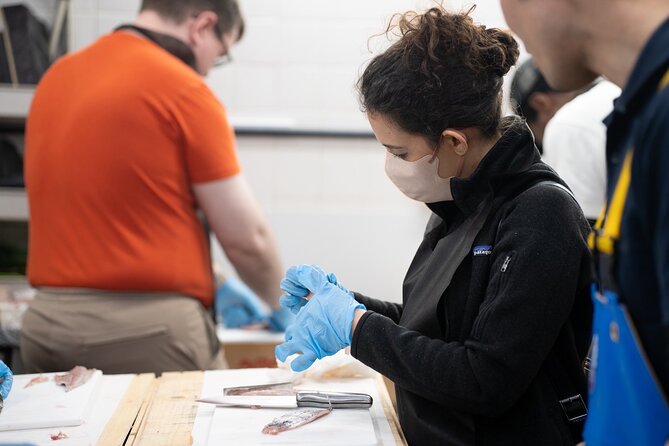
This hands-on class teaches raw fish prep for sashimi, then lets you taste your work right away with a small-group setup in a working fish space.
I love the step-by-step supervision—you learn how to handle fish first, not just how to slice it. I also like that the pace stays relaxed while you practice and ask questions, which makes a real difference when you’re working with something as delicate as raw sashimi.
One thing to consider: you’ll handle knives, so the experience asks you to skip children under 8 and take the safety instructions seriously.
In This Review
- Key Highlights You’ll Care About
- Kyoto Fish Cutting Class: Why This Beats Watching Sushi Being Made
- Price and Group Size: The Value Math Actually Makes Sense
- Meeting Point at Kimura Fresh Fish: Market Energy Without the Chaos
- What You’ll Do: Fish Handling First, Then Cutting Your Own Sashimi
- Step 1: Handling the fish safely
- Step 2: Cutting into sashimi-ready pieces
- Step 3: Answering questions in real time
- The Part Everyone Remembers: Lunch You Actually Made
- Knife Skills You’ll Keep Using After Kyoto
- Who Should Book This (And Who Might Want a Different Class)
- Practical Tips Before You Go (So You Don’t Waste a Minute)
- A Note on Comfort With Raw Fish
- Should You Book the Fish Cutting Workshop in Kyoto?
- FAQ
- FAQ
- Where does the fish cutting workshop start?
- What time does the class start?
- How long is the workshop?
- How much does it cost?
- What’s included in the price?
- Is private transportation included?
- How many people are in the class?
- Do I need a printed ticket?
- Are children allowed to participate?
- What’s the cancellation policy?
- What happens during the class?
Key Highlights You’ll Care About
- Small group size (max 6) keeps questions fast and personal
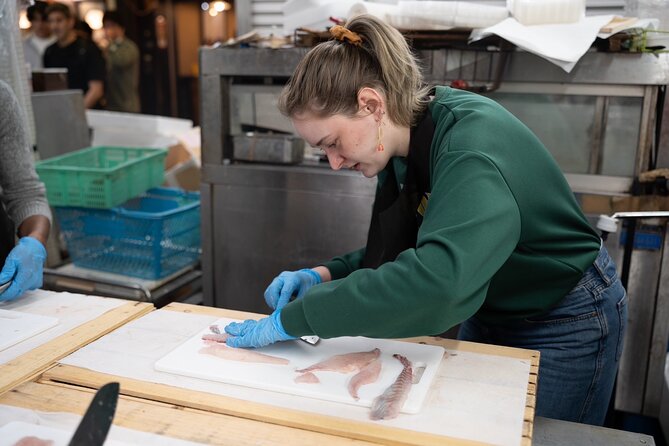
- Cut sashimi pieces yourself, then eat them for lunch
- Hands-on knife guidance starts with safe fish handling
- Techniques passed down for generations from a long-time fishmonger
- Fresh market setting at Kimura Fresh Fish makes the lesson feel real
- Lunch included, so you don’t leave hungry after all that work
Kyoto Fish Cutting Class: Why This Beats Watching Sushi Being Made
Kyoto makes it easy to eat well. But this is different. You’re not just ordering sashimi and hoping it tastes great—you’re learning how to prepare raw fish so it tastes great, because you handled it.
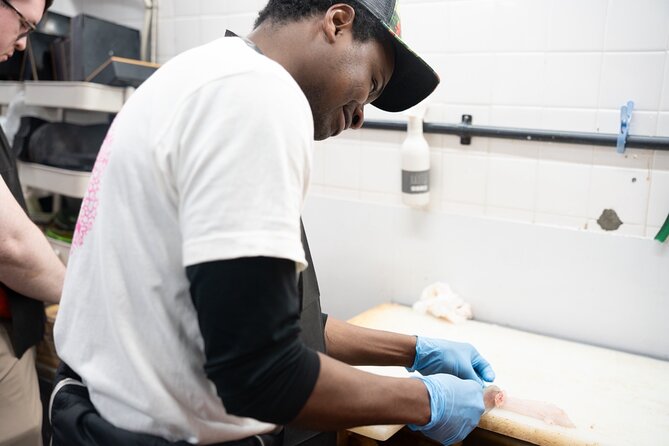
The heart of the experience is the combination of skill and payoff. The instructors teach basic Japanese fish processing, then you do the cutting yourself. By the time lunch arrives, you’re eating something you made, not something you bought. That changes how you pay attention, how you understand texture and smell, and how you remember the details.
Other Kyoto tours and experiences to compare

Price and Group Size: The Value Math Actually Makes Sense
At $98.53 per person for about 2 hours 30 minutes, it isn’t a bargain like a street snack crawl. But it’s not overpriced either, because you’re paying for (1) direct coaching, (2) fresh ingredients, and (3) lunch that’s tied directly to your work.
The class caps at 6 travelers, and that matters. When the group is small, you don’t get rushed, and you don’t have to wait until the end to fix a mistake. You also tend to get more practical feedback on things like grip, knife angle, and how to handle the fish without damaging it.
There’s also a timing reality. The average booking window is about 48 days in advance, which hints that this sells out. If you’re serious about doing it, plan ahead rather than hoping for walk-up luck.
Meeting Point at Kimura Fresh Fish: Market Energy Without the Chaos
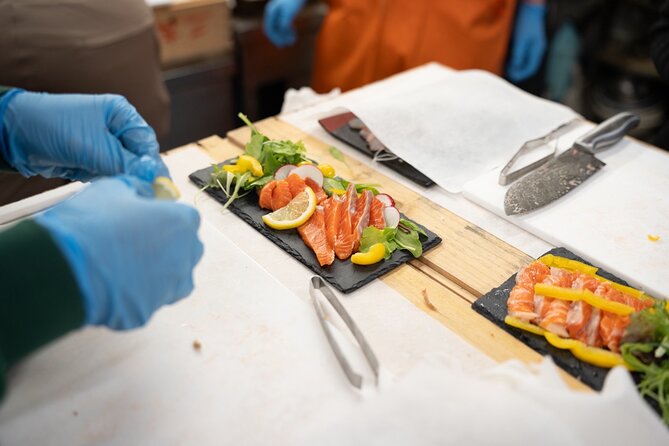
You meet at Kimura Fresh Fish in Kyoto (483 Nakauoyachō, Nakagyo Ward). The start time is 10:00 am, and the activity ends back at the meeting point.
This matters for two reasons. First, a market location keeps the class grounded. You’re learning in the context where fish handling is part of daily life, not in a classroom far from reality. Second, the lesson is close to public transportation, so you’re less likely to burn half the morning in transit.
You’ll also use a mobile ticket, which is simple if you’re already running a phone-based itinerary in Japan. Come with time to get your bearings, but don’t stress—this is built for people who have never done fish cutting before.
What You’ll Do: Fish Handling First, Then Cutting Your Own Sashimi
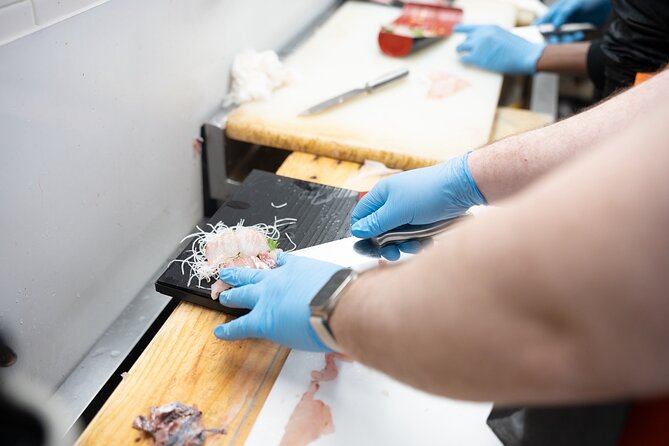
Here’s the structure that makes this class work even if you’re a total beginner: you learn fish handling before you start cutting.
You’re taught by a historic fishmonger associated with a 400-year history, with specialist technique supported by experience in a fish shop for over 20 years. That kind of long practice shows in the way instruction is delivered—less guesswork, more specific correction.
Step 1: Handling the fish safely
Before the knife comes out, the instructors focus on basic handling. That’s the part that helps you participate even if fish is new to you. It’s also the part that reduces fear. You’re not thrown into cutting immediately; you’re guided through how to hold, position, and treat the fish properly.
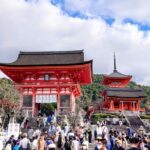

Step 2: Cutting into sashimi-ready pieces
Then it’s your turn. You’ll cut the fish into three pieces yourself. Expect careful teaching, not just a one-time demo. The class is designed so you can learn the technique and still feel supported while you practice.
Step 3: Answering questions in real time
The small group size makes a difference here. If you’re worried about smell, texture, or what you’re supposed to do next, you can ask immediately. One of the strongest themes from the experience is how quickly instructors respond and how closely they watch your cuts.
The Part Everyone Remembers: Lunch You Actually Made
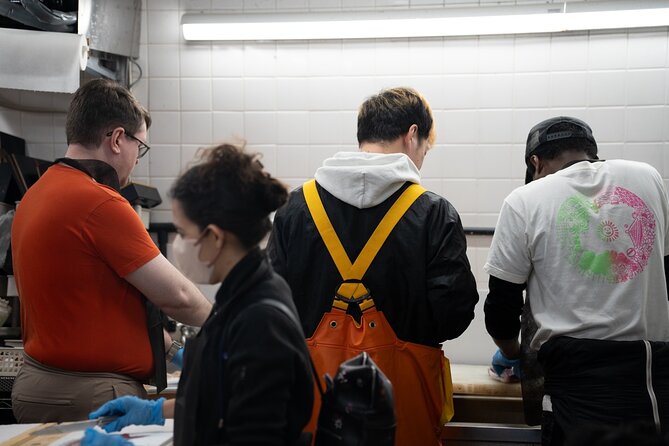
This is one of those experiences where the “eat at the end” line is not filler. The included lunch is the point.
After you process the fish, you eat what you prepared as sashimi. That means you get a direct feedback loop: you cut it, you learn, and you taste the result.
And yes, there’s a practical reason this works. Since lunch is included and tied to your work, you avoid that annoying travel-class problem where you’re stuck holding a knife through the lesson and then can’t find food nearby afterward. Here, you’re fed before you leave.
Freshness also matters. You’re working with fish that’s treated like something delicate and valuable, not a prop. The instructors guide you through handling so the end result is enjoyable, not stressful.
Knife Skills You’ll Keep Using After Kyoto
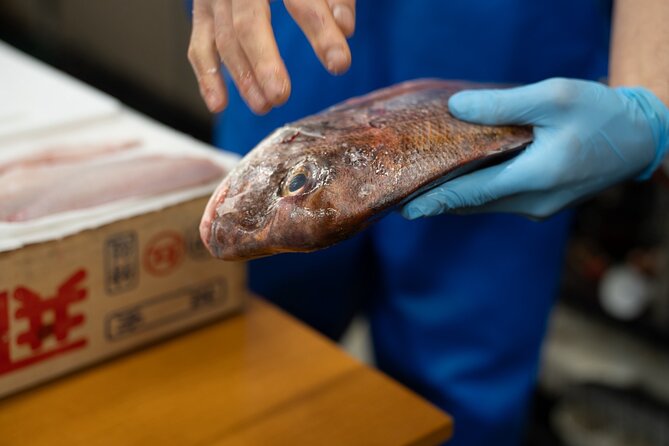
Even if you never plan to cut raw fish at home, you’ll take away useful skills.
People who like cooking tend to rate this highly because it’s not vague. You get step-by-step demonstrations, then watchful supervision when it’s your turn. That combo improves your knife instincts: where your hands should be, how to keep your motion controlled, and how to think about precision rather than speed.
Also, the class tends to be relaxed. You learn in a calm environment, and conversation is part of the atmosphere. That’s not just friendly—it’s helpful, because it gives you chances to ask what you should look for in fish quality and technique.
Who Should Book This (And Who Might Want a Different Class)
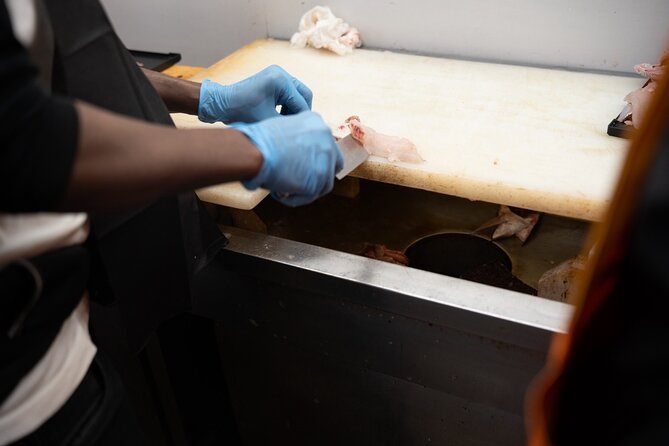
This is ideal for you if:
- you like cooking and want real technique, not a tasting-only experience
- you want a hands-on activity in Kyoto that feels tied to daily life
- you’re curious about how sashimi texture and cutting style affect what you taste
You might reconsider if:
- you’re uncomfortable handling knives or raw fish, even with careful instruction
- you’re traveling with kids who don’t meet the no under-8 guidance
- you only want a low-effort activity—this is practical work, even though the instructors keep it manageable
If you’re the type who usually sticks to tourist-friendly food experiences, this class is a great upgrade. It turns sushi interest into understanding.
Practical Tips Before You Go (So You Don’t Waste a Minute)
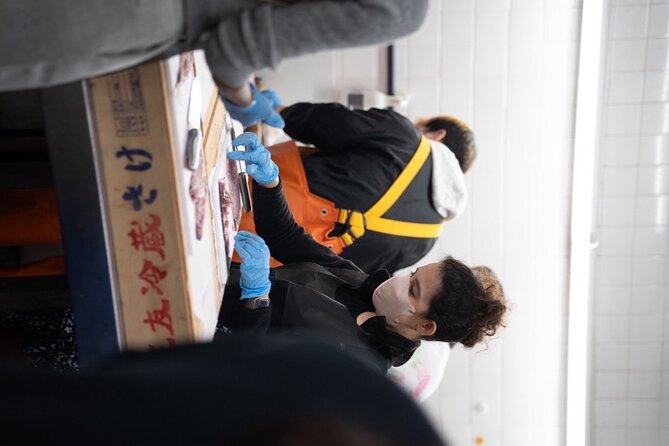
A few smart moves make the class easier:
- Go ready to eat what you prepare. Come hungry in the best way. The lunch is included and it’s part of the learning loop.
- Be serious about safety. You’ll use knives, so listen closely when handling is taught.
- Ask questions early. If something feels unclear during your turn, raising your hand right then helps you correct fast.
- Don’t rush your cuts. In this kind of technique class, control beats speed.
- Wear comfortable clothes. You’ll be standing and leaning in a working market environment.
A Note on Comfort With Raw Fish
The class is designed to lower anxiety for beginners. You learn handling first, then cut with support. If you have questions or concerns about fish, the instructors answer immediately, which helps you stay confident instead of self-conscious.
Still, you should be honest with yourself. Raw fish is raw fish. If that thought makes you queasy, you might enjoy learning in theory but struggle during tasting.
Should You Book the Fish Cutting Workshop in Kyoto?
Book it if you want more than another meal in Kyoto. This is one of those experiences where the skill and the reward are connected. You pay for coaching, fresh ingredients, and lunch you can trace back to your own hands.
Don’t book it if your idea of a vacation activity is mostly passive. This is active and hands-on, and it expects you to participate—responsibly, and with attention.
If you’re on the fence, use this test: if you enjoy learning techniques you can picture repeating later, you’ll likely love this. If you just want photos and tasting, you may be happier with a simpler food tour.
FAQ
FAQ
Where does the fish cutting workshop start?
The meeting point is Kimura Fresh Fish, 483 Nakauoyachō, Nakagyo Ward, Kyoto, 604-8125, Japan. The activity ends back at the meeting point.
What time does the class start?
The start time is 10:00 am.
How long is the workshop?
It lasts about 2 hours 30 minutes.
How much does it cost?
The price is $98.53 per person.
What’s included in the price?
Lunch is included.
Is private transportation included?
No. Private transportation is not included.
How many people are in the class?
The experience has a maximum of 6 travelers.
Do I need a printed ticket?
No. You’ll have a mobile ticket.
Are children allowed to participate?
Children under 8 years old are asked not to participate because they handle knives.
What’s the cancellation policy?
You can cancel for a full refund if you cancel at least 24 hours before the experience’s start time.
What happens during the class?
You’ll be taught how to handle fish first, then you’ll cut the fish into three pieces yourself and eat it as sashimi.
More Workshops in Kyoto
More Tour Reviews in Kyoto
Just added: more Kyoto tours to browse



Workshops, compared.
 ★ 4.345-Minute Tea Ceremony Lesson ExperienceFrom $222,378 reviews
 ★ 5.0Ramen Cooking Class at Ramen Factory in KyotoFrom $1311,937 reviews
 ★ 5.0Chopsticks Making Workshop in Gion with Engraving OptionFrom $15958 reviews
 ★ 4.9Samurai Sword Class by Experts in Traditional ArtsFrom $64657 reviews
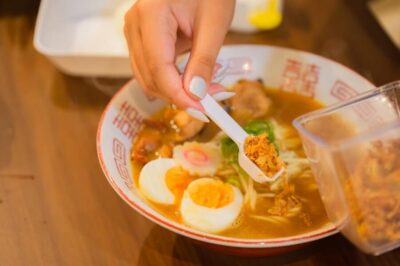 ★ 4.9Ramen Cooking Class at a Ramen Factory with SouvenirFrom $127532 reviews
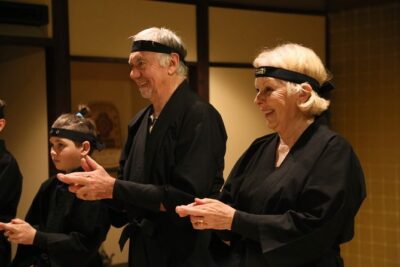 ★ 5.0Ninja 1-hour Hands-on Lesson by Japanese master in Kyoto -EntryFrom $80489 reviews
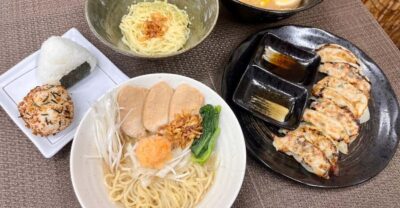 ★ 5.0Ramen, Gyoza, and Onigiri Cooking ClassFrom $90445 reviews
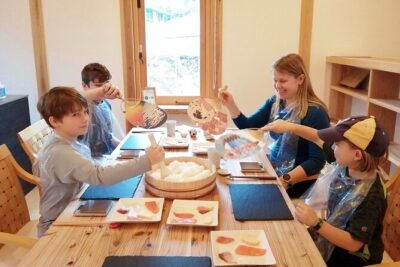 ★ 5.0The Original Small-Group Sushi Making Class in KyotoFrom $69436 reviews
Browse the lists this tour appears in