
Reviewed · WORKSHOPS
Fish cutting class
Knife skills change how sashimi tastes in Kyoto. In this hands-on fish filleting session at Kimura in Nishiki Market, I love that you start with raw seafood and end with slices you control, and the sashimi you make has that extra-fresh feeling because your hands do the work.
The main tradeoff: it can get messy, and you’ll be using real knives, so wear clothes you don’t mind staining. The good news is the instructor, Masashi, keeps the pace friendly and corrects issues on the spot, so even beginners can follow along.
In This Review
- Quick hits before you go
- Where Kimura Fits Into Nishiki Market Life
- The 150-Minute Flow: From Watching to Your Own Sashimi
- Knife Skills You Can Use Beyond the Workshop
- Sashimi and Carpaccio Lunch: The Best Bite Is Yours
- Soy Sauce Options, Dietary Needs, and Practical Inclusivity
- Price and Value: Is $77 Fair for 150 Minutes?
- Who Should Take This Fish Cutting Class in Kyoto
- Before You Go: What to Wear and What to Expect
- Should You Book This Kyoto Fish Cutting Class?
- FAQ
- Where is the class meeting point?
- How long is the fish cutting class?
- What’s the price per person?
- How large is the group?
- Is the instructor English-speaking?
- Is this class beginner-friendly?
- What should I bring to the class?
- What’s included in the class?
- Are there options for gluten-free or halal diets?
- Is alcohol included?
- What is the class cancellation policy?
Quick hits before you go
- 400-year-old Kimura fish shop in Nishiki Market sets the tone fast
- Small group (up to 8) means you get hands-on attention
- From watching to doing: you fillet, then make sashimi and carpaccio
- Eat what you make for lunch with rice
- Chef Masashi teaches in English and adjusts technique as you go
- Soy sauce options include gluten-free and halal
Where Kimura Fits Into Nishiki Market Life
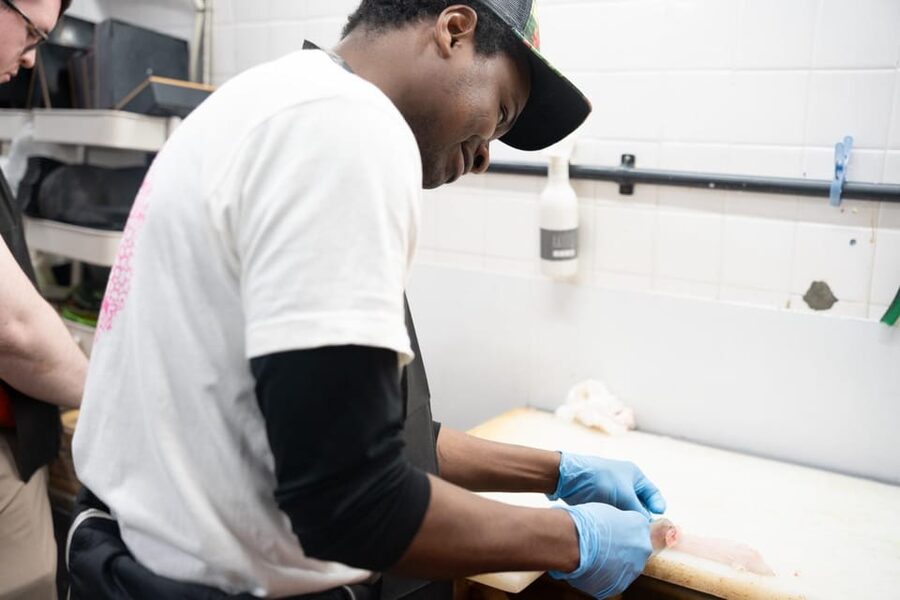
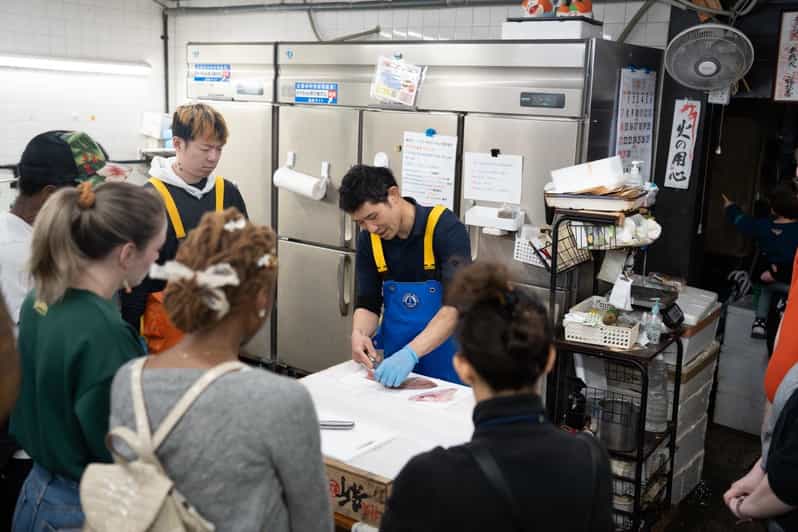
Nishiki Market is one of those places where your senses get busy immediately: stalls, smells, quick chatter, and seafood on display. This fish cutting class plants you right inside that scene, at a fish shop called Kimura. It matters because this is not a staged cooking show. You’re learning in the same kind of working environment where fishmongers handle product daily.
The shop itself is part of the appeal. The class runs in a traditional fishmonger’s setting that’s been in business for 400 years, and that age shows in the setup. The vibe is practical. Knives, boards, and careful movements are front and center, not hidden behind a window or a studio table.
This is also where you’ll notice the class is designed around real technique. You’re not just assembling food. You’re learning how to break fish down, how to handle it cleanly, and how that cutting process affects what you can serve. If you like food experiences that feel rooted in local work, this one lands.
Other Kyoto tours and experiences to compare
The 150-Minute Flow: From Watching to Your Own Sashimi
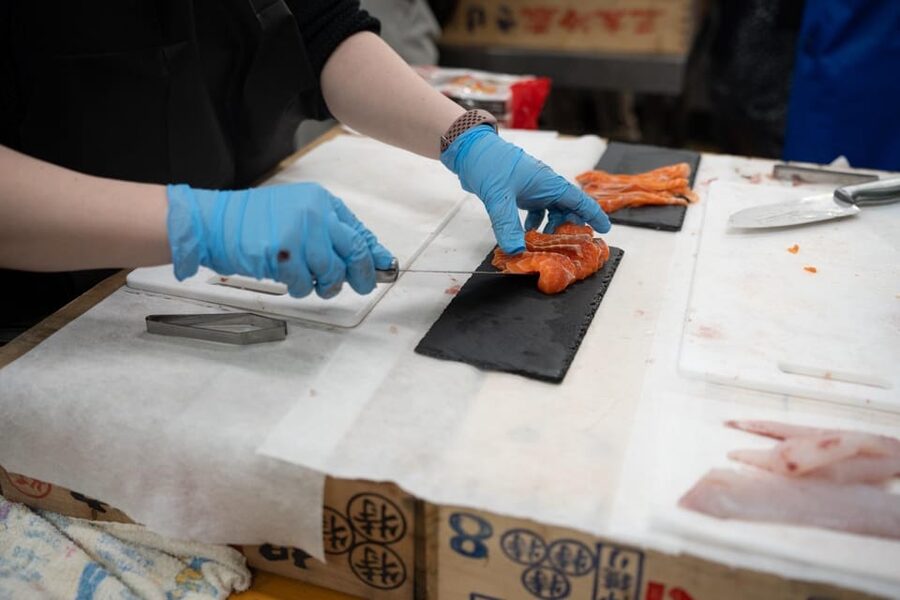
The class is 150 minutes long, and the structure follows a clear teaching arc: see the technique, then practice it yourself, then eat the result. That rhythm is exactly what makes the workshop worth your time.
Here’s how the session typically moves:
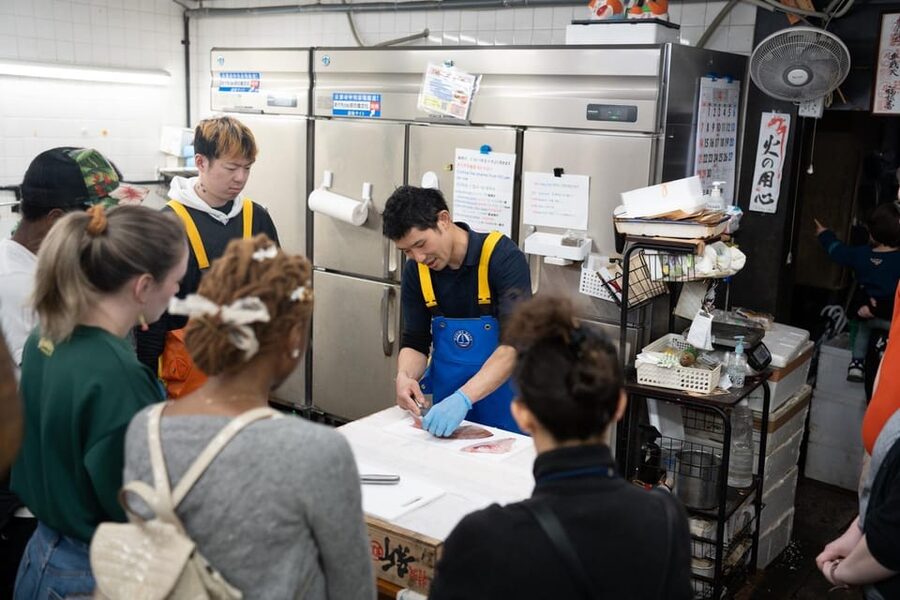
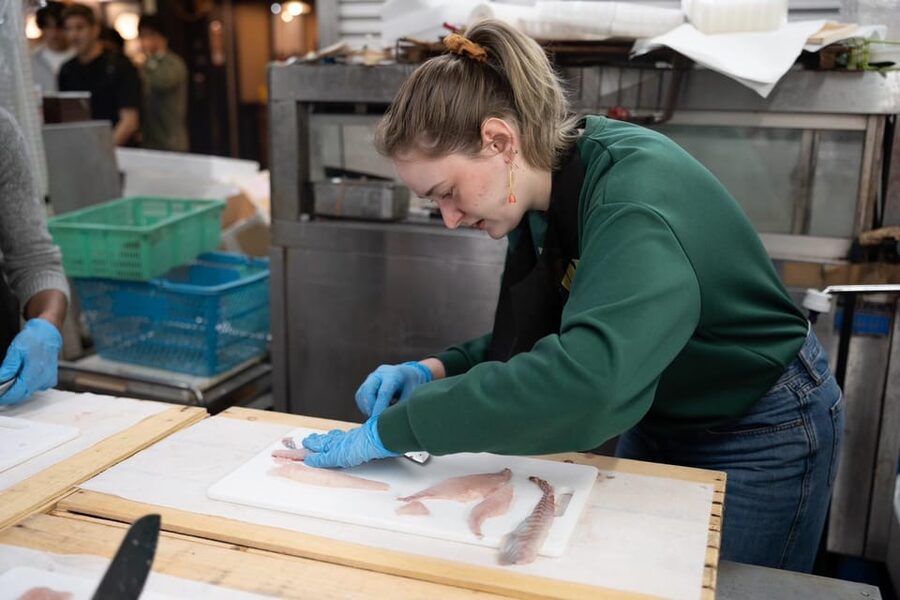
You start with a quick introduction from the instructor. Then the training shifts into fish handling in the shop. First, you’ll watch the process: filleting done by the instructor so you can see how the cut lines up and how the knife stays controlled. That’s followed by group participation, where you fillet yourself with guidance.
Next comes the teaching part that helps it stick. You get careful instruction on how to fillet properly, and you’re corrected in real time if something needs adjusting. This is where a lot of sushi-focused classes fall short. They might teach rice or rolling, but here you focus on the foundation: turning raw fish into usable pieces with clean edges and proper texture.
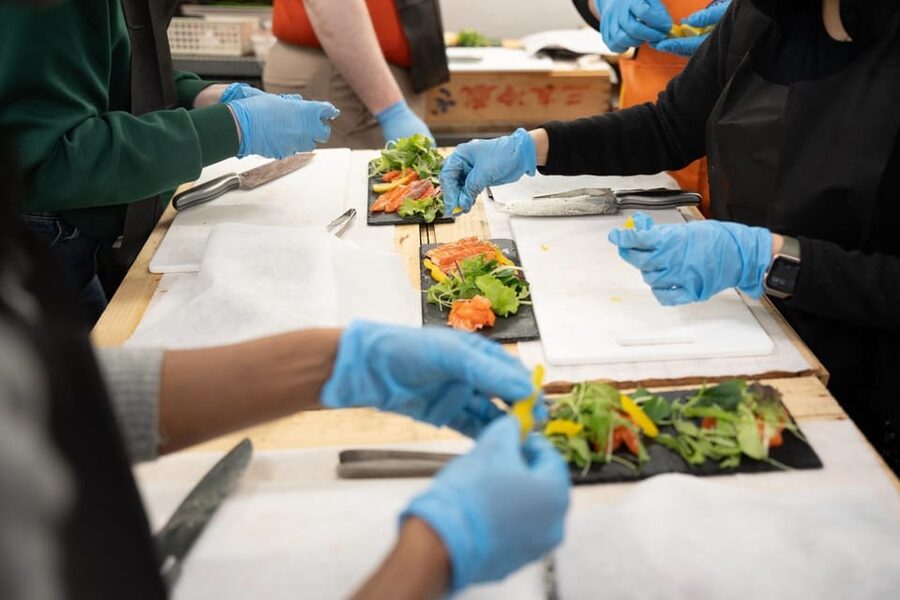
After the fish is filleted, you switch to serving prep. You’ll make sashimi from the filleted fish, and you’ll also make carpaccio. That second course is a fun twist because it changes how you think about the same ingredient: it’s still raw fish, but the cutting and presentation style feels different.
Finally, you sit down for lunch—eating the fish you filleted yourself—served with rice. For many people, that last step is the real payoff. Knowing what your hands did changes how you taste everything.
Knife Skills You Can Use Beyond the Workshop
Plenty of cooking classes teach a recipe. This one teaches a skill. And skill is what helps you appreciate Japanese food culture with more than just taste.
The knife work is the central learning theme. Even if you never plan to fillet fish at home, you still walk away understanding why sashimi quality depends on more than freshness. The quality comes from control: blade angle, pressure, and how cleanly the cuts separate edible parts. When you do the work yourself, you start noticing those differences immediately.
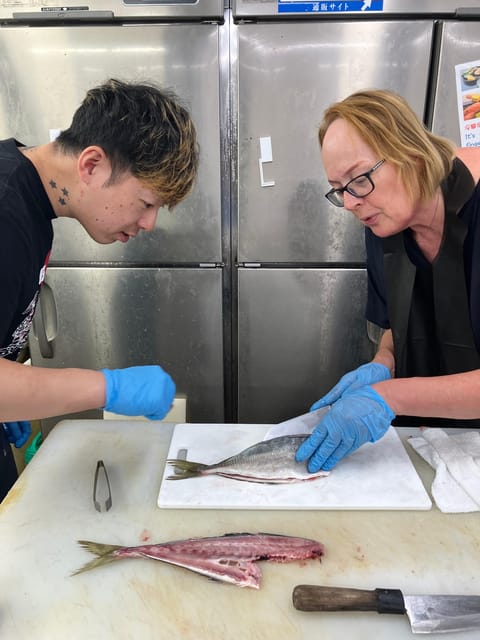
The instruction also tends to be very hands-on. Multiple participants highlight that Masashi is patient and detailed, and that he corrects mistakes as they happen. That kind of coaching matters because fish filleting is easy to mess up early on. Small errors can lead to uneven pieces or less-than-ideal texture. In this class, you get that feedback loop while you’re still learning.
There’s also a cultural value here. When you process raw fish from the beginning—rather than buying it prepped—you gain a deeper understanding of how careful handling is part of the food. That understanding follows you after lunch.
And one extra perk: you can take a commemorative photo with the fish. It’s a simple moment, but it helps you remember you weren’t just eating—you were part of the process.
Sashimi and Carpaccio Lunch: The Best Bite Is Yours
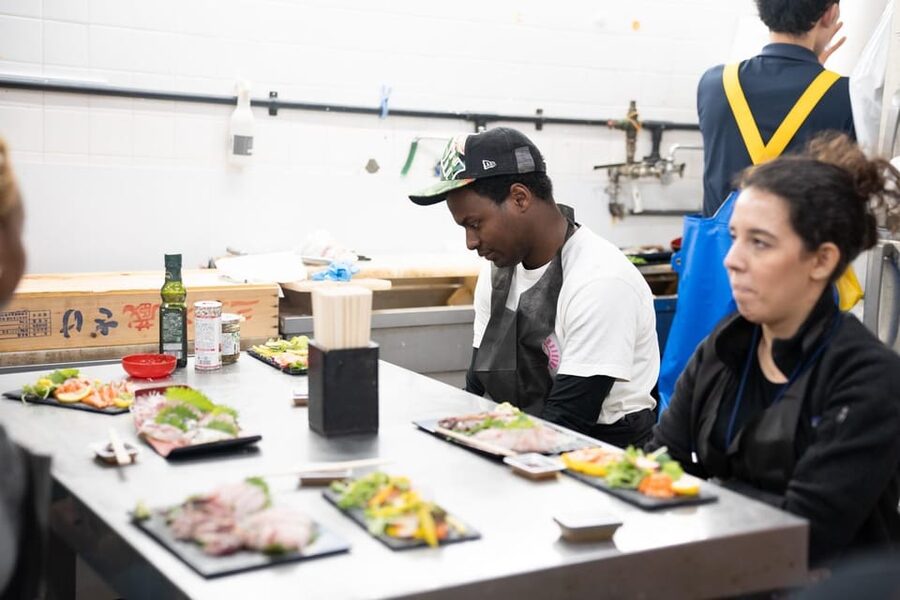
If you’re wondering whether the meal is just a nice extra, here’s the thing: lunch is the point. You eat the fish you filleted yourself, which turns the class into a feedback loop you can taste.
Sashimi is the headline. You’ll make it from your filleted fish, so you can compare what you expected with what you produced. The carpaccio is the other key item on the plate. It keeps the session interesting because you’re not only learning one style of cutting and serving—you’re learning two.
Lunch includes rice, and it’s served after you finish the prep. That timing is practical. By then, you’ve handled the fish long enough to understand what makes the texture work. Sitting down also keeps the experience comfortable; you’re not doing nonstop work without a break.
Some sessions add extra Japanese cooking elements. One account notes learning miso soup and tempura as part of the wider menu. Even if you’re focused on fish cutting, that kind of added instruction is a bonus because it broadens the picture of what Japanese cooking values: balance, technique, and respect for ingredients.
Bottom line: this is one of the rarer workshops where the meal feels earned. Your hunger isn’t just for food—it’s for the result of your own cuts.
Soy Sauce Options, Dietary Needs, and Practical Inclusivity
One of the most practical details here is that soy sauce options are available. The class provides gluten-free soy sauce and halal soy sauce. That’s not a throwaway line. In food experiences, sauce access is often the difference between participating fully or feeling like you’re on the sidelines.
Since sashimi and carpaccio depend on simple flavoring, having the right soy sauce means you can taste the fish as intended without guessing. It also helps you focus on technique instead of improvising with whatever you brought from home.
If you have dietary needs, this is worth taking seriously. Many workshops quietly assume everyone eats the same way. Here, the class indicates you can inquire about options, and the availability is specifically mentioned.
Price and Value: Is $77 Fair for 150 Minutes?
At $77 per person for 150 minutes, the price looks straightforward on paper. The real value comes from where that time and money go: instruction, equipment, small group attention, and the fish you handle.
You’re not bringing your own knife or setting up on a random table. The class includes key tools and safety basics: the knife you use, the apron and rubber gloves, and the fish you handle. That matters because filleting is tool-dependent. A workshop that feels cheap often turns into a crowd waiting while one person uses the blade.
Here, the group is limited to 8 participants. That small size supports real coaching, and multiple reviews praise the patience and guidance from Masashi. If you’re the type of traveler who likes learning the steps rather than watching from a distance, that small group structure is part of the value.
Also included: rice, soy sauce, and carpaccio sauce. That means lunch is built into the price, not sold separately as a costly add-on. And because you eat the fish you cut, you aren’t paying for a demonstration that ends before you taste.
What’s not included is beer and alcohol. So if you like to add drinks, budget for it separately. But for this type of hands-on class, most people tend to value the training and lunch more than adding alcohol.
Who Should Take This Fish Cutting Class in Kyoto
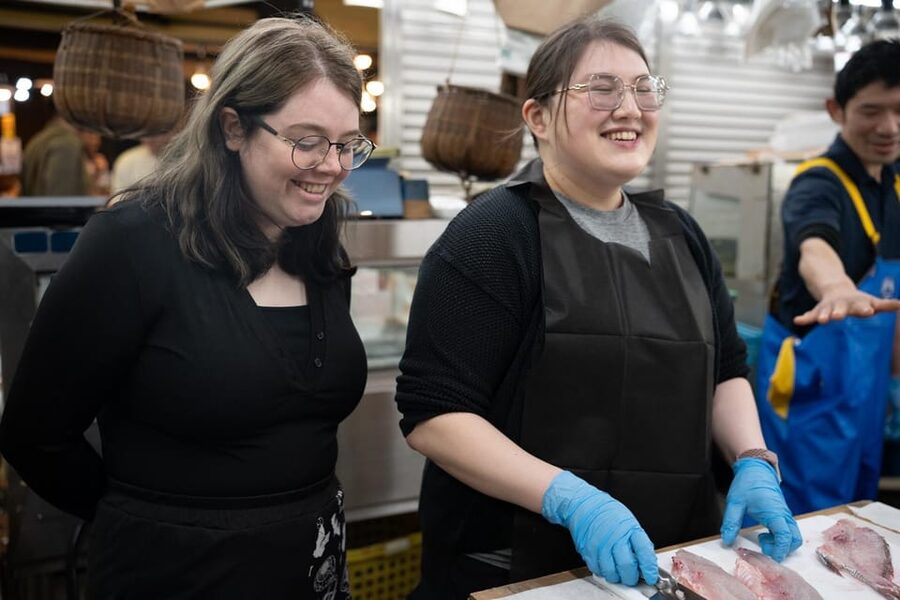
This is best for people who want a skill, not just a meal. Beginners are welcome, and that’s important. Filleting sounds intimidating, but the class format is built for first-timers who need step-by-step guidance and corrections.
You should also consider it if you love sashimi and want to understand what chefs do before the plate ever reaches you. Knife handling and fish prep are where the craft lives. This workshop gives you enough practice to gain real appreciation, and the lunch makes that appreciation immediate.
It’s not suitable for children under 10. If you’re traveling with younger kids, you’ll need a different plan.
If your travel style is slow and hands-on—markets, cooking technique, food culture—you’ll likely find this fits perfectly. It also pairs well with a Nishiki Market morning because you’re already in the neighborhood for seafood browsing.
Before You Go: What to Wear and What to Expect
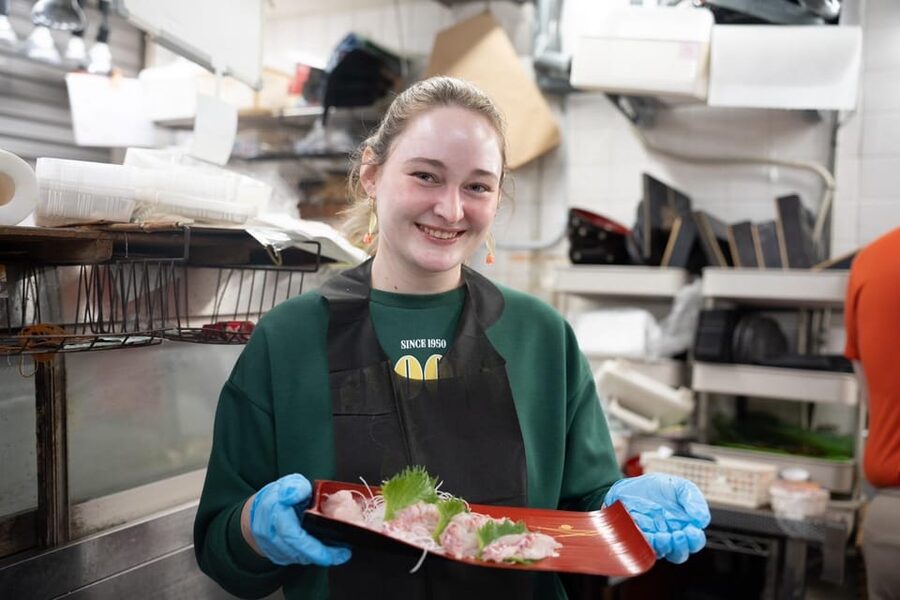
Wear clothes that can get dirty. That’s not a suggestion for comfort—it’s a signal that you’ll be handling raw fish and working close to cutting surfaces. You’ll be given an apron and rubber gloves, but your outfit still matters.
You should expect real knife work and close instruction. The class is taught in English, and the instructor is Masashi. Since correction happens during the practice, it helps if you’re comfortable asking questions.
The workshop also notes no nudity, which is standard for most classes and keeps the environment appropriate.
Finally, know that you’re meeting at Kimura in Nishiki Market. That means you’ll want to arrive a bit early so you can find the shop quickly and settle in without stress. Nishiki Market is lively, and it’s easier when you’re not rushing.
Should You Book This Kyoto Fish Cutting Class?
Book it if you want a genuine food craft experience: hands-on knife skills, filleting from the start, and lunch made from your own work. The small group size, English instruction from Masashi, and the fact that soy sauce options are available make it a strong value for $77.
Skip it only if you’re mainly after a relaxed sightseeing activity or you’re not comfortable with messy, hands-on work using knives. Also, if you’re traveling with kids under 10, this one won’t fit.
FAQ
Where is the class meeting point?
It’s held at a fish shop called Kimura in Nishiki Market.
How long is the fish cutting class?
The duration is 150 minutes.
What’s the price per person?
The price is $77 per person.
How large is the group?
The class is a small group limited to 8 participants.
Is the instructor English-speaking?
Yes. The instructor speaks English.
Is this class beginner-friendly?
Yes. Beginners are welcome.
What should I bring to the class?
Wear clothes that can get dirty.
What’s included in the class?
Included items are the fish you handle, rice, the knife you use, the apron you use, rubber gloves you use, soy sauce, and carpaccio sauce.
Are there options for gluten-free or halal diets?
Yes. Gluten-free soy sauce and halal soy sauce are available, and you can inquire.
Is alcohol included?
No. Beer and alcohol are not included.
What is the class cancellation policy?
Free cancellation is available up to 24 hours in advance for a full refund.
More Workshops in Kyoto
More Tour Reviews in Kyoto
Just added: more Kyoto tours to browse

Workshops, compared.
 ★ 4.345-Minute Tea Ceremony Lesson ExperienceFrom $222,378 reviews
 ★ 5.0Ramen Cooking Class at Ramen Factory in KyotoFrom $1311,937 reviews
 ★ 5.0Chopsticks Making Workshop in Gion with Engraving OptionFrom $15958 reviews
 ★ 4.9Samurai Sword Class by Experts in Traditional ArtsFrom $64657 reviews
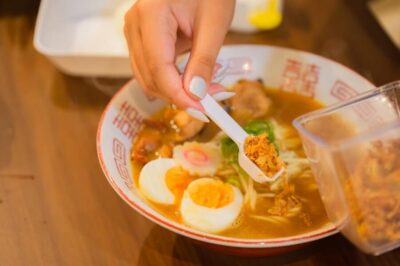 ★ 4.9Ramen Cooking Class at a Ramen Factory with SouvenirFrom $127532 reviews
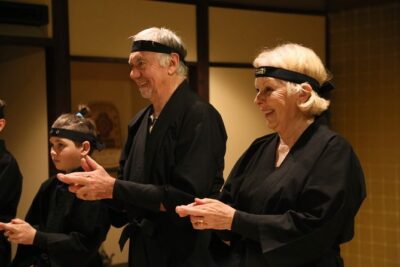 ★ 5.0Ninja 1-hour Hands-on Lesson by Japanese master in Kyoto -EntryFrom $80489 reviews
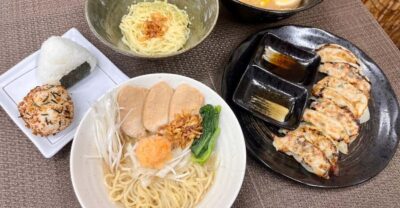 ★ 5.0Ramen, Gyoza, and Onigiri Cooking ClassFrom $90445 reviews
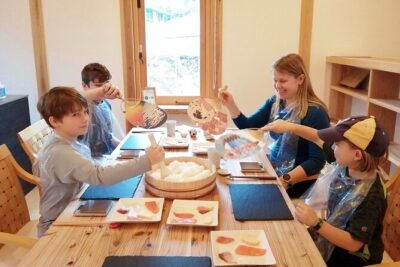 ★ 5.0The Original Small-Group Sushi Making Class in KyotoFrom $69436 reviews
Browse the lists this tour appears in