
Reviewed · KYOTO BIKE & E-BIKE TOURS
Discover Kyoto at Night by Bike
Kyoto glows after dark, on two wheels. This Kyoto at Night by Bike tour is a great way to see the city’s landmarks when the crowds thin out and the streets look softer, lit up by lanterns and moonlight. I especially liked the lantern-lit atmosphere and the fact that the guides are bilingual, so the stories about shrines, traditions, and local etiquette actually land.
You do have to share some time with guide talk. One rider found the balance leaned heavy on standing and listening, with less actual pedaling than expected, and the tour ran late. If you prefer a workout ride over a storytelling stroll, keep that in mind, and if you are new to biking, you may want to sit this one out because the ride isn’t marketed for brand-new cyclists.
In This Review
- Key Things I’d Watch Before You Go
- Why Kyoto at Night by Bike Feels Different
- Price and Value: Does $80 Make Sense?
- Getting There Smoothly: Starting and Ending at 7-Eleven
- Stop-by-Stop: What Each Night Stop Gives You
- Fushimi Inari-taisha Shrine: The Torii Feel in the Evening
- Miyakawa-cho dori: Lanterns South of Gion by the River
- Gion and Hanamikoji: The Night Version of Tradition
- Yasui-Konpiragu: A Shrine Stop With a Different Purpose
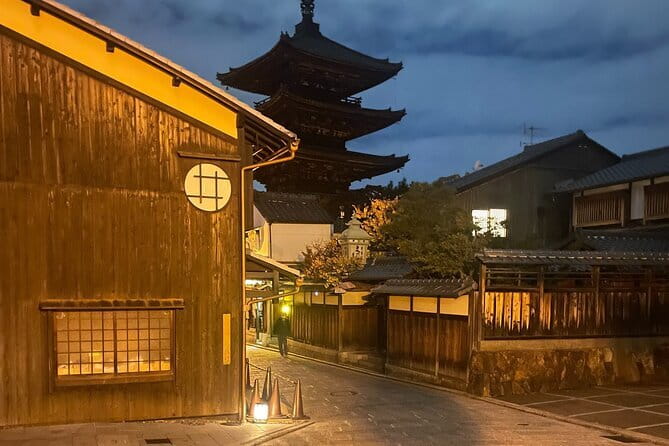
- Hōkan-ji Temple area (Yasaka Pagoda): One of Kyoto’s Best Photo Streets
- Ninenzaka and the Park With Bridges: Slope Views and Classic Kyoto Scenery
- Guide Style: The Difference Between a Good Ride and a Great One
- Bike Night Reality Check: How Confident Should You Be?
- What’s Included Means Less Decision Fatigue
- Who This Tour Is Best For
- Should You Book Kyoto at Night by Bike?
- FAQ
- How much does the Kyoto at Night by Bike tour cost?
- How long is the tour?
- What time does the tour start?
- Where do I meet for the tour?
- Is the bicycle included?
- Are entrance fees included?
- What kind of bike rider should I be?
Key Things I’d Watch Before You Go
- A short, landmark-heavy evening: you hit multiple famous areas in about 3 hours 45 minutes starting at 5:00 pm.
- Small group size (max 9): you’ll get more attention than on huge bus tours.
- Bilingual guidance: you’ll get context for what you see, not just a stop list.
- Included basics: bike use, bottled water, and entrance fees are part of the price.
- The route skews toward photogenic stops: pagoda streets, temple areas, and classic slopes show up on the plan.
- Cycling comfort matters: this is best when you can ride confidently at night.
Why Kyoto at Night by Bike Feels Different
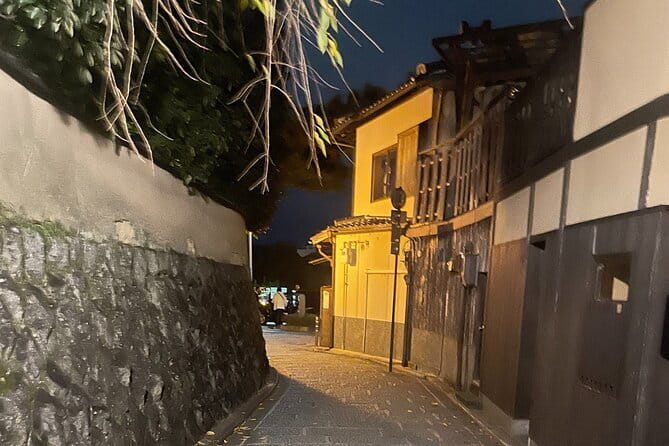
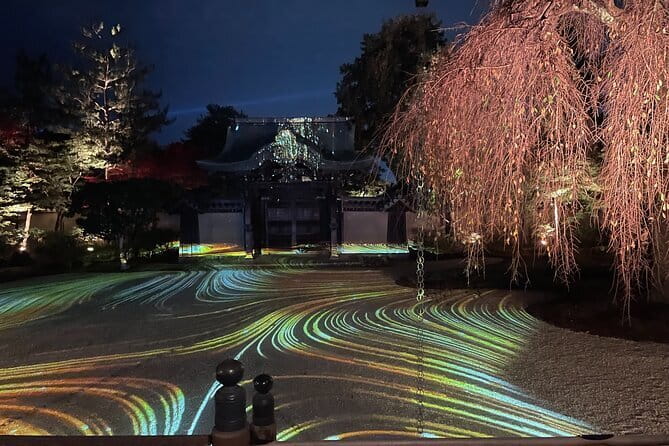
Kyoto at dusk isn’t just “tourist Kyoto.” It’s quieter, slower, and somehow more human. Pedaling between sights changes how you experience the city. You’re not stuck staring out a bus window. You’re there, rolling past wooden townhouses, shrine gates, and riverside streets where the light bounces off stone and paper lanterns.
Also, there is something very satisfying about timing. A 5:00 pm start puts you right into the transition: shops begin to close, lanterns start to glow, and people thin out. You get the nighttime version of places that usually feel most famous in daylight.
And because the guide is bilingual, you’re more likely to understand what you’re looking at. That matters in Kyoto, where even a simple gate, alley, or shrine corner can carry a whole tradition behind it.
More of Kyoto at handlebar pace
Price and Value: Does $80 Make Sense?
At $80 per person for a 3 hours 45 minutes tour, the value depends on what you like in a guided evening.
Here’s what you do get:
- Bicycle use (so you are not hunting for rentals right at the start)
- All entrance fees included
- Bottled water included
- A mobile ticket for a smoother check-in
What you don’t get:
- Hotel transportation
- Guide gratuities
If you were to rent a bike yourself and pay separate entry fees for multiple stops, the total can creep up fast. This tour is essentially packaged: you pay once, then you spend the evening on the route.
The one value question is how much time feels like actual riding versus stopping. One rider described an experience where pedaling felt limited and the guide talked a lot. That doesn’t mean it will happen every time, but it does mean you should expect a guided narrative component, not a pure cycling session.
Getting There Smoothly: Starting and Ending at 7-Eleven
The tour meets at a 7-Eleven at 44-1 Higashikujō Kamitonodachō, Minami Ward, Kyoto. The good news: convenience stores are easy to find and often work well as meeting anchors. The tour also ends back at the meeting point, which saves you from figuring out a second transfer.
Because it starts at 5:00 pm and is near public transportation, plan to arrive early with enough time to:
- get a quick orientation for bike setup
- confirm meeting details
- do a basic gear check before you roll out
This is a tour with moderate physical fitness expectations. It’s not described as an extreme workout, but you should be comfortable riding and staying balanced during street crossings and short stop-and-go moments.
Stop-by-Stop: What Each Night Stop Gives You
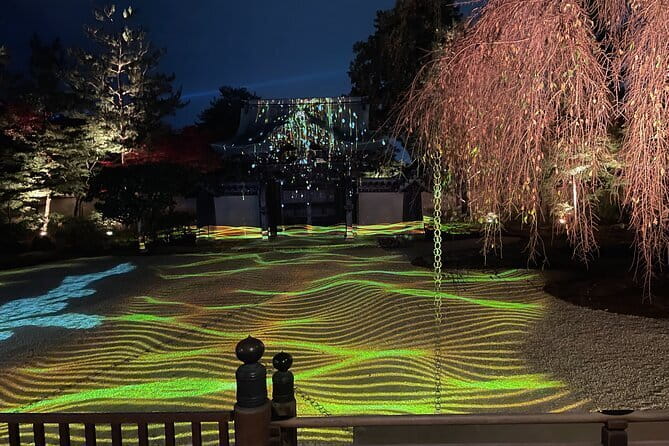
The tour is designed as a “Kyoto highlight sampler” at night, mixing shrine gates, traditional streets, and photo-friendly neighborhoods. Here’s how each stop tends to feel in real life, and where you might want to pay attention.
Fushimi Inari-taisha Shrine: The Torii Feel in the Evening
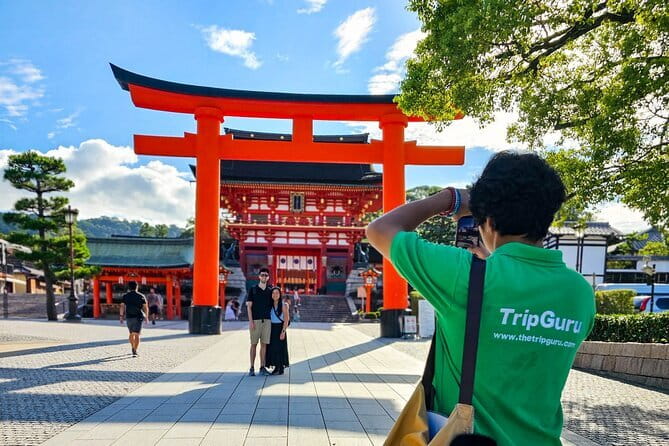
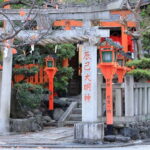
Your first major stop is Fushimi Inari-taisha Shrine. This is the Shinto shrine famous for thousands of torii gates, drawing visitors from all over.
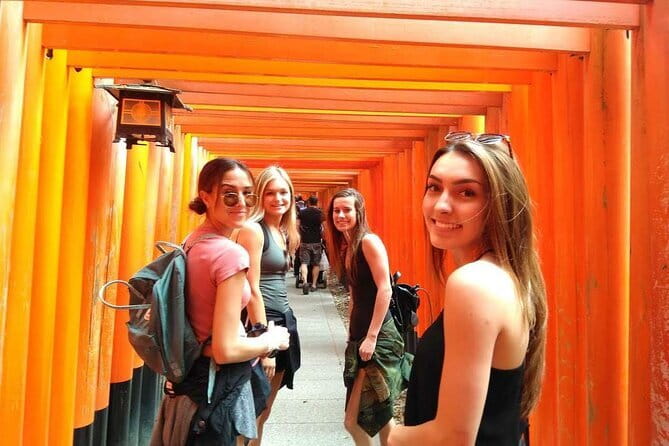
At night, the vibe changes. Instead of the daytime stampede energy, the gate corridors can feel more intimate and atmospheric. The lighting and shadows make it easier to notice the repeated pattern of gates, which is what makes Fushimi Inari so iconic.
What to know:
- The stop is about 40 minutes, and admission is free here on the plan.
- You’ll likely get just enough time to walk a meaningful stretch, take photos, and absorb the place without turning it into a half-day hike.
If you enjoy quiet corners and strong visual repetition, this is a strong opening. If you want maximum time for exploring, consider arriving a bit early another day to do a longer visit.
Other Kyoto tours and experiences to compare

Miyakawa-cho dori: Lanterns South of Gion by the River
Next up is Miyakawa-cho dori, a lane that becomes almost magical after dark. It’s located just south of Gion and runs parallel to the Kamogawa River, which helps create that post-sunset Kyoto mood.
This stop is shorter (about 15 minutes), so the goal isn’t deep exploration. It’s to catch the look and feel of the area when the lanterns glow and the street tones shift.
If you like street photography, this is a time to get your camera settings ready. Watch for:
- reflections and darker shadows
- gentle light changes as you move a few meters
- the contrast between traditional facades and night lighting
This is the kind of place where you’ll get the most value by staying present, not rushing to memorize every detail.
Gion and Hanamikoji: The Night Version of Tradition
Then you roll into Gion, one of Kyoto’s most famous historic districts. At night, the charm of traditional culture shows up in the way the streets look under lighting and in the quiet rhythm of the alleys.
A key reference point here is Hanamikoji street, lined with historic tea houses (ochaya). Admission is listed as included for this stop.
What you can expect in practice:
- about 10 minutes at the spot
- a quick, guided pass that helps you understand what you’re seeing
- good photo angles because the streets are narrow and lit
This part works best if you like atmosphere. If you want lots of time to wander into side lanes, you may feel a little time-pressured, but that’s also why the bike format helps you cover multiple areas in one evening.
Yasui-Konpiragu: A Shrine Stop With a Different Purpose
You then visit Yasui-Konpiragu. This is a Shinto shrine that people visit with hopes tied to breaking bad habits or cutting ties with negative relationships. It’s described as unusual and fascinating, which usually means the experience is more about the story and ritual meaning than just a building photo.
This is a 10-minute stop, with free entry included on the plan.
Because the time is short, do not expect a full deep-dive ritual experience. Instead, think of it as a “stop-and-understand” moment where the guide helps you connect the meaning behind what you see.
If you like spiritual context and cultural explanations, this is a nice contrast after the street scenes.
Hōkan-ji Temple area (Yasaka Pagoda): One of Kyoto’s Best Photo Streets
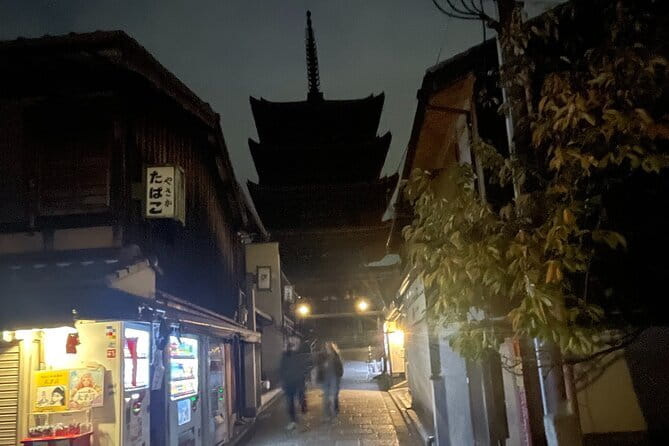
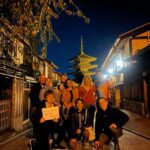
Next is Hōkan-ji Temple (Yasaka Pagoda), one of Kyoto’s most photographed views. The pagoda sits in an area of narrow cobblestoned streets lined with Machiya townhouses.
This stop is about 15 minutes and entry is listed as free.
In a few minutes, you can usually get:
- a classic view of the pagoda in the right lighting
- photos that show Kyoto’s traditional street texture, not just a single monument
- a chance to walk a small loop and see how the narrow lanes change the angle
This is also a good place to slow down. Night streets can make you walk with less awareness. Keep an eye on footing, and don’t block others while you frame photos.
Ninenzaka and the Park With Bridges: Slope Views and Classic Kyoto Scenery
The tour then heads toward Ninenzaka, described as one of Kyoto’s most traditional areas at night, with classic views from the slope. This segment is another 15-minute stop.
Finally, there’s a mention of the most famous park in Higashiyama, with cherry trees, ponds, and wooden bridges. That’s the kind of payoff that makes a bike tour feel special: you leave with a “Kyoto postcard” memory, not just a list of visited landmarks.
This closing section is where you’ll likely want to:
- take your last round of photos before you re-mount the bike
- decide what kind of souvenirs you want (photos beat magnets for your memory here)
- pace yourself so you don’t feel rushed at the end
Because these stops blend scenery and photos, they’re great if you like visual storytelling through the streets.
Guide Style: The Difference Between a Good Ride and a Great One
Guides can make or break a guided tour. Here, the guide experience can go in two directions:
1) Safety-first, story-supported guiding
One rider specifically praised a guide named Juan for ensuring safety and guiding comfortably while riding along the river. That kind of leadership matters at dusk, when your attention is split between traffic, light, and balancing.
2) Too much talk and not enough pedaling
Another rider felt the guide talked a lot and that standing-and-listening ate into the riding time. That person also noted the tour ran 45 minutes over the expected finish due to conversation and timing.
So what should you do with this info? Set your expectations. This is not a silent ride with occasional pointers. It’s a narrated cultural tour where the bicycle acts as the transport between story stops.
If you are the type who loves explanations and historical context, you’ll likely feel the tour is worth it. If you want maximum movement time, choose nights when you’re feeling patient, and keep your own pace calm during longer stops.
Bike Night Reality Check: How Confident Should You Be?
The tour is for people with moderate physical fitness. That’s fairly broad, so I recommend reading it like this: you don’t need to be an athlete, but you do need control.
One piece of advice given in the feedback is blunt: make sure you are a fairly proficient bike rider. This is not the ride you’d pick for first-timers.
At night, even small things can feel bigger:
- harder to judge distance in dim light
- more attention needed around corners
- stops feel more “notice-and-wait” than “park and stroll”
If biking is new to you, you could end up stressed instead of enjoying the sights. If biking is already comfortable, this tour can be a fun, efficient way to stitch together Kyoto’s nighttime beauty.
What’s Included Means Less Decision Fatigue
I like tours that do the math for me. Here, you don’t have to think about entry fees or water.
With all entrance fees included, you can focus on what matters: walking a bit, taking pictures, listening when it’s useful, and keeping the bike ride moving.
Also, bottled water included is practical. Kyoto summers (and warm evenings) can sneak up on you. Even if it doesn’t feel hot yet, having water ready means you won’t hunt for a shop mid-ride.
Who This Tour Is Best For
This Kyoto at Night by Bike tour fits best if you:
- want a compact evening itinerary rather than choosing one neighborhood
- enjoy walking short bursts between iconic spots
- like guided context and bilingual storytelling
- are comfortable cycling at night and staying attentive in traffic
It may not fit as well if you:
- want mostly pedaling with minimal stops
- need a beginner-friendly biking experience
- dislike standing around while a guide talks
Should You Book Kyoto at Night by Bike?
I’d book it if your goal is to see Kyoto’s evening character across multiple famous areas without planning each stop yourself. The price includes the essentials you would otherwise pay separately, and the route timing at 5:00 pm is a smart way to catch the city in its softer nighttime lighting.
I’d think twice if you want a workout-focused bike ride. The tour is guide-led and narrative-heavy by design, and the ride experience can vary based on how talk-heavy the guide is in practice. Also, be honest about your bike comfort: this is better for riders who already feel steady.
If you match the vibe, it’s a great way to experience Kyoto’s nighttime streets, lanterns, and temple views in a single evening with minimal hassle.
FAQ
How much does the Kyoto at Night by Bike tour cost?
It costs $80.00 per person.
How long is the tour?
The duration is about 3 hours 45 minutes.
What time does the tour start?
The start time is 5:00 pm.
Where do I meet for the tour?
You meet at 7-Eleven, 44-1 Higashikujō Kamitonodachō, Minami Ward, Kyoto 601-8002, Japan. The tour ends back at the same meeting point.
Is the bicycle included?
Yes. Use of the bicycle is included.
Are entrance fees included?
Yes. All entrance fees are included, and bottled water is also provided.
What kind of bike rider should I be?
The tour notes moderate physical fitness, and one piece of guidance shared is that it’s best for fairly proficient riders rather than first-timers.
More Cycling Tours in Kyoto

More Tour Reviews in Kyoto
More of Kyoto by Bike
Just added: more Kyoto tours to browse





Kyoto Bike & E-Bike Tours, compared.
 ★ 5.0Hidden Kyoto E-Biking tourFrom $1161,843 reviews
 ★ 5.0Bike Tour Exploring North Kyoto plus LunchFrom $1061,087 reviews
 ★ 5.0Arashiyama Bamboo Forest & Hidden Gems Bike Tour (Early Bird)From $106613 reviews
 ★ 5.05 Top Highlights of Kyoto Full Day Bike Tour (E-bike option)From $172511 reviews
 ★ 5.0Full Day Biking Tour Exploring the Best of KyotoFrom $119498 reviews
 ★ 4.8Memory Kyoto E-Bike TourFrom $91297 reviews
 ★ 5.0E-Bike Tours of the highlights of Kyoto!!!From $109291 reviews
 ★ 5.0Afternoon Kyoto Bike Tour: Bamboo Forest, Monkeys & Hidden SpotsFrom $106283 reviews
Browse the lists this tour appears in