
Reviewed · FUSHIMI INARI SHRINE TOURS
Carefree Private Exploration of Fushimi Inari, Gion, Kiyomizudera, and More
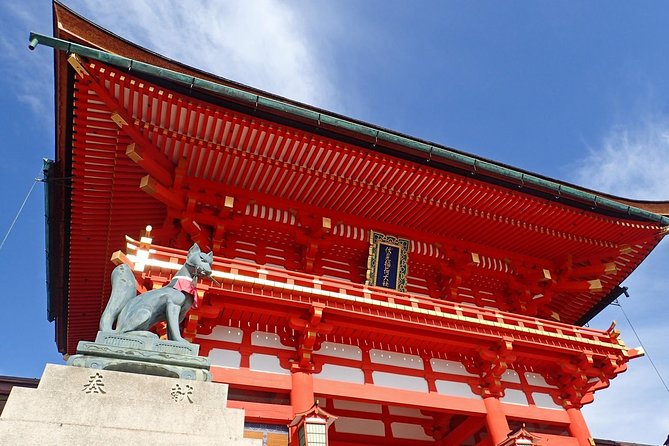
Torii gates up close in private Kyoto. This 4-hour private tour strings together Fushimi Inari, Gion, and classic east-side sights with a local English guide who explains what you’re seeing, not just what you’re passing. You’ll also get included transit and admission, so the day feels smooth.
I really like two things here. First, the way the route builds momentum: you start with the huge Fushimi Inari torii climb, then drop into Gion’s slower, more human scale. Second, I appreciate the guide-led focus on quieter moments, like the more peaceful side of temple time (one guide named Ferdinand was praised for taking people to less busy spots), plus clear cultural explanations from guides such as Duygo/Duygu and Oisin.
One thing to consider: this is still Kyoto walking. You’ll cover hills and a good amount of uphill effort, and heat can be a factor, so plan for breaks and hydration if your group has mobility limits (a past group noted a cane and asked for more water stops).
In This Review
- Key highlights you’ll feel right away
- Why Higashiyama works best with a guide
- Meeting at Inari Station: the day starts without friction
- Fushimi Inari-taisha: how to enjoy the torii climb without rushing it
- Gion transfer and Hanamikoji: the entertainment district as a living neighborhood
- Yasui-Konpiragu: a love shrine with an edge
- Yasaka Pagoda: one of the district’s best skyline anchors
- Kodai-ji Temple: calmer gardens are the point
- Sannenzaka and Ninenzaka: preserved old streets on the way to Kiyomizudera
- Price and value: what your $129 buys in real terms
- Comfort and timing: walking hills, heat, and smart pacing
- Who this tour fits best (and who should think twice)
- Should you book this private Higashiyama tour?
- FAQ
- How long is the tour?
- Where does the tour start and end?
- What’s included in the price?
- Is food included?
- Do I need to pay for admission at each stop?
- Is this tour wheelchair-friendly?
- Can the itinerary be changed?
- What’s the cancellation policy?
Key highlights you’ll feel right away
- Private, English-speaking guide who gives practical cultural context as you walk
- Fushimi Inari’s torii walk with plenty of time to follow the main experience (and the story behind it)
- Included train transfer to Gion so you don’t waste time figuring it out
- Kodai-ji Temple time designed to feel calmer than the biggest crowd magnets
- Flexible for small changes since it’s just your group
- A value-friendly package: admission fees plus transit are included
Why Higashiyama works best with a guide
Higashiyama is one of those Kyoto areas where the details matter. If you go unguided, you’ll still see iconic places, but it’s easy to miss what makes each one distinct. With a guide, you get the “why” while you’re standing in it.
I like that this tour is built around walking routes between major landmarks, which is the best way to feel the neighborhood rhythm. You get temple gates, shrine paths, and old-street views without having to stitch the day together on your own.
You’ll also get a guide who’s described as friendly and good at explaining culture, sometimes with a guide-in-training along for the day. That can be a bonus if you like extra chances to ask questions.
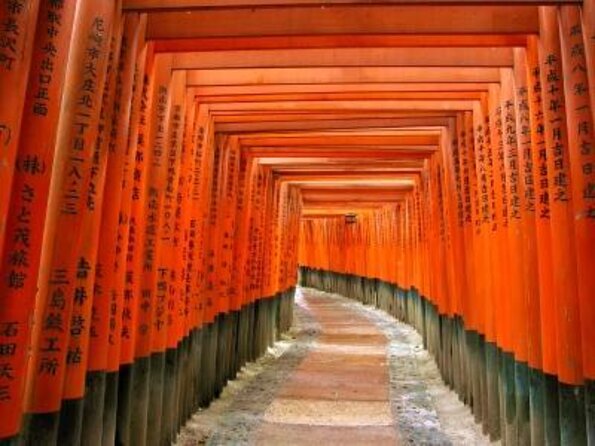
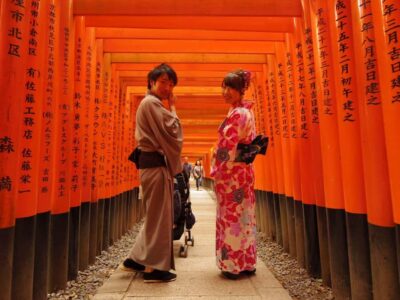
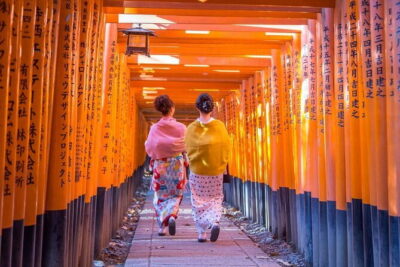
More walks up through the vermilion torii of Fushimi Inari


Meeting at Inari Station: the day starts without friction
The tour meets at Inari Station in Fushimi Ward. That’s a smart starting point because it gets you close to Fushimi Inari-taisha without backtracking through Kyoto’s complexity.
From there, the schedule is designed around efficient movement: walk the shrine area first, then use a short train ride to reach the Gion side of the story. Since the tour includes transit between those zones, you’re not left doing the math with train changes mid-day.
You’re not expected to move at race-walking speed. The big “gotcha” is the physical side of Kyoto—stairs and hills—so if your group has older adults, bring a realistic plan for pacing.
Fushimi Inari-taisha: how to enjoy the torii climb without rushing it
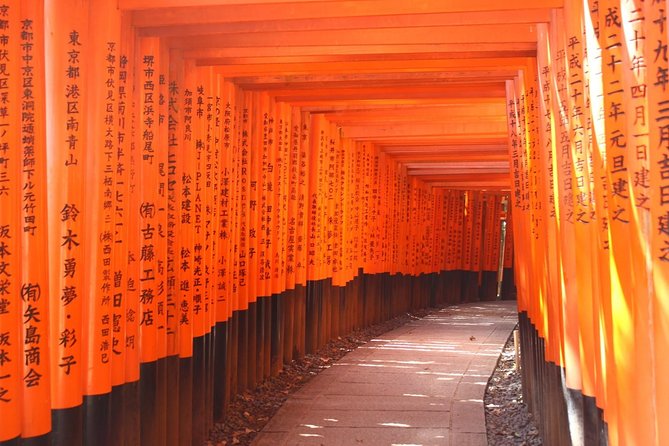
Your main start is Fushimi Inari-taisha Shrine, scheduled for about 1 hour 15 minutes, with admission included. This is the world-famous torii gate corridor where the orange-red gates seem to go on forever, leading you up toward higher and more sacred spaces.
Here’s how I’d approach it so you enjoy the climb. Don’t treat it like a checklist. Pause where the gates create strong sight lines, then walk again when the path opens up. That way, you’re not only looking at red gates—you’re experiencing the rhythm of the hike and the shrine environment.
The practical part: you will be moving uphill and through crowd patterns that can shift as tour groups and day-trippers flow through. If you go later in the day, it might feel busy; if your guide times it well, you’ll at least get moments of quiet along the way.
Gion transfer and Hanamikoji: the entertainment district as a living neighborhood
After the shrine, you hop on a train ride (included) to Gion. This is stop time around Hanamikoji Street, with a short window—about 15 minutes—and no admission fees.
Hanamikoji is famous, but it’s also just streets where people live and work. You’ll pass the historic backdrop of Gion’s cultural sites, including views of the Kabuki theater area as you stroll.
One advantage of a guided stop here is context. Instead of just snapping photos at the first gate or lantern, you’ll understand why this district’s traditions have lasted and what the entertainment-district reputation means today.
Yasui-Konpiragu: a love shrine with an edge
Next you’ll visit Yasui-Konpiragu, around 15 minutes, with admission included. This stop has a reputation for wishes related to love—specifically, not only finding a partner, but also themes described as revenge for hearts involved in conflicts.
It’s a quick stop, but it’s memorable because it’s specific. Many shrines feel similar at first glance; this one has a personality. If you’re curious about how Japanese shrine worship can reflect human emotions (big ones, messy ones), this is a good place to notice that.
Since it’s a shrine, keep the tone respectful. The guide’s cultural explanations help you avoid treating it like a themed attraction.
More evenings along the lantern-lit lanes of Gion





Yasaka Pagoda: one of the district’s best skyline anchors
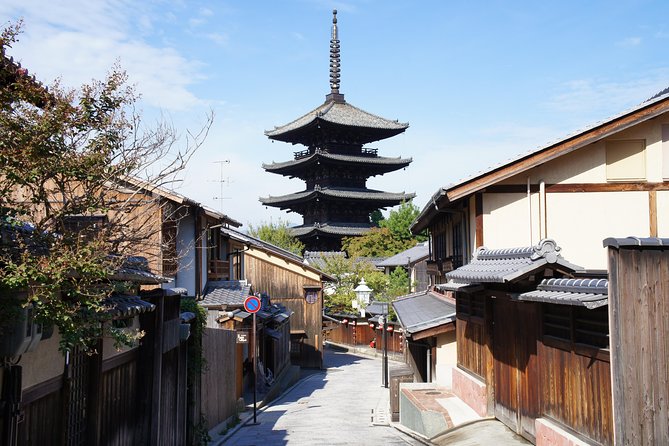
You’ll also stop by Yasaka Pagoda, a tall landmark that has been part of the eastern Kyoto skyline since the 1400s (the tour description notes since 1440 AD). Even if you don’t go inside, this is the kind of structure that helps you “place” Higashiyama in your mind.
This is one of those photo stops where the real value is understanding how towers like this anchor the view and the neighborhood identity. You’ll likely get a clearer sense of scale and positioning than you would wandering around without a plan.
Kodai-ji Temple: calmer gardens are the point
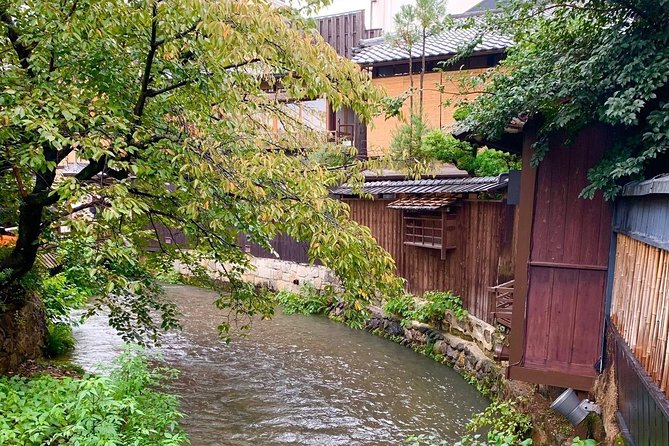
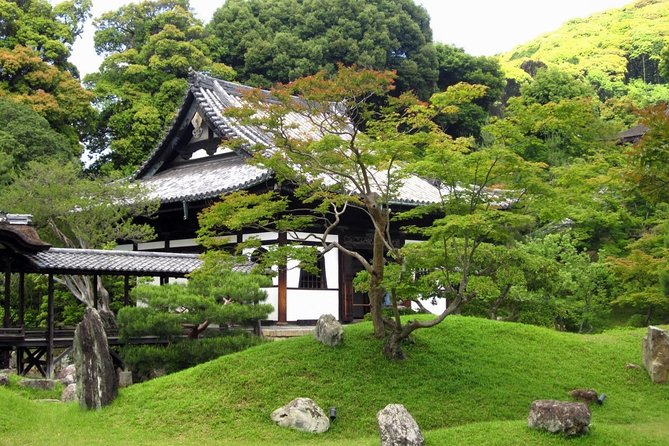
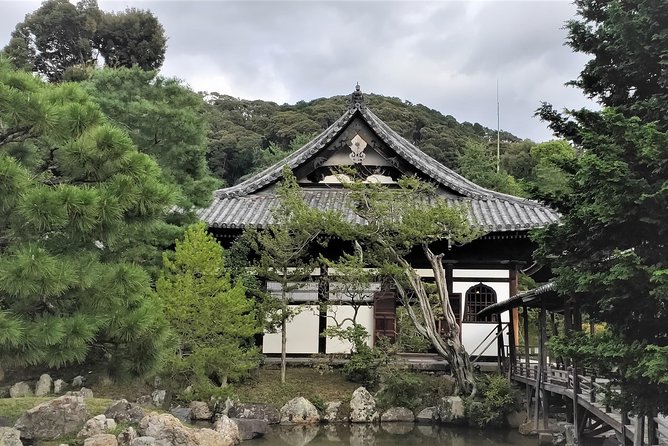
Kodai-ji is scheduled for about 45 minutes, with admission included. The standout here is that it tends to feel less crowded than some other must-sees, giving you time to slow down and breathe.
Kodai-ji’s garden setting helps you reset after the shrine intensity and street walking of the morning/early afternoon. Gardens in Kyoto aren’t only for looking—they’re for noticing. Watch how paths guide you and how sight lines change as you move.
The temple complex also includes a mausoleum, so there’s more depth than the typical “pretty gardens” visit. If your brain likes stories tied to places, this stop rewards that.
A couple of guide comments from past groups fit the experience well: good guides often help you find quieter corners, instead of just walking the most obvious loop.
Sannenzaka and Ninenzaka: preserved old streets on the way to Kiyomizudera
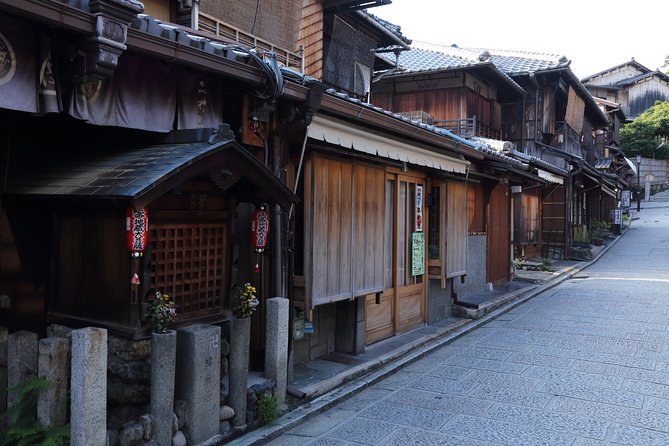
Next are Sannenzaka and Ninenzaka, about 20 minutes, and you’ll walk these preserved streets that lead toward Kiyomizudera (Kiyomizudera itself isn’t listed as an included stop here, but these lanes are a classic approach).
These streets are lined with medieval-style townhouses and shops. The value of the stop is twofold. First, you get that “old Kyoto” lane feel without turning your whole day into a shop crawl. Second, you can enjoy the views with fewer forced detours because the lanes are designed like corridors of sight and movement.
This is also where I’d mentally switch gears. After temples and shrines, the old lanes let you shift into street-observation mode—textures, architectural details, and the way pedestrians flow.
Price and value: what your $129 buys in real terms
At $129 per person for about 4 hours, this tour isn’t the cheapest way to see Higashiyama. But it’s also not trying to be. The value is in what’s included and in the time savings.
You’re paying for:
- A private guide in your language (native or equivalent speaker)
- Admission fees for the stops that require them
- Transit from Fushimi Inari to Gion
- A route designed to hit the core landmarks without you charting it
Hidden fees can ruin a day, and this is built to avoid that. Food and drinks are not included, so you’ll want to plan a snack or a drink break on your own.
The “private” part matters too. If you’re traveling with a group, the per-person cost can start to feel more reasonable, especially because Kyoto’s main sights are popular and confusing to navigate on your own.
A small but useful detail: the tour mentions group discounts and that the first child (12 and under) is free. If you’re traveling as a family, that can change the math quickly.
Comfort and timing: walking hills, heat, and smart pacing
This is a moderate-fitness walking experience. The route includes uphill shrine walking and steeper moments, and the total day is only about 4 hours. That tight window is part of the appeal, but it also means you should show up prepared.
If you’re sensitive to heat, plan for it. One past group specifically wished for more water breaks during summer conditions. Your best move is simple: carry water, and ask your guide to slow down when you need it. Since it’s private, your guide can adjust.
Also consider shoes. Kyoto’s old lanes and shrine steps aren’t made for thin-soled sandals. If you’re traveling with older adults, even with help, it’s worth being thoughtful about pace.
The encouraging part is that guides on this kind of tour are used to accommodating people with different needs. Past feedback included a guide being accommodating for slower movement and someone using a cane.
Who this tour fits best (and who should think twice)
This tour is a good fit if you:
- Want the big Higashiyama highlights—Fushimi Inari, Gion, Kodai-ji, and classic old streets—without planning every detail
- Care about cultural context and not only photos
- Prefer a private pace and the chance to ask questions as you walk
It may be less ideal if you:
- Have limited mobility and can’t manage hills and stairs
- Expect a sit-down, low-walking sightseeing day
- Need frequent, long breaks beyond what a 4-hour walk can realistically include
Still, even if you’re older, the guide can often help manage the route. Just be honest about your group’s pace at the start so your day stays pleasant.
Should you book this private Higashiyama tour?
Yes—if you want an organized, guide-led way to see Kyoto’s most iconic east-side area without hidden costs. The included admission and transit take pressure off, and the private guide angle helps you understand why these places matter.
Skip it or consider alternatives if walking uphill is a deal-breaker for your group. This tour is designed for movement, not for comfort at all costs.
My practical advice: book early if your dates are fixed. This experience tends to get reserved about 40 days in advance, so don’t wait until the last minute.
If you want a Kyoto day where the stops connect into a story—and you don’t have to solve logistics yourself—this private Higashiyama-to-Gion plan is a strong choice.
FAQ
How long is the tour?
It runs about 4 hours (approx.).
Where does the tour start and end?
It starts at Inari Station (Fukakusa Inarionmaecho, Fushimi Ward, Kyoto) and ends back at the same meeting point.
What’s included in the price?
Entrance fees to temples and shrines and transit from Fushimi Inari to Gion are included, along with a native or equivalent English speaker guide. Food and drinks are not included.
Is food included?
No. You’ll need to cover your own food and drinks.
Do I need to pay for admission at each stop?
Admission tickets are included for the stops that require them. Some areas like Hanamikoji Street and Sannenzaka/Ninenzaka are listed as free admission.
Is this tour wheelchair-friendly?
The experience notes travelers should have a moderate physical fitness level, and it includes uphill walking. The tour information doesn’t list wheelchair accessibility, so you should consider mobility needs carefully.
Can the itinerary be changed?
Because it’s a private tour, you can contact the operator about changes you’d like to make to the itinerary.
What’s the cancellation policy?
You can cancel for a full refund if you cancel at least 24 hours before the experience’s start time. Free cancellation is available up to that point.
More Tour Reviews in Kyoto
Still in Gion? Keep Going
Fushimi Inari, a Few More Ways
Just added: more Kyoto tours to browse






Fushimi Inari Shrine Tours, compared.
 ★ 4.8Fushimi Inari, Kinkakuji, Bamboo Grove 1 Day Bus TourFrom $1224,316 reviews
 ★ 5.0Fushimi Inari Hidden Hiking Tour (Private Option Available)From $631,750 reviews
 ★ 4.7Kyoto/Osaka: Nara, Fushimi Inari Taisha, Arashiyama Bus TourFrom $521,275 reviews
 ★ 4.4Osaka/Kyoto: Arashiyama, Nara & Fushimi Inari Shrine w/LunchFrom $61754 reviews
 ★ 4.7Nijo Castle, Kiyomizu & Fushimi Inari Guided TourFrom $54700 reviews
 ★ 5.0Nijo, Kinkaku-ji, Arashiyama, Kiyomizu & Fushimi InariFrom $51699 reviews
 ★ 5.0Kyoto Fushimi-Inari Night Walking TourFrom $43320 reviews
 ★ 4.93-Hour Fushimi Inari Shrine Hidden Hiking TourFrom $72270 reviews
Browse the lists this tour appears in