
Reviewed · FUSHIMI INARI SHRINE TOURS
Best of Kyoto: Red Gates of Fushimi Inari & Kiyomizu Temple
Kyoto looks different before the crowds arrive. I love the early-morning walk through the Fushimi Inari torii gates and the guided storytelling at Kiyomizu-dera, which helps you connect what you’re seeing to Buddhism in plain terms. The main trade-off is the pace: expect 10,000+ steps and plenty of stairs in just 3 hours.
I also like the stress-free setup—entrance fees and the taxi/train part between stops are included, so you’re not juggling tickets mid-walk. Just plan for real walking on older streets around Higashiyama/Sannenzaka/Ninenzaka, and bring comfortable shoes because the ground is not flat.
In This Review
- Key highlights you will actually feel
- Fushimi Inari in the soft light: red gates, fewer people, better photos
- Kiyomizu-dera: iconic temple views with real meaning
- The short photo stop that keeps your timing sane
- Higashiyama streets and the smell of coffee
- Guide quality matters: Shanda and Diana set the tone
- Transportation and tickets: why “included” matters in Kyoto
- What 3 hours feels like on your feet
- Price and value: $58 for a focused morning-to-temple combo
- Where you end: % ARABICA Kyoto Higashiyama
- The quick “local guide tips” payoff
- So, should you book this early-bird Kyoto combo?
- FAQ
- How long is the Best of Kyoto tour?
- How much does it cost?
- Where do I meet the guide?
- What’s included in the tour price?
- Are food and drinks included?
- What languages are available for the live guide?
- Is there a lot of walking or stairs?
- Is the tour suitable for mobility impairments?
- Can I cancel for a refund?
Key highlights you will actually feel
- Early bird timing for calmer photos inside Fushimi Inari’s red gate tunnel
- Kiyomizu-dera viewpoint time with enough guidance to understand what you’re looking at
- Buddhism context from the guide so the temple stops make sense, not just look pretty
- A practical photo stop built into the schedule so you can slow down without missing things
- Finish at % ARABICA Kyoto Higashiyama if you want a quick coffee or breakfast after the walking
Fushimi Inari in the soft light: red gates, fewer people, better photos
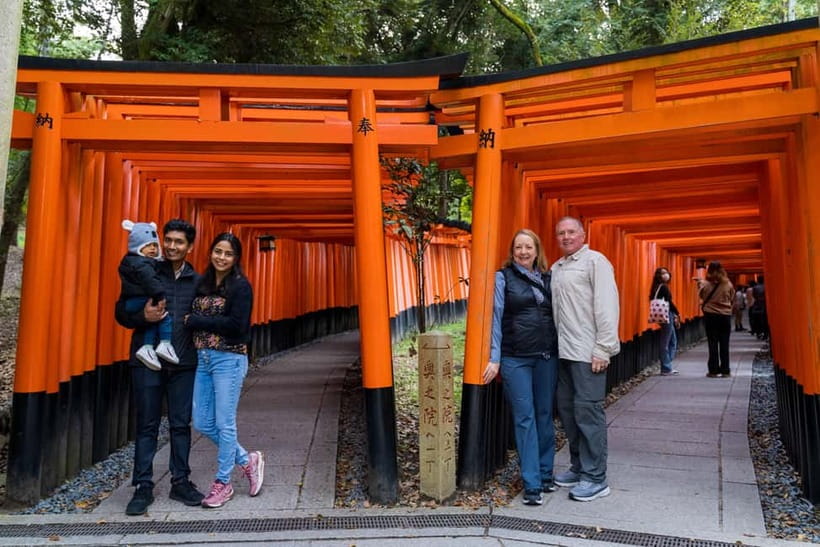
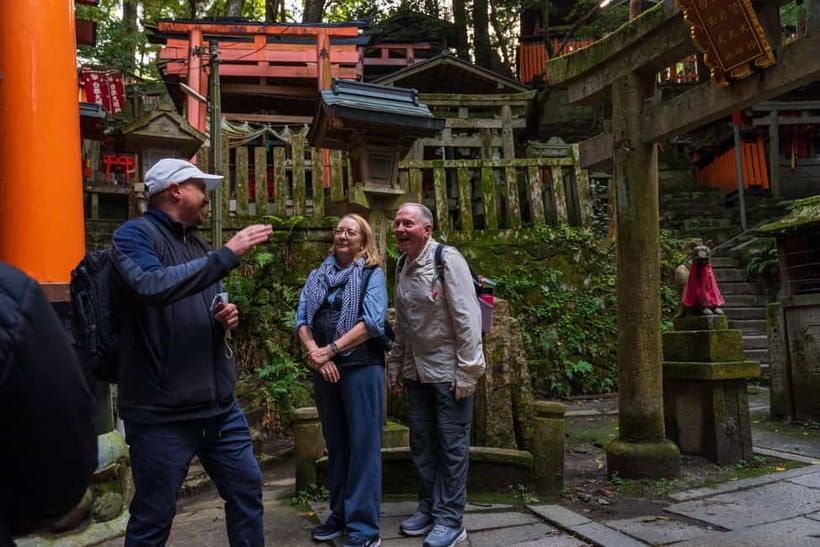
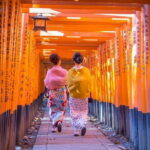
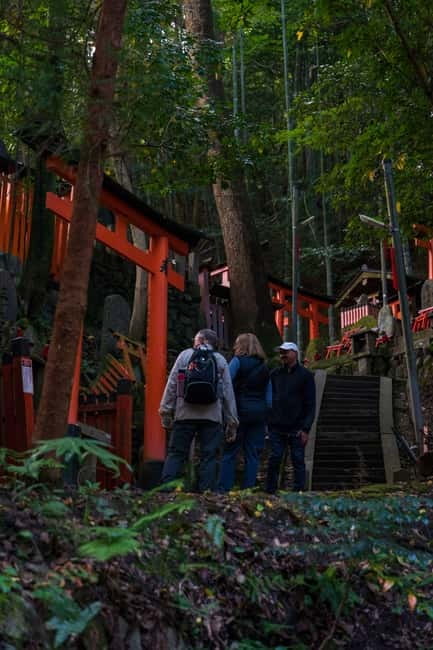
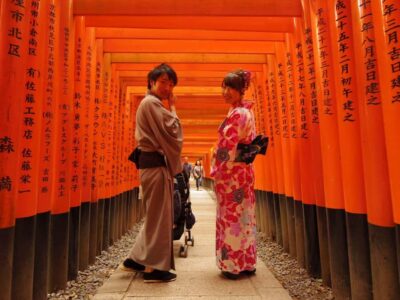
Fushimi Inari Taisha is the #1 Kyoto sightseeing pull for a reason. You’ll start at JR Inari Station, then head into the shrine area where those famous red torii gates create a tunnel-like feeling. Going early matters here. You get long shadows across the path, and the crowds are lighter than they are later in the day, which makes the whole experience feel more human-sized.
What makes this part work as a guided tour is how the guide connects the dots. Instead of treating the shrine like a photo backdrop, you’ll learn what’s going on around you—why the shrine is important and how the space is used. It’s the kind of context that turns a quick sightseeing stop into a meaningful walk.
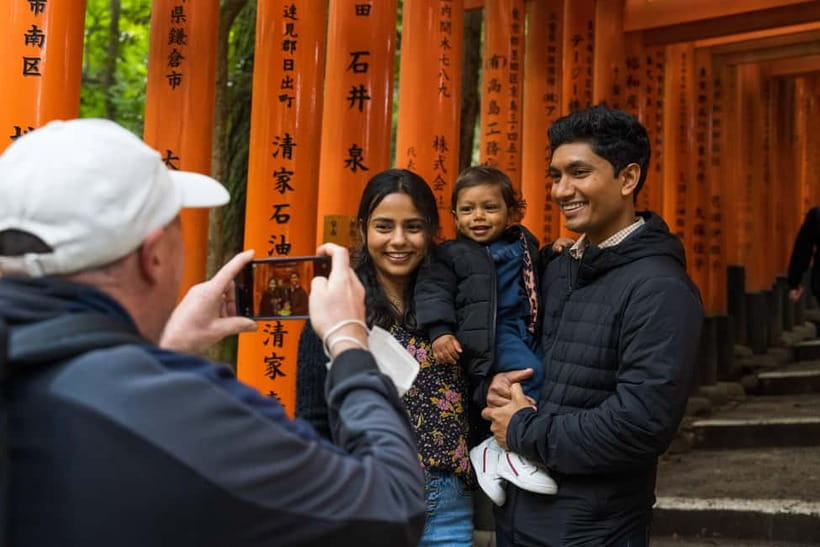
You’ll also have time to take your pictures without feeling rushed. Even if you’re not chasing perfection, those gates look great from multiple angles. The early start helps because you’re more likely to get shots where the path doesn’t look like a conveyor belt.
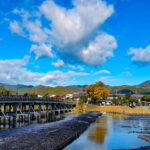
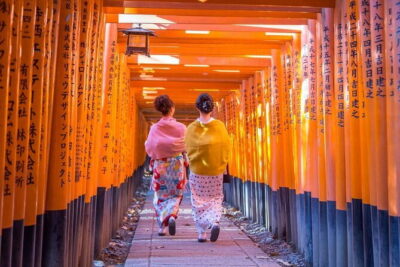
More walks up through the vermilion torii of Fushimi Inari

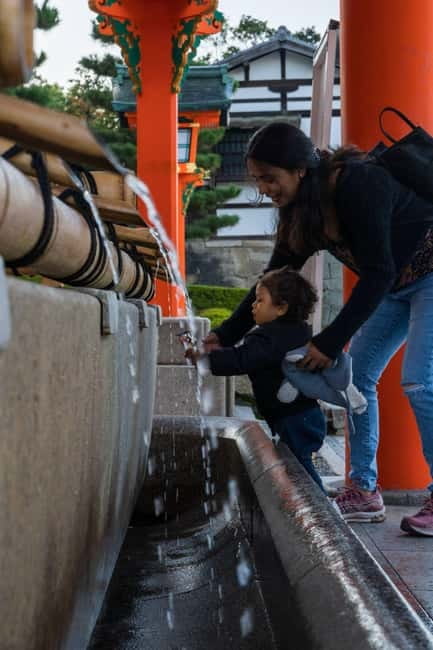
Kiyomizu-dera: iconic temple views with real meaning
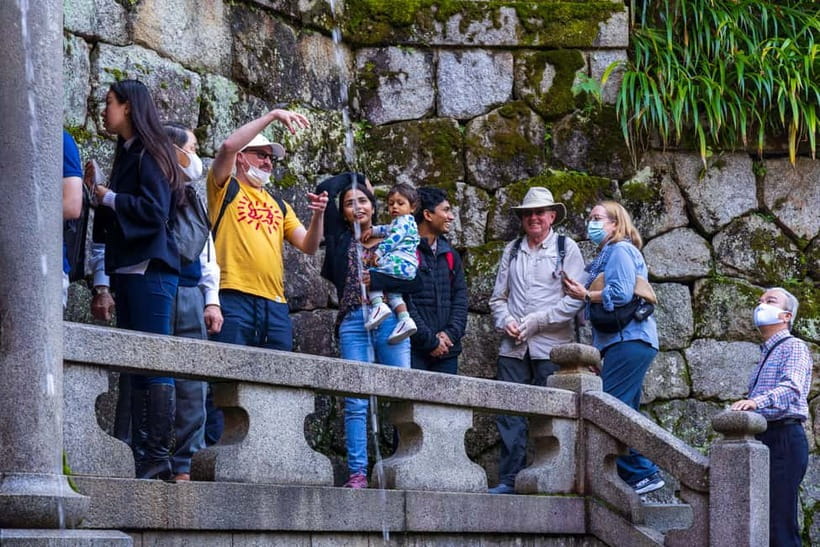
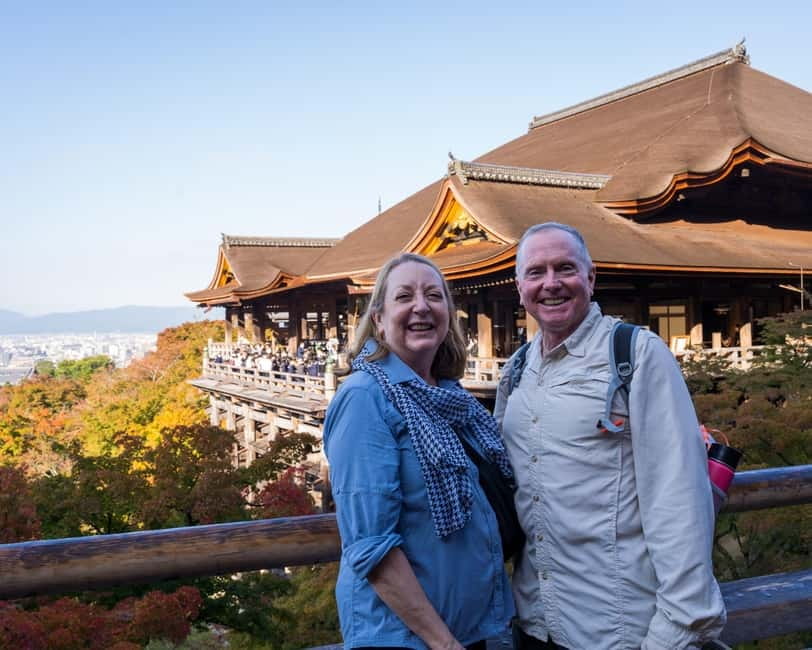
Next comes Kiyomizu-dera, the temple many people can recognize instantly from postcards. Your visit is guided for about an hour, which is a good window. It gives you time to see the main highlights without turning it into a sprint.
Here’s where having a guide helps most. The tour is designed to explain the historical and cultural significance of Buddhism, so the temple details don’t stay abstract. You’ll hear stories tied to what you’re looking at—enough to make you pause, notice, and understand, not just pass through.
The viewpoint at Kiyomizu-dera is why people show up, and you’ll have a chance to soak it in. Kyoto from above is dramatic, but what I like about this tour setup is that you’re not left to figure out the best moments on your own. You get structure, and you also get the breathing room to slow down when a view stops being just scenery and starts feeling like a memory.
The short photo stop that keeps your timing sane
After the main temple time, there’s a dedicated photo stop. This is a small detail, but it’s one of the reasons the 3-hour format feels smooth. You’re not constantly checking where you should be next while holding a phone at arm’s length.
Instead, you can actually frame the shot you want. And if your “must-take” photos involve different angles—common with torii gates and temple viewpoints—you’ll appreciate having that scheduled gap.
Higashiyama streets and the smell of coffee
Kyoto’s preserved lanes are part of what makes this tour feel more than temple-and-go. As you move through the area around Higashiyama, you’ll notice the shift from big monuments to smaller, lived-in streets.
You’ll also get that classic Kyoto moment where the air changes—when coffee aromas drift out from nearby cafés. Even if you don’t stop right away, it makes the walk feel warmer and less like you’re just rushing between checkmarks.
The tour is also built around the “texture” of these neighborhoods—wooden-house streets and the Sannenzaka and Ninenzaka areas that people love for strolling. You won’t spend half a day wandering alone. You’ll get guided context for the temples, plus enough neighborhood time to feel Kyoto rather than just view it.
Guide quality matters: Shanda and Diana set the tone
A tour is only as good as the person translating the place. This one has earned high praise for guides who bring energy and clarity. Two names showing up in standout experiences are Shanda and Diana.
What stands out from those guide notes is not just facts—it’s how they pace things. People liked that they got time for relaxed photos, and that the guide explained traditions and history in a way that felt easy to follow. I’d treat that as a real indicator: if you’re someone who wants to understand what you’re seeing, the guide approach here is a strong match.
If you’re the type who learns best by listening while walking, this tour format should click.
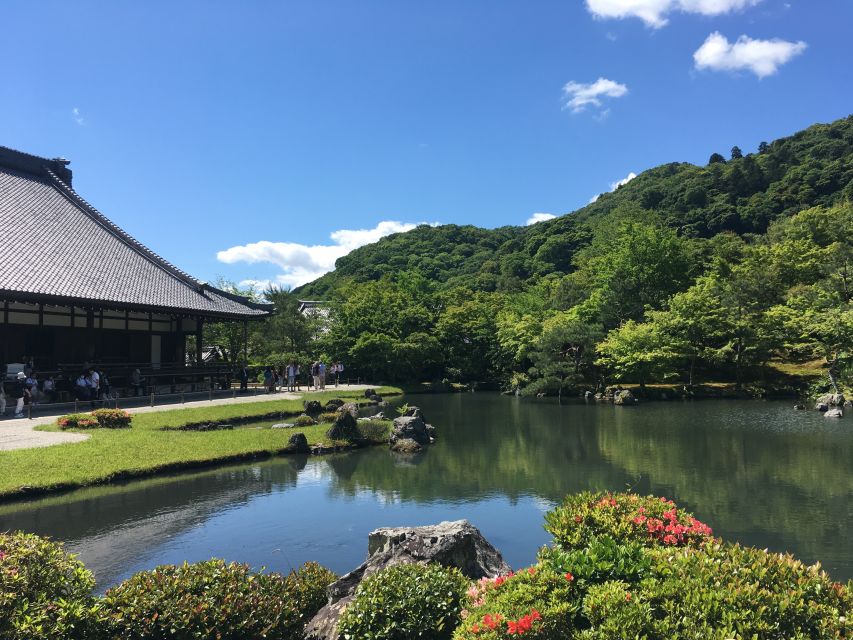
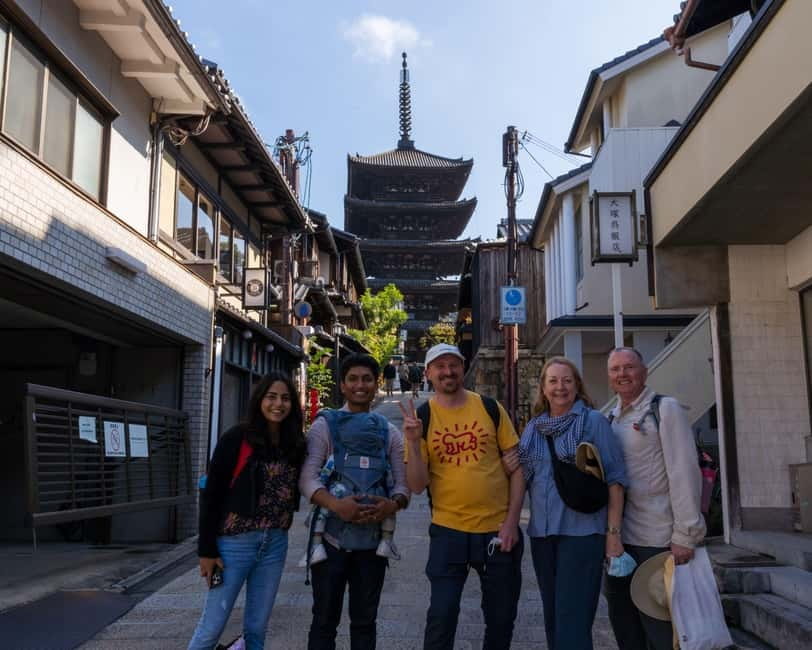
Keep climbing the Higashiyama slopes toward Kiyomizu-dera

Transportation and tickets: why “included” matters in Kyoto
Kyoto can be tricky for short tours because distances add up fast. The good news: the tour includes train fares and taxi fares between Fushimi Inari and Kiyomizu-dera. That removes one of the biggest stress points—figuring out transit while you’re already tired from walking.
It also means your entrance fees are covered, so you’re not scanning ticket machines mid-day. For a 3-hour outing, that’s a big deal. It keeps your mental bandwidth for the experience instead of logistics.
What 3 hours feels like on your feet
Let’s be honest: this is not a sit-and-sightseeing tour. You’ll end up doing 10,000 or more steps, and there are quite a few stairs. That matters for two reasons.
First, it affects comfort. If your shoes are only okay, you’ll feel it by the Kiyomizu-dera stretch. Second, it affects your enjoyment. You’ll enjoy the views more when your body isn’t negotiating blisters.
If you have mobility limits, the tour is not suitable. If you’re simply out of shape, you can still do it—just build in realistic expectations. Take your breaks during photo pauses, drink water as needed (not included), and pace yourself on the stairs rather than trying to keep up too fast.
Price and value: $58 for a focused morning-to-temple combo
$58 per person is reasonable for what you get here because the tour bundles the stuff that often costs extra or creates friction: entry fees, plus train and taxi between two major sites.
If you tried to do this on your own, you’d still pay for transportation and likely for tickets (depending on how you route). The guided portion also adds value: you’re not just looking at landmarks, you’re learning why they matter, and you’re getting help timing it early to reduce crowd headaches.
This tour is also a good value for solo travelers who don’t want to build a custom day plan. You show up, you walk, you leave with clear memories and a handful of practical recommendations for where to eat and drink afterward.
Where you end: % ARABICA Kyoto Higashiyama
Finishing at % ARABICA Kyoto Higashiyama is a smart move. It gives you an immediate, easy option to refuel once you’re done climbing stairs and walking lanes.
Food and drinks aren’t included, but the finish location makes it convenient. After an early start, you’ll probably want that caffeine moment. Even if you don’t buy anything, it’s helpful to have a known place to regroup before heading onward.
The quick “local guide tips” payoff
The tour encourages you to stick around at the end for local guide tips for restaurants, cafés, and bars. This part is valuable because it’s tailored to what you’ve just experienced and where you are when the tour ends.
Instead of asking for vague suggestions, you get recommendations from someone who knows the flow of the neighborhood and can steer you toward places that fit your timing—especially useful if you’re trying to eat without lining up forever.
If you’re the type who likes an easy plan for the rest of the day, don’t skip this step.
So, should you book this early-bird Kyoto combo?
I’d book it if you want:
- Fushimi Inari and Kiyomizu-dera in one tight morning-style route
- a guide who explains the Buddhist/cultural context, not just the postcard views
- the chance to see the torii gates and temple areas with fewer crowds and better photo timing
- included fees and transport, so you spend less time on logistics and more time walking
I would skip or consider a different option if:
- you need step-free routes or have mobility concerns
- you’re expecting an easy stroll with minimal climbing
If you’re healthy on your feet and you like learning while you walk, this is a strong way to hit Kyoto’s biggest hits without turning the day into a crowd battle.
FAQ
How long is the Best of Kyoto tour?
The tour runs for 3 hours.
How much does it cost?
The price is listed as $58 per person.
Where do I meet the guide?
Meet in front of the entrance to JR Inari Station at the time on your voucher. You’ll see a small mailbox and a public phone next to each other.
What’s included in the tour price?
The tour includes the guide, train fares, taxi fares, and entry fees.
Are food and drinks included?
No. Food and drinks are not included.
What languages are available for the live guide?
The live guide is available in English and French.
Is there a lot of walking or stairs?
Yes. There are quite a few stairs, and you can expect 10,000 or more steps during the tour.
Is the tour suitable for mobility impairments?
No. It is not suitable for people with mobility impairments.
Can I cancel for a refund?
Yes. You can cancel up to 24 hours in advance for a full refund.
More Kyoto Temples and Shrines

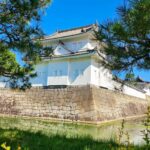

More Along the Higashiyama Slopes
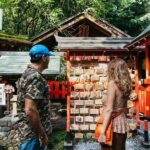
Fushimi Inari, a Few More Ways
Just added: more Kyoto tours to browse





Fushimi Inari Shrine Tours, compared.
 ★ 4.8Fushimi Inari, Kinkakuji, Bamboo Grove 1 Day Bus TourFrom $1224,316 reviews
 ★ 5.0Fushimi Inari Hidden Hiking Tour (Private Option Available)From $631,750 reviews
 ★ 4.7Kyoto/Osaka: Nara, Fushimi Inari Taisha, Arashiyama Bus TourFrom $521,275 reviews
 ★ 4.4Osaka/Kyoto: Arashiyama, Nara & Fushimi Inari Shrine w/LunchFrom $61754 reviews
 ★ 4.7Nijo Castle, Kiyomizu & Fushimi Inari Guided TourFrom $54700 reviews
 ★ 5.0Nijo, Kinkaku-ji, Arashiyama, Kiyomizu & Fushimi InariFrom $51699 reviews
 ★ 5.0Kyoto Fushimi-Inari Night Walking TourFrom $43320 reviews
 ★ 4.93-Hour Fushimi Inari Shrine Hidden Hiking TourFrom $72270 reviews
Browse the lists this tour appears in