
Reviewed · KYOTO COOKING CLASSES
Bento Box Cooking Class
Kyoto bento class feels like a cheat code. In about 3 hours at Cooking Sun, I love the hands-on guidance and the small-group feel, and you finish by eating your own bento while also taking recipes home. One possible drawback: you’ll want to show up hungry, since your meal is the payoff at the end, and the menu can shift with the seasons.
This is a great fit for a time-crunched Japan trip, because you get both the why and the how. You’ll watch techniques demonstrated, then practice key items like egg rolls and tempura components, plus soup and other bento staples—often with seasonal ingredient swaps every few months.
In This Review
- Key things you’ll notice right away
- Bento box in Kyoto: why this lesson hits the sweet spot
- Getting to Cooking Sun and settling in
- The bento origins talk: quick context you’ll actually use
- Technique time: what you cook and why it matters
- Seasonal menu changes: how to plan your expectations
- Your lunch moment: eating what you made (and why it’s a big deal)
- What you take home: recipes that help you cook again
- Food allergies and dietary needs: how to approach it safely
- Who this Bento Box class is best for
- Price and value: what you really get for $71.35
- Should you book this Kyoto Bento Box Cooking Class?
- FAQ
- How long is the Bento Box Cooking Class in Kyoto?
- What is included in the price?
- Do I eat during the class?
- Is the class taught in English?
- How big is the group?
- What kinds of dishes will I make?
- Does the menu change over time?
- Can the class accommodate dietary requirements or allergies?
- Where and when does the class meet?
- Is free cancellation available?
Key things you’ll notice right away
- A tight group size (up to 8) means you’re not lost in the crowd
- Chef-led technique demos before you start cooking your own bento
- Hands-on instruction in English so you can follow steps without guessing
- A menu that updates seasonally every ~3 months, so you’re not cooking the same thing year-round
- Lunch included, and you eat what you make—no waiting around for the payoff
- Recipes to take home, so your bento skills don’t end when class ends
Bento box in Kyoto: why this lesson hits the sweet spot
Bento is one of those foods that looks simple until you pay attention. The magic is in the planning: flavors that work together, textures that don’t clash, and a layout that keeps the meal practical and pretty. In Kyoto, learning bento-making feels especially grounded because the city is full of craft—care, timing, and respect for ingredients.
This class is built for results. In roughly 3 to 3.5 hours, you’re not just watching a show. You’re learning core techniques and then assembling a bento that you can eat right away. That makes it a smart choice if you want something more useful than a typical meal stop.
The price, $71.35 per person, is worth weighing in context. You’re paying for a guided cooking setup: ingredients, lunch, an apron, and an English-speaking instructor. For many people, that’s a better deal than doing a lesson plus separately paying for a guided meal—because you’re getting both instruction and the final boxed lunch.
Roll up your sleeves for another Kyoto cooking class

Getting to Cooking Sun and settling in
Your class starts at 9:30 am at Cooking Sun, 679 Funayachō, Shimogyo Ward, Kyoto. It ends back at the meeting point, so you can plan the rest of your day without a complicated route.
The studio itself matters more than you’d think. A compact classroom layout usually helps with one big thing: visibility. When you’re learning knife work-by-proxy (some prep is often done for you in advance, which helps beginners) and technique-by-technique, you want a clear view of what the instructor is doing and enough space to work.
Also, this is near public transportation. That matters in Kyoto, where timing and walking can turn into a puzzle if you pick the wrong neighborhood for your first or last activity of the day.
The bento origins talk: quick context you’ll actually use
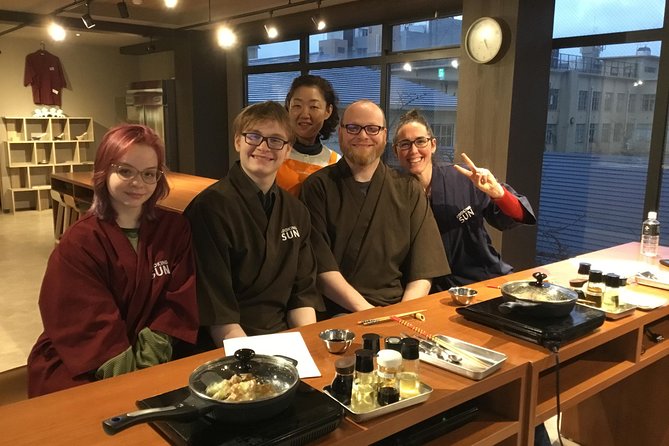
Before you start cooking, you’ll get background on where bento comes from and why it became such an everyday Japanese meal. The class frames bento as more than lunch in a box: it connects to convenience, routine, and the idea that good eating can travel with you.
Even when the lesson stays focused and not overly academic, the context helps you cook better. If you understand bento as planned variety—not random leftovers—you’re more likely to assemble a balanced box instead of just filling compartments.
You’ll also hear why certain staples show up again and again. Things like savory fillings, a warm element (like soup), and a fried or rolled item help create contrast. That contrast is what makes bento satisfying instead of just filling.
Technique time: what you cook and why it matters
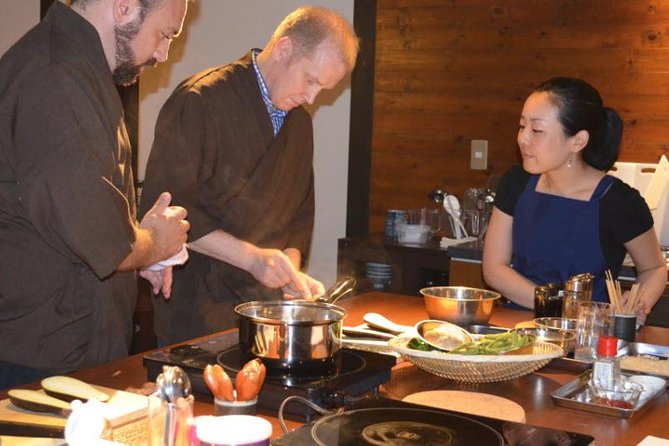
You’ll begin with a chef’s demonstration of bento staples, then practice what you learned. The exact menu can vary depending on when you take the class, because it’s adjusted about every three months to match seasonal ingredients.
That said, you should be prepared for classic bento-building blocks such as:
- Miso soup
- Tempura vegetables
- Egg rolls (a common kid-friendly bento item)
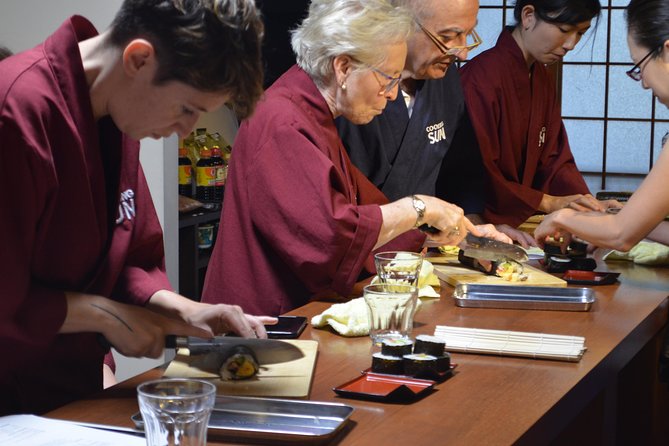
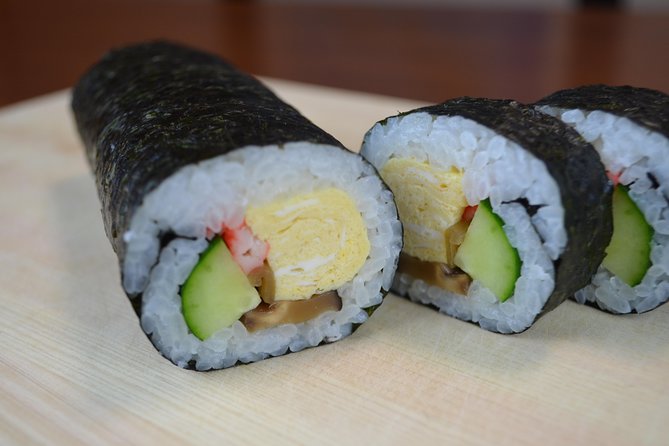
- Additional bento components that may include sushi-rolling skills and other seasonal dishes depending on the session
Here’s why this set of dishes makes sense for a short class. Miso soup teaches you flavor building (not just dumping ingredients). Tempura introduces the idea of texture contrast—keeping it crisp is all about timing and technique. Egg rolls teach patience and control, which transfers to other Japanese cooking styles. Sushi rolling, when included, is a practical way to learn how bento-friendly foods get assembled into something portable.
One detail I really like in this format: you get personal attention from your class leader. The small group size supports that, but the teaching style seems to go further. People have shared that the instructions are precise and easy to follow, with enough supervision that even tricky steps like rolled egg or frying don’t feel like a free-for-all.
Seasonal menu changes: how to plan your expectations
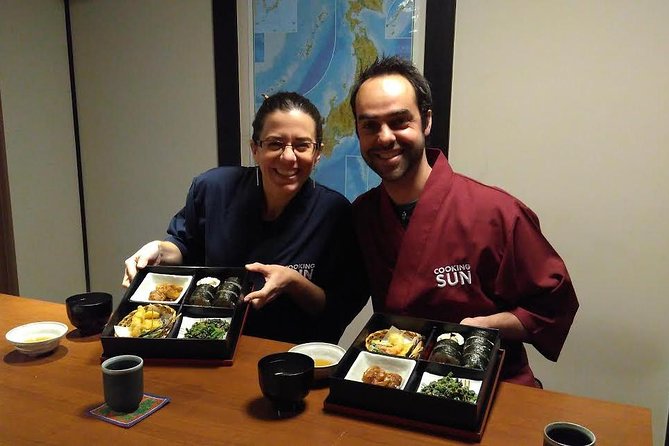
One thing to know upfront: your menu may differ based on the date. The class updates every three months to use the best seasonal ingredients, so you could see variations in what goes into your bento.
That doesn’t mean you’ll get a random box. It means you’re learning the same core logic—how Japanese home cooking turns ingredients into a balanced lunch—with a fresh cast of characters based on the season.
My practical advice: don’t book expecting an exact lineup. Book expecting technique plus the bento mindset. If you’re picky about one specific dish, check before your day if that dish is part of the current menu.
Other Kyoto tours and experiences to compare


Your lunch moment: eating what you made (and why it’s a big deal)
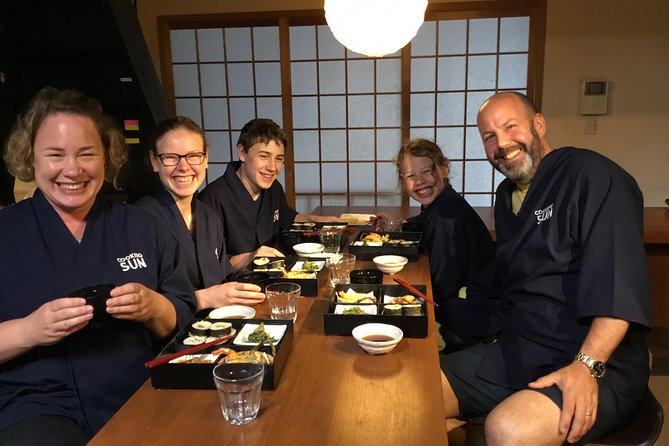
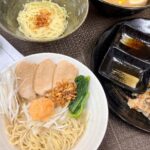
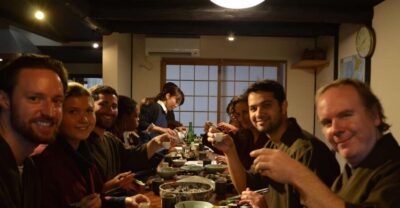
The final part is a sit-down lunch with other course participants, where you eat your handmade bento box. This is the moment the whole class leads up to, and it’s also where you’ll learn the most.
Why? Because you can immediately connect technique to taste. You’ll notice if your tempura turned out just-right or needs timing tweaks. You’ll taste the balance in the box—sweet-salty elements next to something lighter, warm items against crisp textures, and a rhythm that feels intentional.
One strong practical tip from people who’ve done the class: don’t skip breakfast. Since you’re cooking first and eating later, you can get hungry faster than you expect. If you’re arriving straight from another activity, plan a quick snack before class so you can enjoy the work instead of counting minutes until lunch.
What you take home: recipes that help you cook again
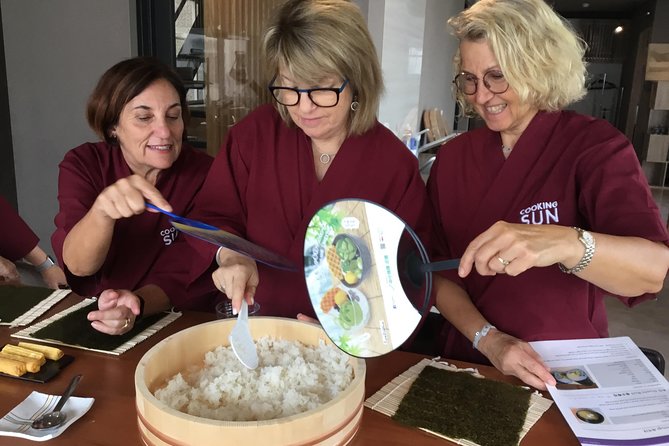
At the end, you’ll receive copies of the session recipes. That might sound like a basic perk, but it’s what turns a class from a fun afternoon into an ongoing cooking skill.
Use the recipes like a checklist:
- Make one bento component at home first (often soup or an egg dish)
- Then build outward with one new technique each time
- Adjust seasoning to your palate, since Japanese home recipes often give you the framework and the exact ratios
The best bento recipes aren’t just instructions—they explain the logic behind flavor choices and when to use specific sauces. For example, people have mentioned learning helpful tips around dashi and how soy sauce shades can change the final taste. Even if your menu differs, the way you think about flavor will carry over.
Food allergies and dietary needs: how to approach it safely
If you have allergies, this is worth taking seriously. The class asks you to advise specific dietary requirements at the time of booking, and there are strong signs they take care in how they handle that.
That’s what you want to look for in a cooking class. Not vague reassurance, but clear pre-planning. Send your needs early and be explicit about what you must avoid.
If you’re not sure what to say, keep it simple:
- What ingredients trigger the issue
- What level of risk you need them to avoid (for example, no contact vs. small traces)
- Any substitutions that you know you can eat safely
Who this Bento Box class is best for
This class is tailor-made for people who want real technique in a short window. If you’re the type who likes to cook at home, you’ll love the structured practice and the fact that you can remake it later using the recipe copies.
It also works well for:
- Couples who want a shared activity and a tasty payoff
- Families who want a hands-on cultural food experience without a long day
- Food lovers who want more than just eating, but also less than a full-day cooking workshop
Beginner-friendly? Yes. You’re guided step by step, and ingredients are handled as part of the lesson setup, so you’re not starting from scratch with every raw component.
If you’re an advanced cook looking for deep restaurant-level mastery, you might find the pacing more straightforward than technical. But for most visitors, the practicality is the point: you’re learning methods you can actually use again.
Price and value: what you really get for $71.35
Here’s the value math that matters on a trip:
- You pay once and you leave with a finished lunch
- You pay once and the ingredients and tools are handled
- You pay once and you get English-speaking instruction with hands-on guidance
- You pay once and you get recipe copies for future meals
So you’re not just buying food. You’re buying coaching plus the ingredients needed to make that food. Add in the small-group cap (up to 8 per booking), and the class feels less like a mass event and more like a guided skill-building session.
If you’re the kind of traveler who usually spends money on guided tours but still feels hungry for a deeper food connection, this is one of the better ways to convert time and money into something you’ll use later.
Should you book this Kyoto Bento Box Cooking Class?
Book it if you want a short, practical Kyoto food experience where you cook, eat, and take something home. The strongest reasons to say yes are the hands-on instruction, the small-group feel, and the fact that you leave with recipes you can use.
Skip it or think twice if you’re not a morning person and you hate cooking with food waiting at the end. Also, if you need a very specific dish that matches your cravings exactly, remember the menu can change seasonally every few months.
If you like food you can recreate—tempered by good technique, not just good taste—this bento class is an excellent match.
FAQ
How long is the Bento Box Cooking Class in Kyoto?
The class runs about 3 hours (approximately 3 to 3.5 hours).
What is included in the price?
Lunch is included, along with all ingredients for cooking, an English-speaking cooking instructor, and an apron.
Do I eat during the class?
Yes. You’ll make your bento and then sit down to enjoy your handmade lunch with the class.
Is the class taught in English?
Yes. The instructor is English-speaking.
How big is the group?
The class has a maximum of 8 travelers per booking.
What kinds of dishes will I make?
You can expect bento staples such as miso soup, tempura vegetables, and egg rolls. Some sessions also include additional items like sushi rolling, depending on the menu.
Does the menu change over time?
Yes. The menu is adjusted every three months to use seasonal ingredients.
Can the class accommodate dietary requirements or allergies?
You should advise any specific dietary requirements at the time of booking, and the class is designed to be attentive to needs when communicated in advance.
Where and when does the class meet?
The meeting point is Cooking Sun, 679 Funayachō, Shimogyo Ward, Kyoto, 600-8466, Japan. The start time is 9:30 am.
Is free cancellation available?
Yes. You can cancel up to 24 hours in advance for a full refund.
More Cooking Classes in Kyoto
More Tour Reviews in Kyoto


More Kyoto Cooking Classes

Just added: more Kyoto tours to browse



Kyoto Cooking Classes, compared.
 ★ 5.0Ramen Cooking Class at Ramen Factory in KyotoFrom $1311,937 reviews
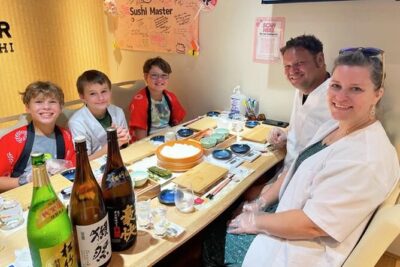 ★ 5.0Sushi Making in Kyoto! Same-day bookings welcome!From $53713 reviews
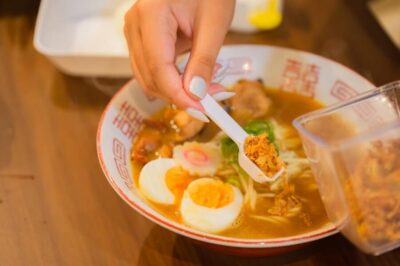 ★ 4.9Ramen Cooking Class at a Ramen Factory with SouvenirFrom $127532 reviews
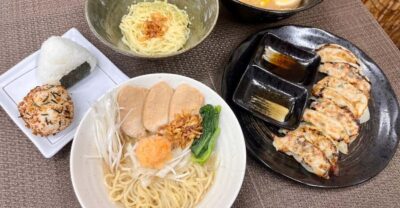 ★ 5.0Ramen, Gyoza, and Onigiri Cooking ClassFrom $90445 reviews
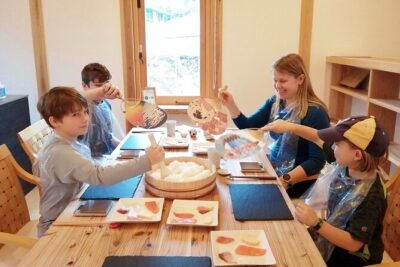 ★ 5.0The Original Small-Group Sushi Making Class in KyotoFrom $69436 reviews
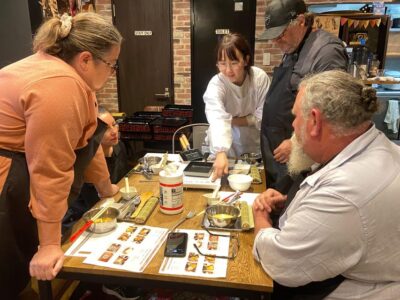 ★ 5.0Japanese Washoku Bento Small Group Cooking ClassFrom $58380 reviews
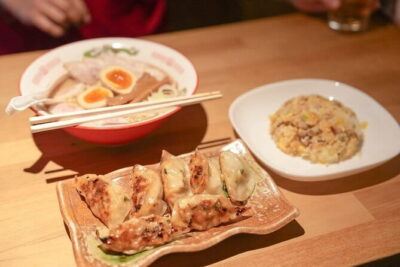 ★ 5.0Kyoto Ramen and Gyoza Cooking Class with Professional ChefsFrom $86282 reviews
 ★ 4.9Afternoon Japanese Izakaya Cooking ClassFrom $67241 reviews
Browse the lists this tour appears in