
Reviewed · KYOTO CRAFT & CALLIGRAPHY WORKSHOPS
Authentic Knife Making Experience at a Blacksmith in Kyoto
Hot steel, calm hands, one Kyoto souvenir. At Atelier NIN, you forge, sharpen, and polish a Japanese-style blade in about three hours, dressing in a goldsmith outfit. I love the small group size and uniform provided, because you get real attention, and you do not need to hunt for protective clothes; the drawback is the work is physical, so come with moderate fitness and stamina.
You also skip the usual prep headache: an English guide and a full set of tools are included. I like that the instructors step in as needed with safe technique, like Diaki did in the classes where participants praised the guidance and corrections.
Your finished knife is typically 13 to 15 cm, and because it’s handmade it can vary a bit. One practical note for your packing plan: if you’re flying, check carry-on rules since blade length can be a problem.
In This Review
- Key highlights worth your time
- Kyoto knife making at Atelier NIN: what makes it feel authentic
- Where the session starts: studio NIN, then the Rurikoin setting
- Dressing as a goldsmith: the part that changes your mindset
- Step by step in 3 hours: forging, sharpening, polishing
- 1) Learn the tools before you touch the steel
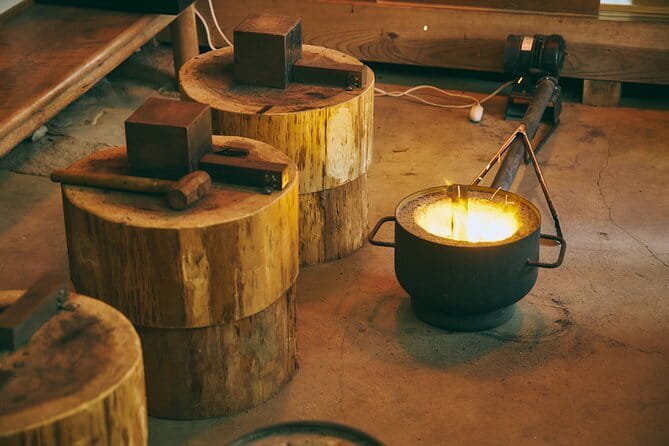
- 2) Forging: hammering hot steel into shape
- 3) Sharpening and polishing: where the blade becomes usable
- Blade size reality check: 13 to 15 cm, handmade variation
- What you actually take home (and how to travel with it)
- Why the small group size is the real value
- Price and value: $158.52 for a trad craft shortcut
- Who should book this Kyoto knife workshop
- Logistics tips so you don’t waste time
- Should you book Atelier NIN knife making in Kyoto?
- FAQ
- Where is the meeting point?
- How long does the knife making experience take?
- How many people are in the group?
- Is an English guide provided?
- Do I need to bring protective clothes?
- What’s included in the price?
- What’s not included?
- What knife size will I make?
- Where does the experience end?
- What is the cancellation policy?
Key highlights worth your time
- Small group (max 6): more hands-on attention while forging and sanding
- Uniform included: you dress in a traditional goldsmith look without extra shopping
- Full tool kit provided: you use their equipment, not borrowed or improvised gear
- Real blade-making steps: forging, then sharpening and polishing—not just a demo
- Handmade 13–15 cm knife: a usable kitchen souvenir you can be proud of
- English guide support: easier communication for safety and technique
Kyoto knife making at Atelier NIN: what makes it feel authentic
If you want a Kyoto souvenir that isn’t just a purchase, this workshop is built for the real thing: making a Japanese kitchen knife. The value comes from the time split between active forging and the finishing steps that turn hot metal into an actual blade you can use.
What I like most is how the class removes friction. You get a uniform, you get the tools, and you get an English guide. That means your brain can focus on the craft instead of logistics.
This is also not a huge factory-style group experience. With a maximum of six people, the teachers can correct your hammering and sanding without waiting in line. That matters because knife angles and finishing take small adjustments, not big motivation speeches.
Make something by hand in a Kyoto workshop
Where the session starts: studio NIN, then the Rurikoin setting
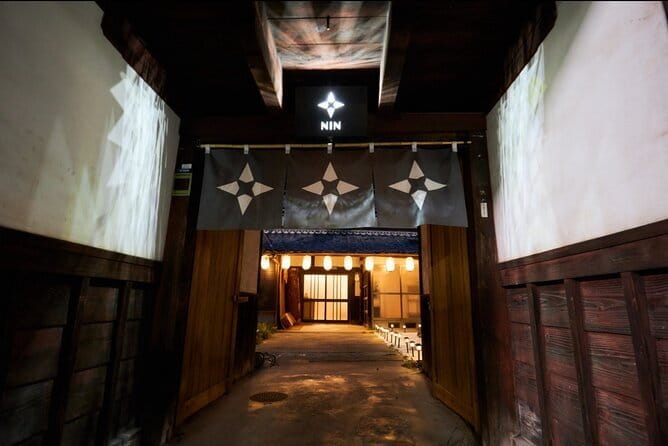
Your meeting point is studio NIN at 八瀬168-1 Yasenosechō, Sakyo Ward, Kyoto (601-1254). The experience ends back at the same meeting point, so you can treat it like a self-contained half-day activity.
The tour listing includes Rurikoin as a stop. In practice, that usually means you’re heading to a specific workshop setting rather than just meeting in a classroom. Either way, expect a more local feel than central Kyoto shopping streets.
One practical tip: the location is described as near public transportation, but it can be inside a residential area. If you’re the type who relies on cellphone maps only, save the directions before your trip or bring an offline plan.
Dressing as a goldsmith: the part that changes your mindset
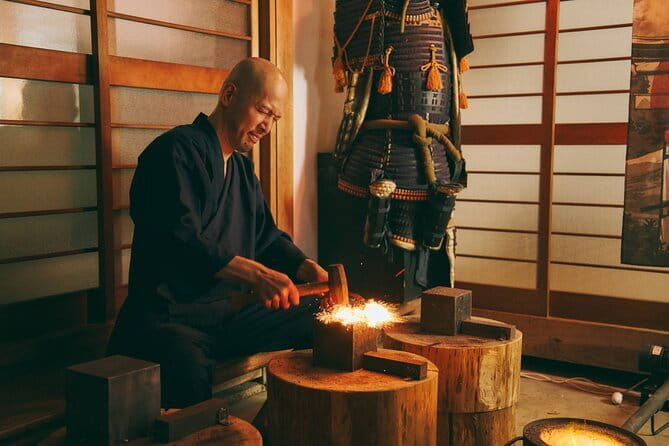
You start with the costume change: a traditional goldsmith outfit is provided as part of the experience. This is not just for photos. It signals that you’re stepping into a traditional craft setting where safety and process matter.
From there, the day is structured so you learn the workflow in the order Japanese knife making teaches it: tools first, then forming the steel, then finishing. When you do it in sequence, you understand why sharpening and polishing are not optional extras. They are what make the blade actually work.
Step by step in 3 hours: forging, sharpening, polishing
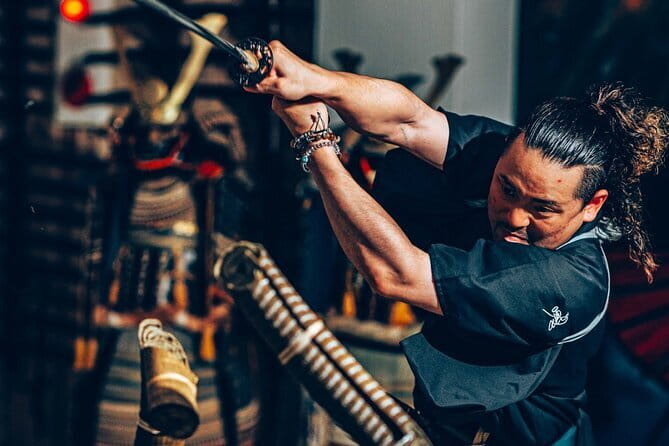
The full experience runs about three hours. That time includes dressing up, learning tool basics, forging, then sharpening and polishing to a completed look and feel.
A key detail: the forging focus is a shorter, hands-on block designed to fit this schedule. The workshop also notes a two-and-a-half-hour experience, which lines up with what many people expect: you spend real time hammering and shaping, not just watching.
Here’s what you’ll do during the class.
1) Learn the tools before you touch the steel
Before you swing a hammer, you get guidance on the equipment and safe handling. You’ll work with the tools provided by the studio, and that matters because novice mistakes often come from grip, stance, or timing, not lack of interest.
The safe-technique instruction is one of the most praised parts of the experience. Even when people felt physically stretched by the work, they still appreciated that the staff showed how to do it safely.





2) Forging: hammering hot steel into shape
Forging is the heart of the workshop. You’ll learn how the process works by doing it, which is why this is popular with people who like practical craftsmanship.
From the experience flow described in feedback, you typically start hammering an initial metal strip or billet. Then staff cut and define the knife shape based on what you requested, and you finish the forming work yourself.
One reason this works so well as a souvenir is that you’re not just “making something.” You’re participating in the transformation of steel under heat. The workshop’s emphasis on forging also explains why this class can deliver a real take-home knife in a short window. The most complex, long-run knife making is often for bigger blades and custom timing, while this class is designed to let you hit the main forging and finishing milestones.
A common forging reminder from the format: hammering hot steel is strenuous. You’re not doing slow museum waving; you’re doing repetitive, controlled strikes.
3) Sharpening and polishing: where the blade becomes usable
Once shaping is done, you move into grinding, sanding, and polishing. This is where an amateur attempt can turn into a disappointing end product if you lose the angle, but the workshop format is designed to keep you on track.
One strong theme from participant notes is the hands-on guidance during sharpening and finishing. People described grinding and finishing on a belt system, then getting help to clean up and sharpen the edge.
You should also know the class includes polishing. That’s not only cosmetic. Polishing affects how the blade feels in use and how evenly the edge transitions, especially on a handmade knife.
Blade size reality check: 13 to 15 cm, handmade variation
The finished knife is approximately 13 to 15 centimeters. Because it’s handmade, it can vary depending on your piece and what gets shaped during the workflow.
Also note the pricing context. The workshop explains that bigger knives take more time and money. For a regular cooking knife, it notes that it can take more than five hours and cost more than $400. In that light, paying $158.52 for a forging-focused, shorter session is not just a bargain; it’s a way to experience a major slice of the trade without a full day or full custom price tag.
What you actually take home (and how to travel with it)
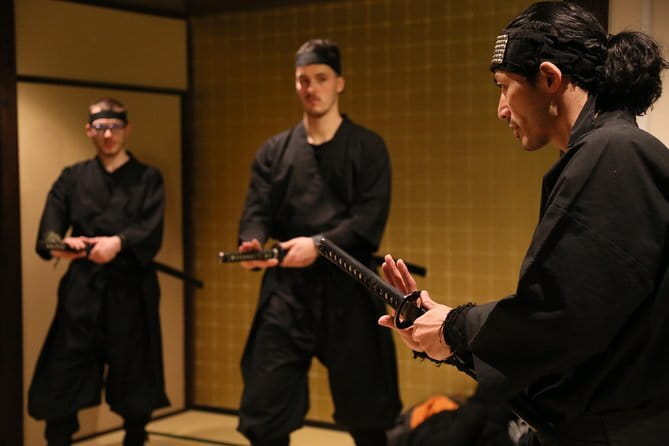
The end result is a fully functional Japanese-style knife, presented as a wrapped souvenir. Feedback also mentions gift packaging, which is nice if you’re treating this as a present or want something safe for the ride.
Knife travel matters. If you’re heading home by air, plan to check a bag. At least one participant specifically warned that the blade length may exceed carry-on restrictions. Even if you think you’ll be fine, customs and airline rules can be strict, and a sharp blade is not something you want to argue about at the airport.
Handle details: the workshop overview states that there are no wooden handles in the base format and that the handle is also made of iron. You should follow the class materials you’re given on the day, but one piece of feedback referenced a possible optional wooden-handle add-on (for an extra fee) for people who wanted that look. If a wooden handle matters to you, ask at booking so you’re not surprised.
Why the small group size is the real value

A lot of craft workshops advertise “hands-on,” but not all of them deliver real coaching. Here, the maximum group size of six is the difference between feeling lost and feeling guided.
That matters for two reasons:
- Forging and finishing each require different control. The hammering needs stable posture and consistent strikes, while grinding and sharpening need careful angles and patience.
- Mistakes happen fast at the start. The sooner an instructor catches your form or angle, the less likely you are to end with a blade you don’t love.
If you’re coming as a couple or with a friend, this setup is especially good. You get your own knife, but you’re still part of a shared, calm studio rhythm rather than a chaotic group line.
Price and value: $158.52 for a trad craft shortcut
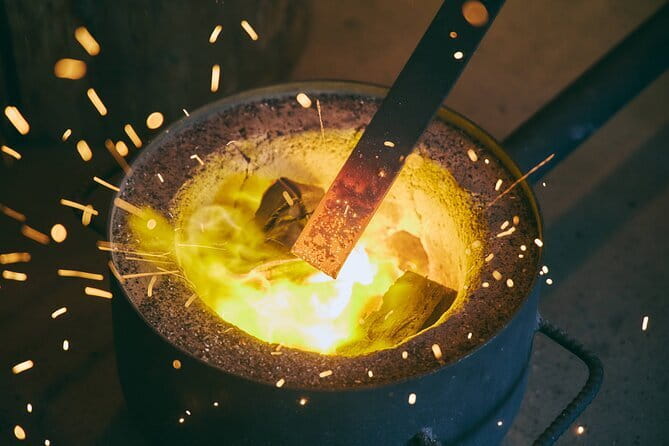
At $158.52 per person, this is priced like an activity that gives you a real artifact, not a casual demo. The “value” argument here is not just the knife itself. It’s what the class compresses.
The workshop notes that a regular cooking knife can take more than five hours and cost over $400 in the usual longer, larger-scale process. This class shortens the timeline so you still get the central forging lesson, plus the sharpening and polishing work that turns the piece into something usable.
Also, your money is doing what you want it to do:
- Uniform included means fewer extra purchases.
- Tools included means you start immediately and safely.
- English guide included helps you understand what’s happening, not just copy hand motions.
Who should book this Kyoto knife workshop
This experience is a strong match if you want any of the following:
- a hands-on craft souvenir with a real purpose (a blade, not a trinket)
- a focused look at how Japanese kitchen knives are made, with forging as the main event
- a small-group activity where you can ask questions and get corrections
It’s also a solid choice for adults and kids, since feedback includes participation by teens, and people described the guidance as patient.
I would think twice if:
- you’re dealing with low stamina for repetitive hammering (the class lists moderate physical fitness)
- you have concerns about staying attentive to safety while handling hot and sharp tools
- you need a super light, seated activity
Logistics tips so you don’t waste time
A few practical things can make your day smoother.
First, bring water and pace yourself mentally. Even if the group is small, you’ll be doing real work: forging, grinding, sharpening, and polishing.
Second, wear sensible basics for the workshop day. A uniform is provided, but your comfort and foot stability still matter. One participant wished for better footwear guidance (they mentioned dropping a knife), so if you’re prone to slipping or you’re uncomfortable with foot protection, ask the staff about what they prefer for safety.
Third, plan your directions. Feedback notes that the location can be hard to find if you lose phone signal near the station. Save the meeting address in advance and give yourself a small buffer.
Fourth, plan luggage for the blade. Pack for a check-in bag if you’re flying, and keep the souvenir protected during transit.
Should you book Atelier NIN knife making in Kyoto?
Book it if you want a Kyoto experience that ends with something real in your hands and a story that makes sense: you forged, shaped, and finished an actual Japanese-style knife. The class structure, included tools, and small group coaching are what make this more than a novelty workshop.
Don’t book it if you’re expecting a relaxed sit-and-watch session. This is hands-on and physical, and it pays off most when you’re willing to work at a steady pace.
If your schedule allows and you’re within reach of studio NIN and public transport, this is one of those Kyoto activities that feels like craft culture, not tourism cosplay.
FAQ
Where is the meeting point?
The experience starts at studio NIN 八瀬168-1 Yasenosechō, Sakyo Ward, Kyoto, 601-1254, Japan.
How long does the knife making experience take?
It’s approximately 3 hours.
How many people are in the group?
The activity has a maximum of 6 travelers.
Is an English guide provided?
Yes. An English guide is included.
Do I need to bring protective clothes?
No. A uniform is provided, so you do not need to source protective clothes.
What’s included in the price?
A uniform, an English guide, and a set of tools used to make knives are included.
What’s not included?
Snacks and private transportation are not included.
What knife size will I make?
The knife is approximately 13 to 15 centimeters, and since it’s handmade it may vary a bit.
Where does the experience end?
It ends back at the meeting point.
What is the cancellation policy?
You can cancel up to 24 hours in advance for a full refund. If you cancel less than 24 hours before the start time, the amount paid is not refunded.
More Tour Reviews in Kyoto
More Kyoto Workshops to Try


Just added: more Kyoto tours to browse








Kyoto Craft & Calligraphy Workshops, compared.
 ★ 5.0Chopsticks Making Workshop in Gion with Engraving OptionFrom $15958 reviews
 ★ 4.8Authentic knife making experience at a blacksmith in KyotoFrom $154350 reviews
 ★ 5.01-Hour Japanese Archery Experience in KyotoFrom $46176 reviews
 ★ 5.0Calligraphy class at Buddhist temple in city centerFrom $55167 reviews
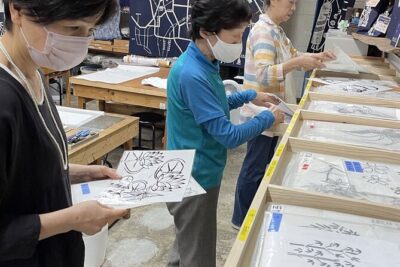 ★ 5.0Roketsu dyeing experience: M course Roketsu Dyeing ExperienceFrom $25163 reviews
 ★ 4.9Japanese Archery Workshop with Experienced InstructorFrom $38132 reviews
 ★ 4.8Japanese Calligraphy ClassFrom $5189 reviews
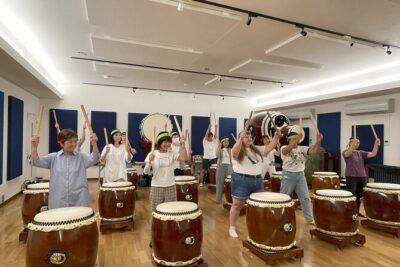 ★ 5.0TAIKO, Japanese Drum Experience from KyotoFrom $11586 reviews
Browse the lists this tour appears in