
Reviewed · NARA DAY TRIPS FROM KYOTO
Single- & multi-day Adventures within Kyoto Nara Osaka Kobe
Four cities in one private ride. This Kyoto–Nara–Osaka–Kobe adventure is built for checking off big sights with fewer headaches, since you’re not stuck with crowded buses. I especially like having a private vehicle just for your group, plus on-board Wi‑Fi for navigation, photos, and messages on the move.
My other big win is the flexible pacing: the route can shift around your preferences, so you can spend longer where you care and shorten what you don’t. I’m also drawn to how the day-to-day plan mixes famous icons with practical stops like food streets and shopping alleys—so you don’t just sightsee, you snack and wander too. One real consideration: admission fees aren’t included, and the schedule packs in a lot of walking, so plan for ticket time and comfy shoes.
In This Review
- Key things I’d plan around before you book
- Why This Private Kyoto–Nara–Osaka–Kobe Route Works
- Price and Value: What $385 per Group Actually Buys
- Comfort and Practical Logistics Inside the Private Vehicle
- Day 1 in Kyoto: Amanohashidate, Arashiyama, Kinkaku-ji, and Fushimi Inari
- Amanohashidate and Ine no Funaya: start with sea air and easy wow-factor
- Arashiyama and Kinkaku-ji: the classic Kyoto combo
- Nijo Castle and Kyoto Imperial Palace: political power, quiet rooms
- Nishiki Market, Ginkaku-ji, Nanzen-ji, and Gion: mix food, walking, and atmosphere
- Sanjusangendo and Fushimi Inari-taisha: statues and the famous gates
- Hozugawa River boat ride end point, plus Kyotango beach and wine
- Day 2 in Osaka: Castle, ramen culture, markets, and old streets
- Osaka Castle and Cup Noodles Museum: two angles on modern Osaka
- Minoo Park: a breather outside the city
- Shinsekai, Kuromon Market, Hozenji Yokocho, Dotonbori: eat and wander
- Shinsaibashi-suji and Sumiyoshi Taisha: retail plus an older shrine
- Tempozan, Asahi Beer Museum, and more street stops
- Day 3 in Nara and Uji: deer, Buddha scale, gardens, and tea country
- Nara Park and Todai-ji: deer and the big Buddha
- Kofuku-ji and Kasuga Grand Shrine: the temple complex rhythm
- Naramachi and Higashimuki: walkable “old town” atmosphere
- Isuien Garden and Uji: a calm garden then a tea detour
- Day 4 in Kobe: mountains, sake, earthquake memory, Himeji Castle, and onsen time
- Mt. Rokko and herb gardens: start with a view
- Nada no Hitotsubi and Kobe Shushinkan Brewery: sake-focused sightseeing
- Port of Kobe Earthquake Memorial Park: a necessary stop
- Kitano Ijinkan-gai and Chinatown: foreign merchant history and food
- Kobe Harborland, Himeji Castle, and Koko-en: coastal views then white heron energy
- Arima Onsen and Rokko views: end with a reset
- What’s Included vs. Not Included (So You Don’t Get Surprised)
- Who This Tour Suits Best
- Should You Book This Kyoto–Nara–Osaka–Kobe Private Tour?
- FAQ
- How long is the tour?
- How much does it cost?
- Is the tour private?
- Does the tour include hotel or airport pickup?
- Is Wi‑Fi provided in the vehicle?
- Are admission tickets included?
- Is there a restroom available on board?
- Is there a mobile ticket?
- Can I change the itinerary during the tour?
- Is cancellation free if I change my plans?
Key things I’d plan around before you book
- Private car for up to 8: easier logistics than shared tours, especially when moving between cities.
- Wi‑Fi and power (100V AC): you can keep devices charged and connected during travel time.
- Flexible itinerary by request: you can adjust stops as your group likes.
- Most entrances are extra: many highlights are not included in the price.
- No restroom on board: you’ll want to use facilities during each stop.
- Multi-city coverage: Kyoto, Nara, Osaka, and Kobe can fit into one uninterrupted trip.
Why This Private Kyoto–Nara–Osaka–Kobe Route Works
If you’ve ever done Kyoto on a bus, you know the pain: too much time in traffic, too little time where you want to linger. This tour avoids that by moving you city-to-city in a private, air-conditioned car with pickup and drop-off where you want. That means you’re not hunting meeting points across town, and you’re less stressed when trains run late or weather changes.
I also like that the experience is designed to be adjustable. The day plan is structured, but it isn’t rigid. Your guide can adjust based on what you want most—temples, gardens, neighborhoods, food streets, or photo stops—so the trip can feel more like a day you built yourself than a checklist you rushed through.
The other strong point is connectivity. With stable Wi‑Fi on board and built-in power to charge laptops and cameras, travel time doesn’t feel wasted. You can coordinate with your group, check train alternatives if you get delayed, and keep your photos organized without scrambling later.
More day trips out to Nara and its bowing deer
Price and Value: What $385 per Group Actually Buys
The price is $385 per group (up to 8). That’s not cheap for solo travelers, but for small groups it can become very reasonable—because you’re paying for private transportation across multiple cities. The big cost drivers here aren’t just the sights, they’re the logistics: long transfers, time management, and avoiding the start/stop friction of shared tours.
Think of it this way: one day of private car help in Kansai can be expensive on its own. This package bundles hotel/airport pickup, private car time, and the flexibility to re-shape your route across Kyoto, Nara, Osaka, and Kobe. Then you add in the convenience extras—Wi‑Fi, 100V AC power, and an air-conditioned ride—so even downtime feels productive.
Where value can slip is if you expect all tickets to be included. They aren’t. Many major stops list admission tickets as not included, so your final spend will depend on which entrances you choose to pay for. If you’re comfortable handling that, the money goes where it matters: transportation and time.
Comfort and Practical Logistics Inside the Private Vehicle
This is a private tour/activity, meaning only your group rides with the driver. That matters because Japan’s sightseeing often means early starts, tight streets, and lots of back-and-forth. With your own vehicle, you can keep the group together and adjust if someone needs an extra break.
Inside the car you’ll have:
- Wi‑Fi access (stable internet during excursions)
- 100V AC power supply for charging devices like laptops and cameras
- Air-conditioned comfort (useful in summer and anytime you want to cool down fast)
Two things to note. First, admission fees are not included, so you’ll be paying at the gate or with ticket machines at various stops. Second, the tour data says there is no restroom on board. That doesn’t sound like a dealbreaker, but it affects pacing. You’ll want to treat each stop like a chance to use facilities and reset your energy.
Day 1 in Kyoto: Amanohashidate, Arashiyama, Kinkaku-ji, and Fushimi Inari
Day one swings through several Kyoto highlights and then pushes outward for scenic bay views and wine.
Amanohashidate and Ine no Funaya: start with sea air and easy wow-factor
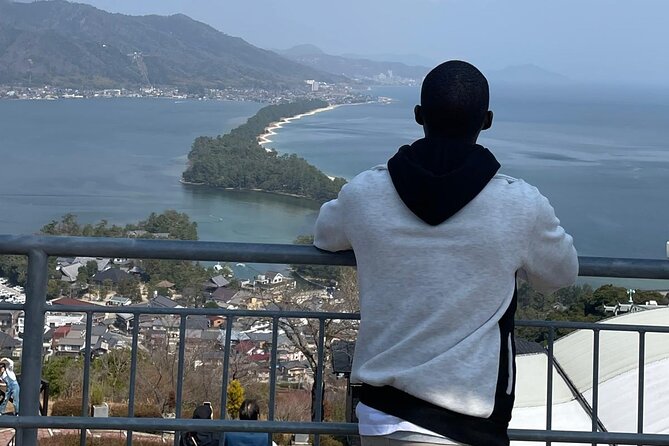
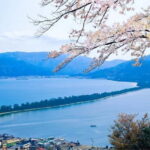
Amanohashidate is a natural pine-covered sandbar connecting Miyazu Bay’s sides. The big appeal is the view: you’re looking at a long strip of greenery and sand that feels like a postcard even if you’re just walking on footpaths nearby. If you’re the kind of person who likes a quick nature fix before temples, this is a strong opener.
Next is Ine no Funaya, a seaside area known for “funaya,” old boathouses that line the water. You’ll also see the Urashima shrine area tied to the Urashima Taro folk tale. This is a different kind of Japan: gentler, coastal, and slower than city districts.
More of Kansai, from Kobe to Himeji Castle

Arashiyama and Kinkaku-ji: the classic Kyoto combo
Arashiyama is Kyoto’s western district with a long historical pull and easy photo opportunities. It’s also a tourist magnet, so plan to take your time on the edges where you find calmer corners, not just the most crowded pathways.
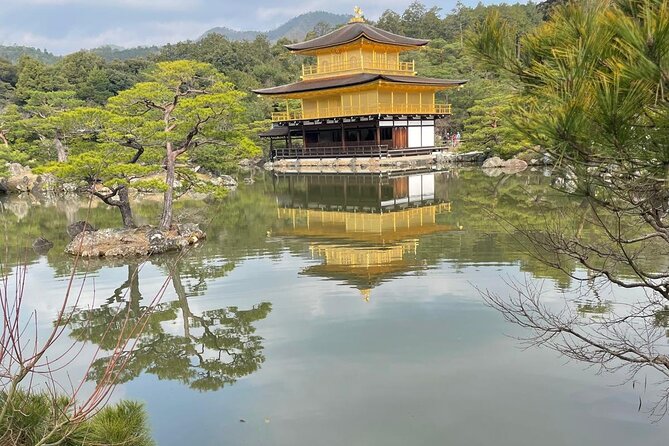
Then you hit Kinkaku-ji, the Golden Pavilion. Even if you’ve seen photos before, the real thing is a clear highlight because the temple’s placement and reflection over the pond create a standout look. You don’t need a long stop to get the impact, but it helps to linger enough to catch your favorite angle.
Nijo Castle and Kyoto Imperial Palace: political power, quiet rooms
Nijo Castle brings you into former imperial and shogunal-era architecture, with its long association to major political shifts. Kyoto Imperial Palace (Kyoto Gosho) is another great contrast: more spacious and less “photo-only,” and it gives context for Kyoto’s role before the capital moved to Tokyo.
If you like history but hate museum-style lectures, these stops can still feel worth it because the buildings and layout do the talking.
Nishiki Market, Ginkaku-ji, Nanzen-ji, and Gion: mix food, walking, and atmosphere
Nishiki Market is a dense, food-focused street that people love for snack browsing. It’s practical too: you can grab small bites without turning the day into a restaurant schedule.
Ginkaku-ji (Silver Pavilion) is a Zen temple experience with a strong visual identity, and it pairs nicely with nearby mountain views. Nanzen-ji is another Zen stop that tends to feel more grounded—good for a slower walk and calmer vibes than you get at the most famous landmarks.
Gion is Kyoto’s geisha district, and even if you don’t spot anyone in traditional roles, the street layout and old-town feel give you a good sense of the neighborhood’s character. Yasaka jinja is commonly paired in this area, and its vermilion presence is a big part of the wow.
Sanjusangendo and Fushimi Inari-taisha: statues and the famous gates
Sanjusangendo is known for its many statues of Kannon. The scale is the point: you get this sense of repetition and devotion that’s hard to understand from one photo.
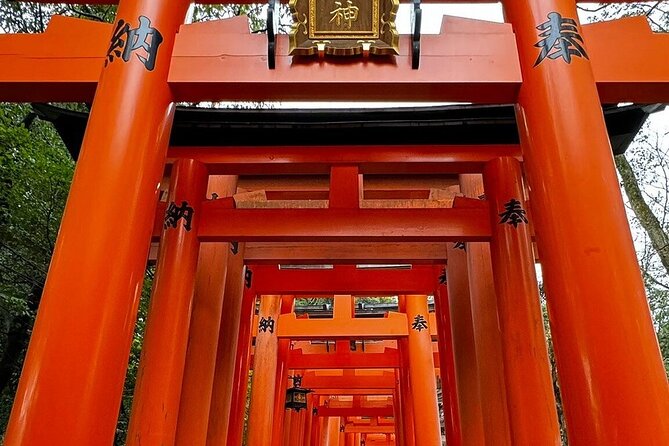
Then comes Fushimi Inari-taisha, with the long tunnel of torii gates and the shrine’s long-standing role in prayers for prosperity and safety. If you want photos with less crowd stress, you’ll do better by pacing yourself through the climb rather than rushing to the first view.
Hozugawa River boat ride end point, plus Kyotango beach and wine
The day continues with a Hozugawa River water experience. Even if you don’t consider yourself an adrenaline person, water rides can be a great palate cleanser after temple-heavy blocks.
Then the route moves toward Kyotango for beach scenery, including Shotenkyo Beach. You also stop at Amanohashidate Winery for a tasting or wine experience (noted as free in the data). This is where the day turns from temples to relaxation and taste—exactly what I like for keeping a multi-city day from becoming exhausting.
A small reality check: Day 1 includes a lot of moving parts. The flexible itinerary helps here, but you still need to accept that your day is packed.
Day 2 in Osaka: Castle, ramen culture, markets, and old streets
Osaka Day 2 is built around big-name sights plus the city’s food-and-neighborhood energy.
Osaka Castle and Cup Noodles Museum: two angles on modern Osaka
Osaka Castle is one of the most recognizable landmarks in Japan. If you’re the type who likes walking through official-feeling grounds and getting a view, it’s a solid stop and easy to understand even without deep historical detail.
Next is the CUP NOODLES MUSEUM OSAKA IKEDA, which focuses on instant noodle cup culture and the huge variety of flavor ideas. Even if you think ramen is just ramen, this museum gives context for why it became such a worldwide phenomenon.
Minoo Park: a breather outside the city
Minoo Park is a natural escape near Osaka with greenery and a calmer tempo. It also connects to Ryuanji Temple. I like this kind of stop because it makes the day more balanced: you’re not only in concrete and shopping alleys.
Shinsekai, Kuromon Market, Hozenji Yokocho, Dotonbori: eat and wander
Shinsekai is an older neighborhood district, and it’s famous for its atmosphere. Sennichimae Doguyasuji is a shopping street with specialist trades and eateries nearby, which makes it fun to browse without feeling like you’re only on the tourist track.
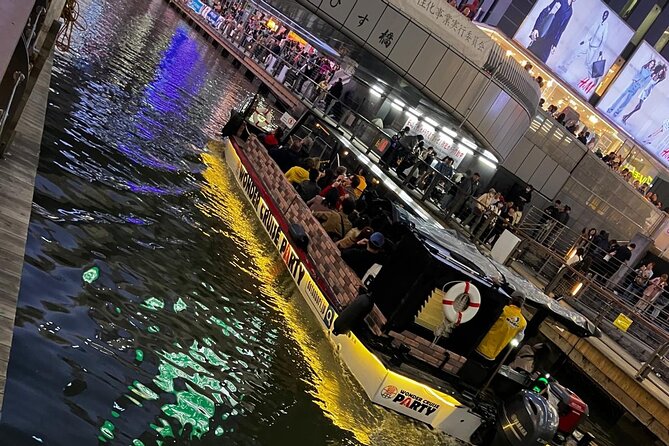
Kuromon Market is a key Osaka food stop—covered, long-running, and easy to sample from. Hozenji Yokocho is a narrow alley known for old-town feel and lantern-lit atmosphere. Dotonbori then brings you to the neon-and-street-food core along the canal.
If you’re planning on shopping, I’d set aside energy for this block. It’s also the easiest part of the day to get distracted, so keep the group’s meeting time firm.
Shinsaibashi-suji and Sumiyoshi Taisha: retail plus an older shrine
Shinsaibashi-suji is a major covered shopping street with lots of stores and a long stretch to walk through. Sumiyoshi Taisha is a shrine with architecture styles tied to early cultural history in Osaka. This combination works well because it’s still “Osaka,” but it shifts from modern shopping to older spiritual setting.
Tempozan, Asahi Beer Museum, and more street stops
Tempozan Harbor Village is a leisure area, with the Kaiyukan aquarium mentioned in the area overview. Hoshi no Buranko Bridge is a suspension bridge with panoramic views, and the view-focused aspect makes it a good “photo plus fresh air” stop.
Asahi Beer Museum can be a fun option if you want a guided sense of the brewery world and tastings. Tondabayasahi Jinaimachi is a historic district with preserved traditional townhouses, and it’s short by duration—use it like a quick time-travel walk.
Day 3 in Nara and Uji: deer, Buddha scale, gardens, and tea country
Day 3 shifts away from Osaka energy and into Nara’s iconic temple density.
Nara Park and Todai-ji: deer and the big Buddha
Nara Park is famous for free-roaming deer and for giving you a wide-open base where major temples aren’t far away. Todai-ji is the headline here, known for the giant bronze Buddha statue (Daibutsu). Even if you don’t read every plaque, the scale hits you fast, and the temple complex layout makes it easy to understand why it’s UNESCO-level famous.
Kofuku-ji and Kasuga Grand Shrine: the temple complex rhythm
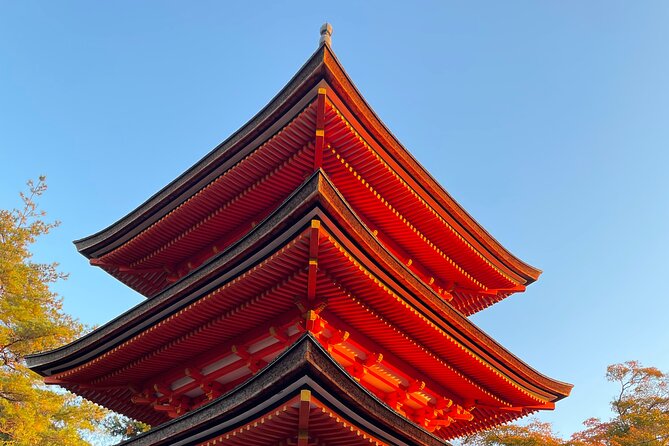
Kofuku-ji brings you pagodas and garden elements, while Kasuga Grand Shrine is famous for donated lanterns and long shrine approaches. These are the kinds of stops where you should slow down. Take your time with the lantern corridors and notice how the shrine setting changes your perception of the whole area.
Naramachi and Higashimuki: walkable “old town” atmosphere
Higashimuki Shopping Street and Sanjodori Street offer shopping and casual food stops, with arcade-style walking that works well even on less ideal weather.
Naramachi is the old merchant-town feel with Machiya (historic townhouses) and small alleys. It’s ideal if you like browsing craft shops, snacks, and quiet corners without needing a guidebook deep dive.
Isuien Garden and Uji: a calm garden then a tea detour
Isuien Garden is a traditional garden experience with pond and teahouse elements, plus museum time nearby. It’s a good contrast to temple crowds and helps reset your pace.
Then Uji is a southern Kyoto detour known for green tea. If you want a break from constant temple visuals, Uji’s terraced-field vibe and tea focus can feel like a soft landing.
Day 4 in Kobe: mountains, sake, earthquake memory, Himeji Castle, and onsen time
Kobe Day 4 mixes nature views, sake districts, remembrance, and even a Himeji add-on. It’s a day for people who like variety.
Mt. Rokko and herb gardens: start with a view
Mount Rokko is the highest peak in the Rokko range and sets a scenic backdrop over Kobe. Since it’s listed as free in the data, it’s also a low-cost way to get dramatic views and fresh air. If you want a pause before the city stops, this is a good place to do it.
Rokko areas also include Rokko Garden Terrace and Rokko-Shidare Observatory later in the day, which keep the mountain theme going.
Nada no Hitotsubi and Kobe Shushinkan Brewery: sake-focused sightseeing
Nada no Hitotsubi is the sake district area. If you’re a sake person, this is a natural fit because it’s tied to brewing conditions in the region. Kobe Shushinkan Brewery adds a warehouse-style experience with a shop and Japanese cuisine pairing options, plus guided tours of the sake warehouse held once per day (as noted in the data).
Even if you’re not a big drinker, learning how the region’s rice and water connect to brewing culture can be interesting, and the shopping element makes it easy to bring something home.
Port of Kobe Earthquake Memorial Park: a necessary stop
This museum covers the Great Hanshin Awaji Earthquake of January 17, 1995, including the time it struck and the human impact. This stop gives context for Kobe that goes beyond tourism. It’s also one you should treat with respect—plan extra time for reading signs, not just photos.
Kitano Ijinkan-gai and Chinatown: foreign merchant history and food
Kitano Ijinkan-gai is the district tied to foreign merchants and diplomats after Kobe’s port opened to trade in the late 1800s. It’s an easy place to browse because architecture and street layout do most of the storytelling.
Chinatown (Nankinmachi) is another important contrast: Chinese merchants settled near the port after 1868, and the area keeps a strong identity. If you like food streets, this is a natural fit.
Kobe Harborland, Himeji Castle, and Koko-en: coastal views then white heron energy
Kobe Harborland is a commercial waterfront area with malls and movie theaters, good for a relaxed stroll and views.
Then Himeji Castle enters the day. It’s known as the White Heron Castle and is UNESCO-listed as Japan’s first UNESCO World Cultural Heritage site (as described in the data). If you’ve only ever seen castle photos, Himeji’s architecture is one of those places where the details make sense once you’re there.
Koko-en is a garden with national special scenic spot status in the data, and it includes bridges, man-made lakes, and older buildings. Because it’s marked as included, it’s one less “ticket decision” on your list.
Arima Onsen and Rokko views: end with a reset
Arima Onsen is a famous hot spring resort. You can enjoy a bath and footbath to relieve the excursion fatigue (noted as free in the data). Closing with onsen time is a smart move for a multi-city schedule.
Finally, Rokko-Shidare Observatory adds a modern art-and-nature viewpoint with an observatory shape described in the tour information. It also gives panoramic Osaka Bay views from the mountain.
What’s Included vs. Not Included (So You Don’t Get Surprised)
Included basics:
- Air-conditioned private vehicle
- Pick-up and drop-off at hotels, airport, and other locations you choose
- Private transportation for your group only
- Wi‑Fi on board
- 100V AC power for charging devices
- Flexible itinerary that can change based on your preferences
Not included:
- No on-board restroom
- Admission fees and sightseeing tickets (not included)
In practical terms, you should budget for entrance tickets at major temples/castles/museums that charge fees, and be ready to pay for what you want to enter versus only view from outside. The good news is that plenty of the day includes free stops (markets, parks, some scenic viewpoints), so your total spend can be controlled if you choose.
Who This Tour Suits Best
This is a great match if you:
- Want to cover multiple cities—Kyoto, Nara, Osaka, Kobe—without switching trains and fighting schedules.
- Travel with a group of up to 8 and want a private car advantage.
- Like a mix of sights and street time, including food markets and shopping alleys.
- Care about practical comforts like air-conditioning, Wi‑Fi, and charging ports during long travel blocks.
It’s also a solid option if you appreciate flexibility. When your guide is helping plan the day—names like Kevin and Chi show up as examples of how the planning can work—you’ll want to take advantage of that adaptability. Ask to rebalance time so the day doesn’t become a rush-through.
Should You Book This Kyoto–Nara–Osaka–Kobe Private Tour?
I’d book it if your priority is efficient, private multi-city coverage with real comfort during transfers. The combination of private pickup, on-board Wi‑Fi, and flexible stop choices makes it feel easier than doing these cities in separate days.
Skip it—or at least rethink your expectations—if you want a slow, deep, unhurried temple-and-garden day. This route is packed, and since admission tickets aren’t included, you’ll need to plan for extra costs and lots of walking windows. If that sounds like your style, you’ll likely find it a smart value for a small group.
If you go, wear shoes you trust, carry a small snack plan, and treat each stop as a timed chapter. The best results come when you use the flexibility to steer the day toward what matters most to your group.
FAQ
How long is the tour?
The experience is listed as 4 days (approx.), and it can also be booked in shorter durations from one to four days.
How much does it cost?
It’s $385.00 per group, up to 8 people.
Is the tour private?
Yes. It’s a private tour/activity, and only your group participates.
Does the tour include hotel or airport pickup?
Yes. Pick-up and drop-off are offered at hotels, the airport, and other locations you want.
Is Wi‑Fi provided in the vehicle?
Yes. The vehicle has Wi‑Fi access with stable internet during excursions.
Are admission tickets included?
No. Admission fees and sightseeing tickets are not included.
Is there a restroom available on board?
No. Restroom on board is listed as not included.
Is there a mobile ticket?
Yes. Mobile ticket is listed as a feature.
Can I change the itinerary during the tour?
Yes. The itinerary is listed as flexible and can be changed according to your preferences and suggestions.
Is cancellation free if I change my plans?
Cancellation is free up to 24 hours in advance for a full refund. If you cancel less than 24 hours before the experience starts, the amount paid is not refunded.
More Tour Reviews in Kyoto






More Kobe and Himeji Day Trips
More Nara Day Trips
Just added: more Kyoto tours to browse








Nara Day Trips from Kyoto, compared.
 ★ 4.7Kyoto/Osaka: Nara, Fushimi Inari Taisha, Arashiyama Bus TourFrom $521,275 reviews
 ★ 4.4Osaka/Kyoto: Arashiyama, Nara & Fushimi Inari Shrine w/LunchFrom $61754 reviews
 ★ 4.5Kyoto and Nara Day Trip from KyotoFrom $194445 reviews
 ★ 5.0Full Day Guided Tour to Kyoto and Nara from Osaka by VanFrom $106420 reviews
 ★ 4.5Nara Afternoon Tour from Kyoto or OsakaFrom $102390 reviews
 ★ 4.6From Kyoto: Nara Guided Morning TourFrom $77335 reviews
 ★ 4.6Kyoto/Osaka: Kyoto and Nara Customized Private Guided TourFrom $477258 reviews
 ★ 5.0Nara Park, Osaka & Kobe from Kyoto Full Day tourFrom $90207 reviews
Browse the lists this tour appears in