
Reviewed · KYOTO CRAFT & CALLIGRAPHY WORKSHOPS
【OKADA】Kyoto Japanese calligraphy experience (shodo)
Kyoto has a special kind of quiet, and shodo fits it. This OKADA calligraphy session is a one-hour, beginner-friendly workshop with English instruction, traditional tools, and a take-home shikishi board. I like how it teaches more than just copying letters, and I especially like the patient, family-friendly approach shown by the instructors. One thing to weigh: you’ll need to handle transportation to the venue, and the optional kimono and fan extras cost extra.
It’s set in Higashiyama Ward near public transportation, and the group is kept small (up to 8 people). You’ll start with a short introduction to kanji—history and meaning—then practice with a traditional fude brush and sumi ink using stroke order and technique tips. At the end, you leave with your own written piece you made during the class, plus a simple route to extend it with fan calligraphy if you want a gift.
In This Review
- Key highlights you should know
- A one-hour shodo workshop in Higashiyama
- What you’ll write: kanji, brush control, and the shikishi keepsake
- The lesson plan: posture, stroke order, and technique you can actually use
- From classroom paper to take-home art
- Optional fan calligraphy: sensu and uchiwa upgrades
- English instruction that works for first-timers and families
- Price and value: what $45.81 includes, and what it doesn’t
- How to prepare before you go
- Should you book OKADA’s Kyoto calligraphy experience?
- FAQ
- FAQ
- How long does the Japanese calligraphy experience last?
- Is the instruction available in English?
- What is included in the price?
- Will I be able to take my calligraphy home?
- Do I need prior calligraphy experience?
- Is a kimono included?
- Can I write on a fan during the workshop?
- How big is the group?
- Where is the meeting point?
Key highlights you should know
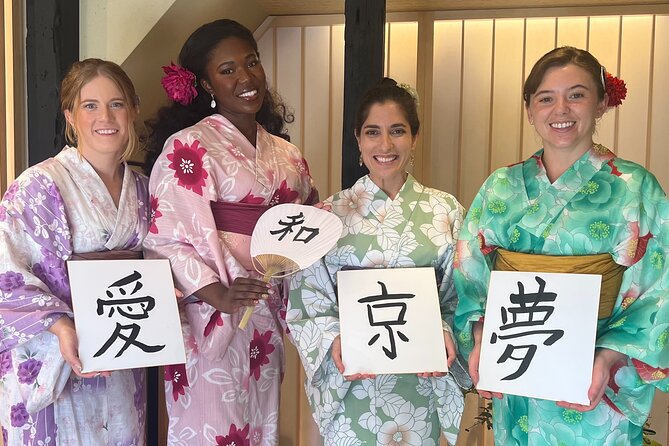
- Beginner-first teaching in English, so you are not stuck guessing what to do next
- Traditional tools: fude brush and sumi ink, not a watered-down “craft” version
- Take-home shikishi board included, so the session ends with real artwork
- Small group size (max 8), which usually means calmer pacing and more help
- Optional fan calligraphy on sensu or uchiwa if you want extra keepsakes
- Designed to work for kids and families, with instructors reported as patient and encouraging
A one-hour shodo workshop in Higashiyama
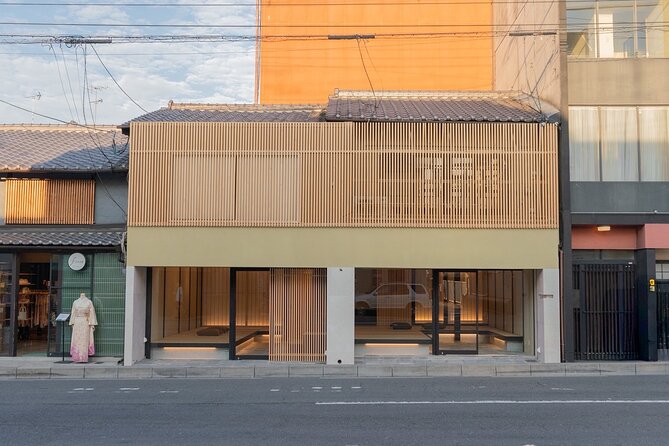
This experience takes place at the OKADA Kyoto Calligraphy Experience location at 102 Tatsumichō, Higashiyama Ward, Kyoto (605-0855). The meeting point is also the end point, so you don’t need to worry about finding your way to a second stop or transporting equipment afterward. It’s scheduled for about one hour, which is a sweet spot: long enough to learn the basics and finish a piece, short enough to fit into a Kyoto day without stress.
Higashiyama is a great area to slow down. Even if you only have time for a simple workshop, being in Kyoto’s historic side of town gives the activity a more lived-in feel. Since it’s near public transportation, you can pair it with sightseeing in the same general area instead of hauling across the city.
Group size matters more than people think. With a maximum of 8 travelers, the instructor can keep eyes on what you’re doing—posture, brush angle, and whether your strokes are landing the way they should. That makes a big difference in calligraphy, because tiny changes in technique show up fast on paper.
Make something by hand in a Kyoto workshop
What you’ll write: kanji, brush control, and the shikishi keepsake
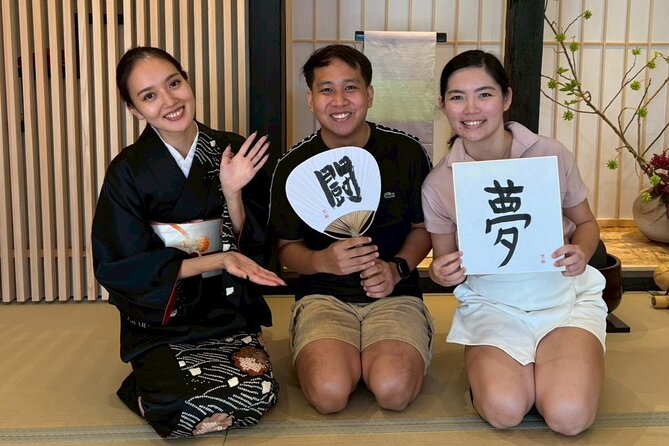
The core output here is your own calligraphy on a shikishi board, which you can take home. A shikishi is a traditional display board for art and writing, and it’s a practical souvenir because it’s ready to keep. You’re not leaving with a flimsy postcard or something that needs framing later to look decent.
You’ll use a traditional fude brush and sumi ink. This is important: calligraphy is mostly about how the brush behaves. The fude brush is designed to respond to pressure and angle, so you get the real texture and rhythm people associate with shodo. If you’ve only ever seen calligraphy in books, this hands-on part is where it starts making sense.
The workshop also includes practice sheets, so you’re not expected to jump straight into your final piece. That’s a gift for first-timers. You can test strokes, get corrected, and then transfer what you learn to the shikishi board.
One detail to plan around: you are making something original, but the class structure still gives you the guidance to get there. If your goal is a memorable Kyoto moment you can keep, the included shikishi board is the anchor.
The lesson plan: posture, stroke order, and technique you can actually use
This is not a “watch and copy” class. You’ll learn the history and meaning of kanji characters, which helps you understand why the strokes matter. When you know what a character represents, it changes the way you treat the writing. Instead of random lines, you start feeling like you’re building meaning stroke by stroke.
Then you get the real technique instruction:
- Proper posture: how you hold your body so your arm and hand move smoothly
- Brush technique: how to control the brush for consistent shape
- Stroke order: the sequence that keeps the character balanced
That trio is the heart of shodo. Stroke order isn’t just tradition for tradition’s sake. It helps you predict how the character will look as you build it, and it reduces the panic of trying to invent everything from scratch.
The guidance is available in English, which makes the class feel calmer. You get clear steps in the language you’re actually thinking in, and that matters when the movements are physical. It’s also easier for kids and adults to stay focused when you can follow instructions without translating in your head.
From the tone in the experience feedback, the instructors are described as patient and professional, especially with children. That kind of pacing is exactly what you want in calligraphy, because you are learning fine motor control. If someone rushes you, the brush slips from learning into frustration fast.
From classroom paper to take-home art
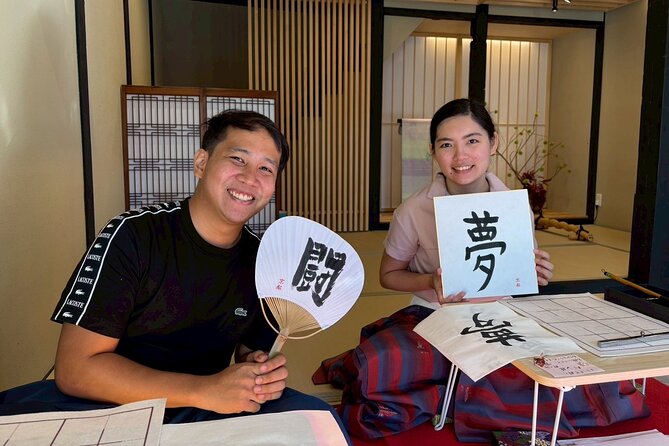
Once you reach the part where you write on the shikishi board, you’ll feel the difference between practice sheets and the final surface. Paper and board can behave differently with ink flow and absorption, so your earlier practice makes your final work look more intentional.
This is where the class becomes genuinely “Kyoto.” You are slowing down, paying attention to form, and producing something you can display later. The shikishi also makes it easier to transport and gift. You don’t have to guess what to do with it once you get home; you already have a neat piece that fits the traditional look.
If you’re traveling with family, the workshop format can work well because everyone can participate without prior experience. The experience is described as enjoyable for different ages, and instructors were reported as keeping kids engaged. That tells me the teaching style adapts, rather than forcing everyone to absorb the same way.
Optional fan calligraphy: sensu and uchiwa upgrades
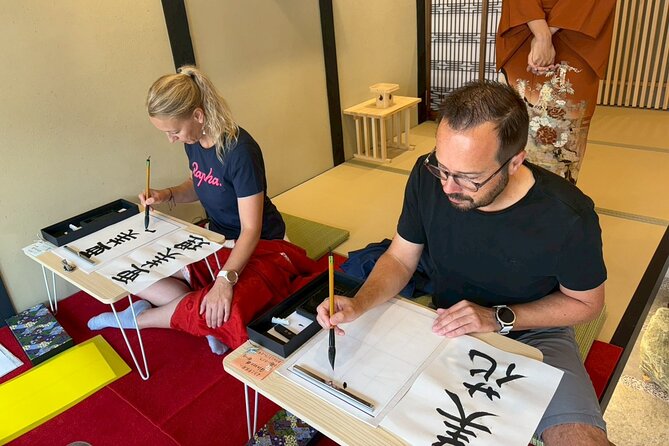
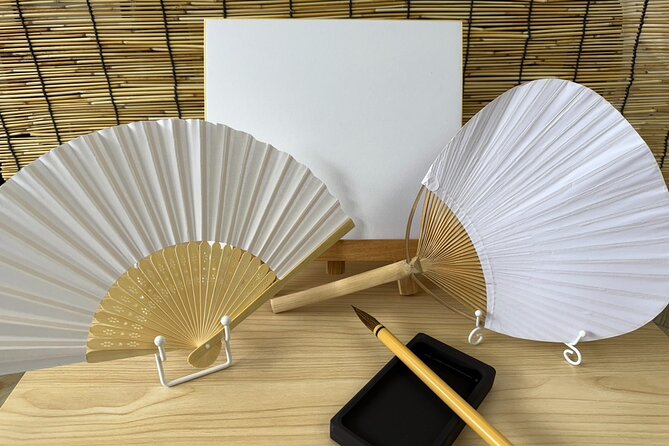
Want a calligraphy souvenir that’s more wearable and giftable? You can add writing on a traditional fan:
- Sensu folding fan: +¥1,500
- Uchiwa flat fan: +¥800
This is a smart option if you want a second keepsake with less “display” hassle. A fan is something you can actually use, and it’s easier to wrap as a gift. It also gives your calligraphy a different presentation style than the shikishi board, which can be fun if you love variety.
The class makes these add-ons optional rather than mandatory, so you can decide based on budget and suitcase space. If your main goal is just to take home one polished piece, you can keep it simple with the included shikishi board.

English instruction that works for first-timers and families
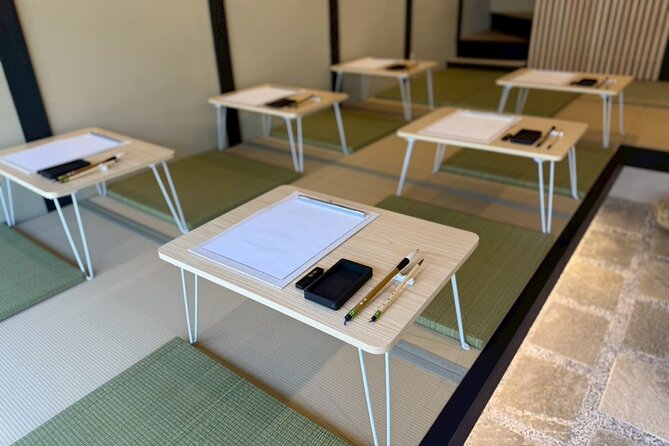
Calligraphy can intimidate people because the finished results look so controlled. This workshop’s best strength is how it turns that pressure into a guided learning session.
Instruction is provided in English, and the teaching is described as friendly, patient, and encouraging. In particular, families noted that the instructors were very good with young kids and could keep attention without losing the lesson. That balance is rare. You need guidance, but you also need the mood to stay relaxed.
Also, the class is framed for people with no prior experience needed. That matters because the hardest part of learning calligraphy is not the art history—it’s the physical learning curve. With practice sheets, stroke-by-stroke coaching, and a calm atmosphere, you have a real chance of finishing with something you feel proud of.
If you’re traveling solo, the small group size still keeps it personal. You get help without feeling like you’re in a large crowd where questions get lost.
Price and value: what $45.81 includes, and what it doesn’t
The price is $45.81 per person, and it’s typically booked about 14 days in advance on average. At first glance, it may look like a “nice experience” rather than a bargain. But when you compare what you get, the value is clear.
What’s included:
- English-speaking instructor
- All calligraphy materials (brush, ink, paper)
- One shikishi board to take home
- Practice sheets
That’s the big point: you are not paying separately for basic materials. You’re paying for a structured, coached hour that ends with an actual finished art piece you keep.
What costs extra:
- Writing on a sensu fan (+¥1,500) or an uchiwa fan (+¥800)
- Kimono rental (not included; listed as around ¥5,000 to start)
This matters for budgeting. If you want the kimono look, plan on adding that cost. If you don’t care about the kimono, the base experience already covers the heart of shodo: tools, instruction, practice, and the keepsake.
Group size also boosts value. A max group of 8 usually means fewer “hands-off” moments. If you’ve ever been in classes where the instructor can’t see you, you’ll appreciate a small group for something as technique-based as calligraphy.
How to prepare before you go
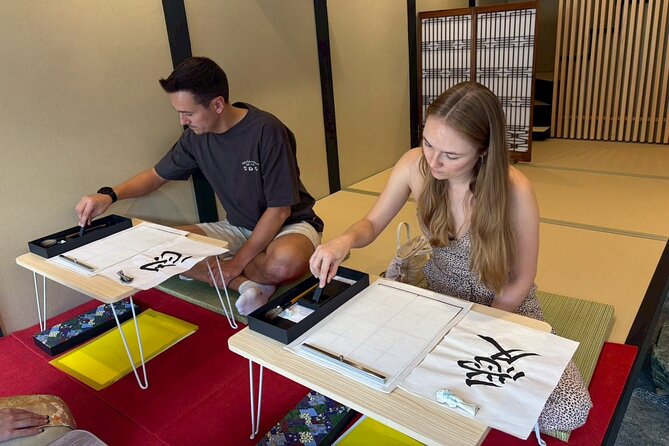
You don’t need previous calligraphy skills. Still, a little planning makes the hour smoother.
Here’s what I’d do if I were prepping for this kind of workshop:
- Wear comfortable clothing with sleeves you don’t mind using while writing. (You do not get a kimono as part of the plan.)
- Plan your trip so you can arrive at the meeting point in Higashiyama a few minutes early. Transportation to and from the venue is not included.
- Decide in advance whether you want the fan add-on. The costs are clear, and it’s easier to commit once you’re there rather than after you’ve started your piece.
Because the class is short, you want your energy for the actual writing time. Calligraphy rewards calm focus, and the best results come from slow, controlled strokes.
Should you book OKADA’s Kyoto calligraphy experience?
I think you should book it if you want a real cultural activity in Kyoto that’s beginner-friendly, short, and ends with a take-home keepsake. The biggest reasons: English guidance, traditional tools, and the fact that you leave with your own shikishi board. It’s also a strong pick for families, since instructors are described as especially patient and encouraging with kids.
You might skip it only if you’re looking for something long and multi-stop, or if you already know you want a full kimono experience and don’t want to deal with extra rental cost. The workshop itself is the main event, so it’s less about sightseeing and more about making.
One practical note: the experience offers free cancellation up to 24 hours in advance for a full refund, so you have some flexibility if plans shift.
FAQ
FAQ
How long does the Japanese calligraphy experience last?
The experience lasts about 1 hour.
Is the instruction available in English?
Yes. The workshop includes an English-speaking instructor and all instruction is available in English.
What is included in the price?
The price includes the instructor, all calligraphy materials (brush, ink, paper), one shikishi board to take home, and practice sheets.
Will I be able to take my calligraphy home?
Yes. You will create calligraphy on a shikishi board that you take home.
Do I need prior calligraphy experience?
No. The experience is designed for beginners, and no prior experience is needed.
Is a kimono included?
No. Kimono rental is not included in the plan, and it’s listed as around ¥5,000 or more.
Can I write on a fan during the workshop?
There are optional add-ons. You can write on a sensu folding fan (+¥1,500) or an uchiwa flat fan (+¥800).
How big is the group?
The activity has a maximum of 8 travelers.
Where is the meeting point?
The meeting point is at 【岡田】kyoto calligraphy experience, 102 Tatsumichō, Higashiyama Ward, Kyoto, 605-0855, Japan. The activity ends back at the meeting point.
More Tour Reviews in Kyoto
More Kyoto Workshops to Try


Just added: more Kyoto tours to browse





Kyoto Craft & Calligraphy Workshops, compared.
 ★ 5.0Chopsticks Making Workshop in Gion with Engraving OptionFrom $15958 reviews
 ★ 4.8Authentic knife making experience at a blacksmith in KyotoFrom $154350 reviews
 ★ 5.01-Hour Japanese Archery Experience in KyotoFrom $46176 reviews
 ★ 5.0Calligraphy class at Buddhist temple in city centerFrom $55167 reviews
 ★ 5.0Roketsu dyeing experience: M course Roketsu Dyeing ExperienceFrom $25163 reviews
 ★ 4.9Japanese Archery Workshop with Experienced InstructorFrom $38132 reviews
 ★ 4.8Japanese Calligraphy ClassFrom $5189 reviews
 ★ 5.0TAIKO, Japanese Drum Experience from KyotoFrom $11586 reviews
Browse the lists this tour appears in