
Reviewed · KYOTO GARDENS & ZEN RETREATS
Zen Meditation for Life in Kyoto
Zen quiet beats Kyoto noise for a few hours. This private Zen meditation workshop in a traditional machiya house near Nishi Honganji is a practical intro to Zen breathing and posture, with real guidance from Zen Buddhist priest Brian Victoria. I love how focused it is, because you are not stuck in a big-group rhythm, and you get hands-on help adjusting your seat for zazen. One possible drawback: it’s not a quick sightseeing stop, and the teaching can feel like a lot of information while you’re also asked to sit.
My second favorite part is the mix of teaching and doing: you’ll rotate between seated zazen and walking kinhin, then end with tea and time to ask questions. It also keeps things comfortable with chair options for people who need them. If your goal is nonstop temples and photo ops, this won’t be that kind of afternoon.
In This Review
- Key things to know before you go
- Zen Meditation for Life in Kyoto: where your afternoon quietly begins
- A private Zen workshop with real structure: theory, posture, and practice
- Nishi Honganji time and the calm around it
- Breath and mind control: what you’re actually learning
- Zazen plus kinhin: why the walking part matters
- Tea, a Kyoto sweet, and questions you might actually want to ask
- Coffee, comfort, and the pace of a 4.5-hour afternoon
- Price and value: is $108 really worth it?
- Who should book this Zen meditation experience
- Practical tips to get more from your meditation session
- Should you book Zen Meditation for Life in Kyoto?
- FAQ
- How long is the Zen meditation workshop?
- Is this a private experience?
- Where do I meet for the tour?
- How do I get to the meditation hall?
- What meditation types will I practice?
- Do I have to sit in lotus position?
- Are drinks included?
- Is public transportation included in the price?
- Do I need a paper ticket?
- Can I cancel and get a full refund?
Key things to know before you go
- Private by design: you’ll have the priest’s attention instead of blending into a crowd.
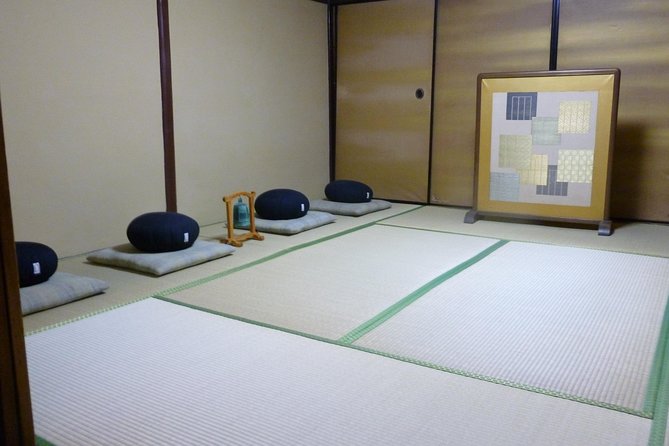
- Machiya setting: training happens in a traditional Kyoto town house, not a generic room.
- Posture is the focus: you’ll work on proper Zen mindfulness posture for breath and mind control.
- You practice twice: two 20-minute seated rounds plus 10 minutes of walking meditation.
- Drinks are included: coffee/tea during the visit, then green tea and a Kyoto sweet at the end.
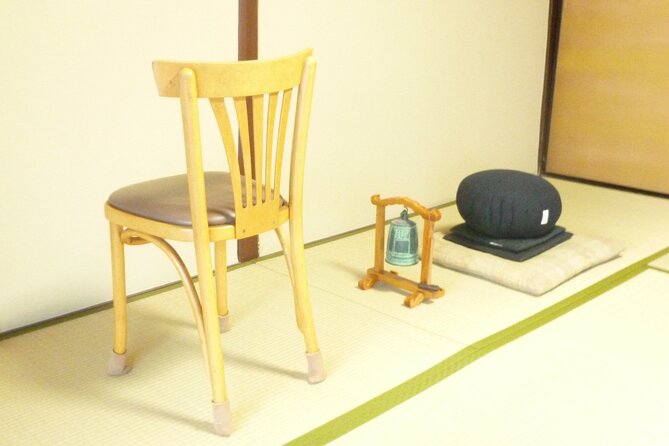
- Beginner-friendly options: lotus/half-lotus are taught, and you can also meditate on a chair.
Zen Meditation for Life in Kyoto: where your afternoon quietly begins
Plan to start near Kyoto Station, at JR京都駅 Central Entrance by Hotel Granvia Kyoto, with a 1:00 pm start time. From there, the meditation hall is a short ride away—about five minutes by bus or taxi—near Nishi Honganji. That quick hop matters. It keeps the experience easy to reach, while still landing you in the calmer, temple-adjacent atmosphere you want for meditation.
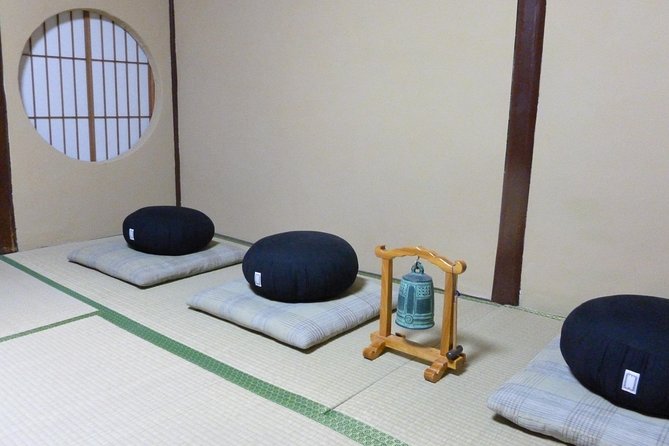
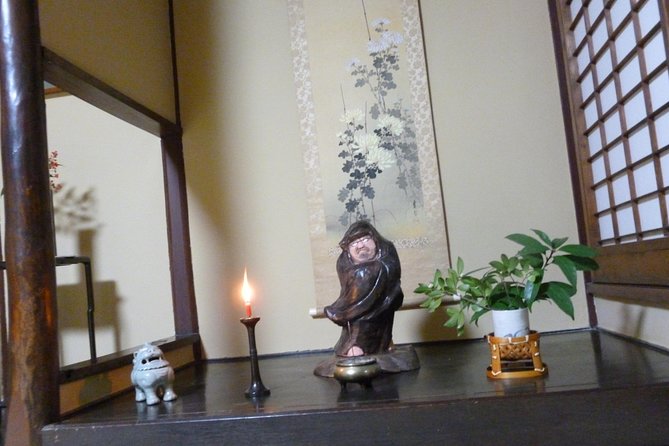
The venue is a traditional Kyoto home called a machiya. In other words, you are not just “doing an activity,” you’re stepping into a space that matches the tone of Zen practice—simple, grounded, and built for stillness. If you’ve only done meditation in modern studios, the change in surroundings can help your brain slow down fast.
If you’re the type who likes context, this is also where Kyoto’s Zen identity is felt. Nishi Honganji is not just a backdrop. It sets the scene for why Zen practice became such a strong thread in Japan’s spiritual life.
Find another quiet garden to sit with in Kyoto

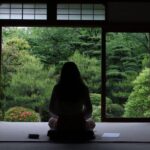
A private Zen workshop with real structure: theory, posture, and practice
This is a private experience, meaning it’s limited to your group only. The schedule is built around one main idea: Zen meditation isn’t just something you hear about. It’s something you learn through posture, breath, and repetition in real time.
First comes a thorough 90-minute introduction. You get both the theory and the practice, with special emphasis on posture. The way Zen mindfulness is done is closely tied to bodily alignment—how you sit affects how you breathe, and how you breathe affects your ability to notice your mind without getting pulled around by it.
Then you shift from explanation to practice:
- Two periods of seated zazen (each about 20 minutes)
- Interspersed with a 10-minute walking meditation (kinhin)
That “sit, walk, sit” structure is smart for beginners. Sitting teaches attention. Walking teaches you can keep that attention even when your body is moving. It also helps break the stiffness that can build when you’re asked to stay still for a long time.
You’ll also have options for sitting. The session covers traditional lotus or half-lotus postures, but you can use a chair if that’s more comfortable. That single detail is a big deal for comfort and confidence. If you can’t get into the floor postures without pain, the chair option keeps the practice from turning into a test of endurance.
Nishi Honganji time and the calm around it
The experience includes a stop at Nishi Honganji. So even though the main event is the meditation workshop, you’re not arriving at the hall and immediately switching off your brain.
This temple-area time is useful in a practical way. Meditation can feel strange if you treat it like a performance. A brief temple stop helps set your expectations: you are entering a spiritual space where people practice regularly, not just doing an hour-long novelty activity.
Also, because the hall is near Nishi Honganji, you’re in the right neighborhood for a slower pace. This is the kind of Kyoto afternoon where you’re less focused on walking streets and more focused on learning a routine you can carry home.
Breath and mind control: what you’re actually learning
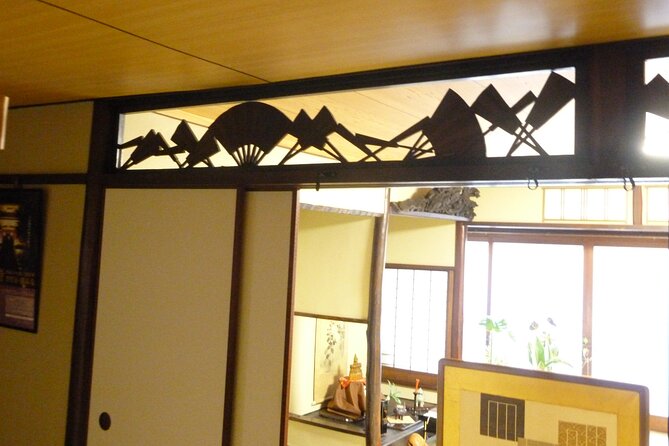
The workshop centers on fundamentals: breath and mind control through proper posture. Those phrases can sound intense on paper, but the way it’s presented in a beginner-oriented teaching session usually makes it feel more doable than you expect.
Here’s the practical version of what you’ll work on:
- How to sit so your breathing is easier to notice and regulate.
- How to keep attention from drifting completely away during zazen.
- How to handle the mind’s habit of wandering without fighting it.
The emphasis on posture isn’t about being perfect. It’s about giving your body a stable base so your mind has less to work around. In a meditation session, small physical discomfort can become a loud mental distraction. If the teaching helps you adjust your seat and posture, the entire practice becomes clearer and more rewarding.
And because you do both seated and walking meditation, you also learn something important: Zen attention isn’t just for one position. You can keep the same basic awareness while moving. That makes the practice feel more transferable to everyday life.
Zazen plus kinhin: why the walking part matters
A lot of meditation classes focus only on sitting. This one includes kinhin, the walking meditation, which changes the whole tone of the session.
Walking meditation forces you to stay mindful when your body isn’t frozen. You still pay attention, but now your attention has to handle forward motion and the rhythm of steps. That can feel awkward at first, but it’s also the point. It teaches you that mindfulness is not dependent on one perfect posture or one quiet room.
Then you return to seated zazen. Because you’ve already practiced attention while moving, the second seated round often feels less like starting from zero and more like continuing a skill you’ve already tried.
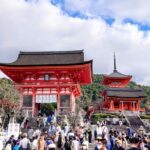

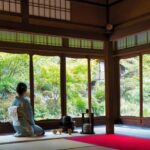
Tea, a Kyoto sweet, and questions you might actually want to ask
The workshop ends with a 30-minute tea break, including green tea and a traditional Kyoto sweet. You also get coffee/tea during the visit, so you’re not left hungry or mentally drained right after your last sitting period.
This part is more useful than it sounds. In good meditation teaching, the biggest “aha” often comes when you can ask a question right after practice—while the experience is still fresh in your mind. Use this time if you’re confused about posture, breath, or why the session is structured this way.
If you’re a curious person, the priest’s explanations and your chance to follow up afterward can turn a short workshop into something that sticks. You’re not just leaving with memories; you’re leaving with a clearer path for practicing on your own, if you choose to.
Coffee, comfort, and the pace of a 4.5-hour afternoon
The total duration is about 4 hours 30 minutes. Even so, give yourself a little padding. The session can run longer than you might expect, and you’ll be alternating between sitting, walking, and discussion.
That pace affects how you should plan the rest of your day. I’d treat this as the main event of your afternoon. Don’t schedule something demanding immediately afterward, because your body may still feel the effects of sitting practice, even if you choose the chair.
On the comfort side, the provision of drinks matters. Coffee and tea during the session can keep energy stable, especially if you’re coming straight from lunch. It’s a small inclusion, but it makes the learning experience smoother.
Price and value: is $108 really worth it?
At $108 for roughly 4.5 hours, the price only makes sense if you’re buying what’s actually included: a private teaching session with a Zen Buddhist priest, hands-on posture guidance, and structured practice (zazen and kinhin). You’re also getting drinks and the closing tea with a traditional Kyoto sweet.
Public transportation is not included, listed as ¥240 per person. So if you’re coming from far beyond Kyoto Station, factor in local transit costs to get to the meeting point.
The big value here is the private format. In a group setting, posture fixes and breath coaching can be delayed or missed. In a private workshop, you can get immediate adjustments and clearer explanations of what you’re doing and why. That’s usually what makes a meditation class feel worthwhile rather than like a lecture you sat through.
If your goal is a quick cultural taste, this might feel pricey. If your goal is actual instruction you can use again later, it’s closer to a personal lesson than a typical tourist stop.
Who should book this Zen meditation experience
This is a strong fit if you:
- Want a real introduction to Zen meditation with posture basics and guided practice
- Prefer a private setting over a group tour atmosphere
- Like learning through both explanation and repeated practice
- Are curious about how Zen tradition connects to Kyoto’s spiritual spaces
You might reconsider if you:
- Want a fast, sightseeing-heavy afternoon
- Have expectations that this will feel like a casual chat plus tea only
- Know you’ll struggle with sitting practice unless you can use a chair comfortably
The chair option is there for a reason, though. It makes the session more inclusive for people who can’t or don’t want to sit in lotus or half-lotus postures.
Practical tips to get more from your meditation session
Before you go, think of this as training, not entertainment. If you go in expecting a movie-style “experience,” you may miss the quiet payoff.
A few practical moves help:
- Decide in advance whether you plan to use the chair, and be ready to communicate that early.
- Wear comfortable, easy-to-adjust clothing so you’re not distracted by tightness during posture work.
- Arrive on time at the Kyoto Station meeting point so you can settle in without stress.
Finally, keep your expectations realistic. Meditation practice is simple in concept and tricky in practice. The teaching is meant to help you feel confident enough to continue, not to make you instantly perfect.
Should you book Zen Meditation for Life in Kyoto?
Book it if you want a calm, structured Zen learning experience in Kyoto—one where you practice zazen and kinhin, get posture guidance, and finish with tea and questions. The private format with Zen Buddhist priest Brian Victoria is the core selling point, and it’s what turns a “meditation workshop” into a real lesson you can carry forward.
Skip it if you only want a short temple visit or if you’re looking for a busy itinerary. This afternoon is meant to slow you down. If that sounds like your kind of Kyoto day, this is a smart choice.
FAQ
How long is the Zen meditation workshop?
The experience runs about 4 hours 30 minutes (approximately).
Is this a private experience?
Yes. It’s a private tour/activity, so only your group participates.
Where do I meet for the tour?
You meet at Hotel Granvia Kyoto, JR京都駅 Central Entrance. The start time is 1:00 pm.
How do I get to the meditation hall?
The private meditation hall is about a five-minute bus or taxi ride from Kyoto Station, near Nishi Honganji.
What meditation types will I practice?
You’ll practice seated meditation (zazen) and walking meditation (kinhin).
Do I have to sit in lotus position?
No. The session teaches lotus or half-lotus postures, but you can also meditate on a chair if that’s more comfortable for you.
Are drinks included?
Yes. Coffee and/or tea are provided during the visit, and the workshop ends with green tea and a traditional Kyoto sweet.
Is public transportation included in the price?
No. Public transportation is listed as ¥240 per person.
Do I need a paper ticket?
No. The tour uses a mobile ticket.
Can I cancel and get a full refund?
Yes. You can cancel up to 24 hours in advance for a full refund. If you cancel less than 24 hours before the start time, the amount you paid will not be refunded.
More Tour Reviews in Kyoto
More Gardens and Quiet Corners
Just added: more Kyoto tours to browse





Kyoto Gardens & Zen Retreats, compared.
 ★ 5.0Kyoto Arashiyama Walking Tour: Bamboo, Monkeys, Gardens & SecretsFrom $651,216 reviews
 ★ 5.0Kyoto Zen Meditation & Garden Tour at a Zen Temple with LunchFrom $110441 reviews
 ★ 5.0Zen Experience in a Hidden TempleFrom $109437 reviews
 ★ 5.0Kyoto Arashiyama Bamboo forest & Garden Half-Day Walking TourFrom $129413 reviews
 ★ 4.8Tea Ceremony Meditation – Make Matcha with Tea MasterFrom $45406 reviews
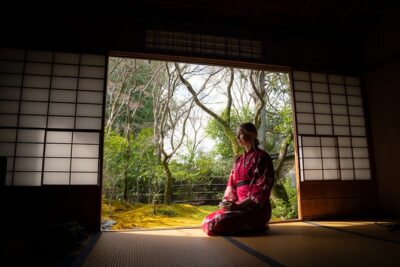 ★ 5.0Zen Meditation at a Private Temple with a MonkFrom $91202 reviews
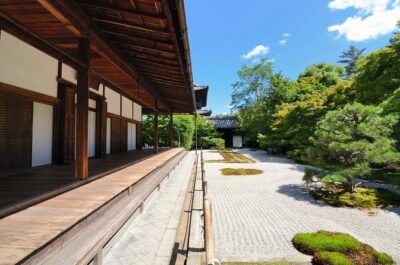 ★ 5.0Zen Garden, Zen Mind (Private)From $380126 reviews
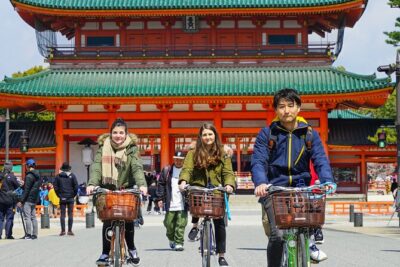 ★ 5.04.5-Hour Kyoto Bike Tour with Lunch and UNESCO Zen TemplesFrom $99122 reviews
Browse the lists this tour appears in