
Reviewed · KYOTO TEA CEREMONIES
Visiting to Katsura Imperial villa and tea ceremony experience
That circular garden hits different. You get Katsura Imperial Villa’s long, quiet beauty plus a hands-on tea ceremony experience, not just a photo stop.
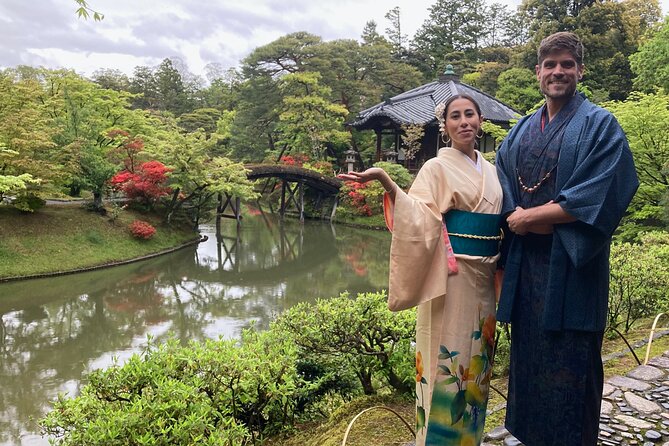
Two things I really like: the chance to wear a rare antique kimono (not a modern rental vibe), and the fact that you get real guidance—from dressing to matcha technique—before you head into the villa.
One consideration: the total price is high, so it makes sense only if you value the kimono + tea + ticket arrangement package, not just the garden visit.
In This Review
- Key points before you go
- Katsura Imperial Villa: why this circular garden feels like time travel
- Antique kimono fitting with Tokusaburo Miyagawa: the part you’ll remember
- Tea ceremony in a 100-year-old house: matcha, sweets, and the real steps
- How the tour runs in real life: private group, English support, and headset narration
- Price and value: when $169.90 makes sense (and when it might not)
- Who should book this tour (and who may feel it’s not for them)
- Should you book Katsura Imperial Villa plus tea with Tokusaburo?
- FAQ
- What time does the tour start?
- Where is the meeting point?
- How long does the experience last?
- Is this a private tour?
- Does the price include Katsura Imperial Villa admission?
- What is included in the tea ceremony?
- Will I wear a kimono during the tour?
- Is there English support?
- How far in advance should I book?
- What happens if weather is poor?
Key points before you go
- Katsura Imperial Villa access is limited and the tour handles numbered ticket logistics for you.
- Antique kimono, not off-the-rack: early Showa-period pieces with help choosing the look and obi.
- Tea ceremony includes food and practice: Japanese sweets plus two cups of matcha tea.
- Your host escorts you and supports the experience end-to-end for a less-stress day.
- English is supported, but the villa narration may come through an audio headset.
- Small, private format: only your group participates in this 3-hour outing.
Katsura Imperial Villa: why this circular garden feels like time travel
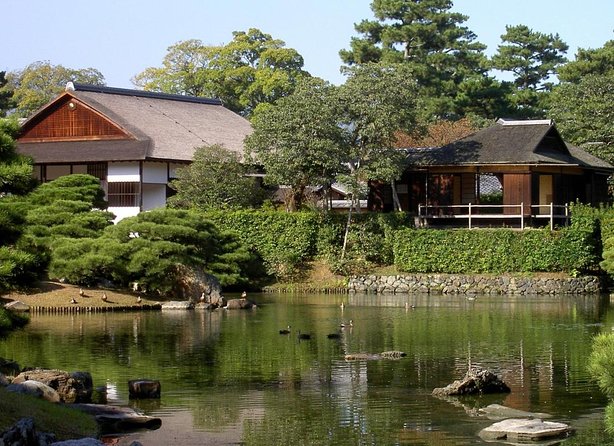
Katsura Imperial Villa is one of those places where the design seems to control your pace. The villa was built in 1615, originally as an imperial villa with a tea ceremony house and a circular garden. Even after renovations across centuries, it’s still described as almost completely unchanged over about 400 years.
That matters because you’re not looking at a modern “recreation.” You’re seeing a space where the Japanese sense of beauty and the tea tradition are baked into the architecture and layout. The villa is also tied to international admiration, including praise from the German architect Bruno Taut, which adds a nice extra layer if you like the idea that art travels across borders.
In practical terms, Katsura is a timed, permission-based experience. Only visitors with specific access can view the garden during limited hours, so you don’t want to rely on last-minute attempts. This tour’s value is that it takes care of the hard part: it arranges same-day admission tickets in limited quantity, so you’re not stuck trying to solve a ticket puzzle on the day.
What you should plan for: the villa is a formal historic site, so you’ll want to move calmly and follow instructions closely. Expect walking on grounds that were designed for strolling and viewing, not rushing.
Sit for another bowl of matcha in a Kyoto tea house


Antique kimono fitting with Tokusaburo Miyagawa: the part you’ll remember
Before you ever reach Katsura, you start at the tea ceremony meeting point, then you’re pulled into the most visual and personal part of the day: the kimono dressing.
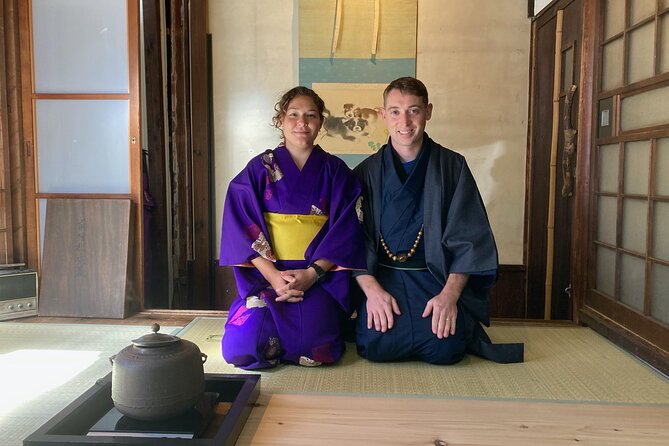
The kimono offered here is described as an antique piece from the early Showa period, and you’ll also wear the obi based on the guidance of Tokusaburo Miyagawa, the fourth-generation owner of the store (Miyagawa Tokusaburo Shoten). They help coordinate the kimono selection and then dress you. It’s not just, Here’s a garment, good luck. This is a whole process.
I love this piece of the experience because it turns your day into something more than sightseeing. You’re learning how kimono design works and what the clothing signals, and you’re getting the practical “how to wear it” support that most visitors never get. If you’ve ever bought a kimono look online and wondered why it never sits right in photos, this kind of fitting is a big answer.
Also, it’s worth knowing the kimono part isn’t only about looks. In a tea-culture setting, kimono helps set the tone for how you behave and how you enter a room. You’re basically practicing the same kind of respect the tea ceremony demands—before the ceremony even starts.
And yes, you’ll get photos in a beautiful historic space later. But the better payoff is that the kimono changes how you move through the day. It makes you slower in a good way.
Tea ceremony in a 100-year-old house: matcha, sweets, and the real steps
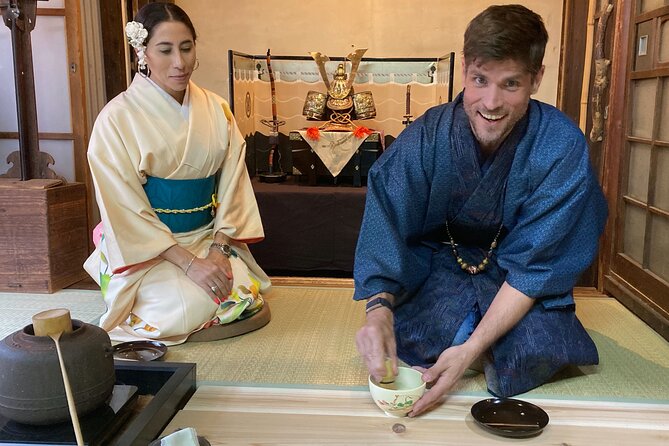
After the villa, the experience shifts into a quieter mood: a tea ceremony in a traditional Japanese house that’s described as about 100 years old.
The ceremony is held at the store, and the included food and drink are clear:
- Main sweets made by a local Japanese confectioner in Katsura, Kyoto
- Two cups of matcha tea
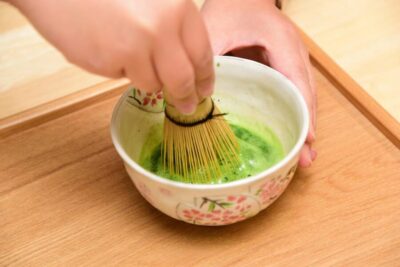
They also teach you the proper way to drink and prepare matcha. That’s the key difference between watching a performance and doing something you can repeat later. You’ll still get the ceremonial demonstration, but you’re also learning the process enough to understand what you’re tasting.
The owner’s tea ceremony demonstration is part of the program in this tranquil setting. That detail matters because tea ceremonies can feel like a blur if you’re rushed or distracted. Here, the structure is built around pacing: instructions, tasting, then watching technique from the person who owns the tradition in the most practical sense.
If you’re a tea nerd, you’ll probably enjoy the matcha focus and the specific attention to correct manners. If you’re not, you’ll still get something useful: a sense of why each action matters, and a taste experience that’s not just sweet for sweet’s sake.
Bottom line: this portion isn’t only cultural window-dressing. It’s an actual skill lesson, served with sweets and matcha you’ll drink twice.
How the tour runs in real life: private group, English support, and headset narration
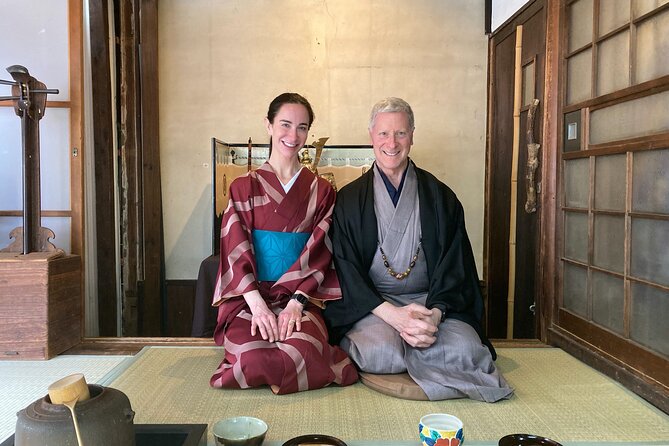
This is a private tour/activity, meaning only your group participates. That reduces the common headache of shared tours where you’re always waiting for someone who moved slower or didn’t hear the instructions.
The tour also includes round-trip transportation from the store to Katsura Imperial Villa—described as about a 5 minutes by car transfer. The host picks you up and drops you back at the meeting point, so you’re not navigating the area while dressed in formal attire.
On language: English-speaking service is available, and the owner accompanies you. Still, there’s one important nuance. Inside the villa, explanation may come through pre-recorded audio headsets rather than a live guide’s narration at every step. That’s not necessarily a deal-breaker. Audio can be detailed and consistent. Just don’t expect every single moment to be guided by a person speaking nonstop in English while you roam.
Timing-wise, the full experience is about 3 hours. That’s not long, which is good news if you don’t want a half-day commitment. It’s also why every minute matters. You’ll be doing multiple things: kimono fitting, tea ceremony elements, and the villa visit, all within a tight window.
One more practical point: you’ll want to listen carefully to instructions about how to behave in the tea setting and in formal historic spaces. It’s a calm environment, and small rules help keep the vibe respectful.
Price and value: when $169.90 makes sense (and when it might not)
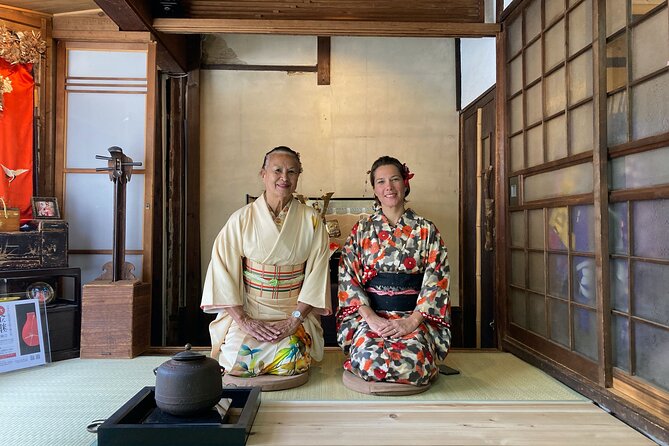
Let’s talk money in a way that helps you decide. The price is $169.90 per person. On paper, that can feel steep if you compare just the villa admission line item.
One review shared a comparison that the actual entry price for the garden is about Y3,000 per person. If you only think about villa admission, the package cost can look wild.
But this tour isn’t only ticket access. It includes:
- Antique kimono rental and dressing
- Tea ceremony fee, including matcha and Japanese sweets (tea ceremony held at the store)
- Katsura same-day admission ticket arrangement fee (limited quantity)
- Entrance fee for Katsura Imperial Villa
- Transportation round trip from the store to the villa
When you add the kimono + tea ceremony + organized ticket arrangement together, the price starts to look less like a markup and more like paying for three difficult-to-string-together pieces. Kimono dressing takes time and staff. The tea ceremony includes food and matcha practice. And the Katsura tickets are limited, which is exactly why tours exist.
So here’s my practical rule:
- If you want only the villa garden, and you’re the DIY type with stamina for planning ticket access, you might feel the price is hard to justify.
- If you want the whole experience—antique kimono, tea training, and ticket help—this is a clean package that saves time and stress.




Who should book this tour (and who may feel it’s not for them)
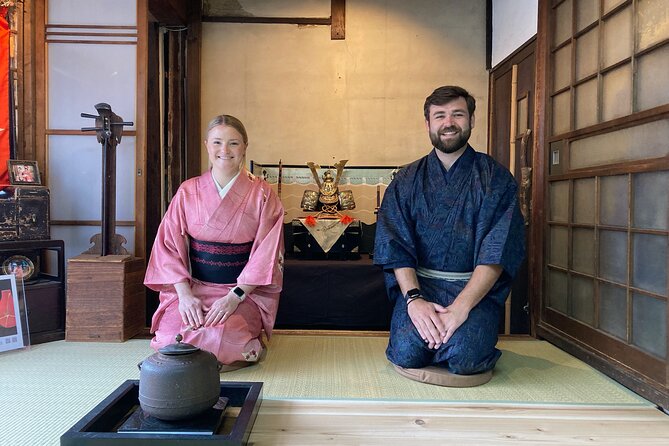
This is best for you if any of these sound like your trip style:
You want a day in Kyoto that’s not another temple shuffle. Katsura has a strong design feel, and the tea ceremony turns it into a cultural experience with real instruction.
You care about the kimono part. Antique kimono, proper obi coordination, and learning how kimono is put together are central here. If your dream is a kimono experience that feels respectful and guided, you’re in the right place.
You want something calmer than city sightseeing. The tea ceremony is described as quieter than the busy urban pace because it’s near Katsura and held at the store. That’s a good match for travelers who want a breather day.
It might not be ideal if you’re strictly budget-driven. With only a 3-hour window, you’re paying for organization and specific included activities. If you’re the type who prefers paying only for core sights and doing the rest on your own, you may find better value elsewhere.
Also, if you’re extremely sensitive to language style, note that parts of the villa experience may use audio headsets. The owner accompanies you, but the narration format inside the villa isn’t guaranteed to be a live, continuous English talk.
Should you book Katsura Imperial Villa plus tea with Tokusaburo?
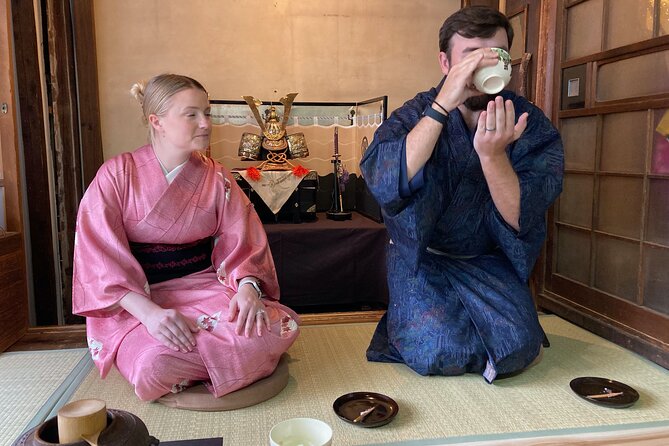
If you want Katsura Imperial Villa and you also want the day to feel like Japanese culture training—kimono handling, correct tea manners, matcha preparation—this is a strong choice. The biggest win is the package logic: limited Katsura access plus kimono dressing plus a structured tea ceremony, all tied together with an owner who stays involved.
If you’re trying to judge value only by the villa entrance fee, you may feel sticker shock. In that case, compare what you would spend for kimono elsewhere and what your tea experience costs if you booked it separately. When those pieces are important to you, this tour becomes easier to justify.
My honest take: book it if you’ll actually use the kimono and tea parts as part of your travel story, not just as a fancy setting for photos.
FAQ
What time does the tour start?
The start time is 1:00 pm.
Where is the meeting point?
You meet at 32-4 Katsuranozatochō, Nishikyo Ward, Kyoto, 615-8073, Japan.
How long does the experience last?
It lasts about 3 hours.
Is this a private tour?
Yes. It’s private, and only your group participates.
Does the price include Katsura Imperial Villa admission?
Yes. The entrance fee for Katsura Imperial Villa is included, along with the same-day admission ticket arrangement fee.
What is included in the tea ceremony?
You’ll get Japanese sweets and 2 cups of matcha tea, plus instruction on proper matcha drinking and preparation.
Will I wear a kimono during the tour?
Yes. You’ll rent an antique kimono and receive help dressing in it, including coordinating the obi.
Is there English support?
Yes. English speaking service is available.
How far in advance should I book?
On average, it’s booked about 50 days in advance.
What happens if weather is poor?
The experience requires good weather. If it’s canceled due to poor weather, you’ll be offered a different date or a full refund.
More Tour Reviews in Kyoto
One More Bowl of Matcha

Just added: more Kyoto tours to browse








Kyoto Tea Ceremonies, compared.
 ★ 4.9Tea Ceremony in a Traditional Tea House in KiyomizuFrom $493,519 reviews
 ★ 4.9Tea Ceremony Ju-An at Jotokuji TempleFrom $293,207 reviews
 ★ 4.345-Minute Tea Ceremony Lesson ExperienceFrom $222,378 reviews
 ★ 4.9Table-Style Tea Ceremony at a Kyo-MachiyaFrom $451,211 reviews
 ★ 5.0Kimono Tea Ceremony at Kyoto Maikoya, NISHIKIFrom $65911 reviews
 ★ 5.0Arashiyama Bamboo Forest, Monkeys, Matcha & Temple TourFrom $53759 reviews
 ★ 4.9Tea Museum Tickets and Matcha Grinding ExperienceFrom $23739 reviews
 ★ 4.9Kimono Tea Ceremony at Orizuruya GionFrom $49618 reviews
Browse the lists this tour appears in