
Reviewed · KYOTO TEA CEREMONIES
Traditional Tea Ceremony in Kyoto
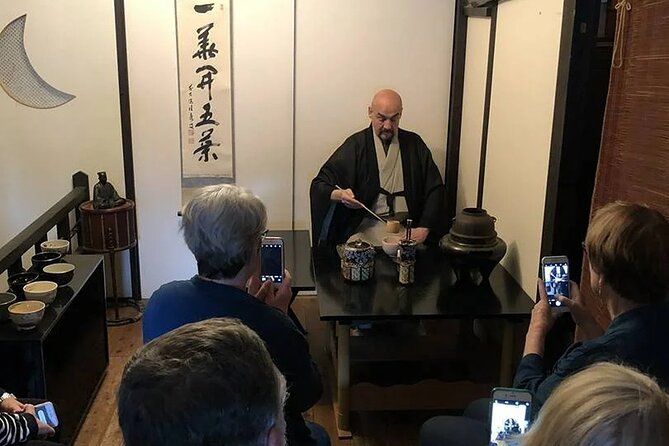
Kyoto does tea differently, and this one is formal. I love the chance to see ryurei in the style of Kyoto’s tea traditions, where hospitality is performed with real ceremony, not a performance. I also like that you’re guided by Randy Channell Soei, described as the highest-ranked tea master from outside Japan, so the explanations have weight and context.
What makes this experience click is hands-on learning. You’ll study the details of a formal tea ceremony, then try making your own bowl of matcha, with Kyoto-grown matcha and traditional sweets along the way. You’ll leave with etiquette basics you can actually use, not just photos.
One thing to consider: it’s not the most traditional seating setup. You’re not seated on tatami mats or low tables, and one review called out that the ceremony space can feel small and that seating is more bench-like than what some people expect from classic tea rooms.
In This Review
- Key Things I’d Prioritize Before You Go
- Stepping Into a Formal Ryurei Tea Ceremony in Kyoto
- Meeting Randy Channell Soei: Why the Guide Matters Here
- What Your 90 Minutes Look Like (and Why the Structure Helps)
- Matcha and Kyoto Sweets: What You Actually Get to Eat
- Etiquette You Can Use Again (Without Becoming a Tea Robot)
- Seating, Space, and Realistic Comfort Expectations
- Price and Value: Is $56.34 Worth It?
- Logistics That Help You Enjoy It (Not Just Attend It)
- Who This Kyoto Tea Ceremony Experience Fits Best
- Should You Book This Traditional Tea Ceremony in Kyoto?
- FAQ
- How long is the traditional tea ceremony experience in Kyoto?
- What’s included in the ticket price?
- Do I get a kimono to wear?
- Where do I meet for the experience?
- Is the seating on tatami mats or low tables?
- Is free cancellation available?
Key Things I’d Prioritize Before You Go
- Ryurei style from the 1870s: a formal, diplomatic-feeling approach to hospitality through tea
- Randy Channell Soei’s tea authority: you’re learning from a recognized tea master from outside Japan
- You make your own matcha bowl: not just watching, you get practice time
- Kyoto-grown matcha plus Kyoto sweets: the tasting part is built in, not an afterthought
- Not on tatami/low tables: easier for many people, but less traditional than some tea rooms
- Small group cap (up to 25): you’ll get more attention than in very large group sessions
Stepping Into a Formal Ryurei Tea Ceremony in Kyoto
If you’re in Kyoto and you’re trying to understand Japanese culture beyond temples and ticket lines, tea is a smart choice. This experience is built around chanoyu—the art of making tea—and it focuses on how formal hospitality is performed. Instead of rushing through “matcha basics,” it treats the tea ceremony as a whole set of actions, timing, and etiquette.
What I like most is the clarity of the theme. Your host’s “ryurei” style goes back to the 1870s, and it was used as the formal way of showing hospitality to visiting foreign dignitaries. That matters because it changes how you experience the ceremony. You’re not just learning how to drink tea. You’re learning how politeness and respect are expressed through a structured ritual.
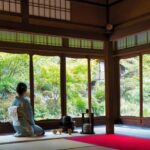
The setting is also important to set expectations. You meet at a townhouse connected with Randy Channell Soei, and the experience is intentionally intimate. That’s great for attention and explanation, but you should know it may feel compact compared with the big, movie-style tea rooms you might be picturing.
Sit for another bowl of matcha in a Kyoto tea house
Meeting Randy Channell Soei: Why the Guide Matters Here
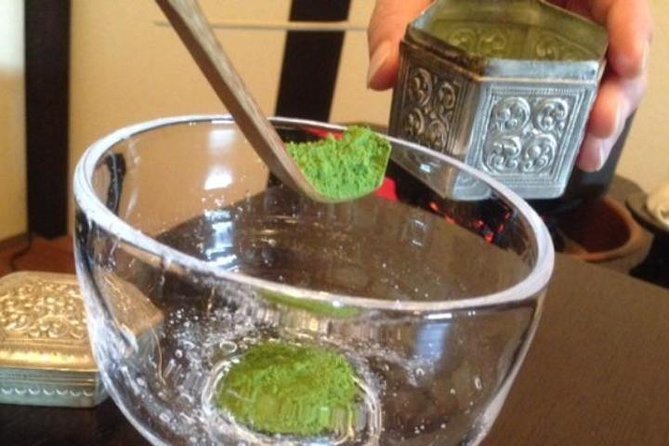
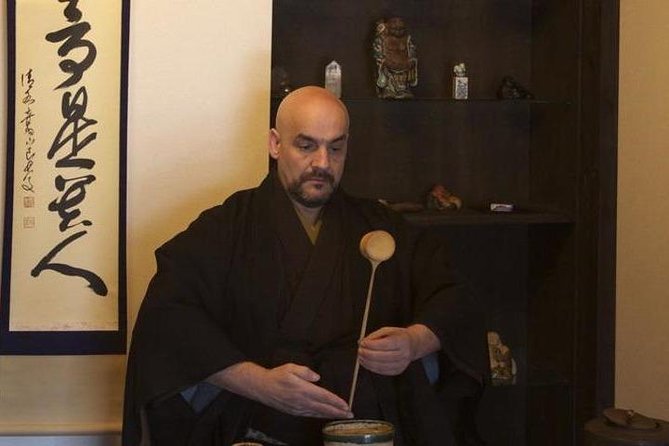
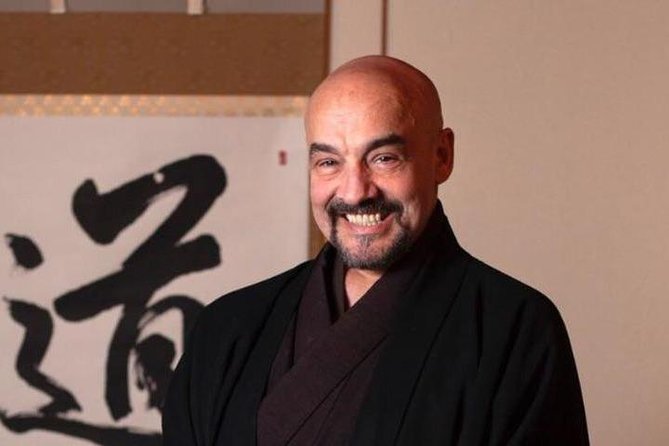
A tea ceremony lives or dies on the teacher’s presence. In this case, you’re learning from Randy Channell Soei, who’s described as the highest-ranked master of tea ceremony from outside Japan. Even if you don’t know anything about tea culture now, his role signals that you’ll get more than surface-level “how it works.”
You’ll start by being greeted in a way that mirrors diplomatic hospitality—your experience is designed to feel like you’re being received. That’s not a gimmick. It’s tied to what ryurei was created to do: present hospitality to important visitors through tea.
This is also where the “educational” praise makes sense. When a guide can explain not just steps but meaning, you understand why each moment exists. You start to see tea as a language—calm, precise, and intentional.
What Your 90 Minutes Look Like (and Why the Structure Helps)
The tour runs about 1 hour 30 minutes, and that time is used in a practical way. You’re not stuck listening for the entire session, and you’re not just doing a quick tasting either.
Here’s how the rhythm typically works, based on what’s included:
- You’ll experience a formal tea ceremony guided by a tea master
- You’ll learn the details of the ceremony style being practiced
- You’ll try matcha snacks and sample tea as part of the flow
- You’ll get to make your own bowl of matcha
- You’ll end with a group photo
That structure is smart for first-timers. The ceremony gives you a mental picture of what everything is “supposed” to look like. Then the matcha-making gives your brain a practical memory hook. After you’ve felt the pacing once, etiquette makes more sense.
One more useful expectation: this experience is designed for most travelers, and it’s capped at 25 people. That size usually helps with explanation and makes it less likely you’ll be lost while the tea master handles the ritual. Still, it’s a group setting, so you’ll follow cues and wait your turn.
Matcha and Kyoto Sweets: What You Actually Get to Eat
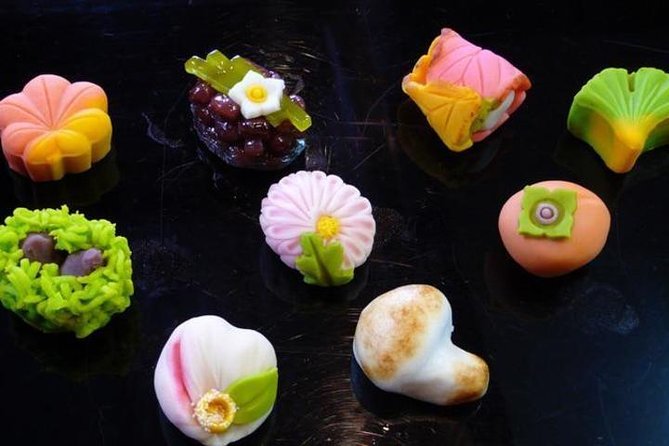
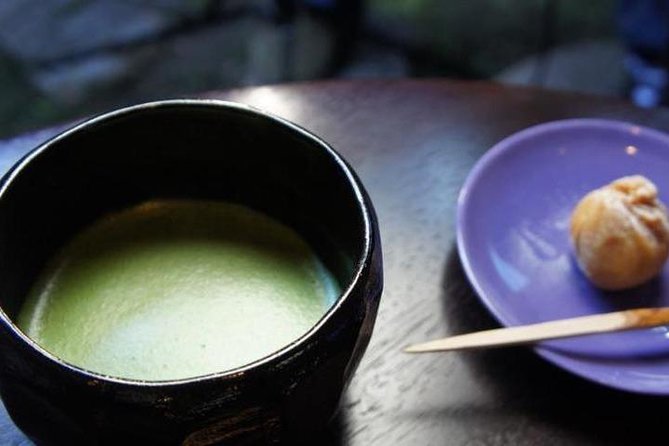
Tea ceremonies can be heavy on viewing and light on tasting, especially in group tours. Here, tasting is part of the plan. You’ll receive Randy Sensei’s original Kyoto-grown matcha, plus traditional sweets from Kyoto’s famous sweet makers.
That’s a solid value point because you get the pairing. In a formal setting, sweets aren’t random snacks. They’re tied into the ritual flow—an intentional moment before or during tea. The sweets also make the experience more comfortable for people who aren’t matcha fans yet. You get to experience matcha in a context that’s meant to balance taste.
Then comes the part that feels most rewarding: you’ll make your own bowl of matcha. Even if you don’t become a home tea expert afterward, you’ll leave knowing you participated. That hands-on piece is also why the educational feedback sticks—people didn’t just get a lesson, they got practice.
Tip for your planning: if you’re sensitive to caffeine or strong flavors, matcha can still feel intense. You’ll still be able to enjoy the ritual, but you may want to take it slow once your cup arrives.
Etiquette You Can Use Again (Without Becoming a Tea Robot)
A formal tea ceremony can sound intimidating if you picture strict rules and silent judgement. This experience doesn’t feel like that kind of trap. It’s framed as learning the etiquette of an ancient Japanese custom, and the goal is understanding how to behave in a structured setting.
Here’s what’s useful to know going in: you’ll be shown the proper way this formal hospitality is presented. The experience emphasizes the details of the ceremony, and that’s exactly what helps you avoid common awkward moments.
You’ll likely learn cues like:
- when to observe and when to respond
- how to handle the experience respectfully
- how the pacing works so you don’t disrupt the flow
Even without knowing the technical vocabulary, etiquette becomes easier once you know that the teacher is guiding you step-by-step. Your job is to follow the rhythm and focus. That’s the main skill you can take away.
And one more reality check: because you’re not on tatami mats or low tables, you won’t be forced into the super-traditional posture some people worry about. That’s a benefit for comfort and accessibility, though it may be less authentic for anyone who wants the full “kneel on tatami” atmosphere.

Seating, Space, and Realistic Comfort Expectations
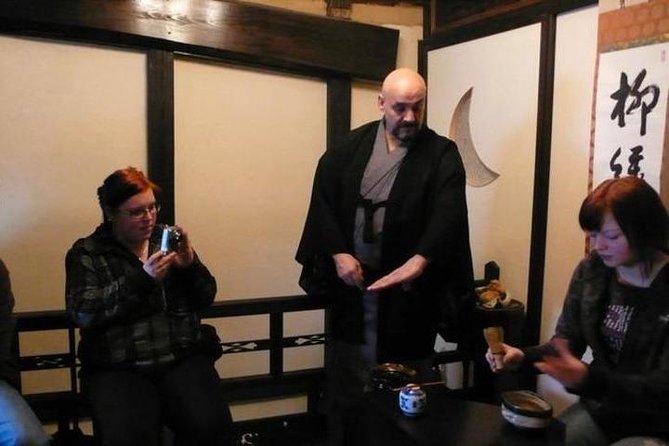
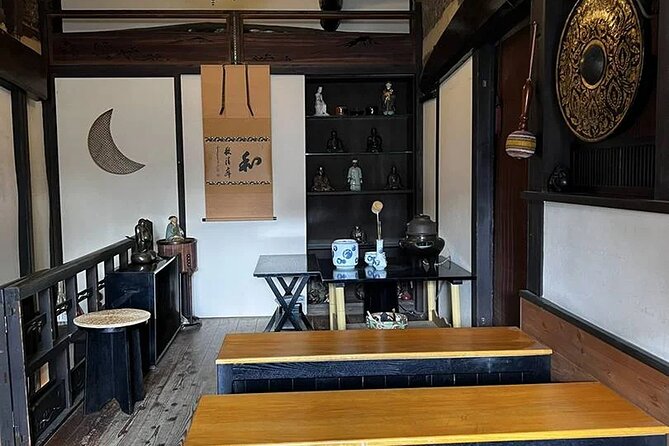
Let’s talk comfort because it affects enjoyment more than you’d think. You should not expect tatami mats or low tables for this ceremony. That’s explicitly noted, and one review pointed out the difference between what some people imagine and what happens in the seating setup.
So you may sit on benches or chairs instead of on low surfaces. For many people, that’s a plus—less strain, easier posture, better focus. For others, it may reduce the classic atmosphere they hoped for.
The venue is also described as small in at least one comment. Don’t interpret that as a problem automatically. Intimate spaces often improve teaching and let the tea master keep control of timing. But it can feel tight if you’re tall, uncomfortable in close quarters, or expecting a wide, open room.
My practical advice: dress for gentle movement and sit comfortably. You don’t want to spend 90 minutes thinking about your knees or your shoes.
Price and Value: Is $56.34 Worth It?
At $56.34 per person for roughly 1 hour 30 minutes, it’s not a bargain-basement activity. But it also isn’t a generic “experience ticket.” You’re paying for four value pillars that go together:
1) A real tea master-led ceremony
You’re not just in a classroom. You’re in a formal, guided ritual.
2) Kyoto-grown matcha and Kyoto sweets
You get both the tea ingredient and the pairing snacks.
3) Hands-on matcha bowl making
Watching and tasting is one thing. Making your own changes the whole experience.
4) A learning component focused on ceremony details and etiquette
The explanations are a large part of why this can feel more “cultural” than other food activities.
If you’re the type of traveler who enjoys food culture and wants something more thoughtful than a tasting flight, this is good value. If you’re only trying to check a Kyoto box and want a quick, casual matcha sip, you might feel it’s more formal than you expected.
Also consider that it’s listed with mobile ticket use and possible group discounts. That usually means the price can feel more reasonable when you’re not traveling solo.
Logistics That Help You Enjoy It (Not Just Attend It)
You’ll meet at ran Hotei64 Kamikawarachō, Nakagyo Ward, Kyoto, 604-8374, Japan, and the activity ends back at the meeting point. That simple end-to-end setup is handy if you’re juggling other Kyoto plans.
It’s also noted as near public transportation, which matters in Kyoto where walking can be part of the charm—but not always part of your energy plan.
One more practical note: you should expect a confirmation within 48 hours of booking, depending on availability. So, if you’re planning tightly around a specific day, don’t wait until the last minute.
If you like to travel light, remember kimono is not included. You’ll likely dress normally, which is comfortable for seating that isn’t on low platforms.
Who This Kyoto Tea Ceremony Experience Fits Best
This is a strong fit if:
- you want a formal cultural experience rather than a quick food stop
- you’re interested in Japanese etiquette and hospitality rituals
- you like learning with your hands, since you make matcha yourself
- you value quality guidance from a tea master named in the experience
It’s also a decent match for people who want something educational without being too physically demanding. Since you’re not on tatami mats or low tables, it avoids the hardest posture challenges associated with very traditional setups.
You might think twice if you’re expecting a large, room-like tea venue with classic low-table tatami seating and lots of visual drama. This experience aims for ceremony and instruction, and the space is intentionally modest.
Should You Book This Traditional Tea Ceremony in Kyoto?
I’d book it if you want a real shot of Kyoto culture with structure. This experience isn’t just tasting matcha—it’s learning the why behind formal hospitality, then trying it yourself with Kyoto-grown matcha and sweets. The strongest reasons to go are the combination of ryurei formality, a top-ranked tea master presence (Randy Channell Soei), and the hands-on matcha bowl part.
I’d skip—or at least adjust expectations—if you need tatami/low-table seating as part of your idea of authenticity, or if a smaller venue would stress you out. Comfort matters for enjoyment, and this setup is built for practicality.
If you’re deciding this week: this is the kind of activity that’s easiest to enjoy with an open mind. Kyoto’s best moments often come from slow, precise things that don’t rush you—tea is one of them.
FAQ
How long is the traditional tea ceremony experience in Kyoto?
The ceremony lasts about 1 hour 30 minutes.
What’s included in the ticket price?
You get a tea ceremony with a tea master, Randy Sensei’s original Kyoto-grown matcha, traditional sweets from Kyoto sweet makers, the chance to make your own bowl of matcha, and a group photo.
Do I get a kimono to wear?
No, kimono is not included.
Where do I meet for the experience?
You meet at ran Hotei64 Kamikawarachō, Nakagyo Ward, Kyoto, 604-8374, Japan, and the tour ends back at the meeting point.
Is the seating on tatami mats or low tables?
No. You are not seated on tatami mats or low tables.
Is free cancellation available?
Yes. You can cancel for a full refund up to 24 hours before the experience’s start time.
If you tell me your travel dates and whether you’re coming with friends or solo, I can help you judge if timing and group size make this feel like great value for your Kyoto plan.
More Tour Reviews in Kyoto
One More Bowl of Matcha

Just added: more Kyoto tours to browse





Kyoto Tea Ceremonies, compared.
 ★ 4.9Tea Ceremony in a Traditional Tea House in KiyomizuFrom $493,519 reviews
 ★ 4.9Tea Ceremony Ju-An at Jotokuji TempleFrom $293,207 reviews
 ★ 4.345-Minute Tea Ceremony Lesson ExperienceFrom $222,378 reviews
 ★ 4.9Table-Style Tea Ceremony at a Kyo-MachiyaFrom $451,211 reviews
 ★ 5.0Kimono Tea Ceremony at Kyoto Maikoya, NISHIKIFrom $65911 reviews
 ★ 5.0Arashiyama Bamboo Forest, Monkeys, Matcha & Temple TourFrom $53759 reviews
 ★ 4.9Tea Museum Tickets and Matcha Grinding ExperienceFrom $23739 reviews
 ★ 4.9Kimono Tea Ceremony at Orizuruya GionFrom $49618 reviews
Browse the lists this tour appears in