
Reviewed · KYOTO TEA CEREMONIES
The Art of Mindful Living: Tea Ceremony in Kyoto
Kyoto slows you down fast, and the matcha helps. In a Japanese old residence with a garden, I love how this session mixes tea basics with a calm, picture-friendly setting and a chance to try it yourself. You’ll learn why the tea matters and how to drink it properly, not just what to do.
Naomi leads the experience, and you’ll also get a moment of quiet observation before you step into the role of making matcha. Organic Uji matcha from Kyoto is used, plus you’ll eat Japanese sweets alongside the tea. One thing to consider: the place is a bit off the main tourist lanes, so plan travel time accordingly.
In This Review
- Key points before you go
- Kyoto tea, in a real old house, not a showroom
- The 1-hour flow: watch, learn, sip, then make matcha
- Matcha quality and sweets: what you’ll actually taste
- Matcha etiquette: the small steps that make the cup better
- Making matcha yourself: what you’ll practice during the hands-on part
- Garden photos, umbrella props, and the kimono option
- Price and value: is $44.42 a good deal?
- Location reality check: getting to Kaze no Waon
- Who should book this tea ceremony
- Should you book the Art of Mindful Living: Tea Ceremony in Kyoto?
- FAQ
- How long is the tea ceremony?
- What is the price per person?
- What’s included in the experience?
- Is there an option for vegan or food allergies?
- Do children have to drink matcha?
- Can I rent a kimono or hakama?
- Is there a private tea ceremony option?
- Can I take photos during the tea ceremony?
- What is the cancellation policy?
Key points before you go
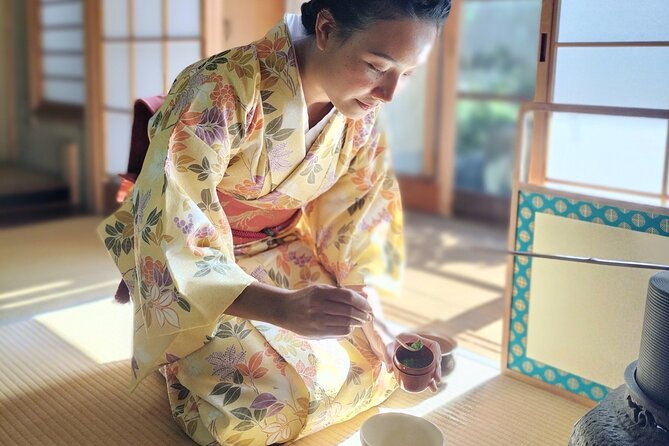
- Organic Uji matcha made in Kyoto so you’re tasting something truly local, not generic powdered tea.
- Hands-on matcha making after a short explanation on tea, matcha types, and how to drink it.
- Japanese sweets included (and choices like bean-paste or fresh fruit daifuku).
- Allergy-friendly and vegan options available, plus cocoa for children instead of matcha.
- Kimono add-ons are optional, with hair accessories provided (but no full hair styling).
- Private sessions are available, and the private photo option includes a traditional umbrella and imitation sword (for pictures only).
Kyoto tea, in a real old house, not a showroom
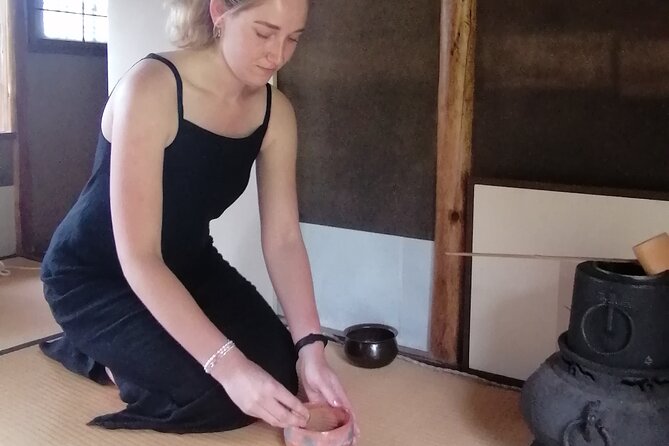
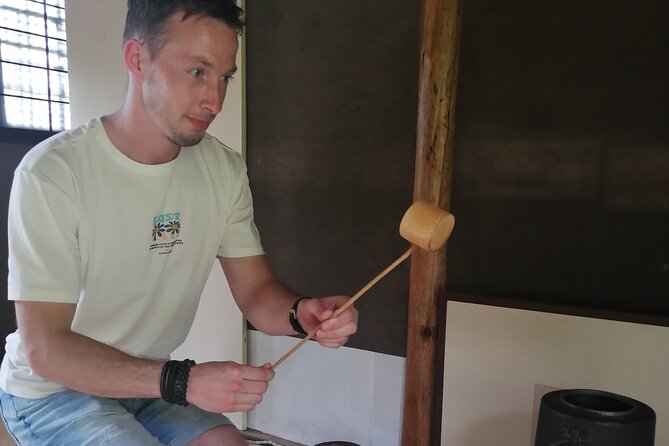
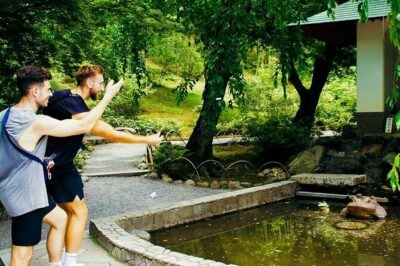
This isn’t the kind of tea ceremony where you stand in a group and watch from behind glass. You’re in a Japanese old residence with a dedicated tea room, and you can step into the garden area for photos before the ceremony starts. That matters. Kyoto can feel rushed, especially in the big-name neighborhoods. Here, you get a controlled pace: sit, watch, listen, then practice.
The other reason I think this works well is the feel of the teaching. Naomi’s approach is welcoming and the vibe is calming. In the sessions I looked at, people kept mentioning that the ceremony felt like it was away from the city noise, and that you don’t need to be a tea expert to enjoy it.
You’ll also get chairs provided, so you’re not stuck figuring out posture from scratch. Still, the experience is rooted in Japanese tea etiquette—so it helps to arrive ready to slow down, sit still, and follow instructions.
If you’re traveling with someone who wants culture without a long lecture, this hits a good balance: enough explanation to understand what you’re doing, and enough hands-on time to feel involved.
Sit for another bowl of matcha in a Kyoto tea house


The 1-hour flow: watch, learn, sip, then make matcha
The session runs about 1 hour. It’s structured so you get context first, then you taste and practice.
Here’s the typical sequence you can expect:
- Naomi explains the ceremony and how to drink matcha properly.
- You learn background on the tea and matcha, including effects of matcha and the types of matcha and Japanese tea.
- While the ceremony is happening, you enjoy matcha along with Japanese sweets.
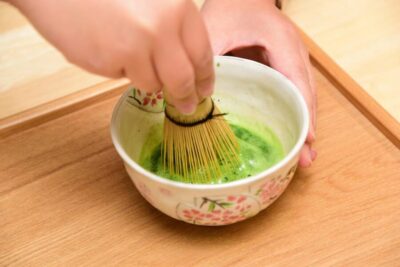
- Then you try making matcha yourself, following guidance during the process.
That order is smart for most people. Tea ceremonies can be confusing if you’re thrown into tools and bowls too fast. Starting with the meaning—then moving into the cup—helps you connect the why to the how.
Also, the ceremony includes a snack portion. Alcoholic beverages aren’t included, so don’t expect a pairing-style experience. This is about tea and sweets, done with care.
If you book a private session, you can ask ahead about add-ons. The data also notes a maximum number of participants for group sessions, but it can stretch beyond 6 if needed—so it can be a better fit for small groups that want a quieter pace without going full private.
Matcha quality and sweets: what you’ll actually taste
The matcha is described as organic Uji matcha made in Kyoto. That’s a big deal in practice. Uji matcha tends to be prized for flavor and grind quality, and using Kyoto-made matcha means you’re not just doing a tourist activity—you’re tasting something local.
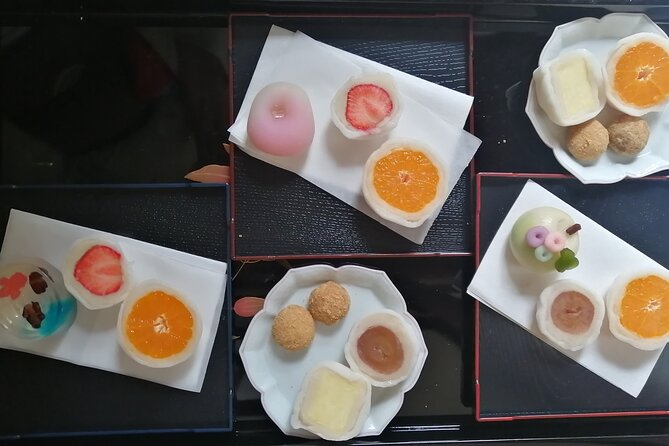
During the ceremony, you’ll drink matcha and eat Japanese sweets. You get one sweet included in the price, with a choice between:
- traditional bean paste cake, or
- fresh fruit daifuku.
If you want both, there’s an additional fee of ¥500 per person. That’s useful if you’re bringing picky eaters or you just want to compare textures and sweetness styles.
Food allergies and vegan options are accommodated. That’s one of the most practical parts of this experience. Tea sweets in Japan can include ingredients that are easy to overlook if you have dietary needs, so having flexibility helps you avoid the “I guess I’ll just watch” feeling.
And if you’re traveling with kids, you’ll find cocoa for children instead of matcha, which keeps the experience family-friendly without forcing everyone to drink matcha.
Matcha etiquette: the small steps that make the cup better
You’ll be taught how to drink matcha, not just handed a bowl. That instruction usually matters more than people think, because matcha isn’t like coffee where you can just gulp it and move on.
What you should be paying attention to:
- How to handle the bowl and proceed through the ritual steps.
- How matcha is prepared and presented.
- The right mindset: slower, calmer, and focused.
The session explanation also covers the history and the effects of matcha. Even if you don’t remember every detail, knowing why matcha is treated like more than a drink changes how you experience it. It’s not about caffeine alone. It’s about a pause, a sense of attention, and a cup you can taste more clearly because you aren’t rushing.
I also like that the ceremony includes time for you to participate by making your own matcha. When you whisk and prepare it yourself, the etiquette feels practical instead of performative. You understand why it’s done that way.
Making matcha yourself: what you’ll practice during the hands-on part
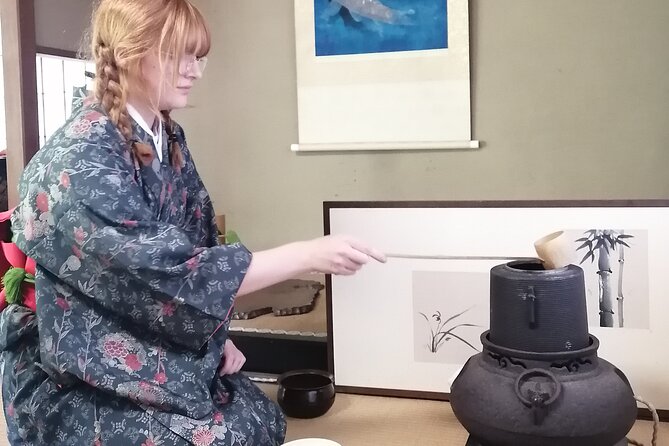
The most memorable part for many people is the moment they make matcha. In this session, you’re not just tasting—you’re learning the motions needed to prepare a good cup.
You’ll practice making matcha during the ceremony timeframe, with guidance from the host. The point isn’t to make you perfect on your first try. The point is to give you enough instruction that you can recreate the basics later, in your own kitchen.
A few things I’d suggest you do to get more from the hands-on portion:
- Watch the method once carefully before you start.
- Move at the pace of the host’s instructions, even if you feel confident.
- When you taste what you made, compare it to the matcha you were served earlier. That comparison teaches you quickly.
This is also where the tea ceremony becomes more than a cultural stop. You’re bringing home a skill. Even if your whisking technique is different, you’ll leave knowing the structure behind the cup.




Garden photos, umbrella props, and the kimono option
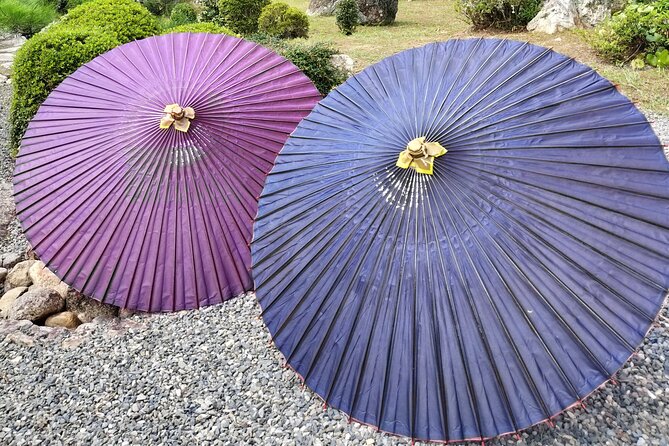
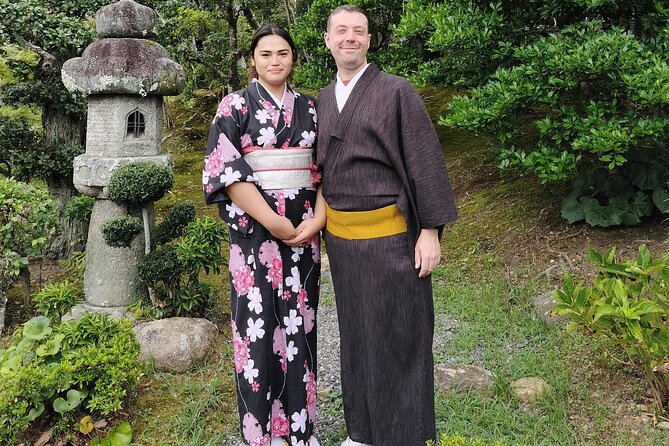
One of the biggest practical wins is that you can take photos during the ceremony, plus you can enjoy the garden before it starts. The garden gives you a calm background for pictures without competing with crowds.
There’s also a kimono rental option if you want to dress the part. Options listed include:
- Kimono rental: ¥4000
- Hakama rental: ¥8000
- Baby romper-type kimono: ¥600
- Undershirt rental: ¥200
Important practical note: they don’t do hair set and makeup, but they prepare hair accessories for rental kimono users to use freely. So if you need styling beyond accessories, plan to handle that yourself.
Photo timing in rain matters. If it’s raining:
- You can take photos while holding an umbrella.
- It’s not possible to take photos while wearing a kimono without an umbrella and getting wet in the rain.
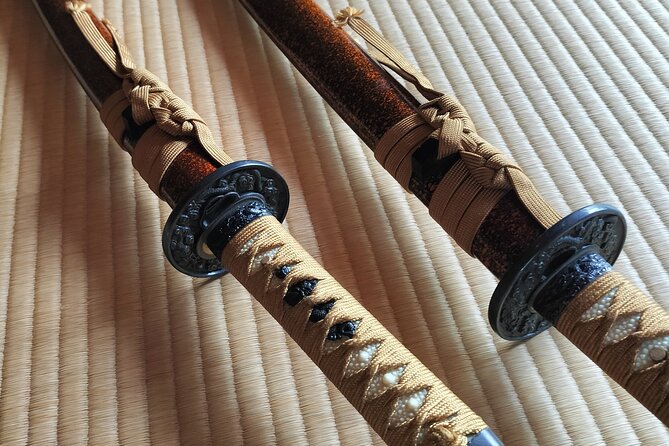
If you book a private session, there’s also a special photo option: guests can use a Japanese traditional umbrella and an imitation sword, but only for taking pictures. That’s a fun way to add playful energy without turning the ceremony itself into a costume party.
Price and value: is $44.42 a good deal?
The price is $44.42 per person, with a session lasting about 1 hour and including snacks. The value question really comes down to what’s included and how you’ll use it.
Here’s why the price can feel fair:
- You get organic Uji matcha from Kyoto.
- You get Japanese sweets included (one sweet, with optional upgrade to try both).
- You get instruction on matcha types and how to drink it.
- You get hands-on matcha making, which turns the experience from passive to active.
- Dietary needs are considered (vegan and allergy accommodations), plus kids get cocoa.
Could it be pricey if you only wanted a quick photo and a sip? Sure. If you want a super short tasting with no participation, you might want a simpler option. But if you want a real ceremony style learning moment, the combination of tea + sweets + making is where the cost earns its keep.
Also, the group size is capped for group sessions at a maximum of 6, though the experience can accommodate sessions with more than 6 if needed. Smaller groups usually mean more attention during the practical part, and that’s what you want with matcha making.
Location reality check: getting to Kaze no Waon
The meeting point is Kaze no Waon, 14 Utanokitanoinchō, Ukyo Ward, Kyoto (616-8201). The listing notes that it’s near public transportation, and that this location is likely a bit away from the downtown hustle.
That matters because Kyoto’s best-known sights cluster in a few areas. If you’re planning around Kinkakuji Temple and Arashiyama, the general direction may feel convenient. If you’re based in central Kyoto, you’ll want to build travel time into your schedule so you don’t arrive rushing.
A couple more on-the-ground details:
- You can enter the premises with a stroller, but you can’t bring it inside the building.
- Chairs are provided, so you’re not expected to bring cushions or gear.
If you’re doing other early-morning or temple visits that day, I’d recommend making this your calm anchor activity. Tea ceremonies go best when you’re not sprinting between stops.
Who should book this tea ceremony
This is a good match if you want:
- a calm cultural activity with real teaching, not just a performance,
- a hands-on experience (you make matcha yourself),
- a place that can work with food restrictions,
- a photo-friendly setting with a garden,
- and optional kimono dressing without the stress of full hair styling.
It also makes sense for families, thanks to cocoa for kids instead of matcha.
On the other hand, if you hate sitting still for any reason, or you’re only after a quick tasting with zero participation, you may find it slower than you prefer.
Should you book the Art of Mindful Living: Tea Ceremony in Kyoto?
I’d book it if you want a tea ceremony that feels grounded and practical. The combination of Kyoto-made organic Uji matcha, Japanese sweets included, and the chance to make matcha yourself is where the value really lives. Add in the option for kimono and the garden photo time, and it turns into one of those Kyoto experiences that doesn’t just look good on camera—it gives you something you can repeat later.
If the location being a bit off the main drag will stress you, consider scheduling it when you’re already on that side of Kyoto. Otherwise, plan your transport earlier than you think you need. Once you’re there, the atmosphere does the rest: quiet, focused, and just long enough to leave you feeling refreshed instead of tired.
FAQ
How long is the tea ceremony?
It runs for about 1 hour.
What is the price per person?
The price is $44.42 per person.
What’s included in the experience?
You’ll receive snacks, and the ceremony includes enjoying matcha and Japanese sweets. One sweet is included in the price.
Is there an option for vegan or food allergies?
Yes. Food allergy options and vegan options are available.
Do children have to drink matcha?
No. Cocoa is provided for children instead of matcha.
Can I rent a kimono or hakama?
Yes. Kimono rental is ¥4000, hakama rental is ¥8000, baby romper-type kimono is ¥600, and an undershirt rental is ¥200.
Is there a private tea ceremony option?
Yes, private sessions are available. You should contact the provider before booking.
Can I take photos during the tea ceremony?
Yes. You can take photos during the tea ceremony, and you can also take photos in the garden before it begins.
What is the cancellation policy?
Cancellation is free if you cancel at least 24 hours before the experience start time for a full refund. Weather cancellations may be offered a different date or a full refund.
More Tour Reviews in Kyoto
One More Bowl of Matcha

Just added: more Kyoto tours to browse








Kyoto Tea Ceremonies, compared.
 ★ 4.9Tea Ceremony in a Traditional Tea House in KiyomizuFrom $493,519 reviews
 ★ 4.9Tea Ceremony Ju-An at Jotokuji TempleFrom $293,207 reviews
 ★ 4.345-Minute Tea Ceremony Lesson ExperienceFrom $222,378 reviews
 ★ 4.9Table-Style Tea Ceremony at a Kyo-MachiyaFrom $451,211 reviews
 ★ 5.0Kimono Tea Ceremony at Kyoto Maikoya, NISHIKIFrom $65911 reviews
 ★ 5.0Arashiyama Bamboo Forest, Monkeys, Matcha & Temple TourFrom $53759 reviews
 ★ 4.9Tea Museum Tickets and Matcha Grinding ExperienceFrom $23739 reviews
 ★ 4.9Kimono Tea Ceremony at Orizuruya GionFrom $49618 reviews
Browse the lists this tour appears in