
Reviewed · KYOTO TEA CEREMONIES
Tea Ceremony in 150 Years Old Townhouse with Tables and Chairs
Kyoto matcha tastes better when you learn the ritual.
This 50-minute tea ceremony in Ninenzaka puts you at ease with a Tea Master, matcha etiquette, and a hands-on matcha-making moment inside a 150-year-old townhouse.
I love how much you actually do here: you taste high-quality Uji matcha and get hands-on practice whisking it yourself.
I also like the small-group setup (max 15), which keeps the pace calm and makes it easier to ask questions during the Q&A.
One thing to consider: the experience has strict tea-room rules (like no perfume and no video during demonstrations), and it’s also a shared session, not a private one-to-one.
In This Review
- Key highlights worth planning for
- Matcha in Kyoto’s Ninenzaka townhouse: what the 50 minutes really feels like
- Where to meet: finding Tea Ceremony & Cultural Experience Kangetsu Kyoto
- Tea-room rules: socks, perfume, phones, and what not to do
- The real lesson: tea etiquette and utensils explained step by step
- Hands-on matcha: you whisk your own cup (and why that matters)
- Pairing matcha with seasonal sweets (wagashi) in the same session
- Can you buy matcha right there?
- Price and value: $28.90 for matcha, sweets, and instructor time
- Kimono option: what’s included, what costs extra, and how to plan
- Timing and group dynamics: the one real caution I’d flag
- Who this matcha ceremony suits best
- Quick tips to get the best experience without stressing out
- Should you book this Kyoto matcha tea ceremony?
- FAQ
- How long is the tea ceremony experience?
- Is this a small group?
- Is the experience offered in English?
- Do I need to wear socks?
- Can I wear perfume?
- Am I allowed to use my smartphone?
- Are children allowed?
- Is kimono included in the price?
- What if I have allergies?
- What’s the cancellation policy?
Key highlights worth planning for
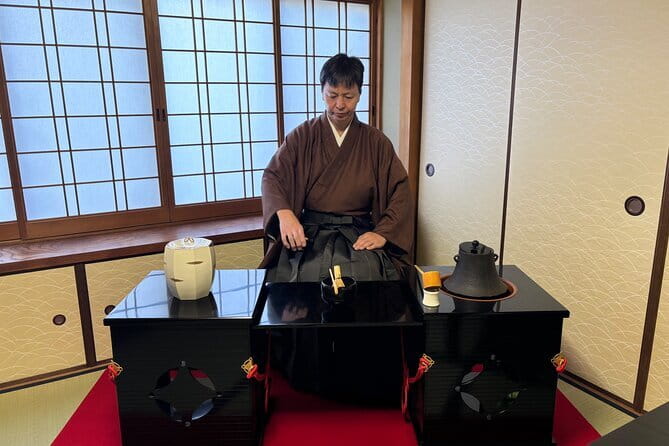
- 150-year-old townhouse setting in Ninenzaka, Kyoto, with a quiet, intimate vibe
- Hands-on matcha making with tools provided, plus clear guidance
- Tea etiquette + utensils lessons from the Tea Master, explained in English
- Seasonal wagashi sweets paired with two cups of matcha
- Strict tea-room etiquette (socks required, perfume prohibited, limited phone use)
- Optional kimono rental (2-piece style, extra 1,000 JPY)
Matcha in Kyoto’s Ninenzaka townhouse: what the 50 minutes really feels like
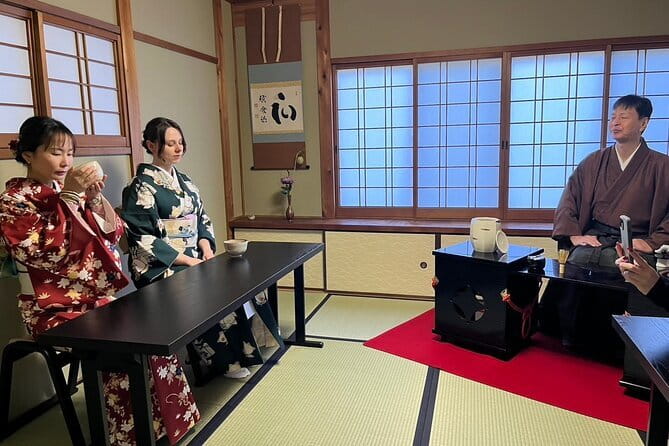
This isn’t a quick “watch and leave” performance. The ceremony is built around a gentle flow: you learn what matters, you see how it’s done, and then you make your own matcha. At about 50 minutes, it’s short enough to fit neatly into a Kyoto day, but long enough that you don’t feel rushed.
The setting is a major part of the value. You’re in a traditional townhouse area around Sannenzaka/Ninenzaka, where Kyoto still feels lived-in rather than staged. The experience is described as taking place with tables and chairs, which is helpful if you don’t want to worry about sitting styles for an entire session.
And because it’s small-group (maximum 15), the Tea Master can keep the tone respectful and organized. That matters, because tea ceremony etiquette is about atmosphere—quiet, correct movements, and everyone treating the room as a shared space.
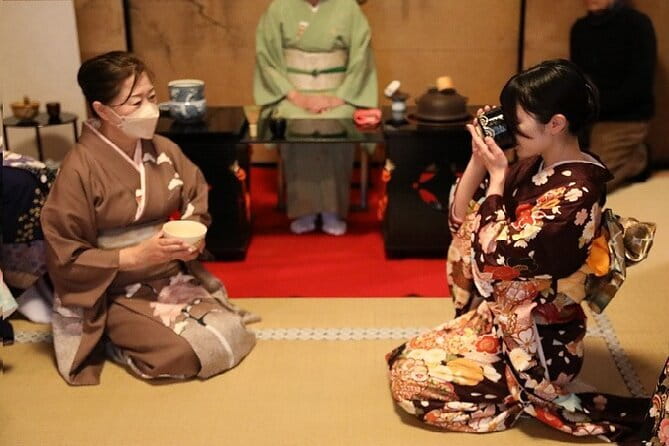
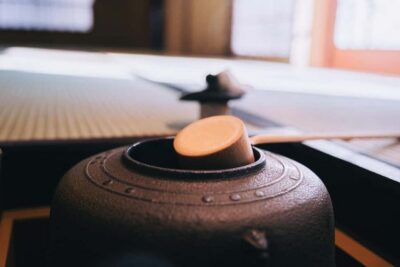
Sit for another bowl of matcha in a Kyoto tea house
Where to meet: finding Tea Ceremony & Cultural Experience Kangetsu Kyoto
You’ll meet at Tea Ceremony & Cultural Experience Kangetsu Kyoto (日本文化体験教室 寒月) at Kyoto, Higashiyama Ward, Masuyachō, 349-19, Ninenzaka/Sannenzaka area (二年坂). The activity ends back at the same meeting point.
This is practical for two reasons. First, it’s in one of Kyoto’s easiest-to-reach walking zones. Second, the location is noted as near public transportation, which gives you a fallback if you don’t want to time every minute around taxis.
A couple of reviews also hint at how easy it is to find once you have directions—so do yourself a favor and arrive on time, especially because the ceremony is paced to run smoothly for the group.
Tea-room rules: socks, perfume, phones, and what not to do
The tea room has rules for a reason: matcha and incense have their own scents, and the ritual depends on a calm, neutral sensory environment.
Here’s what you need to plan for:
- Wear socks. If you forget, you’ll need to buy them on-site.
- No exposed skin (choose clothing that doesn’t show too much).
- No perfume. This is strictly prohibited because it interferes with the smell of incense and tea.
- Only smart phones are allowed in the tea room.
- No video recording during the instructor’s demonstration. (You can follow along, but don’t record the teacher’s moves.)
I recommend treating these rules like part of the experience. When you show up prepared, you’re not thinking about socks or clothing. You can focus on the ceremony itself, which is the whole point.
The real lesson: tea etiquette and utensils explained step by step
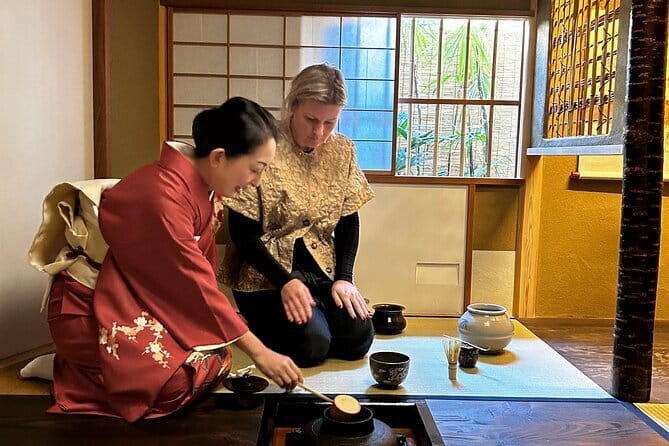
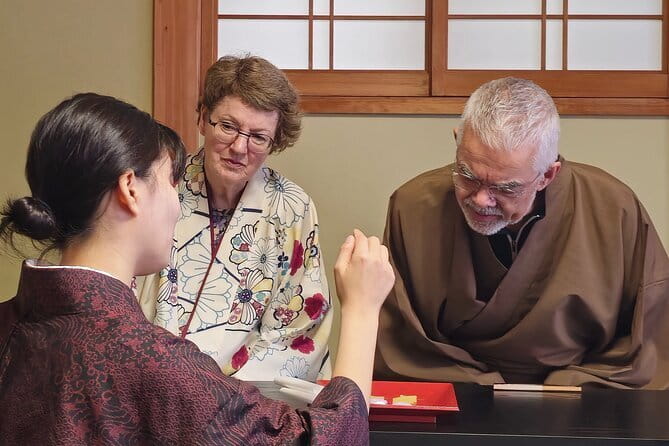
The Tea Master explains the meaning behind the ceremony, and you get a structured walkthrough of utensils and etiquette. That’s the heart of why this class feels worth it rather than just “a tasting.”
You’ll learn how to treat the tools and handle the flow with care—things like how to move at the right pace and how to approach the tea space respectfully. The course is designed so you don’t need prior knowledge. The guidance is in English, and the instructors provide detailed explanations so you can connect what you’re doing to why it matters.
From a practical standpoint, this is also why the ceremony lands well for first-timers. You’re not left guessing:
- What is the order of steps?
- Why does the teacher do things in a specific way?
- What should you pay attention to while you taste?
In the most positive feedback, the clear instruction and approachable explanations were the big wins—especially when people wanted to understand why matcha is special, not just how to make it.
Hands-on matcha: you whisk your own cup (and why that matters)
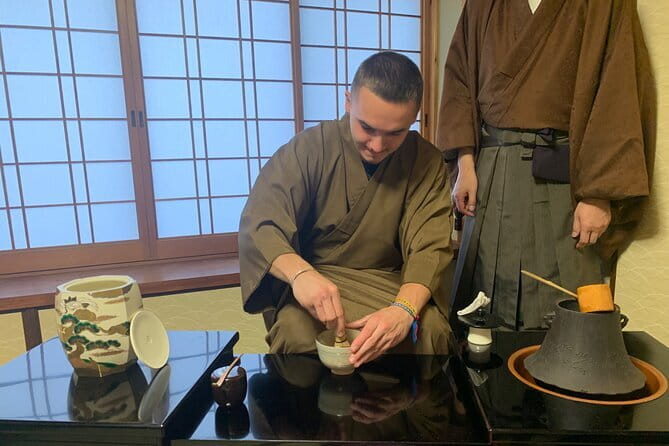
Most people come for matcha. The smart move is to stay for the part where you make it, because whisking is where the differences become real.
You’re provided with tools to prepare your cup, and you get to follow the instructor’s steps. This is the moment where the ceremony stops being abstract. You’ll see how technique affects the tea’s texture and how the ritual encourages focus.
A couple of reviews also mention that the tea master and assistant keep the experience warm and approachable. That’s important in a hands-on setting. If you’re nervous about messing up, you won’t enjoy it fully. The best sessions reduce that pressure with friendly pacing and clear corrections.
Also, the ceremony includes a Q&A segment at the end. That’s your chance to ask the questions you’re still holding after you’ve tasted your cup—like what makes a specific style of matcha better, or what you should look for if you buy it later.

Pairing matcha with seasonal sweets (wagashi) in the same session
A good tea ceremony gives you more than tea. Here, you also get sweets—two different types of traditional Japanese seasonal sweets.
Why this matters: matcha is intense and can feel a little bitter on its own. The sweets aren’t just dessert. They’re part of balancing the flavors so the tea tastes more rounded. You don’t need a food background to enjoy this. You just need to notice the contrast between the matcha and the sweetness.
Reviews repeatedly connect this pairing to why the experience felt “complete” and memorable—not just a class, but a full ritual moment.
Can you buy matcha right there?
One of the standout points in the feedback is that there’s an option to buy high-quality matcha on-site in the shop connected with the experience. If you’re the kind of person who likes to bring home a small, useful souvenir that won’t just sit in a drawer, this is a big plus.
A quick tip: if you buy matcha, ask what it’s best for (drinking straight, cooking, or cooking/whisking style). You’ll know what to look for better after making your own cup.
Price and value: $28.90 for matcha, sweets, and instructor time
At $28.90 per person, the value depends on one question: do you want a demonstration, or do you want participation?
This session includes:
- Tools so you can make your own tea
- Two cups of matcha (made with high-quality matcha from Uji, Kyoto)
- Two types of seasonal Japanese sweets
- A lesson on etiquette, utensils, and rituals, with English support
- All fees and taxes
That’s not just “a taste.” It’s instructor-led teaching + hands-on practice + food pairing, all in a limited-size setting. If you’re comparing it to other Kyoto tea options, the best way to judge value is by asking whether you’ll actually whisk a cup yourself and whether the sweets and matcha quality are part of what you get.
Also note what’s not included: bottled water (so plan to hydrate elsewhere), and alcohol. Kimono is optional for an extra fee (more below).
Kimono option: what’s included, what costs extra, and how to plan
Kimono is not automatically included. You can rent a 2-piece kimono for 1,000 JPY (optional).
If you’re expecting a full kimono included in the base price, adjust your plan early. The ceremony does have strict clothing expectations for the tea room (covering up more skin), so kimono can be a good fit if you want that traditional look. But don’t assume it’s part of the ticket.
Timing and group dynamics: the one real caution I’d flag
Tea ceremony timing is sensitive. If one group runs late, everyone’s rhythm can get disrupted.
One drawback showed up clearly: arriving on time is important, because waiting can be disrespectful to the Tea Master and the rest of the group. That’s not “unique to this place,” but it’s a real consideration for you.
My practical advice:
- Arrive a few minutes early so you’re not stressed.
- If you’re tight on the schedule afterward, give yourself buffer time.
Also, this is clearly designed as a group experience (not a private one-to-one). So if you’re shopping for a private ceremony, make sure you’re choosing the right format before you go.
Who this matcha ceremony suits best
You’ll likely love this if:
- You want a first-timer-friendly matcha experience with clear steps
- You prefer a calm, respectful cultural activity that doesn’t take half a day
- You care about etiquette and meaning, not just taste
- You want English explanations and a chance to ask questions
You might want to think twice if:
- You’re uncomfortable following strict tea-room rules
- You’re expecting a fully private ceremony
- You’re very sensitive about waiting and schedule spillover (build buffer)
And it’s family-friendly in a practical way: while children under 7 aren’t allowed, older kids can join according to the program’s age limits, and the experience is structured to be understandable.
Quick tips to get the best experience without stressing out
Small things make a big difference in a tea room.
- Skip perfume. Even light scents can disrupt the incense/tea environment.
- Wear socks and clothing that stays within the modesty expectations.
- Keep your phone use limited to what’s allowed in the room.
- Save questions for the Q&A. You’ll get better answers when you’re not interrupting the flow.
If you’re the type who likes to understand before you act, pay attention during the utensils and etiquette explanation. When it’s time to whisk, you’ll enjoy your cup more because you’ll know what you’re aiming for.
Should you book this Kyoto matcha tea ceremony?
Book it if you want a short, structured Kyoto experience where you actually learn and participate. For the price, the combo of Uji matcha, seasonal sweets, hands-on whisking, and English guidance is the strongest case.
Skip or reconsider if you’re looking for a private ceremony or if you can’t handle strict tea-room rules. If that’s you, find a format that better matches your expectations.
If you’re planning Kyoto in a way that blends major sights with smaller, quieter moments, this one is a smart choice. It’s the kind of activity that leaves you with something practical too: a deeper sense of how matcha is made and why it tastes the way it does.
FAQ
How long is the tea ceremony experience?
The session is about 50 minutes (approx.).
Is this a small group?
Yes. The experience has a maximum of 15 travelers.
Is the experience offered in English?
Yes. Experiences are provided in English every day.
Do I need to wear socks?
Yes. You’re required to wear socks for the tea ceremony. If you forget, you can purchase socks.
Can I wear perfume?
No. Perfume is strictly prohibited because it interferes with the smell of incense and tea in the room.
Am I allowed to use my smartphone?
In the tea room, only smart phones are allowed. Video recording during the instructor’s demonstration is prohibited.
Are children allowed?
Children under 7 years old are not allowed to participate.
Is kimono included in the price?
Kimono is not included. You can rent a 2-piece kimono for 1,000 JPY.
What if I have allergies?
You should inform the provider in advance if you have any allergies.
What’s the cancellation policy?
You can cancel for free up to 24 hours in advance for a full refund. If it’s canceled due to poor weather, you’ll be offered a different date or a full refund.
More Tour Reviews in Kyoto
One More Bowl of Matcha

Just added: more Kyoto tours to browse



Kyoto Tea Ceremonies, compared.
 ★ 4.9Tea Ceremony in a Traditional Tea House in KiyomizuFrom $493,519 reviews
 ★ 4.9Tea Ceremony Ju-An at Jotokuji TempleFrom $293,207 reviews
 ★ 4.345-Minute Tea Ceremony Lesson ExperienceFrom $222,378 reviews
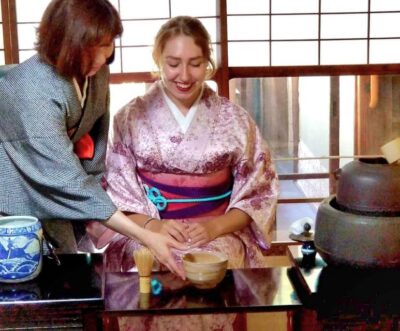 ★ 4.9Table-Style Tea Ceremony at a Kyo-MachiyaFrom $451,211 reviews
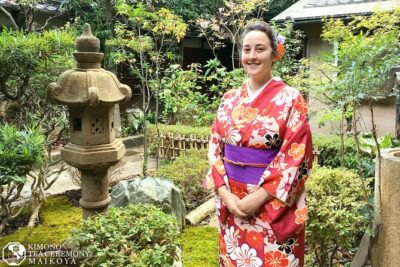 ★ 5.0Kimono Tea Ceremony at Kyoto Maikoya, NISHIKIFrom $65911 reviews
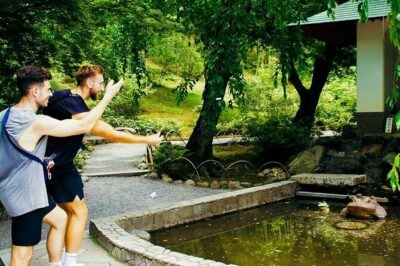 ★ 5.0Arashiyama Bamboo Forest, Monkeys, Matcha & Temple TourFrom $53759 reviews
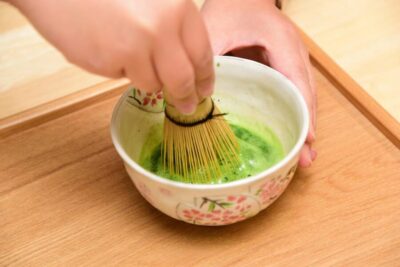 ★ 4.9Tea Museum Tickets and Matcha Grinding ExperienceFrom $23739 reviews
 ★ 4.9Kimono Tea Ceremony at Orizuruya GionFrom $49618 reviews
Browse the lists this tour appears in