
Reviewed · KYOTO TEA CEREMONIES
Tea Ceremony Experience in Traditional Kyoto Townhouse
You step into a Kyoto townhouse.
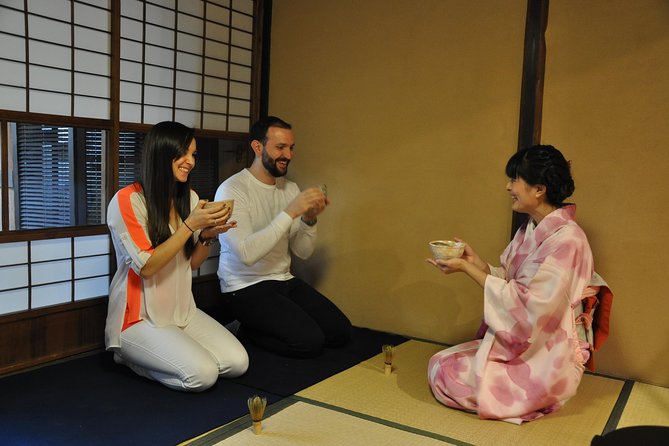
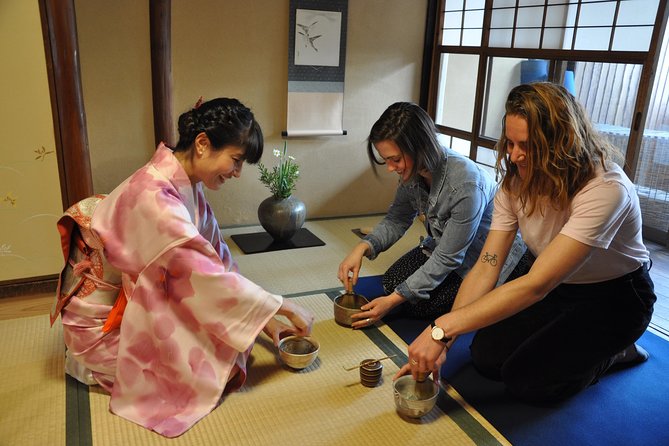
This tea ceremony lesson happens inside a traditional machiya in Kyoto, with a small group capped at 6 people for real conversation and careful instruction. You’ll learn the basics and etiquette, watch a demonstration, then practice making matcha yourself.
I love the tea-and-sweets setup: Uji matcha from a tea farm and traditional sweets from a well-known Kyoto confectioner. I also like that the teaching isn’t vague—host Kimi (Ami Kyoto) and the team walk you through each movement so you understand what you’re doing and why.
One potential snag: the address is in a residential area, and signage can be limited, so you’ll want your map directions ready before you arrive.
In This Review
- Quick Reasons This Tea Ceremony Works
- Entering A Traditional Machiya Tea Room in Kyoto’s Residential Streets
- How the Tea Ceremony Lesson Actually Flows (About One Hour)
- Uji Matcha and Kyoto Sweets: What You’ll Taste and Why It Matters
- Small Group Size: The Real Upgrade Is Time With the Hosts
- Price and Value: Is $27.74 Worth a One-Hour Kyoto Lesson?
- Meeting Point Tips: Getting There Without Guesswork
- Who This Tea Ceremony Is Best For (And Who Might Feel It’s Not Enough)
- A Balanced Take on the Experience Atmosphere
- Should You Book Ami Kyoto’s Tea Ceremony?
- FAQ
- How long is the tea ceremony experience?
- What does the price include?
- Is hotel pickup or drop-off included?
- How many people are in the group?
- What is the meeting point?
- Will I get a ticket on my phone?
- How soon will I get confirmation after booking?
- Are there multiple start times?
- Is the location near public transportation?
- What if I need to cancel?
Quick Reasons This Tea Ceremony Works
- Machiya setting: a wooden Japanese townhouse that feels like real Kyoto, not a themed set
- Max 6 people: you get time to ask questions and practice the steps
- Uji matcha + Kyoto sweets: you taste quality ingredients, not mystery powder and biscuits
- You make your own matcha: hands-on practice with guidance
- Careful etiquette coaching: entering the tea space and serving steps are explained clearly
Entering A Traditional Machiya Tea Room in Kyoto’s Residential Streets
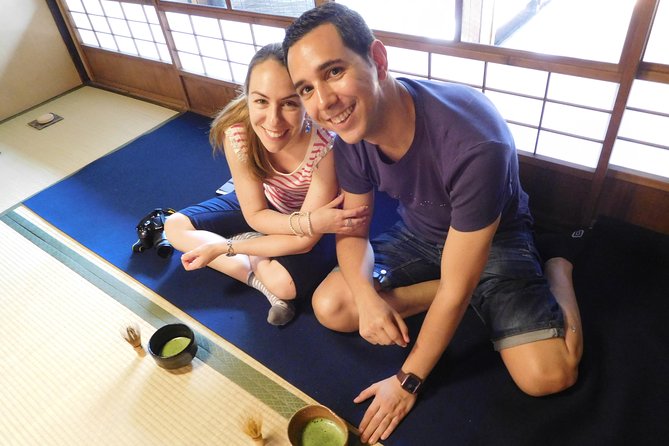
Kyoto has plenty of famous sights. This experience is different because it starts in a quieter place—a traditional wooden machiya in a residential neighborhood. The venue is about 80 years old, and that matters. Even if you don’t know architecture, you’ll feel the slower rhythm: the rooms, materials, and layout push you to move more intentionally.
It also helps that the group stays small. With no more than 6 people, it feels less like a show and more like a lesson where you can actually watch the details up close. And yes, you’ll get that classic Kyoto atmosphere right when you step inside—calm, orderly, and old-school.
Practical note: the meeting point is at 605 Nishidachō, Shimogyo Ward, Kyoto. It’s near public transportation, but it can still be easy to miss at first because the area isn’t built for English wayfinding. I’d treat this like a small “find the entrance” game: pull up the Google map link and plan to arrive a few minutes early.
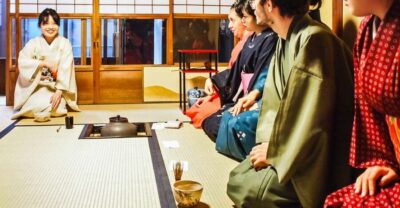
Sit for another bowl of matcha in a Kyoto tea house


How the Tea Ceremony Lesson Actually Flows (About One Hour)
The ceremony runs about 1 hour. That length is about right. It’s long enough to learn the sequence and practice, but not so long that you get mentally fried by details. The structure is simple and repeatable: explanation, demonstration, then your turn.
Here’s what to expect in the flow:
You start by settling into the machiya space and getting the basics of tea ceremony concepts and etiquette. This isn’t presented as a performance-only script. Instead, the emphasis is on the meaning behind behavior—how guests and hosts interact through respect, pace, and attention.
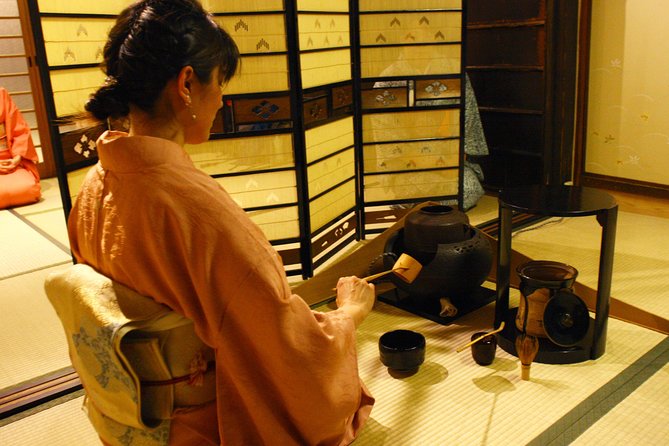
Then you watch a demonstration of making and serving tea. The goal is to see the full process once before you try it. After that, you’ll participate: making your own bowl of matcha and learning how to drink it properly, not just how to mix powder with water.
Finally, you serve and enjoy a traditional Japanese sweet alongside the tea. The pairing is part of how the experience is meant to feel—balanced, calm, and paced for taste rather than speed.
A key point: the instruction includes the movements in a way that feels clear and practical. Several people highlighted that the staff explained symbolism and practical meaning, not just rote technique. That’s exactly what you want, especially if it’s your first time with matcha etiquette.
Uji Matcha and Kyoto Sweets: What You’ll Taste and Why It Matters
A lot of tea ceremonies you see online focus on the ritual and skip the ingredient quality. This one leans the other direction too.
You get high-quality matcha green tea sourced from Uji City. Uji is one of Japan’s most recognized tea regions, so even if you’re new to matcha, you’ll notice the difference: the flavor tends to be deeper and smoother when the tea is good.
You also get Japanese sweets. The tour description says they’re from a famous Kyoto confectioner, and one sweet name that comes up is suhama. These aren’t treated like an afterthought. In tea ceremony culture, sweets are part of the shift from everyday life into a more mindful moment—something sweet, then tea, then conversation.
Value angle: paying for a tea ceremony can feel overpriced if you only get a quick sip. Here, you’re not just tasting. You’re learning how matcha is prepared and how to experience it properly. When you can connect taste to technique, the $27.74 price feels more justified.
If matcha is on your list anyway, there’s another bonus: you may be able to buy matcha to take home after the lesson. People specifically mentioned purchasing matcha from the hosts.
Small Group Size: The Real Upgrade Is Time With the Hosts
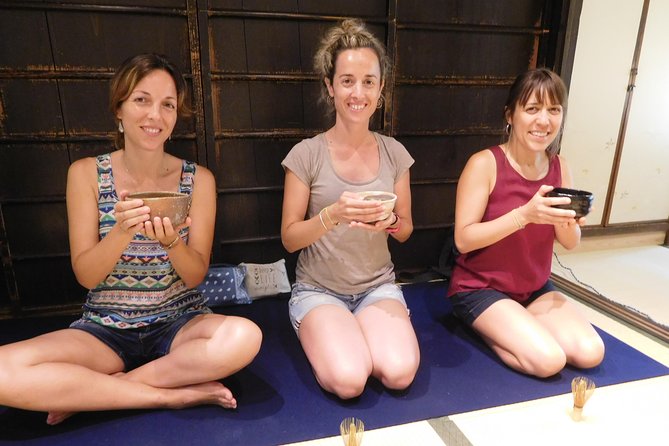
Many tours promise small groups but still feel rushed. With a cap of 6 people, you get the benefit that counts: time.
That shows up in two ways:
- You can ask questions without feeling like you’re interrupting a factory line.
- You can practice the steps with hands-on guidance instead of just watching.
Multiple participants noted that the hosts were welcoming and that questions were handled well. One person mentioned the pace felt just right, with enough time to learn without dragging the hour out.
And because it’s a small room, you’re not hidden behind anyone. You see what’s happening during the demonstration, and you can copy the movements more accurately when it’s your turn.
Price and Value: Is $27.74 Worth a One-Hour Kyoto Lesson?
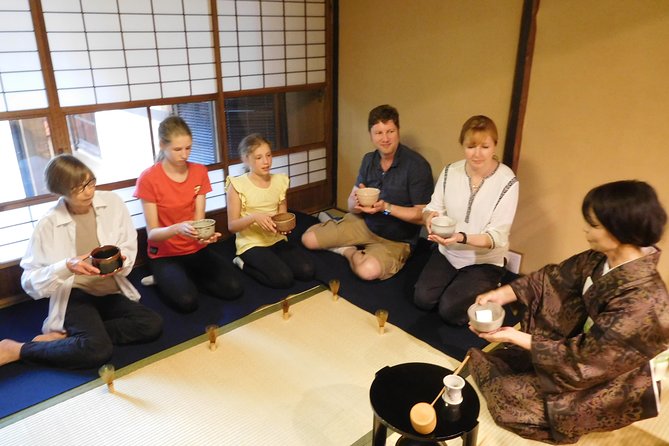
Let’s talk money in plain terms.
At $27.74 per person, you’re paying for:
- a private-style group limit (max 6),
- use of a real machiya space,
- guided explanation of etiquette,
- a matcha-making practice session,
- and Japanese sweets plus a bowl of tea included.
For Kyoto, where many cultural experiences cost significantly more, this is in the more approachable range. The value improves further because you don’t just observe—you participate. If you’ve ever taken a “see and leave” workshop, you know how it feels to pay and then realize you didn’t really learn anything you can reuse. This format is designed to stick: after the lesson, you’ll understand the order of actions and how to drink matcha with correct etiquette.
Also, the included items matter. A bowl of matcha and sweets are part of the experience, not an optional add-on. That’s what turns this from a lecture into a real ritual you actually complete.
So who gets the best value? People who want the cultural context and the hands-on component—first-timers especially.




Meeting Point Tips: Getting There Without Guesswork
Your start point is 605 Nishidachō, Shimogyo Ward. The session ends back at the same meeting point.
Because it’s a traditional residential area, this is the kind of location where you can lose time if you rely on vague directions. One review mentioned it was a bit difficult to find at first due to limited English street signage. The practical fix is simple: use the provided map link (or your navigation app) and confirm you’re looking for the right entrance when you arrive.
Also, plan a small buffer. Kyoto streets can be confusing, even when you’re close. Arriving 10 minutes early helps you settle instead of rushing into a quiet space.
Who This Tea Ceremony Is Best For (And Who Might Feel It’s Not Enough)
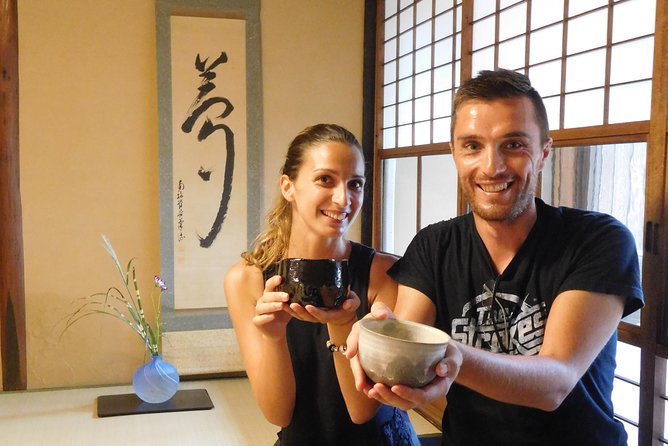
This tea ceremony lesson is a strong match for:
- first-time visitors who want a straightforward introduction to tea ceremony etiquette and the matcha-making process,
- travelers who like hands-on cultural activities,
- people who enjoy calm, structured experiences rather than constant sightseeing pressure.
It may feel less ideal if:
- you’re expecting a long, multi-course, hour-and-a-half or two-hour ceremony,
- you want large-scale sightseeing and photo stops (this is intentionally small and quiet),
- you’re looking for something purely scenic, because the main focus is ritual and instruction.
Good to know: “most travelers can participate.” One review specifically mentioned accommodation for a wheelchair user, which suggests the hosts try to make it workable for different needs. Still, if mobility is a concern for you, it’s smart to think through whether the space layout will be comfortable for your situation.
A Balanced Take on the Experience Atmosphere
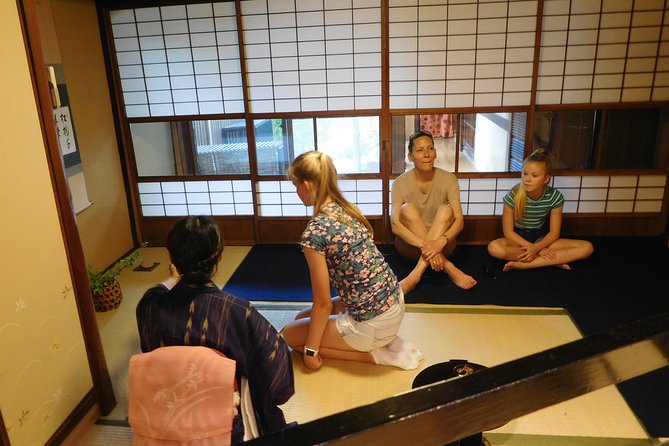
The overall tone seems to be peaceful and welcoming. People mentioned the room felt comfortable and the hosts were warm and kind. The explanation is presented as accurate and detailed, with a focus on “what you’re doing” and “what it symbolizes.”
That balance is important. Tea ceremony can become either too stiff (no fun, just rules) or too watered down (just make green goo and move on). This lesson aims for the middle: reverence and etiquette, but taught in a way that helps you participate without feeling judged.
Also, the “just enough time” feeling shows up in feedback: the session length is 60 minutes, and it tends to land well for learning without fatigue.
Should You Book Ami Kyoto’s Tea Ceremony?
I’d book it if you want one authentic Kyoto cultural experience that’s calm, hands-on, and taught by a real team in a traditional machiya. At $27.74 for about an hour, it’s priced like something you’ll remember—especially because you make your own matcha and not just drink a sample.
Skip it only if you’re trying to maximize checklists of big sights in a short day, or if you strongly prefer activities with lots of movement and photo moments. This is a sit-and-focus experience.
If tea ceremony intrigues you, you’ll leave with practical knowledge you can use at home: how to think about the steps, how matcha should feel when you drink it, and how sweets fit into the flow.
FAQ
How long is the tea ceremony experience?
It’s about 1 hour.
What does the price include?
You get a bowl of matcha green tea and Japanese sweets.
Is hotel pickup or drop-off included?
No. Hotel pickup and drop-off aren’t included.
How many people are in the group?
The tour has a maximum of 6 travelers.
What is the meeting point?
Start: 605 Nishidachō, Shimogyo Ward, Kyoto, 600-8397, Japan. The activity ends back at the meeting point.
Will I get a ticket on my phone?
Yes. It’s listed as a mobile ticket.
How soon will I get confirmation after booking?
Confirmation is received within 48 hours of booking, subject to availability.
Are there multiple start times?
Yes, there are multiple start times to fit your schedule.
Is the location near public transportation?
Yes, it’s near public transportation.
What if I need to cancel?
You can cancel for a full refund if you cancel up to 24 hours in advance of the experience’s start time. If you cancel less than 24 hours before, the amount paid is not refunded.
More Tour Reviews in Kyoto
One More Bowl of Matcha

Just added: more Kyoto tours to browse








Kyoto Tea Ceremonies, compared.
 ★ 4.9Tea Ceremony in a Traditional Tea House in KiyomizuFrom $493,519 reviews
 ★ 4.9Tea Ceremony Ju-An at Jotokuji TempleFrom $293,207 reviews
 ★ 4.345-Minute Tea Ceremony Lesson ExperienceFrom $222,378 reviews
 ★ 4.9Table-Style Tea Ceremony at a Kyo-MachiyaFrom $451,211 reviews
 ★ 5.0Kimono Tea Ceremony at Kyoto Maikoya, NISHIKIFrom $65911 reviews
 ★ 5.0Arashiyama Bamboo Forest, Monkeys, Matcha & Temple TourFrom $53759 reviews
 ★ 4.9Tea Museum Tickets and Matcha Grinding ExperienceFrom $23739 reviews
 ★ 4.9Kimono Tea Ceremony at Orizuruya GionFrom $49618 reviews
Browse the lists this tour appears in