
Reviewed · KYOTO TEA CEREMONIES
Tea Ceremony Experience in Traditional Kyoto Townhouse
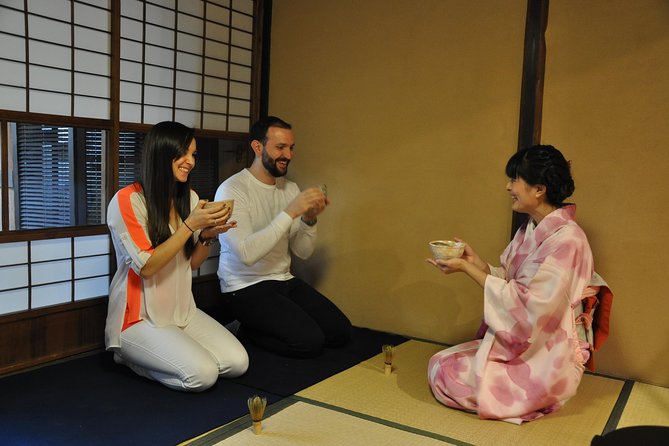
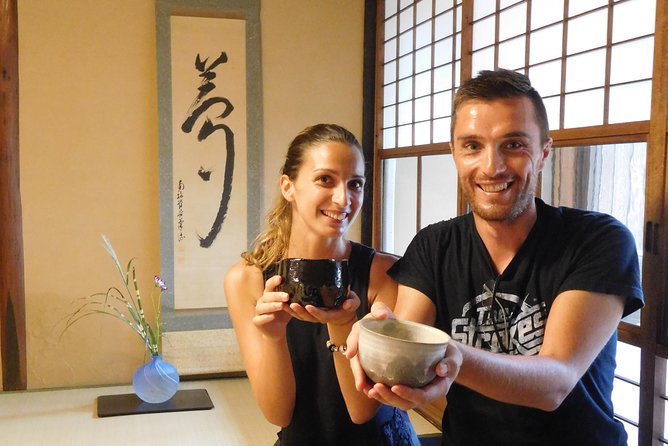
A Kyoto tea moment starts with a calm room. This hands-on matcha workshop and tea ceremony takes place inside a traditional machiya townhouse, about 80 years old, giving you a real feel for how Kyoto life once worked. I like that you get practical instruction while you’re surrounded by an authentic setting, not just watching from the side.
Two things I’d prioritize here: the matcha brewing practice (you learn the steps, not only the story), and the personalized feel of a small group. With a maximum of 6 people, the explanations can stay clear and hands-on, which matters a lot when you’re learning how to whisk, pour, and appreciate the taste.
One consideration: there’s no hotel pickup, so you’ll need to get yourself to the meeting point at 605 Nishidachō in Shimogyo Ward. If you’re staying far from central Kyoto, add a little extra buffer to your day so you don’t arrive rushed.
In This Review
- Key points to know before you go
- Entering Kyoto’s Machiya: Why the Room Matters
- The 60-Minute Plan: What You’ll Do From Start to Finish
- Matcha Workshop Basics: Brewing Better Tea, Step by Step
- The Tea Ceremony Flow: The Part You Can Actually Use Later
- Japanese Sweets and the Kyoto Pairing Effect
- Price and Value: Is $27.59 Worth It?
- Getting There at 605 Nishidachō Without Stress
- Who This Tea Workshop Fits Best
- Book It or Skip It: My Practical Recommendation
- FAQ
- How long is the tea ceremony experience?
- What does it cost per person?
- Where does the experience take place?
- What’s included in the experience?
- Is hotel pickup or drop-off included?
- How big is the group?
- Do I need to print a ticket?
- When will I get confirmation after booking?
- What is the cancellation window?
- Is this suitable for most people?
Key points to know before you go
- Stay inside a real machiya townhouse rather than a studio set
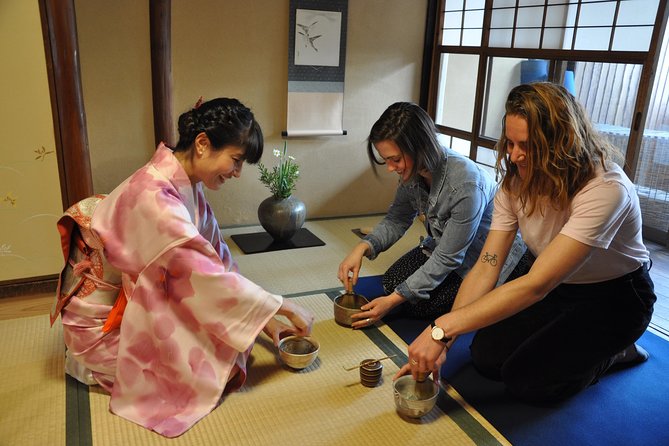
- Learn matcha preparation hands-on while the tea ceremony is explained
- Small group size (max 6) for clearer, more personal guidance
- You drink the matcha you make plus Japanese sweets
- Mobile ticket makes check-in simpler
Entering Kyoto’s Machiya: Why the Room Matters
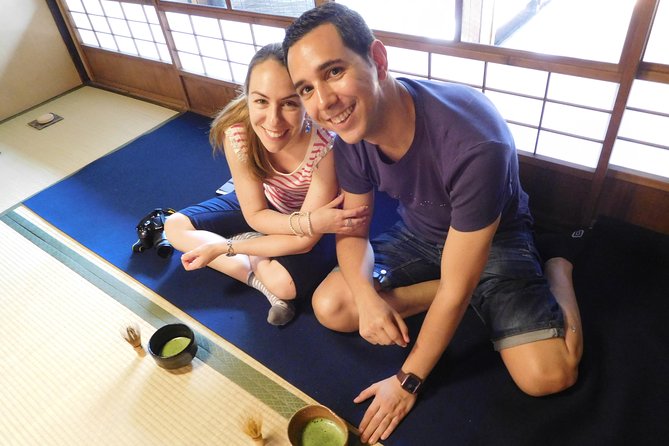
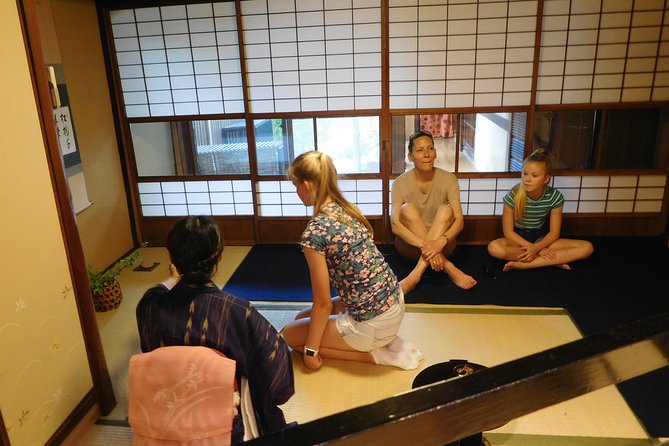
Kyoto’s machiya townhouses were built for everyday life: simple wooden structures, practical layouts, and a sense of quiet order. In this experience, the townhouse is the first “teacher.” Before you even start whisking matcha, you’re already stepping into the atmosphere where this kind of ritual made sense in daily culture.
I like that this isn’t presented as something distant or museum-like. The townhouse is described as around 80 years old, and that age shows in the feel of the space. You’ll get a rare peek inside one of Kyoto’s remaining machiya, which you can’t easily recreate on your own unless you’re visiting private homes or special open houses.
The setting also helps the instructions land. When the room is calm and traditional, the tea ceremony steps feel less like a script and more like a practice. That’s when small details (like how you move, how you hold the bowl, and how you concentrate) actually matter.
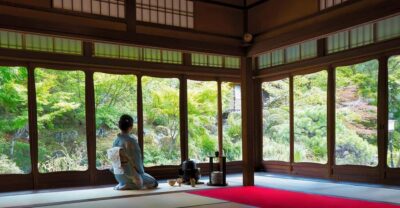
Sit for another bowl of matcha in a Kyoto tea house
The 60-Minute Plan: What You’ll Do From Start to Finish
The experience runs about 1 hour, and that timing is part of the value. You’re not committing to a half-day activity that eats your entire afternoon. Instead, you get a focused introduction that fits well between sightseeing blocks.
Here’s what you can expect as the session unfolds:
- You begin with the matcha workshop setup inside the townhouse.
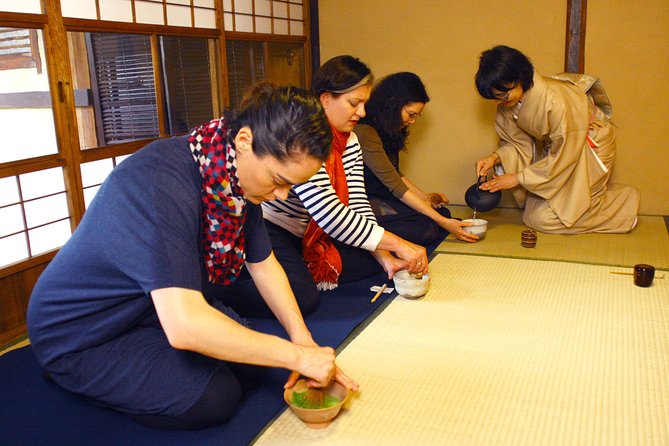
- You watch the demonstration and learn what each step is trying to achieve.
- You practice brewing matcha yourself.
- You finish by enjoying your matcha with Japanese sweets.
The key point is that you’re doing more than listening. Brewing matcha is a skill, and the best way to learn is repetition with guidance. In a short session, you’ll likely complete the core steps without getting lost in extra theory.
Also, the experience is described as featuring personalized demonstrations. In a group of up to 6, that usually means you can ask questions while the host adjusts or clarifies what you’re doing.
Matcha Workshop Basics: Brewing Better Tea, Step by Step
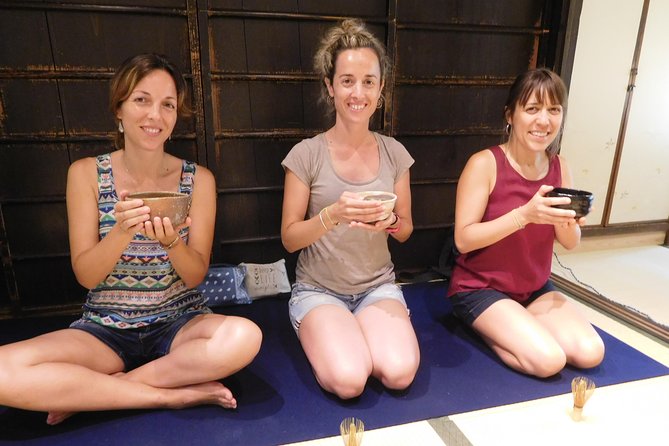
Matcha isn’t just green tea powder. It’s tea-grade powder, prepared for whisking and drinking, and the difference shows immediately in texture, aroma, and taste. This workshop is built around teaching you the ins and outs of Japanese tea through a matcha prep lesson.
The big practical benefit is that you’ll learn what makes top-quality matcha work in a cup. The session mentions matcha brewed from an organic farm, and while you won’t be running a supply chain lab afterward, you will get a clearer sense of why quality matters. Better matcha tends to whisk more smoothly and tastes more balanced rather than harsh.
You’ll also learn how to create the look and feel you want, especially through the whisking step. If you’ve ever tried matcha on your own and wondered why it tasted flat or uneven, this kind of guided practice gives you a baseline for what you should be aiming for.
And yes, you’ll taste what you make. The experience includes a bowl of matcha green tea, so you’re not guessing whether your technique helped. That feedback loop is what turns a “cute cultural activity” into something you’ll actually remember (and maybe repeat at home).
The Tea Ceremony Flow: The Part You Can Actually Use Later
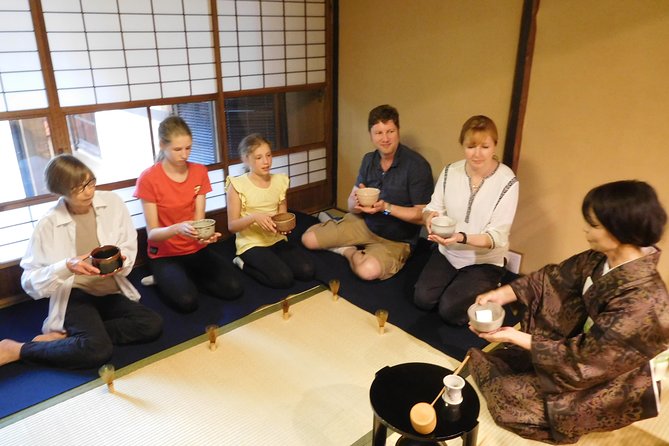
The ceremony element is what turns matcha from a drink into a ritual. Even if you don’t plan to recreate a full formal ceremony later, you’ll leave with a mental checklist for how to slow down and brew with intention.
This experience emphasizes the art of brewing alongside background on the tea ritual. It mentions that the ritual was once favored by monks and samurais, and that historical thread helps explain why the ceremony is structured. The point isn’t to memorize dates. It’s to understand that the steps are about attention, respect, and calm.
In practical terms, the tea ceremony teaches you:
- how to handle the utensils and space
- how to focus on the sequence
- how to treat the cup as the main event
That’s why the instructions feel more meaningful than a generic food class. You’re not only learning a recipe. You’re learning a way to slow your body down long enough to notice the cup.
One more thing that tends to improve the experience: when you learn through demonstration, you see how the host uses pace and posture to keep everything smooth. Even in one hour, those cues can make your own whisking and pouring feel more confident.
Japanese Sweets and the Kyoto Pairing Effect
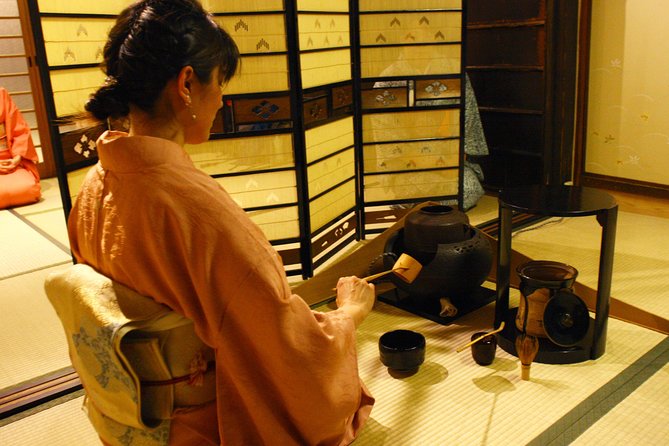
You’ll enjoy your matcha with Japanese sweets included in the session. Even though sweets aren’t usually the headline for matcha workshops, the pairing matters because matcha’s flavor can be intense. Sweetness and texture can balance bitterness and deepen the overall impression of your cup.
This is also one of those “quiet” ways to learn Kyoto culture. Tea ceremonies and traditional sweets are designed to work together. You don’t just eat a snack; you take part in a tasting rhythm.
I also like that the sweets are included. That means you’re not scrambling for dessert afterward or trying to guess what would pair well. The session already puts the matcha experience into a complete mini-meal of sorts.
Price and Value: Is $27.59 Worth It?
At $27.59 per person, this isn’t an entry-level “see it from the window” activity. It’s priced like a real instruction experience, and for many people, that’s exactly what makes it a good deal.
Here’s what you’re really paying for:
- entry into a traditional machiya setting
- hands-on matcha preparation guidance
- a matcha bowl you make yourself
- Japanese sweets included
- a small group cap (max 6), which supports better instruction
The 1-hour duration helps value too. You’re not paying for a long block of time you could use for other Kyoto stops. And because there’s no hotel pickup, you’re not subsidizing transportation overhead; the price concentrates on the tea experience itself.
If you’ve already done a basic cultural show, this is a different kind of investment. The skill component is the value. You’ll leave with technique you can actually use, not only photos.
Getting There at 605 Nishidachō Without Stress
The meeting point is listed at 605 Nishidachō, Shimogyo Ward, Kyoto, 600-8397. The good news is that it’s near public transportation. That matters in Kyoto, where walking can add up quickly depending on where you’re staying.
Plan to arrive a few minutes early. A machiya townhouse can be easy to miss if you’re focused on navigating bus or train schedules. Once you’re at the right area, you’ll want a calm minute to find the entrance before the session starts.
Also note the experience does end back at the meeting point. Since there’s no hotel pickup or drop-off, your transportation plan should assume you’ll be heading out on your own immediately afterward.
Who This Tea Workshop Fits Best
This is a great fit if you want something authentic that still feels manageable. Here’s who I think benefits most:
- You like hands-on activities more than passive demonstrations.
- You’re a matcha fan who wants to understand how to make a better cup.
- You want a taste of traditional Kyoto home life through a machiya setting.
- You prefer smaller group experiences for clearer instruction.
It’s also a strong option if you’re trying to balance culture with practicality. One hour is long enough to learn real steps, short enough to keep your day flexible.
If you’re hoping for a giant, multi-course day-long tea experience, this won’t feel that way. But if you want a focused introduction that you can build on later, it’s well matched.
Book It or Skip It: My Practical Recommendation
I’d book this if you care about learning matcha preparation in a calm, traditional setting. The combination of machiya access, hands-on brewing, and tasting what you make is exactly the kind of value that doesn’t rely on luck or crowds.
Skip it only if getting to 605 Nishidachō would be a hassle for you or if you’re searching for a longer, more formal ceremony. For most people in Kyoto for a short list of highlights, this hits a sweet spot: real instruction, traditional atmosphere, and a finish that doesn’t eat the whole day.
FAQ
How long is the tea ceremony experience?
It lasts about 1 hour (approx.).
What does it cost per person?
The price is $27.59 per person.
Where does the experience take place?
It meets at 605 Nishidachō, Shimogyo Ward, Kyoto, 600-8397, Japan, inside a traditional Kyoto townhouse setting.
What’s included in the experience?
You’ll receive a bowl of matcha green tea and Japanese sweets.
Is hotel pickup or drop-off included?
No, hotel pickup and drop-off are not included.
How big is the group?
The experience has a maximum of 6 travelers.
Do I need to print a ticket?
You’ll receive a mobile ticket.
When will I get confirmation after booking?
Confirmation is received within 48 hours of booking, subject to availability.
What is the cancellation window?
You can cancel for a full refund up to 24 hours before the experience starts.
Is this suitable for most people?
It notes that most travelers can participate, and it’s near public transportation.
More Tour Reviews in Kyoto
One More Bowl of Matcha

Just added: more Kyoto tours to browse



Kyoto Tea Ceremonies, compared.
 ★ 4.9Tea Ceremony in a Traditional Tea House in KiyomizuFrom $493,519 reviews
 ★ 4.9Tea Ceremony Ju-An at Jotokuji TempleFrom $293,207 reviews
 ★ 4.345-Minute Tea Ceremony Lesson ExperienceFrom $222,378 reviews
 ★ 4.9Table-Style Tea Ceremony at a Kyo-MachiyaFrom $451,211 reviews
 ★ 5.0Kimono Tea Ceremony at Kyoto Maikoya, NISHIKIFrom $65911 reviews
 ★ 5.0Arashiyama Bamboo Forest, Monkeys, Matcha & Temple TourFrom $53759 reviews
 ★ 4.9Tea Museum Tickets and Matcha Grinding ExperienceFrom $23739 reviews
 ★ 4.9Kimono Tea Ceremony at Orizuruya GionFrom $49618 reviews
Browse the lists this tour appears in