
Reviewed · KYOTO TEA CEREMONIES
Tea Ceremony Experience in Kyoto
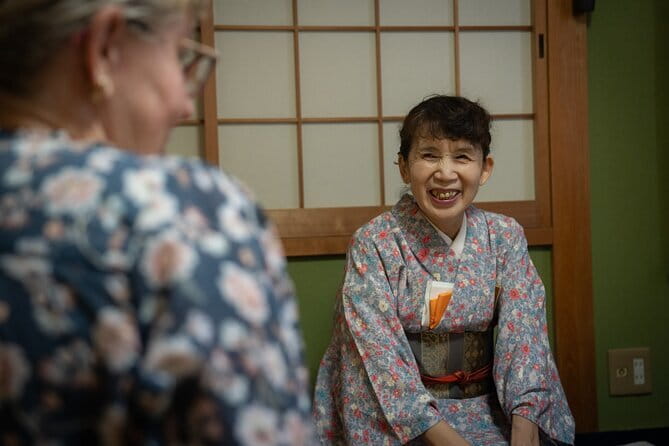
A tea ceremony that actually feels doable. You’ll learn how matcha is made step by step, then you can whisk your own tea under the guidance of Chisato, a teacher with 30+ years of experience. The best part is the tone: this isn’t gatekeeping. It’s built to help complete beginners feel comfortable, not intimidated.
I also love that you get the full set of sensory basics—matcha plus wagashi—so it’s not just a lecture. And with a maximum group size of 6, you can ask follow-up questions and get corrections without feeling rushed. One thing to consider: the experience isn’t wheelchair accessible.
In This Review
- Key things that make this Kyoto tea ceremony worth your hour
- Matcha in Kyoto, without the stiff formality
- What happens during the 60-minute ceremony
- 1) Arrive at the Chisato meeting point
- 2) Learn the matcha steps, then practice
- 3) Add wagashi, then enjoy the pairing
- 4) Wrap up with questions and gentle guidance
- Chisato’s teaching style and how English support works
- Matcha whisking: what you’re really learning
- Wagashi + tea: why the sweet matters
- Location check: Shimogamo area and easy walks
- Price and value: what $39.09 buys you
- Who this is best for (and who should pick another option)
- Tips for getting the most out of your hour
- Should you book this Kyoto tea ceremony with Chisato?
- FAQ
- How long is the Kyoto tea ceremony experience?
- What is included in the price?
- Do I get a kimono?
- Is the experience wheelchair accessible?
- Where do I meet for the tea ceremony?
- Can I cancel for a full refund?
Key things that make this Kyoto tea ceremony worth your hour
- Make your own matcha: you’ll practice the whisking steps, not just watch
- Wagashi included: you’ll pair sweet Japanese treats with your tea
- Chisato’s 30+ years teaching: guidance focused on etiquette and mindfulness
- Small group cap (6 people): more personal attention and calmer pacing
- Easy location for sightseeing: about a 15-minute walk from Kamogawa Delta and Demachiyanagi Station
- Mobile ticket: simple arrival with no fuss
Matcha in Kyoto, without the stiff formality
Kyoto can make people feel like they need to “do it right.” This tea ceremony keeps the tradition, but it lowers the barrier for you. The structure is designed for different comfort levels, whether you’ve never tried matcha before or you’ve seen a ceremony on video and want to understand what’s happening.
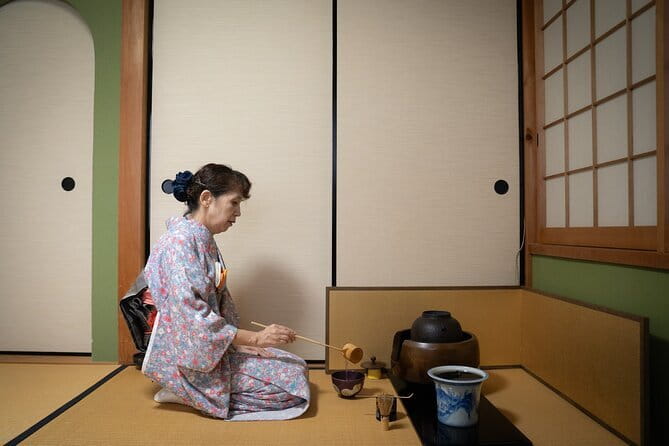
The centerpiece is hands-on matcha preparation. You’ll learn the steps behind whisking powdered tea and the quiet, precise movements that go with it. The goal isn’t perfection for its own sake. It’s paying attention—slow down, notice, and follow the rhythm of the ritual.
Another reason I’d plan this early in your Kyoto week: it gives you a simple lens for the rest of your visit. When you understand the etiquette and the mindset behind the tea, temples, shrines, and cultural spaces start to feel more connected rather than just decorative.
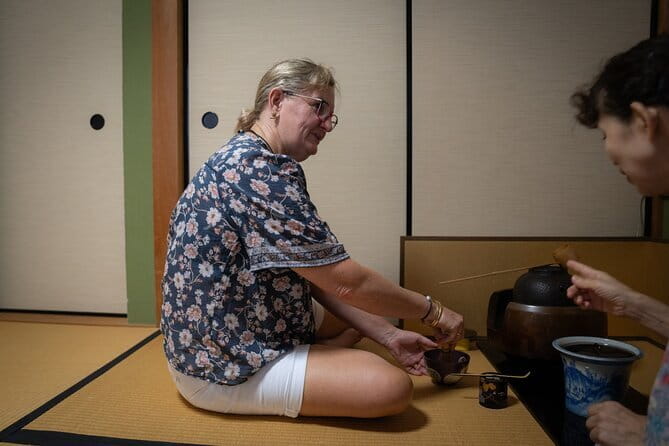
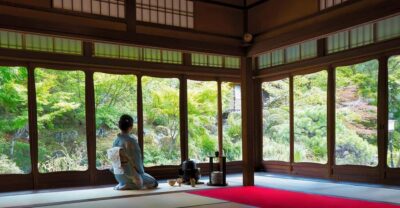
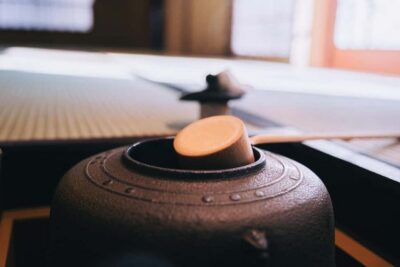
Sit for another bowl of matcha in a Kyoto tea house
What happens during the 60-minute ceremony
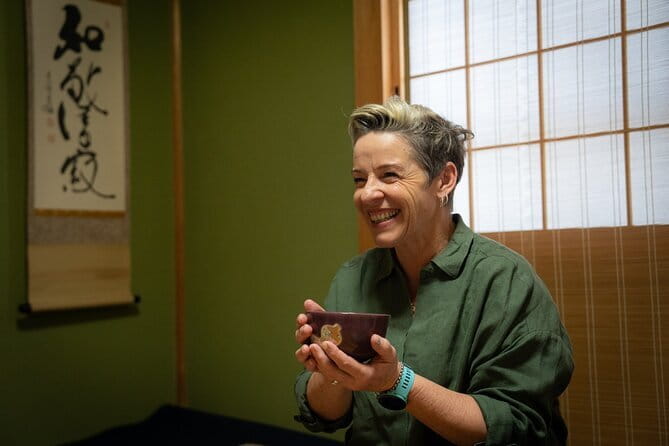
The session runs about 1 hour (approx.), and it’s paced to stay calm. While you’re there, the focus is consistently on three things: matcha preparation, the supporting role of wagashi, and learning how to participate with respect.
1) Arrive at the Chisato meeting point
You’ll meet at Tea Ceremony Experience Chisato, 67-23 Shimogamo Matsunokichō, Sakyo Ward, Kyoto, 606-0816. The activity ends back at the meeting point, so you’re not stuck figuring out a separate drop-off.
This matters in Kyoto. Plans can tangle fast. A round-trip setup keeps your time predictable and helps you avoid the “now what” moment right after something cultural and quiet.
2) Learn the matcha steps, then practice
This is the hands-on heart of the experience. You’ll get guidance on preparing matcha—from whisking the powdered tea to performing the careful movements that define the ceremony’s flow.
You don’t just get a quick demo and a souvenir cup. You’ll have the chance to participate, which is exactly what makes the ritual stick. Matcha-making is mostly muscle memory and attention. Seeing it once is nice. Doing it at least once is better.
3) Add wagashi, then enjoy the pairing
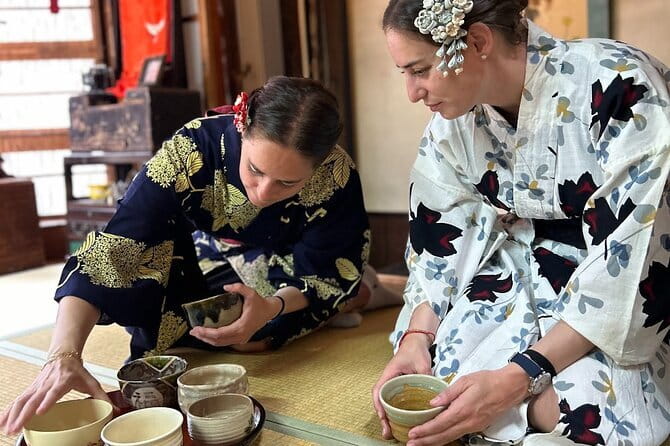
Wagashi are included. That’s important because the sweetness and texture of the sweets aren’t random. They balance the tea experience and give you an easy way to taste how the ceremony is meant to be experienced in parts—sweet first, then the tea, then the feeling you take away.
You’ll also learn how the ritual connects to mindfulness and presence. One of the themes emphasized by the teacher is being in the moment and showing respect toward Japanese culture. That’s the difference between drinking tea and understanding what the act represents.

4) Wrap up with questions and gentle guidance
The session is designed for beginners, and the teaching style reflects that. If you have questions, you’ll be in an environment where you can ask—though it helps to keep questions simple for smooth back-and-forth if you’re speaking in English.
Chisato’s teaching style and how English support works
The host is named Chisato, and she’s described as kind and patient. She also has a long teaching background—over 30 years. That combination matters because tea ceremony instruction can go two ways: either someone makes it feel complicated, or someone makes it feel clear.
Here, the emphasis is on respect and presence, not on impressing you with jargon. You’ll learn what to do and why it’s done that way. That makes it easier to follow along even when you don’t know the cultural background.
Language is another key factor. The experience is run in English, but like many cultural settings, you’ll get the best results if your questions are short and straightforward. If you come with one clear question—like what you should focus on while whisking—you’ll do fine.
Also, the ceremony is capped at 6 travelers. That small size tends to produce better pacing. You get time for adjustments instead of feeling like you’re being processed through a checklist.
Matcha whisking: what you’re really learning
Matcha whisking sounds simple until you try it. The ceremony’s steps teach you control and attention—how to hold the whisk, how to move, and how to respond when things don’t turn out the way you expected.
What I like about this experience is that it treats whisking as part of the mindset. The “precise movements” aren’t just about aesthetics. They train your focus and slow your hands down so your brain can follow.
You’ll practice under expert guidance, so you’re not left guessing. That’s especially valuable if you’re the type who wants to understand the basics rather than just copy a motion you don’t fully grasp.
And because matcha is included, you aren’t forced into buying extras to have a real experience. This is one of those tours where “you get what you came for” is actually true.
Wagashi + tea: why the sweet matters
Wagashi are included, and you’ll have them during the ceremony. In a tea context, these sweets help shape the emotional arc of the experience. They soften the intensity of matcha and give your palate something to move through deliberately.
Taste-wise, it’s also a good reality check. If you’ve only had bottled matcha drinks before, wagashi and fresh matcha give you a more accurate sense of the real flavors.
And practically, wagashi make the ceremony easier to enjoy in a single hour. You get a complete sensory sequence without waiting around or adding extra stops.
Location check: Shimogamo area and easy walks
The meeting point puts you in Sakyo Ward, Shimogamo area. That’s a quieter part of Kyoto than the busiest tourist corridors, which suits a calm ceremony.
You’ll also find the logistics convenient:
- About a 15-minute walk from Kamogawa Delta, a scenic riverside area where locals and visitors enjoy the views
- About a 15-minute walk from Demachiyanagi Station, a handy start for exploring Kibune Shrine and Rurikou Temple
If you’re building a day, this helps. You can walk to the ceremony, then continue into shrine-and-temple territory without backtracking. Or you can do it after morning sightseeing so the tea ceremony becomes your afternoon reset button—quiet, seated, and focused.
Price and value: what $39.09 buys you
At $39.09 per person, the pricing is reasonable for Kyoto, especially because this includes the essentials:
- Matcha
- Wagashi
- A guide
- Time with a teacher who has 30+ years of experience
The fact that you can participate matters a lot for value. You’re not paying to watch someone else whisk and then leave. You practice. You taste. You learn etiquette and mindset.
What’s not included: kimono and tips. If you want a kimono look, you’ll need to arrange that separately. If you’re traveling light, this is actually a benefit—no extra rental pressure.
Also, the session uses a mobile ticket, which reduces friction. Small details like that can save time on a day when Kyoto already has a way of surprising you with stairs and walking.
Who this is best for (and who should pick another option)
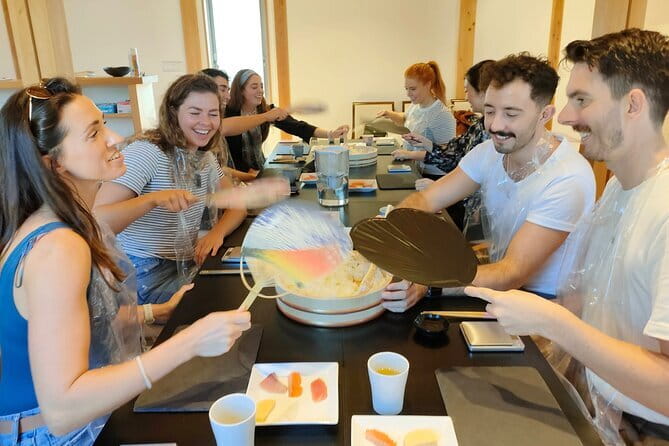
This ceremony fits best if you want:
- A beginner-friendly introduction to matcha and Japanese tea etiquette
- A short, calm cultural activity that doesn’t eat your whole day
- A chance to make your own tea rather than just observe
It’s also a good fit for families, because the experience is described as accommodating to small children. If you’re traveling with kids, the hour format helps keep attention from drifting too far.
One caution: it isn’t wheelchair accessible, so if mobility is a concern, you’ll need another plan.
If you’re the type who wants a deep, multi-hour cultural program with extra stops, you might find this a little short. But for most people, that’s a sweet spot. You get the core ritual without turning it into a half-day project.
Tips for getting the most out of your hour
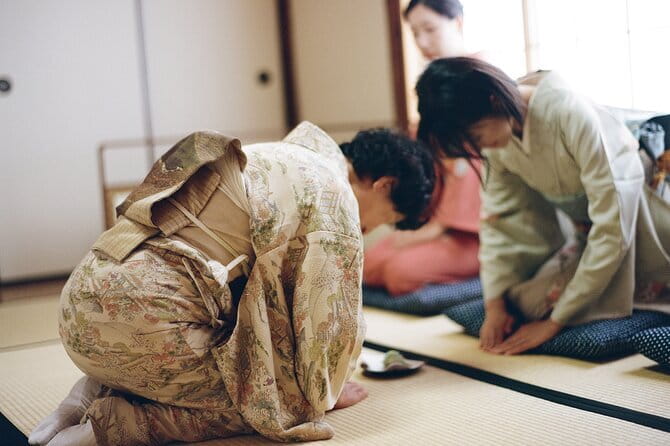
You’ll enjoy this more if you treat it like a practice session. Here are a few ways to set yourself up:
- Keep your goal simple: learn the steps and feel the rhythm.
- Ask one or two questions, not ten. Clear questions land better—especially in English.
- Watch the movements, then copy them slowly. Speed comes after you get the feel.
- Savor the wagashi and matcha pairing instead of rushing to finish.
If you’re the nervous type, that’s normal. Many people worry they’ll do something wrong. The whole design is built to make you feel welcome, so you can relax into learning rather than performing.
Should you book this Kyoto tea ceremony with Chisato?
I’d book it if you want an authentic Kyoto cultural moment that stays practical. The combination of hands-on matcha whisking, included wagashi, and a teaching host (Chisato) with 30+ years of experience makes it strong value for a one-hour slot.
If you’re sensitive to accessibility limits, or if you need a longer program with lots of extra sightseeing, you might want to look for another style of tea experience. But if your goal is a calm, respectful introduction—plus a real chance to participate—this is a solid choice.
And the location is workable. You can pair it with walks around the Kamogawa Delta area or set it up as part of a day that starts near Demachiyanagi Station. In Kyoto terms, that’s how you keep a day from turning into a transport puzzle.
FAQ
How long is the Kyoto tea ceremony experience?
It lasts about 1 hour.
What is included in the price?
Matcha, wagashi (Japanese sweets), and a guide are included.
Do I get a kimono?
No, kimono is not included.
Is the experience wheelchair accessible?
No, the experience isn’t wheelchair accessible.
Where do I meet for the tea ceremony?
You meet at Tea Ceremony Experience Chisato, 67-23 Shimogamo Matsunokichō, Sakyo Ward, Kyoto, 606-0816, Japan.
Can I cancel for a full refund?
Yes. You can cancel up to 24 hours in advance for a full refund. If you cancel less than 24 hours before the start time, the amount paid isn’t refunded.
More Tour Reviews in Kyoto
One More Bowl of Matcha

Just added: more Kyoto tours to browse



Kyoto Tea Ceremonies, compared.
 ★ 4.9Tea Ceremony in a Traditional Tea House in KiyomizuFrom $493,519 reviews
 ★ 4.9Tea Ceremony Ju-An at Jotokuji TempleFrom $293,207 reviews
 ★ 4.345-Minute Tea Ceremony Lesson ExperienceFrom $222,378 reviews
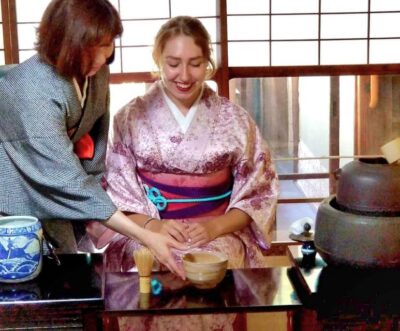 ★ 4.9Table-Style Tea Ceremony at a Kyo-MachiyaFrom $451,211 reviews
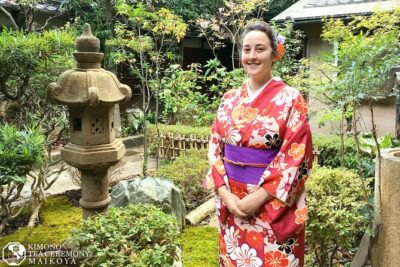 ★ 5.0Kimono Tea Ceremony at Kyoto Maikoya, NISHIKIFrom $65911 reviews
 ★ 5.0Arashiyama Bamboo Forest, Monkeys, Matcha & Temple TourFrom $53759 reviews
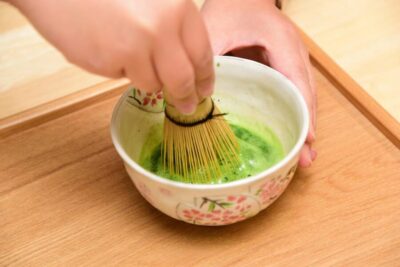 ★ 4.9Tea Museum Tickets and Matcha Grinding ExperienceFrom $23739 reviews
 ★ 4.9Kimono Tea Ceremony at Orizuruya GionFrom $49618 reviews
Browse the lists this tour appears in