
Reviewed · NISHIKI MARKET FOOD TOURS
Taste of Nishiki Market Walking Food Tour with Local guide
Food in Kyoto moves fast. This tour turns that into a plan you can actually follow, with stops that make sense.
I especially like the small-group setup (up to 6 people) because the guide can steer you toward what you’ll enjoy, not just what’s popular. And I like the temple-to-snacks flow, starting with a quiet pause at Rokkakudo Temple before you hit the markets.
One heads-up: the route includes crowded market aisles and you’ll be tasting foods that may include meat, seafood, wheat, and dairy, so if you have allergies, ask questions before you go.
In This Review
- Key things I’d put on your must-know list
- Meeting at Starbucks Kyoto Sanjo Karasuma: easier than you think
- Rokkakudo Temple first: the palate reset you didn’t know you needed
- Yaoyaichi local market: seasonal produce and everyday ingredients
- Daimaru Department Store basement: nikuman and wagashi in snack form
- Nishiki Market: Kyoto’s kitchen street walk at tasting speed
- Nishiki Tenmangu Shrine finish: a calm landing after the food sprint
- What you actually eat: 6–10 tastings and common ingredients to watch
- How the guide changes the whole experience (Kaoru and Rikka as examples)
- Pace, logistics, and what the small group really buys you
- Price and value: is $77 fair for Kyoto food tasting?
- Who this Kyoto food tour suits best
- Practical tips: shoes, allergies, souvenirs, and photo spots
- Should you book? My honest recommendation
- FAQ
- What time does the tour start, and where do I meet?
- How long is the walking food tour?
- What’s included in the tour price?
- Are there dietary restrictions to consider?
- Is the guide offered in English?
- What should I bring, and can I bring luggage?
Key things I’d put on your must-know list
- English guide who can personalize your snack picks and route depending on what you want to focus on
- 6–10 tastings across multiple stops, so you get variety without having to decide everything yourself
- Rokkakudo Temple + Nishiki Tenmangu Shrine add calm, cultural context to a food-first walk
- Nishiki Market navigation help for narrow lanes and heavy foot traffic
- A Daimaru basement stop for Kyoto-style treats like nikuman and wagashi
Meeting at Starbucks Kyoto Sanjo Karasuma: easier than you think
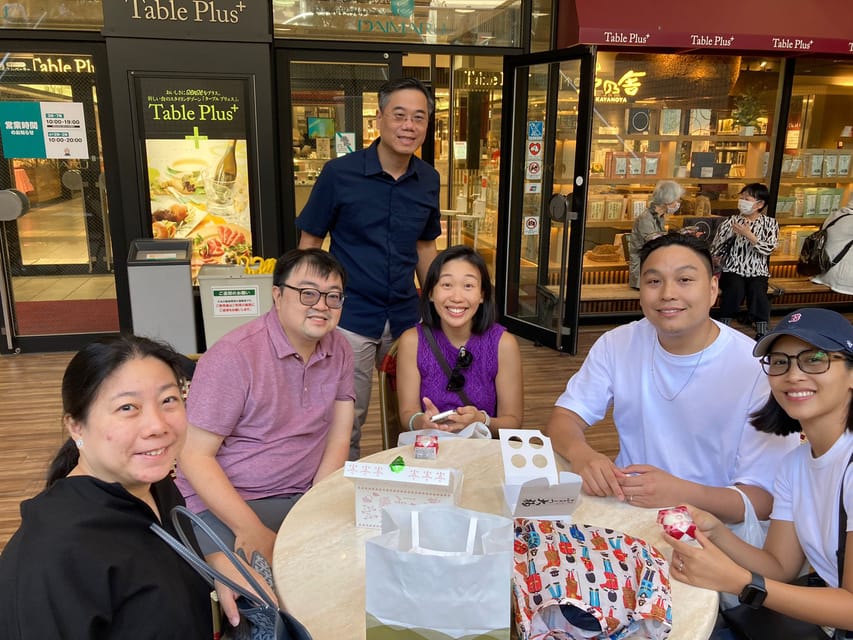
You’ll meet at Starbucks in the Kyoto Sanjo Karasuma area, specifically the Karasuma Building location on the 1st floor. It sounds simple, but it matters. In Kyoto, being early and finding the group quickly is half the battle.
From there, the tour stays downtown-walkable. You’re not stuck in a taxi loop or spending the morning figuring out which train stop lines up with which market. The plan is built around short walks that keep you moving, but not sprinting.
If you’re the type who likes to get your bearings fast, this starting point also helps. Sanjo Karasuma is one of those practical hubs where you can easily return later for extra browsing or a post-tour coffee.
Graze a little further along Nishiki Market
Rokkakudo Temple first: the palate reset you didn’t know you needed
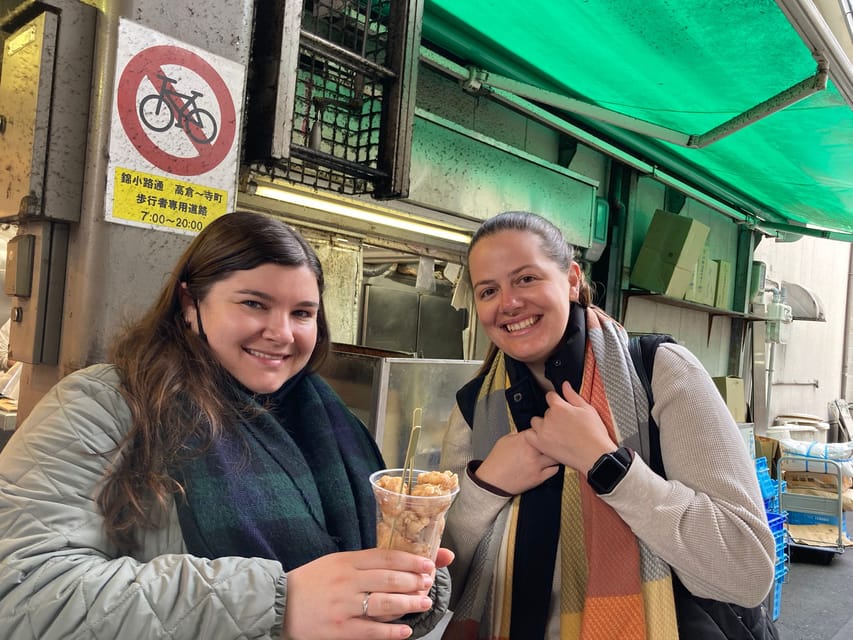
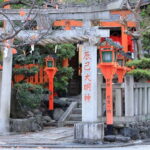
The tour starts with a visit to Rokkakudo Temple, scheduled before the food markets. That first stop is a smart rhythm choice. It cools your head, gives you a quick cultural anchor, and sets a calmer tone before the sensory overload of food counters.
Also, temples in this part of Kyoto sit close enough to daily life that you’ll feel how food and routine blend here. It’s not a theme-park moment; it’s a real neighborhood texture before the market crowds.
Wear comfortable shoes. The morning still includes walking on city surfaces, and you’ll appreciate the stamina after the first few tastings.
Yaoyaichi local market: seasonal produce and everyday ingredients
Next up is Yaoyaichi, a local market stop where you’ll see what seasonal ingredients look like when locals shop for them. The value here is not just the food you sample. It’s how the market environment teaches you what Kyoto people actually pay attention to.
You might try something like a local bread that’s popular among Japanese locals. Even if that particular item varies by availability, the idea stays the same: you get a taste that feels grounded in daily buying habits, not just tourist-friendly branding.
This stop is also where your guide’s advice becomes practical. You learn what to look for when you’re standing in front of shelves later, trying to decide what’s worth carrying home.
Daimaru Department Store basement: nikuman and wagashi in snack form
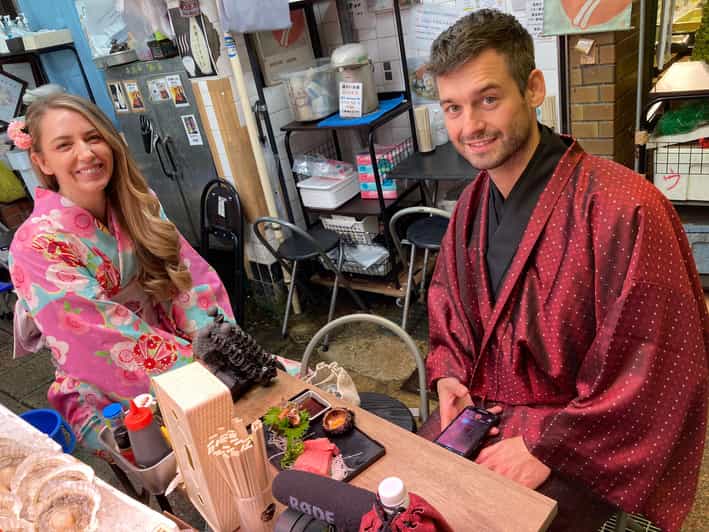
The Daimaru Department Store basement is one of those Kyoto food stages where everything is organized just enough to feel easy, even when you’re surrounded by tempting options.
Here’s what you can look forward to:
- Meat buns (nikuman), the kind of comfort food people love for a quick bite
- Wagashi (Japanese sweets), including sweets from long-running shops
This stop is great if you want variety without guessing. It also gives you two different taste directions in one place: savory comfort and sweet finishing notes.
And if sweets aren’t your thing, it’s still worth it for the context. The basement food culture shows how Kyoto’s culinary scene supports everything from casual snacking to gift-worthy treats. That’s where the tour starts helping you think like a local shopper.
Nishiki Market: Kyoto’s kitchen street walk at tasting speed
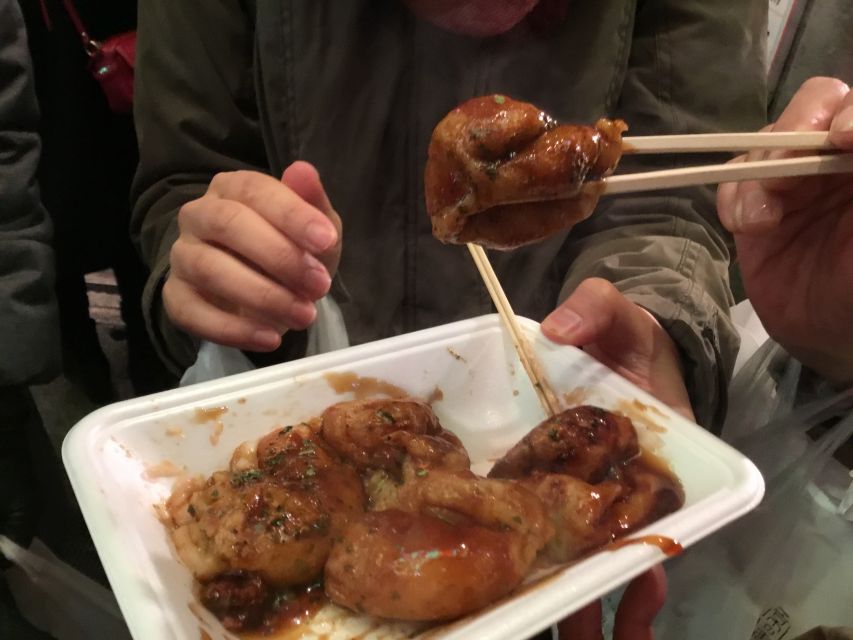
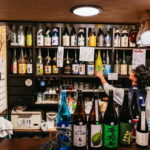
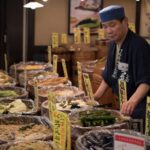
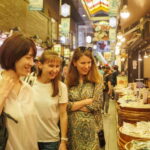
Then you hit Nishiki Market, often called Kyoto’s kitchen. This is the part most people picture, and it can be crowded. The key benefit of going with a guide is not just convenience. It’s decision-making.
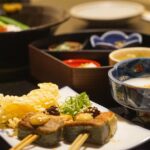
You’ll likely sample fresh items like:
- sashimi
- skewered wagyu beef
- plus other small bites that keep you moving through different flavor styles
Sampling at multiple vendors matters here. Nishiki is famous for abundance. Without guidance, you can easily end up stuck waiting in line for the wrong thing, or buying food that’s tasty but not the best version of what you’re craving.
With the guide leading the stops, you get a logical tasting arc. You also get recommendations for places you can return to later if you want more than the included portion.
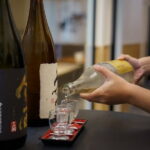
Still hungry? More tastes of Kyoto
Nishiki Tenmangu Shrine finish: a calm landing after the food sprint
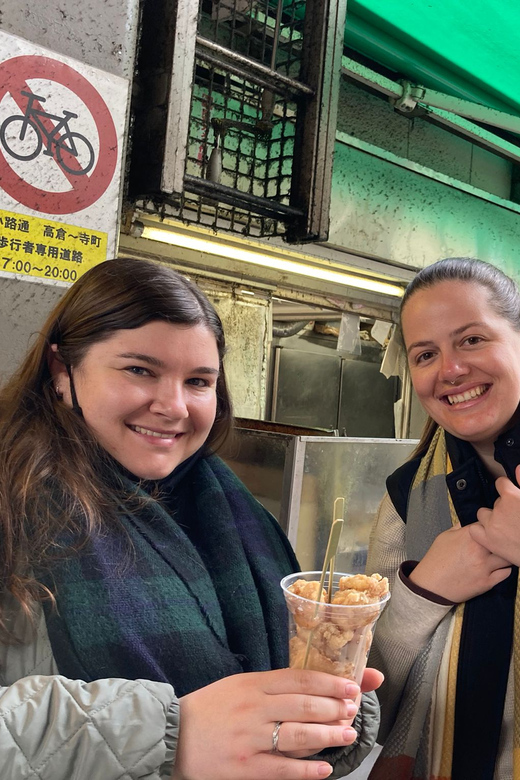
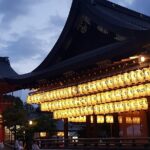
The tour ends at Nishiki Tenmangu Shrine. That matters more than you might think.
Market walking can blur time. Finishing at a quieter shrine gives you a natural reset point where you can slow down, process what you tasted, and decide what you want to buy for souvenirs without rushing.
It’s also a good moment to take a breath if the day’s been packed. Your feet will be warm, your stomach will be satisfied, and your brain will be ready to shop with more confidence.
What you actually eat: 6–10 tastings and common ingredients to watch
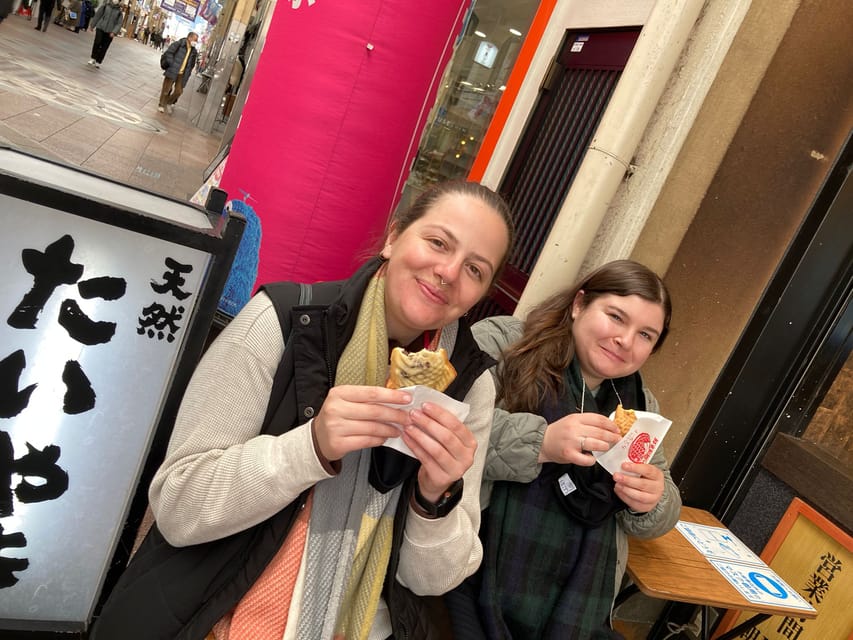
The tour includes 6–10 local foods, and what you eat can vary based on participant preferences and item availability at the shops.
Examples you might encounter include:
- At Yaoyaichi: a popular bread style local favorite
- At Daimaru: nikuman and wagashi from established shops
- At Nishiki Market: things like sashimi and skewered wagyu beef
Important for planning: the tastings may include ingredients such as meat, seafood, wheat, and dairy. If you have allergies or dietary restrictions, you should contact the provider in advance to discuss what substitutions might be possible.
How the guide changes the whole experience (Kaoru and Rikka as examples)
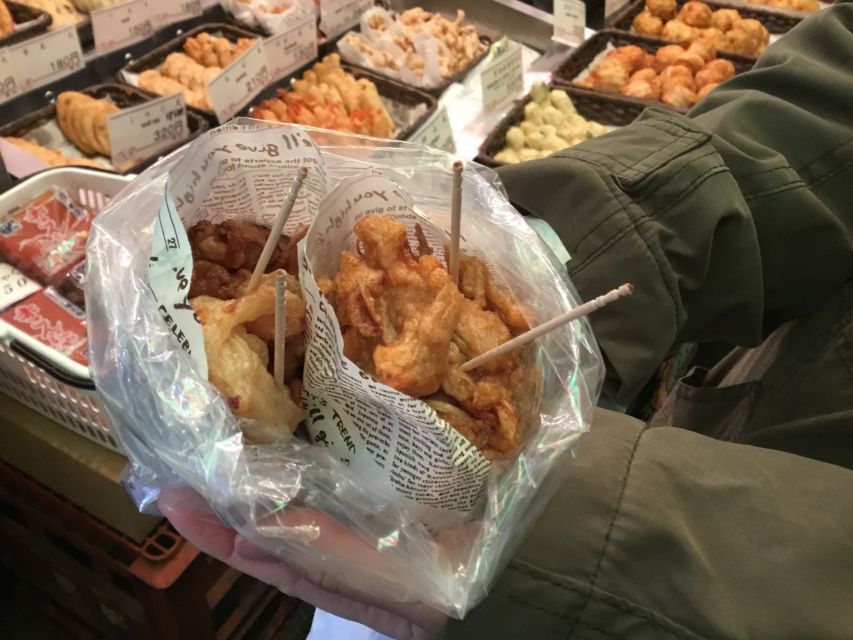
This tour is only about 3 hours in length, but it still feels personal. That’s mostly due to the guide.
In the feedback for this experience, names like Kaoru and Rikka come up in connection with a key strength: they make the walk feel tailored. If you care more about sweets than savory, or you want to understand what you’re eating beyond the basics, a good guide will adjust how they explain things and which stops feel most relevant.
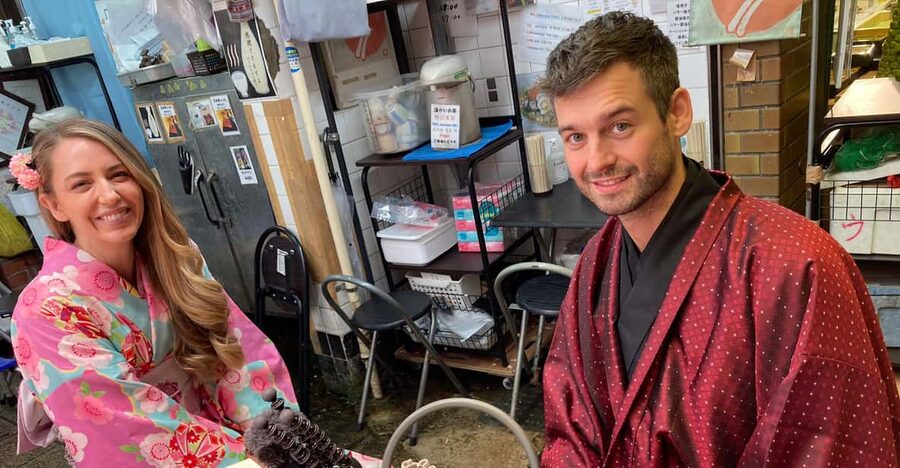
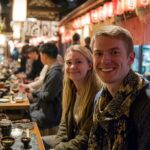
You can also benefit from photo-friendly help. One guide noted as part of this tour’s positive experiences is happy to take photos and share them afterward, which is a nice bonus when you’re distracted by snacks in a crowded market.
The practical takeaway for you: be ready with your preferences at the start. The better you communicate what you like, the more the tour turns into a smart match, not a fixed checklist.
Pace, logistics, and what the small group really buys you
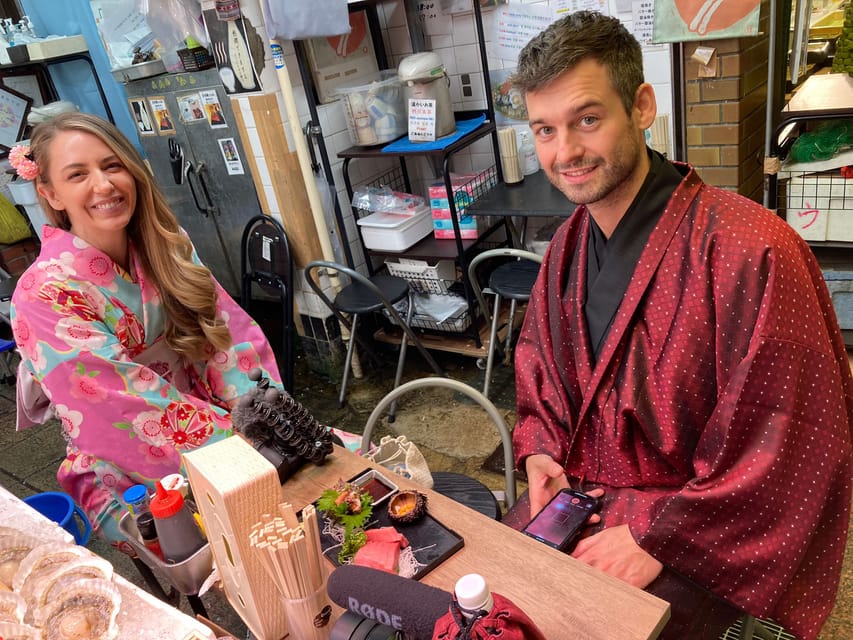
This is a small group tour limited to 6 participants. That’s not just a comfort perk. It affects how fast the guide can move you through lines, how easily they can answer questions, and how well everyone keeps up.
There’s also a limit on what you can bring: no luggage or large bags. So travel light. A daypack is usually fine, but don’t plan on hauling a big suitcase through narrow shopping corridors.
The tour isn’t listed as suitable for mobility impairments, which likely means you’ll encounter uneven surfaces and busy walkways. If that’s your situation, consider a different format like a seated food experience with less walking.
Price and value: is $77 fair for Kyoto food tasting?
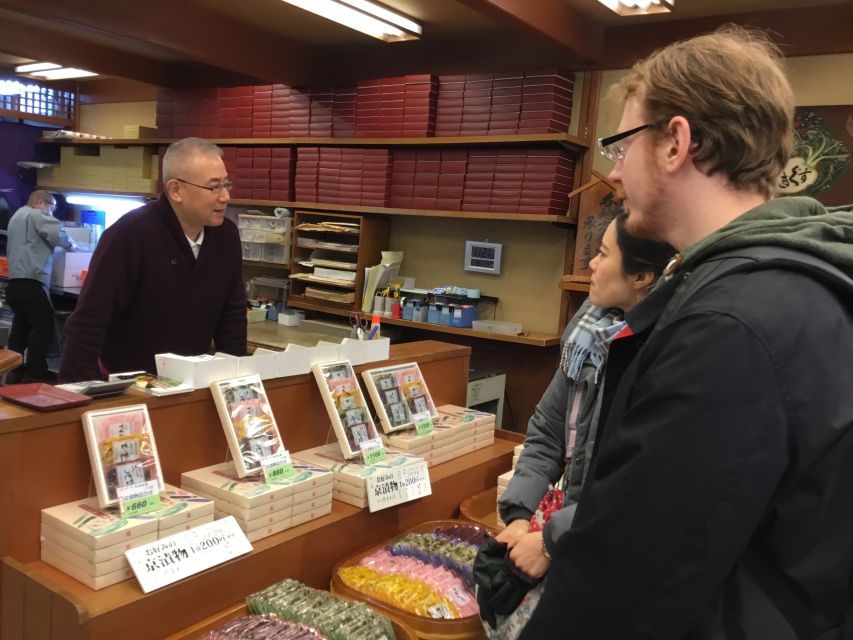
$77 for a 3-hour walking food tour can feel like a lot until you break down what you’re buying.
You’re getting:
- A live English guide
- 6–10 tastings across multiple food areas
- Time in several distinct stops (temple, markets, and a department store basement)
- Help choosing what to eat in places where options can overwhelm you
If you tried to copy this on your own, you’d still spend money on snacks, and you’d lose the advantage of having someone point you toward the good versions. In Nishiki Market especially, that guidance can save you from the classic problem: buying a bunch of small things that don’t add up to the best sample of what Kyoto does well.
For value, this tour is strongest if you want structure. If you’re the kind of person who loves wandering endlessly, you might spend less on food yourself. But if you want a plan that converts Kyoto food into a clean, memorable route, $77 starts to make sense quickly.
Who this Kyoto food tour suits best
I’d point you toward this tour if:
- You want a guided way to taste Kyoto snacks and specialties without mapping everything
- You enjoy learning what you’re eating and why it matters locally
- You want good souvenir ideas you can shop for after the tasting portions
- You like a mix of culture plus food, not food only
I’d skip it if:
- You need wheelchair-friendly or low-steps access
- You’re traveling with large luggage
- You have allergy needs that you haven’t confirmed in advance with the provider
Practical tips: shoes, allergies, souvenirs, and photo spots
A few things make the day smoother:
- Bring comfortable shoes. You’re walking between temple areas and market corridors.
- Think ahead about allergies. The tastings may include meat, seafood, wheat, and dairy.
- Travel light. No luggage or large bags on this route.
- Use the tastings as your buying compass. After you try something, it’s much easier to decide what to bring home.
If you love photos, this is a good moment to ask your guide about photo opportunities along the way. Some guides on this tour are open to taking photos and sharing them afterward, which helps when Nishiki lanes get busy and you’re focused on food.
Should you book? My honest recommendation
Book this tour if you want a low-effort, high-confidence way to taste Kyoto in a short window. The mix of Rokkakudo Temple, Yaoyaichi, Daimaru’s basement food culture, and Nishiki Market gives you variety without decision fatigue.
Skip it if your needs are primarily logistical comfort or dietary safety without confirmable substitutions. In that case, you’ll want a format with clearer controls and less walking.
If your goal is to come away with both flavors and practical shopping ideas, this is a solid choice.
FAQ
What time does the tour start, and where do I meet?
You meet at Starbucks Coffee Kyoto Sanjo Karasuma Building Store. The listed start time is 10:00 AM.
How long is the walking food tour?
The tour duration is 3 hours. The schedule given also notes an ending point at around 2:00 PM, so plan for roughly a half-day in your morning.
What’s included in the tour price?
The price includes a live local guide and 6–10 local foods (tastings).
Are there dietary restrictions to consider?
Yes. The tastings may include meat, seafood, wheat, and dairy. If you have allergies or dietary restrictions, you should contact the provider in advance to discuss what can be accommodated.
Is the guide offered in English?
Yes. The tour has a live guide in English.
What should I bring, and can I bring luggage?
Bring comfortable shoes. Luggage or large bags are not allowed, so travel light.
More Tour Reviews in Kyoto



More Kyoto Food Tours
More Bites Along Nishiki
Just added: more Kyoto tours to browse








Nishiki Market Food Tours, compared.
 ★ 5.0Nishiki Market Brunch Walking Tour (7 Tastings + Brunch)From $681,355 reviews
 ★ 5.0Kimono Tea Ceremony at Kyoto Maikoya, NISHIKIFrom $65911 reviews
 ★ 5.0Kyoto Nishiki Market Food and Culture Walking TourFrom $80412 reviews
 ★ 4.8Nishiki Market Tea Ceremony with Koto PerformanceFrom $56294 reviews
 ★ 4.7Local Food Tasting Tour at the Nishiki MarketFrom $78135 reviews
 ★ 5.0Kimono Tea Ceremony Experience at Kyoto Oritzuruya, NishikiFrom $50116 reviews
 ★ 4.7Nishiki Market and Depachika Food Tour with a LocalFrom $4276 reviews
 ★ 4.5Nishiki Market Tour with a Local Foodie & TastingsFrom $6767 reviews
Browse the lists this tour appears in