
Reviewed · KYOTO COOKING CLASSES
Sushi or Traditional Japanese Cuisine in a Kyoto Home with Emika
Kyoto’s food gets personal fast. This private meal with Emika turns a restaurant visit into a home-cooked obanzai experience, starting with traditional matcha. I love the chance to sit at a real dining table in Nishikyo Ward and learn the small, practical details behind Japanese cooking. A possible drawback: you will need to make your own way to the meeting point since there’s no hotel pickup.
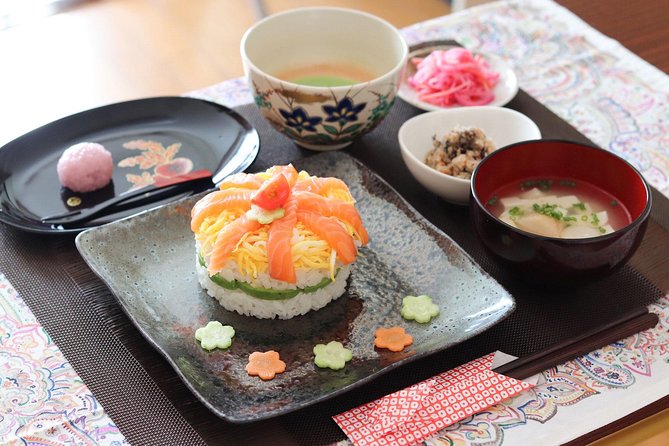
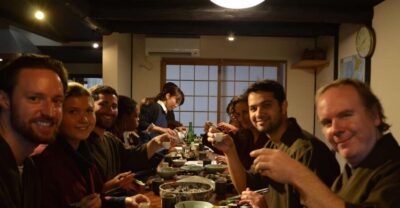
The rhythm of the evening (or lunch) is simple: green tea, conversation, then a seasonal menu of Japanese classics. You’ll likely see how miso soup and sushi are approached in a traditional way, and the whole thing is designed to feel private rather than staged. One more consideration: the menu can vary by season, so you should treat it as a set experience rather than a restaurant with fixed choices.
If you’re the type who likes your Kyoto to feel lived-in, not just photographed, this is a strong fit. You get a full cultural moment in about 1 hour 30 minutes, and the price is reasonable for what’s included: a real home meal plus local alcohol.
In This Review
- Key highlights at a glance
- Price and what your $79 really covers
- Arriving at Emika’s home: how the experience starts
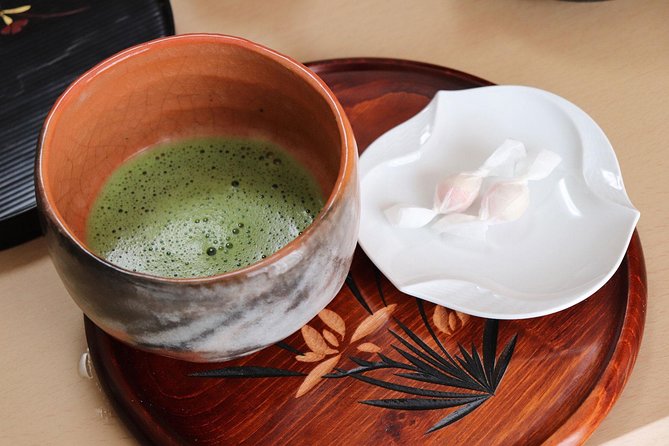
- Matcha tea in the traditional style: the tone-setter course
- Obanzai in a home kitchen: seasonal flavors you can actually taste
- The sushi and miso soup experience: learning happens at the table
- Lunch vs dinner: choosing the right time slot for your Kyoto days
- Food, sweets, and local alcohol: what’s included and why it works
- Conversation and cultural exchange: the part that makes it worth more than dinner
- Getting there, tickets, and what to bring
- Who this is for (and who should think twice)
- Should you book Emika’s Kyoto home meal?
- FAQ
- Where is the meeting point for this Kyoto home meal?
- How long does the experience take?
- Is this a private experience?
- What’s included in the meal?
- Do I need to bring my own tea or drinks?
- Is lunch or dinner available?
- Does the menu stay the same every time?
- Are dietary requirements accommodated?
- Is hotel pickup and drop-off included?
- Can I cancel for a full refund?
Key highlights at a glance
- Traditional matcha tea first: prepared by Emika or her father, with real tea-culture care
- Obanzai made for the season: Kyoto-style dishes focused on vegetables and seafood
- Sushi and miso soup know-how: you’ll learn the traditional way, right at the table
- Multiple courses, not a snack: meal is served as a structured sit-down experience
- Private and personalized: only your group participates, with conversation built in
Price and what your $79 really covers
At $79 per person for about 90 minutes, this isn’t the cheapest way to eat in Kyoto. It is, however, the kind of experience that makes sense when you compare it to what you’d pay for a taught food moment plus a private host.
Here’s what’s clearly part of the deal:
- A home-cooked Japanese meal served in a Kyoto resident’s home
- Green tea in a traditional style before (or after) the meal
- A menu that can include sushi, miso soup, rice, Kyoto obanzai, and sweets that go with matcha
- Local alcohol included
- A mobile ticket for easy entry on your end
What you are not paying for: you’re not paying for a big tour bus, and you’re not getting hotel pickup. That’s actually why the experience feels real. You show up, meet your host, eat what her kitchen produces, and talk like you’re visiting a friend who happens to cook expertly.
Roll up your sleeves for another Kyoto cooking class

Arriving at Emika’s home: how the experience starts
The experience begins at 31-30 Katsurainariyamachō, Nishikyo Ward, Kyoto, 615-8025, Japan. It ends back at the same meeting point, so you don’t need to worry about transportation planning beyond getting there and back.
Because there’s no hotel pickup, I recommend you plan your route early. Kyoto streets can be a little deceptive on first visit, and the best time to navigate is when you’re not hungry. The good news: it’s listed as near public transportation, so you should be able to reach it without a taxi budget.
One detail that matters for comfort: this is a private, personalized experience. That typically means fewer distractions and more flexibility in conversation. You’re sitting at a dining table together, which is exactly what turns this from food-as-performance into food-as-culture.
Matcha tea in the traditional style: the tone-setter course
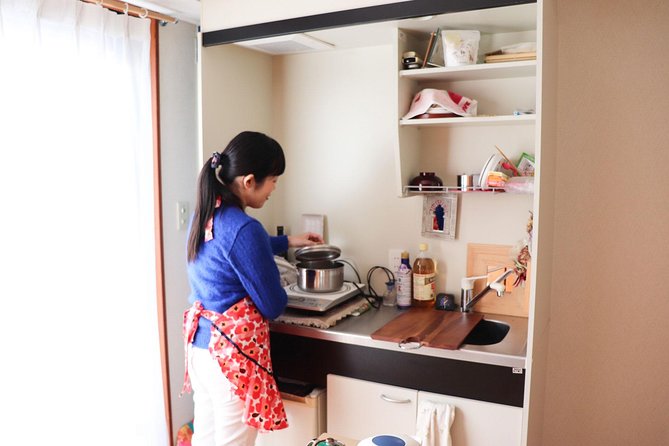
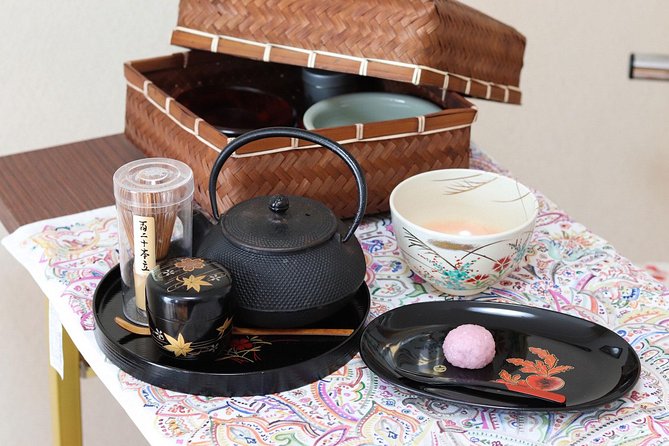
Before you even see the meal, you start with matcha. Emika prepares a cup of green tea in the traditional style, or her father does—so you get a strong sense that tea here isn’t an afterthought.
Why this matters: matcha changes how you taste the rest of the meal. It gives you a clean, focused palate—especially before salty miso, savory rice, and seafood-forward obanzai. It also signals the pacing of the visit. This isn’t a rushed eat-and-go stop; it’s a shared moment.
If the experience includes a small tea ceremony element, you’ll likely feel the added care in how the tea is handled and served. The best part is that it’s tied to your meal rather than feeling like a separate “show.” Even if you’re not a tea person, you’ll leave knowing what people mean when they say matcha is about attention.
Obanzai in a home kitchen: seasonal flavors you can actually taste
Obanzai is Kyoto’s traditional home-style cooking, often built around what’s fresh in season. In this experience, you get that approach served directly at a table, not explained in a lecture.
What obanzai usually signals in practice:
- Vegetables matter a lot, not as sides but as core ingredients
- Seafood may appear alongside seasonal produce
- The menu is designed around balance rather than one big flavor punch
You might see dishes such as miso soup, rice, and multiple obanzai plates. Since the menu can vary depending on the season, you should expect something different from month to month. That variability is a plus if you like authenticity. It also means you should come with curiosity instead of a rigid “I want exactly X dish” mindset.
From what you can learn during the meal, the value isn’t only what’s on your plate. It’s why the ingredients are chosen and how they’re treated. That’s the kind of information that helps you order better in restaurants later, because you start recognizing Kyoto’s logic: simple ingredients, handled well, cooked with respect.
The sushi and miso soup experience: learning happens at the table
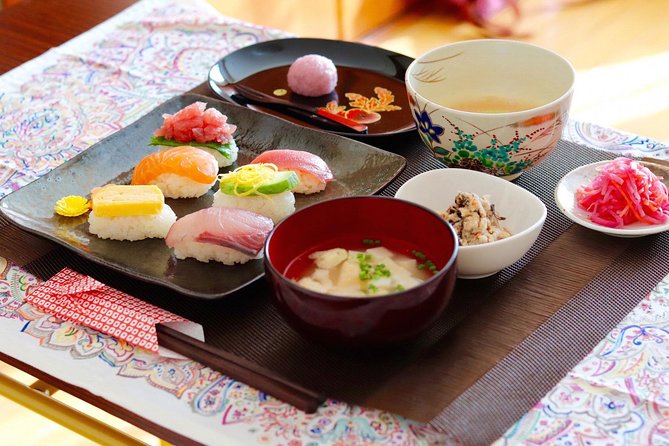
This is not only about eating. You also get guided insight into traditional Japanese cooking techniques.
You can expect the host to show you the traditional way to make or approach:
- sushi
- miso soup
Even if you’re not trying to recreate it at home immediately, you’ll pick up the practical principles. For example, miso soup is as much about timing and balance as it is about the ingredients. Sushi approach often comes down to rice care and seasoning choices, plus how you treat the components as a unified bite.
In many home-meal settings, instruction is either too casual to matter or too formal to feel natural. Here, the instruction feels connected to what you’re eating right now. That makes it easier to understand. You’re not learning recipes from scratch; you’re learning how a Japanese cook thinks while building food for a meal.






Lunch vs dinner: choosing the right time slot for your Kyoto days
You can choose lunch or dinner time, and that flexibility is a real advantage in Kyoto. With so much temple hopping and walking, timing can make or break your day.
If you choose lunch:
- you’ll likely feel energized for the afternoon walk
- it’s a good fit on days when you have early plans and want dinner saved
If you choose dinner:
- it works well when you want something cozy after sightseeing
- the meal can become a natural ending to a day of walking and crowds
Either way, the total time is about 1 hour 30 minutes, so you can plan without building a whole day around it. You’re also meeting at a specific address and finishing there, which makes meal-time planning simpler than experiences that involve multiple pickups.
Food, sweets, and local alcohol: what’s included and why it works
The meal can include:
- sushi
- miso soup
- rice
- traditional obanzai dishes
- sweets that go well with matcha
Local alcohol is also included. The exact type isn’t spelled out in the details, so I’d treat this as an included pairing option rather than a promised brand or drink. But it’s a meaningful inclusion. When someone hosts you at home, food and drink are part of the same rhythm, and that rhythm matters.
Sweets that pair with matcha are especially smart in this setup. After savory dishes, matcha-compatible sweets give you closure without overpowering the flavors that came earlier.
And because this happens in a private home setting, the order and pacing feel intentional. You’re not eating in a line while trying to flag down utensils. You’re sitting, talking, and tasting when the meal is ready.
Conversation and cultural exchange: the part that makes it worth more than dinner
Plenty of cooking experiences focus on technique. This one also brings in lifestyle and conversation.
From the vibe described by people who’ve done it, Emika’s hosting style is calm but warm, and the talk tends to connect food with real life in Japan. You’ll likely discuss Kyoto, ingredients, and what certain foods mean in daily cooking.
That matters because you leave with context, not just recipes. If you’ve ever eaten Japanese food while feeling like you’re guessing at the “why,” this kind of conversation fills in the gaps.
Also, since it’s private, you can ask questions naturally. If something tastes unfamiliar—maybe a vegetable dish or a seasonal bite—you’re more likely to get an answer that helps you understand, not a canned description.
Getting there, tickets, and what to bring
This experience uses a mobile ticket, which is convenient if you’re already using your phone for rail times and maps.
You’ll want to bring:
- your mobile ticket
- basic awareness that there’s no hotel pickup
- any dietary notes you want handled ahead of time
Dietary requirements: you’re asked to advise any specific dietary needs during booking in the special requirements box. Since the menu varies seasonally, communicating needs early is the best way to help your host prepare appropriately.
Service animals are allowed, and it’s near public transportation—both are practical positives for planning your day in Kyoto.
Who this is for (and who should think twice)
This fits you well if:
- you want Kyoto home cooking, not just Kyoto sightseeing
- you enjoy learning while you eat
- you prefer a private meal where you can ask questions
- you’re curious about obanzai and seasonal Japanese ingredients
It might be less ideal if:
- you want a long, multi-hour food crawl (this is about 90 minutes)
- you rely on hotel pickup and can’t easily navigate to a local meeting point
- you need strict, fixed menu items and don’t want seasonal variation
For most people, though, the combination of matcha culture, Kyoto obanzai, and practical food instruction makes this a strong value play.
Should you book Emika’s Kyoto home meal?
If you’re choosing between a standard restaurant and something more personal, I’d lean toward this. At $79 with a real home-cooked meal, matcha prepared traditionally, local alcohol included, and a private table conversation, you’re paying for access and attention—not just calories.
Book it if you want Kyoto to feel human: ingredients tied to season, food served with explanation, and a host who shares how daily cooking really works. Skip it only if you’d rather stay in your comfort zone with menu certainty and zero navigation.
If you do book, my one practical tip is simple: show up hungry and ready to ask questions. This is the kind of experience that pays you back when you participate.
FAQ
Where is the meeting point for this Kyoto home meal?
The start point is 31-30 Katsurainariyamachō, Nishikyo Ward, Kyoto, 615-8025, Japan. The experience also ends back at the same meeting point.
How long does the experience take?
It runs for about 1 hour 30 minutes.
Is this a private experience?
Yes. It’s listed as private, personalized, and only your group will participate.
What’s included in the meal?
You’ll get an authentic, home-cooked Japanese meal that may include sushi, miso soup, rice, traditional obanzai dishes, matcha green tea, and sweets. Local alcohol is also included.
Do I need to bring my own tea or drinks?
No. You’ll enjoy a cup of green tea prepared in the traditional style as part of the experience, and local alcohol is included with the meal.
Is lunch or dinner available?
Yes. You can choose either lunch or dinner time.
Does the menu stay the same every time?
No. The menu can vary depending on the season.
Are dietary requirements accommodated?
You can and should advise any specific dietary requirements at the time of booking in the Special Requirements box.
Is hotel pickup and drop-off included?
No. Hotel pickup and drop-off are not included, and the experience ends back at the meeting point.
Can I cancel for a full refund?
Yes. It offers free cancellation, and you must cancel at least 24 hours before the experience’s start time for a full refund.
More Tour Reviews in Kyoto
More Kyoto Cooking Classes
Just added: more Kyoto tours to browse








Kyoto Cooking Classes, compared.
 ★ 5.0Ramen Cooking Class at Ramen Factory in KyotoFrom $1311,937 reviews
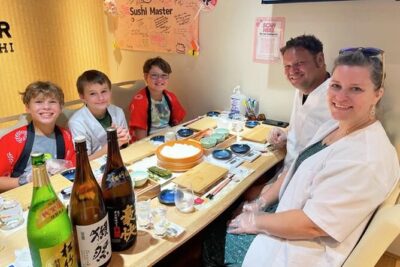 ★ 5.0Sushi Making in Kyoto! Same-day bookings welcome!From $53713 reviews
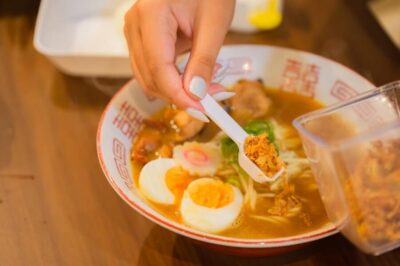 ★ 4.9Ramen Cooking Class at a Ramen Factory with SouvenirFrom $127532 reviews
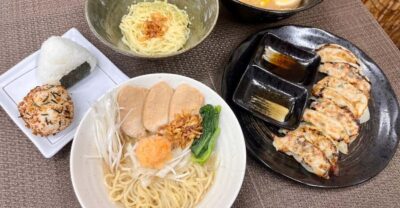 ★ 5.0Ramen, Gyoza, and Onigiri Cooking ClassFrom $90445 reviews
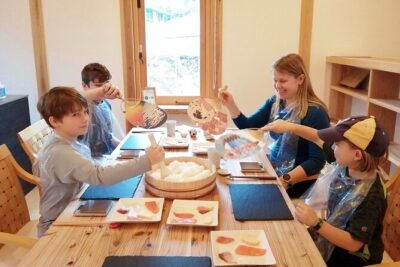 ★ 5.0The Original Small-Group Sushi Making Class in KyotoFrom $69436 reviews
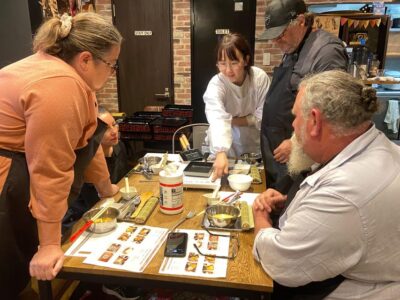 ★ 5.0Japanese Washoku Bento Small Group Cooking ClassFrom $58380 reviews
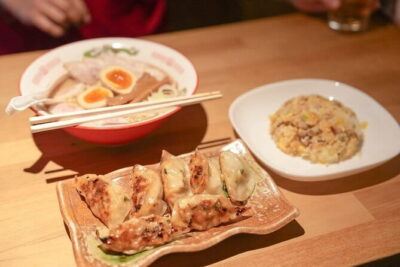 ★ 5.0Kyoto Ramen and Gyoza Cooking Class with Professional ChefsFrom $86282 reviews
 ★ 4.9Afternoon Japanese Izakaya Cooking ClassFrom $67241 reviews
Browse the lists this tour appears in