
Reviewed · KYOTO COOKING CLASSES
Strengthen the immunity!! Making miso in Japanese old house.
Kyoto miso is equal parts food and wellness. In this class at a Japanese old residence, you’ll learn how to make okara miso and how fermentation fits into a healthier daily routine. I like that it is hands-on and calm, guided by Naomi, who clearly cares about both the cooking and the mindset.
Two big things to love are the focus on practical nutrition and the use of tofu refuse (okara) to make it easier and faster. A thoughtful bonus: the approach supports wellness goals like improving the intestinal environment. The main consideration is timing: you take home miso to ferment, but it takes more than 3 months before it is fully ready to use.
In This Review
- Key things I’d zero in on
- Kyoto’s old house + miso class is a simple kind of magic
- What you actually make: okara miso instead of full soybeans
- The one-hour rhythm: how the class unfolds
- 1) Welcome and benefits
- 2) Wellness mindset and the gut focus
- 3) Make the okara miso together
- 4) Taste your way through miso
- 5) Take home about 500g
- Koji, fermentation, and what to expect after the class
- Tasting miso soup, miso paste, and okara mochi
- Food preferences: gluten-free, MSG-free, and vegan availability
- Old house comfort and a small group of up to 6
- Price: is $46.15 worth it for miso you take home?
- Getting there in Kyoto without stress
- Who this class is best for
- Should you book this miso-making class?
- FAQ
- FAQ
- How long is the miso-making experience?
- What do I take home?
- What kind of miso do you make in the class?
- Does the class include tasting?
- Are there dietary options like vegan or gluten-free?
- Is there a limit on group size?
- What if the weather is poor?
Key things I’d zero in on
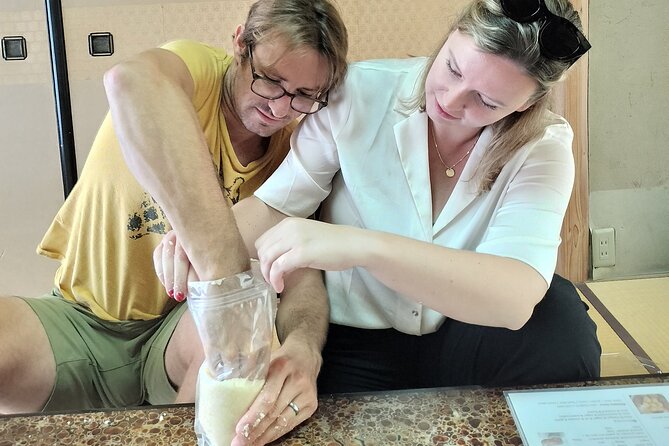
- Hands-on okara miso: you make it yourself, not just watch.
- Old house setting in Kyoto: traditional space, relaxed pace, easy to enjoy.
- Wellness talk that connects to food: includes guidance on intestinal environment and daily habits.
- Using okara instead of soybeans: quicker method, plus less food waste.
- Tasting built into the class: miso soup, miso paste, and okara mochi.
- Small group size (max 6): more attention during mixing and tasting.
Kyoto’s old house + miso class is a simple kind of magic
This experience is built around one core idea: making miso is not just a kitchen skill. It is also a way to think about body and mind. The instructor frames the class as wellness, and you can feel that in the flow. First you learn what miso is and why people rely on it. Then you learn how it fits into the gut-friendly story of fermented foods. Finally, you get your hands on it and make your own batch.
The setting matters too. Doing this in a Japanese old residence in Kyoto gives the whole session a quieter rhythm. You are not trying to squeeze everything into a rushed walk-by stop. Instead, you have time to taste, ask questions, and focus on the mixing and fermentation process.
If you like experiences that feel personal rather than performance-based, this fits. It is also a nice choice if you want something different from the usual temple-and-shrine loop.
Roll up your sleeves for another Kyoto cooking class

What you actually make: okara miso instead of full soybeans
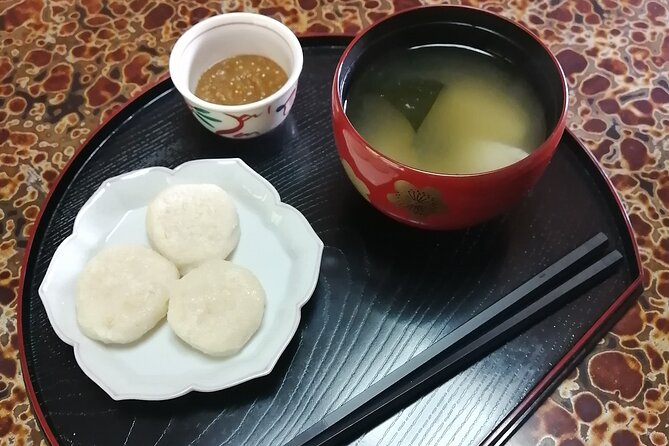
Traditional miso often starts with whole soybeans. That means soaking dried soybeans, boiling them until soft, and mashing them. It is doable, but it takes time and effort.
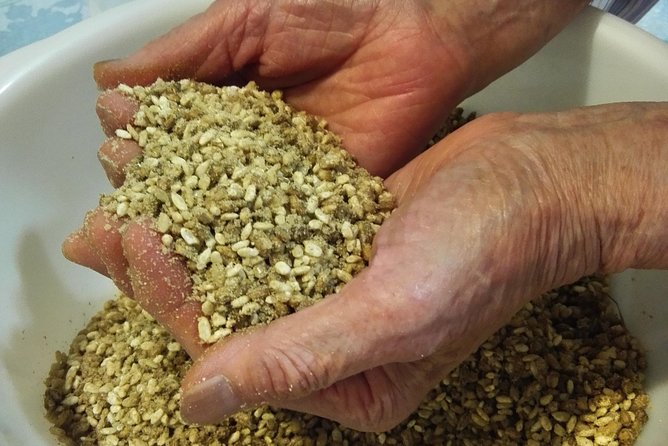
Here’s the twist: you make okara miso using okara, the soybean pulp/skin that comes from tofu production. The class explains that okara is healthy and full of nutrients, yet it is often treated as industrial waste and discarded. Turning it into miso is the whole eco-and-food-waste angle of the course.
For you, that matters in two ways:
1) It is easier and faster. You skip the long soybean prep and go straight to a practical method you can repeat later at home (with the right ingredients).
2) You get to understand the why, not just the how. The lesson is structured to connect the food choice to a wellness lifestyle and a more responsible approach to ingredients.
They also use natural, traditional-style seasonings and mention koji seasoning as part of the process. Koji is a key player in Japanese fermentation, and the class positions it as part of getting the flavor and fermentation underway the right way.
The one-hour rhythm: how the class unfolds
The total experience is about one hour. That is short, but it is packed with the right mix of teaching, doing, and tasting.
Here is the flow you can expect:
1) Welcome and benefits
You start with an explanation of miso, including why it is considered useful and how fermentation connects to the intestinal environment. This is not just theory. The instructor keeps it practical so you can translate it into everyday cooking habits.
2) Wellness mindset and the gut focus
Next comes the wellness talk. The class specifically mentions learning how to improve the intestinal environment. You do not need to be a nutrition nerd to follow along. The key is that they link the fermented food routine to how you think about daily body care.






3) Make the okara miso together
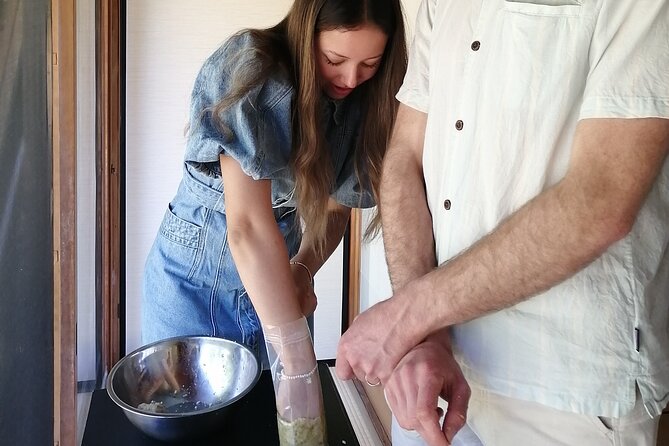
Then the main event: you make okara miso on-site. The method is described as special, easy, and fast, and it is designed around using okara so you avoid the slow traditional soybean steps.
Miso takes time to ferment. You will not be eating a fully fermented batch made minutes ago. But you will create the mixture that, after fermentation at home, becomes the miso you can use later.
4) Taste your way through miso
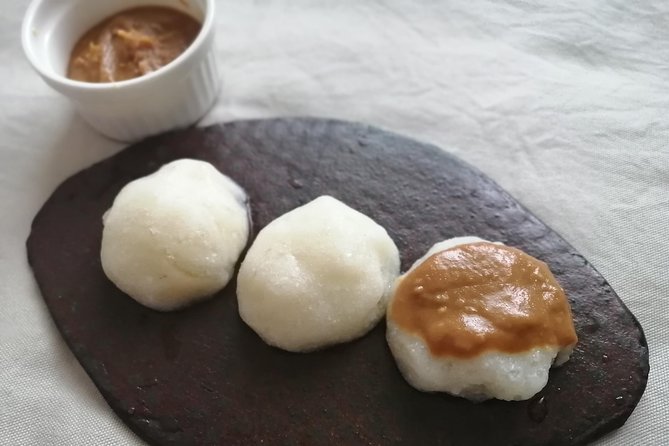
Once you have made your portion, you taste. The class includes miso soup, miso paste, and okara mochi. If you are the kind of person who learns best by tasting first, this portion is a major win.
It also helps you understand flavor, texture, and use cases. A tasting turns a lump of paste into something you can imagine eating and cooking with.
5) Take home about 500g
Finally, you pack up what you made. You take home about 500g of miso to ferment. That makes the class feel like a real food project, not a one-time demonstration.
Koji, fermentation, and what to expect after the class
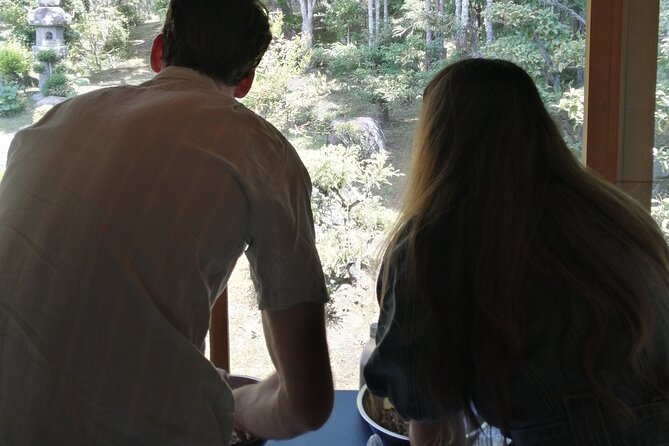
The class openly tells you that miso needs more than three months to ferment. That single detail changes how you should plan your expectations.
Think of this as starting a process, not finishing it. When you leave, you are not carrying a ready-to-eat product. You are carrying a home fermentation project you can follow through to completion.
That also makes the experience more valuable for food-minded travelers. You can turn the miso into:
- miso soup later
- cooking flavoring later
- a base ingredient for other Japanese-style dishes
Even if you do not cook much, it is still useful. Miso paste is one of those pantry items that can upgrade plain food fast.
Tasting miso soup, miso paste, and okara mochi
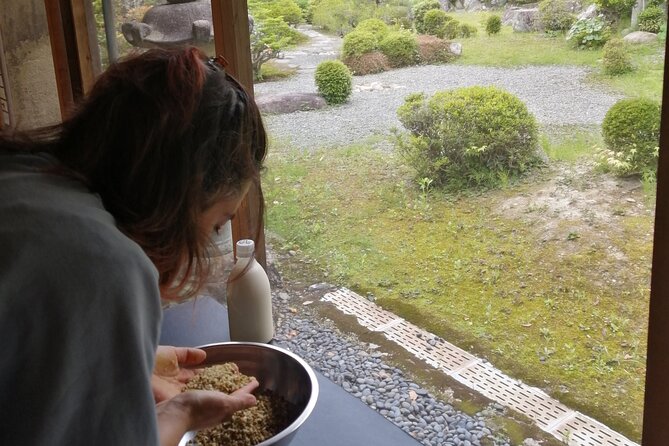
One of the most praised parts of this experience is the tasting. You do not just hear about the food. You get to taste it as part of the lesson.
You’ll try:
- Miso soup
- Miso paste
- Okara mochi
Okara mochi is especially memorable because it shows you another way to work with okara besides miso. In other words, the class is not limited to one outcome. It gives you ideas for using the same ingredient family.
For your own trip planning, this is also helpful: you can treat the class like a light culinary experience even if you do not have time for a full dinner afterward.
Food preferences: gluten-free, MSG-free, and vegan availability
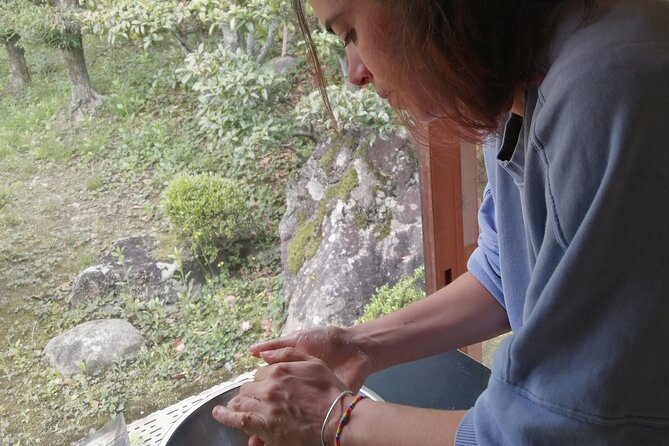
If you are traveling with dietary rules, this is a big part of the value. The class notes that the dishes are gluten-free, MSG-free, and that vegan availability is possible.
That does not mean every single component is automatically vegan for every person, but it tells you the instructor is thinking about common dietary constraints and seasoning concerns. MSG-free is not something you always see listed clearly in food workshops.
If you want a class where your meal portion does not feel like an obstacle course, this setup is worth your attention.
Old house comfort and a small group of up to 6
Group size is a practical detail that changes the quality of your experience. This class has a maximum of 6 travelers. That means:
- you can ask questions without shouting
- the instructor can guide you while you mix
- the pace stays calm enough to actually learn
The vibe described is peaceful, and the structure supports that. In a short one-hour session, small-group attention matters. You want to leave with confidence that you understand what you made and why.
Price: is $46.15 worth it for miso you take home?
At $46.15 per person, this is not a budget toy workshop. But it also is not a luxury spa price tag. The value comes from three practical things you get.
1) You take home about 500g of miso to ferment. That is more substantial than a tiny souvenir jar.
2) The class includes tasting: miso soup, miso paste, and okara mochi.
3) The experience teaches you the method using okara, including the wellness framing around intestinal environment and daily habits.
When you compare that to what you might pay for similar hands-on cooking sessions in big cities, the price starts to make sense, especially because the class is small and you leave with a real food outcome.
Also, the eco component is not just marketing. Okara is treated as waste, and the class gives it a purpose. If that matters to you, it is value you can feel.
Getting there in Kyoto without stress
The meeting point is at Kaze no Waon, 14 Utanokitanoinchō, Ukyo Ward, Kyoto (616-8201). The description says it is near public transportation, and the tour offers a mobile ticket.
The practical advice is simple: plan to arrive at your reserved time. A one-hour workshop does not like delays. If you are doing Kyoto sightseeing that day, build in buffer time so you are not rushing through side streets.
And if you are building your day schedule around this, remember the class is about one hour total. It fits well as a mid-day reset or an early evening activity if you want something warm and food-centered rather than another walking-heavy stop.
Who this class is best for
This works especially well if you fall into one of these buckets:
- You want a hands-on Kyoto experience that is not just photo stops.
- You are interested in wellness topics tied to real food habits.
- You want to learn miso basics without the long traditional soybean process.
- You care about food waste and prefer solutions that actually use what is usually discarded.
If you love food science-y explanations, you will appreciate the fermentation framework. If you just want to make something practical and bring it home, you will also be happy, since you leave with a measurable portion and a clear process timeline.
Should you book this miso-making class?
I’d book it if you want a short, meaningful Kyoto cooking experience that does more than entertain. The combination of okara miso, gut-focused wellness guidance, small-group attention, and tasting makes it feel worth your time and money.
Skip it if you are only interested in ready-to-eat food today. This is about starting fermentation, and miso takes more than three months to fully ferment. You will leave with the mixture and the plan, not a finished jar of miso you can eat immediately.
FAQ
FAQ
How long is the miso-making experience?
It’s about 1 hour.
What do I take home?
You’ll take home the miso you make, about 500g.
What kind of miso do you make in the class?
You make okara miso using tofu refuse (okara), using a method that is described as easier and faster than traditional whole-soybean miso.
Does the class include tasting?
Yes. You can try miso soup, miso paste, and okara mochi.
Are there dietary options like vegan or gluten-free?
The dishes are described as gluten-free and MSG-free, with vegan availability possible.
Is there a limit on group size?
Yes, the maximum is 6 travelers.
What if the weather is poor?
This experience requires good weather. If it’s canceled due to poor weather, you’ll be offered a different date or a full refund.
If you tell me your travel dates and what else you’re doing in Kyoto that day, I can help you pick a smart time slot for this class.
More Tour Reviews in Kyoto
More Kyoto Cooking Classes

Just added: more Kyoto tours to browse








Kyoto Cooking Classes, compared.
 ★ 5.0Ramen Cooking Class at Ramen Factory in KyotoFrom $1311,937 reviews
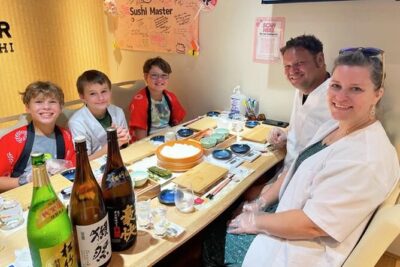 ★ 5.0Sushi Making in Kyoto! Same-day bookings welcome!From $53713 reviews
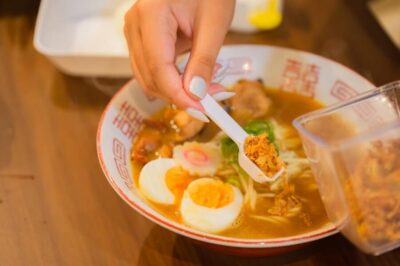 ★ 4.9Ramen Cooking Class at a Ramen Factory with SouvenirFrom $127532 reviews
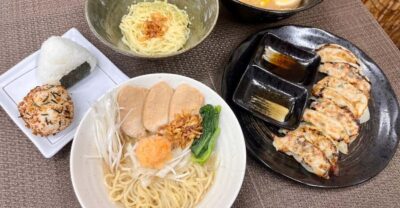 ★ 5.0Ramen, Gyoza, and Onigiri Cooking ClassFrom $90445 reviews
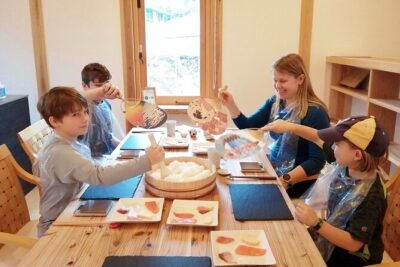 ★ 5.0The Original Small-Group Sushi Making Class in KyotoFrom $69436 reviews
 ★ 5.0Japanese Washoku Bento Small Group Cooking ClassFrom $58380 reviews
 ★ 5.0Kyoto Ramen and Gyoza Cooking Class with Professional ChefsFrom $86282 reviews
 ★ 4.9Afternoon Japanese Izakaya Cooking ClassFrom $67241 reviews
Browse the lists this tour appears in