
Reviewed · FUSHIMI INARI SHRINE TOURS
Sacred Treasure Fushimi Inari and Kiyomizu Dera Tour
Vermilion gates and sacred water in one walk. This Kyoto tour is built around two of the city’s biggest spiritual magnets—Fushimi Inari and Kiyomizu-dera—then adds the old-street stroll of Ninenzaka/Sannenzaka to help the day feel complete. You’re on a tight schedule (about 3 hours), so the guide’s job is mostly to get you from awe to awe without wasting time.
I really like the way the stops connect. At Fushimi Inari, the iconic torii path makes the shrine feel less like a photo spot and more like a walk with momentum; at Kiyomizu-dera, the wooden stage viewpoint and the idea of sacred water make the temple experience feel personal. A second thing I like is the focus on religion and story through the guides—names like Robert, Andrea, and Joanes y Ricardo show up in guide-led experiences, including explanations of mythology and even a short ritual moment for part of the group.
One drawback to keep in mind: organization can be a weak point. A cancellation message close to the start time and a separate report about extra fees/entry requests are reasons to double-check what you’re actually holding (especially since this tour uses a mobile ticket) and confirm the plan the day of.
In This Review
- Key highlights to know before you go
- Vermilion Torii at Fushimi Inari: the walk that does the talking
- Kiyomizu-dera’s stage, the water, and why this stop sticks
- Ninenzaka and Sannenzaka: the old-street walk that feels like a time capsule
- Guides make or break the “sacred treasure” feeling
- Price and value: is $30 a smart move in Kyoto?
- Logistics that actually matter: timing, meeting point, and walking
- Weather and when to choose a different plan
- Who this tour is best for (and who should think twice)
- Should you book Sacred Treasure Fushimi Inari and Kiyomizu Dera?
- FAQ
- How long is the Sacred Treasure Fushimi Inari and Kiyomizu Dera Tour?
- What does the tour cost?
- Is this tour guided?
- Do I get temple admission tickets included?
- How do I access the tickets?
- Where does the tour start and where does it end?
- What stops are included in the tour?
- What time of day should I plan for?
- Is the tour dependent on weather?
- Is there any limit on group size?
- What is the cancellation policy?
Key highlights to know before you go
- Fushimi Inari in about an hour: enough time for the torii corridor feeling without turning it into a hike
- Kiyomizu-dera’s Pure Water Temple focus: sacred-water storytelling plus the famous stage viewpoint
- Short, classic old-street pairing: Ninenzaka then Sannenzaka for crafts, teahouses, and snacks
- Guides who explain religion, not just landmarks: mythology context and occasional group participation
- Smallish group energy (max 50): less wandering on your own, more sense of direction
- A value-priced package: temple tickets and a certified guide are included in the base cost
Vermilion Torii at Fushimi Inari: the walk that does the talking
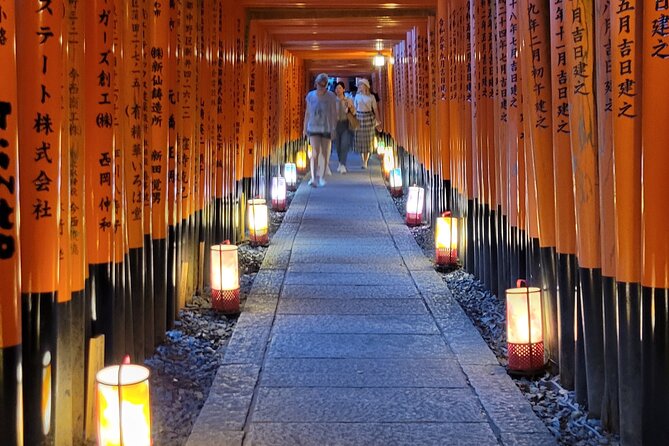
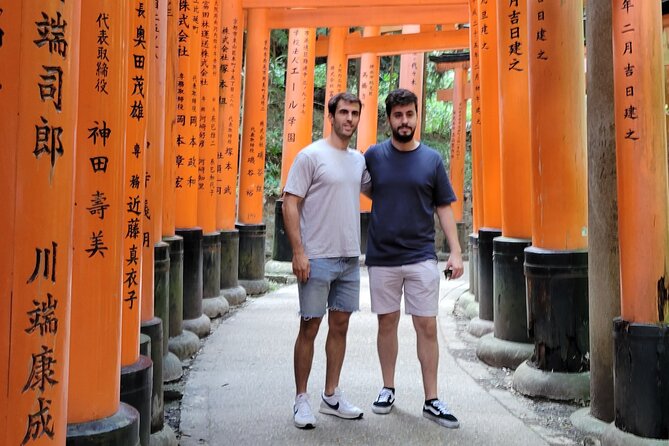
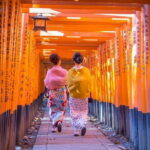
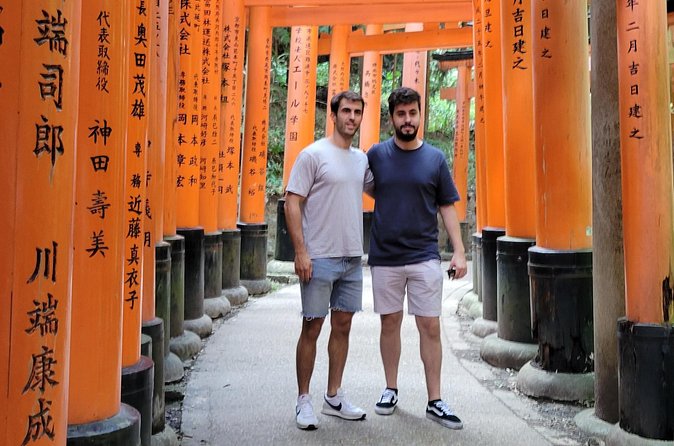
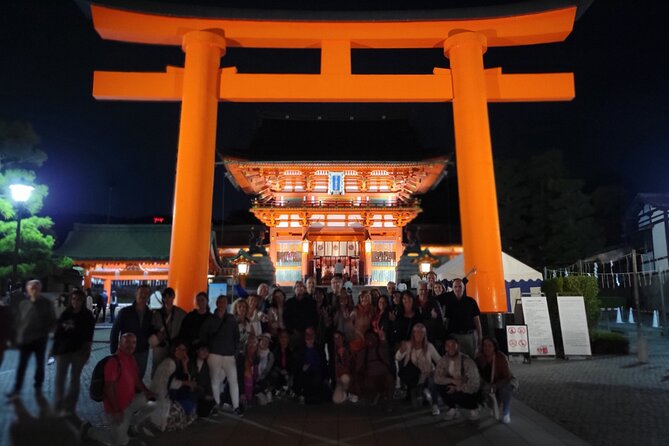
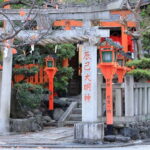
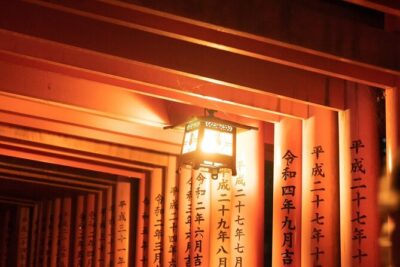
Fushimi Inari Taisha is the kind of place where the main attraction isn’t one building. It’s the path—thousands of vermillion torii gates stacked like a corridor. In about an hour, you can experience the shrine’s signature rhythm: arrive, enter the gate tunnel, and keep moving until the scene starts to feel almost dreamlike.
The shrine is dedicated to Inari, the deity linked to rice, prosperity, and business. That matters because the details start to click once you know the theme. You’ll spot offerings and see how the place leans toward the idea of good fortune rather than just scenic wandering.
Tip: wear shoes you can move in. Even when you’re not going all the way up a longer route, you’re still walking on uneven shrine grounds and steps. If you’re short on time, this tour’s timing is actually a plus: you get the core “torii path” experience without burning your whole Kyoto morning.
What to watch for: crowds. Fushimi Inari can feel busy even on normal days, and a guided group can make your movement smoother—but it can also mean you’ll pause when foot traffic bottlenecks. If you hate waiting in lines, go with patience.
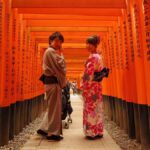
More walks up through the vermilion torii of Fushimi Inari

Kiyomizu-dera’s stage, the water, and why this stop sticks
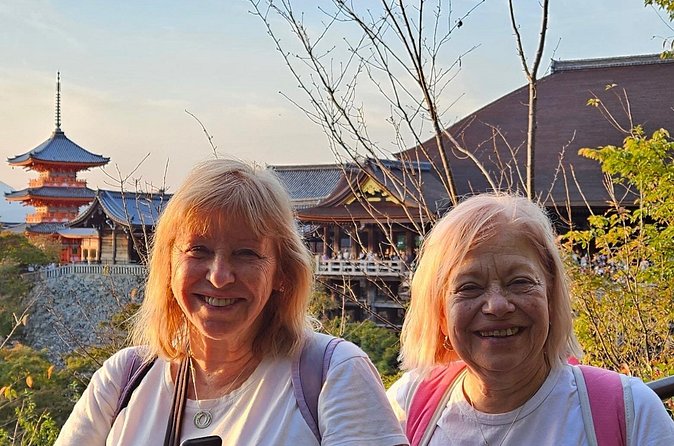
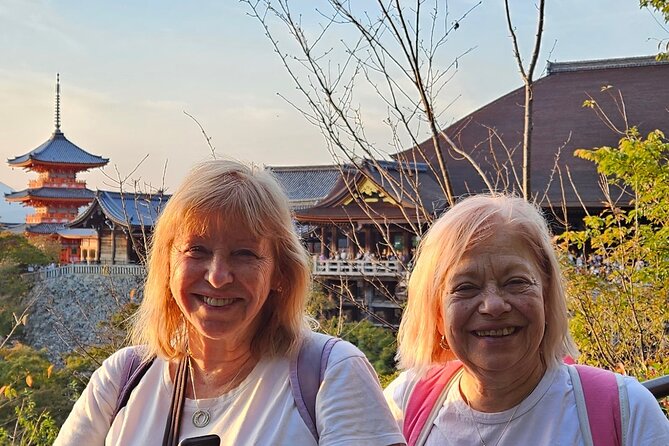
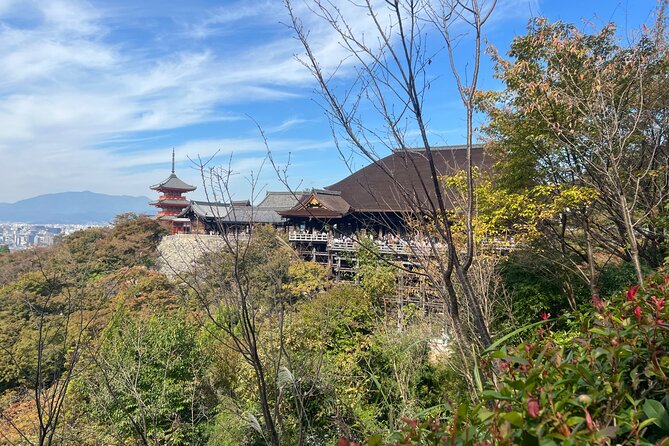
Kiyomizu-dera is one of Kyoto’s most recognizable temples, and you’ll see why fast. This UNESCO World Heritage site is famous for its dramatic wooden stage that juts out over the hillside. Even if you’ve seen pictures, standing there gives the view a different weight—like the temple is built to hold attention.
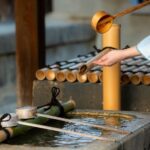
The tour frames it as the Pure Water Temple. That’s not just a poetic label. The idea of sacred water is part of the experience, tied to beliefs around health and longevity. When a guide explains what people do here and why it matters, the stop becomes more than architecture. It turns into a cultural moment you can participate in through understanding, and possibly through the temple’s ritual atmosphere.
You get about 1 hour 30 minutes here with admission included. That length is a sweet spot for Kiyomizu-dera. You have enough time to find the viewpoints, move through key areas, and still get a feel for the temple’s layout without rushing every step.
Tip: bring a layer. Kiyomizu-dera sits on a slope, and temperatures can shift as you move between open areas and shaded temple spots. Also, if it has rained recently, stone and steps can get slick.
Ninenzaka and Sannenzaka: the old-street walk that feels like a time capsule
After two spiritual anchors, the mood changes. Ninenzaka and Sannenzaka are a pair of historic streets with cobblestone paving and preserved traditional buildings. This portion is short—about 15 minutes in each area—but it works because it gives you that Kyoto “small streets and big feelings” moment right near Kiyomizu-dera.
You’ll stroll through lanes lined with souvenir shops, teahouses, and traditional craft stores. The goal isn’t to exhaust the shopping list. It’s to help you slow down after temple intensity, soak up the atmosphere, and grab a snack or drink while you’re in the right place to do it.
This tour ends at the shopping area of Ninenzaka and Sannenzaka, which is practical. You don’t have to immediately scramble for your next plan—you can browse, eat, and stay in the zone where the streets and views are the most atmospheric.
What to expect: this is a “walk-through” segment. If you want a deeper dive into markets or a long meal, you’ll likely need to extend your plans after the tour ends.
Guides make or break the “sacred treasure” feeling
The real value of this experience often comes down to the guide. The tour includes a certified guide, and that makes a difference in two ways.
First, you get context fast. One guide experience centered on explaining the religion and mythology behind what you see, and another highlighted the idea of understanding the two main religions in Japan through the chosen sites. When your guide connects Fushimi Inari to the broader spiritual landscape, it turns simple signage and shrine details into something you can actually read.
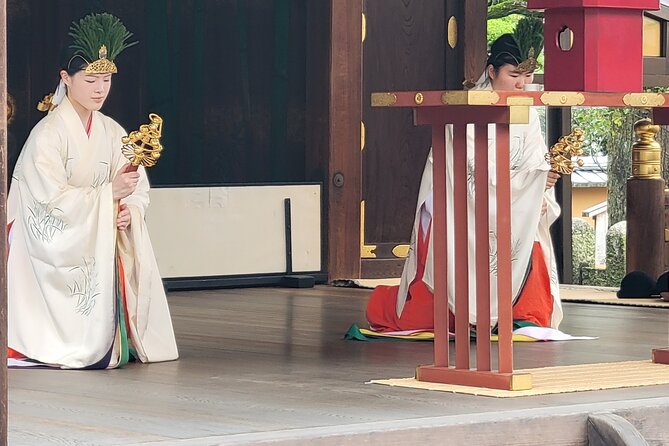
Second, the best guides add participation. In one account, Robert included a short ritual segment where part of the group took part to find the right person in a temple context. That’s not the kind of thing you’d naturally know to do if you were just wandering alone, and it’s exactly the sort of “why this place exists” moment that makes Kyoto feel alive.
Guides you might run into include Andrea (described as helpful with navigation and history) and Joanes y Ricardo (praised for patience, temple explanations, and recommendations for Japanese food). Not every guide will hit the same notes, but the recurring theme is that good guidance makes the experience feel purposeful, not just crowded.
Practical note: the tour group has a maximum of 50 people. That’s not tiny, but it’s also not huge. You’ll usually be able to hear instructions and keep your pace without constant self-navigation.
Price and value: is $30 a smart move in Kyoto?
At $30 per person for about 3 hours, this is priced like a “high-impact highlights” tour. That’s important because Kyoto can chew up time fast when you’re moving between major sights. Your base cost includes temple tickets and a certified guide, which removes two common DIY friction points: figuring out entrances and spending time locked into ticket lines.
It’s also sold as a mobile ticket experience. That’s convenient because you’re not hunting for paper passes, and it can speed up entry when everything runs smoothly.
Now for the honest part: the price is only a bargain if nothing goes off the rails. One report described a late cancellation tied to guide delay with a refund dispute. Another mentioned being asked to pay transportation fees and ticket entrance costs despite tickets being listed as included. Those issues don’t happen every time, but they’re enough to change how you should book.
My value checklist for you:
- Make sure the temple admission portion is clearly tied to your booking and not something you’ll pay separately.
- Confirm whether any extra local transport is required beyond walking.
- If you’re traveling on a tight schedule, leave a little buffer around the start time.
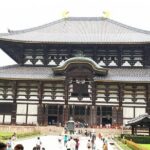
Keep climbing the Higashiyama slopes toward Kiyomizu-dera

Logistics that actually matter: timing, meeting point, and walking
This tour starts at Kyoto Station (the meeting point is listed at Kyoto Station Higashishiokoji Kamadonocho, Shimogyo Ward). The area is close to public transportation, which is a big deal in Kyoto, where transfers can eat time.
You should also plan for a walking-centered route. This is a walking tour experience with no private transportation included. In other words, you’re signing up for movement between shrine/temple streets and then old-street wandering.
The flow is simple:
- Fushimi Inari Taisha first
- then Kiyomizu-dera
- then the Ninenzaka and Sannenzaka streets
Short stops are part of the design. You’re not here for long decompression. You’re here for a guided hit that gives you enough to appreciate both major spiritual sites and still enjoy Kyoto’s street texture.
Weather and when to choose a different plan
This experience requires good weather. If conditions are poor, it may be canceled and you’d be offered another date or a full refund. In Kyoto, that can matter because rain can turn temple steps and cobblestones into a slippery situation.
If you see rain on the forecast, I’d consider two strategies:
- Pack a real rain layer with grippy shoes.
- Keep a flexible mindset on timing if the operator offers an alternate date.
Also, the tour has a minimum number of travelers to run. If it doesn’t meet that threshold, you might be rescheduled or refunded.
Who this tour is best for (and who should think twice)
This is a good fit if you want:
- A short, structured route through major Kyoto sights
- Guided explanations of religion, mythology, and what you’re looking at
- Tickets handled for you for the temple visits
- a chance to finish in the Ninenzaka/Sannenzaka area for browsing and a snack
It may be a weaker fit if:
- You need total schedule certainty with no flexibility
- You’re extremely sensitive to last-minute changes
- You’d rather spend hours in Fushimi Inari climbing higher routes (this is more about the core torii experience than a long ascent)
- You hate any chance of extra payments if something feels unclear—because one negative report involved unexpected requests
Should you book Sacred Treasure Fushimi Inari and Kiyomizu Dera?
If you’re aiming for a 3-hour Kyoto highlight day with temple tickets included and a guide who explains the why behind the sites, this tour is often a solid value at $30. The best part is the combination: Fushimi Inari gives you that moving torii experience, Kiyomizu-dera adds sacred-water meaning and stage views, and Ninenzaka/Sannenzaka turns the day into a human-scale stroll you can enjoy right after temples.
I’d book it with one added habit: confirm everything clearly before you head out. Make sure your mobile ticket is ready, verify that temple admissions are included under your booking, and if anything changes, take screenshots or documentation right away so there’s no confusion.
If you can handle crowds, weather shifts, and the reality of a timed walking day, you’re set up for a memorable Kyoto “spiritual plus streets” afternoon.
FAQ
How long is the Sacred Treasure Fushimi Inari and Kiyomizu Dera Tour?
It runs for about 3 hours.
What does the tour cost?
The price is $30.00 per person.
Is this tour guided?
Yes. It includes a certified guide.
Do I get temple admission tickets included?
Yes. Tickets to the temples are included.
How do I access the tickets?
The tour uses a mobile ticket.
Where does the tour start and where does it end?
It starts at Kyoto Station (Kyoto Station Higashishiokoji Kamadonocho, Shimogyo Ward) and ends at the shopping street of Ninenzaka and Sannenzaka near Kiyomizu-dera.
What stops are included in the tour?
The tour includes Fushimi Inari-taisha Shrine, Kiyomizu-dera Temple, Ninen Zaka Path, and Sannenzaka.
What time of day should I plan for?
The tour duration is about 3 hours, but the exact start time isn’t provided in the details here.
Is the tour dependent on weather?
Yes. It requires good weather. If canceled due to poor weather, you’ll be offered a different date or a full refund.
Is there any limit on group size?
Yes. The maximum group size is 50 travelers.
What is the cancellation policy?
Free cancellation is available up to 24 hours in advance for a full refund.
More Tour Reviews in Kyoto
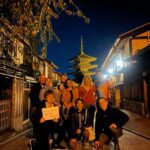
More Along the Higashiyama Slopes
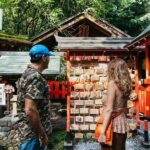
Fushimi Inari, a Few More Ways
Just added: more Kyoto tours to browse






Fushimi Inari Shrine Tours, compared.
 ★ 4.8Fushimi Inari, Kinkakuji, Bamboo Grove 1 Day Bus TourFrom $1224,316 reviews
 ★ 5.0Fushimi Inari Hidden Hiking Tour (Private Option Available)From $631,750 reviews
 ★ 4.7Kyoto/Osaka: Nara, Fushimi Inari Taisha, Arashiyama Bus TourFrom $521,275 reviews
 ★ 4.4Osaka/Kyoto: Arashiyama, Nara & Fushimi Inari Shrine w/LunchFrom $61754 reviews
 ★ 4.7Nijo Castle, Kiyomizu & Fushimi Inari Guided TourFrom $54700 reviews
 ★ 5.0Nijo, Kinkaku-ji, Arashiyama, Kiyomizu & Fushimi InariFrom $51699 reviews
 ★ 5.0Kyoto Fushimi-Inari Night Walking TourFrom $43320 reviews
 ★ 4.93-Hour Fushimi Inari Shrine Hidden Hiking TourFrom $72270 reviews
Browse the lists this tour appears in