
Kyoto slows down when you walk the Zen route. I love the Nanzen-ji architecture and the calm, clear English explanations from guides like Eiko, and I also like how the walk carries you to the Philosopher’s Path without rushing. One consideration: the tour is nonstop on foot for about four hours, and it’s not a good match if your mobility is limited.
You’ll also take a coffee break at Blue Bottle Coffee Kyoto Cafe, set inside a 100-year-old townhouse, then finish with Zen gardens at Eikando (Zenrin-ji) and Ginkaku-ji. It’s a focused route for people who want Kyoto’s quieter side, not just photos and checkmarks.
In This Review
- Key highlights that make this walk worth it
- Starting at 蹴上駅: how the route stays calm and readable
- Nanzen-ji: Sanmon Gate views and a Lake Biwa Canal aqueduct you can spot
- Blue Bottle Coffee Kyoto Cafe: a short break in a 100-year-old townhouse
- Eikando (Zenrin-ji): Amida Buddha and pond tranquility that fits every season
- Philosopher’s Path: the canal walk from cherry trees to quiet thoughts
- Ginkaku-ji (Jisho-ji): wabi-sabi gardens with white sand and moss
- Price and logistics: whether $61 is good value
- Pace, shoes, and a smart way to enjoy temple time
- Who should book this Kyoto walking tour, and who should skip it
- Should you book this Peaceful Kyoto Walking Tour?
- FAQ
- Where does the tour start and where does it end?
- How long is the Peaceful Kyoto Walking Tour?
- What’s included in the tour price?
- Are temple admission fees included?
- Is coffee or tea included?
- What language is the tour guide speaking?
- Is the tour wheelchair accessible?
- What should I bring?
- How much walking is involved?
- Can I cancel and get a refund?
Key highlights that make this walk worth it
- Nanzen-ji’s Sanmon Gate, Hojo Garden, and Lake Biwa Canal aqueduct in one guided stretch
- Blue Bottle in a 100-year-old townhouse for a short rest that still feels Kyoto
- Eikando (Zenrin-ji) with Amida Buddha and a pond garden, plus time to wander
- Philosopher’s Path along the canal, lined with cherry trees and tied to Kitaro Nishida
- Ginkaku-ji’s wabi-sabi gardens, including the Ginsadan white sand garden and mossy areas
- English guide-led pacing across multiple World Heritage-level sights in 4 hours
Starting at 蹴上駅: how the route stays calm and readable
The tour begins at 蹴上駅 (Keage Station) and it’s designed as one continuous walk through the temple belt of eastern Kyoto. That matters because Kyoto is big, crowded in places, and spread out. A guided route like this helps you keep your bearings quickly and spend your energy looking, not zig-zagging across the map.
The finish is at 東山慈照寺 (Jisho-ji / Ginkaku-ji area), so you end right where the afternoon strolling vibe starts—useful if you want to keep walking afterward, grab a snack, or connect to transit.
Other Kyoto tours and experiences to compare
Nanzen-ji: Sanmon Gate views and a Lake Biwa Canal aqueduct you can spot
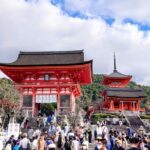
At Nanzen-ji, you get about 1 hour of guided time, which is exactly the right amount here. This isn’t just one building. It’s temple grounds with big architectural moments and garden sections that are meant to be seen slowly.
What you focus on:
- Sanmon Gate (main gate): the kind of structure that makes your photos look “better than you,” even on a normal phone camera.
- Hojo Garden: carefully arranged grounds that reward patient looking.
- The brick aqueduct of the Lake Biwa Canal: it’s unusual in a temple setting, and your guide’s explanations help you connect why it’s there.
I like this stop because it sets the tone for the whole day. You start with Zen temple architecture that’s easy to recognize even if you’re not a Japan-architecture nerd. And once you understand what you’re seeing, the later gardens at Eikando and Ginkaku-ji land harder.
Potential drawback: Nanzen-ji is a top Kyoto site, so expect some foot traffic. If you’re sensitive to crowds, keep your expectations realistic—but the guided pacing still helps you find quieter pockets.
Blue Bottle Coffee Kyoto Cafe: a short break in a 100-year-old townhouse
After Nanzen-ji, you’ll get a break at Blue Bottle Coffee Kyoto Cafe, inside a 100-year-old townhouse. The schedule gives you 25 minutes for the break and coffee, while the experience is described as a short, about-15-minute pause to rest your legs. Either way, it’s not a long detour—just enough time to sit, drink something, and reset.
Key point for value: drinks are not included. So budget separately for coffee or tea. Still, I think this stop works because it keeps the day flowing. You’re not bouncing between landmarks, and the setting feels respectful to the neighborhood rather than like a random stop stuck onto the tour.
Practical tip: If you’re photographing temples, your camera hands will get tired. Use this break to switch to lighter shots, wipe fingerprints off the lens, and then get back to the gardens.
Eikando (Zenrin-ji): Amida Buddha and pond tranquility that fits every season
Next is Eikan-dō Zenrin-ji (Eikando), with about 30 minutes guided and time to explore on your own after. Eikando is famous for seasonal beauty—autumn foliage is the big headline—but the appeal isn’t only a fall poster. The temple’s layout and garden mood work year-round.
What makes this stop special:
- Amida Buddha statue: a strong focal point that shifts the feel from scenic to spiritual.
- Tranquil pond garden: the kind of place where you automatically slow down, because there’s nothing to “do” besides look.
You’ll get a guide-led explanation during the visit, and then you’ll have time to wander. That matters because Zen gardens often make more sense once you’ve paused and re-seen them from a couple of angles.
One consideration: this is still a walking tour. If you need frequent sit-down breaks, you might feel the day is slightly condensed—coffee helps, but it’s not a spa schedule.
Philosopher’s Path: the canal walk from cherry trees to quiet thoughts
Then comes the most relaxed stretch of the route: a walk along the Philosopher’s Path. You’ll head north along the canal, with a 45-minute walk that includes shopping stops along the way.
This path is famous for:
- Cherry trees and seasonal flowers lining the route
- A quiet, continuous viewpoint as you move from Eikando toward Ginkaku-ji
- The connection to philosopher Kitaro Nishida, who is said to have walked there while thinking
I like this segment because it turns the day into more than temple-hopping. After gates and gardens, you get a scenic corridor where your eyes can rest. It’s also a smart time to do small practical things: check your photos, grab a snack, or slow down without feeling like you’re leaving the tour behind.
If you’re traveling in cherry season or during peak foliage, the path can feel busy. The good news is that the canal and the trees still give it that Kyoto calm—just don’t expect solitude.
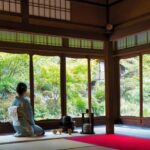
Ginkaku-ji (Jisho-ji): wabi-sabi gardens with white sand and moss
The final stop is Ginkaku-ji (Jisho-ji), a UNESCO World Heritage site, with about 30 minutes guided. This is the place that helps the whole tour feel coherent. You’ve seen temple architecture at Nanzen-ji and pond-garden serenity at Eikando. Now you focus on a garden style built around wabi-sabi—beauty in simplicity, texture, and careful restraint.
You’ll spend time looking at:
- The white sand garden called Ginsadan
- The moss-covered garden
- The serene study hall
What I appreciate here is that it’s not just a single “pretty view.” The gardens encourage small changes in perspective. If you take a few extra seconds to look from different angles, your understanding grows fast—and your photos improve too.
Practical note: Ginkaku-ji is a major destination. Even with a guided visit, you’ll share space. Your best tactic is to keep your focus tight—pick one feature, then let it absorb you for a minute.
Price and logistics: whether $61 is good value
The tour costs $61 per person, for 4 hours with an English guide. That’s a reasonable rate for a guided walk that includes multiple high-demand Kyoto sights, plus a structured route that keeps you from losing time.
But here’s what to factor in:
- Temple admission fees are extra
- Nanzen-ji: 600 JPY
- Eikando: 600 JPY
- Ginkaku-ji: 500 JPY
- Total temple fees come to about 1,700 JPY
- Coffee/tea is not included
- Blue Bottle is part of the schedule, but you pay for what you order
So the real “all-in” cost is $61 plus roughly 1,700 JPY for entry, plus whatever you spend on drinks.
Is it still good value? For me, yes—mainly because the tour isn’t only walking past buildings. People highlight how the guide explanations make the gardens and temples easier to understand, and that alone can be worth it if you want more than a self-guided stroll. Guides like Ayoko and Eiko specifically come up in feedback for clear English and careful attention to questions.
Pace, shoes, and a smart way to enjoy temple time
This is a walking tour with a fair amount of walking over 4 hours. You’ll want:
- Comfortable shoes
- Water
- Camera (for details, not just wide shots)
The itinerary also includes a coffee break, but don’t plan on long sitting breaks. The tour is meant to keep momentum while still feeling calm. That’s why it’s called peaceful, and why it works best when you’re comfortable walking steadily.
Accessibility note is important here. The experience is listed as wheelchair accessible, yet it also says it’s not suitable for people with mobility impairments. If you’re in a situation where walking is difficult, don’t guess. Ask the operator directly whether the specific route and timing will work for you.
Who should book this Kyoto walking tour, and who should skip it
This tour fits you best if you:
- Want Zen temple architecture and gardens with an English guide
- Like a quieter pace, with time to look at details
- Prefer walking between nearby highlights instead of jumping by taxi every time
- Enjoy Kyoto culture that’s more than shopping streets (even though there’s time for small shopping along the Philosopher’s Path)
You might skip it if:
- You want a low-walking day with frequent long breaks
- You’re sensitive to crowds at major temple sites
- You don’t want to pay extra on top of the tour price for admissions and drinks
Should you book this Peaceful Kyoto Walking Tour?
If you want a structured way to experience Kyoto’s calmer Zen side—starting at Nanzen-ji, taking a Blue Bottle break in a historic townhouse, then finishing with Eikando and Ginkaku-ji—this tour is a strong choice. The $61 rate feels fair when you consider that English guidance helps you understand what you’re looking at, not just where to stand.
My best advice: book it if you’ll actually use the guide time. If you’re happy walking and you want a meditative day with built-in pauses, you’ll likely leave feeling like you understood Kyoto a bit better. And if your mobility is limited, don’t assume the listing’s wheelchair note covers your needs—check first.
FAQ
Where does the tour start and where does it end?
The tour starts at 蹴上駅 and finishes at 東山慈照寺 (Jisho-ji area).
How long is the Peaceful Kyoto Walking Tour?
It lasts 4 hours.
What’s included in the tour price?
The price includes a guided walking tour with an English guide.
Are temple admission fees included?
No. You’ll pay admission separately for Nanzen-ji (JPY 600), Eikando / Zenrin-ji (JPY 600), and Ginkaku-ji (JPY 500).
Is coffee or tea included?
No. Coffee and/or tea are not included, and drinks at Blue Bottle are paid individually.
What language is the tour guide speaking?
The tour is offered in English.
Is the tour wheelchair accessible?
It is listed as wheelchair accessible, but it also notes that it may not be suitable for people with mobility impairments. If this is relevant for you, it’s worth checking with the operator before booking.
What should I bring?
Bring comfortable walking shoes, a camera, and water.
How much walking is involved?
The tour involves a fair amount of walking, so it’s best for people who are comfortable on foot for the duration.
Can I cancel and get a refund?
Yes. There is free cancellation up to 24 hours in advance for a full refund, and you can reserve now & pay later.
More Walking Tours in Kyoto

More Tours in Kyoto
More Tour Reviews in Kyoto
Just added: more Kyoto tours to browse





Walking Tours, compared.
 ★ 4.7Kyoto Geisha Walking Tour: Gion District & Hidden GemsFrom $253,273 reviews
 ★ 4.9Gion Magical Night Walking Tour with Geisha TriviaFrom $242,393 reviews
 ★ 4.7Gion Geisha District Walking Tour – Stories of GeishaFrom $202,187 reviews
 ★ 4.5Night Walk in Gion: Kyoto’s Geisha DistrictFrom $212,003 reviews
 ★ 5.0Kyoto Gion Geisha District Walking Tour – The Stories of GeishaFrom $251,441 reviews
 ★ 5.0Nishiki Market Brunch Walking Tour (7 Tastings + Brunch)From $681,355 reviews
 ★ 5.0Kyoto Arashiyama Walking Tour: Bamboo, Monkeys, Gardens & SecretsFrom $651,216 reviews
 ★ 5.0Kyoto Gion: 2-Hour Geisha Culture & History Walking TourFrom $231,186 reviews
Browse the lists this tour appears in