
Reviewed · WALKING TOURS
One-Day Walking Tour : Enjoy Kyoto to the fullest!
Kyoto, packed into one stress-free day. You’ll start early and get the big sights across town, including Arashiyama bamboo before it turns into a photo-factory. The walk-and-transit rhythm is built for seeing more than you could manage solo.
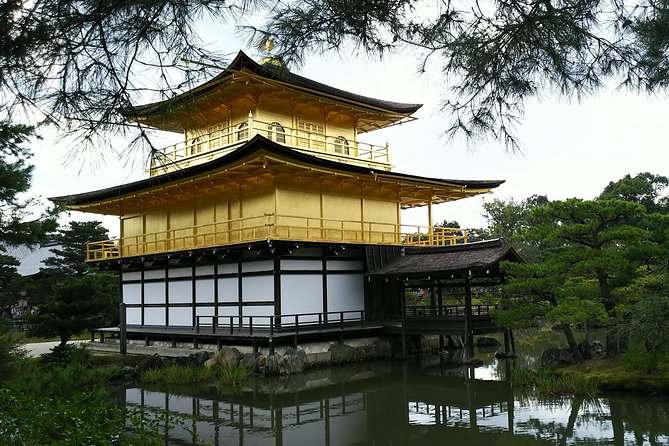
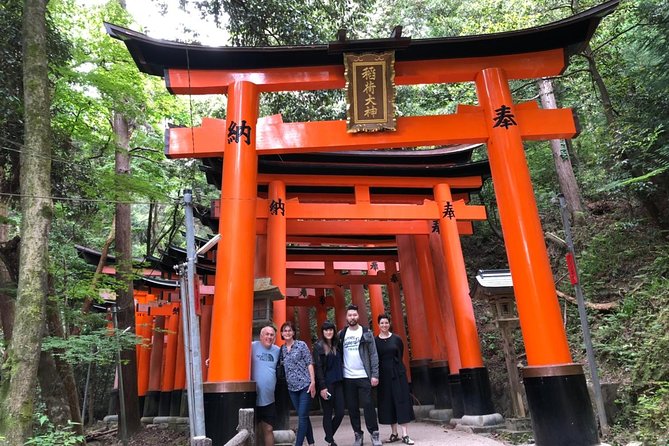
I especially like the pairing of Kinkaku-ji’s gold pavilion with Fushimi Inari’s torii tunnel. It’s a great one-two: one site hits you with shimmering elegance, the next with a staircase-like path of bright red gates.
The main drawback is the effort. This is an 8-hour day with quite a bit of walking, plus you’ll pay extra for Kinkaku-ji admission and public transport.
In This Review
- Key Highlights You’ll Actually Feel During the Day
- Why This One-Day Kyoto Route Works
- Starting at Kyoto Station at 9:00 a.m.: The Real Advantage
- Bamboo Forest Street at First Light: Beat the Crowds, Catch the Calm
- Kinkaku-ji (Golden Pavilion): What You Should Actually Look For
- Gion on Foot: Where Geisha Sightings Might Happen (Gently)
- Fushimi Inari-taisha: The Torii Tunnel and Why People Keep Coming Back
- Price and Value: The Real Cost After Fees
- Getting Around: How Much Walking Is Too Much?
- The Guide Factor: Why This Tour Feels Smooth
- Who This Tour Is Best For
- Should You Book This One-Day Kyoto Walking Tour?
- FAQ
- How long is the Kyoto walking tour?
- Where do we meet, and when does the tour start?
- Is this a private tour?
- What’s included in the price?
- Are meals included?
- Do I need to pay temple or shrine fees?
- Do I have to pay for public transportation?
- What happens if the weather is bad?
Key Highlights You’ll Actually Feel During the Day
- Morning bamboo energy: early light and cooler air before the crowds thicken
- Two heavyweight icons in one loop: Kinkaku-ji and Fushimi Inari get serious time
- Gion without the pressure: a casual walk where you might spot geisha in motion
- Private-group feel: only your group, guided end to end with mobile ticket convenience
- Pace control in real conditions: guides have helped groups handle heat and busy transit days
Why This One-Day Kyoto Route Works
Kyoto has a lot of great places. The trick is choosing the right handful and spacing them so you’re not burning the day on transit. This tour’s strength is that it focuses on four high-impact stops that most people come to Kyoto for: bamboo, the Golden Pavilion, Gion, and Fushimi Inari.
You’re also not just sightseeing. You’re getting context as you walk: why these places matter, what to notice, and how the city’s history shows up in stone, gardens, and street patterns. That’s what turns a “look at the building” day into a “I get it now” day.
And yes, it’s a lot. You’re doing this across the city in one stretch. If you’re the type who likes a leisurely café afternoon in between each landmark, you might feel it. If you want an efficient hit list with guidance, it’s a strong fit.
Other Kyoto tours and experiences to compare


Starting at Kyoto Station at 9:00 a.m.: The Real Advantage
Your day begins at Kyoto Station Building at 9:00 a.m., and the tour ends back at the same meeting point. Starting from Kyoto Station matters because it’s one of the easiest places in the city to orient yourself.
Also, the “back at the start” structure is underrated. Kyoto can feel like a puzzle at the end of a long day. Here, you don’t have to solve it while your legs are already filing complaints.
Most of the time, the tour runs around eight hours total. That’s long enough to meaningfully enjoy each stop, but not so long that you’re stuck in one place until midnight.
Bamboo Forest Street at First Light: Beat the Crowds, Catch the Calm
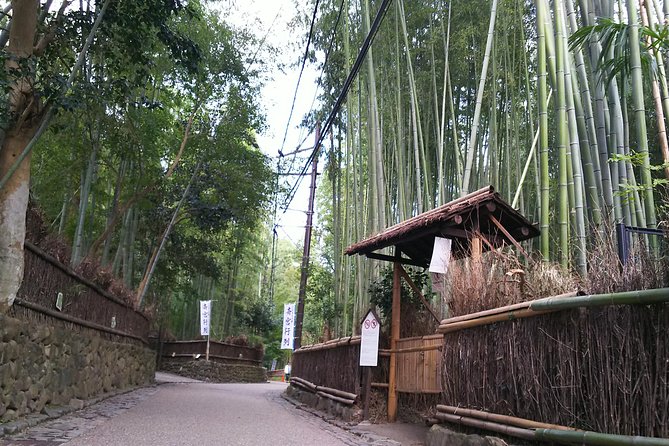
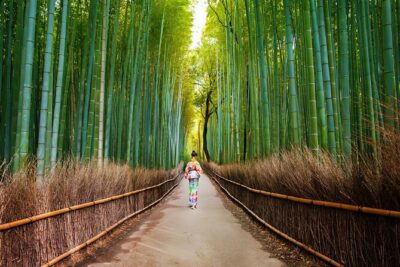
You start with Bamboo Forest Street in the fresh air early in the morning. The tour is built around timing: you’re there before the area gets too busy. That makes a huge difference in how the bamboo feels.
In the early sun, the grove looks almost unreal. Light filters through in thin bands, and the walking path feels quieter and slower. It’s one of those places where you can spend a full hour without needing to “do” anything. Just look, breathe, and let it sink in.
Practical tip: bring sunglasses and water. Even in the morning, bamboo paths often mean you’re in full sun for stretches. And because you’re actively moving, comfortable shoes matter more than you think.
Admission for this part is free, so it’s a great start when you want max atmosphere for zero extra tickets.
Kinkaku-ji (Golden Pavilion): What You Should Actually Look For
Next up is Kinkaku-ji, the famous temple known for its gold leaf-covered main building. It’s also tied to samurai-era power and a story of a retired shogun’s villa turned temple. That background changes how you see the place: it stops being just pretty walls and starts reading like history in layers.
You’ll spend about an hour here, which is usually enough time to:
- see the pavilion and key viewing angles
- walk at a relaxed pace without feeling like you missed the main views
- take in details you might overlook if you’re rushing or translating on the fly
One important note: Kinkaku-ji admission is not included. You should plan for an extra ¥500 per person for entry. If you’re doing the math, this is still a good value given the rest of the day is guided and timed well.
Gion on Foot: Where Geisha Sightings Might Happen (Gently)
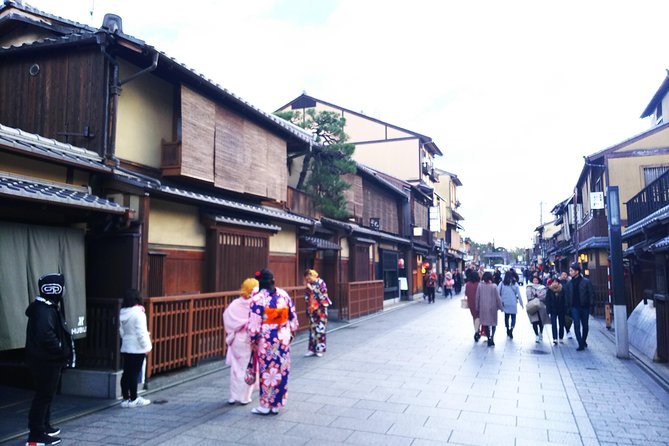
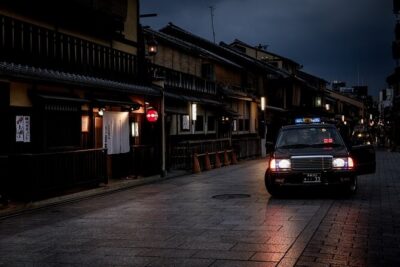
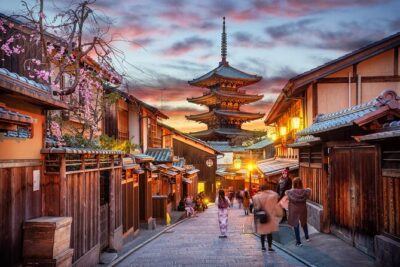
After Kinkaku-ji, you head into Gion, Kyoto’s classic geisha district. The tour stop here lasts about 40 minutes, and admission is free.
Here’s the reality: you might see geisha on the move, but you’re not going to force it. This is best enjoyed as a “walk slowly and watch how the district works” moment. Pay attention to the street layout, the tea-house atmosphere, and the way people move through the area.
Also, Gion is a place where good behavior matters. Keep your distance, don’t block paths, and avoid turning every corner into a camera hunt. In a short stop like this, you’ll get more enjoyment from respectful wandering than from chasing a specific person.
This is one of the stops I like because it feels like Kyoto-as-a-living-city, not Kyoto-as-a-museum. Even if you don’t spot anyone, you still get the vibe that makes Gion so iconic.


Fushimi Inari-taisha: The Torii Tunnel and Why People Keep Coming Back
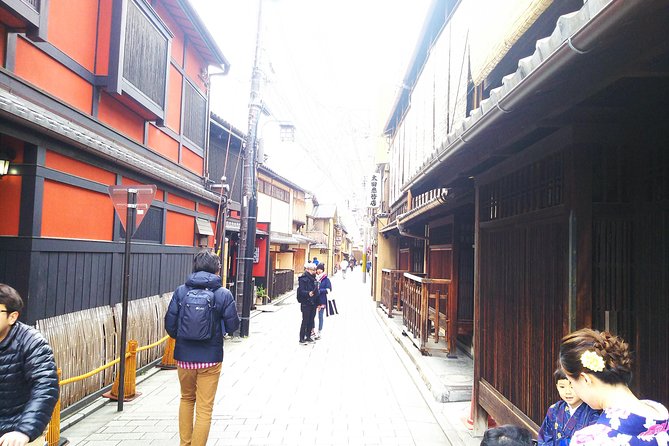
The final major stop is Fushimi Inari-taisha, famous for its long tunnel of thousands of vermillion torii gates. The gates are traditionally offered by worshippers as thanks for good luck from the gods, so the place carries a sense of ongoing devotion rather than a one-time sightseeing moment.
You’ll spend about an hour here, and admission is free for entry to the shrine grounds. That hour can feel short if you get pulled into exploring deeper into the gate paths, but with guidance and a timed plan, it usually lands just right.
What I love about Fushimi Inari is how visual it is. You’re walking through repetition—gate after gate—which makes the whole walk feel like a moving pattern. It’s also a great place to slow down and let your brain switch gears from “seeing landmarks” to “feeling how a place is built.”
Practical tip: the ground can be uneven in places and you’ll likely be walking on and around slopes. Wear shoes that can handle it. And bring water—this is a long day, and Inari can add heat depending on the season.
Price and Value: The Real Cost After Fees
The tour price is $131.14 per person. That base price covers the guide’s fare and the guided flow across the city.
What’s not included is where you should do a quick budget check:
- Kinkaku-ji admission: ¥500 per person
- Public transportation: ¥1,500 per person
- Meals: not included
So before food, you’re looking at roughly ¥2,000 in common add-ons, plus whatever you choose to eat. That’s not “hidden” so much as standard for Kyoto days: major temples often charge entry, and you still need transit to connect the stops.
Is it worth it? For most people, yes—because the guide saves you from the two biggest tourist time-wasters in Kyoto: figuring routes under time pressure and bouncing between sites without context. You’re paying for an organized path, smoother movement, and interpretation as you go.
Also, the tour is offered as a private activity for your group only. If you’re traveling as a small group, the guide cost spread can feel especially reasonable, and you might benefit from group discounts when available.
Getting Around: How Much Walking Is Too Much?
The tour is described as needing moderate physical fitness, with quite a bit of walking. In practice, expect a serious step count day.
What helps is the pacing. Many guides are praised for keeping the schedule without making you feel rushed, and for adjusting when conditions change. Hot weather can be rough in Kyoto, and you’ll want your guide to read the room—finding shade and keeping the day comfortable enough to enjoy.
My practical advice: plan for a day where your feet matter more than your outfit. If you’re used to museum pacing, you’ll be fine. If you prefer short walks between coffee stops, you’ll need to mentally prepare for more movement than a typical half-day tour.
Comfort checklist:
- sturdy walking shoes
- hat or cap for sun
- water bottle
- sunscreen
- a small towel or tissue pack (Kyoto humidity can surprise you)
Service animals are allowed, and the meeting point is near public transportation—good news if you’re planning your own arrival strategy.
The Guide Factor: Why This Tour Feels Smooth
A good guide does more than list facts. They prevent the “I’m lost and sweaty” spiral, especially in a city where public transit is great but can still feel like a maze when you’re on a clock.
In the guidance you’ll get here, the most praised parts are:
- clear navigation help through transit
- good timing between sites
- adapting the pace so people don’t melt down at the wrong moment
You’ll notice it immediately when you’re moving between parts of Kyoto. Instead of stopping every five minutes to check which train goes where, you’re following a plan. Guides like Hironori, Seiya, Noriko, Fuji, Toshi, Naoko, Koichi, and Saori are names that came up for exactly those strengths in the way groups describe their day.
You’ll also get cultural context that makes the stops feel connected. Bamboo isn’t random scenery. Kinkaku-ji isn’t just a shiny photo. Gion isn’t just a street name. Inari isn’t only a gate tunnel. The guide helps you see the threads.
Who This Tour Is Best For
This one-day plan works best if you:
- want a highlights loop without the stress of planning each route
- like history and culture, but don’t want to spend your trip researching
- can handle a full day of walking and standing
- want your Kyoto day organized from the first train step to the last return ride
It’s also a good option if you’re traveling with family, as guides have adjusted pacing to match different group needs. If your group has a pram or small children, it’s smart to tell the guide early so they can plan for smoother movement.
If you’re someone who needs lots of free time between major stops, consider mixing this with a slower evening. The tour will give you a strong base. You can then explore freely with that knowledge and confidence.
Should You Book This One-Day Kyoto Walking Tour?
Book it if you want Kyoto’s headline sights in one efficient guided day, especially if you’re the type who values planning time saved. The morning bamboo start alone is a smart move, and the combination of Kinkaku-ji and Fushimi Inari gives you two totally different Kyoto moods back to back.
Skip it (or plan a lighter alternative) if you hate long walking days, or if the idea of paying extra for entry and transport feels like a deal-breaker. This tour is designed for people who want to move through Kyoto and see a lot—comfort comes from good shoes and pacing, not from sitting around.
If you can handle the walking, you’re likely to leave with a clearer picture of what Kyoto is and how its most famous places connect.
FAQ
How long is the Kyoto walking tour?
It runs for about 8 hours.
Where do we meet, and when does the tour start?
You meet at Kyoto Station Building at 9:00 a.m., and the tour ends back at the meeting point.
Is this a private tour?
Yes. Only your group participates.
What’s included in the price?
The guide fare is included, and you’ll receive a mobile ticket.
Are meals included?
No. Meals are not included.
Do I need to pay temple or shrine fees?
Kinkaku-ji admission is not included and costs ¥500 per person. The other listed stops have free admission.
Do I have to pay for public transportation?
Yes. Public transportation fare is not included and costs ¥1,500 per person.
What happens if the weather is bad?
The experience requires good weather. If it’s canceled due to poor weather, you’ll be offered a different date or a full refund.
More Walking Tours in Kyoto


More Tours in Kyoto
More Tour Reviews in Kyoto
Just added: more Kyoto tours to browse








Walking Tours, compared.
 ★ 4.7Kyoto Geisha Walking Tour: Gion District & Hidden GemsFrom $253,273 reviews
 ★ 4.9Gion Magical Night Walking Tour with Geisha TriviaFrom $242,393 reviews
 ★ 4.7Gion Geisha District Walking Tour – Stories of GeishaFrom $202,187 reviews
 ★ 4.5Night Walk in Gion: Kyoto’s Geisha DistrictFrom $212,003 reviews
 ★ 5.0Kyoto Gion Geisha District Walking Tour – The Stories of GeishaFrom $251,441 reviews
 ★ 5.0Nishiki Market Brunch Walking Tour (7 Tastings + Brunch)From $681,355 reviews
 ★ 5.0Kyoto Arashiyama Walking Tour: Bamboo, Monkeys, Gardens & SecretsFrom $651,216 reviews
 ★ 5.0Kyoto Gion: 2-Hour Geisha Culture & History Walking TourFrom $231,186 reviews
Browse the lists this tour appears in