
Reviewed · NISHIKI MARKET FOOD TOURS
Nishiki Market Walking Food Tour With Gyoza Workshop
Gyoza starts with shopping. I love the small-group feel with guide Maya and the way you get from market tasting to making dumplings fast. I also like that you finish by eating what you fold. One possible drawback: market ingredients for your custom filling cost extra.
In about 2.5 hours, you cover Kyoto’s famous Nishiki Market like a local, then ride by taxi to a traditional townhouse for the gyoza workshop. The tour price covers the class basics and even a drink, but your final shopping bill depends on what you choose to add.
In This Review
- Key Highlights You’ll Care About
- Nishiki Market Meets a Machiya Gyoza Workshop
- First Stop: Nishiki Gyoza and What to Taste
- The Market Walk to Nishiki Tenmangu Shrine: A Fast Way to Get Oriented
- Shopping Time: How to Choose Extra Filling Ingredients
- Samurai Gyoza Factory Kyoto: Making Dumplings from Scratch
- Price and Value: What You Pay For (and Why It’s Not Just a Class)
- Logistics That Actually Matter in Kyoto
- Who This Tour Suits Best
- Tips to Get the Best Gyoza Out of Your Time
- Should You Book This Nishiki Market Gyoza Tour?
- FAQ
- How long is the Nishiki Market walking food tour with the gyoza workshop?
- What is included in the price?
- Do I have to pay for ingredients at Nishiki Market?
- How big is the group?
- Is lunch or dinner guaranteed?
- What is the cancellation policy?
Key Highlights You’ll Care About
- Max 6 people means you can ask questions and get hands-on help
- Maya guides the route, with enough local know-how to help at vendors
- Taste-first approach starts with gyoza right inside Nishiki Market
- Traditional machiya class at Samurai Gyoza Factory Kyoto, not a rushed station setup
- You bring your ideas to the filling by shopping extra ingredients on the way back
- Includes taxi + one drink, so you spend your energy cooking, not figuring logistics
Nishiki Market Meets a Machiya Gyoza Workshop
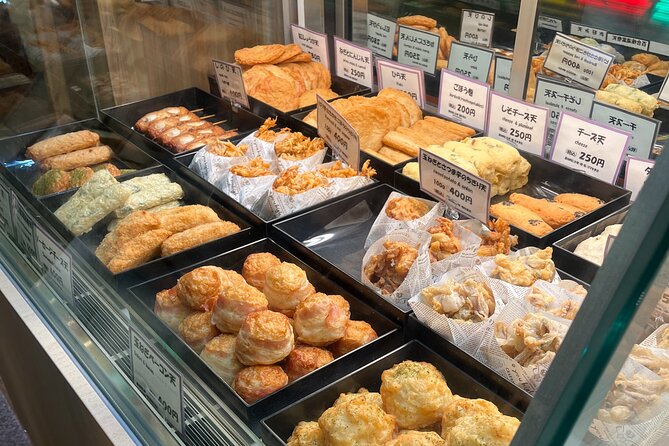
This experience is built like a two-part meal: first, you learn what tastes right by sampling and shopping in Nishiki Market (Kyoto’s kitchen, all stalls and specialty shops). Then you turn those ideas into dinner by making your own gyoza in a Kyoto-style townhouse, the kind of place where cooking feels more like an at-home skill lesson than a chore.
What makes it work for you is the pacing. You’re not just wandering. You taste, you pick ingredients, then you go straight into dough and folding. And because the group is capped at 6, you’re not stuck waiting for instructions while everyone else cooks.
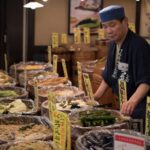
Graze a little further along Nishiki Market
First Stop: Nishiki Gyoza and What to Taste
You kick off with a short stop to buy and taste gyoza from Nishiki Gyoza. This tiny moment is actually smart. Before you start mixing anything, you get a baseline: What do you think the wrapper thickness should be like? What kind of filling texture do you like—more juicy, more savory, more aromatic?
You’re also mentally building your own version. By the time you reach the market shopping part, you’re not guessing blindly. You’re selecting ingredients with a clearer idea of what direction you want your dumplings to go.
If you’re the type who likes to eat first and plan later, this is a great opener. You’ll leave the start line with real flavor memories.
The Market Walk to Nishiki Tenmangu Shrine: A Fast Way to Get Oriented
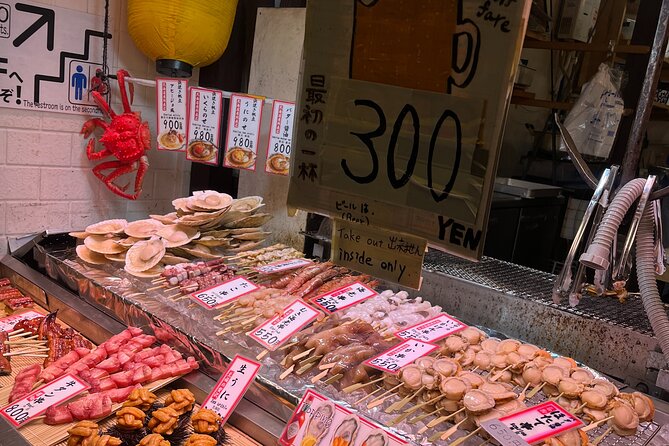
For the first stretch, you walk with the guide without stopping for about 15 minutes, heading toward Nishiki Tenmangu Shrine. During this time, you get a quick look at the market’s atmosphere—what’s where, what kinds of specialty stalls you’ll hit later, and how the crowd moves.
This part matters because Nishiki Market can feel like sensory overload if you’re on your own. A guided “get your bearings fast” segment helps you focus when you later shop for ingredients. Instead of trying to map the whole market in your head, you’re already in the rhythm of it.
And because guide Maya is leading, you’re not just passively walking. You’re also hearing context and practical guidance that helps you understand what you’re seeing and why certain ingredients show up at gyoza stalls.
Shopping Time: How to Choose Extra Filling Ingredients
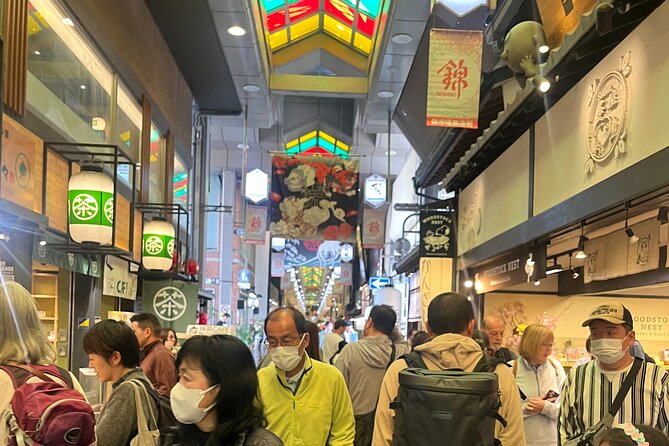
After you reach the shrine area, you walk back through the market for roughly 30 minutes with time to purchase extra ingredients you want to add to your gyoza. This is where you get to make the class yours.
A few practical thoughts for your shopping phase:
- Taste-driven buying is easiest. If something smells bold and savory, it’s usually a good candidate for dumpling filling ideas.
- Plan for texture, not just flavor. Gyoza is about the bite: tender dough plus filling that feels balanced, not watery.
- Keep a small budget mindset. Costs of what you buy at Nishiki Market are not included, so your final spend can rise quickly if you go wide with extras.
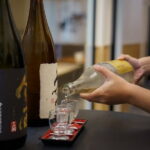
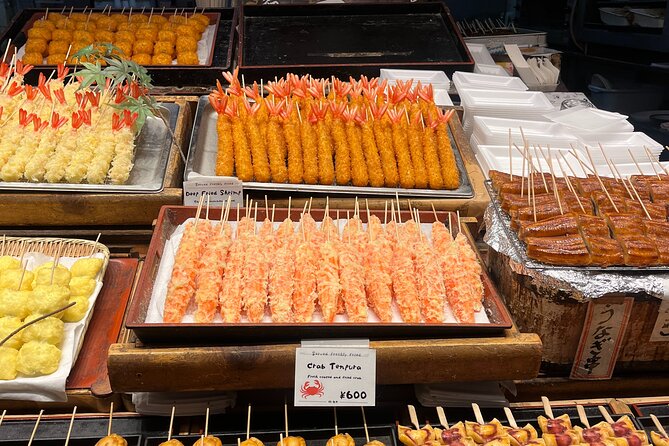
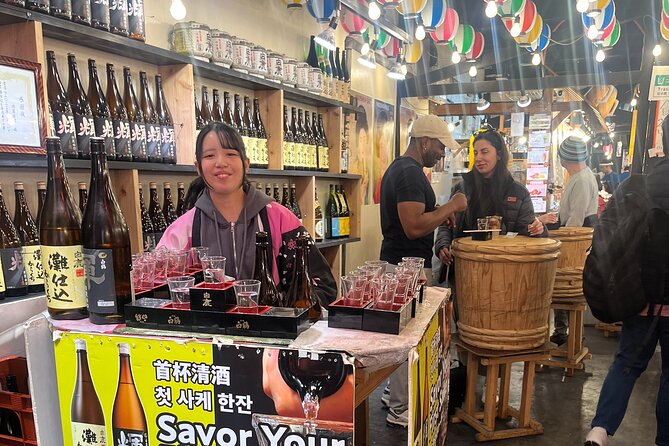
One of the nice things here is that Maya helps with vendor communication and shares tips that make the shopping part feel less stressful. People in the group have also talked about running into classic sampling stops—like a seafood spot where you can try octopus, a matcha shop with loads of sweet options, and even an easy saki taste—so keep your eyes open for small opportunities to sample as you go.
Samurai Gyoza Factory Kyoto: Making Dumplings from Scratch
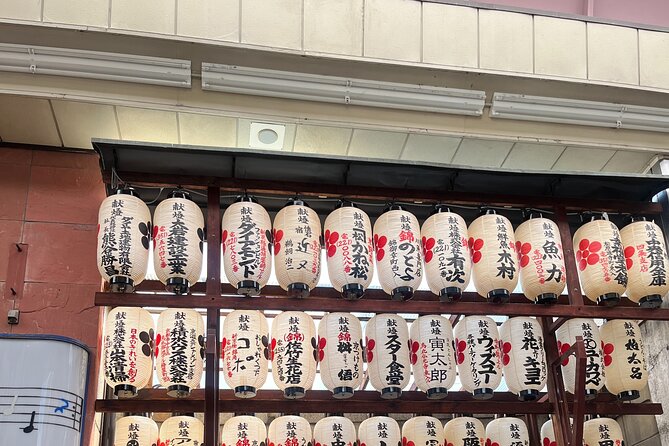
The final part is the hands-on cooking block—about 1 hour 30 minutes—at Samurai Gyoza Factory Kyoto. This is where you switch from “choose ingredients” mode to “actually make dinner.”
You’ll head to the workshop in a traditional Kyoto-style machiya townhouse. That setting is more than decoration. It changes the feel of the class: you’re in a real local space, not a generic cooking studio, which makes the experience feel grounded in Kyoto food culture.
Once you’re seated, you’ll make gyoza dough work and build the dumplings from scratch. Based on what’s taught during the class, you can expect:
- Kneading and stretching the dough using an authentic approach
- Clear, step-by-step instruction that keeps the process from feeling technical
- A few small tricks that help you shape dumplings more neatly
- Time to cook and then eat what you made, which is the real payoff
If it’s your first time making gyoza, you’re in good hands. The workshop is taught in an easy-to-follow way, and the small group size helps you get fixes if your fold isn’t perfect yet.
Also, you’ll get a drink as part of the included amenities, and the class timing means you’ll likely feel pleasantly “ready to eat” by the time your dumplings hit the table.
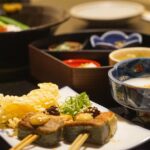
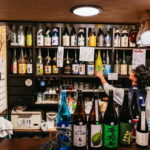
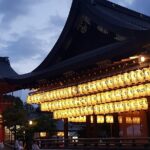
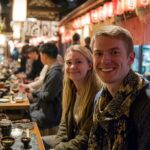
Still hungry? More tastes of Kyoto
Price and Value: What You Pay For (and Why It’s Not Just a Class)
At $146.59 per person, this isn’t a bargain-market snack tour. But it also isn’t only a cooking class you could recreate from a recipe card. You’re paying for two connected experiences:
- Guided Nishiki Market time that includes tasting and ingredient guidance
- A hands-on gyoza workshop in a Kyoto townhouse, with everything needed to make your dumplings
- Taxi fare from Nishiki Market to the workshop location
- A drink included during the experience
- Lunch or dinner depending on your reservation time
So the value equation is: you’re buying convenience + coaching + a full “make and eat” loop.
Where you should plan to spend extra is simple: ingredients you choose at Nishiki Market for your custom filling. That’s not a problem, but it does mean you control how fancy (and how expensive) your dumplings end up.
Logistics That Actually Matter in Kyoto
This tour is near public transportation, and it runs for about 2 hours 30 minutes. For Kyoto, that’s a good length. It’s long enough to feel like you did something real, short enough to still enjoy the rest of your day.
Meeting and ending points are in the central Kyoto area, starting at 593 Nishiuoyachō, Nakagyo Ward, Kyoto and ending at Samurai Gyoza Factory Kyoto, 230-1 Kamimyōkakujichō, Nakagyo Ward, Kyoto.
One more thing: because the schedule includes a taxi ride, you don’t have to worry about crossing town while you’re hungry and carrying shopping bags. That’s a small detail that turns out to be big when you’re trying to enjoy your day instead of managing it.
Who This Tour Suits Best
I think this tour fits best if you’re:
- A food-first traveler who likes to taste and learn rather than only look
- Curious about how Japanese dumpling flavors build—through ingredient choices, not just cooking method
- In a small group (or solo joining a small group) and you want real access to your guide
- A beginner at cooking who still wants a hands-on result you can be proud of
If you hate walking through markets, this may feel like a lot. But the walking time is broken up with clear purposes: orientation, then buying, then cooking. You’re not aimlessly wandering for two and a half hours.
Tips to Get the Best Gyoza Out of Your Time
A few simple moves make a big difference:
- Go hungry, not starving. You’ll taste early, then cook, then eat. If you’re already stuffed, the final dumplings won’t feel as rewarding.
- Wear comfortable shoes. Nishiki Market is all close quarters and standing time.
- Ask Maya questions. People have described her as friendly and willing to answer what you’re curious about, including how to handle vendor conversations.
- Keep your market choices realistic. The extra ingredients portion can snowball. Think: one or two “your twist” additions, then commit.
- Don’t stress if your folds aren’t perfect. The goal is learning the method and enjoying the food you make.
Should You Book This Nishiki Market Gyoza Tour?
If you want a Kyoto food experience that feels both hands-on and grounded in place, I’d book it. This is one of those rare setups where you don’t just hear about gyoza—you get to shape it, cook it, and eat it.
I’d pass only if you dislike market walking or you’re looking for a class where all the food is included without any extra spending. The market shopping ingredient cost is the one variable you should expect.
Overall, for the money, you’re getting a full loop: guided tastings, ingredient sourcing help, a traditional townhouse workshop, and dumplings you made with your own twist.
FAQ
How long is the Nishiki Market walking food tour with the gyoza workshop?
It lasts about 2 hours 30 minutes.
What is included in the price?
Lunch or dinner (based on your reservation time), everything you need to make gyoza, taxi fare from Nishiki Market to Samurai Gyoza Factory Kyoto, and one drink. Your own market ingredient purchases are not included.
Do I have to pay for ingredients at Nishiki Market?
Yes. The cost of the ingredients you buy at Nishiki Market is not included in the tour price.
How big is the group?
The tour has a maximum of 6 travelers.
Is lunch or dinner guaranteed?
Lunch or dinner depends on your reservation time, and it’s included either way.
What is the cancellation policy?
Free cancellation is available up to 24 hours before the experience starts for a full refund. If you cancel less than 24 hours before, the amount you paid isn’t refunded.
More Tour Reviews in Kyoto






More Kyoto Food Tours
More Bites Along Nishiki
Just added: more Kyoto tours to browse








Nishiki Market Food Tours, compared.
 ★ 5.0Nishiki Market Brunch Walking Tour (7 Tastings + Brunch)From $681,355 reviews
 ★ 5.0Kimono Tea Ceremony at Kyoto Maikoya, NISHIKIFrom $65911 reviews
 ★ 5.0Kyoto Nishiki Market Food and Culture Walking TourFrom $80412 reviews
 ★ 4.8Nishiki Market Tea Ceremony with Koto PerformanceFrom $56294 reviews
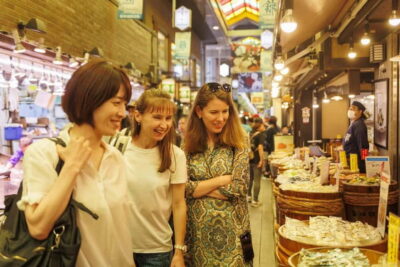 ★ 4.7Local Food Tasting Tour at the Nishiki MarketFrom $78135 reviews
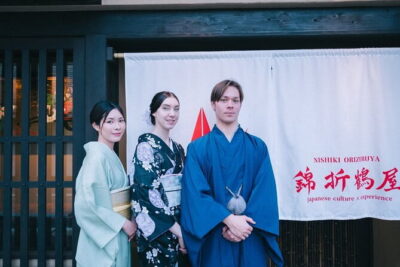 ★ 5.0Kimono Tea Ceremony Experience at Kyoto Oritzuruya, NishikiFrom $50116 reviews
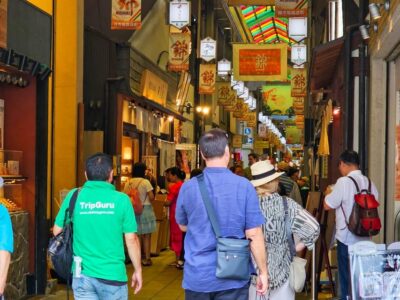 ★ 4.7Nishiki Market and Depachika Food Tour with a LocalFrom $4276 reviews
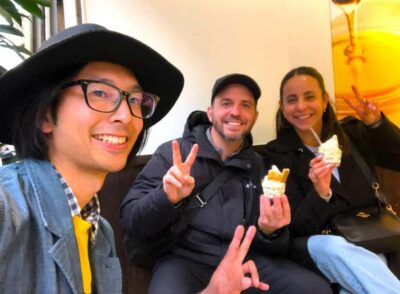 ★ 4.5Nishiki Market Tour with a Local Foodie & TastingsFrom $6767 reviews
Browse the lists this tour appears in