
Reviewed · KYOTO TEA CEREMONIES
Matcha Green Tea Plantation and Matcha Factory Visit
Uji smells like green tea for a reason. This small-group trip turns Kyoto matcha shopping into a real behind-the-scenes visit, with plantation-to-factory guidance and a tasting you can actually compare. I especially liked the chance to see how the leaves are handled for matcha production and then sample multiple matcha styles with traditional sweets. The only catch is that this experience depends on good weather, since part of the visit happens outdoors in the plantation.
You’ll start in Kyoto Station’s JR area at Hotel Granvia Kyoto, then ride south to Uji, a town famous for matcha quality. Expect a tight 3.5-hour format that mixes history, practical how-it’s-made details, and a little education you can use at home.
One more consideration: this isn’t a long food tour. You’re here for matcha craft, so if you’re hunting for a full meal or lots of free time to explore Uji on your own, you may feel a bit time-crunched.
In This Review
- Key things to look forward to in the Uji matcha plantation tour
- Matcha’s Uji advantage: why this area feels different
- Meeting at Hotel Granvia Kyoto and getting to Uji by train
- The plantation visit: how growing choices affect the cup
- Inside the matcha factory: milling, handling, and why timing matters
- Tea hut tasting with sweets: comparing matcha without guesswork
- Shopping in Uji: buying matcha and utensils with better instincts
- Your guide and group size: small group attention, big Q&A potential
- Price and value: what $154.84 really covers
- Timing, weather, and comfort tips that keep it smooth
- Should you book the Uji matcha plantation and factory tour?
- FAQ
- What is the duration of the Matcha Green Tea Plantation and Matcha Factory visit?
- Where does the tour start in Kyoto?
- How do you get to the tea area?
- How many people are in the tour group?
- What does the tour include?
- Is hotel pickup or drop-off included?
- Are there flexible departure times?
- Do I get a ticket on my phone?
- What if the weather is bad?
- When should I expect confirmation after booking?
Key things to look forward to in the Uji matcha plantation tour
- Old-school tea grounds in Uji: a visit focused on one of the region’s long-running matcha plantations
- Factory handling and production basics: you’ll see how green tea is processed for matcha
- Multiple matcha samples: you taste different varieties, not just one standard cup
- Tea hut tasting with Japanese sweets: pairings that help you understand flavor differences
- Small group size (up to 6): easier questions and more attention from your guide
- Shopping time for matcha and utensils: you can bring home gear that’s hard to find elsewhere
Matcha’s Uji advantage: why this area feels different
If you like matcha, you probably already know the name Uji. The interesting part is why Uji gets talked about like it’s the birthplace of serious matcha culture. This is the region where matcha quality became a reputation, and it’s also where you can connect the dots between the plant, the processing, and the cup you drink.
On this tour, you’re not just learning facts. You’re walking through the production chain in a compact, guided way. That makes the experience click: you see the care involved in growing tea leaves, you learn how matcha gets made from those leaves, and then you taste the result right away.
I also like that the tour links matcha to daily life. You don’t only get the romantic story of Zen-era origins and tradition; you get ideas for how drinking green tea can fit into your routine at home. It’s the sort of practical framing that makes a food-and-drink experience feel useful, not just decorative.
Sit for another bowl of matcha in a Kyoto tea house


Meeting at Hotel Granvia Kyoto and getting to Uji by train
Your day starts where it’s easiest to locate: Hotel Granvia Kyoto inside the JR Kyoto Station building. The meeting point is the JR京都駅 Central Entrance area. From there, you travel by train to the Uji region in southern Kyoto.
This matters more than it sounds. Kyoto can be a maze of stations, exits, and foot traffic. Having a straightforward start point helps you avoid burning energy before the tour even begins. And the train ride does its job: you get out of the city rhythm and into tea-country mood without complicated logistics.
The tour is offered with flexible morning or afternoon departure times, so you can fit it around temple visits and meal plans. If you’re the type who likes to group similar activities together, matcha time pairs nicely with a lighter schedule later in the day.
The plantation visit: how growing choices affect the cup
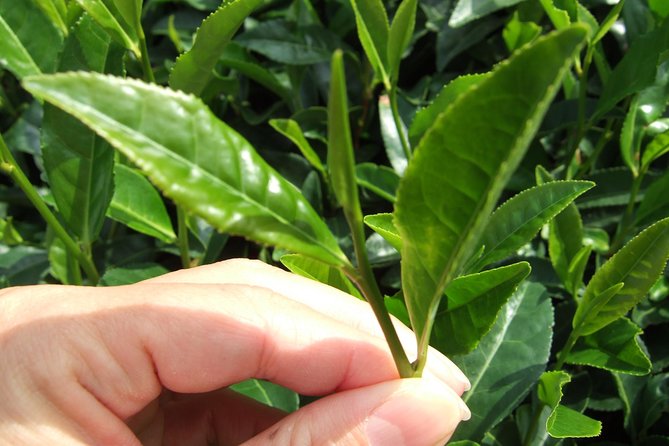
Uji’s matcha identity is rooted in cultivation. In plain terms, how tea is grown influences flavor, color, and the way the final matcha behaves in water.
During the plantation portion, you get an insider’s look at what the crops look like and how they’re handled. You’ll also learn the history of matcha and the different matcha plants/varieties. That part is key, because many people think matcha is one thing. It isn’t. You’re sampling differences later, so understanding what’s going on in the field makes those tastings more meaningful.
This section also gives you the habit-building angle. You’ll hear about the role of green tea as part of Japanese daily life, and the guide will talk about how you might incorporate a similar habit back home. Even if you’re not aiming to become a tea expert overnight, this is a nice moment to rethink how you drink matcha now—daily, occasional, with sweets, or simply in a small break.
Practical tip: wear comfortable shoes. The plantation visit is short, but you’ll want solid footing for uneven ground and changing surfaces.
Inside the matcha factory: milling, handling, and why timing matters
The factory portion is where the tour becomes genuinely hands-on. You’ll visit a matcha factory in Uji and experience the handling of green tea mill processes. The goal isn’t to turn you into a food technologist. It’s to show you the steps that separate a tea leaf from a powder meant for whisked drinks.
This is also where you learn what goes into producing matcha you’ll taste later. When you understand the workflow—what’s prepared, what’s processed, and how it’s handled—you stop thinking of matcha as just a flavor and start thinking of it as a product shaped by technique.
I like the way this part supports the tasting. Instead of hearing random trivia, you see the inputs and outputs. That helps you notice differences more clearly when you’re drinking.
One more bonus: this is the kind of experience that makes you look smart in tea conversations. You’ll pick up enough process language to ask better questions at a shop, and that can pay off if you plan to buy matcha in Kyoto or back home.
Tea hut tasting with sweets: comparing matcha without guesswork
The tasting is the main event. You’ll spend time at a traditional tea hut where you can sample the matcha—including some of the more expensive types—and pair it with Japanese sweets.
What makes this portion especially valuable is the comparison. You’re not tasting one cup and hoping you remember what it was like. You’re sampling multiple varieties, so you can actually separate what you like from what’s just new to you. And since the sweets are part of the format, you’ll get a sense of how matcha works with sugar, textures, and different flavors.
If you’re a matcha lover, this is the moment you’ve been waiting for. It’s also where the guide’s explanations matter. You’ll learn what health benefits are commonly associated with Japanese green tea, and the guide ties those ideas back to what you’re drinking. That gives the tasting more purpose than pure enjoyment (though enjoyment is still the point).
Also, this is where you might catch a bit of extra tea culture. Some groups have been introduced to a tea ceremony-style experience during the visit, so keep an open mind if your schedule includes a more ceremonial pause.




Shopping in Uji: buying matcha and utensils with better instincts
Most Kyoto matcha shopping is convenient, but it can feel like staring at a wall of choices. Uji shopping time is different because you’ve just seen how matcha is grown and processed, and you’ve tasted multiple types.
That means you’re more likely to buy with intent. You can ask better questions about what you want the matcha for: whisked drinks, cooking, or experimenting with different sweetness pairings. You’ll also have a chance to shop for matcha and tea utensils that are harder to find in other parts of Japan.
This part is short by design, but it’s long enough to be useful. I treat it like a buying mission, not a wandering session. If you’re traveling with a suitcase that can handle powder, I’d prioritize matcha you can actually bring home without breaking your packing strategy.
Your guide and group size: small group attention, big Q&A potential
This tour caps at 6 travelers, which is a sweet spot. You don’t feel like you’re lost in a big crowd, and you’re more likely to get answers to your questions. A professional English-speaking guide handles the flow, and you’ll have time to ask about what you’re seeing—especially during the factory and tasting segments.
In guest notes, guides have included people named Mia and Mie. Don’t expect the exact same name every time, but it’s a good sign you’re likely getting a friendly, communicative guide who can explain production steps in normal human language.
This small-group format also makes the train portion less chaotic. You’re moving with your group and guide, not trying to herd yourself through Kyoto Station like a one-person parade.
Price and value: what $154.84 really covers
At $154.84 per person for about 3 hours 30 minutes, this isn’t a bargain-basement activity. But it’s also not just a tasting with a logo on it.
You’re paying for several things bundled together:
- a professional English-speaking guide
- entrance fees
- matcha tasting and Japanese sweets
- transportation fees from Kyoto Station to Uji
Once you factor those in, the price starts to look more like a ticket to access plus guidance, not just refreshments. The biggest value is the behind-the-scenes structure. Many people buy matcha in Kyoto, but very few get to see a matcha plantation and factory process, then taste multiple varieties right after.
Also, the tour mentions group discounts and uses a mobile ticket. Those details matter if you’re traveling with others, because the cost can soften depending on your group setup.
If your travel style is heavy on food culture and you want something that feels specific to Uji rather than generic Kyoto sightseeing, this is a strong value choice.
Timing, weather, and comfort tips that keep it smooth
The tour is designed for good daytime pace: it runs around 3.5 hours, with morning or afternoon departure options. You’ll be back at the meeting point when it ends.
Weather matters here because the plantation component depends on conditions. If weather is poor, you’ll be offered a different date or a full refund. That’s worth planning for, especially if you’re doing a tight itinerary with fixed reservations later that day.
In terms of what you eat, the tour includes matcha tasting and sweets. Food and drink beyond that aren’t included, so I’d plan a full meal before or after the tour. You’ll likely feel fine for a 3.5-hour visit, but don’t treat it like a lunch.
Should you book the Uji matcha plantation and factory tour?
Book it if you meet any of these:
- You’re a matcha lover and want more than shopping and one cup
- You like hands-on craft learning, not just museum-style explanations
- You want a guided, structured way to understand why Uji matcha is so well-known
- You appreciate small groups and the chance to ask questions
Skip or reconsider if:
- You mainly want a long, free-form day in Uji rather than a tight guided visit
- You’re not interested in factory/process details or tasting comparisons
- You’re hoping for a full meal experience (this is tasting-focused)
For most people, this tour hits a rare sweet spot: it’s short, it’s guided, and it connects what you see in the field to what you taste in your cup.
FAQ
What is the duration of the Matcha Green Tea Plantation and Matcha Factory visit?
It runs for about 3 hours 30 minutes.
Where does the tour start in Kyoto?
The meeting point is Hotel Granvia Kyoto, JR京都駅 Central Entrance.
How do you get to the tea area?
You transfer by train from Kyoto Station to the Uji region.
How many people are in the tour group?
The tour has a maximum of 6 travelers.
What does the tour include?
It includes an English-speaking guide, entrance fees, matcha tasting and Japanese sweets, and transportation fees.
Is hotel pickup or drop-off included?
No. Hotel pickup and drop-off are not included. The tour ends back at the meeting point.
Are there flexible departure times?
Yes, you can choose between morning or afternoon departure times.
Do I get a ticket on my phone?
The tour uses a mobile ticket.
What if the weather is bad?
If the experience is canceled due to poor weather, you’ll be offered a different date or a full refund.
When should I expect confirmation after booking?
You should receive confirmation within 48 hours of booking, subject to availability.
More Tour Reviews in Kyoto
One More Bowl of Matcha

Just added: more Kyoto tours to browse








Kyoto Tea Ceremonies, compared.
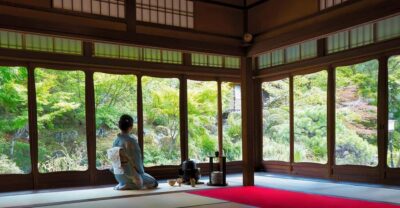 ★ 4.9Tea Ceremony in a Traditional Tea House in KiyomizuFrom $493,519 reviews
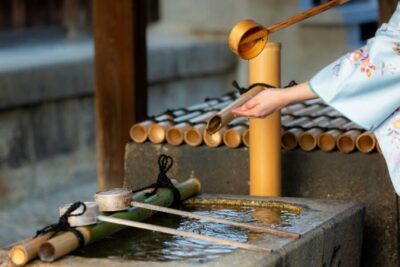 ★ 4.9Tea Ceremony Ju-An at Jotokuji TempleFrom $293,207 reviews
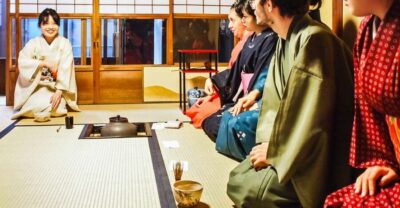 ★ 4.345-Minute Tea Ceremony Lesson ExperienceFrom $222,378 reviews
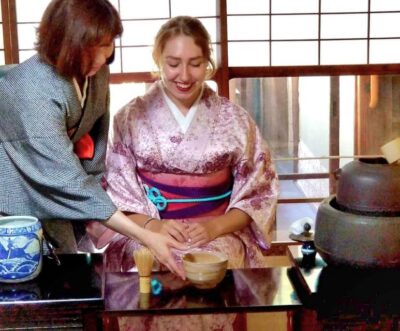 ★ 4.9Table-Style Tea Ceremony at a Kyo-MachiyaFrom $451,211 reviews
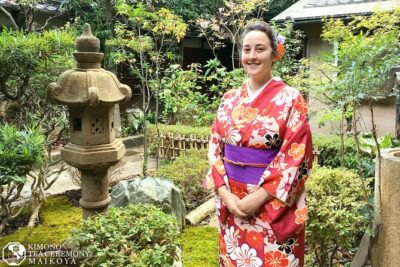 ★ 5.0Kimono Tea Ceremony at Kyoto Maikoya, NISHIKIFrom $65911 reviews
 ★ 5.0Arashiyama Bamboo Forest, Monkeys, Matcha & Temple TourFrom $53759 reviews
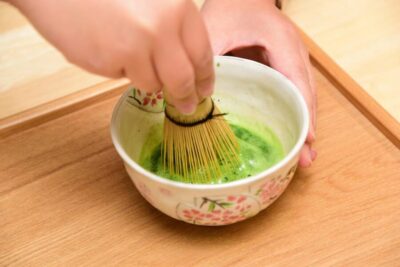 ★ 4.9Tea Museum Tickets and Matcha Grinding ExperienceFrom $23739 reviews
 ★ 4.9Kimono Tea Ceremony at Orizuruya GionFrom $49618 reviews
Browse the lists this tour appears in