
Reviewed · NISHIKI MARKET FOOD TOURS
Kyoto:Seasonal Kaiseki Reservation at Hanasaki Nishiki
Quiet kaiseki makes Kyoto feel slower. At Hanasaki Nishiki, I love how the menu leans into seasonal Kyoto vegetables (not generic set pieces), and I love the calm, private tatami seating in a traditional townhouse. One thing to consider: drinks aren’t included beyond water, so if you want sake/tea with your meal, plan extra.
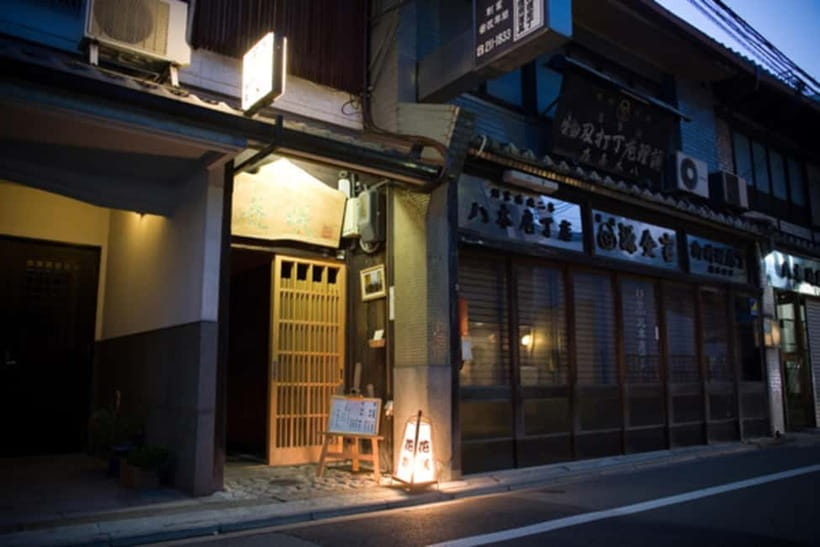
What makes this spot practical is its location. You’re just a short walk from the Shijo-Karasuma business and shopping area, yet the restaurant sits in a quiet alley that changes your pace the moment you arrive. It’s the kind of place you can use for a thoughtful business lunch or a low-key celebration without it feeling stiff.
There’s also a cultural bonus if you ask. The restaurant says maiko and geiko performances can be arranged upon request, and even with no guide provided, the staff can explain dishes in English so you can follow what you’re eating.
In This Review
- Key things I’d bet you’ll notice right away
- Where Hanasaki Nishiki Is: city center access, calm alley mood
- The Setting: machiya townhouse, tatami rooms, and an inner garden
- Seasonal Kaiseki at $39: what you’re really paying for
- Your 2-hour meal flow: how to enjoy every course
- Service style: warm hospitality with clear dish guidance
- Best times and best people for this Kyoto kaiseki reservation
- Practical tips: enter directly, plan your timing, and keep it simple
- Should you book Hanasaki Nishiki for Kyoto kaiseki?
- FAQ
- How long is the kaiseki reservation at Hanasaki Nishiki?
- What is included in the $39 per person price?
- Are drinks included?
- Is a guide provided for this experience?
- Where is the meeting point?
- Is the restaurant wheelchair accessible?
Key things I’d bet you’ll notice right away
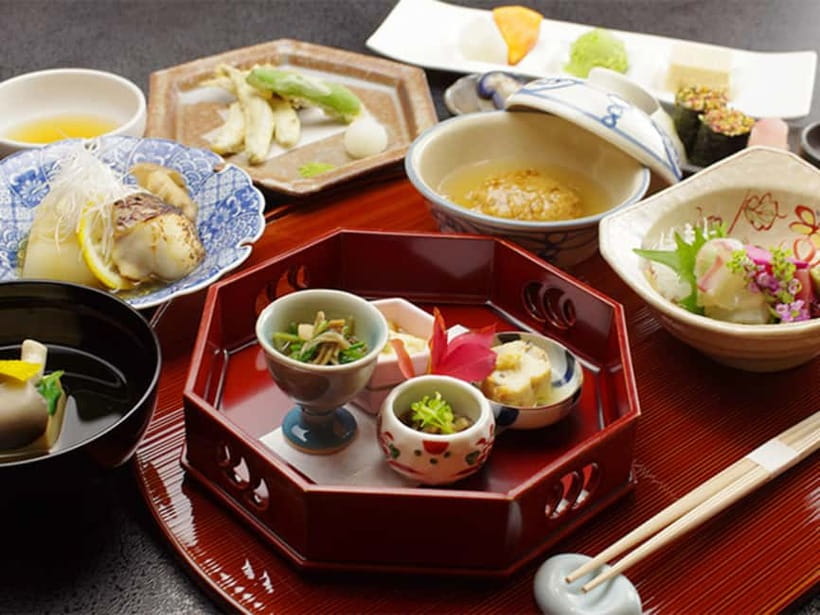
- Monthly-changing seasonal kaiseki built around Kyoto ingredients like vegetables, tofu, and seafood
- Machiya townhouse + inner garden that makes the whole meal feel quieter than the street outside
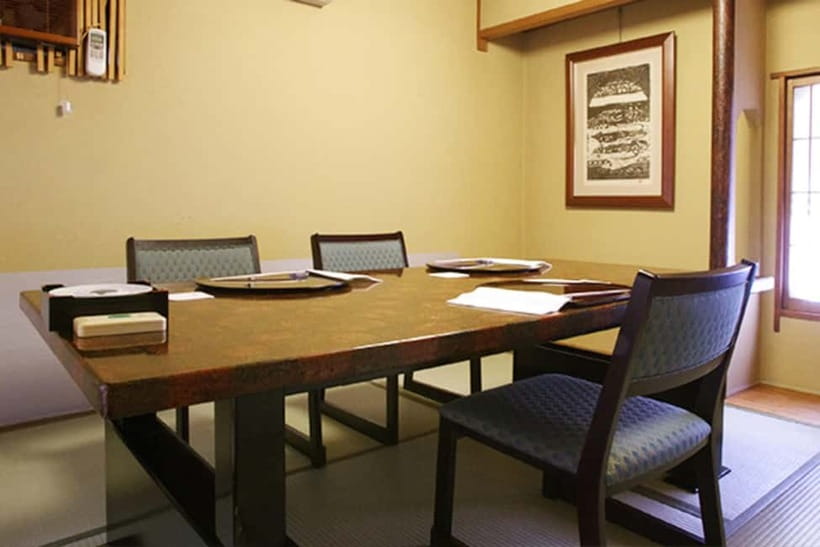
- Tatami and horigotatsu options for a more traditional, comfortable dining setup
- English dish explanations that help first-timers enjoy washoku without guessing
- Full course dining (2 hours) that rewards patience and turns dinner into a cultural experience
Where Hanasaki Nishiki Is: city center access, calm alley mood
I like Kyoto restaurants that give you the best of both worlds: easy transit, but a setting that shuts off the noise. Hanasaki Nishiki lands right near Shijo-Karasuma, so you’re not carving out an all-day detour to reach it. You can pair this meal with market browsing or a shopping loop in the central district before or after.
Getting there is straightforward. The restaurant is about a 5-minute walk from Karasuma Station (Hankyu Kyoto Line) and also about a 5-minute walk from Shijo Station (Kyoto Municipal Subway Karasuma Line). That matters because kaiseki isn’t the moment you want to be sprinting to find an entrance.
The most useful mental shift: treat the restaurant like the destination, not just a meal stop. The location is central, but the dining experience is intentionally slow and quiet. If you arrive a little early, you’ll appreciate that the alley setting helps you reset.
Graze a little further along Nishiki Market

The Setting: machiya townhouse, tatami rooms, and an inner garden
The room is part of the food. This place is a traditional machiya townhouse, and it’s the kind of structure that makes you lower your voice without being asked. You dine in either tatami rooms or a horigotatsu setup, depending on the seating arrangement.
Then there’s the inner garden view. Even if you’re not someone who studies garden design, the effect is real: you’re eating in a pocket of calm. That garden backdrop helps your meal feel more intentional, like you’re participating in a ritual rather than just consuming courses.
This is also the kind of atmosphere that works for different occasions. If you’re on a trip with clients, it’s polished without being flashy. If you’re traveling with a partner, it’s intimate without being awkward. And if you’re traveling solo, the calm setup helps you stay present while each dish arrives.
Seasonal Kaiseki at $39: what you’re really paying for
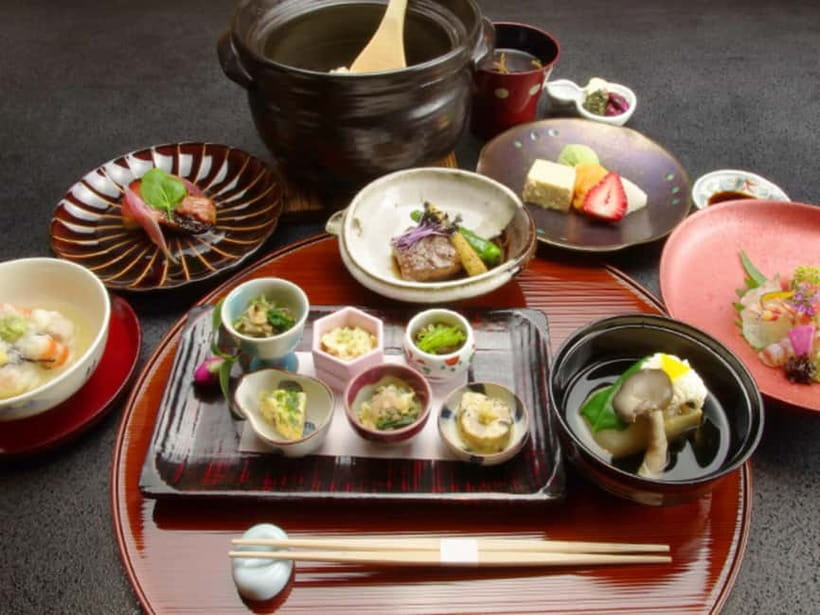
Kaiseki can sound fancy—and sometimes the price can feel like a luxury tax. Here’s why I think this reservation is strong value: the price includes the full course menu, plus sales tax and the reservation itself. You’re paying directly for the cooking, the course structure, and the care that goes into washoku-style presentation.
At $39 per person, the value is not just the sticker price. It’s that you get a complete seasonal tasting experience without needing to figure out ordering your way through Japanese dining menus for the first time. The course is designed to highlight Kyoto vegetables, tofu, and seasonal seafood, which is a smart way to get a snapshot of how the region tastes across the year.
The menu also changes monthly. That’s important for repeat visits and for travel planning because kaiseki is meant to reflect the seasons, not just impress on demand. If you’re the type of traveler who likes food as culture—textures, temperature, plating, balance—you’ll feel the difference.
One practical note: you’ll want to budget for drinks. Water is included, but other beverages are not. So your total cost will depend on whether you keep it water-only or add sake/tea.
Your 2-hour meal flow: how to enjoy every course
This isn’t a fast meal. The reservation is built around a 2-hour rhythm, and that time matters because kaiseki is about pacing—letting you taste, reflect, and then move to the next element.
Here’s how I recommend you approach the flow:
- Arrive ready to slow down. Once you sit down, the meal is structured as a multi-course experience. If you treat it like a quick dinner stop, you’ll miss what makes it special.
- Focus on what the menu is communicating. The restaurant aims for washoku harmony: presentation, texture, and balance across the courses. You don’t need to know every ingredient name to enjoy that. You can taste the intent—lightness, seasoning restraint, and seasonal emphasis.
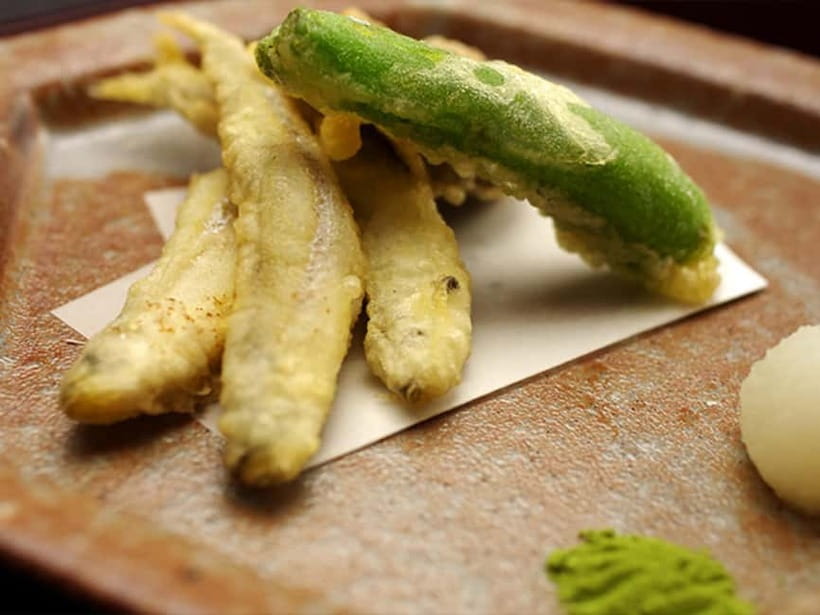
- Look for the ingredient anchors. Based on what you’ll typically see here, Kyoto vegetables and tofu play major roles, with seafood and even Kyoto beef showing up as part of the seasonal progression. Those ingredient choices are a shortcut to understanding the local flavor identity.
- Let the explanation land, not the translation. Even though there’s no guide escorting you, the staff can explain dishes in English. Use that as a guide to appreciate what you’re eating—then go back to tasting. You’re there for flavor first, detail second.
- Keep water in mind. Since drinks aren’t included beyond water, water is your default while you decide if you want to add anything else.
If you’re thinking about dietary needs: the information you provided doesn’t list customization rules. So if you have allergies or strict restrictions, you should plan to ask directly with the restaurant when you arrive (or as early as possible through your reservation channel).
Service style: warm hospitality with clear dish guidance
What stands out to me from the experience is the balance of hospitality. The restaurant staff are described as attentive and welcoming, without turning the meal into a performance where you feel rushed.
Even better for non-Japanese speakers: the staff explain each dish in English. That changes how you experience kaiseki. Instead of eating in the dark, you get enough context to notice things you might otherwise miss—like why a certain ingredient appears now, or how the course design aims for texture and harmony.
The pacing and service also suit business settings. This is a calm, intimate place where you can have a real conversation without the table next to you blasting music. And because the setting is a traditional townhouse, it reads as respectful and considered, not just convenient.
Still hungry? More tastes of Kyoto


Best times and best people for this Kyoto kaiseki reservation
This is a good fit if you want a cultural meal that doesn’t require deep planning or advanced Japanese dining skills.
You’ll likely love it if:
- You want seasonal Kyoto flavors in one sitting, with Kyoto vegetables and tofu taking the spotlight
- You like traditional dining spaces—tatami rooms and a calm inner garden help
- You’re traveling with someone who appreciates thoughtful presentation
- You need a dinner that feels suitable for a celebration or a business lunch
You might want to choose differently if:
- You want a casual, loud, bar-style meal
- You’re hoping drinks are included (they’re not beyond water)
- You don’t want to spend the full 2 hours with a course sequence
Also, if you’re aiming for extra culture: the restaurant says maiko and geiko performances can be arranged upon request. That’s not something to assume automatically—so if it’s important to your plan, you’ll want to request it ahead of time.
Practical tips: enter directly, plan your timing, and keep it simple
This experience is restaurant reservation only, not a guided tour. When it’s time, you enter the restaurant directly, and there’s no guide provided.
That means your success is mostly about timing:
- Aim to be on time for your reservation, since you’re entering the restaurant at the scheduled moment.
- Once you’re seated, relax into the meal pace. The structure is part of the experience.
On language and understanding: even with no guide, you can still follow along thanks to English dish explanations. You won’t need to “translate everything” in your head.
One more practical note: the restaurant is listed as wheelchair accessible, which is helpful if you need that option in Kyoto’s older building stock.
Should you book Hanasaki Nishiki for Kyoto kaiseki?
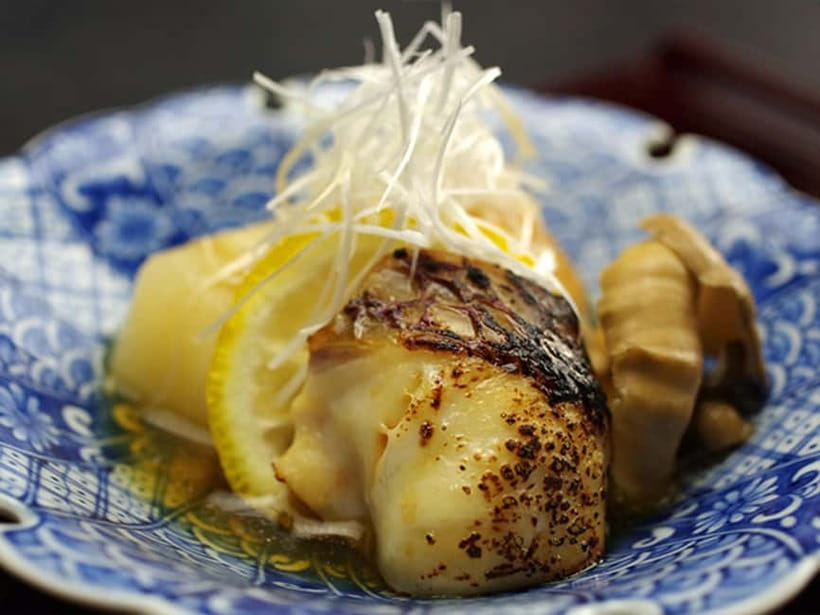
I’d book this if you want a real sense of Kyoto through food—seasonal ingredients, washoku balance, and a quiet traditional atmosphere—without paying for a complicated tour format. The $39 price is especially appealing because it includes the full course menu and sales tax, so there are fewer surprise add-ons for the meal itself. Your main extra cost will be drinks beyond water.
I’d skip it only if your travel style is very fast and casual, or if you’re trying to keep costs strictly minimal by avoiding added beverages. Otherwise, this is a thoughtful, well-paced way to experience Kyoto dining culture in a calm machiya setting near the city’s central district.
FAQ
How long is the kaiseki reservation at Hanasaki Nishiki?
The dining experience lasts about 2 hours.
What is included in the $39 per person price?
The price includes the full course menu, sales tax, and the reservation.
Are drinks included?
Drinks are not included except for water.
Is a guide provided for this experience?
No guide is provided. It’s a restaurant reservation only, and you enter the restaurant directly when it’s time.
Where is the meeting point?
You can walk about 5 minutes from Karasuma Station on the Hankyu Kyoto Line, or about 5 minutes from Shijo Station on the Kyoto Municipal Subway Karasuma Line.
Is the restaurant wheelchair accessible?
Yes, it is listed as wheelchair accessible.
More Tour Reviews in Kyoto






More Kyoto Food Tours
More Bites Along Nishiki
Just added: more Kyoto tours to browse








Nishiki Market Food Tours, compared.
 ★ 5.0Nishiki Market Brunch Walking Tour (7 Tastings + Brunch)From $681,355 reviews
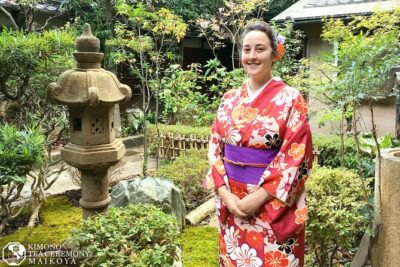 ★ 5.0Kimono Tea Ceremony at Kyoto Maikoya, NISHIKIFrom $65911 reviews
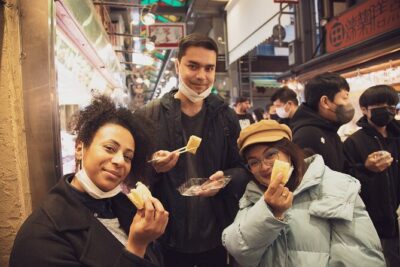 ★ 5.0Kyoto Nishiki Market Food and Culture Walking TourFrom $80412 reviews
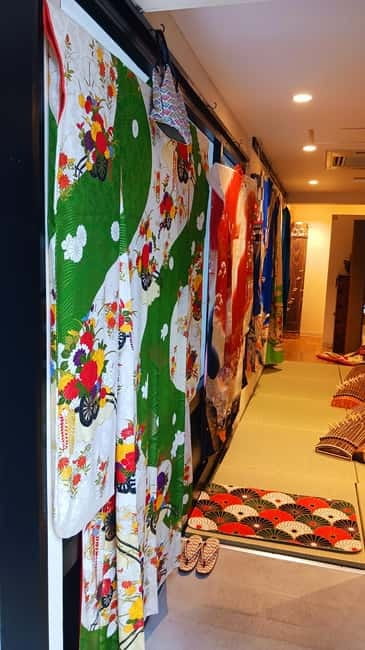 ★ 4.8Nishiki Market Tea Ceremony with Koto PerformanceFrom $56294 reviews
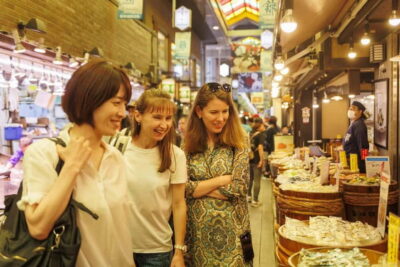 ★ 4.7Local Food Tasting Tour at the Nishiki MarketFrom $78135 reviews
 ★ 5.0Kimono Tea Ceremony Experience at Kyoto Oritzuruya, NishikiFrom $50116 reviews
 ★ 4.7Nishiki Market and Depachika Food Tour with a LocalFrom $4276 reviews
 ★ 4.5Nishiki Market Tour with a Local Foodie & TastingsFrom $6767 reviews
Browse the lists this tour appears in