
Reviewed · ARASHIYAMA & BAMBOO GROVE TOURS
Kyoto:Quiet Arashiyama and Sagano Temples
Arashiyama turns quiet fast when you walk with a local. I love how the route keeps you away from the loudest crowds while you still get great views and temple time, and I especially like the story-driven explanations that make the places feel human. A small drawback: it’s a 3-hour walking tour, so if you’re hoping for long, slow museum-style breaks, you may feel the pace.
What makes this tour work is how it links nature and faith to real lives—women, monks, and families who lived with love, loss, and duty. The guide (often Masa) also brings a hands-on side through temple prayer and meditation traditions, which turns the experience from sightseeing into something quieter and more personal.
In This Review
- Key things I’d bet on before you go
- Quiet Arashiyama and Sagano: why this walk feels calmer
- Meeting JR Saga-Arashiyama the easy way (and why the exact station matters)
- Quick advice that saves time
- Adashino Nenbutsu-ji and the story of the heartless field
- The number you’ll remember: nearly 8,000 stone Buddhas
- A festival detail that makes the place feel alive
- Saga Torimoto Preserved Street: a short pass with big atmosphere
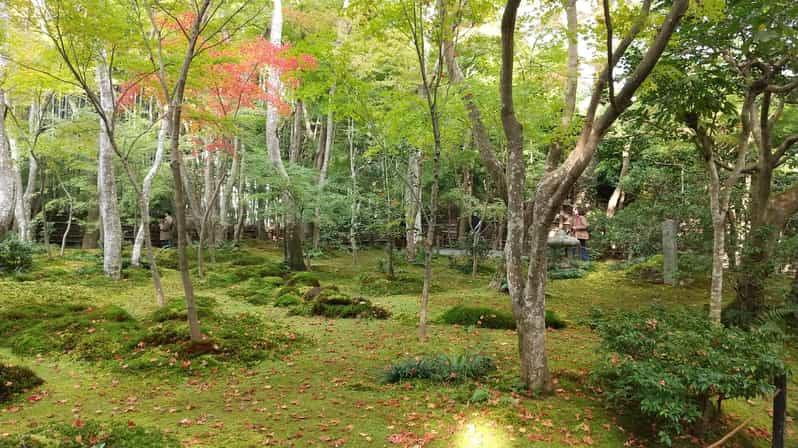
- Giou-ji Temple: women’s sorrow, Heian romance, and quiet endurance
- Why this story hits
- Sagano Bamboo Grove: the views, the timing, the “don’t rush” feeling
- Tenryuji Temple: guided stillness that makes the time feel longer
- Hands-on prayer and meditation: why it changes the tour
- Pace, price, and whether $38 makes sense for you
- This tour fits best if you
- Consider a different plan if you
- What to expect day-of: the small details that matter
- Should you book this Kyoto quiet temples tour?
- FAQ
- How long is the Kyoto Quiet Arashiyama and Sagano Temples tour?
- How much does the tour cost?
- Where do I meet the guide?
- What’s included in the price?
- Are meals included?
- What language is the guide?
- Is this tour private or group-based?
- What should I bring?
- Is the tour suitable for mobility impairments or wheelchair users?
- Are there any rules I should know?
- Can I cancel for a refund?
Key things I’d bet on before you go
- Serene Arashiyama planning: you’re moving through the area with a guide, with an emphasis on calm rather than crowd-chasing
- Moving temple stories: the history isn’t just dates; it’s grief, rivalry, and spiritual practice
- Hands-on at select temples: you’re invited to practice prayer and meditation traditions
- Temple variety in a short window: you visit multiple sites with distinct atmospheres
- Value for the time: admissions are included, so you’re not constantly paying on the fly
Quiet Arashiyama and Sagano: why this walk feels calmer
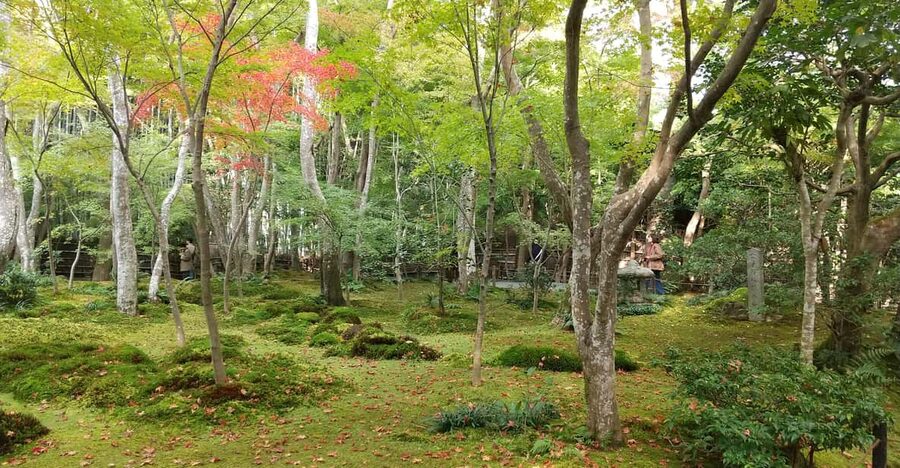
Arashiyama and Sagano are famous for beauty, but fame can make places noisy. This tour is built around the idea that the best part is not just seeing temples, but experiencing the breathing space around them—pathways, gardens, and stone figures that feel made for slowing your steps.
In practice, that means you spend your time moving through nature-rich areas and then transitioning into temple stillness with a guide who keeps the focus on meaning. You’re not just ticking boxes. You’re learning how faith and daily life shaped these spaces, and you’ll notice that the quiet isn’t accidental—it’s part of the design of the places themselves.
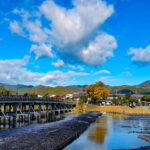
Deeper into Arashiyama, past the bamboo and the Hozu river

Meeting JR Saga-Arashiyama the easy way (and why the exact station matters)
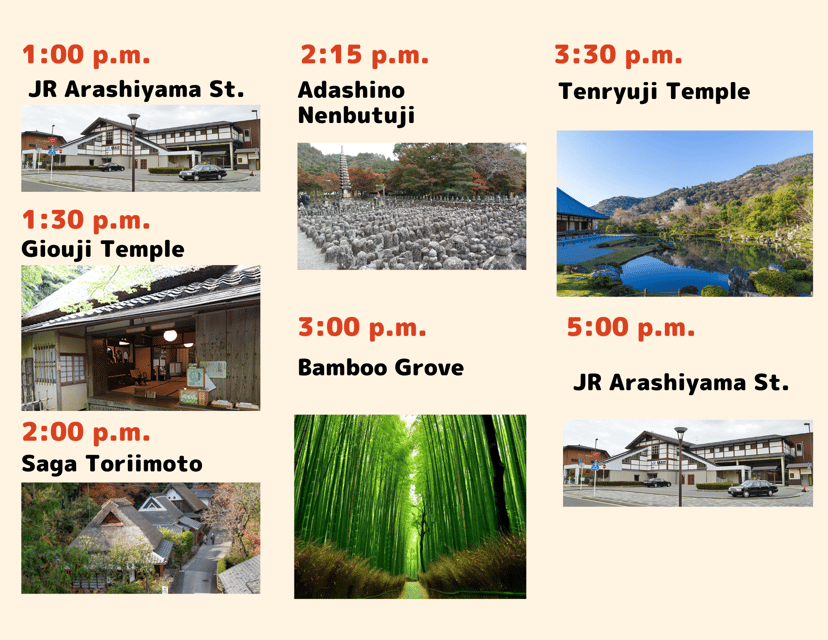
Start at JR Saga-Arashiyama Station. Not Hankyu. Not Randen Arashiyama Station. You’ll find the guide in the plaza just outside the station ticket gates, holding a sign with your name.
I like meeting like this because it reduces that awkward first-minute scramble. You can step out, spot your name, and start the walk with less stress—especially helpful in Kyoto, where stations and rail lines can look similar if you’re arriving hungry or jet-lagged.
Quick advice that saves time
- Arrive 15 minutes early so you can settle in and meet up calmly.
- Wear comfortable shoes—this is a lot of walking for only three hours.
- Bring water and basic sun protection, since you’ll be outdoors for portions of the route.
Adashino Nenbutsu-ji and the story of the heartless field
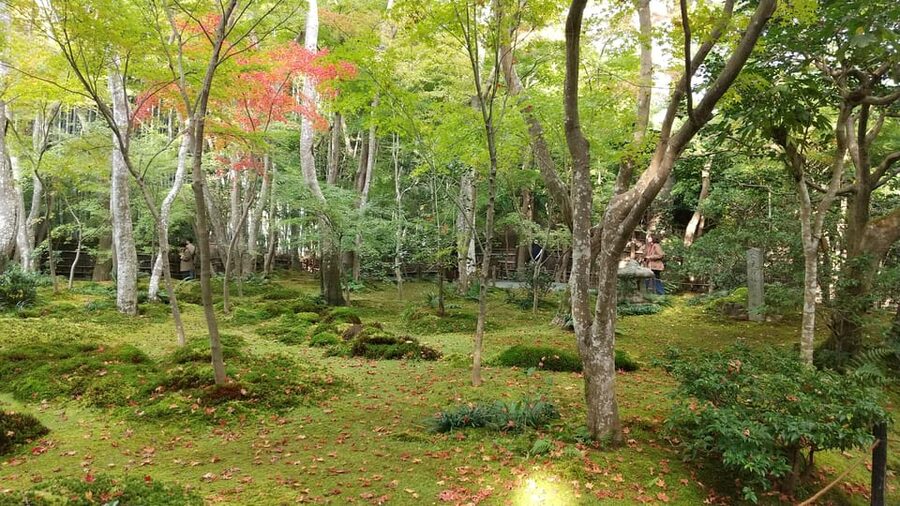
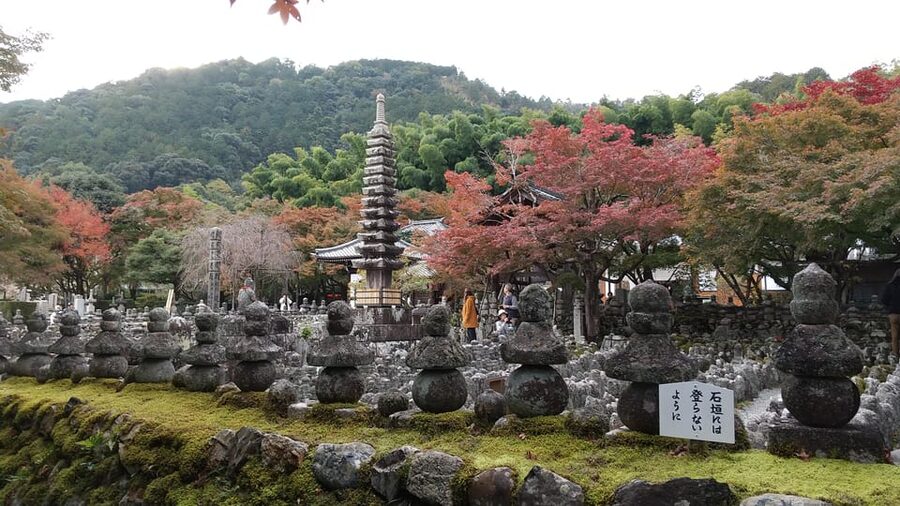
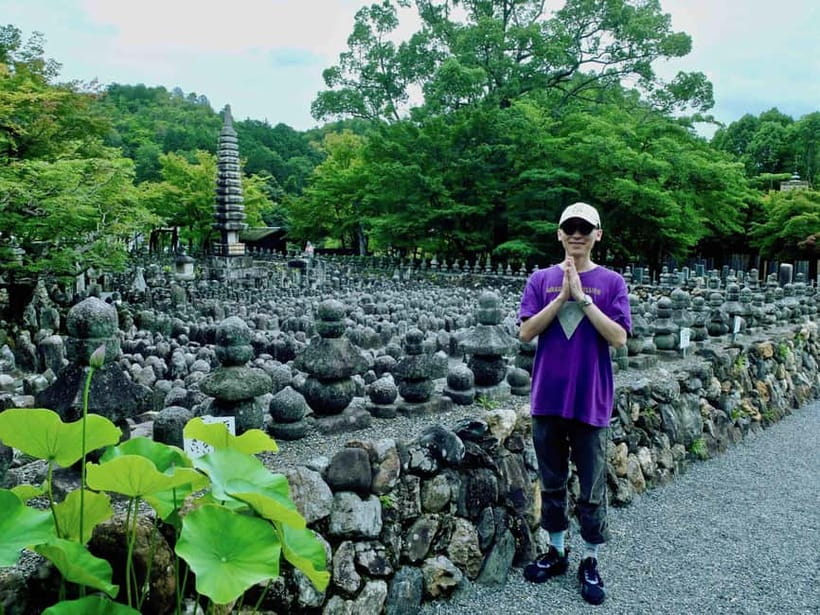
One of the most striking parts of the tour is Adashino Nenbutsu-ji Temple, where the atmosphere is tied directly to tragedy. The temple was built in the 13th century, during the Kamakura period. Even the name carries weight: Adashino is explained as a vain field, or heartless field.
Here’s the heart of the story you’ll hear: the area used to be connected to discarded bodies, which is why people later referred to it as a heartless field. That background sets the emotional tone for everything you see at the temple.
The number you’ll remember: nearly 8,000 stone Buddhas
Adashino Nenbutsu-ji is known for almost 8,000 stone statues of Buddha. The key detail is that these figures were dug up and collected, which makes the site feel like memory turned into stone.
The tour also connects the temple to spiritual teaching through its founder, Honen (1133–1212). Honen taught nenbutsu—people chanting sutra-based devotion—and the temple context includes Muen Botoke, explained as dead persons and their spirits who have no relatives to pray for.
A festival detail that makes the place feel alive
You’ll also learn about Sentou Kuyo, where every August thousands of candles are lit and offerings flowers are presented. Even if you’re not visiting in August, this gives you a stronger sense that this temple isn’t only about the past—it’s also about ongoing compassion in the present.
Saga Torimoto Preserved Street: a short pass with big atmosphere
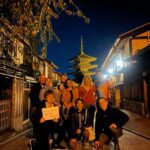
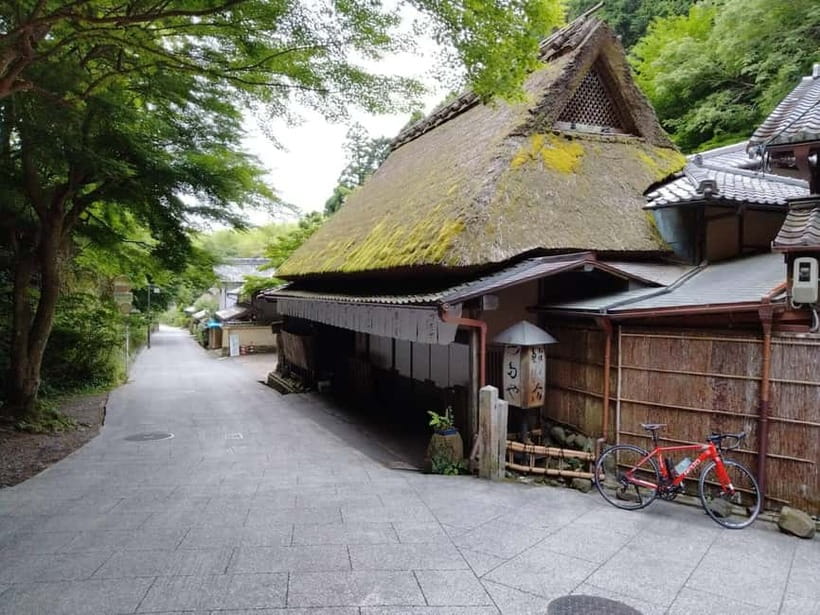
Between temple stops, you’ll pass through Saga Torimoto Preserved Street. This is one of those Kyoto in-between moments: a preserved old-town street where farmhouses and machiya houses sit side-by-side, creating a historical look in the suburb area outside main Kyoto.
This segment is only around 15 minutes, so don’t treat it like your only photo time. But it’s a helpful break from formal temple entrances, and it helps you see that Arashiyama isn’t just a scenic attraction—it has neighborhoods and everyday architecture that stayed intact.
Giou-ji Temple: women’s sorrow, Heian romance, and quiet endurance
Another highlight is a visit to Giou-ji Temple, built in the 12th century during the Heian period. The story focus here is the name itself: “Giou” is explained as a woman’s name, and the temple is described as the stage of women’s sorrows.
You’ll learn about Giou, a dancer in that era who was favored by Taira no Kiyomori (1118–1181). The emotional arc is intense: Kiyomori liked her at first, then moved his attention to another woman, Butsugozen. Giou is described as being driven away, and then she ultimately became a nun and lived here during her rest life.
Why this story hits
The details matter. Giou’s rival, Butsugozen, was also thrown away by Kiyomori and became a nun, living together in the same place. Finally, the tour explains that four women practiced Buddhism here—so the temple becomes less like a legend and more like a record of what happened when power shifted and people had to rebuild their inner lives.
I like this stop because it’s not only about Buddhist practice in general. It’s about how individuals carried spiritual discipline through personal heartbreak.
Sagano Bamboo Grove: the views, the timing, the “don’t rush” feeling
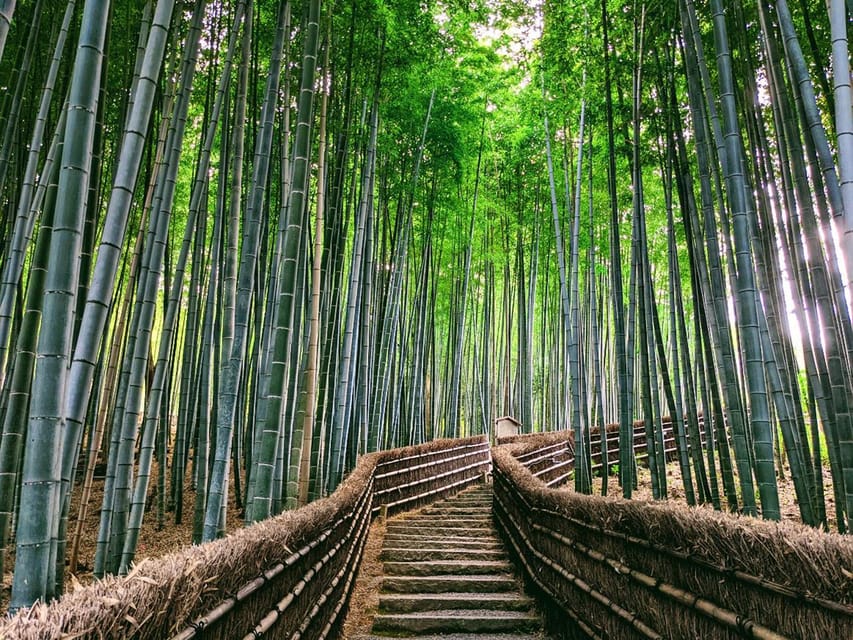
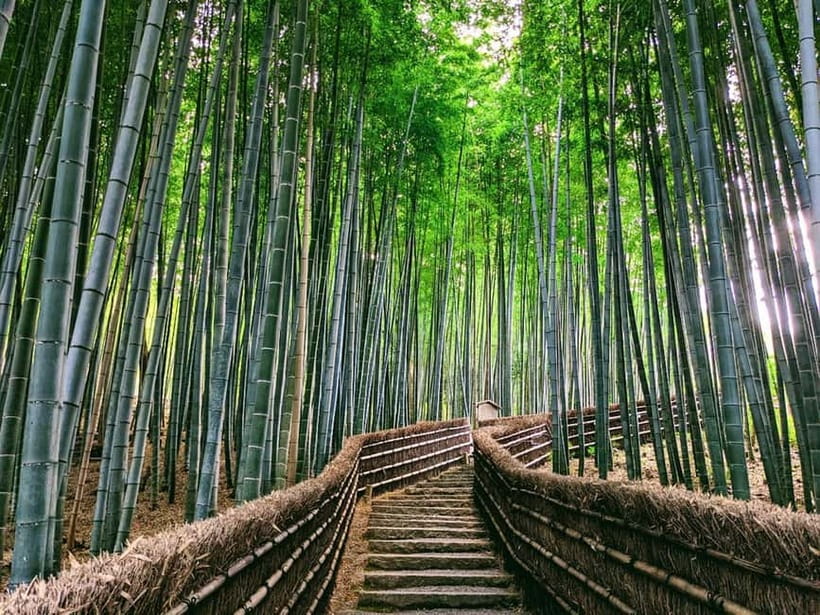
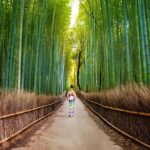
You’ll also spend time around the Sagano Bamboo Grove area, with about 30 minutes for scenic views along the way. Since bamboo groves can get crowded quickly, the value of a guided route is how it helps you find moments of calm without feeling like you’re elbowing through crowds for every photo.
You don’t need to overthink bamboo. You can just stand, breathe, and let your eyes adjust to the rhythm of the stems and the light. In this tour, that moment works because you’ve already been carrying temple stories in your mind—so the grove doesn’t feel like a random detour. It feels like part of the same theme: nature and spirituality holding hands.
Tenryuji Temple: guided stillness that makes the time feel longer
The longest temple stop is Tenryuji Temple, with about 1.5 hours for visiting with a guide. This is where the tour’s narrative style really pays off.
Instead of treating temples as photo stops, the guide ties what you’re seeing to faith and culture—how the lives of people in the past shaped the feeling of the place. That’s also where you’re more likely to notice small things: how visitors move, how space encourages quieter conversation, and how the stories you heard earlier start to make sense as a pattern.
Even with a short total time, the guide’s explanations help you slow down mentally. You may still walk a lot physically, but your attention starts to tighten in a good way.
Hands-on prayer and meditation: why it changes the tour
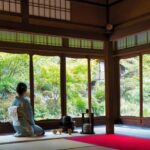
This is one of the most praised parts of the experience. The guide, often Masa, doesn’t only explain temple practice. He’s described as demonstrating and inviting guests to practice prayer and meditation traditions.
You don’t have to be an expert in Buddhism to benefit. The value is in doing something respectful and simple at the right moment, under a guide’s direction. It turns the experience from information into participation.
Practical tip: keep your own expectations modest. If you go in thinking you’ll fully master a ritual, you might miss the point. If you go in ready to follow along calmly, you’ll probably find it’s one of the most memorable parts of the day.
Pace, price, and whether $38 makes sense for you
This tour is $38 per person for about 3 hours, and admissions to all temples visited are included. For a short Kyoto block, that combination is often where value shows up. You’re paying for guided context plus entry fees, and the guide also adds hands-on temple practice at select points.
Where you should be honest with yourself is pacing. One participant noted the tour could feel a bit fast and wished there was more time to soak things in. That doesn’t mean it’s rushed in a chaotic way. It just means this is designed as a focused sampler—several meaningful stops, not a single long temple day.
This tour fits best if you
- Want spiritual storytelling paired with outdoor quiet in Arashiyama/Sagano
- Like a guide who connects places to real people and emotions (not just facts)
- Prefer a short, efficient visit over spending most of a day on one site
Consider a different plan if you
- Need lots of mobility breaks or slower, sit-down time in each location
- Want more unstructured free time without guided pacing
Also note: the tour is not positioned for mobility impairments or wheelchair users, since it involves a lot of walking.
What to expect day-of: the small details that matter
You’ll want comfortable shoes, a hat, sunscreen, and water. That may sound obvious, but in Arashiyama, sun and uneven temple paths can add fatigue faster than you expect.
The meeting point is precise, so double-check your train line and platform. Again: JR Saga-Arashiyama, not the other nearby stations with similar names.
One extra real-world plus: in at least one case, the guide was able to help arrange lunch after arrival when people were starving. Meals are not included in the tour price, but it can help to know the guide is responsive if you need time-sensitive guidance.
Should you book this Kyoto quiet temples tour?
If you like Kyoto that feels thoughtful—not just scenic—this is a very good match. The combination of quiet pacing, temple stories with emotional weight, and hands-on prayer/meditation practice is exactly the sort of experience that turns a half-day into something you remember long after photos fade.
I’d especially recommend it if you’re visiting Arashiyama for the first time and want a route that protects your attention from the worst crowd energy. If you’re the type who wants to linger for hours inside one place, you may feel the 3-hour time limit. But if you want a guided, meaningful sampling of Arashiyama and Sagano with admissions included, this tour is a strong yes.
FAQ
How long is the Kyoto Quiet Arashiyama and Sagano Temples tour?
It lasts about 3 hours.
How much does the tour cost?
The price is $38 per person.
Where do I meet the guide?
Meet at JR Saga-Arashiyama Station. The guide will hold a sign with your name just outside the station ticket gates.
What’s included in the price?
The guided tour, admission to all temples visited, and hands-on experiences at select temples are included.
Are meals included?
No. Meals and drinks are not included.
What language is the guide?
The live tour guide speaks English.
Is this tour private or group-based?
It’s a private group.
What should I bring?
Bring comfortable shoes, a hat, a camera, sunscreen, and water.
Is the tour suitable for mobility impairments or wheelchair users?
No, it is not suitable for people with mobility impairments or wheelchair users.
Are there any rules I should know?
Smoking is not allowed.
Can I cancel for a refund?
Yes. Free cancellation is available up to 24 hours in advance for a full refund.
If you want, tell me your travel dates (and what day of the week you’ll be in Kyoto), and I can help you plan what time of day to do Arashiyama so the temples feel calm instead of rushed.
More Tour Reviews in Kyoto
More of Arashiyama and Sagano

Just added: more Kyoto tours to browse





Arashiyama & Bamboo Grove Tours, compared.
 ★ 4.8Fushimi Inari, Kinkakuji, Bamboo Grove 1 Day Bus TourFrom $1224,316 reviews
 ★ 4.1Osaka/Kyoto:Kinkakuji,Arashiyama,FushimiInariShrine,NaraParkFrom $661,596 reviews
 ★ 4.7Kyoto/Osaka: Nara, Fushimi Inari Taisha, Arashiyama Bus TourFrom $521,275 reviews
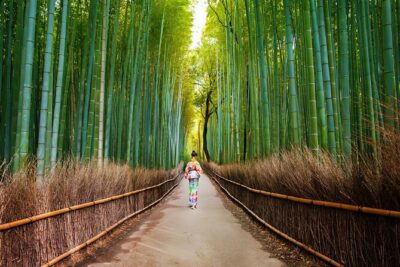 ★ 5.0Kyoto Arashiyama Walking Tour: Bamboo, Monkeys, Gardens & SecretsFrom $651,216 reviews
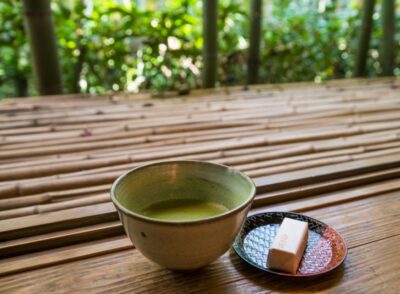 ★ 4.8Arashiyama Bamboo, Temple, Monkeys, or Secret Sake BreweryFrom $87886 reviews
 ★ 5.0Arashiyama Bamboo Forest, Monkeys, Matcha & Temple TourFrom $53759 reviews
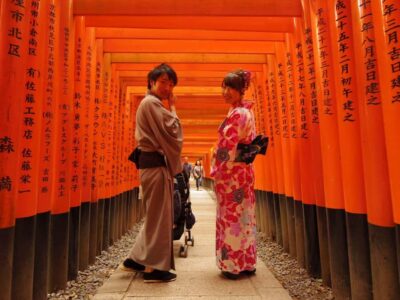 ★ 4.4Osaka/Kyoto: Arashiyama, Nara & Fushimi Inari Shrine w/LunchFrom $61754 reviews
 ★ 5.0Nijo, Kinkaku-ji, Arashiyama, Kiyomizu & Fushimi InariFrom $51699 reviews
Browse the lists this tour appears in