
Reviewed · KYOTO TEA CEREMONIES
Kyoto: Tea Ceremony, in traditional Japan house (ENG/ES/NLD)
Kneeling for tea sounds serious, until it isn’t. In this Kyoto class, you get small-group attention and hands-on matcha with a Japanese instructor, plus you can ask questions. The one real catch is seiza: if kneeling bothers your knees, plan to request a chair.
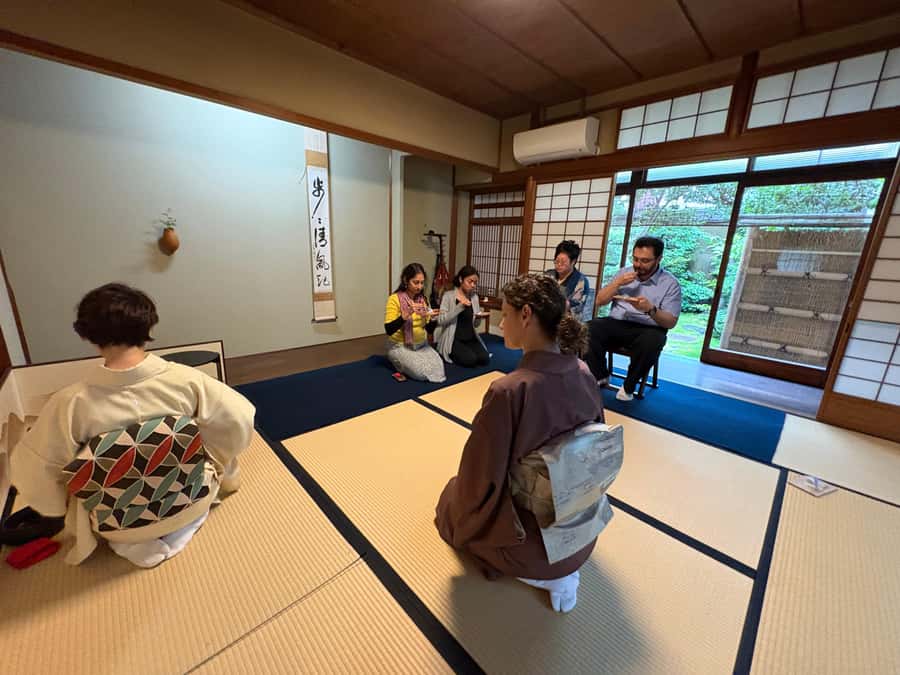
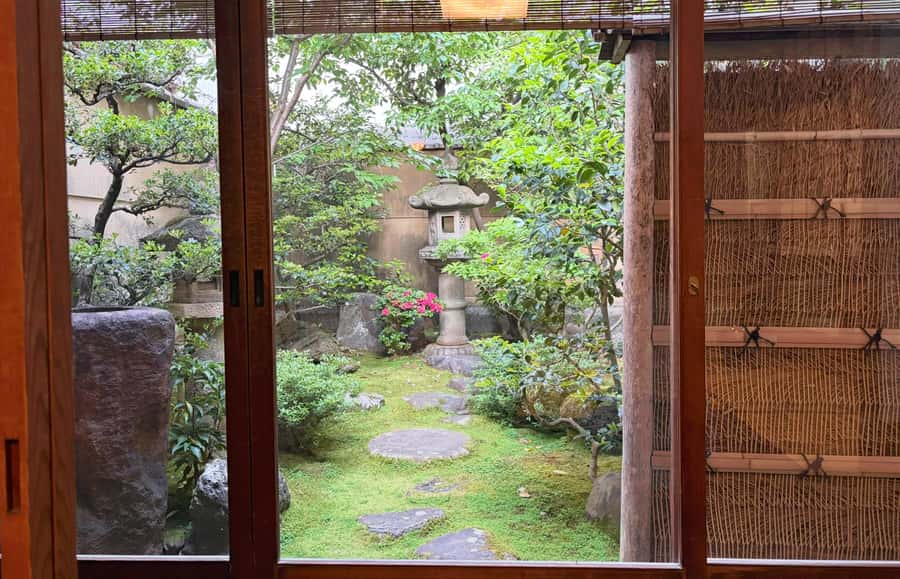
I like that the setting feels lived-in, not staged. You’ll be in a house about 100 years old with a view of a small garden, seasonal flowers, and a hanging scroll that changes with the season.
You’ll watch the ceremony, learn what you’re actually seeing, taste matcha with sweets, then make your own bowl. Just note: matcha is high-caffeine, socks are required, and you won’t be able to swap it for a caffeine-free drink.
In This Review
- Key highlights you’ll actually care about
- A 100-year Kyoto tea room by Shinrenji: where the experience starts
- Sadō (tea ceremony) explained before you sit down
- The ceremony watch: seiza seating, seasonal tools, and what you’ll taste
- Two matcha moments: teacher-made first, then yours
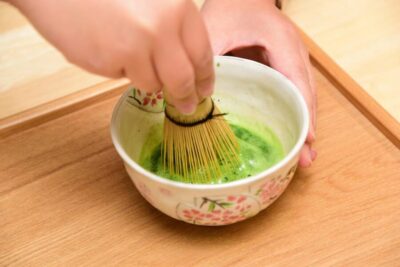
- Whisking your own matcha: the part that surprises most people
- Small group value: seeing everything and actually talking
- Price and timing: is $45 worth 1 hour?
- Who this Kyoto tea ceremony suits best (and who should think twice)
- Quick checklist so you don’t get tripped up
- Should you book this Kyoto tea ceremony?
Key highlights you’ll actually care about
- A long-experience Japanese tea teacher guiding everything in a calm, practical way
- Casual, question-friendly explanations in English, Dutch, and Spanish on request
- A 100-year-old tea room with garden views and seasonal details that make the lesson feel real
- Two matcha bowls included: one teacher-made, then your own whisked bowl
- Seasonal sweets (often anko) made to order, changing throughout the year
- Small groups capped at 6, so you can see and ask instead of watching from the back
A 100-year Kyoto tea room by Shinrenji: where the experience starts
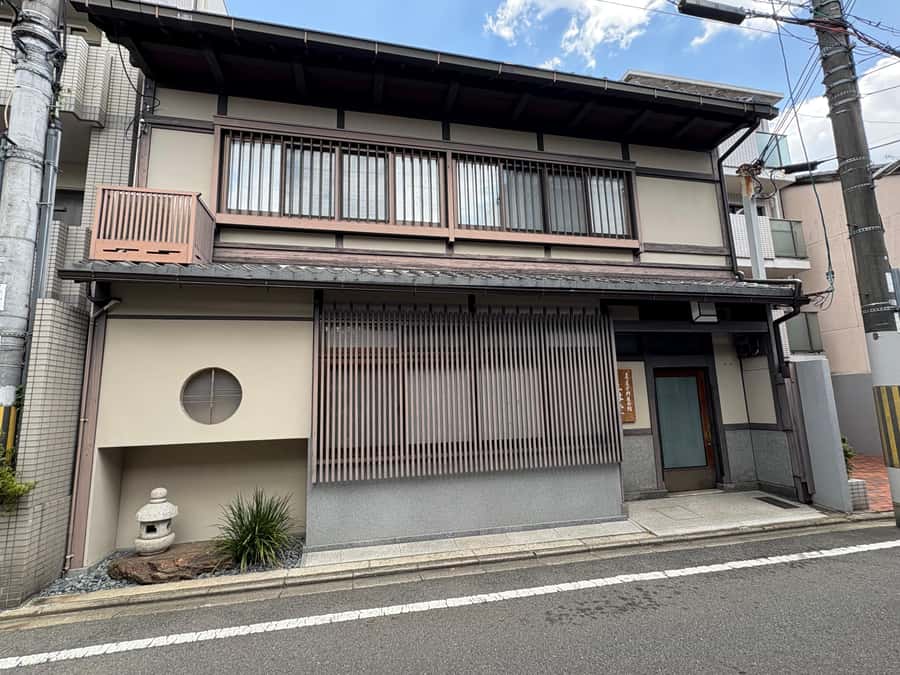
The meeting point is simple: the building is across from the temple Shinrenji. Look for the person holding a tablet with the GetYourGuide logo, and you’ll be set.
This activity also has that nice Kyoto convenience factor. The house is about a 5-minute walk from the Hankyu-Omiya and Shijo Omiya bus stop area, so you can plug it in without fighting tricky transfers.
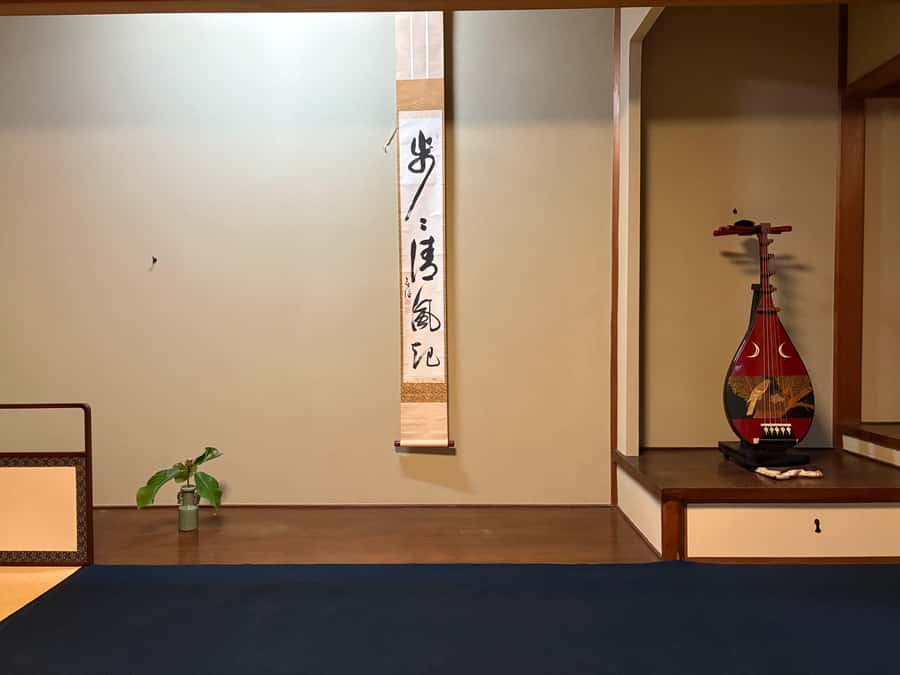
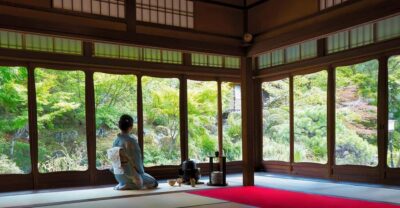
Inside, you’re not in a convention hall. The tea room is part of a traditional house that’s roughly 100 years old, with a view out to a small Japanese garden. Seasonal flowers and a hanging scroll with seasonal sayings add atmosphere without turning it into a museum stop.
And yes, pictures and videos are allowed during your visit. That matters here, because you’ll want to remember the details: the room, the tools, and the calm rhythm of the ceremony.
Sit for another bowl of matcha in a Kyoto tea house
Sadō (tea ceremony) explained before you sit down
Tea ceremony in Japan has names you’ll hear often: sadō and chanoyu. The big point is that it’s not just about drinking tea. It’s a way of practicing focus, respect, and attention to the moment.
What I like about this format is that you don’t get dropped into the performance with no context. Before the ceremony, you’ll be introduced to tea ceremony history, what people are aiming to do during a ceremony, and how to understand the tea room itself.
You’ll also learn what you’re actually watching. That’s the difference between taking photos and really understanding why the utensils are handled a certain way, why the room has particular elements, and why the order of things matters.
The instructor is Japanese with 50 years of experience, and there’s a native English speaker present for translation. Spanish is also available (upon request), which can be a big deal if you want the explanations in a language that lets you relax and absorb every detail.
The ceremony watch: seiza seating, seasonal tools, and what you’ll taste
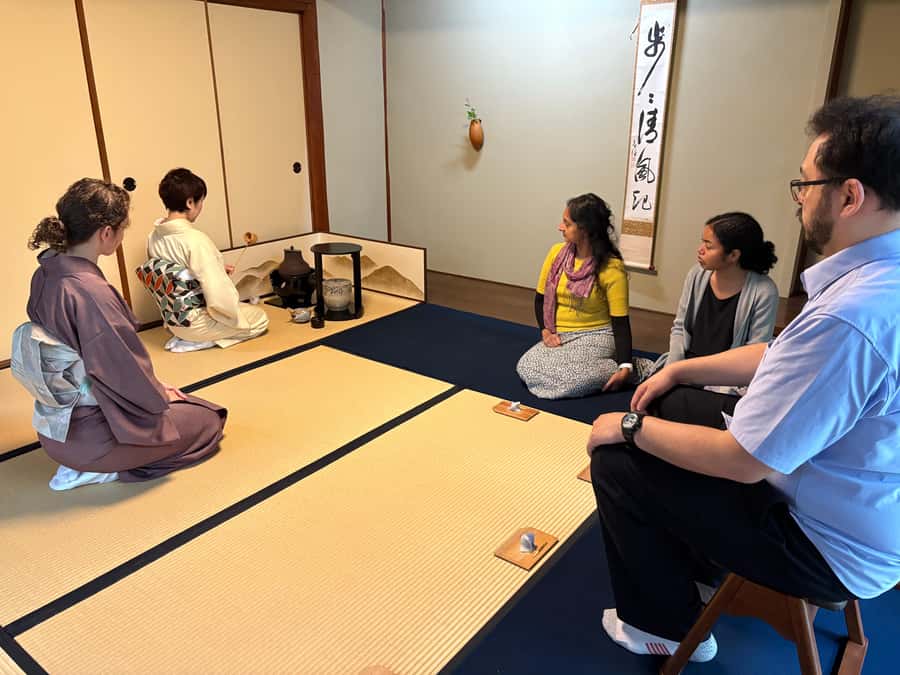
When the ceremony begins, you’ll see it as something living, not robotic. Utensils and the sweets served change depending on the season, so your experience matches what the host is celebrating right now.
You’ll also enjoy seasonal flowers and a hanging scroll in the room. Those elements aren’t decoration for decoration’s sake. In tea ceremony thinking, the setting helps you shift gears from the outside world into the ceremony mindset.
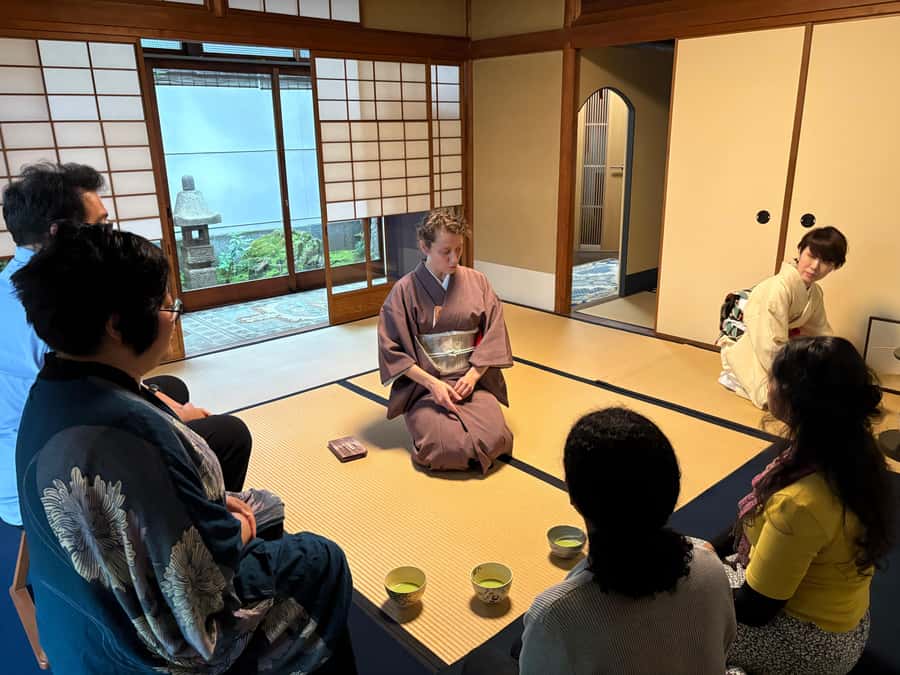
Seating is the practical reality to plan for. During tea ceremony, people usually sit in seiza, meaning kneeling on the floor with your legs tucked and your weight resting on your heels. It’s traditional, but it can get tiring if you’re doing it for a while.
The good news: chairs are available if you request them. If kneeling is a problem, speak up right away. Don’t wait until you’re already set on the floor.
Sweets come next, and they’re not random. Most sweets served contain anko, sweet red bean paste, and they’re made to order. Also important: you won’t have a buffet choice of different sweets, so your best move is to be okay with anko if you eat the sweet portion.
And one more note that keeps this experience smooth: drinks are not allowed in the ceremony room. So treat it like a focused cultural practice, not a casual coffee break.
Two matcha moments: teacher-made first, then yours
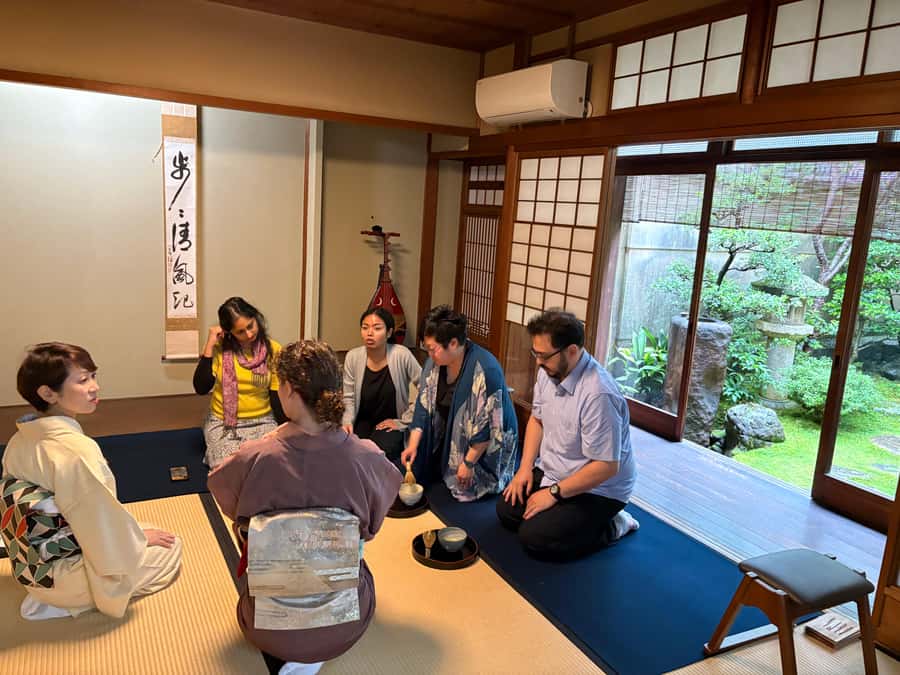
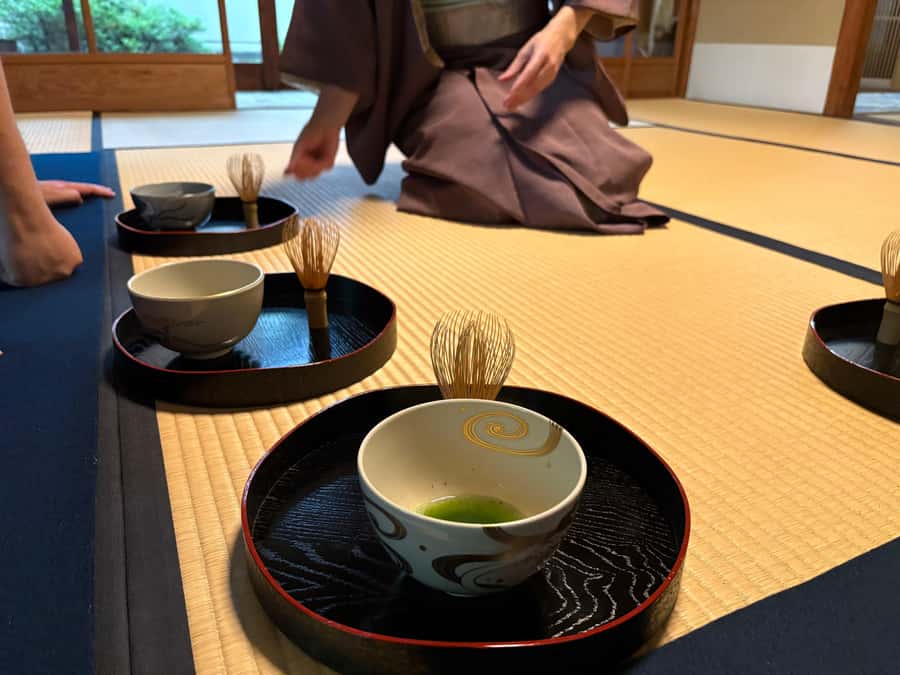
You get two bowls of matcha tea as part of the experience. First, the instructor prepares and serves you matcha. Then you whisk your own bowl at the end.
That “first bowl, then your bowl” structure is a smart way to learn. You get to taste the tea as you’re learning what makes it matcha-ready, and you can compare your final bowl to the teacher’s version. It also helps you understand what you’re aiming for when you start whisking.
Timing-wise, the full experience is listed as 1 hour. One detail to keep in mind: if the time slot doesn’t fill up to 6 people, the ceremony ends sooner because it takes less time to prepare tea for fewer participants. In other words, you won’t get a weird rushed shortcut; you’ll just finish earlier.
Whisking your own matcha: the part that surprises most people
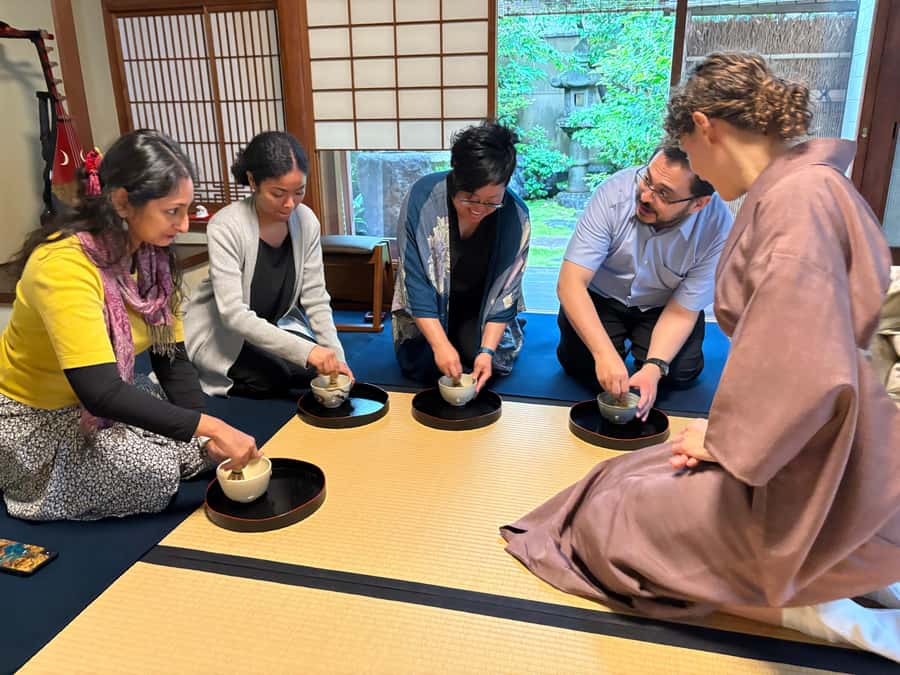
This is where the hands-on part turns real. Whisking matcha sounds easy until you do it—your arm and wrists learn quickly that tea tools demand patience.
You’ll whisk your own bowl after you’ve watched the ceremony and tasted matcha with the sweets. And since this is a small group, you can actually see what’s happening and get help if something feels awkward.
I also like that the atmosphere encourages questions. Tea ceremony can feel intimidating from the outside. Here, it’s more like learning a slow skill with feedback. If you’re the type who wonders why something is done a certain way, you’ll have room to ask.
One practical point: matcha has a high amount of caffeine. If you cannot have caffeine for medical reasons, the matcha tea cannot be consumed in this experience. Plan around that before you book, especially if you’re sensitive to caffeine.

Small group value: seeing everything and actually talking
A max group size of 6 is a major quality upgrade. With a bigger group, you often end up standing at the edge of things, catching only fragments. Here, the host keeps it personal, so you can see the tools, the gestures, and the process without constantly shifting positions.
The teaching style is casual enough that you’re not stuck in a lecture. You’re encouraged to ask questions, and there’s translation support throughout.
Spanish availability is a plus if you want a fully native-feeling explanation. In at least one Spanish-language experience, Jose, his wife, and the tea master handled the session in native Spanish, with clear, detailed teaching. If your Spanish comfort level is high, that’s an easy way to get more out of the lesson.
Family flexibility also shows up in real ways. One group came with a baby, and the staff was kind and friendly. That doesn’t mean the room is “baby-proof,” but it does suggest the hosts are used to keeping things calm when life is happening.
Price and timing: is $45 worth 1 hour?
At $45 per person for a 1-hour experience, the value comes down to what you get included—and here you actually get the core of tea ceremony, not just a viewing.
Included items:
- The tea ceremony itself
- Two bowls of matcha (teacher-made, then yours)
- Japanese sweets: one seasonal and one small sweet
For many tea experiences, you pay for watching and tasting, but the hands-on part is limited or symbolic. Here, you do make your own bowl, and that turns the session into a skill you leave with, not just a memory.
Also, the small group and translation matter. You’re not paying for tea; you’re paying for guided understanding and the chance to participate. That’s what makes the hour feel efficient rather than rushed.
Who this Kyoto tea ceremony suits best (and who should think twice)
This is a great fit if you want a real cultural activity without needing to dress up or commit to a full half-day tour.
You’ll probably love it if:
- You like hands-on experiences where you participate, not just observe
- You want context for what’s happening during the ceremony
- You prefer a small group where you can ask questions
- You want matcha and sweets that reflect the season
You should think twice if:
- You need a caffeine-free tea option. Matcha is high-caffeine, and it can’t be consumed if caffeine is medically off-limits.
- Kneeling in seiza will be difficult. Chairs are available if you request them, but it’s still a room where floor seating is part of the tradition.
- You’re using a wheelchair. This experience is not suitable for wheelchair users.
Quick checklist so you don’t get tripped up
Here are the practical rules that matter on the day:
- Bring socks. Bare feet aren’t allowed in the ceremony room.
- No drinks during the ceremony.
- If your knees are sensitive, request a chair as early as you can.
- Expect anko (sweet red bean paste) in many of the sweets. The sweets are made to order, and there usually aren’t alternate options.
And for the location: go to the building across from Shinrenji, and find the staff member holding the GetYourGuide tablet.
Should you book this Kyoto tea ceremony?
Yes, if you want a small, guided sadō experience in a traditional 100-year house, with translation support and a genuine chance to whisk your own matcha. The price feels fair because you get both the lesson and the participation—plus seasonal sweets that change with the calendar.
Book with confidence if you’re comfortable requesting a chair if needed and you can have caffeine safely. If caffeine is a hard no, or if kneeling is likely to be painful even with a chair, you might skip this and look for another cultural tea option in Kyoto that better fits your needs.
More Tour Reviews in Kyoto
One More Bowl of Matcha
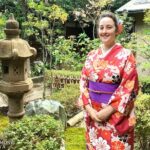

Just added: more Kyoto tours to browse



Kyoto Tea Ceremonies, compared.
 ★ 4.9Tea Ceremony in a Traditional Tea House in KiyomizuFrom $493,519 reviews
 ★ 4.9Tea Ceremony Ju-An at Jotokuji TempleFrom $293,207 reviews
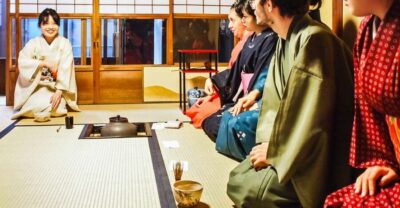 ★ 4.345-Minute Tea Ceremony Lesson ExperienceFrom $222,378 reviews
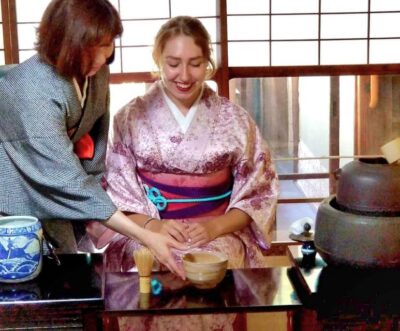 ★ 4.9Table-Style Tea Ceremony at a Kyo-MachiyaFrom $451,211 reviews
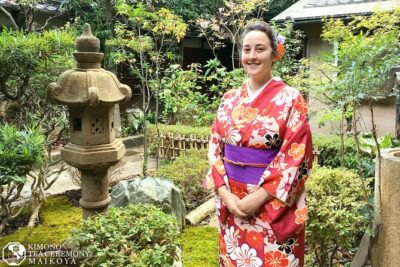 ★ 5.0Kimono Tea Ceremony at Kyoto Maikoya, NISHIKIFrom $65911 reviews
 ★ 5.0Arashiyama Bamboo Forest, Monkeys, Matcha & Temple TourFrom $53759 reviews
 ★ 4.9Tea Museum Tickets and Matcha Grinding ExperienceFrom $23739 reviews
 ★ 4.9Kimono Tea Ceremony at Orizuruya GionFrom $49618 reviews
Browse the lists this tour appears in