
Reviewed · KYOTO TEA CEREMONIES
Kyoto: Tea Ceremony Experience
Matcha, explained in Kyoto, in 45 minutes. I like how this Kyoto tea ceremony in Higashiyama pairs matcha and seasonal sweets with a clear, step-by-step lesson. You’ll also learn how the host sets up the utensils and room layout, then you get to make your own frothy bowl. One thing to consider: the tearoom is upstairs and sitting on the floor can be uncomfortable, though chairs and tables are available.
You meet down a narrow alley near Ninenzaka, close to the Park Hyatt and the Studio Ghibli store, which makes the whole experience feel part of real Kyoto streets (not a showroom). The session runs about 45 minutes with English instruction, private or small groups, and time to ask questions about tea ceremony schools while you relax.
In This Review
- Key things you’ll notice right away
- Why this Kyoto tea ceremony feels worth your time
- Finding Flower Teahouse near Park Hyatt and Ninenzaka
- Upstairs in a machiya tearoom: where the “how” happens
- The ceremony start: utensils, room setup, and tea schools
- Seasonal sweets and conversation that don’t feel rushed
- Making your own frothy matcha bowl (with real help)
- What you learn beyond matcha: symbolism and attention
- Price and value: is $32 fair for 45 minutes?
- Comfort, rules, and what to bring (so nothing surprises you)
- Who this Kyoto tea ceremony suits best
- Camellia Tea Ceremony practical tips for a smoother experience
- Should you book this Kyoto tea ceremony?
- FAQ
- How long is the Kyoto tea ceremony experience?
- What does the $32 per person price include?
- Is kimono rental included?
- Is the tea ceremony taught in English?
- Where do I meet for the Kyoto tea ceremony?
- Can I record video during the workshop?
- Can I take photos?
- What if I can’t sit on the floor?
- Is the tearoom upstairs, and is wheelchair access available?
- Can I cancel and get a refund?
Key things you’ll notice right away
- Frothy matcha, made by you: you’ll whisk and pour with help, not just watch.
- Seasonal sweets with your tea: you’ll taste what fits the moment in Kyoto.
- Utensils and tearoom layout: the host explains why every tool and placement matters.
- A calm break in Higashiyama: the pacing is slow enough to actually hear what you’re learning.
- Real photo rules: still photos are fine (non-flash), but video recording isn’t allowed.
Why this Kyoto tea ceremony feels worth your time
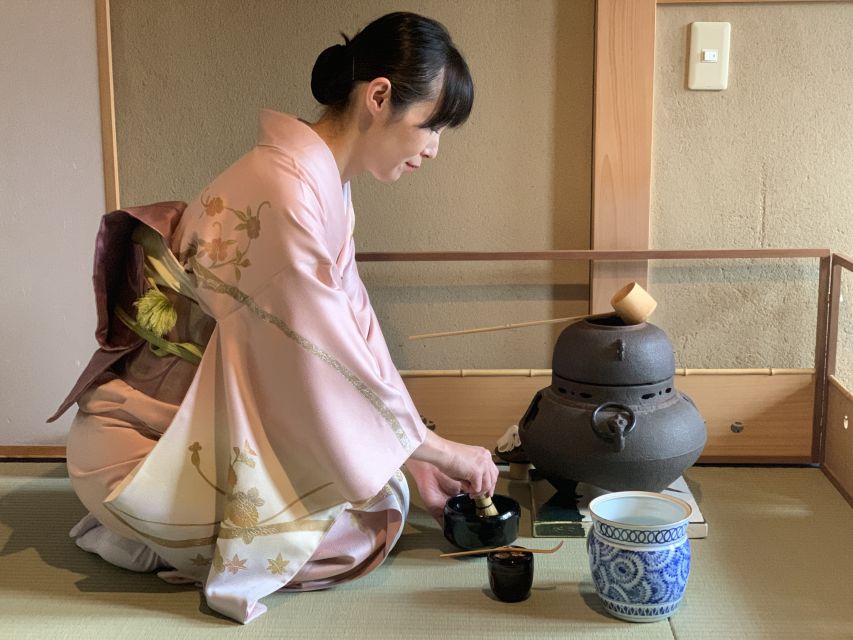
A Kyoto tea ceremony is one of those activities people describe in poetry-heavy ways. This one stays practical. In under an hour, you learn what the tea tools do, why the room is arranged the way it is, and how to make a proper cup of matcha. The payoff is immediate: you taste what you made.
I especially liked the balance between explanation and hands-on practice. You start with a guided introduction to the ceremony flow, then you watch first, then you do. That structure makes it easier to remember the steps when you’re back in your hotel trying to re-create the foam.
If you’re short on time in Kyoto, this duration also helps. Forty-five minutes is long enough to feel like a true lesson, but short enough that you can still do Kiyomizu-dera or walk through Gion afterward without feeling rushed.
Sit for another bowl of matcha in a Kyoto tea house


Finding Flower Teahouse near Park Hyatt and Ninenzaka
Location matters for this kind of experience. You’ll be in Kyoto’s Higashiyama area, meeting down an alley that branches from the main thoroughfare of Ninenzaka. The simplest landmark route is: go to the Park Hyatt hotel, then look across the street for the Studio Ghibli store. The alleyway is just to the left of that store.
This area is popular, so plan to arrive a few minutes early and slow down as you look for the alley entrance. The walk from major sights like Kiyomizu-dera and Kodai-ji is doable, and buses run along Higashi Oji about 10 minutes from the teahouse if you’re skipping the longer stroll. If you feel like a scenic walk, you can also reach the city centre in about 25 minutes through Gion.
Upstairs in a machiya tearoom: where the “how” happens
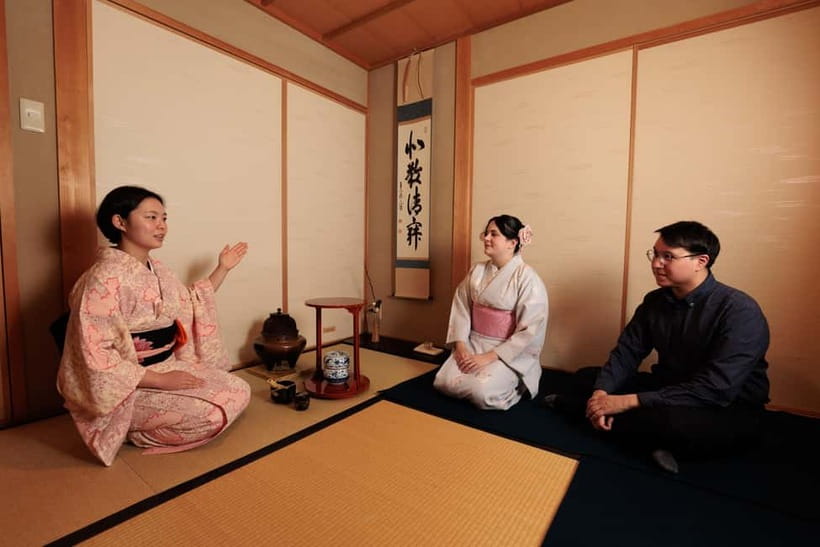
This ceremony takes place in a traditional machiya setting in Higashiyama. When you settle in, you’ll notice the focus on the room itself: decoration, arrangement, and the way guests are positioned to make the ritual easier and more respectful.
One key detail: the tearooms are upstairs. If you’re traveling with mobility concerns, chairs and tables are available for guests who find it difficult to sit on the floor. There’s also a wheelchair-accessible option: the Garden Teahouse.
What I found useful is that the host doesn’t force stiff etiquette on you. People describe the session as peaceful, and the staff encourages you to get comfortable. Still, this is a classic tea environment, so if you know floor sitting is hard for you, show up with that in mind.
The ceremony start: utensils, room setup, and tea schools
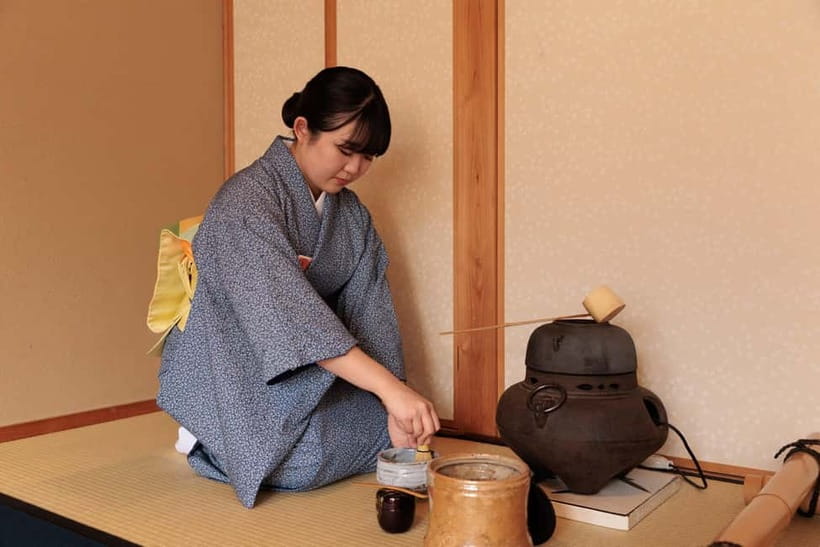
Before you lift a cup, the host gives a briefing on what you’re about to see. You’ll learn about the utensils and the steps of the ceremony, plus the importance of the room decoration and layout. It’s not just trivia. Understanding the tools helps your brain connect the movements you’re watching to what they’re supposed to do.
You’ll also get a short introduction to matcha itself and the ceremony world. Many hosts will talk about the three schools of tea ceremony and invite questions, which is a good way to turn a simple demonstration into something personal to your interests. If you ask about what’s different between schools or how matcha fits into Kyoto life, you’ll likely get clear answers in English.
In terms of pacing, the actual tea action is usually quick once it begins—think around 10 minutes—while the total session includes explanation and your practice time.
Seasonal sweets and conversation that don’t feel rushed
Right after the ceremony introduction, you’ll nibble on a seasonal sweet with your tea. This matters more than it sounds. Sweetness is part of how the experience balances flavors, and Kyoto is known for choosing seasonal ingredients that match the time of year.
You’ll also have time to chat with your host. It’s a rare activity where you can ask questions without feeling like you’re interrupting. If you’re curious about Japanese culture beyond tea—every host I’ve seen at events like this will usually connect the dots to daily life, etiquette, and the meaning behind the movements.
This portion also works as a mental reset. Kyoto can be intense with crowds and temple lines, and tea gives you a quieter rhythm.




Making your own frothy matcha bowl (with real help)
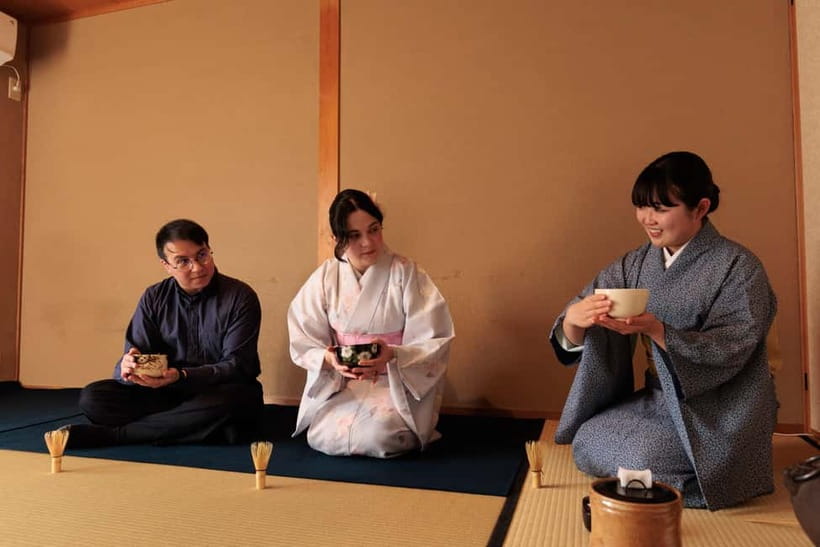
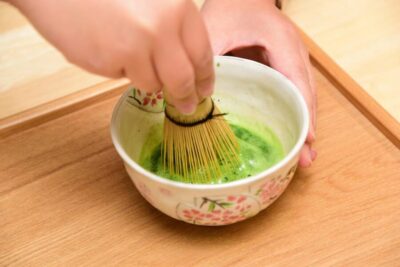
This is the moment most people remember. You’ll try frothing your own bowl of matcha with guidance from your host. The goal isn’t perfection for show. It’s learning the mechanics: how to whisk, how to get the foam to the right texture, and how to handle the serving moment.
A few details make this feel more achievable:
- You get coaching while you do it, not only after.
- The host watches your technique and helps adjust so you can taste the difference.
- You get to drink what you make, so it’s not just practice for practice’s sake.
In past sessions, hosts like Ikuko have been specifically praised for explaining the process clearly and helping guests whisk the tea into a good foam. If you’re a first-timer, that kind of step-by-step attention is exactly what makes the lesson click.
And yes, matcha is often described as bitter. That bitterness is part of the flavor profile, and tasting it right after your own whisking adds a fun sense of accomplishment.
What you learn beyond matcha: symbolism and attention
The ceremony can feel slow on purpose. That’s not a flaw; it’s the point. You’re learning how the ritual trains attention—how guests are meant to act, how movements are precise, and how the setup supports calm interaction.
Most sessions will cover the meanings behind utensils, how the ceremony flow works, and why the space is arranged the way it is. If you enjoy learning the “why” behind everyday Japanese habits, this is a great fit.
You’ll also come away with something practical: you understand the basic bowl-making steps and how matcha should look when it’s frothed properly. That means you can buy matcha afterward and actually use it, instead of treating it like a souvenir powder.
Price and value: is $32 fair for 45 minutes?
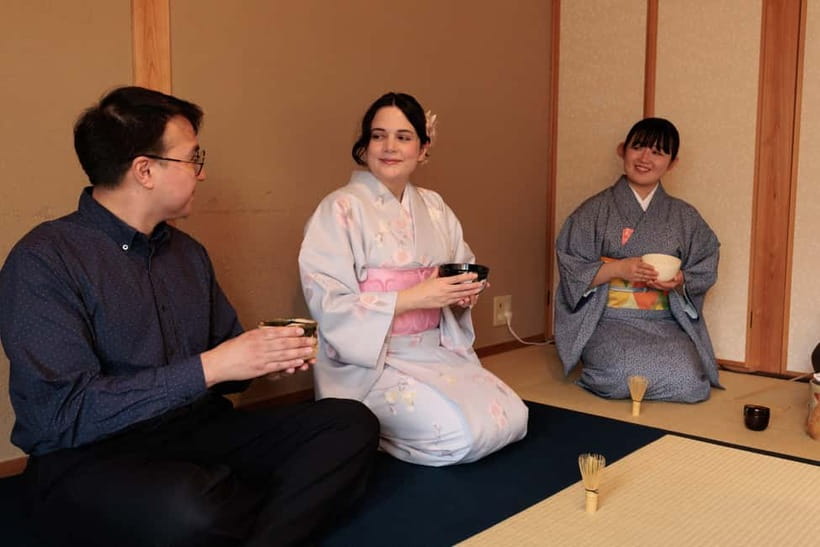
At $32 per person for about 45 minutes, the value depends on what you want from Kyoto. If your goal is a simple cultural photo stop, this might feel too structured. If your goal is learning one real skill in a real traditional space, it’s solid.
Here’s what you get that supports the price:
- Matcha included
- Traditional seasonal sweets included
- Tea-making utensils included
- A personal instructor/host
What you don’t get:
- Hotel pickup and drop-off
- Meals
- Kimono rentals
To me, the best value part is that your hands get involved. You’re not just watching someone perform. You’re learning enough to take the ritual seriously when you try matcha again at home.
If you’re already planning to be in Higashiyama for Kiyomizu-dera and Gion, this also fits neatly into your day without adding a complicated travel loop.
Comfort, rules, and what to bring (so nothing surprises you)
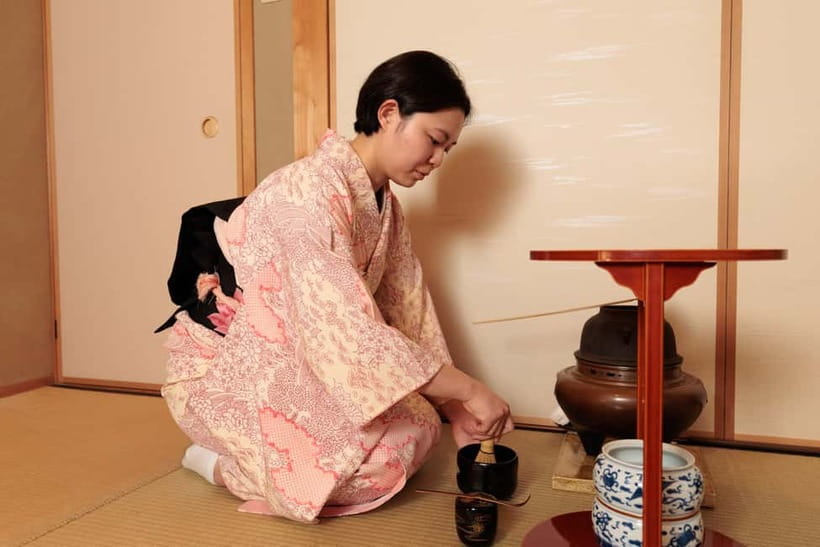
This type of workshop runs on simple rules.
First, photo rules: non-flash still photography is permitted during the workshop, but video recording isn’t allowed. If you want pictures, come prepared with your camera/phone settings ready—don’t plan on filming clips.
Second, seating: chairs and tables are available if you need them. The tearooms are upstairs, and for mobility needs there’s the Garden Teahouse option that’s wheelchair accessible.
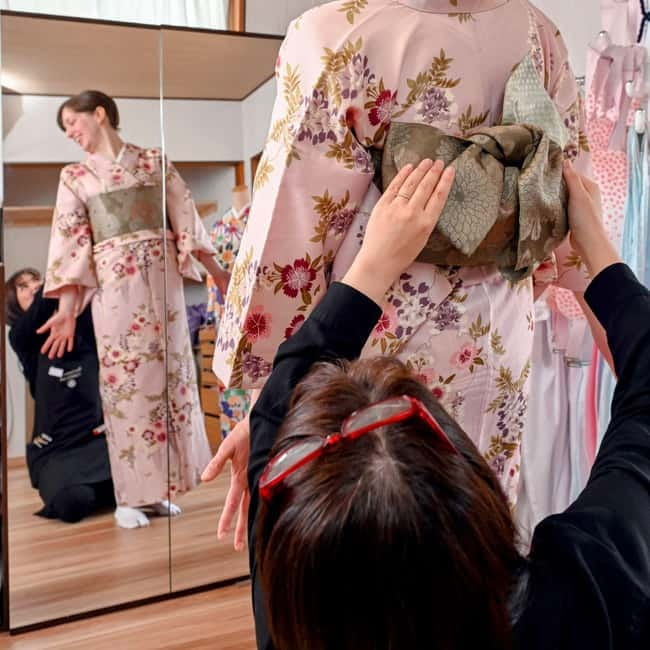
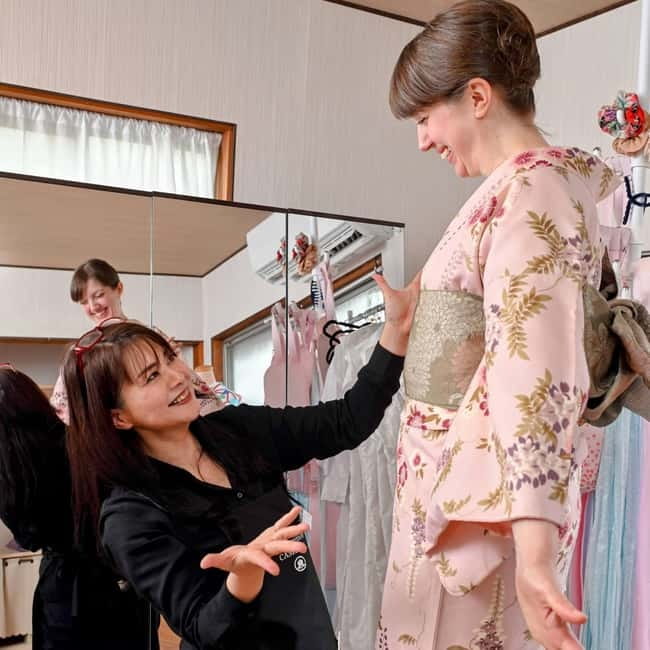
Third, clothing: the event doesn’t mention a dress code, but you’ll be seated and focused, so wear something you can move in comfortably. If you’re planning to rent a kimono, keep in mind kimono rentals aren’t included in the ceremony price. Still, there’s a kimono rental nearby in the same area for those who want to dress the part.
Finally, interpreter help: if you’re traveling with an interpreter, the experience notes that you should book a private tea ceremony so you don’t disrupt other guests.
Who this Kyoto tea ceremony suits best
This Kyoto tea ceremony works especially well if you want one authentic cultural activity that isn’t exhausting.
You’ll likely enjoy it if:
- you’re curious about matcha as a craft, not just a drink
- you like explanations that connect to real daily life and etiquette
- you want a calm break from temple hopping
- you’re okay with a bit of traditional seating (or plan to use the chairs/tables)
It’s also a good choice for couples and small groups because the host can answer questions and keep the pacing comfortable. People often like the private or small group format because it feels less scripted and more personal.
Camellia Tea Ceremony practical tips for a smoother experience
A few small moves make a big difference here.
- Plan to arrive near Ninenzaka and use the Park Hyatt + Studio Ghibli store as your anchor. The alley approach is easier that way.
- If you’re sensitive to floor sitting, request chairs/tables when you arrive or choose the Garden Teahouse if needed.
- If you’re the type who likes to understand what you’re doing, ask about the tea ceremony schools during the chat time. The host is set up for questions.
- If you care about photos, remember: still photos yes, video no.
One extra perk: there’s often a chance to buy mementos afterward, including matcha making sets.
Should you book this Kyoto tea ceremony?
Book it if you want a short, high-quality matcha lesson with real hands-on practice in a traditional Kyoto setting. The $32 price makes sense because matcha, sweets, utensils, and a host-led instructor time are included, and you leave knowing how to make your own frothy bowl.
Skip it only if you’re looking for a passive show. This experience asks you to participate—whisking, tasting, and learning the meaning behind the steps.
If you’re spending time around Kiyomizu-dera, Kodai-ji, Yasaka-jinja, and Gion, this is one of the best ways to slow down and actually experience Higashiyama with intention.
FAQ
How long is the Kyoto tea ceremony experience?
The experience lasts about 45 minutes.
What does the $32 per person price include?
It includes matcha, traditional seasonal sweets, tea-making utensils, and a personal instructor/host.
Is kimono rental included?
No. Kimono rentals are not included.
Is the tea ceremony taught in English?
Yes, the instructor is English.
Where do I meet for the Kyoto tea ceremony?
You’ll meet down an alley branching from the main thoroughfare of Ninenzaka in Higashiyama. The simplest route is near the Park Hyatt hotel, opposite the Studio Ghibli store; the alley is just to the left of the store.
Can I record video during the workshop?
No. Video recording isn’t allowed.
Can I take photos?
Yes. Non-flash, still photography is permitted.
What if I can’t sit on the floor?
Chairs and tables are available for guests who find it difficult to sit on the floor.
Is the tearoom upstairs, and is wheelchair access available?
The tearooms are located upstairs. The Garden Teahouse is wheelchair accessible.
Can I cancel and get a refund?
Yes. You can cancel up to 24 hours in advance for a full refund.
More Tour Reviews in Kyoto
One More Bowl of Matcha

Just added: more Kyoto tours to browse








Kyoto Tea Ceremonies, compared.
 ★ 4.9Tea Ceremony in a Traditional Tea House in KiyomizuFrom $493,519 reviews
 ★ 4.9Tea Ceremony Ju-An at Jotokuji TempleFrom $293,207 reviews
 ★ 4.345-Minute Tea Ceremony Lesson ExperienceFrom $222,378 reviews
 ★ 4.9Table-Style Tea Ceremony at a Kyo-MachiyaFrom $451,211 reviews
 ★ 5.0Kimono Tea Ceremony at Kyoto Maikoya, NISHIKIFrom $65911 reviews
 ★ 5.0Arashiyama Bamboo Forest, Monkeys, Matcha & Temple TourFrom $53759 reviews
 ★ 4.9Tea Museum Tickets and Matcha Grinding ExperienceFrom $23739 reviews
 ★ 4.9Kimono Tea Ceremony at Orizuruya GionFrom $49618 reviews
Browse the lists this tour appears in