
Reviewed · KYOTO TEA CEREMONIES
Kyoto: Tea Ceremony Experience in a Small Tea Room
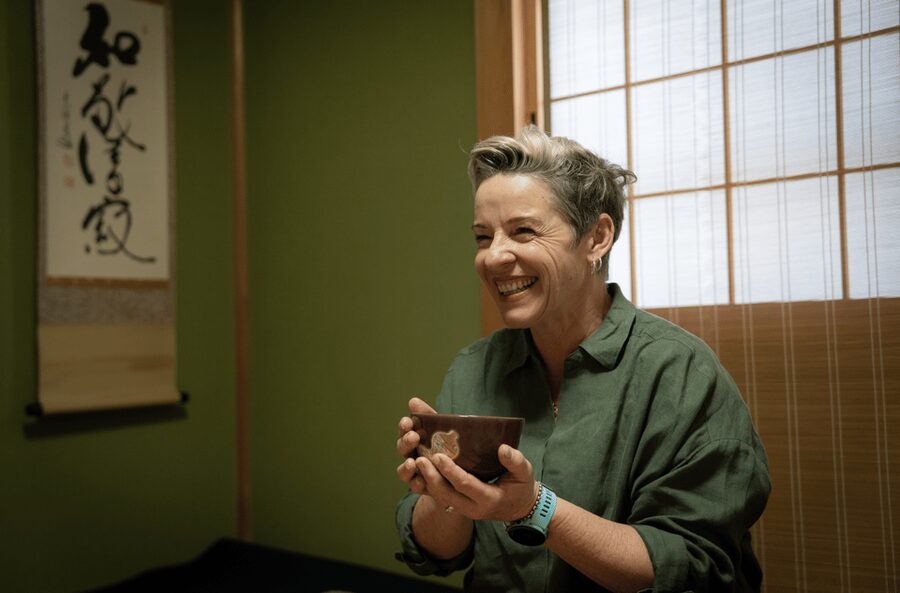
Kyoto slows you down, one cup at a time. In a small tea room near the Kamogawa Delta, I like that the whole session is taught by a tea master with 30 years of experience, and you get hands-on matcha practice instead of only watching. The instructor’s English guidance keeps the steps clear, even if this is your first tea ceremony.
The main drawback is simple: it’s only one hour, so if you want ultra-deep, question-heavy training, you may finish with a few mysteries still simmering.
Key things to know before you go
- 30 years of tea practice guiding the ceremony, with patient, plain explanations in English
- Small group (max 6), which makes it easier to ask questions and follow along
- You can make your own matcha if you want, with guided whisking steps
- Calm location by Kamogawa Delta, plus an easy walk to Demachiyanagi Station
- Traditional dried sweets included, to balance the bitter-sweet tea
In This Review
- Kyoto’s small tea room and why the Kamogawa Delta matters
- Finding the Tisato house: the simple meeting point you should not miss
- How the tea master keeps the ceremony beginner-friendly
- The matcha lesson you can actually do: whisking, timing, and mindset
- Traditional dried sweets: the small pairing that changes everything
- A realistic one-hour schedule that fits Kyoto without stress
- Price and value: is $38 a fair deal for Kyoto tea culture?
- Who should book this Kyoto tea ceremony (and who might skip it)
- After the ceremony: turn your tea calm into a better itinerary
- Should you book this Kyoto tea ceremony experience?
- FAQ
- How long is the Kyoto tea ceremony experience?
- What does the tea ceremony include?
- Is the class taught in English?
- Is this a small group?
- Can I make my own matcha during the ceremony?
- Where is the meeting point?
- Is there free cancellation or pay-later options?
Kyoto’s small tea room and why the Kamogawa Delta matters
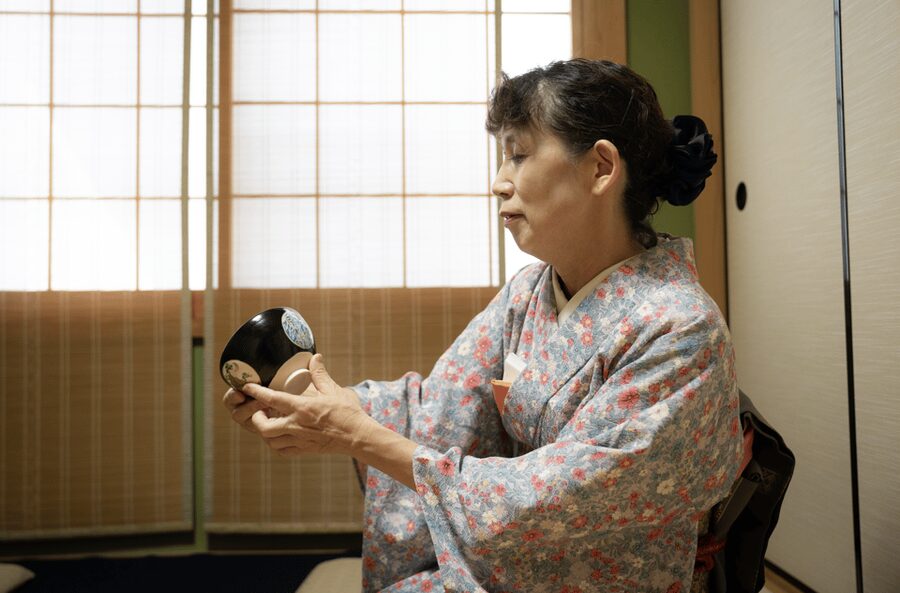
If you picture Kyoto tea ceremonies as stiff and untouchable, this one is designed to feel different. The whole point is to make the experience welcoming, whether you know Japanese tea basics or you’re starting from zero. The session is led by a teacher with 30 years of expertise, so you’re not just getting a performance. You’re getting context and instruction that actually helps you understand what you’re doing.
The location is part of the magic. You’re not hidden miles away. You’re in the Kyoto rhythm near the Kamogawa Delta, a riverside area where the mood is quieter and more everyday than the busiest temple streets. That matters, because tea works best when you’re not rushing. Even a short walk to and from the ceremony can help you shift gears from sightseeing mode to calm mode.
Finding the Tisato house: the simple meeting point you should not miss
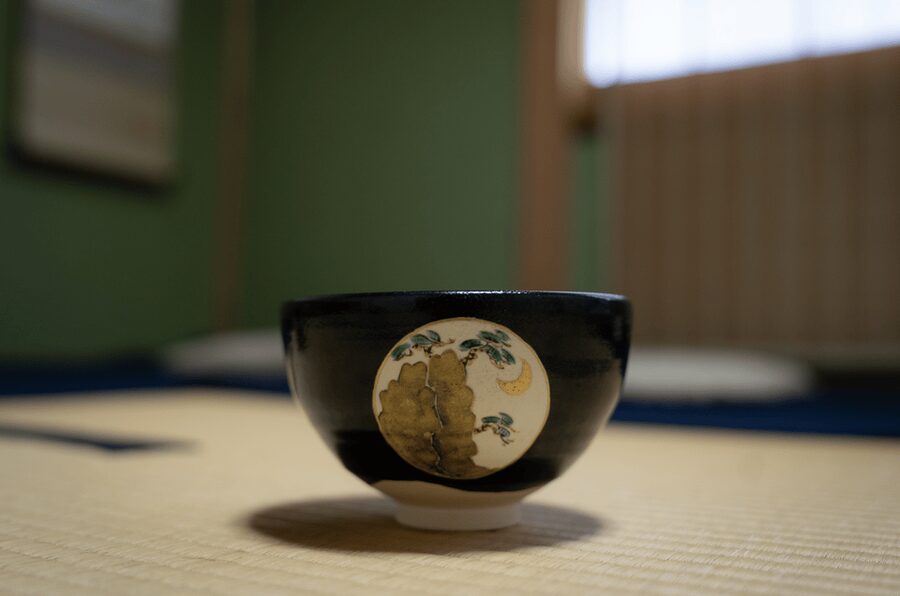
This experience is based at a Japanese house. When you arrive, look for the house and a sign that says Tisato so you can enter. That’s refreshingly straightforward, because Kyoto can be confusing if you’re trying to match a pin on a map to a street view with similar-looking doorways.
Plan your timing around the walking distances:
- It’s about a 15-minute walk from Kamogawa Delta.
- It’s also about a 15-minute walk from Demachiyanagi Station.
That second detail is especially useful. Demachiyanagi Station is a strong starting point for exploring places like Kibune Shrine and Rurikou Temple. So you can treat the tea ceremony like a reset stop in the middle of your day—before you head out for shrine and temple time.
Practical tip: because it’s a walk to/from both points, wear shoes you’re comfortable in for uneven sidewalks and normal Kyoto foot traffic.
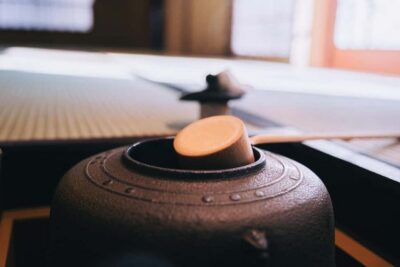
Sit for another bowl of matcha in a Kyoto tea house


How the tea master keeps the ceremony beginner-friendly
The experience is built for accessibility. The instructor’s goal is to lower the barriers that make some visitors feel like they need special background first. You’ll get guided instruction that explains the why, not just the what, so you’re not memorizing motions without understanding them.
The class is also English-instructed, which is a big deal here. Japanese tea terms can sound like a different language entirely. In an English-led session, the technical steps connect to real meaning: mindfulness, harmony, and the care behind each movement.
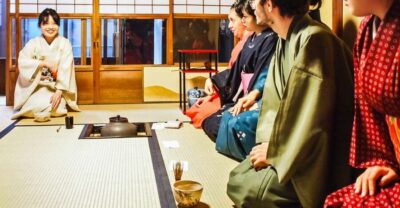
In the hands-on portion, this teaching style shows up fast: if you’re unsure about the steps, you’re not left behind. One English-speaking host you may meet is Ms Yamazaki, praised for being kind and knowledgeable, with a lot of patience.
The matcha lesson you can actually do: whisking, timing, and mindset
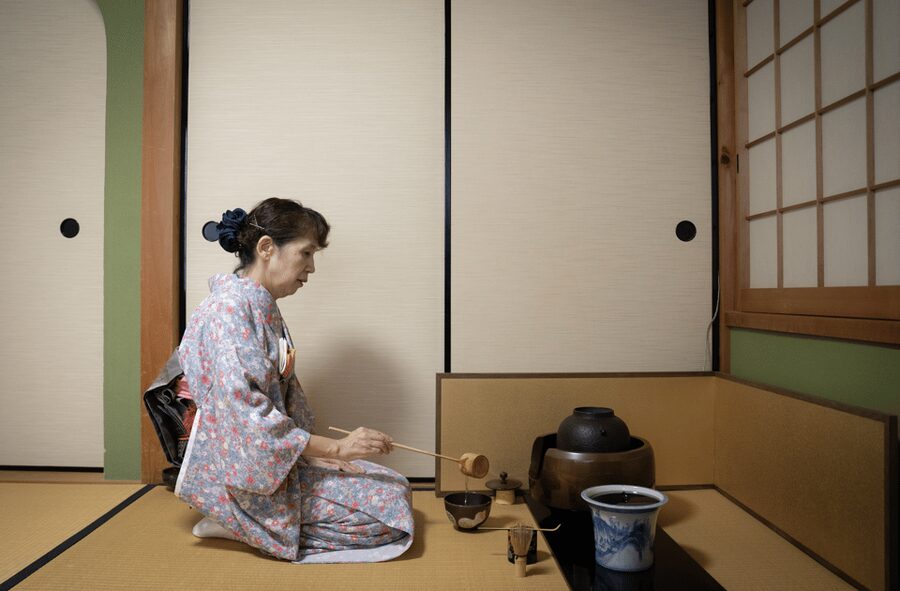
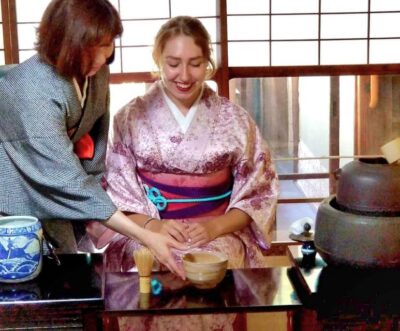
The best part of this ceremony is that it’s not all passive. You can make your own tea if you wish. That’s how you leave with something more than photos and polite nods.
Here’s what you’re learning, in practical terms:
- how matcha is prepared
- the intricate steps involved in making tea
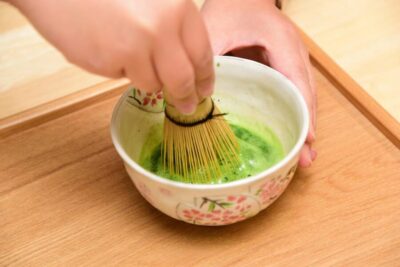
- the precise whisking movements that support the ceremony’s mindfulness and harmony
Even if you only participate briefly, those actions turn the experience from cultural theater into personal practice. You feel the rhythm of whisking and you understand why tea ceremony movements are slow and intentional. That’s the hidden value: it trains your attention. It also makes the tea taste more personal, because you played a role in it.
And since matcha tea is included, you’re not scrambling for ingredients or a separate add-on. You show up, learn the process, and taste the result as part of the flow.
Traditional dried sweets: the small pairing that changes everything
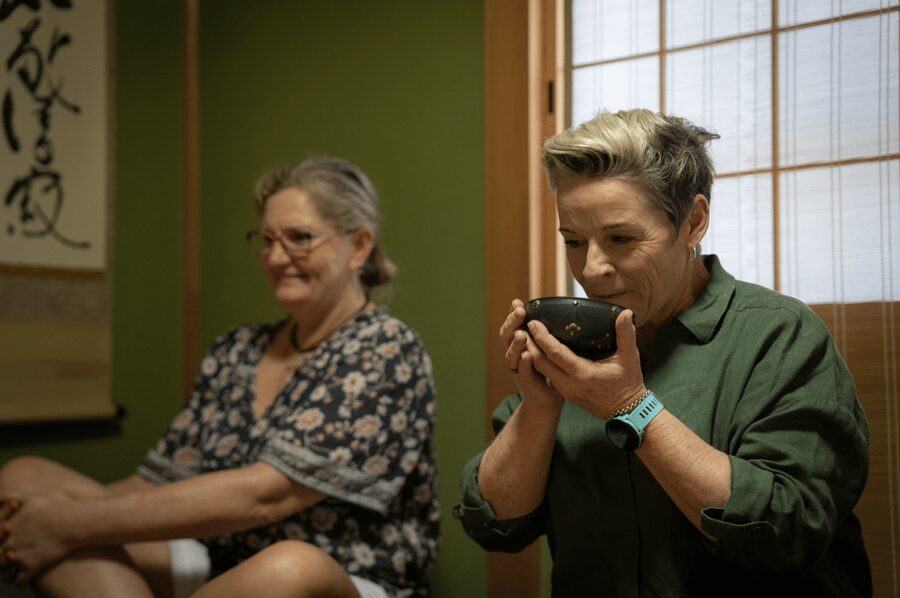
Tea ceremonies almost always involve more than tea. Here, you’ll have traditional dried sweets included with the session. This isn’t just a snack break. It’s part of balancing the taste experience.
Matcha can feel bold—earthy, slightly bitter, and strong. The dried sweets offer a contrasting sweetness that makes the tea easier to enjoy without overpowering it. If you’re sensitive to bitterness, this pairing can be the difference between liking matcha and loving it.
Also, having the sweets provided means the session stays cohesive. You don’t spend your attention window deciding what to eat nearby. You focus on the tea and the instructions.
A realistic one-hour schedule that fits Kyoto without stress
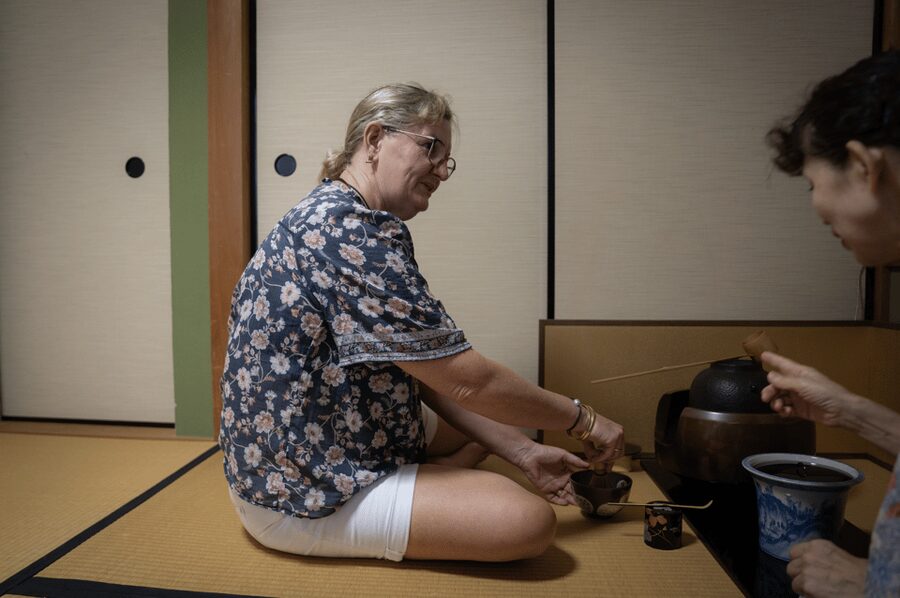
This is a one-hour experience, offered in a small group limited to 6 participants. That structure matters more than it sounds.
In a larger group, you’d often lose time waiting, watching, and hoping your question gets answered. Here, smaller group size makes it more likely you can actually follow the teacher’s guidance step by step. It also makes the pace gentler, which is important for something like matcha preparation where timing and technique matter.
The one-hour length also makes it easy to slot into a day. Kyoto can turn into a chain of long walks, temple entrances, and trains. With an hour here, you get a cultural experience that doesn’t eat your entire afternoon.
If you’re planning your day around it, treat the ceremony like a “pause.” Do it before a busier chunk of sightseeing, not after a full day of walking when you’re too tired to notice the calm parts.




Price and value: is $38 a fair deal for Kyoto tea culture?
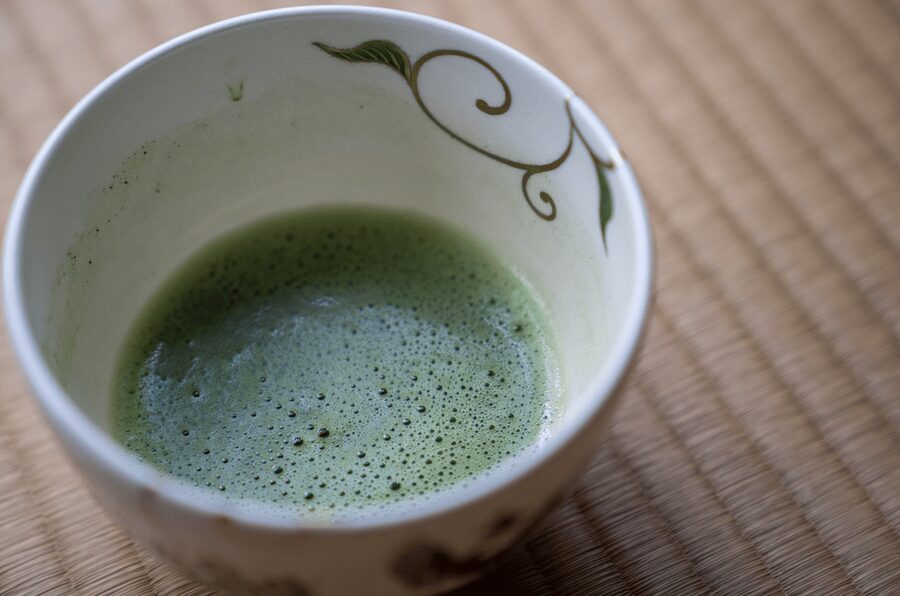
At $38 per person for a one-hour session, you’re paying for three things:
- Expert instruction from a tea master with 30 years of experience
- A small-group format (max 6), which usually costs more than big-group events
- Included elements: matcha and traditional dried sweets
So the value isn’t just the tea. It’s the teaching quality and the chance to participate. You’re not just buying access to a room; you’re buying guided practice in the steps of matcha preparation.
Is it the cheapest thing you can do in Kyoto? No. But if you want a Kyoto experience that’s culturally specific and personally memorable, this is a practical price point for what you receive—especially since it’s English-instructed and participation-focused.
Who should book this Kyoto tea ceremony (and who might skip it)
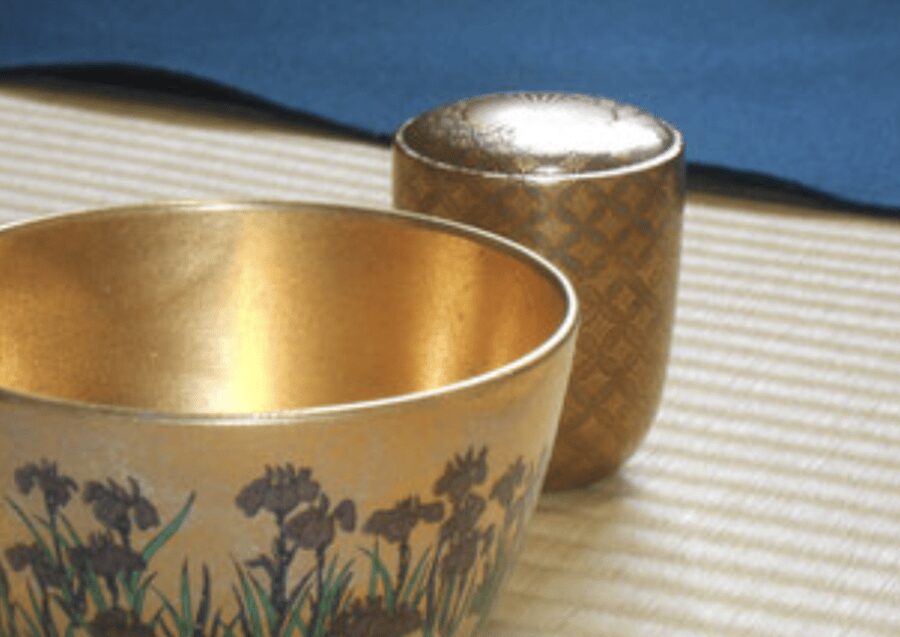
This is a great fit if you:
- want an authentic-feeling cultural activity without needing prior tea knowledge
- like calm, guided experiences instead of long museum-style lectures
- want to do something with your hands, not just observe
- prefer small groups and English support
- are already in the Kamogawa Delta / Demachiyanagi area and want a meaningful stop
You might think twice if you:
- want a very long session with lots of extended explanation and multiple rounds of tea
- only want a casual taste with zero instruction
- are searching for a big, dramatic Kyoto tour with many stops (this is one hour, in one place)
That said, the short duration is exactly why it works for many people. You get the core experience and still have time for more of Kyoto afterward.
After the ceremony: turn your tea calm into a better itinerary
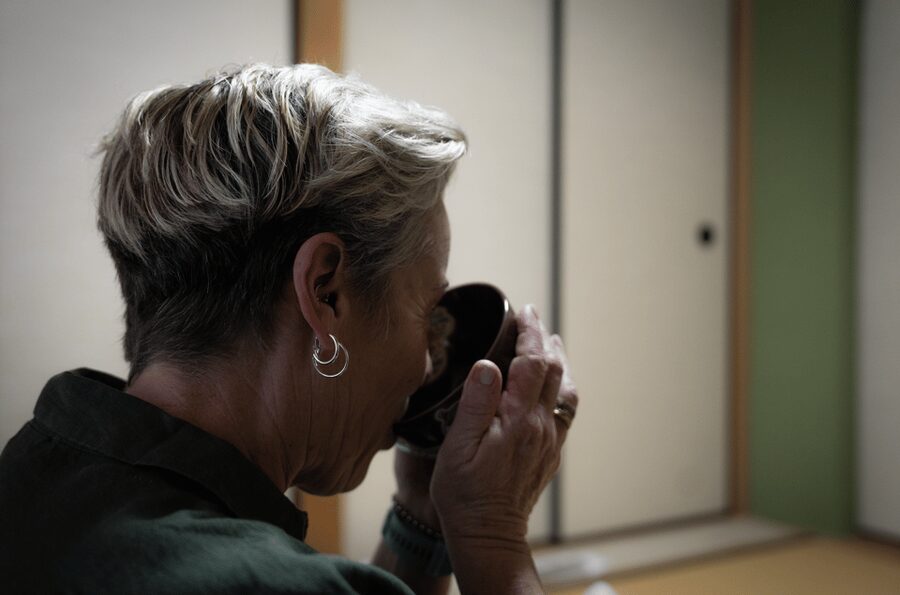
Since the meeting point is walkable from Demachiyanagi Station, you can link this with other plans. Demachiyanagi is also a starting point for exploring Kibune Shrine and Rurikou Temple. If your day includes that direction, this tea ceremony can act like a reset before you head out.
If your itinerary is more river-focused, you can also pair it with a walk around the Kamogawa Delta area. The ceremony gives you a quiet pace. Then you can carry that pace into the riverside air and keep your day feeling less rushed.
One simple strategy: schedule the ceremony right before you go somewhere that usually demands patience and time. Tea helps you practice being present, and that mood makes temple and shrine visits more enjoyable.
Should you book this Kyoto tea ceremony experience?
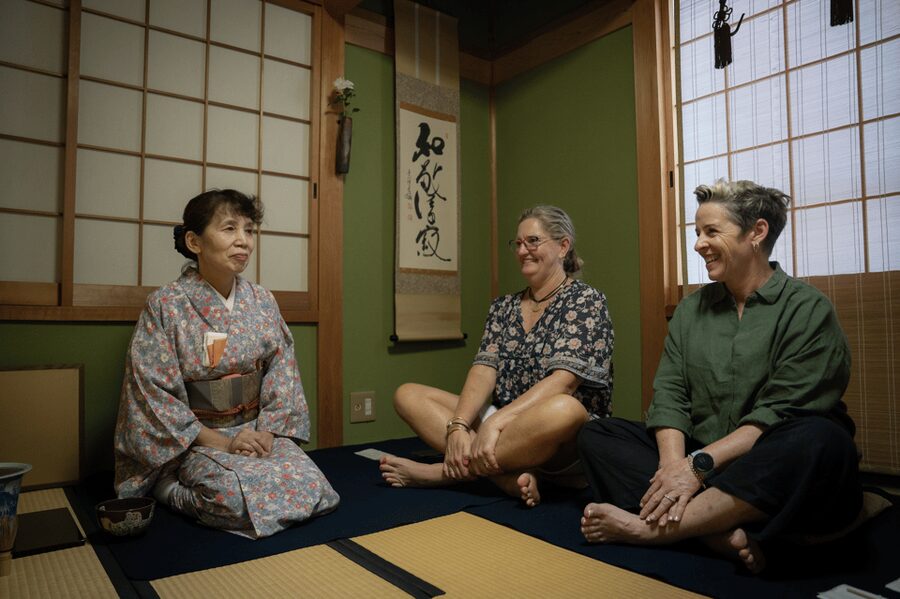
I’d book it if you want a short, calm Kyoto activity that actually teaches you something you can do—matcha whisking with guidance from a seasoned instructor. The small group size, English instruction, and included sweets make it feel structured and complete for the time.
Skip it only if you’re looking for a long, multi-hour deep training session or a big multi-stop sightseeing day. For everyone else, this is a very practical way to experience Kyoto’s tea culture up close, without intimidation and without wasting hours.
FAQ
How long is the Kyoto tea ceremony experience?
The session lasts 1 hour.
What does the tea ceremony include?
You’ll get the tea ceremony, instructions by an experienced teacher, matcha tea, and traditional dried sweets.
Is the class taught in English?
Yes. The instructor is listed as English.
Is this a small group?
Yes. The group is limited to 6 participants.
Can I make my own matcha during the ceremony?
Yes, you can make your own tea if you wish, with guidance on matcha preparation and whisking steps.
Where is the meeting point?
Meet at a Japanese house with a sign that says Tisato.
Is there free cancellation or pay-later options?
Yes. There’s free cancellation up to 24 hours in advance, and you can reserve now and pay later.
More Tour Reviews in Kyoto
One More Bowl of Matcha

Just added: more Kyoto tours to browse








Kyoto Tea Ceremonies, compared.
 ★ 4.9Tea Ceremony in a Traditional Tea House in KiyomizuFrom $493,519 reviews
 ★ 4.9Tea Ceremony Ju-An at Jotokuji TempleFrom $293,207 reviews
 ★ 4.345-Minute Tea Ceremony Lesson ExperienceFrom $222,378 reviews
 ★ 4.9Table-Style Tea Ceremony at a Kyo-MachiyaFrom $451,211 reviews
 ★ 5.0Kimono Tea Ceremony at Kyoto Maikoya, NISHIKIFrom $65911 reviews
 ★ 5.0Arashiyama Bamboo Forest, Monkeys, Matcha & Temple TourFrom $53759 reviews
 ★ 4.9Tea Museum Tickets and Matcha Grinding ExperienceFrom $23739 reviews
 ★ 4.9Kimono Tea Ceremony at Orizuruya GionFrom $49618 reviews
Browse the lists this tour appears in