
Reviewed · KYOTO COOKING CLASSES
Kyoto Sushi Making Experience with a Professional Sushi Chef
Sushi class with real chef precision. This Kyoto sushi making experience pairs practice with proper guidance, so you’re not just watching—you’re shaping, rolling, and tasting what you made in a tight 3.5-hour session. I especially like how it’s built around a professional Taisho chef’s techniques, with an English-speaking guide keeping everything easy to follow.
Two things I’m really glad about: you learn 9 nigiri plus roll sushi, and the meal doesn’t stop there—you get a tempura set, sake tastings, and a matcha finish in a Kyoto-style garden. One consideration: at $163.30 per person, it’s not a budget class, so it’s best if you value hands-on food time (not just a quick snack tour).
In This Review
- Key Highlights You’ll Care About
- First Stop: Japanese Sweets That Set Up the Matcha Finale
- Meeting the Taisho Chef: How the Class Stays Hands-On
- Learning 9 Nigiri and Roll Sushi: Skill You Can Reuse
- Tempura Set: A Break That Still Fits the Sushi Theme
- Sake Tasting With Pairing Tips: What to Taste (Not Just What to Drink)
- Kyoto-Style Garden Finale: Whisk Matcha With the Sweets You Chose
- Price and Value: What $163.30 Gets You in Real Terms
- Who Should Book This Kyoto Sushi Class
- Logistics That Affect Your Experience (Small Things, Big Impact)
- Should You Book This Kyoto Sushi Experience?
- FAQ
- What will I make and eat during the class?
- How long is the Kyoto sushi making experience?
- Do I need to know Japanese to take part?
- Is there a sake tasting?
- What is the matcha part at the end?
- Where does the tour start and end?
- Can I cancel for a full refund?
Key Highlights You’ll Care About
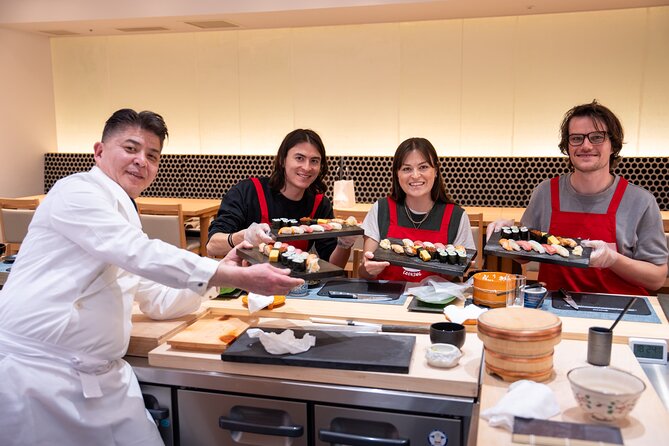
- 9 nigiri + roll sushi practice with a professional Taisho guiding your technique
- No knife stress: the chef handles slicing while you focus on shaping and rolling
- Tempura set and fresh tastings on site as part of the full meal
- Sake tasting with pairing tips so you know what to taste for
- Matcha whisking at the end, paired with Japanese sweets
- Small group size (max 8) for a more personal class feel
First Stop: Japanese Sweets That Set Up the Matcha Finale
Your day starts at 3:30 pm at Diesel604 Banochō in Nakagyo Ward, with the activity ending back at the same meeting point. The timing matters because you’ll be working and tasting through the afternoon into early evening—exactly when Kyoto feels calm and walkable without the midday crush.
Before you even touch sushi rice, you’ll visit a local shop for traditional Japanese sweets. That first stop isn’t just a snack break. It’s your warm-up for the end of the experience, when you’ll whisk matcha and eat it with the sweets you picked. I like this flow because it turns the finale into something you actually participate in, rather than a random add-on.
You’re also not required to know Japanese. The guide keeps the pace comfortable and explains what you’re doing in English. That’s important in a class like this, where details (like texture and timing) affect results.
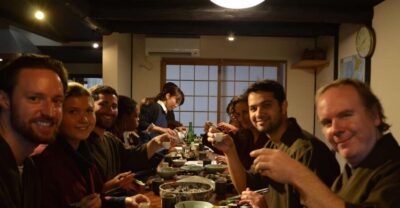
Roll up your sleeves for another Kyoto cooking class

Meeting the Taisho Chef: How the Class Stays Hands-On
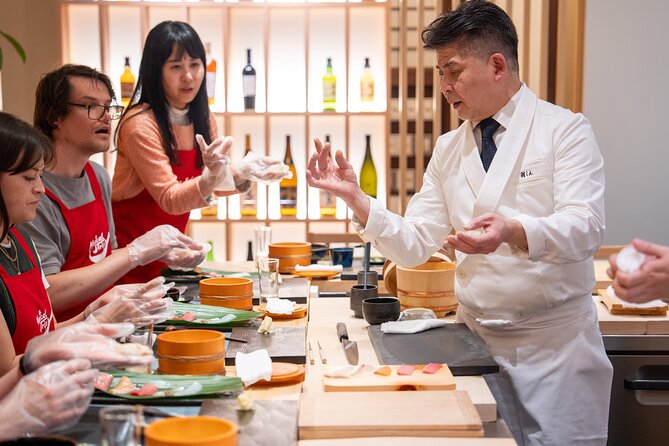
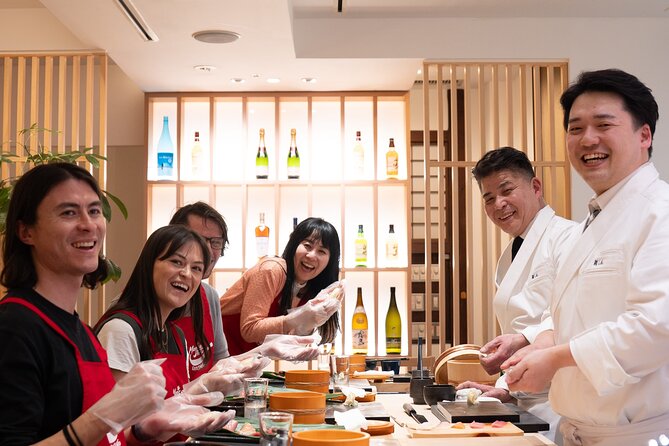
Next you’ll step into an authentic sushi restaurant and meet a professional Taisho chef. This matters because the class isn’t built around generic cooking-show tricks. The focus is on the precision side of sushi—knife work, rice handling, and shaping nigiri so it looks right and tastes clean.
Here’s the key practical detail: you won’t be responsible for sharp cutting. The Taisho handles slicing, while you learn how to roll, shape, and assemble. That takes the pressure off. You can concentrate on the hands-on parts that actually teach skill—forming nigiri, managing the roll, and learning what the finished piece should feel like.
The group stays small, with a maximum of 8 travelers. In a class format, that usually translates to steadier attention. You’re less likely to feel lost when you have questions like what to do when something looks uneven, or how to correct your grip and shaping speed.
Learning 9 Nigiri and Roll Sushi: Skill You Can Reuse
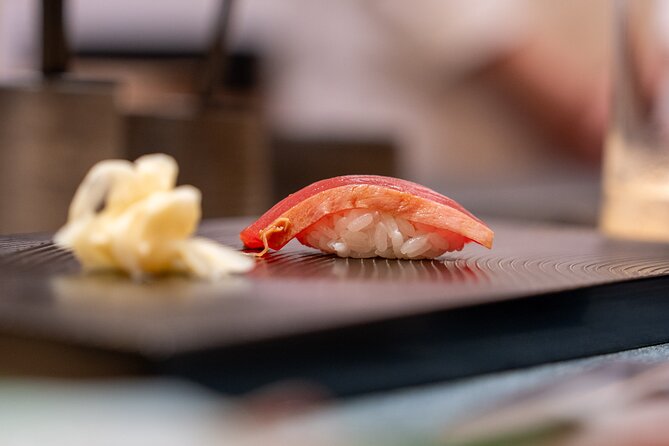
The core menu you’ll work on includes 9 nigiri sushi plus roll sushi. That’s a nice amount of practice for a single session. It’s long enough to build confidence, but not so long that your attention drifts.
What you should expect during the nigiri portion:
- watching precise technique first (how the chef positions fish and rice)
- then doing the shaping steps yourself under close guidance
- getting feedback while you adjust your hands and timing
For rolls, you’ll learn to assemble rather than just “make a roll.” Rolling sushi is where small errors show up fast—too loose, too tight, uneven edges—so the guidance is what makes the lesson stick. Even if you’re not chasing restaurant-level perfection at home, you’ll leave with a clearer sense of how sushi should come together.
And yes, you’ll taste what you make on site. That matters more than people think. When you can compare your first pieces to later guidance, the lessons become real fast.
Tempura Set: A Break That Still Fits the Sushi Theme
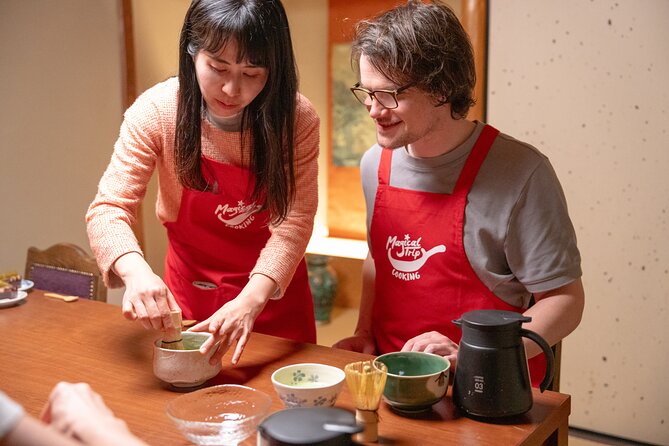
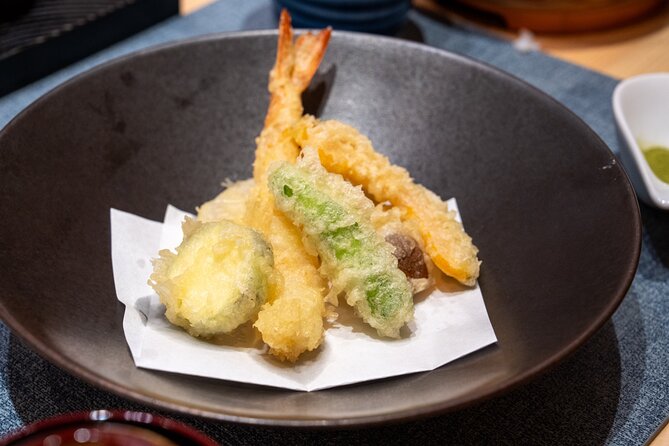
After sushi making, you’ll enjoy freshly made tempura by the chef as part of a tempura set. This isn’t filler. Tempura gives you a different texture and flavor baseline—crisp outside, tender inside—so you can reset your palate after sushi rice and seafood.
It also gives you a practical comparison point. Sushi is about balance and clarity; tempura is about crunch and lightness. Having both in one session helps you understand how Japanese meals can shift style without feeling “random.”
Sake Tasting With Pairing Tips: What to Taste (Not Just What to Drink)
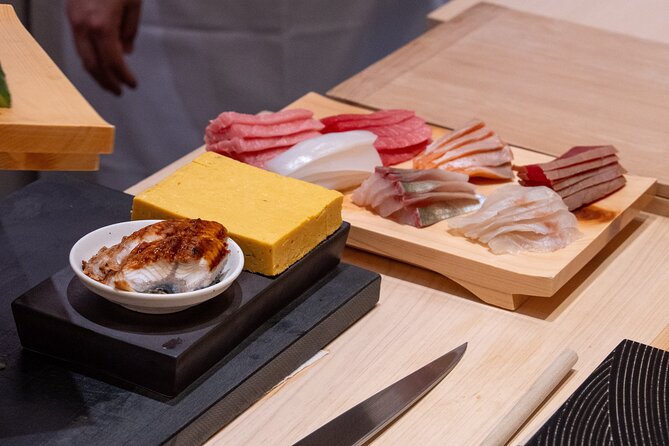
You’ll also have sake tastings with pairing tips designed to help you understand the match between sake and sushi flavors. I like this part because it turns drinking into learning.
Instead of only asking you to sip, the guide provides context on what you’re tasting for—how different sake styles can complement (or clash with) the saltiness, fat, and delicate flavors in sushi. That’s useful even if you don’t become a sake expert. You’ll get a vocabulary for your own preferences, and it makes ordering sake later in Japan far less intimidating.
The class includes two drinks, and between sake tastings and your matcha experience at the end, you’ll cover both of the signature beverages people associate with Japanese food culture.

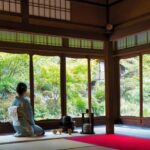



Kyoto-Style Garden Finale: Whisk Matcha With the Sweets You Chose
The last act is the part people remember. You’ll unwind in a peaceful Kyoto-style garden, and your guide will teach you how to whisk matcha. You’ll then enjoy matcha alongside the Japanese sweets you picked earlier.
This is where the day’s structure becomes satisfying. The sweets stop at the beginning isn’t random. It connects to the matcha finish, so you’re tasting the pairing on purpose.
Matcha whisking also helps you understand the “ritual” side of Japanese tea. It’s not just taste. It’s motion, texture, and how you build the drink. Even if your whisking style won’t match a ceremony expert, you’ll come away with enough instruction to recreate the basics at home.
If you’re the type who likes food experiences that end calmly (instead of immediately rushing to the next thing), you’ll appreciate this garden pacing.
Price and Value: What $163.30 Gets You in Real Terms
At $163.30 per person, this is a mid-to-premium priced class for Kyoto. The good news is that the price makes sense when you look at what’s included: sushi practice (9 nigiri + roll sushi), tempura set, sake tastings, Japanese sweets, and your matcha whisking, all taught by a professional Taisho chef.
This price is less about the ingredients as a shopping list and more about:
- chef-led technique (especially the sushi shaping portion)
- an English-speaking guide for smooth explanation
- on-site tastings of your own work
- a structured cultural flow, not just a cooking demo
Also, the class runs about 3 hours 30 minutes, which is a smart length for the amount of food you’re making and eating. If you wanted to recreate this alone in Kyoto, you’d spend money on meals anyway—and you’d miss the step-by-step correction that helps you learn fast.
One more value factor: it’s offered by MagicalTrip Inc., noted as a Tripadvisor Best of the Best Award winner. That doesn’t guarantee quality by itself, but it’s a signal that the experience is built to run well for real schedules and real groups.
Who Should Book This Kyoto Sushi Class
This is a strong fit if you:
- love sushi and want to learn how it’s shaped, not just where to eat it
- want a guided food experience with an English-speaking explanation
- travel with kids 4+ (the class format is described as family-friendly)
- prefer a small group (max 8) over large tour crowds
- want both hands-on practice and a cultural finish (garden + matcha)
It’s also a good match for solo travelers. You’ll still get the personal attention you need for shaping nigiri and rolling. And because you’re tasting what you make, you won’t feel like you’re standing around.
Logistics That Affect Your Experience (Small Things, Big Impact)
A few practical points can help you enjoy the class more.
- Start time (3:30 pm): plan an easy morning or early afternoon. By the time you’re rolling sushi and tasting, you don’t want to be rushing across town.
- Near public transportation: it’s meant to be convenient to reach. Still, Kyoto sidewalks can be slow with crowds, so give yourself buffer time.
- Mobile ticket: you’ll want your phone charged. It’s the kind of small thing that prevents last-minute stress.
- Booking lead time: on average, it’s booked about 24 days in advance. If you have a tight itinerary, don’t wait until the last week.
Should You Book This Kyoto Sushi Experience?
I’d book it if you want a real learning-focused sushi session in Kyoto—one where you make 9 nigiri, roll sushi yourself, and also get tempura, sake tastings, plus a matcha-and-sweets garden ending. The combination of chef-led technique and structured tasting makes it feel like more than a meal.
I wouldn’t book it if you’re mainly looking for a cheap food stop or a short, light experience. This is a hands-on class, and it costs accordingly. If you’re the type who values skills you can repeat, though, the price starts to look fair fast.
If you do book, aim for a weekday if you can (to help keep the day feeling unhurried), and come hungry. You’re there to cook, taste, and learn—so treat it like an afternoon program, not a quick bite.
FAQ
What will I make and eat during the class?
You’ll make 9 nigiri sushi and roll sushi, and you’ll also enjoy a tempura set, sake tastings, and a matcha experience with Japanese sweets.
How long is the Kyoto sushi making experience?
The experience lasts about 3 hours 30 minutes.
Do I need to know Japanese to take part?
No. The experience includes an English-speaking guide, so you don’t need Japanese skills.
Is there a sake tasting?
Yes. The class includes sake tastings with pairing tips.
What is the matcha part at the end?
You’ll learn how to whisk matcha and then enjoy it with the Japanese sweets you picked earlier.
Where does the tour start and end?
It starts at Diesel604 Banochō, Nakagyo Ward, Kyoto, 604-8172, Japan, and ends back at the same meeting point. The start time is 3:30 pm.
Can I cancel for a full refund?
Yes. You can cancel for a full refund if you cancel at least 24 hours before the experience start time. If you cancel less than 24 hours before, the amount paid is not refunded.
More Tour Reviews in Kyoto
More Kyoto Cooking Classes

Just added: more Kyoto tours to browse








Kyoto Cooking Classes, compared.
 ★ 5.0Ramen Cooking Class at Ramen Factory in KyotoFrom $1311,937 reviews
 ★ 5.0Sushi Making in Kyoto! Same-day bookings welcome!From $53713 reviews
 ★ 4.9Ramen Cooking Class at a Ramen Factory with SouvenirFrom $127532 reviews
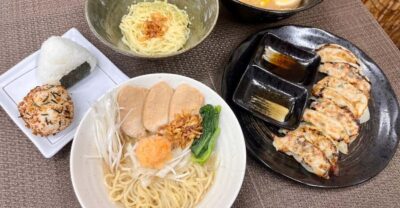 ★ 5.0Ramen, Gyoza, and Onigiri Cooking ClassFrom $90445 reviews
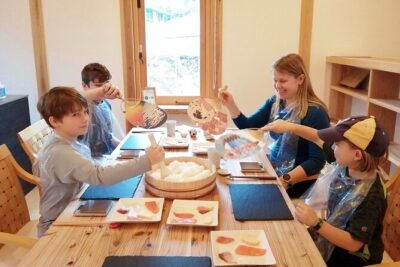 ★ 5.0The Original Small-Group Sushi Making Class in KyotoFrom $69436 reviews
 ★ 5.0Japanese Washoku Bento Small Group Cooking ClassFrom $58380 reviews
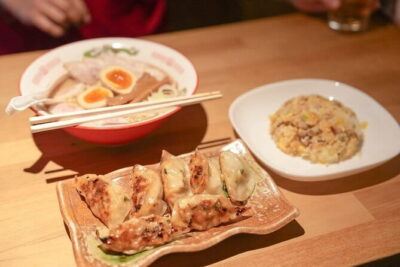 ★ 5.0Kyoto Ramen and Gyoza Cooking Class with Professional ChefsFrom $86282 reviews
 ★ 4.9Afternoon Japanese Izakaya Cooking ClassFrom $67241 reviews
Browse the lists this tour appears in