
Sushi starts with a chef’s knife, not a menu. This Kyoto class puts you at the cutting edge of nigiri craft with a professional Taisho chef, then rewards you by letting you taste what you make. Between the sushi, sake tastings, and a matcha finish, it’s one of those dinners that teaches you how the food works, not just what it tastes like.
I especially like two parts: learning to shape sushi yourself (including roll sushi plus tempura), and the way the guide handles the details so you actually understand what’s happening. In the reviews, guides such as Ayu translated the chef’s instructions from Japanese into English clearly, and that makes a huge difference when you’re trying to follow hand movements and timing.
One thing to consider: this experience isn’t set up for everyone. It’s not suitable for vegans, vegetarians, or gluten-free needs, and it also doesn’t list wheelchair access, so plan accordingly if you’re coming with dietary or mobility requirements.
In This Review
- Key highlights you’ll care about
- Kyoto Sushi Making Feels More Like Skill Practice Than a Show
- Meeting Near Karasuma Oike and Starting at DIESEL 京都
- The Sweets Shop Stop: Picking Wagashi Before the Matcha Finale
- Inside the Restaurant: Making 9 Nigiri and Roll Sushi With a Taisho Chef
- Tempura and Drinks: Building a Full Meal, Not Just a Sushi Ticket
- Sake Tastings With Pairing Tips: Turning Bites Into Lessons
- Matcha Experience in a Kyoto-Style Garden With Wagashi
- Price and Value: Why $161 Can Be Fair for This Much Food and Instruction
- Who This Suits Best (and Who Should Rethink It)
- Practical Tips for a Smooth Class Night
- Should You Book This Kyoto Sushi Making Experience?
- FAQ
- How long is the Kyoto sushi making experience?
- Where is the meeting point?
- Is the class taught in English?
- What food and drinks are included?
- Is it suitable for vegetarians or vegans?
- Are allergies handled safely for all guests?
- What are the age requirements?
- What’s the cancellation policy?
Key highlights you’ll care about
- Small group size (up to 7) helps you get real attention while you’re making nigiri and rolls
- Taisho chef instruction focuses on hands-on technique, not just watching
- Sake tastings with pairing tips tie drinks to the bites you’re building
- Tempura included adds a second skill track and another fresh, hot component
- Matcha experience with wagashi gives you a sweet, calming end to a full meal
- Photos included so you can focus on learning instead of multitasking with your camera
Kyoto Sushi Making Feels More Like Skill Practice Than a Show
Kyoto sushi lessons have a certain rhythm: the chef works with focus, and you copy the steps at your own pace. Here, you’re not just observing. You’re learning nigiri sushi technique, then rolling sushi yourself, under guidance from a professional Taisho chef.
What makes this class valuable is the mix. You get the hands-on “I did it” feeling from making sushi, then you learn how the flavors connect through sake tasting and pairing tips. After that, the experience slows down with a matcha whisking moment and traditional sweets. It’s a full loop: make, taste, adjust, then finish with something gentle.
Roll up your sleeves for another Kyoto cooking class

Meeting Near Karasuma Oike and Starting at DIESEL 京都
Your meeting point is near Karasuma Oike Station Exit 5, and the starting location is listed as DIESEL 京都. Because the tour starts on time out of respect for everyone, build in buffer time. If you’re late, you won’t be able to join, reschedule, or receive a refund.
I find that matters more than people think. This class includes multiple stages (sweets, restaurant work, tastings, matcha), and once you miss the start, you can’t slide into the middle. Arriving early also helps you get comfortable with the schedule and meet your guide without rushing.
The Sweets Shop Stop: Picking Wagashi Before the Matcha Finale
Before the restaurant portion, you’ll visit a local shop for traditional Japanese sweets (wagashi). Your guide helps you with the selection, and you’ll actually use those sweets later during the matcha portion.
This is a smart setup. If you pick the sweets as part of the experience, the matcha at the end feels intentional, not like an added extra. You’ll also get a little shopping time tied directly to the food you’ll eat, which makes the class feel grounded in Kyoto rather than staged.
In the reviews, the overall pacing gets positive mentions for feeling well managed, and this sweets stop is part of that flow.
Inside the Restaurant: Making 9 Nigiri and Roll Sushi With a Taisho Chef
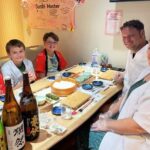
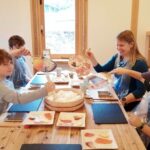
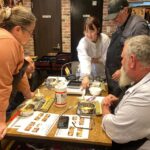
Once you reach the sushi restaurant, you meet the Taisho chef and get a clear look at how precise knife work and shaping technique fit together. Then comes the part you’ll remember: making sushi yourself.
The course lists:
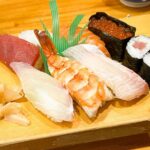
- 9 nigiri sushi
- roll sushi
- tempura set
- plus drinks
Because the chef is working in a traditional style, it’s normal that instructions may be in Japanese. What saves you is the English support from your guide. Reviews mention translation that makes the steps understandable even when chefs communicate primarily in Japanese. In other words, you can focus on your hands, not on guessing what’s next.
One cool detail from reviews: you may even get a chance to look at the knives. That small moment adds context for why the technique feels the way it does, and it’s the kind of souvenir memory you can’t get from photos alone.
Tempura and Drinks: Building a Full Meal, Not Just a Sushi Ticket
Sushi making can turn into a snack if the meal is light. Here, the plan includes a tempura set, and the course includes two drinks.
That combination matters for value and comfort. Sushi classes sometimes leave you hungry because the training takes time. This one builds in another hot dish (tempura), plus drinks and later tastings, so you’re not spending your evening waiting for food to finish.
It also helps you practice flavor thinking. Tempura and nigiri aren’t the same experience, so your palate gets to switch gears rather than staying stuck in one texture and one style.

Sake Tastings With Pairing Tips: Turning Bites Into Lessons
After the sushi and tempura, you’ll enjoy sake tastings with pairing tips. This is one of the most distinctive parts of the class because it teaches you how the drink connects to the food you just made.
You don’t need to be a sake expert. The useful part is the guide walking you through what to try and how to match it to what you’re eating. In the reviews, people highlight the tasting and the pairing guidance as a major reason the meal felt better than other experiences.
A practical takeaway for you: when you taste, don’t rush to decide your favorite right away. Try the bite first, then pair, then notice what changes. That’s where the lesson lands.
Matcha Experience in a Kyoto-Style Garden With Wagashi
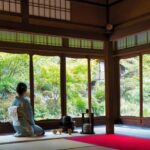
The finish is designed to slow you down: a Kyoto-style garden atmosphere, then matcha whisking. Your guide teaches you how to whisk matcha, and you enjoy it with the wagashi sweets you picked earlier.
In one review, the matcha moment is described as happening while seated on tatami mats, which makes sense for that traditional, low-pressure end to a hands-on cooking lesson. Even if you’re not a tea person, this part gives you a mental reset after the kitchen pace.
I also like that the class doesn’t end on a hard skill note. Sushi and slicing focus your attention. Matcha gives your body a chance to relax while your brain processes what you learned.
Price and Value: Why $161 Can Be Fair for This Much Food and Instruction
At $161 per person for about 210 minutes, this isn’t the cheapest thing you can book in Kyoto. But it can still be good value because the package isn’t only “watch a chef.”
You’re getting:
- pro instruction from a Taisho chef
- hands-on sushi making (including 9 nigiri and roll sushi)
- a tempura set
- two drinks
- sake tastings with pairing tips
- matcha experience with Japanese sweets (wagashi)
- tour photos
That mix matters. If you break it down, the price is paying for time with a professional and multiple food moments, not just a single meal. And because the group is limited to 7 participants, you’re more likely to get help when you get stuck with a step.
If your priority is learning technique (and not just eating well), this price starts to make sense fast.
Who This Suits Best (and Who Should Rethink It)
This class welcomes all cooking levels. It’s also in English, and the instructor is listed as English. The experience is for participants at least 4 years old, with supervision for children handling knives or taking on potentially dangerous steps.
This fits you if:
- you want hands-on learning from a sushi chef, not just a viewing experience
- you’re interested in sake pairing and want a guided tasting
- you like food experiences that end in a calm, traditional setting
You might want to skip it if:
- you’re vegetarian, vegan, or gluten-free (the tour can’t accommodate these requests)
- you need guaranteed allergy-free meals (food is prepared in non-allergy-free settings, and the listing says allergy-free meals can’t be guaranteed)
- you use a wheelchair (wheelchair users aren’t suitable)
Practical Tips for a Smooth Class Night
A few things will help you get the most out of the time you have:
- Arrive early near Karasuma Oike. The tour starts on time, and late arrival can block participation.
- Ask your guide to translate the goal of each step, not just the steps themselves. Clear purpose helps your hands follow the pattern.
- Go in ready to taste and adjust. The class is built around tasting what you made and then pairing with sake.
- If you’re bringing kids, keep in mind the rule about supervision around knives and potentially dangerous steps.
- Wear comfortable clothes you can move in. You’ll be standing and working while learning knife and sushi-shaping technique.
- Use the provided photos as a bonus. Let the class happen without you constantly photographing every moment.
Should You Book This Kyoto Sushi Making Experience?
If you want one evening in Kyoto that combines cooking skills, local food culture, and guided tasting, I think this is an easy yes. The strongest reasons are the hands-on sushi portion with a professional Taisho chef and the fact that the experience doesn’t end with sushi alone. You also get tempura, sake tastings, and a matcha finale with wagashi.
I’d only hesitate if your dietary needs don’t match the stated limits (no vegan/vegetarian/gluten-free support) or if accessibility is a concern. If those are true, you’ll likely waste time trying to solve problems that the tour can’t adjust for.
FAQ
How long is the Kyoto sushi making experience?
The experience duration is listed as 210 minutes.
Where is the meeting point?
You’ll meet near Karasuma Oike Station Exit 5.
Is the class taught in English?
Yes. The instructor language is listed as English.
What food and drinks are included?
You can expect sushi and tempura, two drinks, sake tastings, a matcha experience, and Japanese sweets (wagashi). The course includes 9 nigiri sushi and roll sushi.
Is it suitable for vegetarians or vegans?
No. The tour is not suitable for vegans or vegetarians, and it also can’t accommodate gluten-free requests.
Are allergies handled safely for all guests?
The information says allergy-free meals cannot be guaranteed, since food is prepared in non-MagicalTrip kitchens. Substitutions may not always be possible, but adjustments may be made when feasible.
What are the age requirements?
Participants must be at least 4 years old. Children must be supervised by an accompanying adult when handling knives or engaging in potentially dangerous steps.
What’s the cancellation policy?
Free cancellation is listed up to 24 hours in advance for a full refund. Late arrivals are not able to join, reschedule, or receive a refund.
More Tour Reviews in Kyoto
More Kyoto Cooking Classes
Just added: more Kyoto tours to browse


Kyoto Cooking Classes, compared.
 ★ 5.0Ramen Cooking Class at Ramen Factory in KyotoFrom $1311,937 reviews
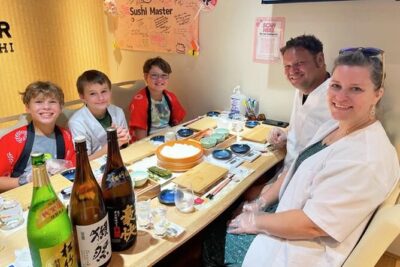 ★ 5.0Sushi Making in Kyoto! Same-day bookings welcome!From $53713 reviews
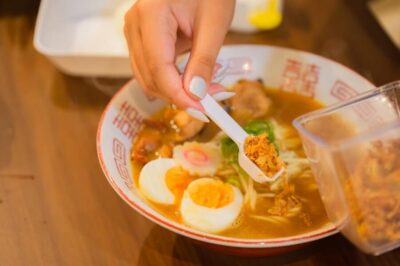 ★ 4.9Ramen Cooking Class at a Ramen Factory with SouvenirFrom $127532 reviews
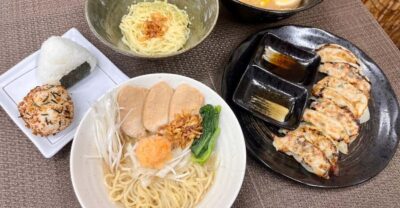 ★ 5.0Ramen, Gyoza, and Onigiri Cooking ClassFrom $90445 reviews
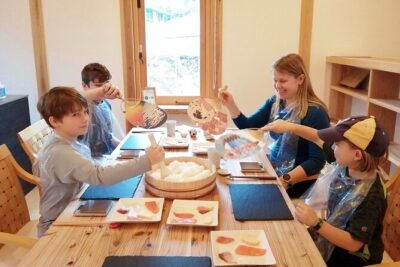 ★ 5.0The Original Small-Group Sushi Making Class in KyotoFrom $69436 reviews
 ★ 5.0Japanese Washoku Bento Small Group Cooking ClassFrom $58380 reviews
 ★ 5.0Kyoto Ramen and Gyoza Cooking Class with Professional ChefsFrom $86282 reviews
 ★ 4.9Afternoon Japanese Izakaya Cooking ClassFrom $67241 reviews
Browse the lists this tour appears in