
Reviewed · KYOTO COOKING CLASSES
Kyoto: Sushi Making Experience in Kawaramachi
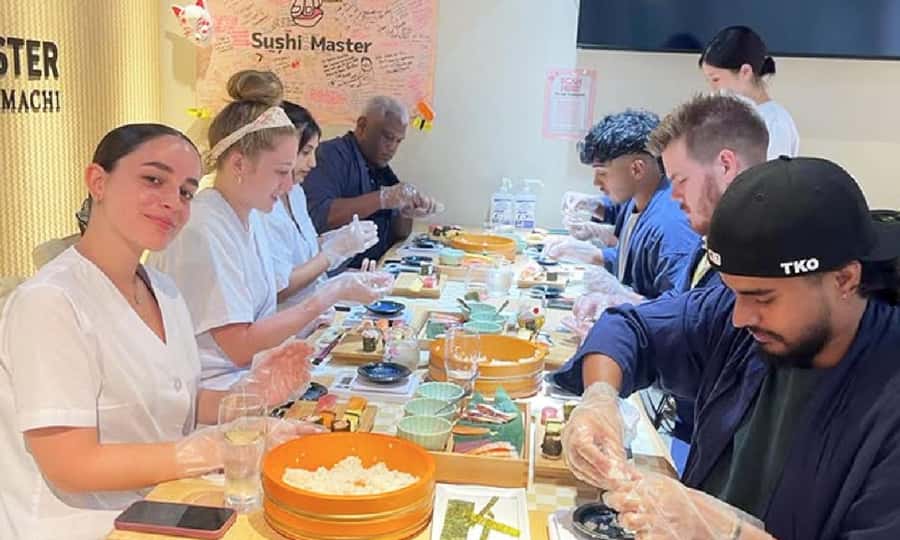
Sushi class in Kyoto beats watching it. In a 90-minute session near Kawaramachi Station, you’ll get a short talk on sushi and then make your own pieces with English-speaking staff. I like that you leave with both dinner and a small gift, not just a photo. One thing to note: there’s no special meal planning for vegetarians, vegans, or halal diets, and they can only swap for certain shellfish issues.
The setup is simple and practical: you come in on your own (no hotel pickup), get guided step-by-step, and then sit down to eat what you made. The class is designed for all skill levels, and it’s a good way to do something hands-on without spending half your day commuting. At about $40 per person, it’s a fair value if you actually want to cook, not just observe.
In This Review
- Key Highlights You’ll Care About
- Why Kawaramachi Is a Smart Place for Sushi-Making
- The 90-Minute Flow: Learn, Make, Eat
- Two Course Options: Nigiri & Gunkan vs Temari Sushi
- Sushi Making Experience Course
- Temari Sushi Making Course
- What Actually Happens During the Hands-On Part
- The Staff Factor: Friendly, Fluent, and Practical
- Price and Value: Is $40 Worth It?
- Location and Timing: Fit It Into Real Kyoto Days
- Allergy and Diet Limits You Should Know Up Front
- Drinks, Souvenirs, and What You Leave With
- Who This Class Suits Best
- Quick Practical Tips Before You Go
- Should You Book This Kawaramachi Sushi-Making Experience?
- FAQ
- How long is the sushi-making class in Kawaramachi?
- What courses are offered and what do you make?
- What is included in the $40 price?
- Are drinks included?
- Do they offer hotel pickup and drop-off?
- Can they accommodate food allergies or special diets?
Key Highlights You’ll Care About
- 90-minute session that moves from a short lecture to hands-on making, then straight to eating
- English support from friendly Japanese staff, so you’re not stuck guessing
- Two course options with clear outputs: nigiri/gunkan or temari plus gunkan-maki
- Close location: about a 5-minute walk from Kyoto Kawaramachi Station on the Hankyu Kyoto Line
- What you get: the ingredients, your sushi meal, and a special gift included in the price
Why Kawaramachi Is a Smart Place for Sushi-Making
Kawaramachi is one of those Kyoto areas that makes planning easy. You’re close to shopping and everyday conveniences, so you can slot the class in without it becoming a whole expedition. And because it’s near Kyoto Kawaramachi Station (about a 5-minute walk on the Hankyu Kyoto Line), you can get there without building your itinerary around taxis.
What I like most is that this kind of activity fits Kyoto’s pace. You don’t need to race across town, and you’re not committing to a long tour day. You’re spending a focused chunk of time doing something you can’t really replicate later at home—because sushi is technique plus timing, not just ingredients.
Also, there’s something comforting about doing a food experience where the staff language barrier is handled. The class lists English as the working language and says staff are very fluent, which matters when you’re shaping nigiri and trying not to crush rice.
One more practical note: the meeting point can vary depending on what you book, and there’s no hotel pick-up or drop-off. That means you’ll want to plan to get there under your own steam and arrive a little early so you don’t start stressed.
Roll up your sleeves for another Kyoto cooking class

The 90-Minute Flow: Learn, Make, Eat
This is built as a tight 90-minute cycle. First comes a lecture on the history of sushi and traditional Japanese cuisine. It’s not the type of lecture that drags on; it’s there to give context before you touch the rice and fish.
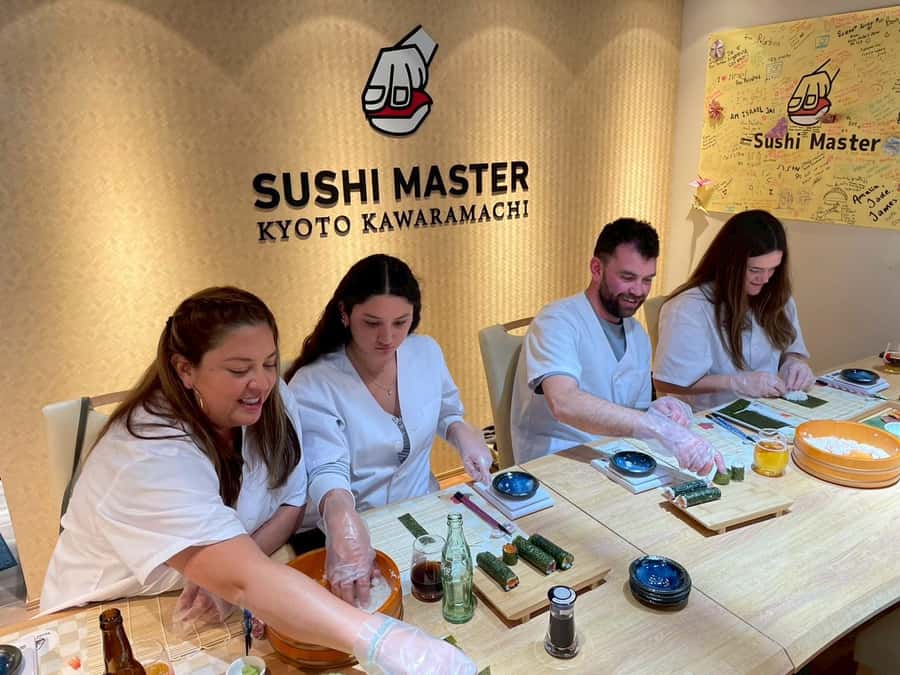
Then you shift into the hands-on part. This is where you’ll learn the actual steps to form sushi pieces, guided by the class staff. If you’ve never made sushi before, you can still do well here because it’s a structured class format and it’s designed for all skill levels.
Finally, you eat what you made. That’s not a small detail. A lot of food classes are basically “watch us cook and taste one bite.” Here, you’re producing a set number of pieces, and the class ends with you enjoying the result. It turns the lesson into a meal, which is exactly how you get good value for your time.
If you’re the type who worries about being slow, don’t. The class is set up as a guided experience, and the schedule is standardized. You’re not trying to reinvent sushi on your own; you’re learning the sequence in a classroom-style workflow.
Two Course Options: Nigiri & Gunkan vs Temari Sushi
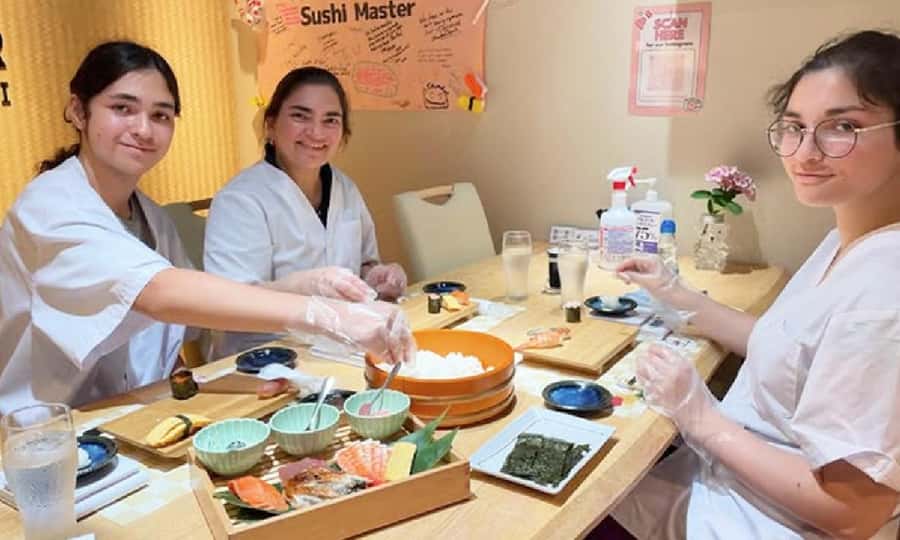
You have a choice of course, and the outputs are clearly listed. That helps a lot when you’re deciding based on what you actually want to eat.
Sushi Making Experience Course
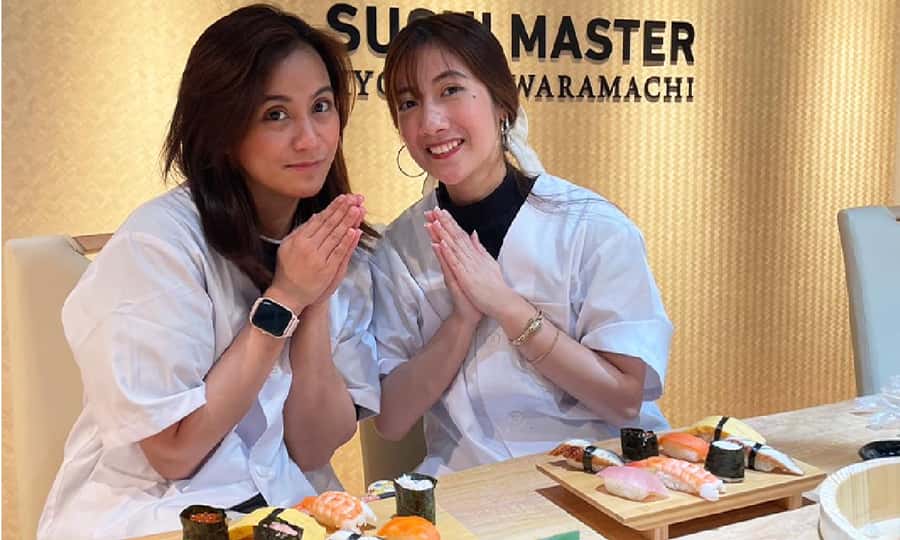
This version includes 9 pieces of nigiri-sushi and 3 pieces of gunkan-maki. Nigiri is the clean, classic skill: shaping rice and topping it. Gunkan-maki adds a different texture challenge because you’re working with a seaweed “cap” style form.
If you want the most traditional sushi lesson feel—hands on with the recognizable Kyoto/Japan basics—this is likely the better fit.
Temari Sushi Making Course
This one includes 10 pieces of temari-sushi and 2 pieces of gunkan-maki. Temari sushi is more round and playful, and it often makes the process feel more forgiving than straight nigiri shaping. You still get gunkan-maki, so you’re not giving up the classic format.
Temari can be a great choice if you want something that feels lighter and more “hands-on crafting,” while still keeping real sushi components in the mix.
Either way, you’re going to eat during the session. Just pick based on whether you want to focus on nigiri form (and that rice-and-fish feel) or on the rolling/shape approach of temari.






What Actually Happens During the Hands-On Part
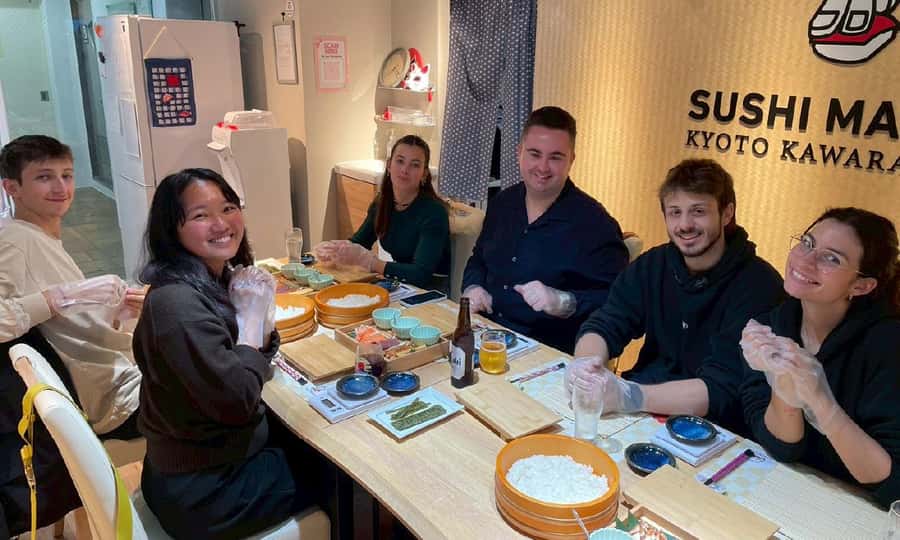
The class is guided, and the experience is built around traditional sushi making techniques. You’ll be working with sushi ingredients, and the included ingredients are part of the value—this is not a DIY kit where you bring half your own materials.
You’ll also get the benefit of learning the logic behind the steps. Sushi isn’t only about assembly; it’s about how rice texture works with toppings, and how you form pieces without making a mess. A structured class helps you learn what to watch for: stickiness, firmness, and shape control.
And because the session includes both making and eating, you’ll also quickly understand what matters most. The pieces you make aren’t just for show. When you bite in, you get immediate feedback on how your sushi turned out—what was right, what felt tricky, and what you’d adjust next time.
If you’re a complete beginner, that feedback loop is huge. If you already know some sushi basics, the guided format can still be useful because it helps you refine technique instead of guessing.
The Staff Factor: Friendly, Fluent, and Practical
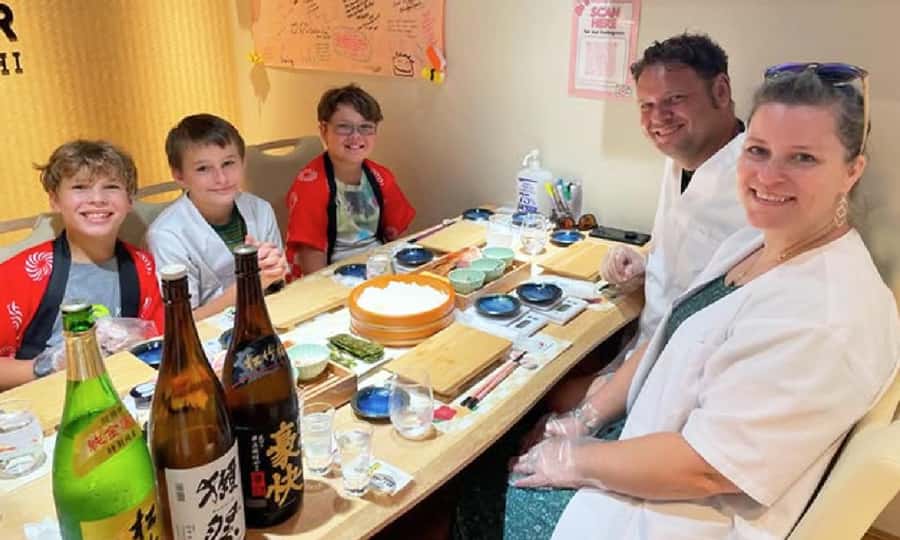
Food classes rise or fall on communication. Here, the class notes that staff speak English very fluently. That means you can ask questions, understand step-by-step instructions clearly, and avoid that awkward moment where you’re silently copying someone’s hand motion.
The staff are also described as the friendliest in Kyoto. While that’s a broad claim, it matches what you want from a class like this: calm guidance, patience, and a low-pressure atmosphere. Sushi-making gets messy fast if nobody helps you pace yourself, but a guided session keeps things moving.
There’s also a small but important detail: the class only accommodates shellfish allergies (octopus and squid can be substituted). That tells you the team is set up to manage specific dietary constraints, not everything. If you’re allergic to other foods, you’ll need to be sure the course can accommodate you—or you may need to choose a different type of experience.
Price and Value: Is $40 Worth It?
At around $40 per person, the price lands in the “reasonable Kyoto experience” zone. But value here isn’t just cost—it’s what you’re getting for your time.
You get:
- Sushi ingredients used during the class
- Your sushi meal (what you make)
- A special gift
- English-language guidance
You also don’t get:
- Drinks (soft drinks and alcohol can be ordered)
- Hotel pickup/drop-off
When you total it up, the included meal is doing a lot of the heavy lifting for value. You’re paying for instruction plus food output, not paying for a snack. If you were going to eat sushi anyway, this class essentially turns your dinner into a skill-building activity.
The lack of hotel pickup might sound minor, but it affects value only if you’re staying far from Kawaramachi or you don’t want to navigate on foot. Still, since it’s about a 5-minute walk from Kyoto Kawaramachi Station, it’s easy to treat like a “drop-in” activity from the transit hub.
In short: it’s worth it if you want hands-on practice and you’ll actually enjoy eating what you make. If you mainly want a quick tasting, you might find cheaper options. If you want the lesson-meal combo, this one makes sense.
Location and Timing: Fit It Into Real Kyoto Days
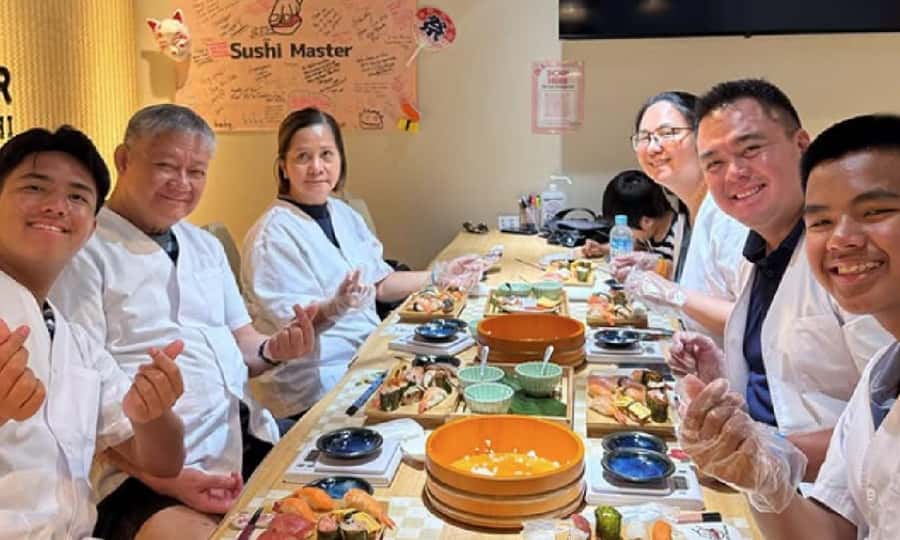
The class is 90 minutes, so it fits well between sightseeing blocks. You can keep your day efficient: morning temples, late lunch browsing, then sushi-making before dinner plans start to feel late and crowded.
The meeting point can vary depending on your booking option, so double-check where you need to arrive. And remember: you come directly to the class. No hotel pickup means you’ll want to plan your route so you’re not sprinting in transit shoes.
The good news is the walking distance from Kyoto Kawaramachi Station is short. That matters because Kyoto can be busy and directional. With a nearby station, you avoid the problem of a food class turning into an hours-long “where is it?” mission.
Also, the area’s filled with convenient shops. That’s useful because you can grab small items before or after—water, snacks, or last-minute gifts—without derailing your schedule.
Allergy and Diet Limits You Should Know Up Front
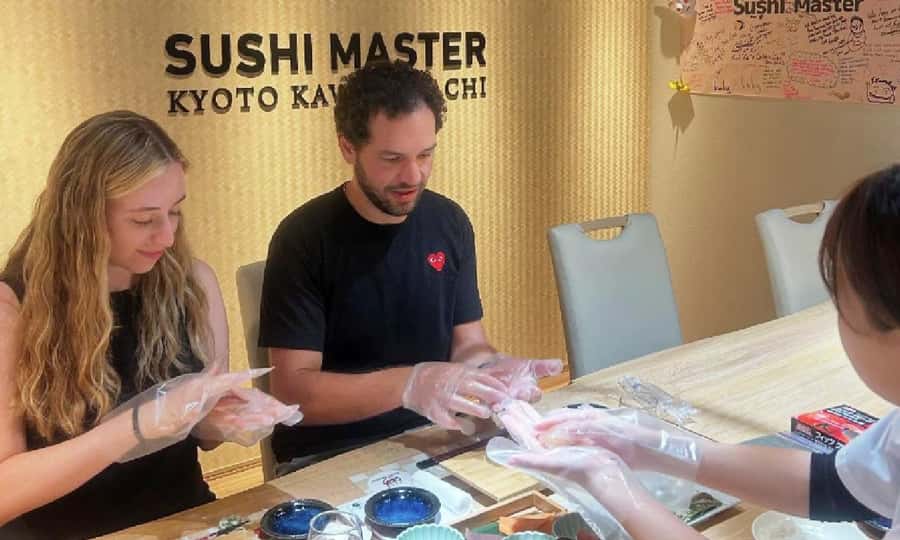
This is the part to read carefully, especially if food restrictions apply.
The class notes that they only accommodate shellfish allergies. If you have an octopus or squid issue, they can substitute. That’s helpful, but it’s still a very specific limitation.
The class also states that they do not offer special dishes for vegetarians, vegans, or halal diets. That’s a deal-breaker for some people, even if they like sushi. Sushi options can be tricky with strict dietary rules, so don’t assume you can request alternatives beyond what’s listed.
If you’re unsure whether the course can meet your needs, you should treat this as a “yes only if your restriction matches their supported substitutions” situation. For everything else, you’ll likely need to choose a different experience.
Drinks, Souvenirs, and What You Leave With
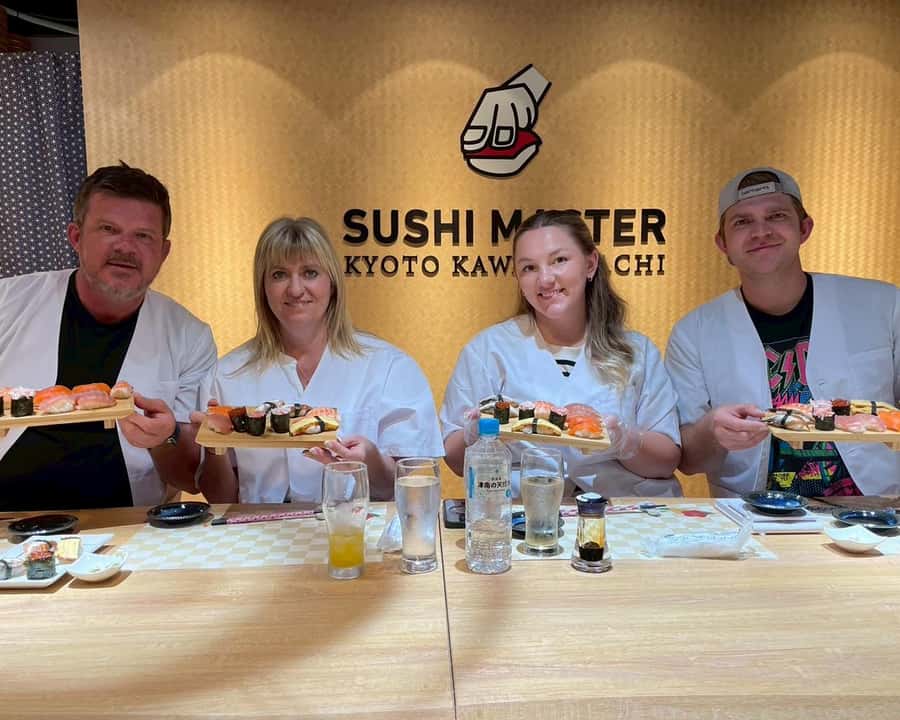
Even though drinks aren’t included, you can order soft drinks and alcohol during the class. That’s handy if you like pairing a drink with a meal, but it also means your final cost could rise if you add alcohol.
You also take home a fun souvenir. The experience includes a special gift, which is part of what makes it feel like more than just a meal. It’s a small way to bring the experience home—especially nice if you’re traveling with friends or want a tangible reminder that isn’t another paper ticket.
And because the class includes eating what you made, you get an immediate payoff. There’s no waiting until the end of the day to remember it. You’ll be tasting your work right after learning it.
Who This Class Suits Best
This sushi-making experience is ideal if you:
- Want a hands-on food activity in Kyoto, not just a tasting
- Like structured guidance and clear outputs (specific numbers of pieces)
- Prefer an English-supported experience
- Want your lunch or dinner to come with an activity attached
It’s also a good match for couples and small groups who want something interactive together without needing high-level prep. Because the class is designed for all skill levels, you don’t have to come in with sushi experience.
If you have strict dietary needs beyond shellfish allergies, you should probably skip this one and find a different type of cooking class that explicitly supports your diet.
Quick Practical Tips Before You Go
These are the kinds of small moves that help the class go smoothly:
- Go straight to the meeting point. No hotel pickup means you’re in charge of arrival timing.
- Wear something comfortable. Sushi-making gets hands-on, and you’ll be moving a bit.
- If you have a shellfish allergy, plan to mention it clearly. They only accommodate shellfish allergies, and substitutions are described for octopus and squid.
- Don’t overthink which course to pick. Choose based on the sushi style you most want to eat: nigiri/gunkan or temari/gunkan.
- Since drinks aren’t included, decide if you want to budget for soft drinks or alcohol ahead of time.
Should You Book This Kawaramachi Sushi-Making Experience?
Book it if you want a straightforward, English-friendly sushi lesson that ends with you eating your own work. The location is convenient, the session is only 90 minutes, and the price makes sense when you factor in the included meal and ingredients.
Skip it if your diet needs go beyond shellfish allergies, because there are no special dishes listed for vegetarians, vegans, or halal diets. Also, if you hate navigating on foot or don’t want to manage a meeting point yourself, the lack of hotel pickup might feel annoying.
With a 4.8 rating from 13 reviews, it’s already showing up as a reliable pick for people who want a fun, practical Kyoto experience rather than another long sightseeing day.
FAQ
How long is the sushi-making class in Kawaramachi?
The session is 90 minutes, with a short lecture first, then hands-on sushi making, and finally eating the sushi you made.
What courses are offered and what do you make?
There are two options: a Sushi Making Experience course (9 pieces of nigiri-sushi and 3 pieces of gunkan-maki) and a Temari Sushi Making course (10 pieces of temari-sushi and 2 pieces of gunkan-maki).
What is included in the $40 price?
The experience includes sushi ingredients, sushi meals, and a special gift.
Are drinks included?
No. Drinks are not included, but you can order soft drinks and alcohol during the class.
Do they offer hotel pickup and drop-off?
No, pickup and drop-off service from your hotel is not available. You should come directly to the class meeting point.
Can they accommodate food allergies or special diets?
They accommodate shellfish allergies only (octopus and squid can be substituted). They do not offer special dishes for vegetarians, vegans, or halal diets.
More Tour Reviews in Kyoto
More Kyoto Cooking Classes


Just added: more Kyoto tours to browse








Kyoto Cooking Classes, compared.
 ★ 5.0Ramen Cooking Class at Ramen Factory in KyotoFrom $1311,937 reviews
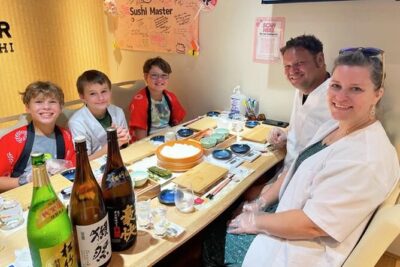 ★ 5.0Sushi Making in Kyoto! Same-day bookings welcome!From $53713 reviews
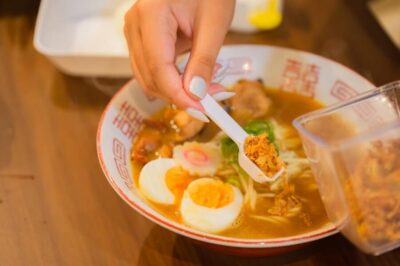 ★ 4.9Ramen Cooking Class at a Ramen Factory with SouvenirFrom $127532 reviews
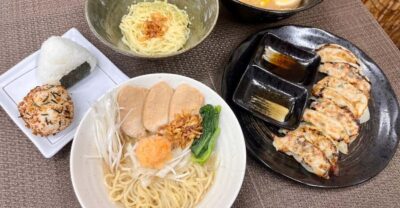 ★ 5.0Ramen, Gyoza, and Onigiri Cooking ClassFrom $90445 reviews
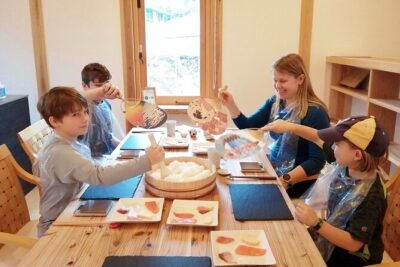 ★ 5.0The Original Small-Group Sushi Making Class in KyotoFrom $69436 reviews
 ★ 5.0Japanese Washoku Bento Small Group Cooking ClassFrom $58380 reviews
 ★ 5.0Kyoto Ramen and Gyoza Cooking Class with Professional ChefsFrom $86282 reviews
 ★ 4.9Afternoon Japanese Izakaya Cooking ClassFrom $67241 reviews
Browse the lists this tour appears in